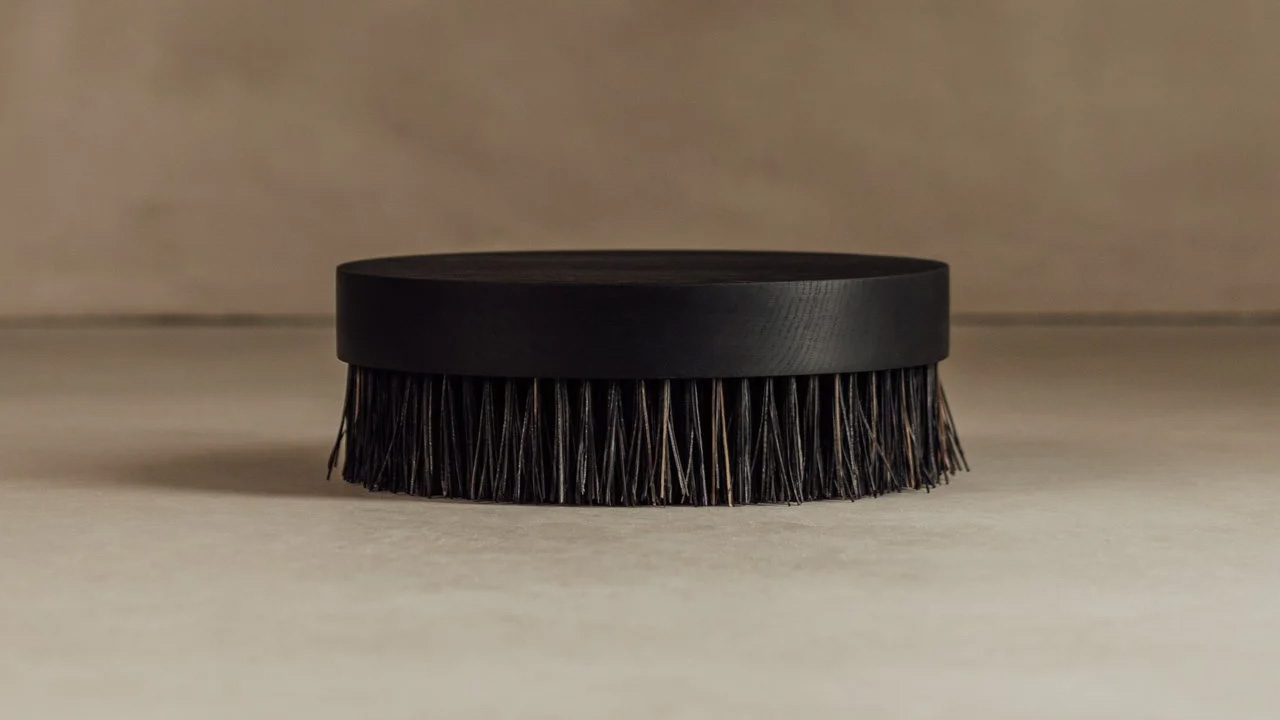
Brushes and brooms are something we use every day, yet never think beyond their functionality. Lucky for us, Belgian designer Linde Hermans looked at them and saw past their function. She designed the Bristle furniture collection, reimagining ordinary polishing tools as mammoth counterparts, to revive traditional brush-making techniques at a furniture scale.
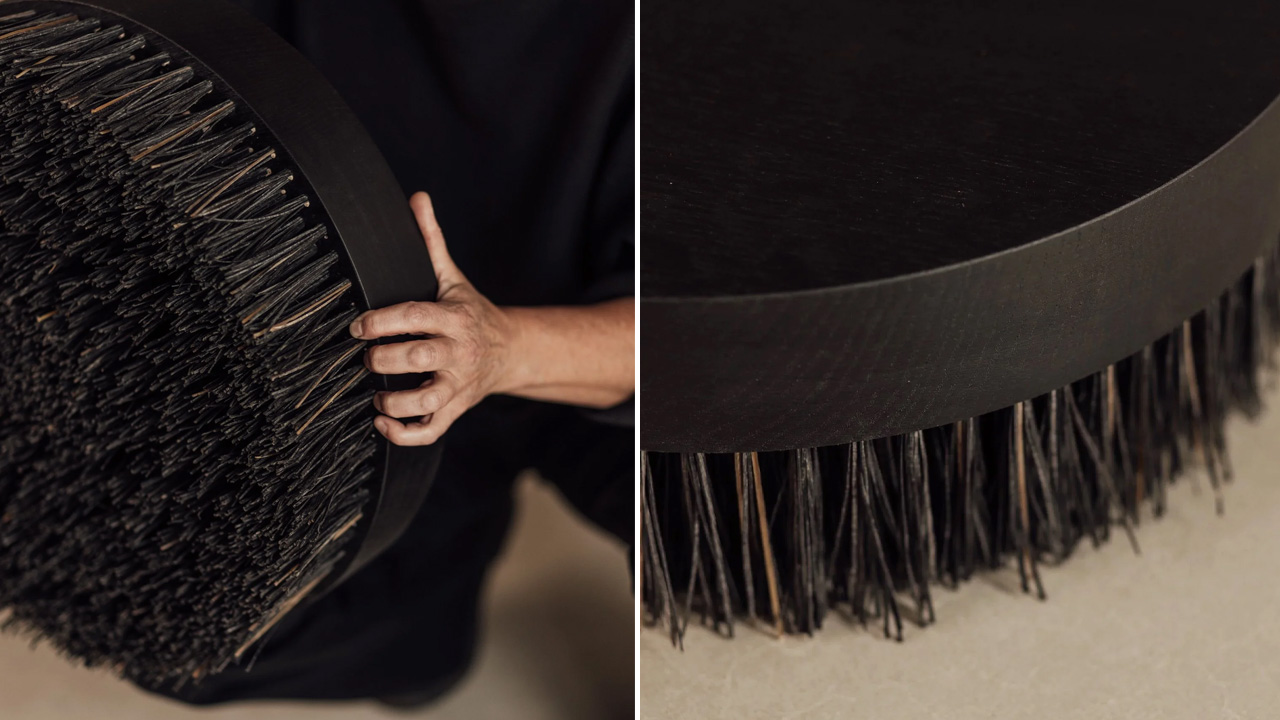
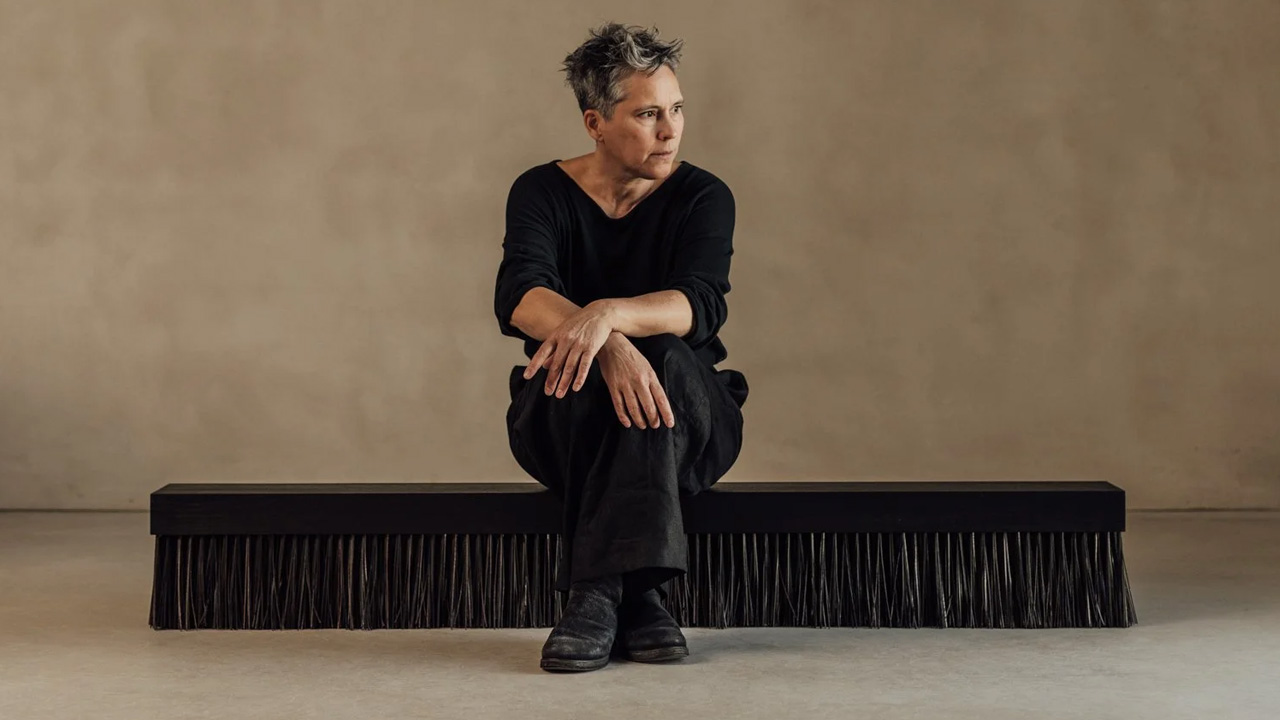
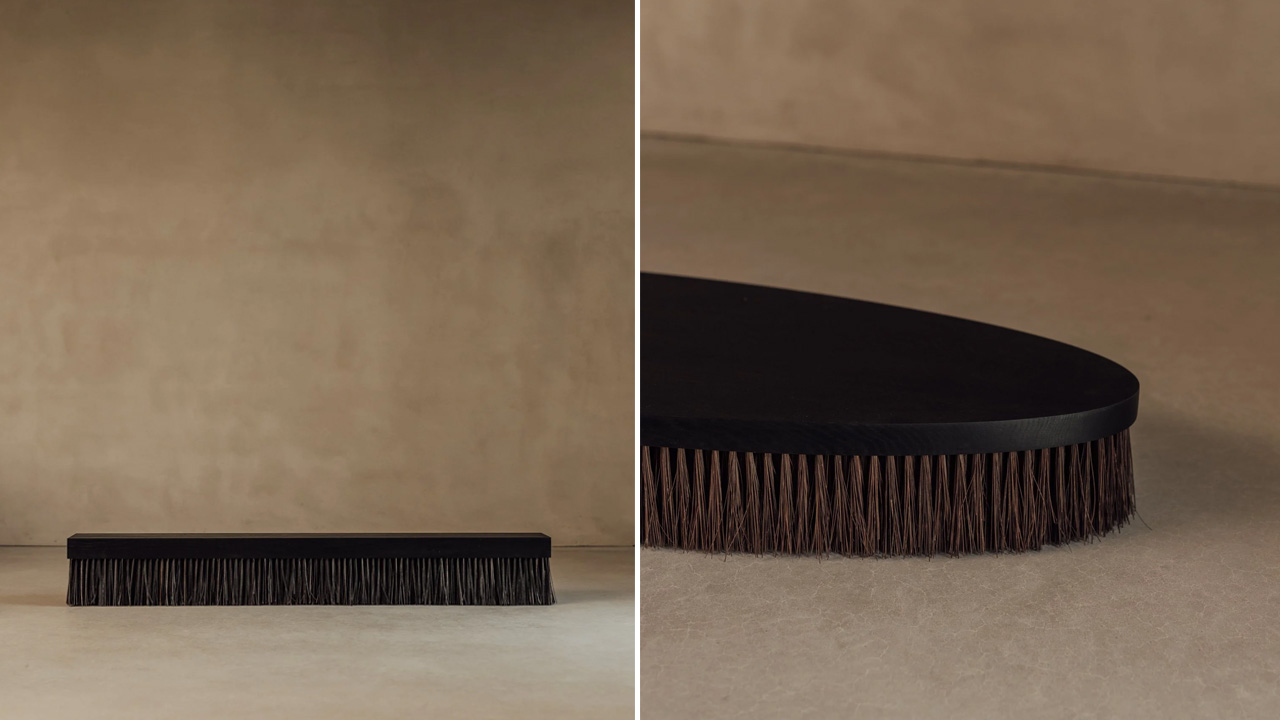
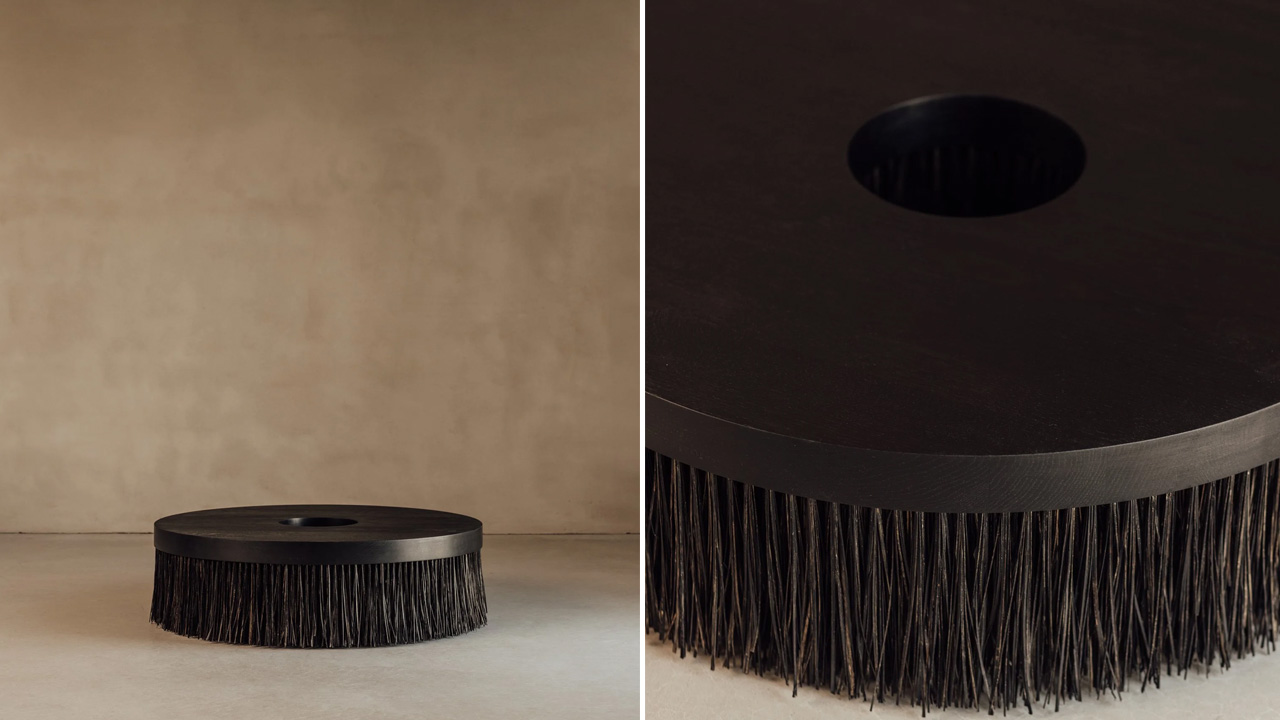
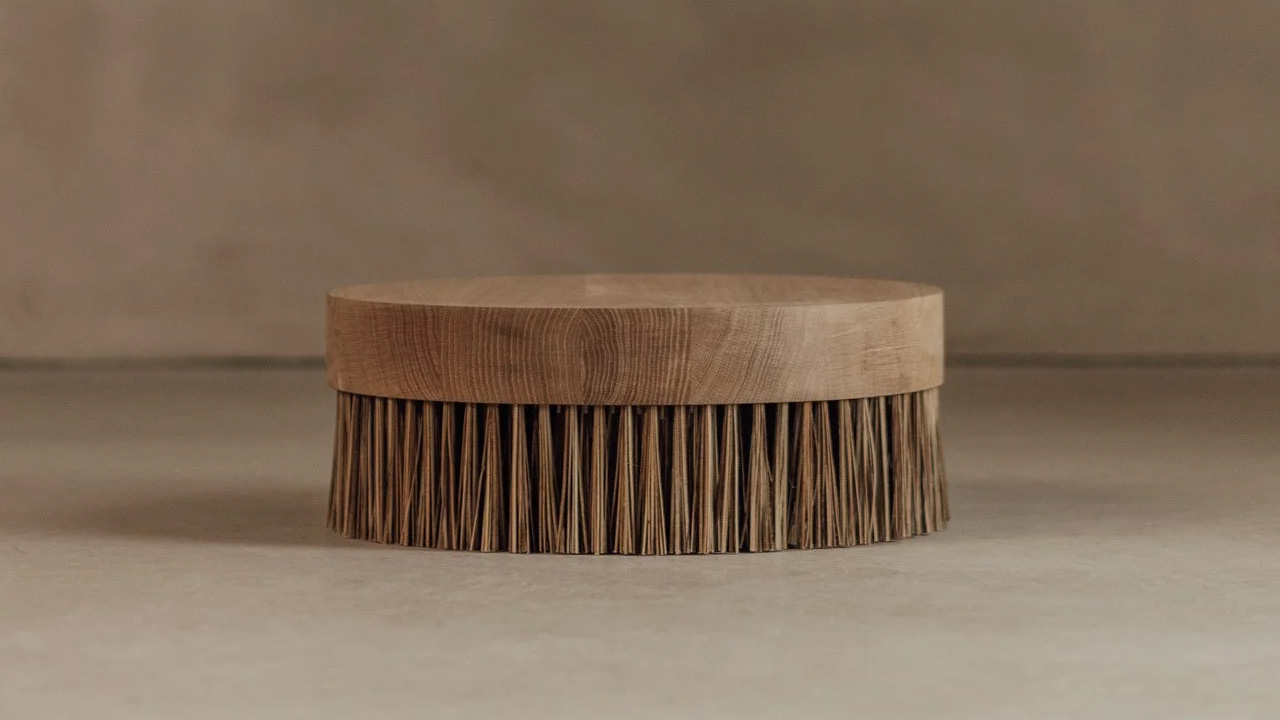
The furniture reinterprets the brushes as sculptural, mobile objects. These pieces feature thick, flat, or rounded wooden tops supported by dense forests of fibers, which may be fragile alone but provide strength combined. Visually, the fibers appear as a solid mass, but they allow the furniture to glide across surfaces while creating a sweeping effect as if the furniture itself is the cleaning tool.
Mimicking the appearance and construction of jumbo brushes, the furniture is primarily made using black-stained oak and various natural fibers from reed or palm leaf. These ‘legs’ are then inserted into hand-drilled holes, secured with visible beech wood wedges, emphasizing the handmade nature of the collection.
At its core, the collection is focused on renewal, symbolically ‘sweeping away the old.’ It celebrates the common objects that people don’t pay much attention to. “The brush evokes movement and action, symbolizes cleaning, and sweeps away the old to make way for the new. Through a repetitive process, it becomes clear that beauty emerges from time, patience, and care,” says Hermans.
Also read: Swaying Triangles Bench Undulates Back and Forth With Human Engagement
Two special edition pieces in the Bristle collection feature reclaimed baleen instead of fibers. Baleen is a material that is taken from the plates of baleen whales. This method was mainly used in the past. Through the special edition, Hermans draws attention to the old ways of whaling. Furthermore, part of the proceeds from the sale of the pair will be sent to the Sea Shepherd, preserving marine life.

Via: dezeen