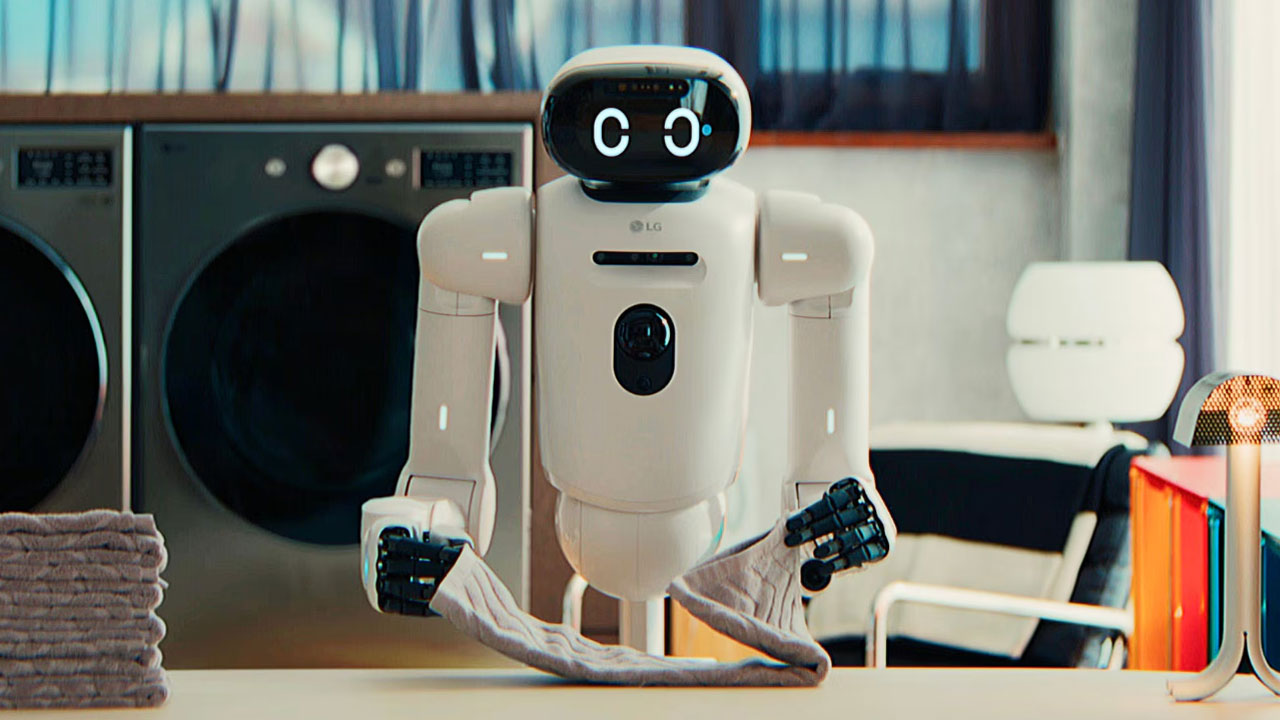
Humanoid robots were the biggest booth attraction at the recently concluded Consumer Electronics Show 2026. While CES has always been a robot extravaganza, this year’s event featured an array of robots that could fold clothes, assist with laundry, and perform other household chores with ease. These robots not only demonstrated genuine functionality in live settings but also offered a glimpse into the future. Below, we have curated a list of five such humanoid robots, highlighting their standout features and key metrics to help you understand why they are poised to shape the future of robotics in the coming years.
Boston Dynamics Atlas

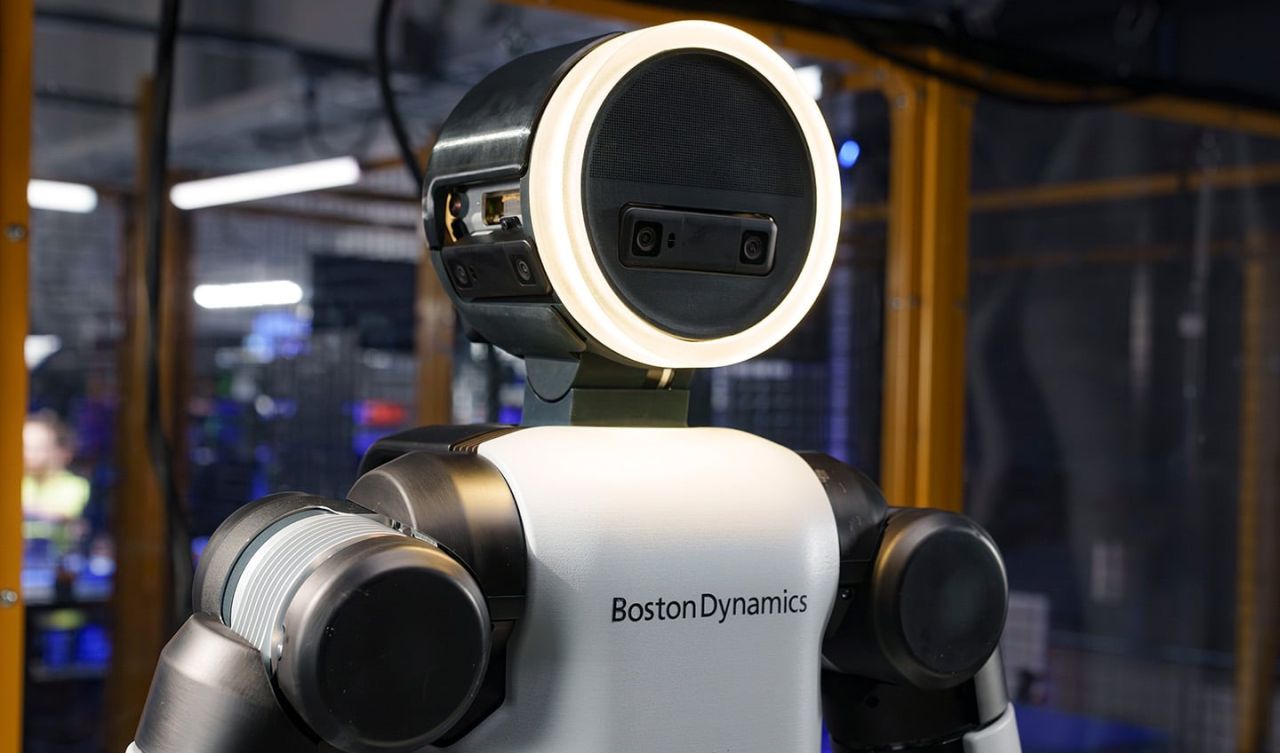
Boston Dynamics (now under Hyundai) presented the electric, production-ready version of Atlas. This advanced humanoid boasts 56 degrees of freedom, a 7.5-foot reach, and the ability to lift to 110 lbs, supported by a four-hour battery and hot-swappable autonomy features. The robot is powered by Google DeepMind’s Gemini Robotics AI, transitioning from a research icon to an industrial tool, with initial units slated for deployment in 2026 at Hyundai’s Metaplant in Georgia.
Unitree Robotics G1, H2, and R1

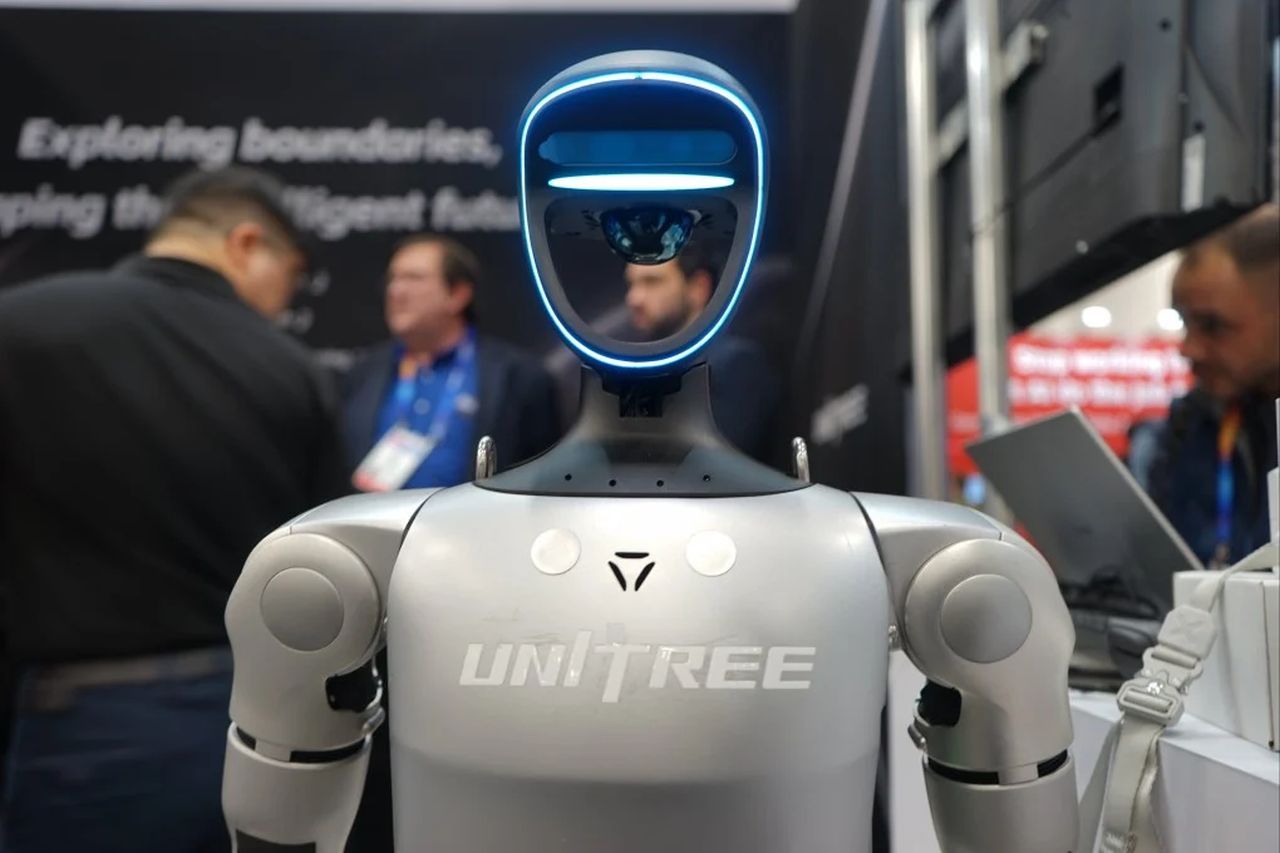
While there is no word on the much-hyped humanoids from Tesla and Dyson, Chinese companies are leading the charge in building humanoid robots that may arrive sooner than expected. Case in point, Unitree Robotics brought its complete family of humanoids to the show. The compact, foldable G1 targets affordability and mass-market appeal, while the larger H2 suits heavier industrial jobs, and R1 rounds out the lineup. These models excel in agility, balance, and dynamic movements, including martial arts-inspired sequences, thanks to proprietary AI, quick-swap batteries, and strong depth perception.
LG Electronics CLOiD


There has not been a buzz so loud for any robot in the history of mankind as that for CLOiD. LG Electronics introduced CLOiD as the centerpiece of its “Zero Labor Home” concept. This wheeled humanoid features a height-adjustable torso, dual seven-degree-of-freedom arms, and dexterous five-fingered hands. It handles real household chores like folding laundry, loading dishwashers, and preparing meals with everyday appliances. Using LG’s “Affectionate Intelligence” and a Vision-Language-Action model, CLOiD recognizes users, anticipates needs, and integrates seamlessly with the ThinQ smart home ecosystem.
AgiBot A2 Series

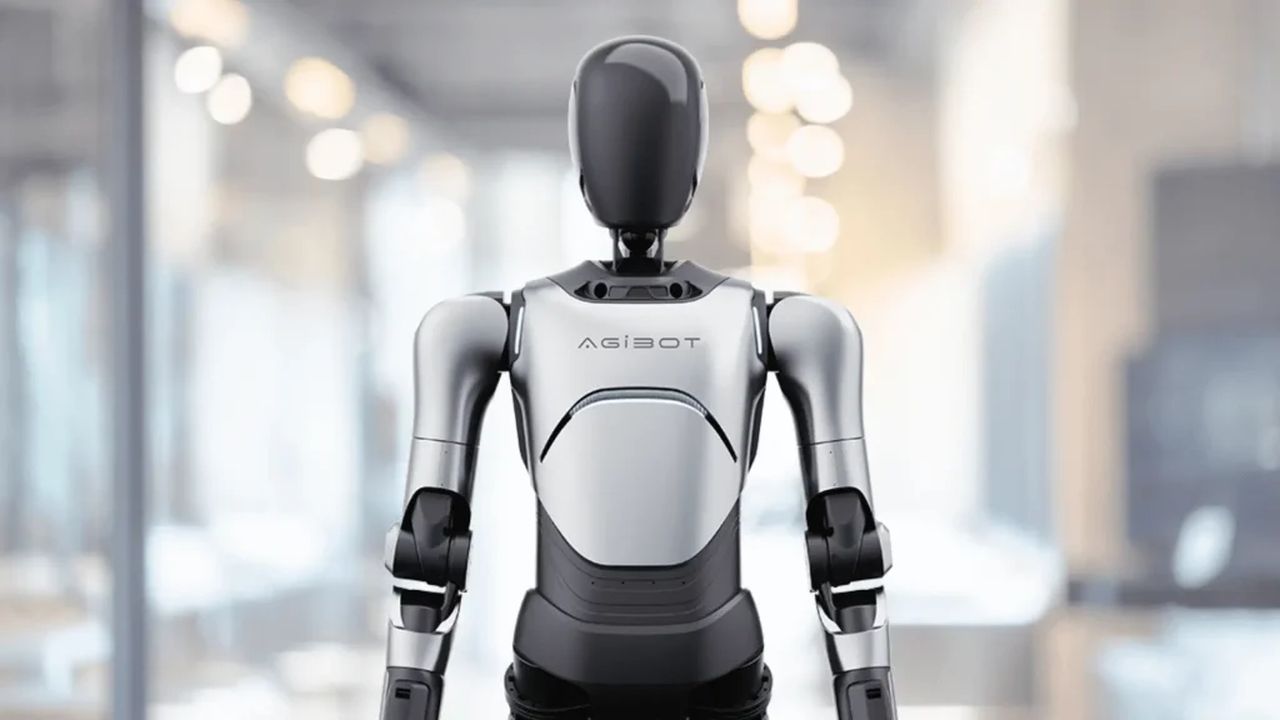
AgiBots showcased its A2 Series, a 152lbs humanoid built for hospitality roles in museums, showrooms, and similar venues. The robot comes equipped with a full 360-degree sensor array (LiDAR + HD cameras), navigates autonomously, and learns intricate physical tasks through the open-source Genie Sim 3.0 platform on NVIDIA Isaac Sim. The company has already shipped thousands of units worldwide, signalling strong progress toward commercial scalability.
SwitchBot Onero H1
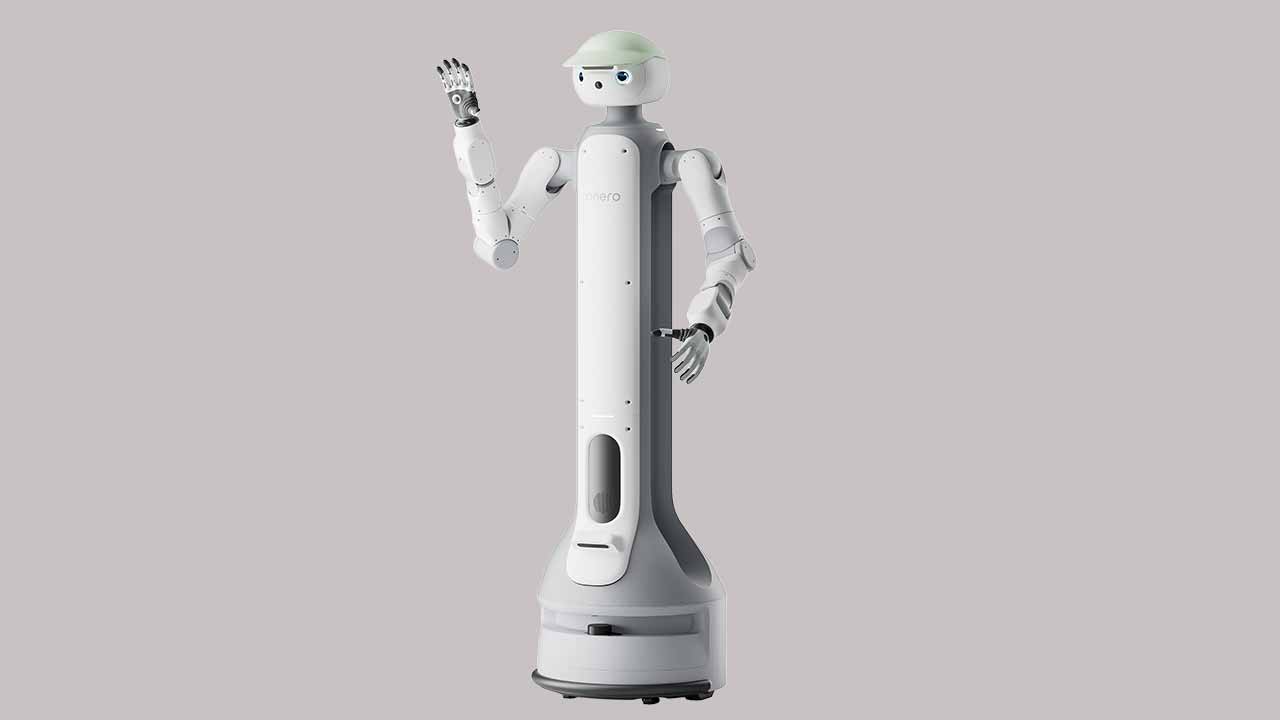
In my CES preview, I highlighted how the SwitchBot humanoid robot, which the company prefers referring to as “home robot,” could change the humanoid game forever. Well, the company didn’t leave me disappointed. As a matter of fact, if there was any buzz for humanoids besides LG’s CLOiD, it was for SwitchBot’s Onero H1. Featuring a wheeled-base humanoid with 22 degrees of freedom and on-device OmniSense Vision-Language-Action processing for local handling of visual, depth, and tactile inputs, SwitchBot was able to garner limelight at CES 2026. The robot performs household chores such as picking up laundry, operating appliances, and tidying tables in messy environments, all without cloud dependency.
Overall, CES 2026 felt less like a technology preview and more like a showcase of tomorrow’s workforce. These humanoids are no longer distant concepts; many are already slated for shipping, signaling that practical, AI-powered robotic helpers are rapidly becoming part of everyday industries and homes.