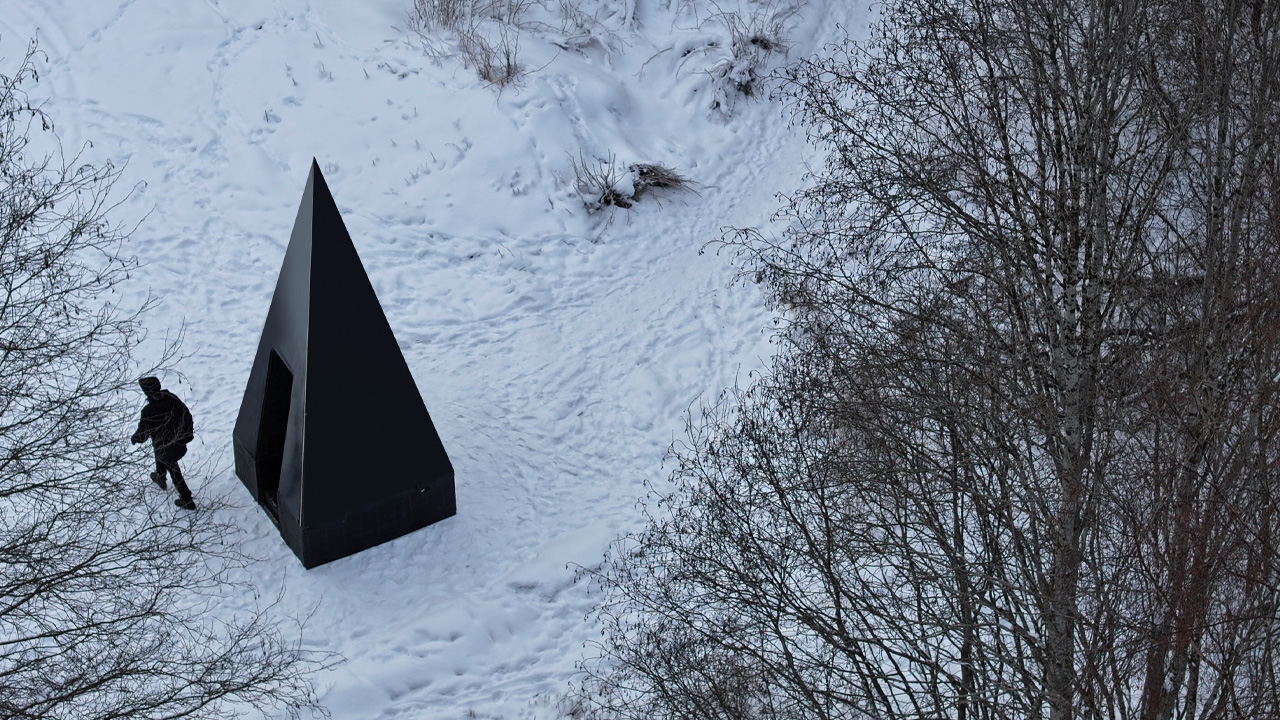
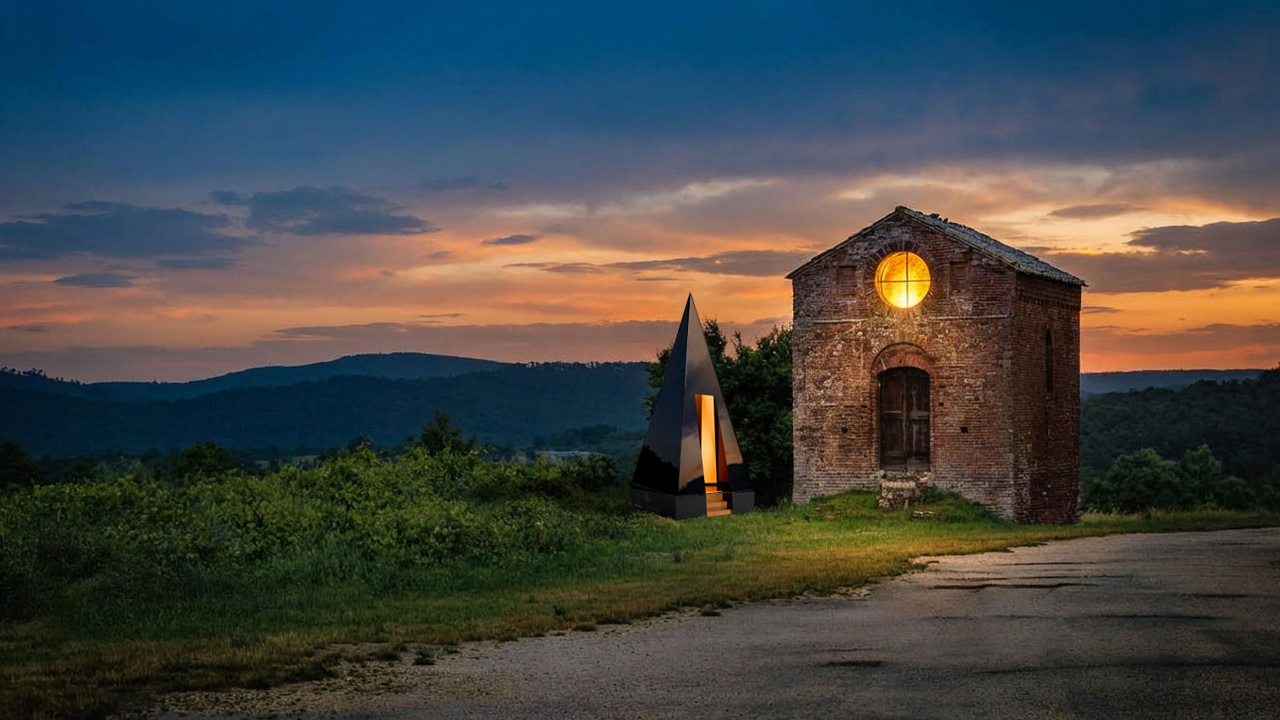
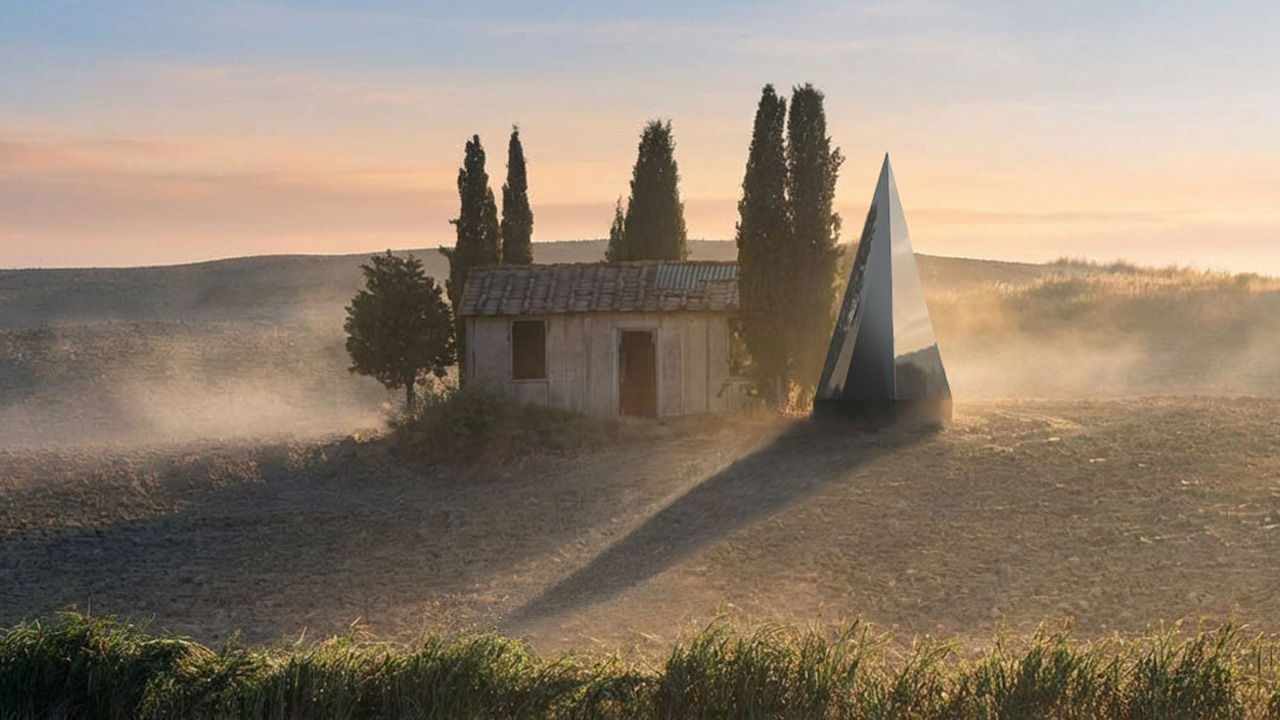
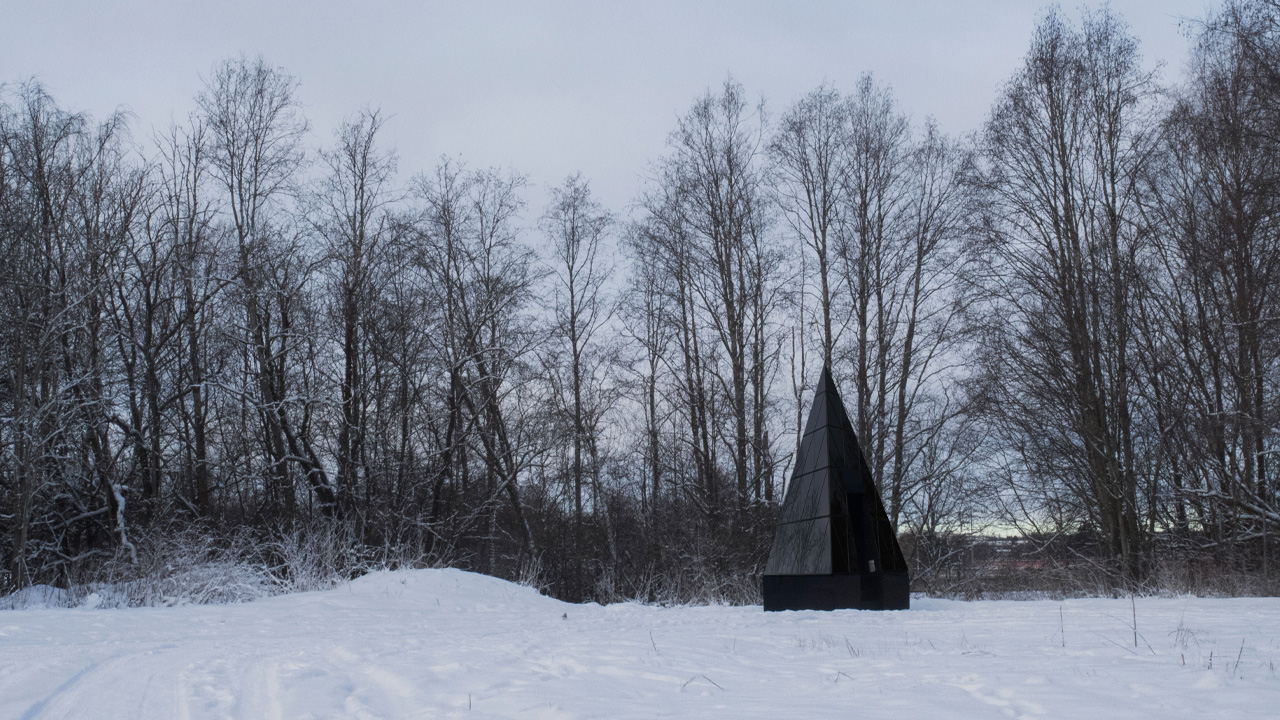
When you first see Klumpen, it surely doesn’t look like a self-sufficient utility core that makes off-grid living effortless. Rather, it has you confused for a moment, where you find yourself deciding whether it is a teepee or a spaceship from Star Trek. Or perhaps one in Thanos’ armada. Upon inspection, you realize that this structure, with its 75 square feet of space packed with everyday essentials, is neither a common hut nor a sci-fi-inspired alien ship, but a high-tech take on the utility core for an off-grid lifestyle, and that too for under $35,000.
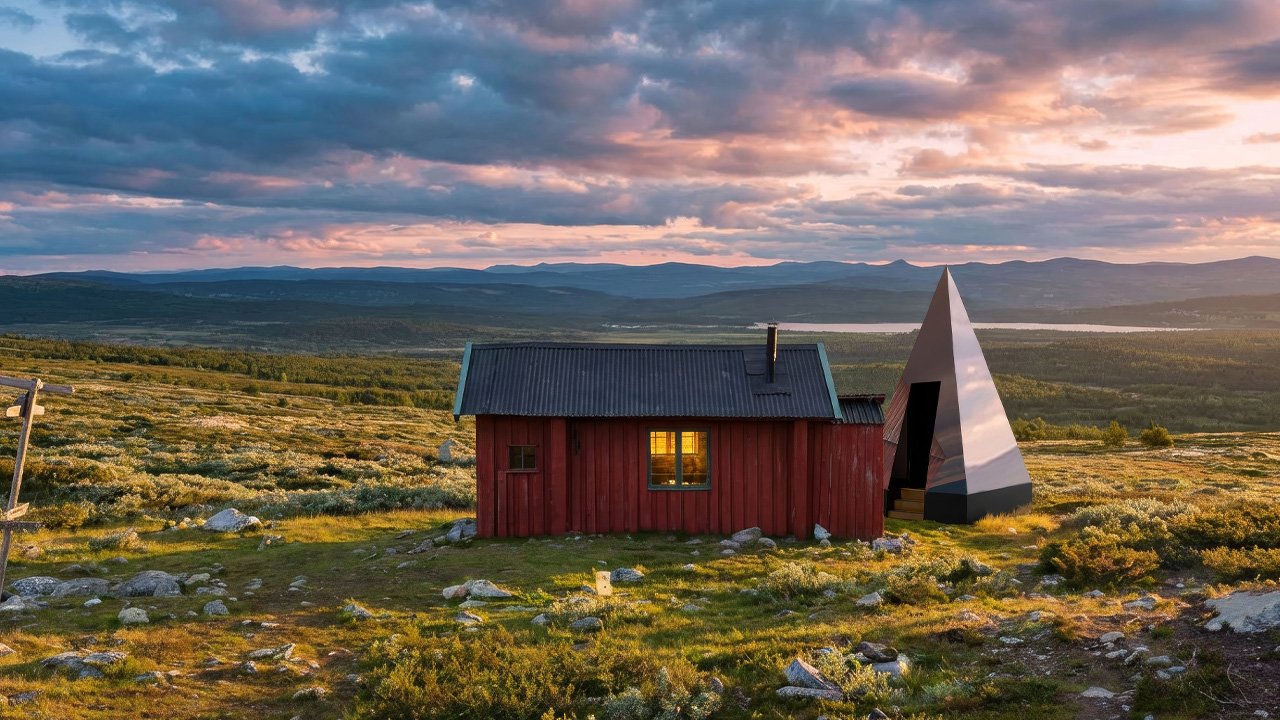
But what does it do? Well, the compact teepee-style infrastructure eliminates the need for any permits, plumbers, or endless visits to utility companies. Sweden-based architects Ebba Hallin and Pelle Backman designed and conceived Klumpten, providing off-grid survival facilities with a simple power button. Drop the Klumpen off-grid utility core onto your site, and instantly power your cabin with its all-in-one utility magic.
The Klumpen off-grid utility core is a modern world fit inside a striking 15.9-foot-high 3D kite shape. The box-like infrastructure provides modern utilities like electricity, water, cables, sanitization, drainage, and satellite broadband to simplify off-grid living. You do not need any cables, complex codes, or manual search for power grids nearby. Just place it near your house and let it work its magic.
Designed to support residential-scale operations, it handles every utility need with its plug-and-play design. Since it is a factory-built unit, it activates with a single power button without any additional setup. It is especially a boon for beginners who lack the technical skills and mastery required to set up a complex survival system from scratch. It quietly sits right next to your off-grid cabin and powers it efficiently.
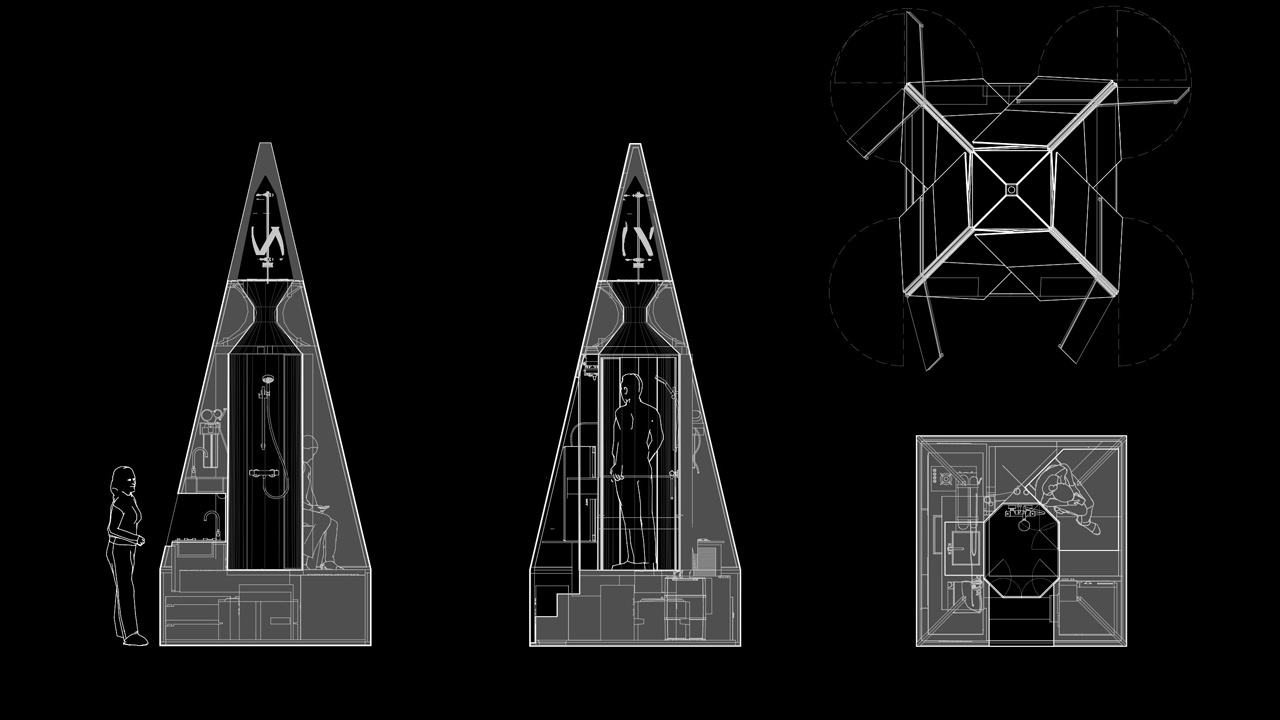
The off-grid infrastructure covers an area of 75 square feet, as mentioned above, and measures 15 feet tall. It has a conical, narrow build packed with crucial amenities. Its pointed peak, also known as a tepee, includes a cell phone antenna and a satellite broadband receiver. Its mid vertical section includes solar panels, a heat pump, a shower area, a fresh water tank, an air heater, and a kitchen. The lower section contains battery power storage, warm water, and a pump.
The utility structure supplies clean water for domestic use with its highly efficient water system. The greywater treatment tank recycles and filters the wastewater to provide it for secondary uses like flushing toilets. Its electrical system generates solar power through a photovoltaic array, forming the primary energy source. The utility core stores energy in its 7.5 kWh battery storage to power the house during the night or unfavorable weather conditions. Its 230/400 V AC main electrical distribution system powers kitchen appliances and the washing machine.
Also Read: Cabin-Style Cluster of Hotels Resembles Craters Around a 150,000-Year-Old Dormant Volcano
The thermal and HVAC system of Klumpen includes an air-to-water heat pump that supplies domestic hot water. Its fan coil unit supplies heating and cooling distribution. When it comes to sanitization, the designers kept the septic black water tank connected with the toilet separated from the grey water tank to maintain hygienic, circular water recycling.
The utility core helps with sustainability by reducing environmental impact in several ways. It relies on solar panels to generate electricity, while the circular water reuse checks on water wastage. The waste management setup treats waste locally without relying on sewage pipes to prevent pollution. Its compact build doesn’t take up much space and easily fits in a transport trailer, making it easy to port and attach it to different cabins.
The Klumpen off-grid utility core is a brilliant structure designed to simplify independent living in remote areas. The way it eliminates the need for any permit for water or electricity supply is really beneficial for effortless off-grid living. The first batch of utility core is expected to be available in September 2026. An aluminum extreme-conditions utility core will be available for $198,000 for people who live in harsh terrain and weather conditions.

Via: The Verge