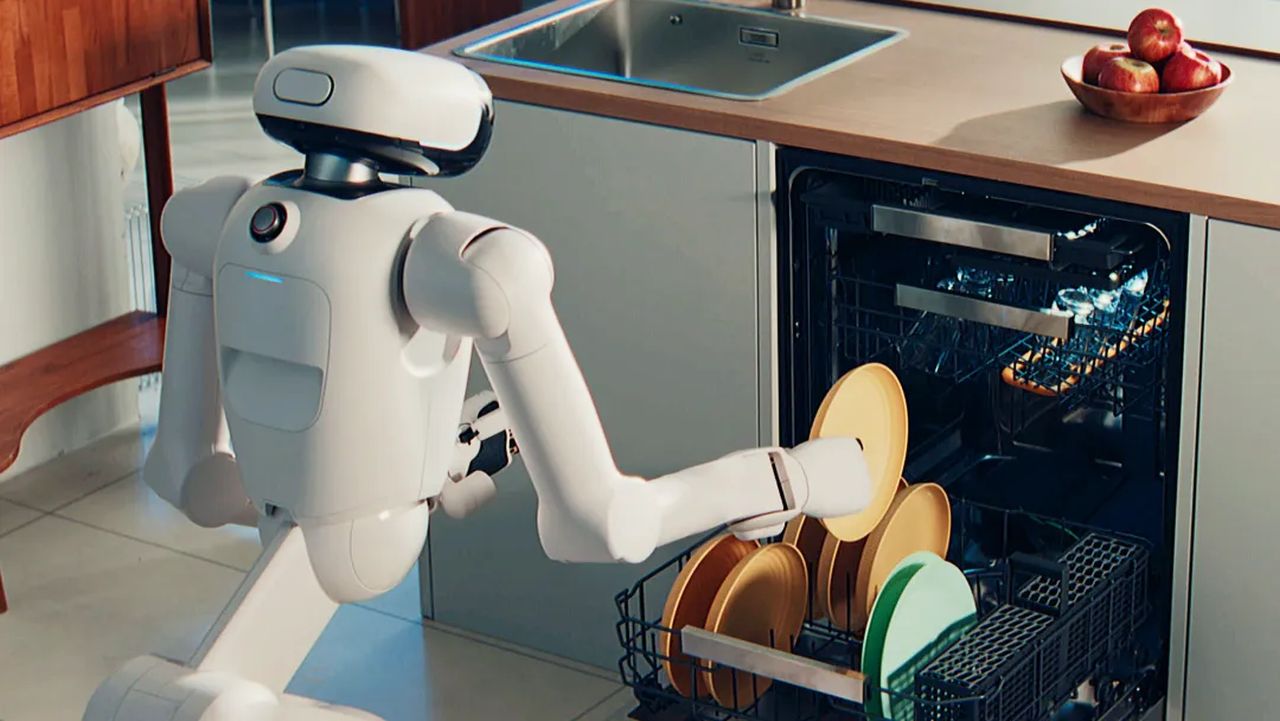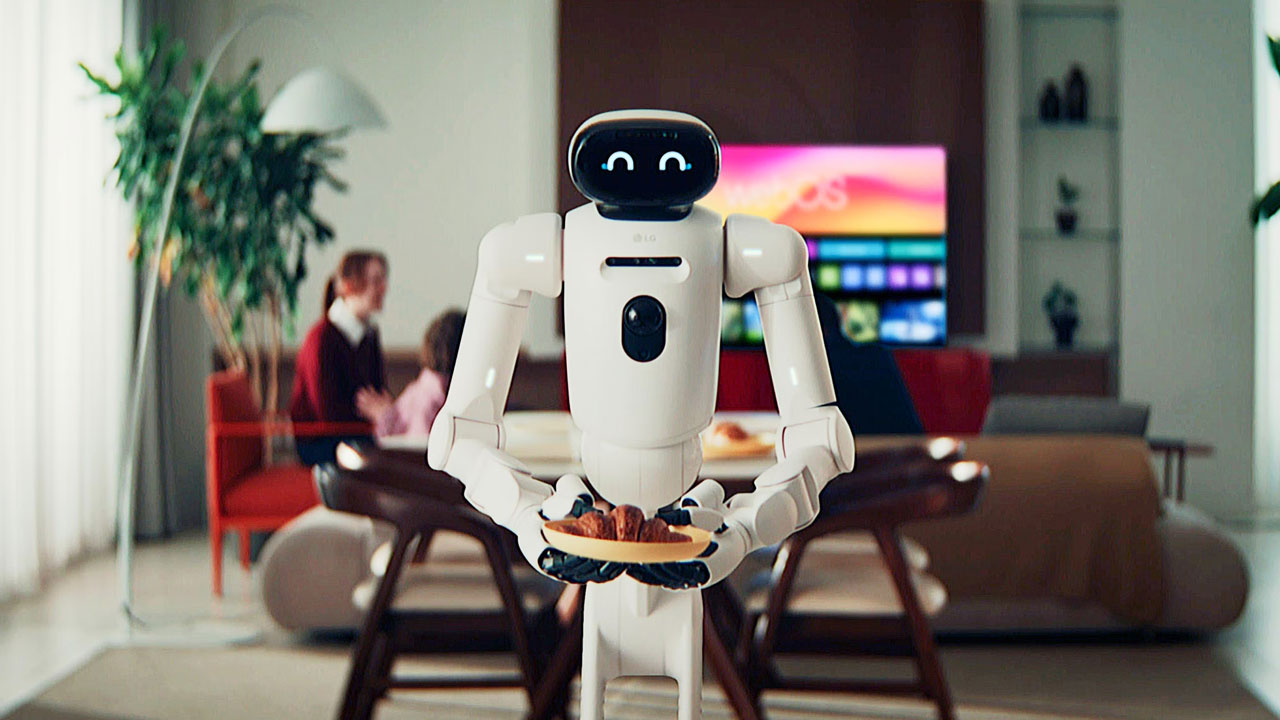
Based on the current setup and my sources’ findings, CES 2026 is expected to be dominated by humanoids, with numerous examples on display. There is no better example of this than the recently revealed LG CLOiD, a sophisticated home assistant robot designed to handle various indoor household chores.
Announced just days ago, the robot represents a major step toward LG’s ambitious vision of the “Zero Labor Home, Makes Quality Time,” where advanced technology takes over repetitive tasks, freeing users to focus on family, relaxation, and meaningful moments rather than daily housework. Given how well robotic lawn mowers and robot vacuums have delivered in this regard, it seems humanoids are next in line.
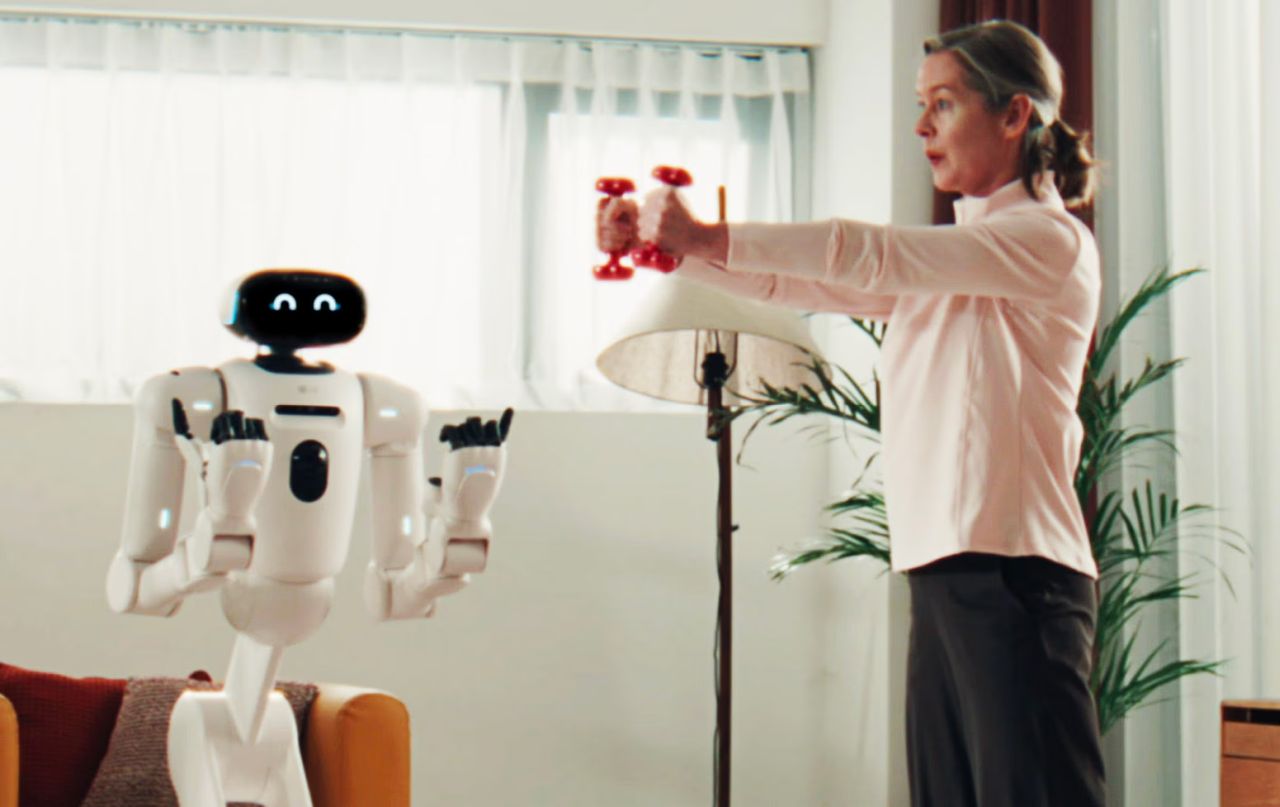
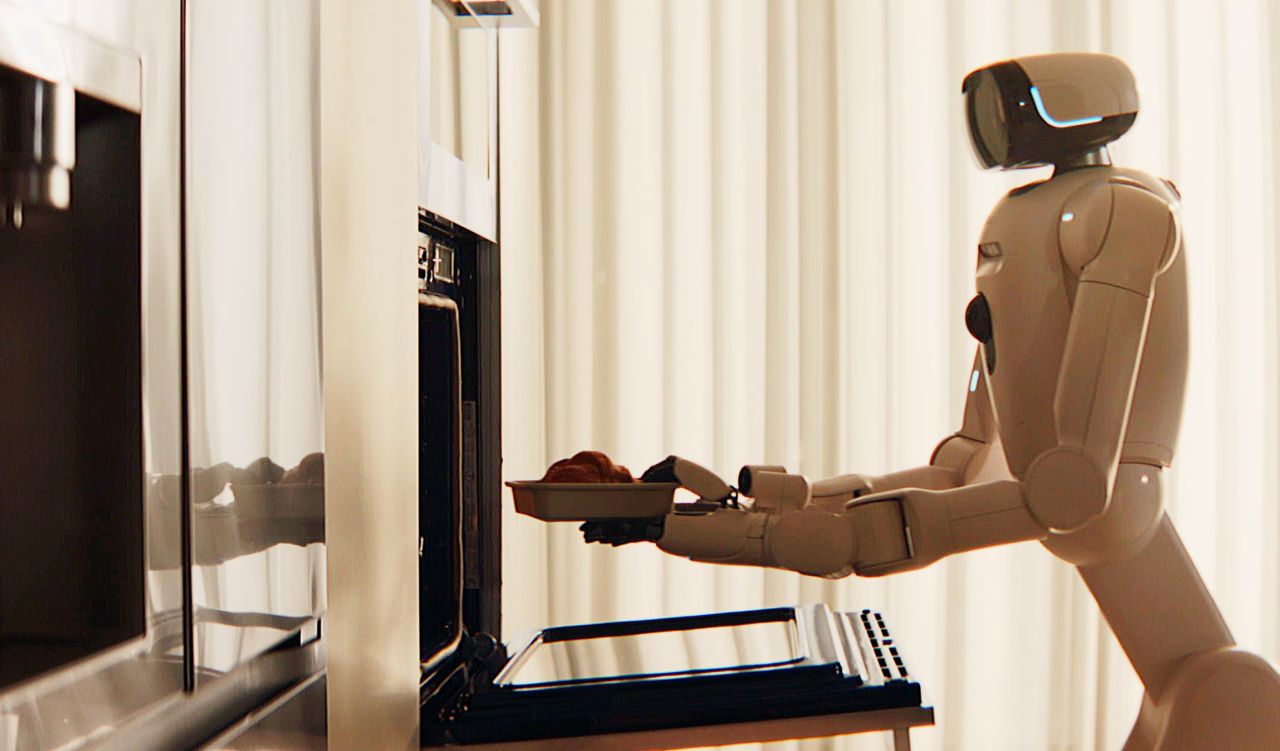
According to recent leaks by LG, the CLOiD features two articulated arms, each equipped with motors providing seven degrees of freedom for natural, human-like motion. Each hand includes five individually actuated fingers. LG’s humanoid robot can fetch milk from the fridge, place a croissant in the oven, and even handle laundry tasks like folding and neatly stacking clothes. Not to mention, it can also be a gym buddy, mimicking your movements during workouts.
As detailed by Engadget, the robot’s brain is a dedicated chipset housed in its head, integrated with a display for expressive visuals, a speaker for natural voice interaction, a camera, and an array of sensors supporting intelligent navigation, obstacle avoidance, and environmental awareness. Interesting Engineering further notes that CLOiD is powered by LG’s Affectionate Intelligence, an AI that enables the robot to understand its environment, recognize user preferences, and respond thoughtfully. It learns from daily routines to provide smarter, more personalized assistance around the home.
The announcement makes it pretty evident that CLOiD is a general-purpose home helper rather than a single-task device, marking progress from LG’s earlier wheeled companion robots. LG’s push into advanced home robotics comes amid growing industry interest in humanoid and semi-humanoid assistants for domestic use. For context, Dyson has been developing household robot prototypes focused on chores like grasping objects (such as plates and glasses), cleaning floors, picking up items, and even dusting furniture, with plans aiming toward a potential launch by 2030. The company has expanded its robotics team significantly and showcased capabilities in 3D mapping and delicate object manipulation.
Similarly, Elon Musk continues to advance its humanoid robot, which has demonstrated potential for household tasks in various updates, though specific timelines for consumer availability remain fluid. My sources within the tech industry reveal that Swancor Prime and Robotera also have something significant planned for CES 2026, something that goes beyond a booth-side attention-grabber to an almost-ready prototype.
That said, there is still no word on pricing, exact release date, or full commercial availability of the LG CLOiD. All I hope for now is that it is more than just a concept, and that LG is serious about competing in the emerging market for practical, AI-driven home robots.