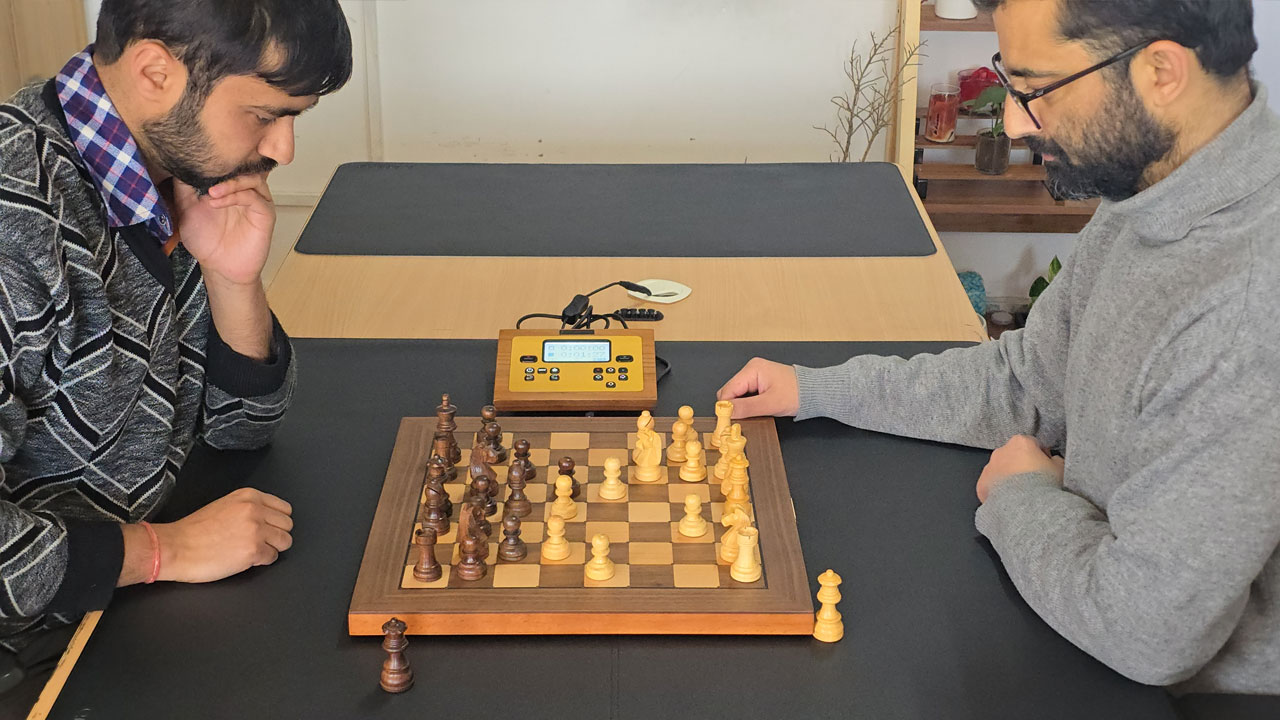
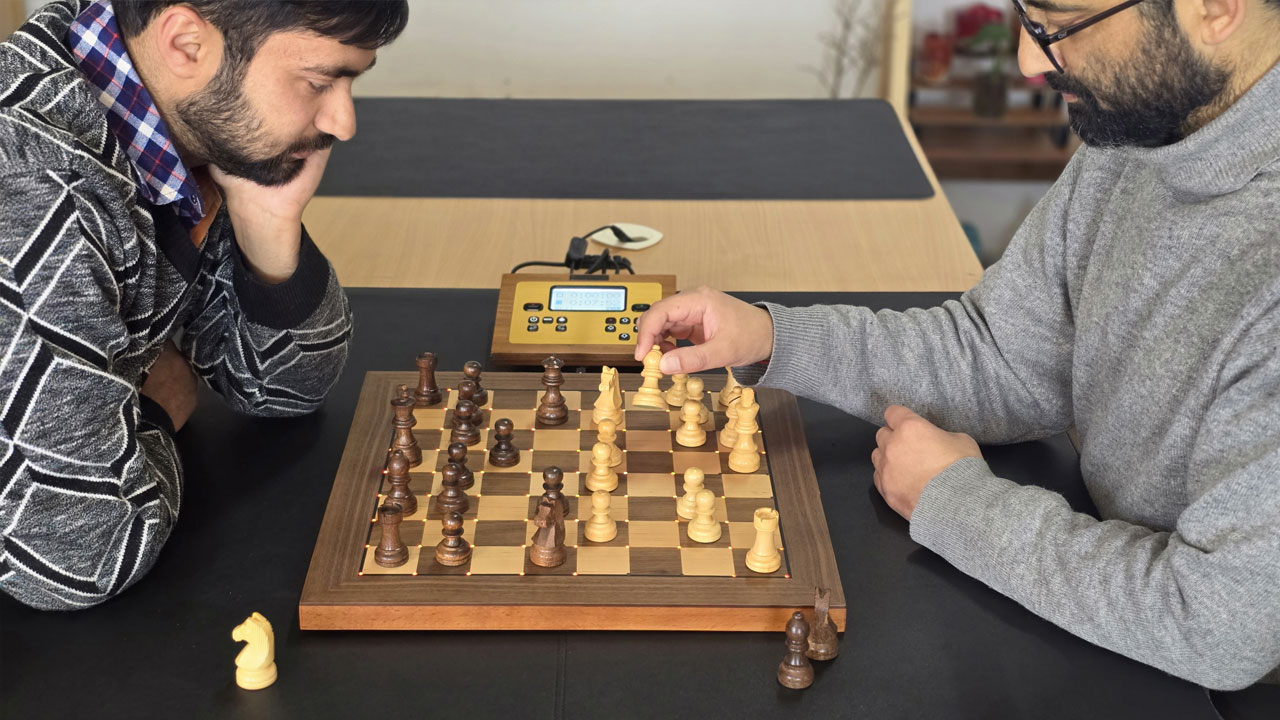
My father is my usual chess opponent, but he prefers village life and only visits the city occasionally. After he retired, I started looking for an electronic board I could gift him, something to keep him engaged and entertained. That search is what led me to Millennium Chess Classics, and the company was kind enough to send a sample for review.
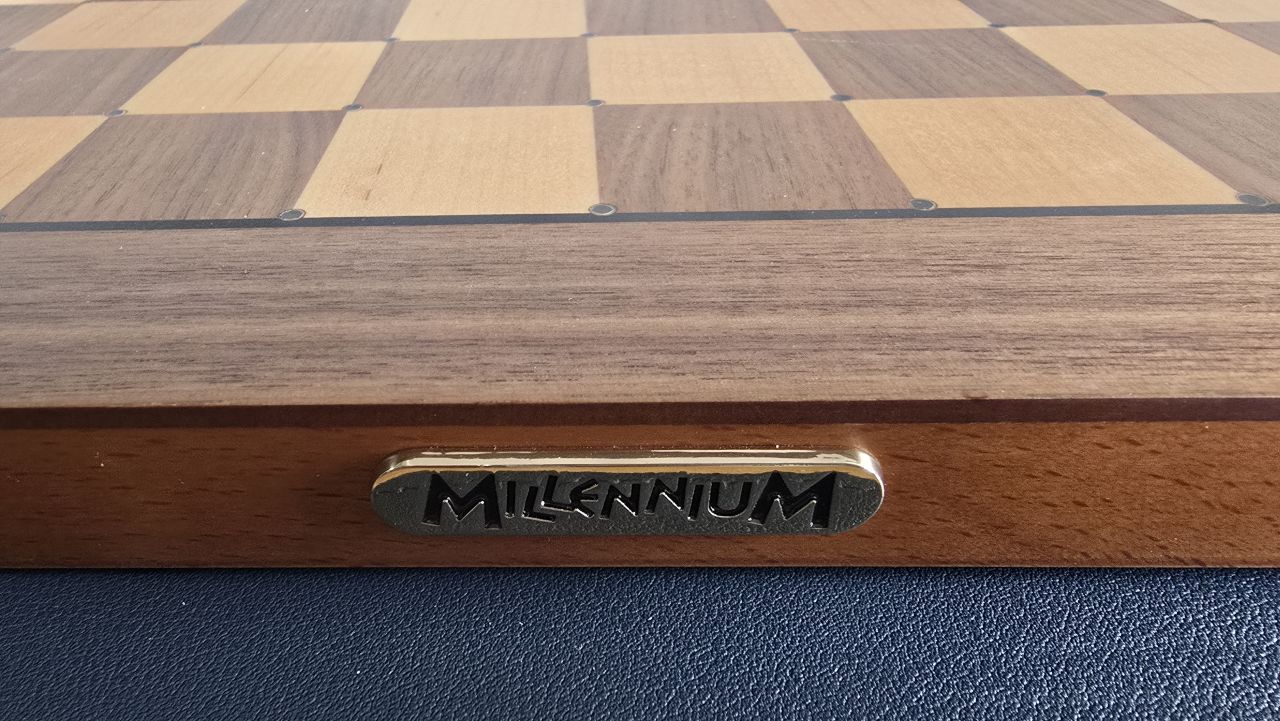
The board arrived well-packaged. The first thing I noticed was the weight. For context, I own a Magnetic Wood Chess Board, which I bought from Amazon, and a locally bought board from a sporting goods store in the neighborhood. One weighs 2.7 lbs, the other is 1.9 lbs. The former costs $35; the latter comes in at under $10. Contrary to the boards I’ve owned to date, the Millennium Chess Classics is the most expensive unit in my collection ($679), and by far the heaviest of them all. When you lift the 5.84 lbs unit, you feel every bit of that premium quality its makers tout.
Components
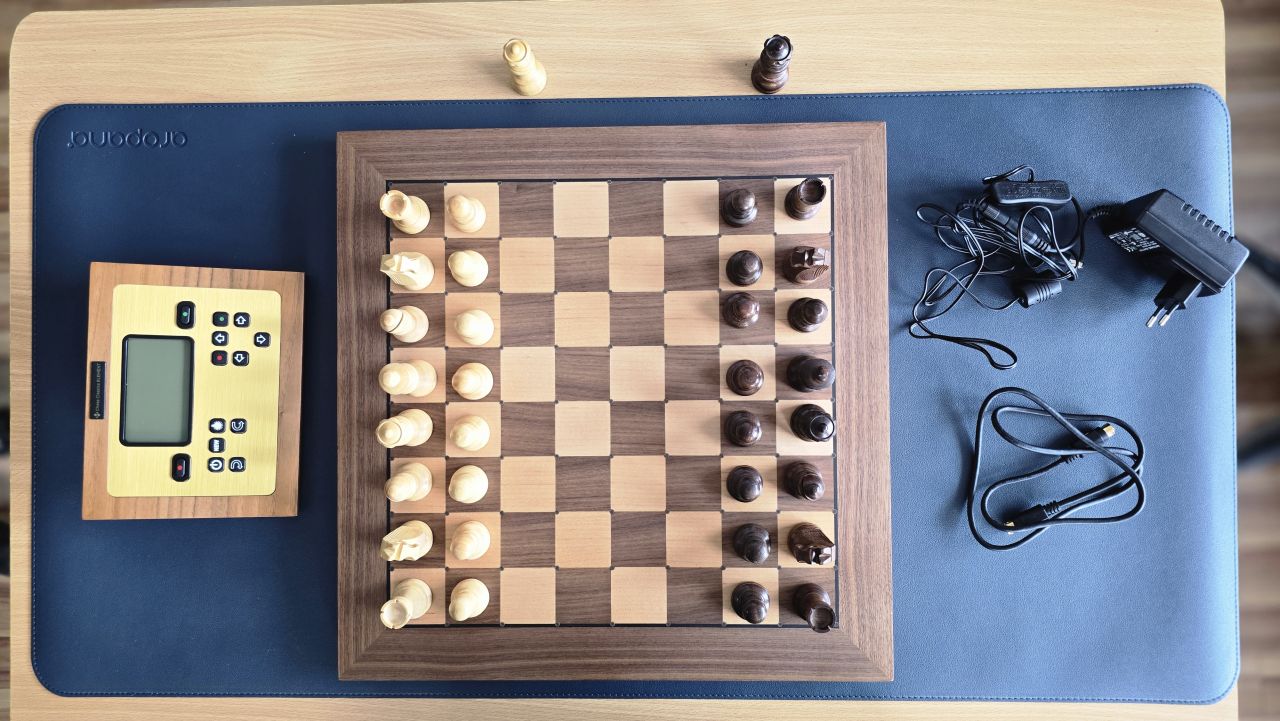
The Millennium Chess Classics comes with various components. Here is what I received:
- Chess Classic Exclusive wooden sensor board (M828) with automatic piece recognition
- Chess Classics Element module (M827) featuring two engines: The King and ChessGenius
- Wooden Staunton pieces
- A 9V power adapter and a 4-pin DIN cable are included to connect the module to the board
It’s worth noting that Millennium also offers optional add-ons, including a ChessLink module for Bluetooth connectivity with platforms like Chess.com and Lichess, and a ChessVolt battery pack for portable play. The company didn’t send me either. If I am to play online, I need to purchase them separately from the company’s website. Nevertheless, I am quite content with what I have. Honestly, even if the ChessLink had come with the unit, I’m not sure how much I would have used it. Setting up Bluetooth connectivity with third-party platforms isn’t really my strong suit, and the idea of playing online while also managing a physical board feels a bit redundant to me. I’ve never quite understood the appeal of combining the two, but I’m pretty sure others may feel differently.

Board: Smooth and Beautiful
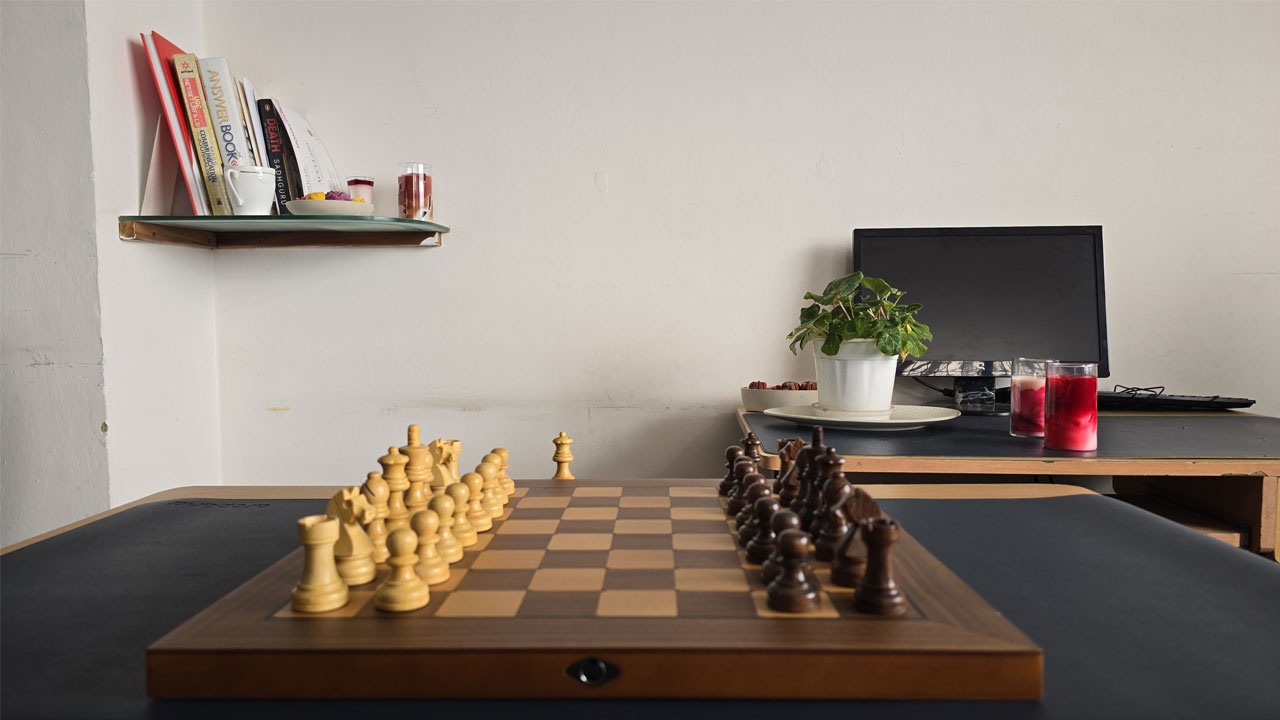
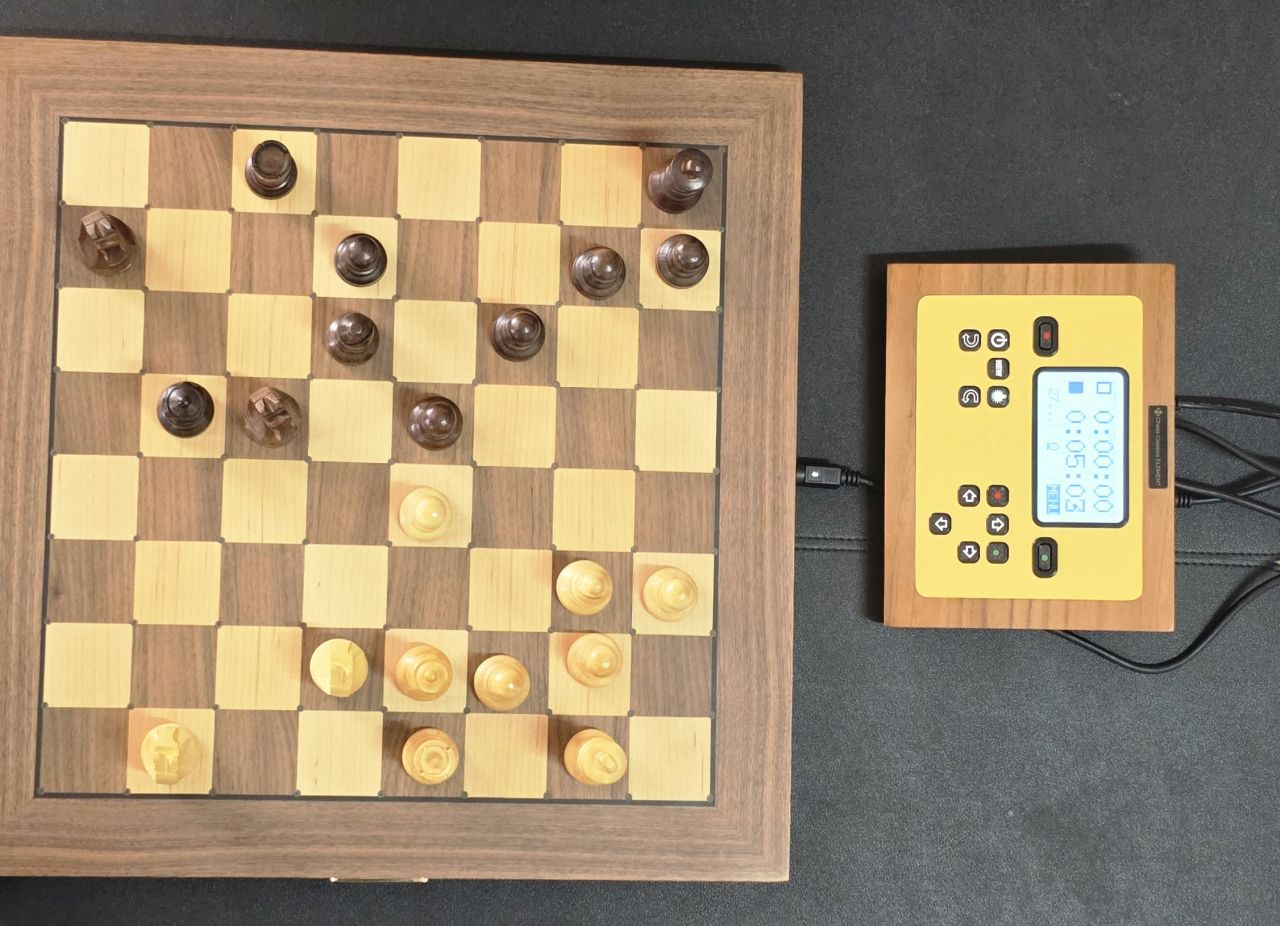
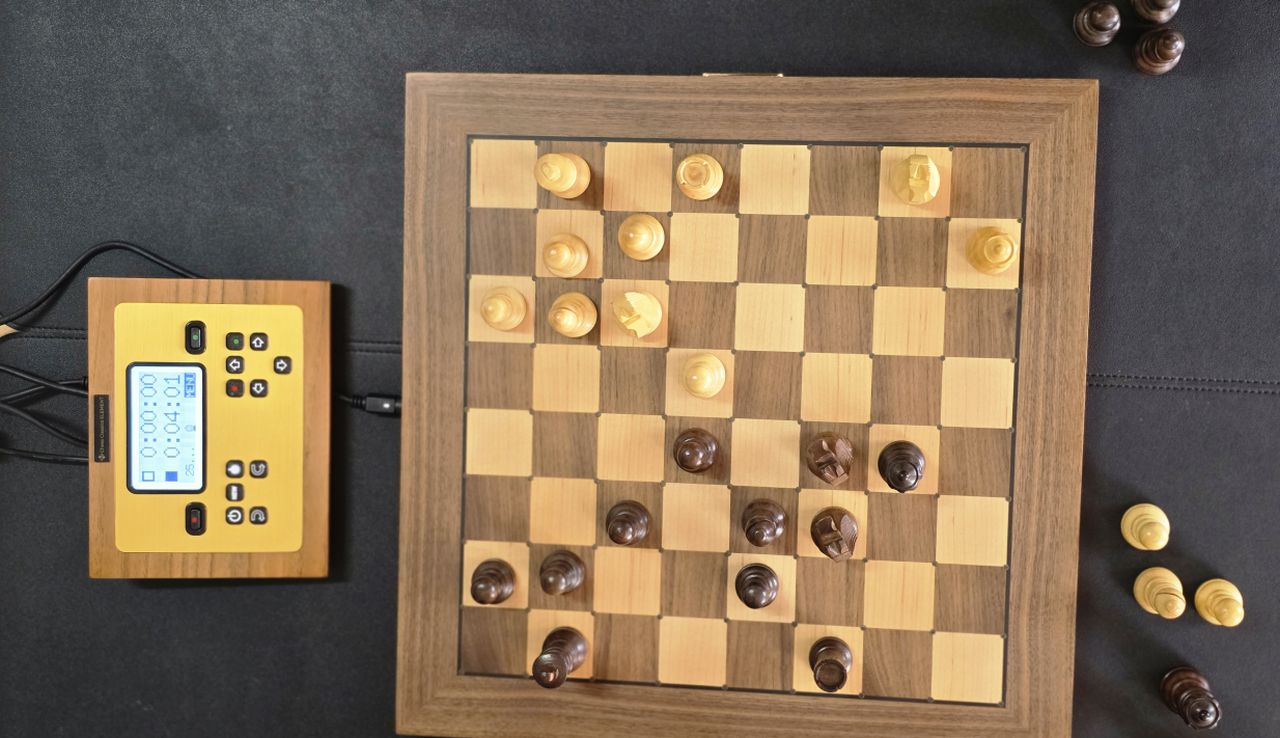
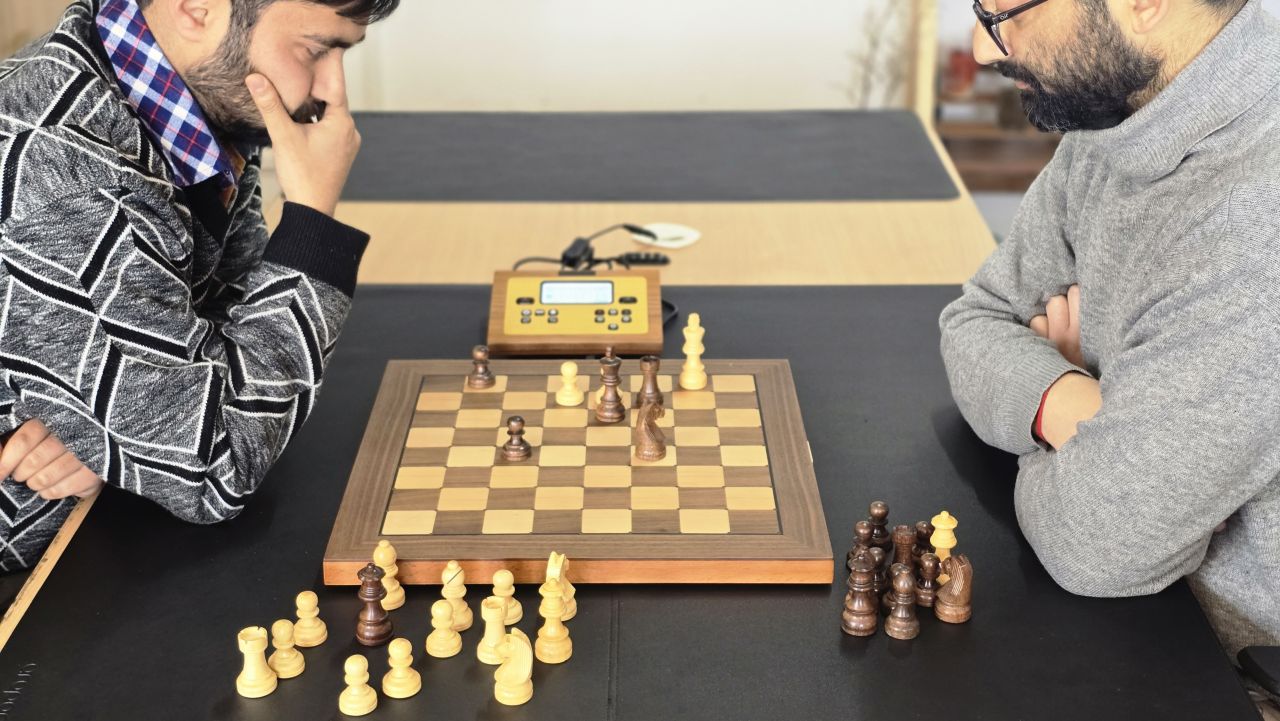
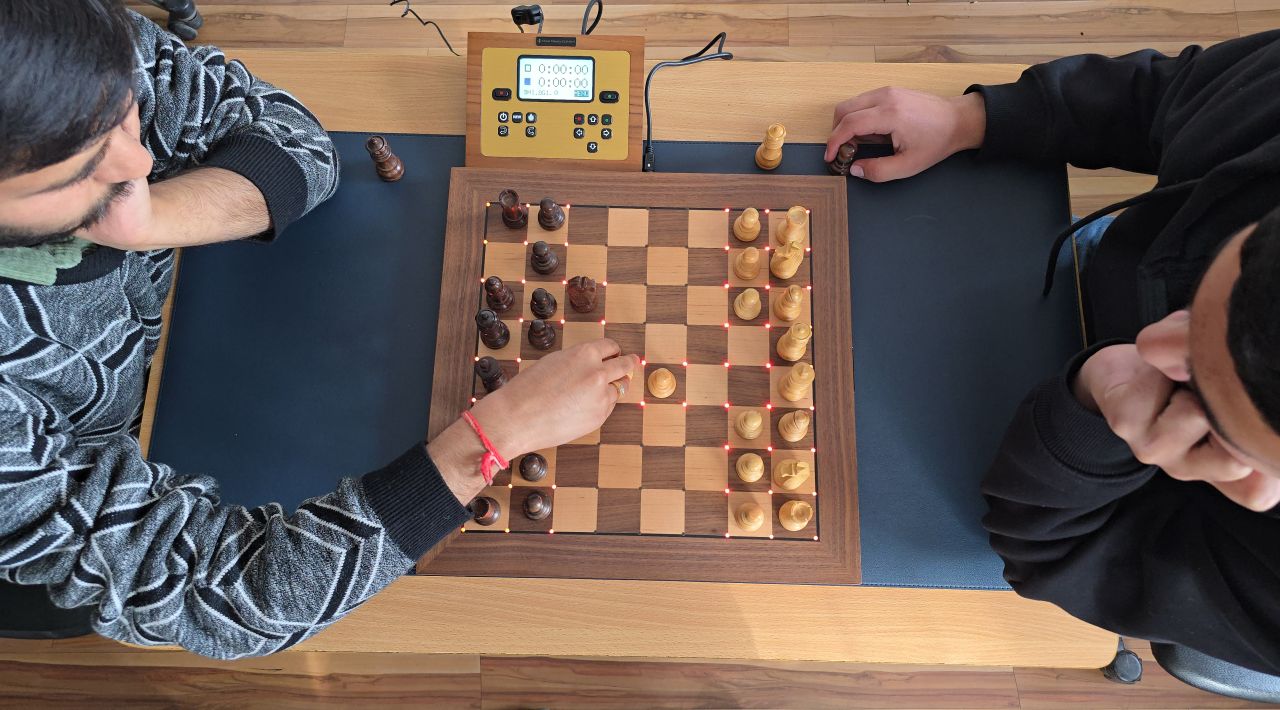
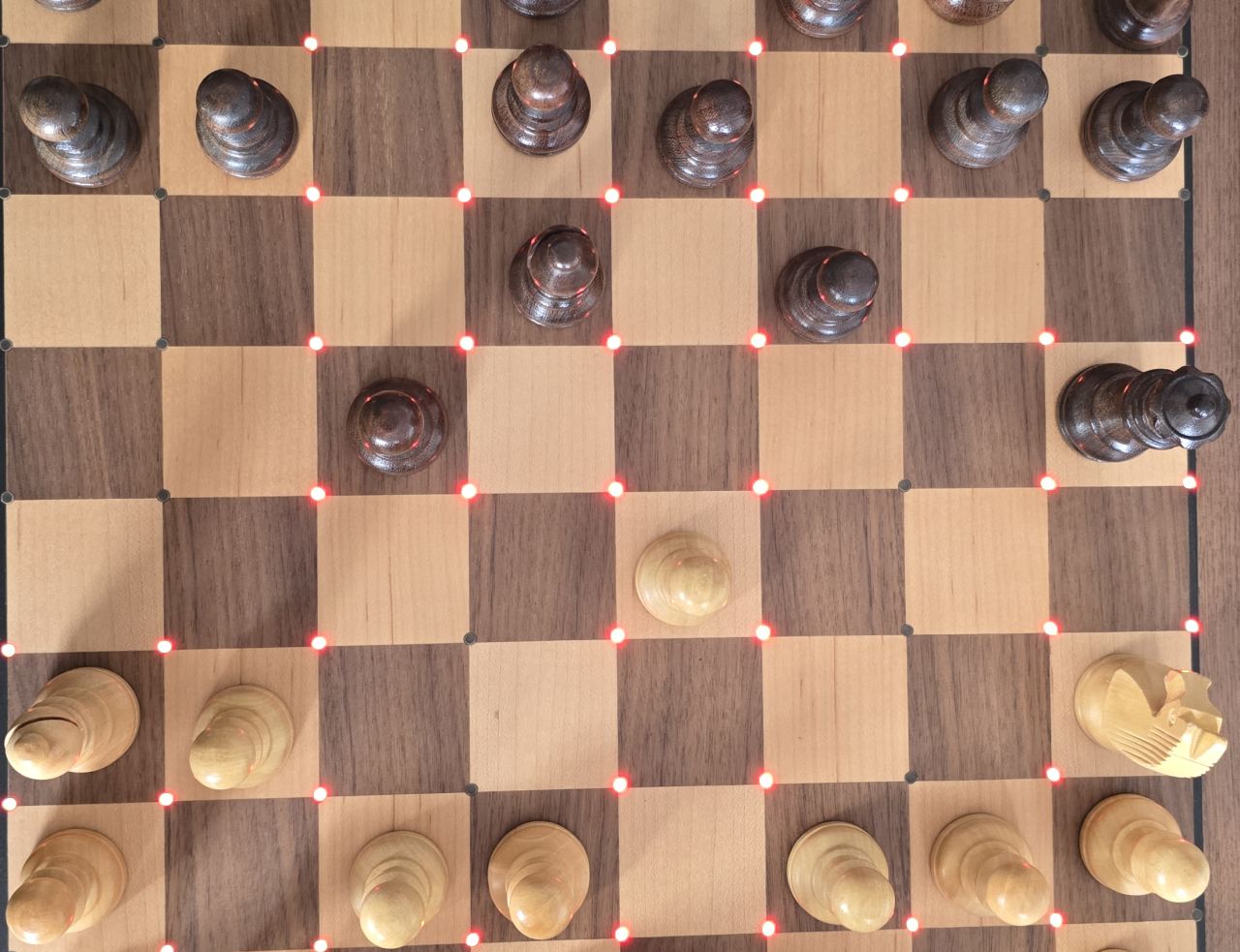
The board measures 15.7 inches on all sides. The squares are clean, and the whole thing has a quiet charm to it. I left mine on the desk next to me for a couple of days before I tested it properly because it looked good enough to sit there, while adding aesthetic to the room. The board has 81 LEDs, four per square, that light up to show moves, confirm piece recognition, and guide play.


Pieces: Nice to Touch
The Staunton pieces are nice to touch, and the wood is lovely. More importantly, the RFID chips inside them are completely invisible; you’d never feel them, never see them. Many tech-enhanced sets sacrifice the feel of the pieces to fit the electronics. These don’t. They feel exactly like chess pieces should.

Millennium Classics Element Chess Computer: Powerful but Tricky Setup
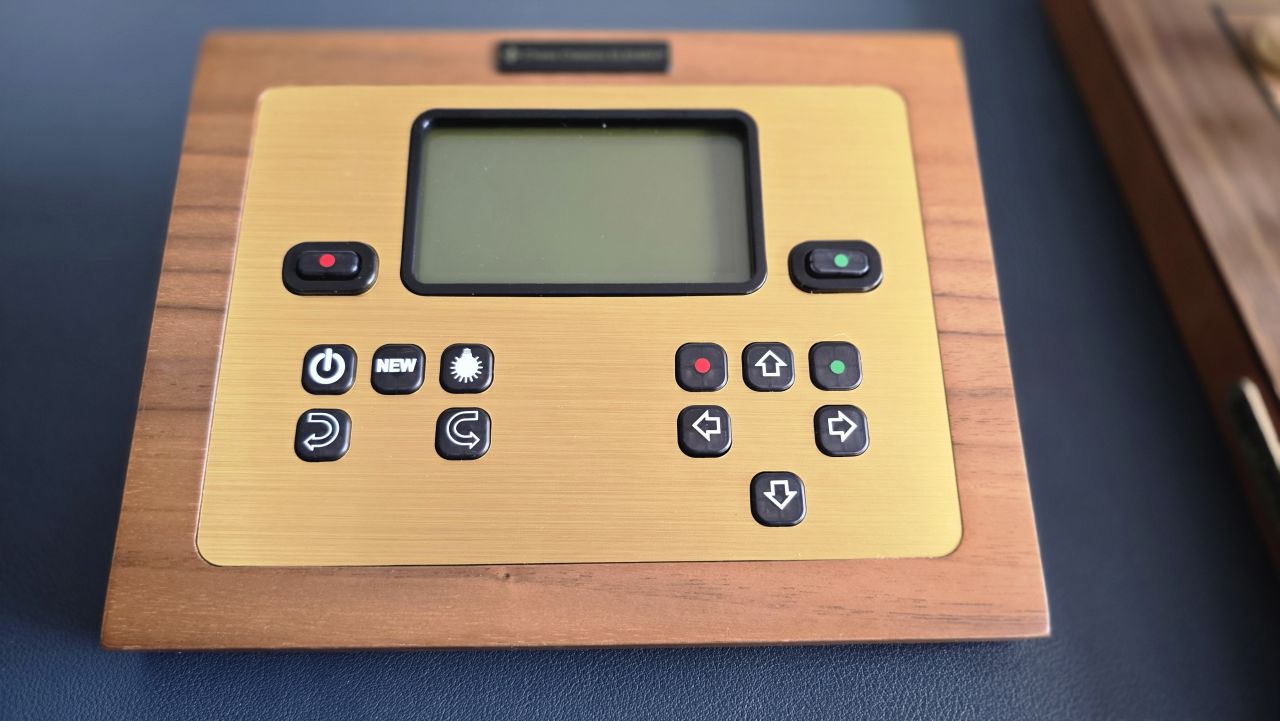
Here’s the part I need to be straight with you about. Millennium Chess Classics Element (M827 module) or control unit is the one part of this package I have mixed feelings about. It looks good. The wood matches the board; the display is large and readable. It comes with thirteen buttons that help with various tasks.
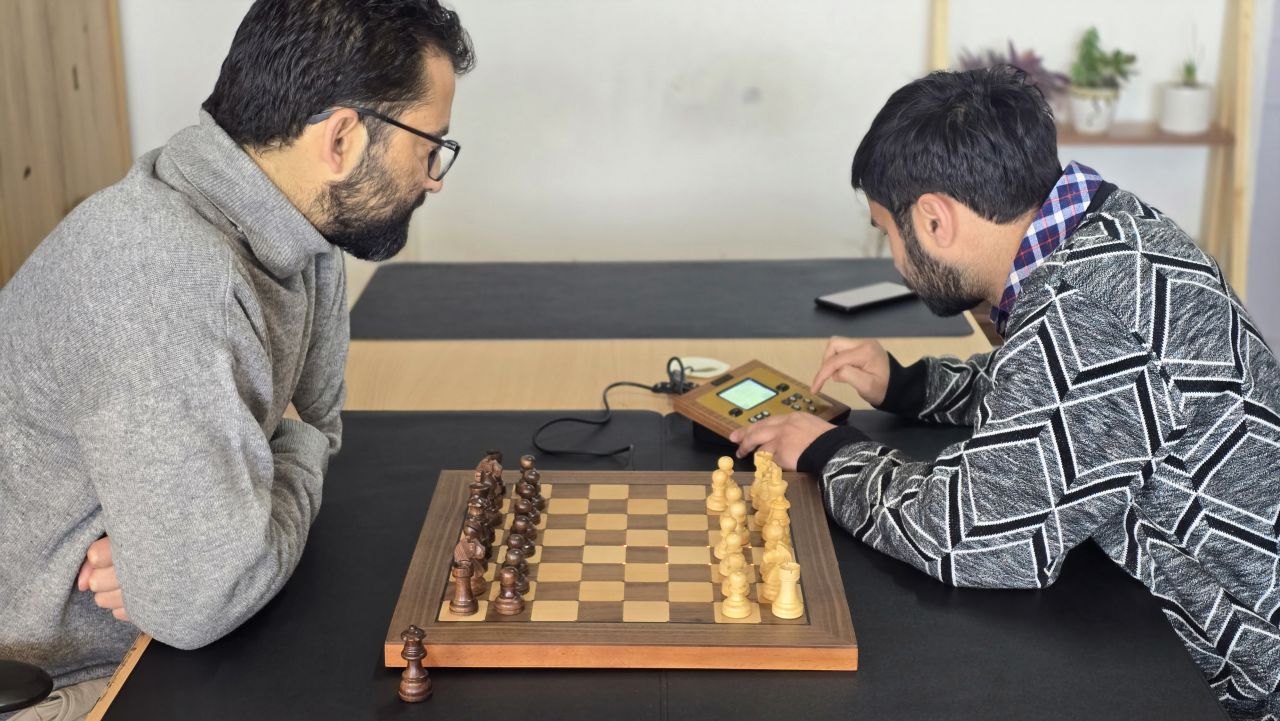
The On/Off button powers the device or puts it in standby, while the green check mark confirms menu selections and the red X cancels them. Four arrow keys handle navigation and settings adjustments. The left arrow retracts your last move, and the right arrow replays it. A dedicated New Game button brings up the new game menu, and a brightness icon lets you adjust the display backlight. The problem is that it may take up to a few hours to get the hang of these buttons. Initially, I struggled with what’s what, but once I got the knack of it, gameplay was interesting and intuitive.
The Engine: Strong and Useful
This is where Millennium Chess Classics earns some brownie points. The M827 module comes loaded with two engines: The King and ChessGenius. Both engines play differently. The King goes for the throat. If you like an aggressive and attacking style of play, this is something you can bank on to improve your gameplay. ChessGenius, contrary to King, is way more patient, more strategic, but still squeezes you to mate. Playing one after the other feels like switching opponents entirely.
To put this in a disclaimer, I am still getting the hang of these two engines, and there is a lot of testing left to be done. So, I will not say anything half-baked at the moment. The control unit offers a wide ELO range suitable for all levels, generally spanning from below 1000 ELO for beginners up to over 2500 ELO (SSDF rating) for advanced players. Again, much of this is yet to be explored.
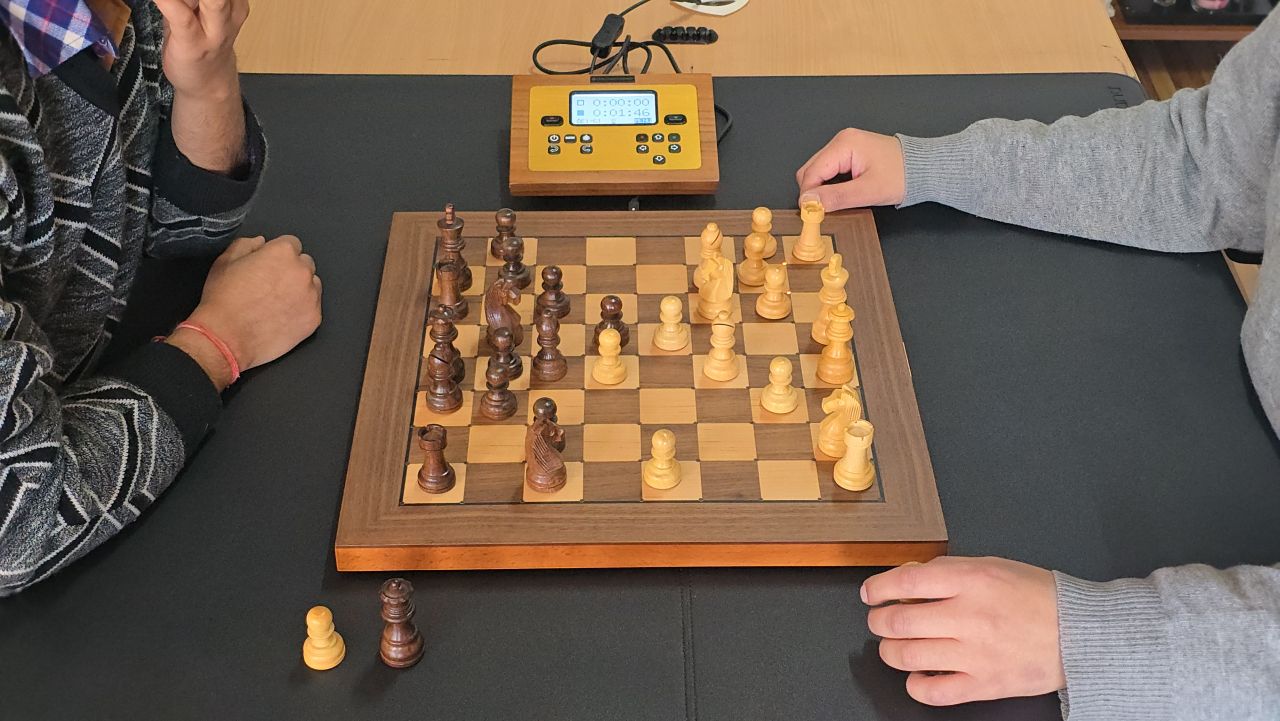
The engines also offer real-time analysis by displaying Good/Bad Move. The board flags bad moves, yours or your opponent’s, in real time. I know some people find that kind of interruption annoying in a casual game, and fair enough. For anyone serious about getting better, this feature alone is worth a great deal. The analysis takes a moment in complicated middlegame positions. Don’t mistake that for a flaw. That pause means it’s actually calculating, and when it does play, the moves are good. You can trust the thinking happening behind the scenes.
What is it like to play with the Millennium Chess Classics
In practice, if you’ve never used one before, you’re going to sit there prodding buttons and feeling increasingly puzzled. The interface’s logic isn’t the intuitive tap-and-swipe logic we’re all used to on our phones. It has its own internal grammar, and you need to learn that grammar before things start making sense. The manual covers everything, but reading it feels like studying rather than learning.
There were moments when I accidentally did something right but had no idea how to repeat it. Case in point, I still struggle to retrieve a flagged move. I’ve fiddled with the settings and looked it up online, and apparently, it is possible; I just haven’t managed it so far. I believe a touch interface would have made more sense. The existing interface isn’t bad, but it isn’t good either. It’s an old-school one. If you grew up with physical electronics before everything had a touchscreen, you might find it completely fine from day one. For anyone accustomed to modern devices, the adjustment takes time.
Add-On Modules
The board also features an optional ChessLink Bluetooth module, which I haven’t yet had the chance to try. With it connected, the board pairs with Chess.com, Lichess, and Tornelo. You sit at your wooden board, move real pieces, and your opponent sees every move on their screen, wherever they are in the world. I have already called it stupid, considering it’s better to play online than to move your opponent’s piece. But let it be!
The RFID: The Part That Actually Impressed Me Most
I saved this for the end because I think it’s the most quietly impressive thing about the whole system. You pick up a piece, put it down, and the board knows exactly what it is and where it went. Be it castling or eating other pieces, it is all handled automatically. I haven’t tried en passant, though, because the engines never set up that situation on the board. The LEDs back this up nicely, confirming each move clearly without any fuss.


What’s Good
- The Board is solid wood
- The pieces are wonderful to handle
- The engine is smooth and dependable
What’s Not
- If you’re a newcomer, the wooden control unit will frustrate you
- The manual isn’t very helpful. You will figure it out eventually. But eventually might take longer than you’d expect
Final Thoughts
The Millennium Exclusive Sensor Board with the M828 module is a solid product. The build is good, reliable RFID, strong engines, and genuinely useful blunder detection. The control unit takes some getting used to, but once you’re past that, it’s hard to fault. If you take chess seriously, this board is worth it.