At CES 2026, Ottocast unveiled a reimagined vision of the modern family car, positioning the dashboard not as a static control panel but as a thoughtfully designed living space in motion. Guided by the idea that daily commutes and long road trips deserve the same level of comfort, connectivity, and intuitive design as the home, the brand introduced two complementary products.
The Ottocast ScreenFlow 11-inch Wireless Smart Car Display and the Ottocast AI Co-Pilot Smart AI-Powered Car System reflect Ottocast’s core belief that technology, when designed with people in mind, can transform how time is spent inside a vehicle.

What unifies both products is Ottocast’s broader design philosophy. By applying smart home principles such as connectivity, simplicity, and environmental enhancement to the automotive interior, the brand reframes the car as an extension of daily life rather than a disconnected space.
Ottocast ScreenFlow
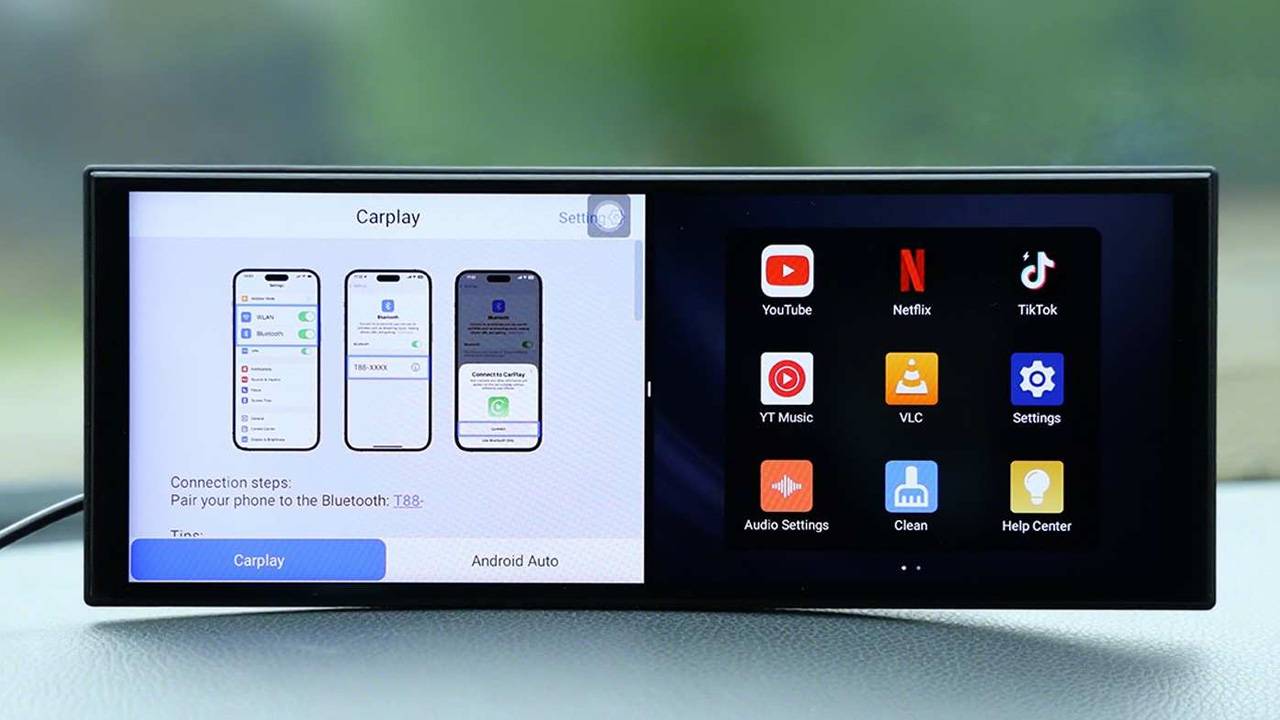
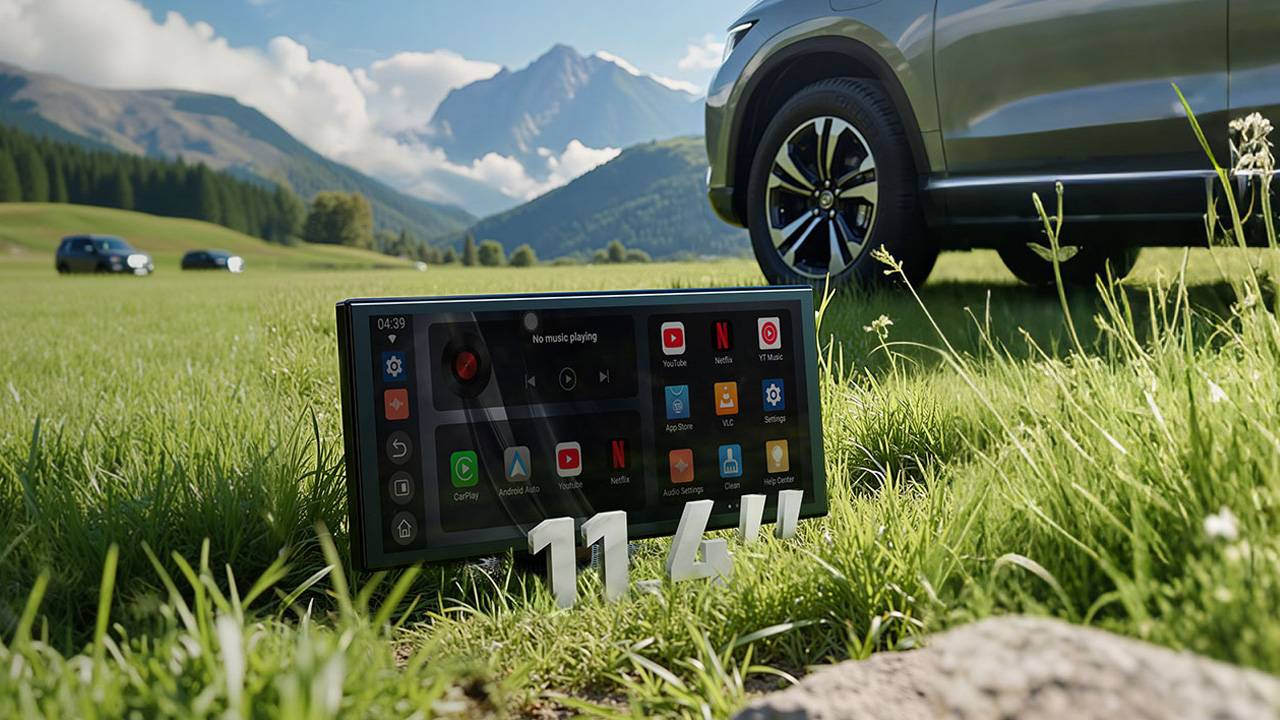
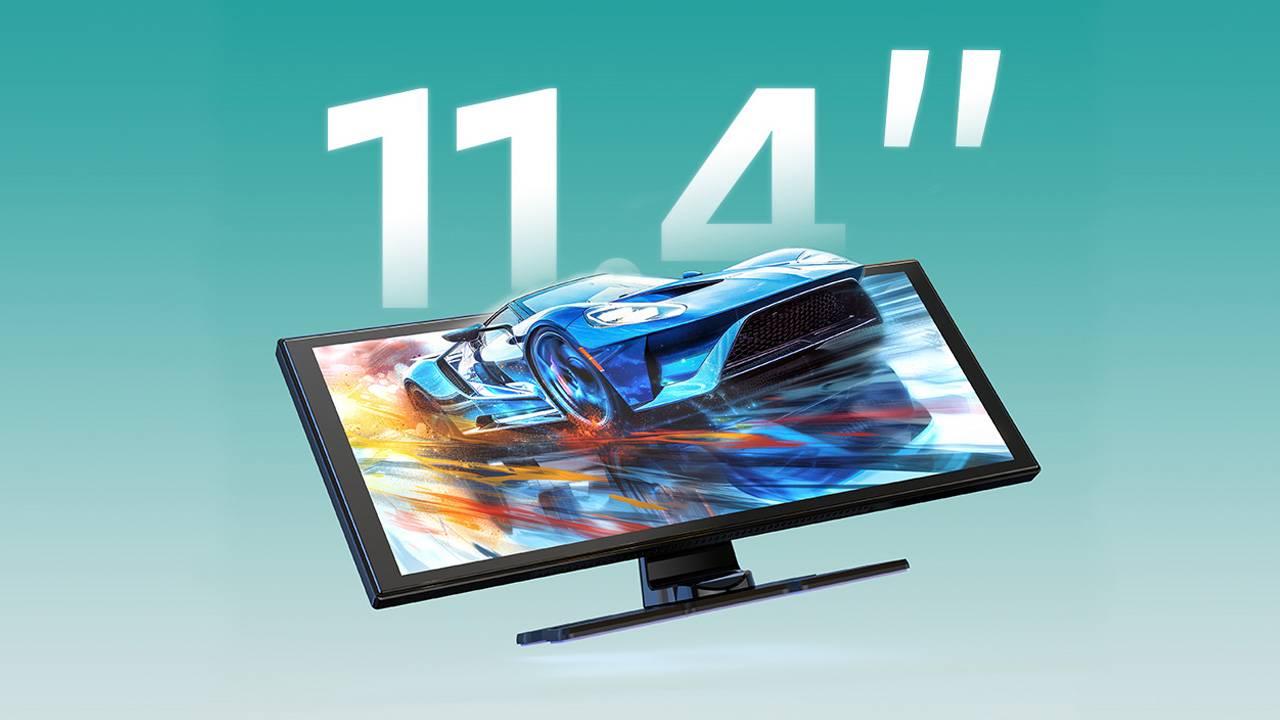
The ScreenFlow addresses a familiar frustration for many drivers and passengers: factory-installed infotainment systems that feel dated, visually cramped, and disconnected from how people actually use technology today. By replacing these small, low-resolution interfaces with a clean, 11-inch HD touchscreen, ScreenFlow delivers an immediate visual and functional upgrade to almost any car interior. The larger display improves visibility and usability while giving the dashboard a more contemporary, streamlined appearance that aligns with modern design expectations.
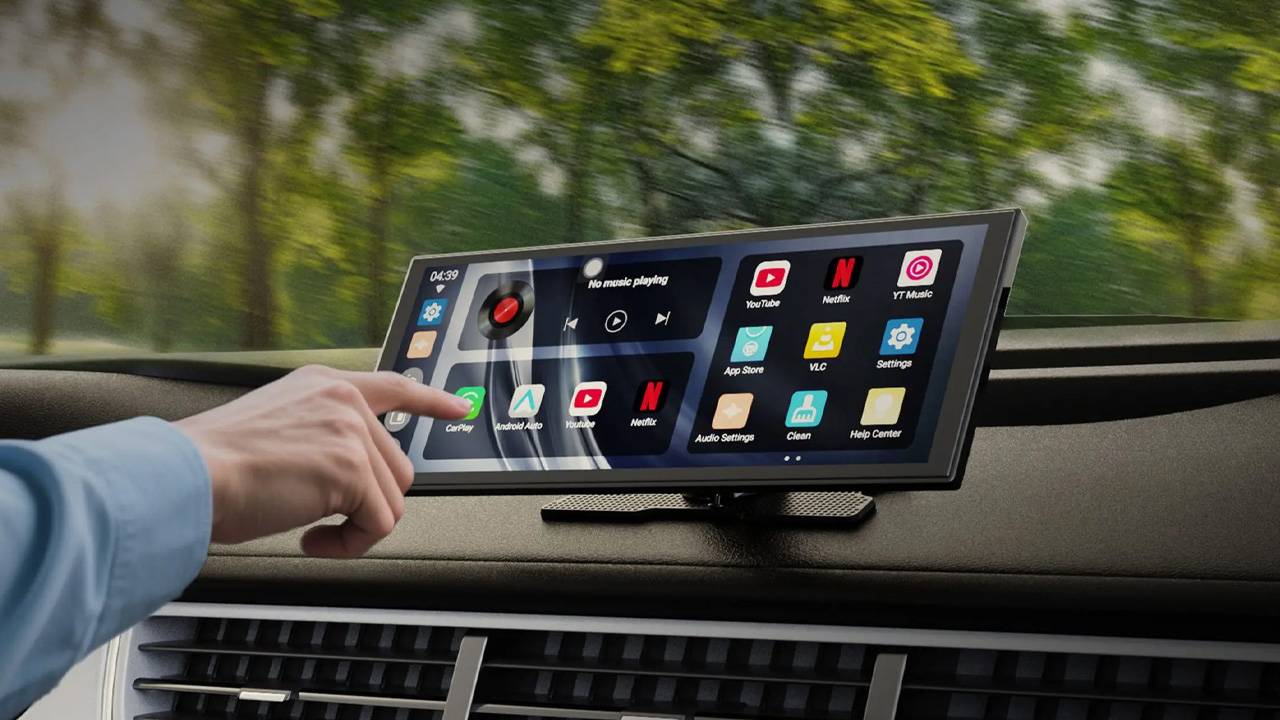
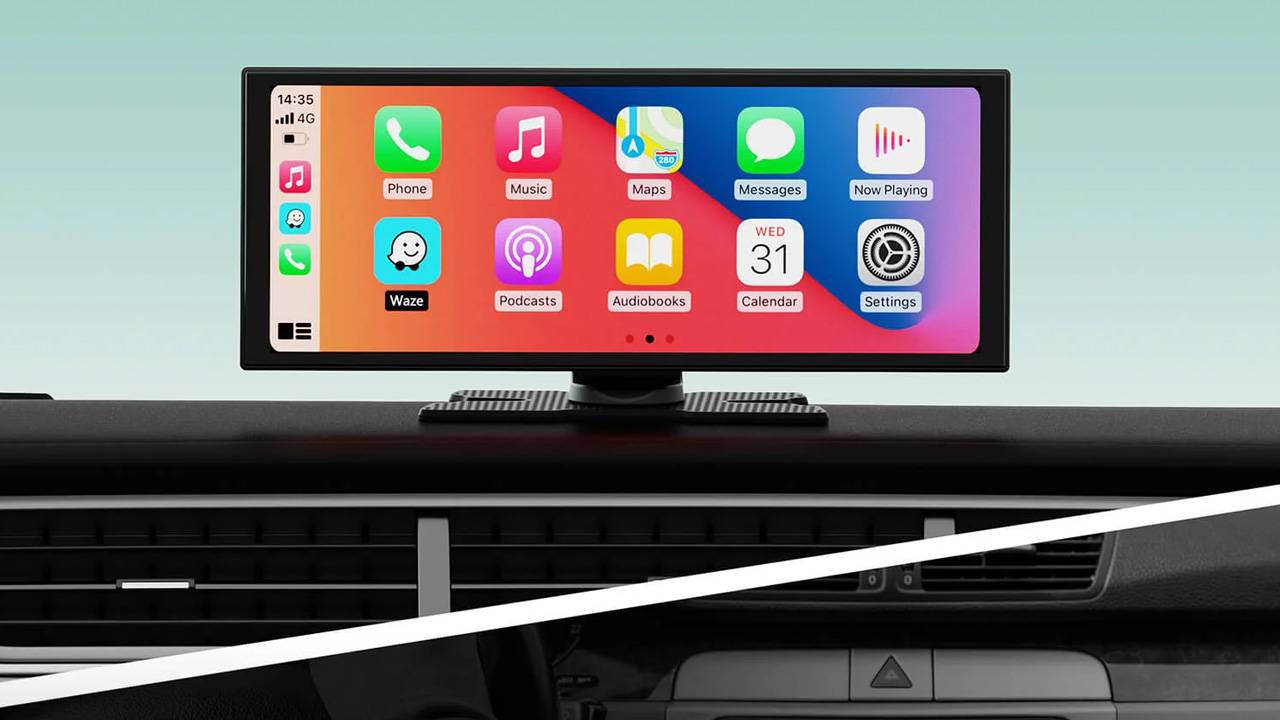
Wireless integration lies at the heart of the ScreenFlow experience. Through seamless support for wireless Apple CarPlay and Android Auto, it mirrors the user’s existing smartphone ecosystem onto a single, expansive canvas. Navigation, music, calls, and apps appear exactly where users expect them, reducing visual clutter and eliminating the need to constantly switch attention between devices.
Beyond simple mirroring, ScreenFlow also functions as a standalone entertainment hub with direct access to streaming video apps, allowing passengers to watch content while navigation remains active for the driver. This balance turns otherwise idle travel time into shared, engaging moments without compromising usability.
Ottocast AI Co-Pilot
Complementing ScreenFlow is the Ottocast AI Co-Pilot, designed primarily around safety and ease of interaction. Its defining feature is a conversational AI assistant powered by advanced platforms such as Gemini, enabling drivers to interact with the system using natural voice commands.

Requests for directions, nearby destinations, or media control can be handled hands-free, significantly reducing the need for visual interaction and helping drivers stay focused on the road. The system is built around an ultra-clear, vibrant display that enhances maps, media, and app interfaces, delivering a noticeable improvement over typical factory systems.
Under the surface, the AI Co-Pilot is driven by robust hardware, including an 8-core processor and 4GB of RAM paired with 64GB of storage. This configuration allows it to function as an open Android-based platform capable of running a wide range of applications, from productivity tools to educational and entertainment apps, making it adaptable to various travel needs and routines.