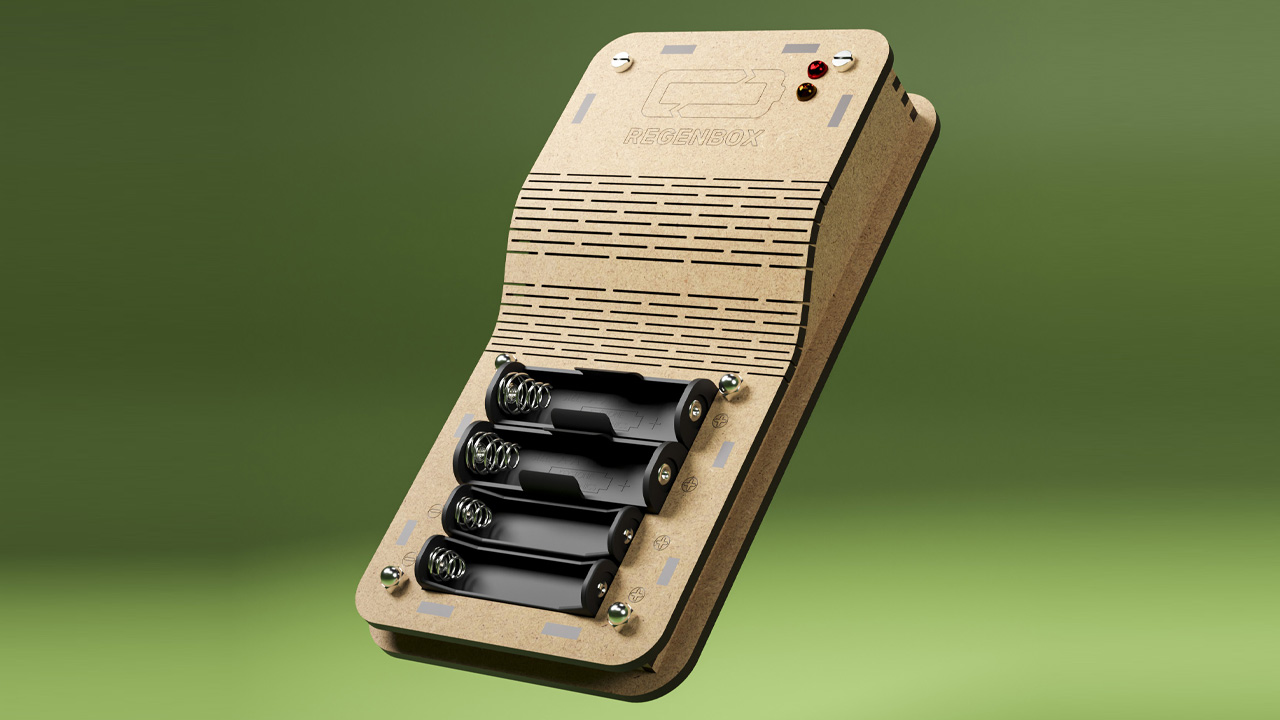
It’s become quite a common habit to throw away broken gadgets or accessories, but gradually the trend is changing. From furniture and consumer electronics to fitness equipment, the repair culture is rising in different domains. Another great example is the RegenBox, which makes it possible to recharge non-rechargeable batteries, usually dumped in the trash. The primary motive of the RegenBox concept is to reduce the amount of waste produced by batteries. Interestingly, the concept of alkaline regeneration originated during 80s and was completed by Atelier21 in 2016.
The RegenBox project stems from Atelier21’s program called Paleo-energetics that aims to uncover energy innovations from the past and reimagine them to meet the challenges of the present. This alkaline battery charger is based on a forgotten patent by Karl Kordesh, who discovered that AA or AAA batteries can be charged through a system of micro-electrical pulses. American battery seller Rayovac had already made the Renewal charger in 1994, but the product became successful due to the lack of investors at that time.
Later in 2016, Atelier21 found the patent and then developed a more efficient and minimalist version of the RegenBox on the basis of the original Renewal charger. This AAA battery charger has also seen successful crowdfunding campaigns during its development phase, and now it is available to purchase through the official website.
There are two versions of the RegenBox alkaline battery charger listed on the website, and one of them is a €49 ($58) DIY kit that you have to assemble yourself. This version fits the idea of the repair pretty well. Aimed at electronics enthusiasts, it allows you to understand and experiment with the regeneration of single-use batteries.
Also Read: Top Portable Power Stations of 2025: Best Picks for Every Need
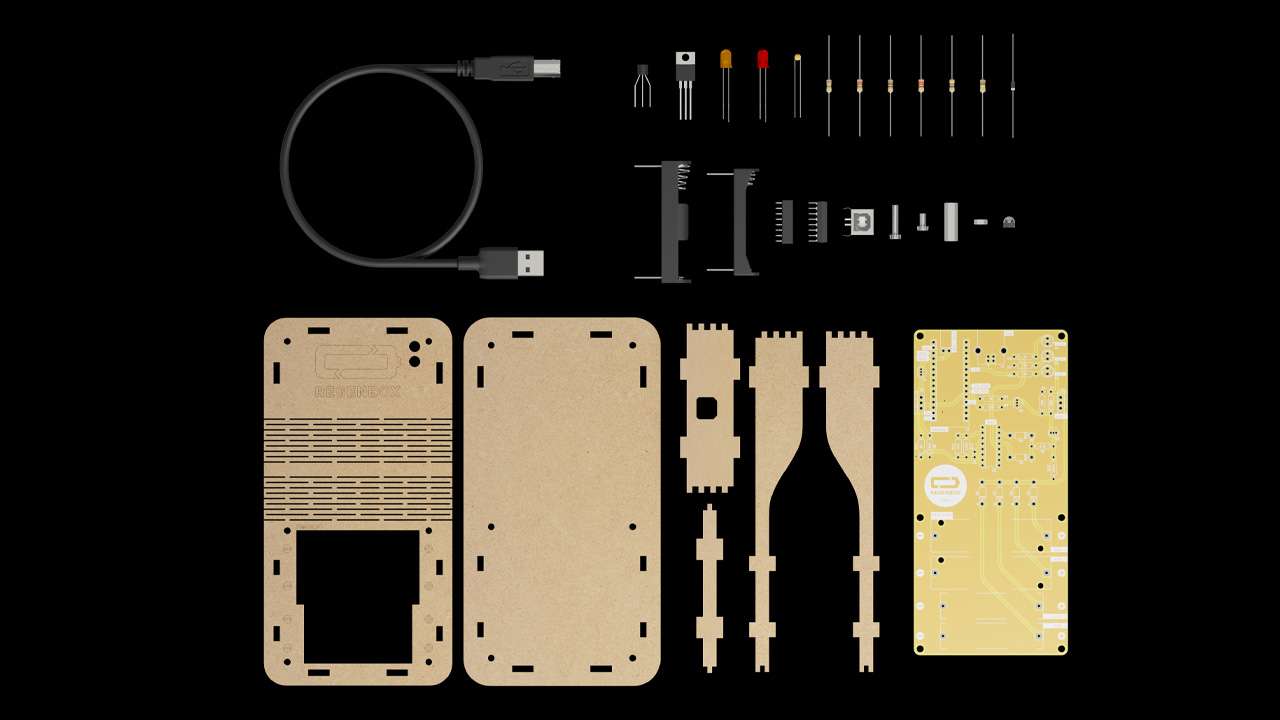
Each DIY unit comes with PCB + electronic components, USB power cable, and a laser-cut and engraved wooden case. You will need to use a soldering iron, a voltmeter, and a few other small tools for assembly, while a basic knowledge of electronics is necessary before taking the project. When assembled, the product measures just 17.2 x 9.2 x 2.5cm – smaller than a tablet.
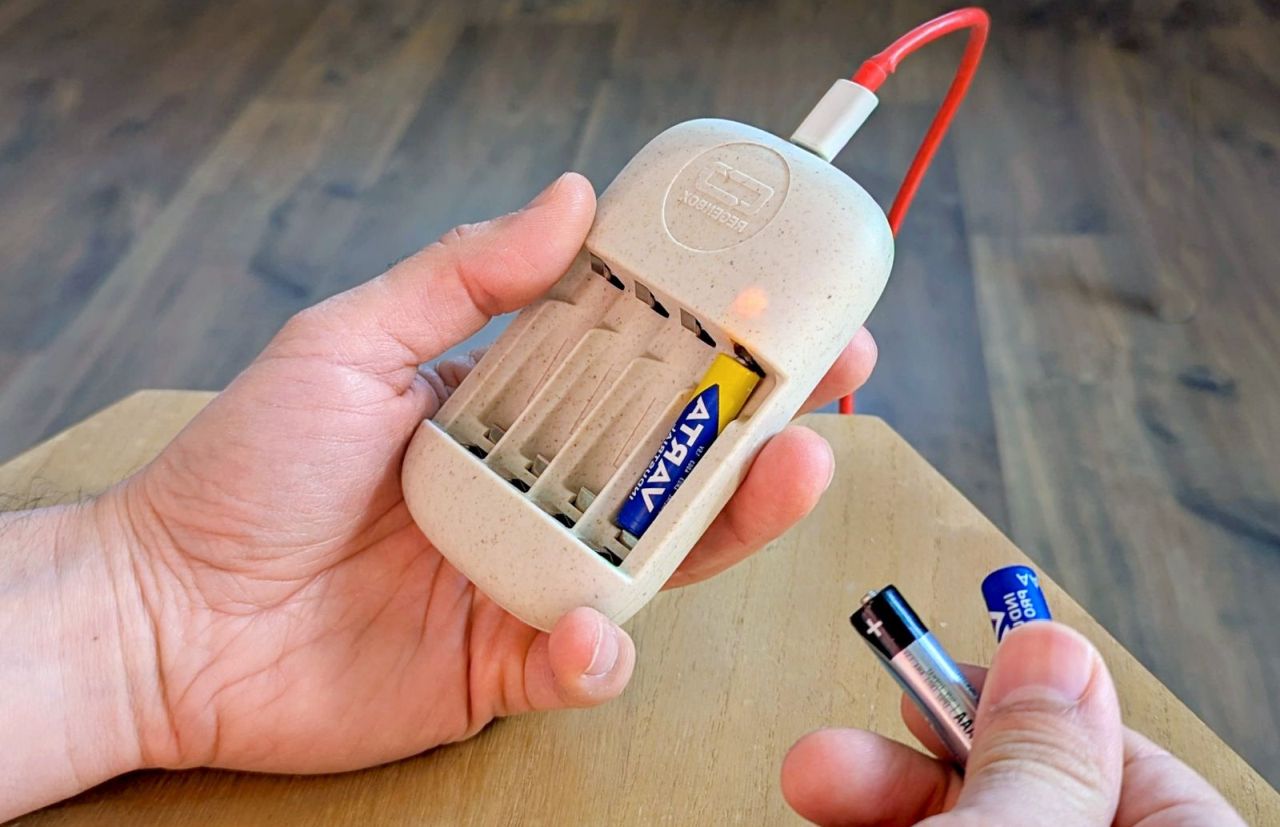
Now, simply connect a USB cable to the RegenBox and plug a USB (5V) charger into a wall outlet. Once connected, the flashing red and orange LEDs indicate the current being sent to the batteries. The currents injected for regeneration are on the order of 40 mA on average, which is far from producing a heating of the battery.
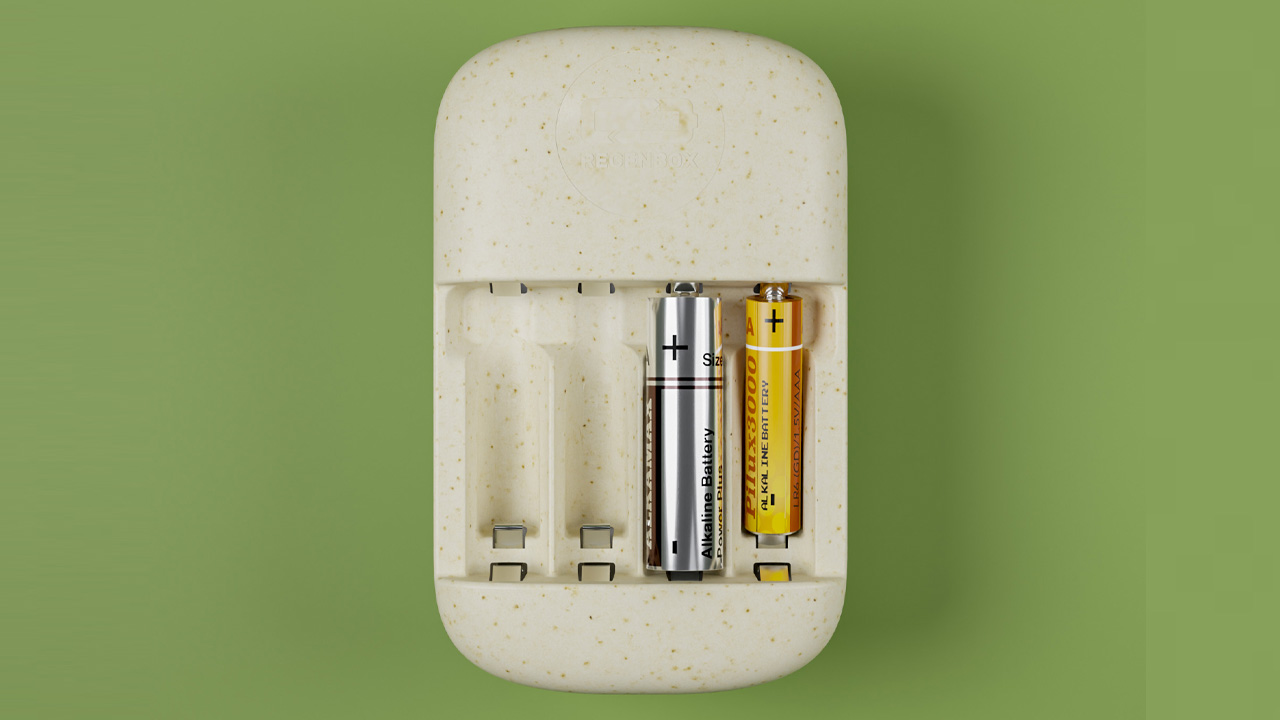
If you are not a DIY person, you can go for the RegenBox 2, a pre-built, digital version of the alkaline battery regenerator for €69 ($80). Both of the models can recharge four batteries at a time. It takes 4-8 hours to fully recharge the batteries. This is an innovative product that people should adopt in their lifestyle, as alkaline battery pollution is a rising concern.



Via: designboom