One thing I really dislike about tech companies is their long-standing habit of dropping CES-related announcements between Christmas and New Year. If you have a friend who is a journalist or a content creator, you know for a fact that it is the only time when we are momentarily off duty, taking a little breather, before the Vegas rush begins. And, I can’t help but gripe at the fact that Samsung pulled the same move, compelling me to dust off my laptop (meant to stay shut for four days) and cover its 2026 audio device lineup, scheduled to make its debut at CES 2026.
While I might sound annoyed at the fact that I have to work on an off day, but seeing Samsung’s CES 2026 audio line, I feel it’s all worth it. Samsung’s new sound lineup comprises a refreshed Q-Series soundbar, including the flagship HW-Q990H model, which ecoustics points out is “clearly aimed at people who want a cinematic experience without turning their living room into a wiring diagram.” As reported by the blog, HW-Q990H replaces the HW-Q990F (2025 model), whilst retaining some of the core features, including an 11.1.4-channel layout, combining a main bar, wireless rear speakers, and a dual 8-inch driver system housed in a compact active subwoofer designed to deliver serious low-end without dominating the room.
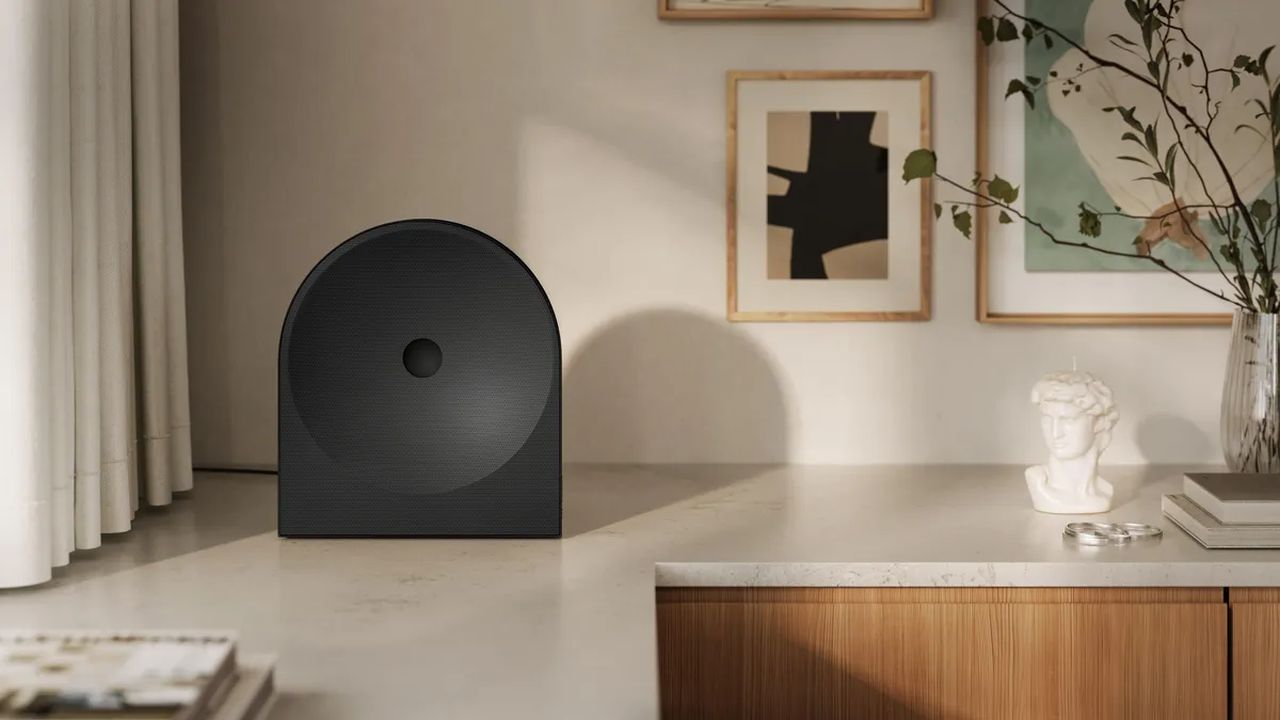
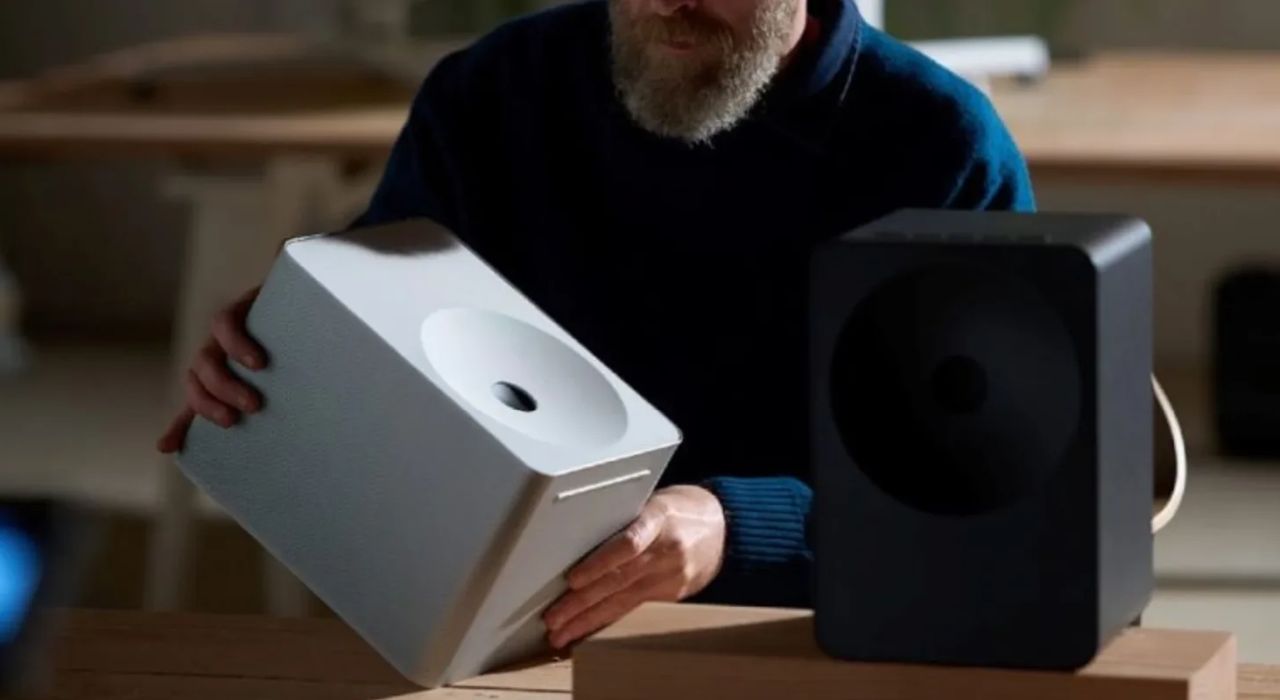
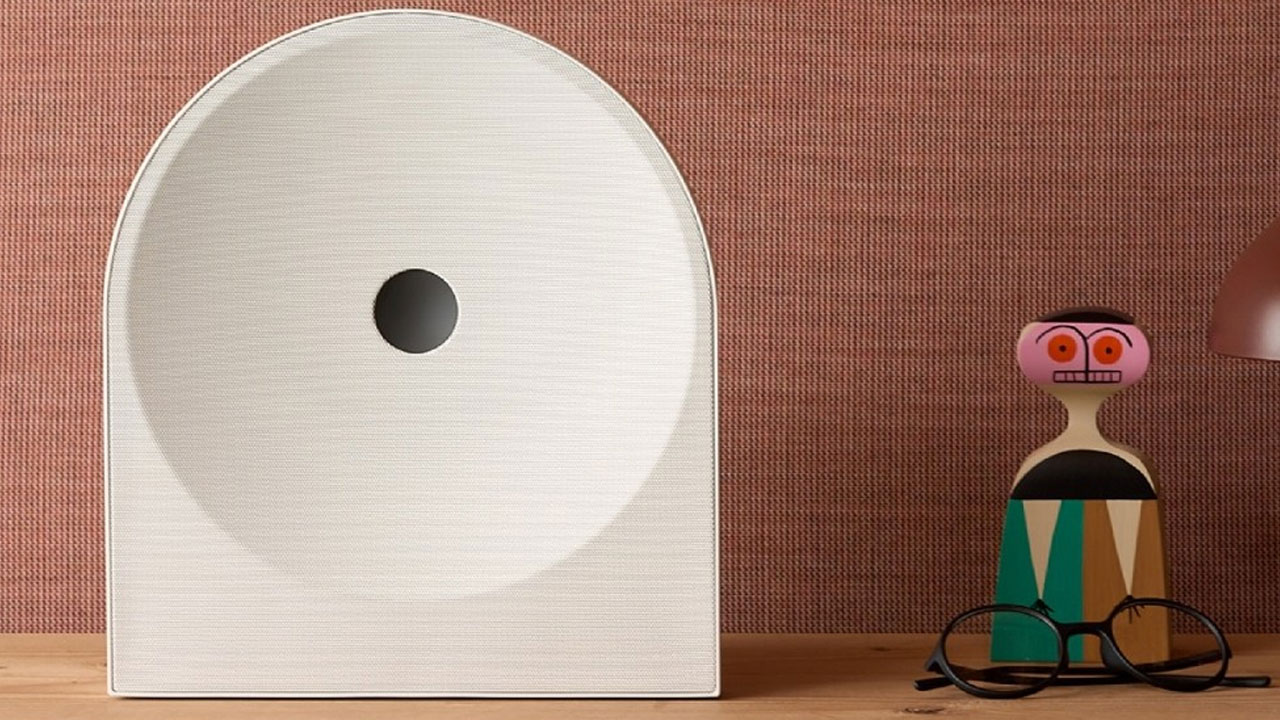
The big surprise, however, is the brand-new Music Studio Wi-Fi speaker series: Music Studio 7 and Music Studio 5, which appear to replace the Samsung Music Frame, introduced a couple of years ago. Boasting better sound, smarter connections, and most importantly, a design that fits easily into any home, these speakers aim to deliver immersive audio while working together through Samsung’s updated Q-Symphony technology.
Boasting a bookshelf-style speaker design, the Music Studio 7 (LS70H) stands out as a 3.1.1-channel spatial audio speaker with dedicated left, front, right, and top-firing drivers for realistic 3D sound. As detailed in the company’s press release, it uses Pattern Control Technology to reduce signal overlap and provide clear directionality, along with AI Dynamic Bass Control for deeper lows with less distortion. The speaker supports Hi-Res Audio up to 24-bit/96kHz and extends frequency response up to 35kHz. It can be used alone or paired with other Samsung devices for expanded sound setups.
Contrary to Music Studio 7, the Music Studio 5 (LS50H) takes a more compact, design-focused approach. The unit features a 2.1-channel setup with a 4-inch woofer, dual tweeters with a waveguide for balanced sound, and the same AI bass enhancement. CNET couldn’t refrain from describing it as an almost irresistible to admire. Equally impressed is Engadget, which writes that both Music Studio models “deliver crisp audio while blending into your décor.”
Besides the launches, another major upgrade across Samsung’s 2026 sound lineup is the improved Q-Symphony, which now supports up to five compatible devices, including TVs, soundbars, and the new Wi-Fi speakers, connected to a Samsung TV. The system automatically analyzes room layout and device placement to optimize channel distribution, delivering clearer dialogue, more accurate sound effects, and a unified surround sound experience without the need for complicated wiring. The full 2026 audio lineup will be showcased at CES 2026, with more details on pricing and availability expected then.