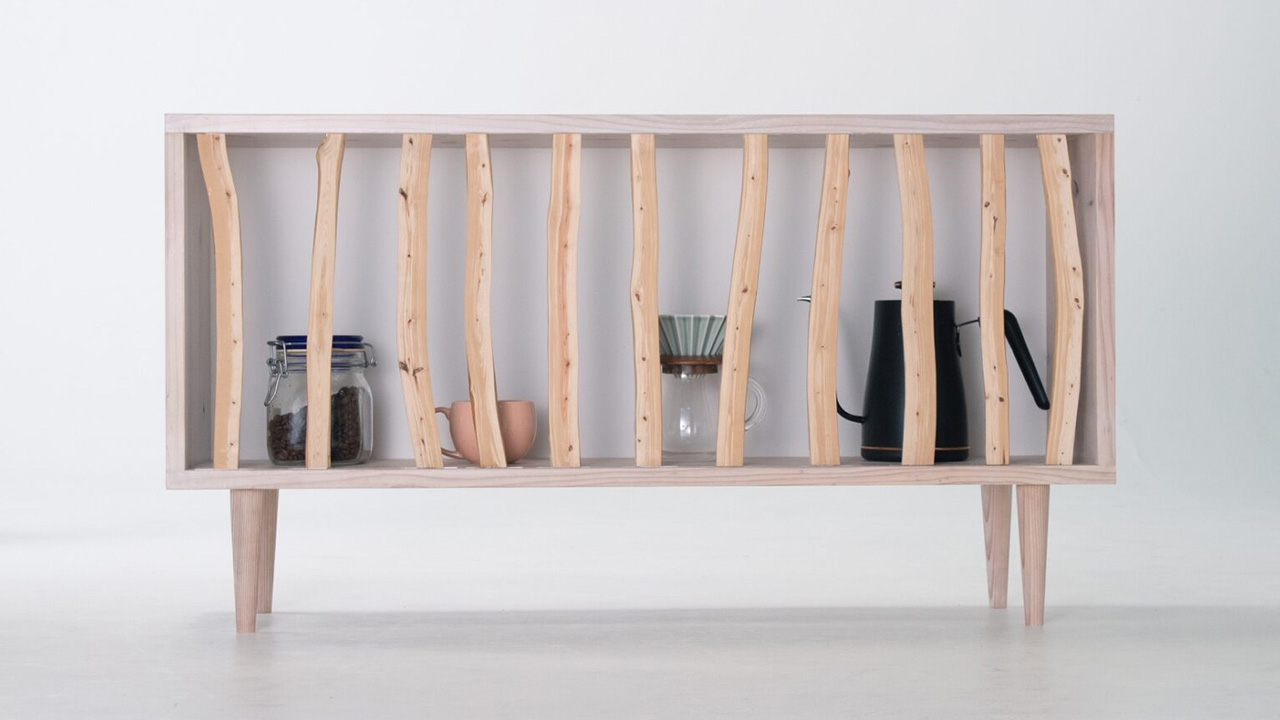
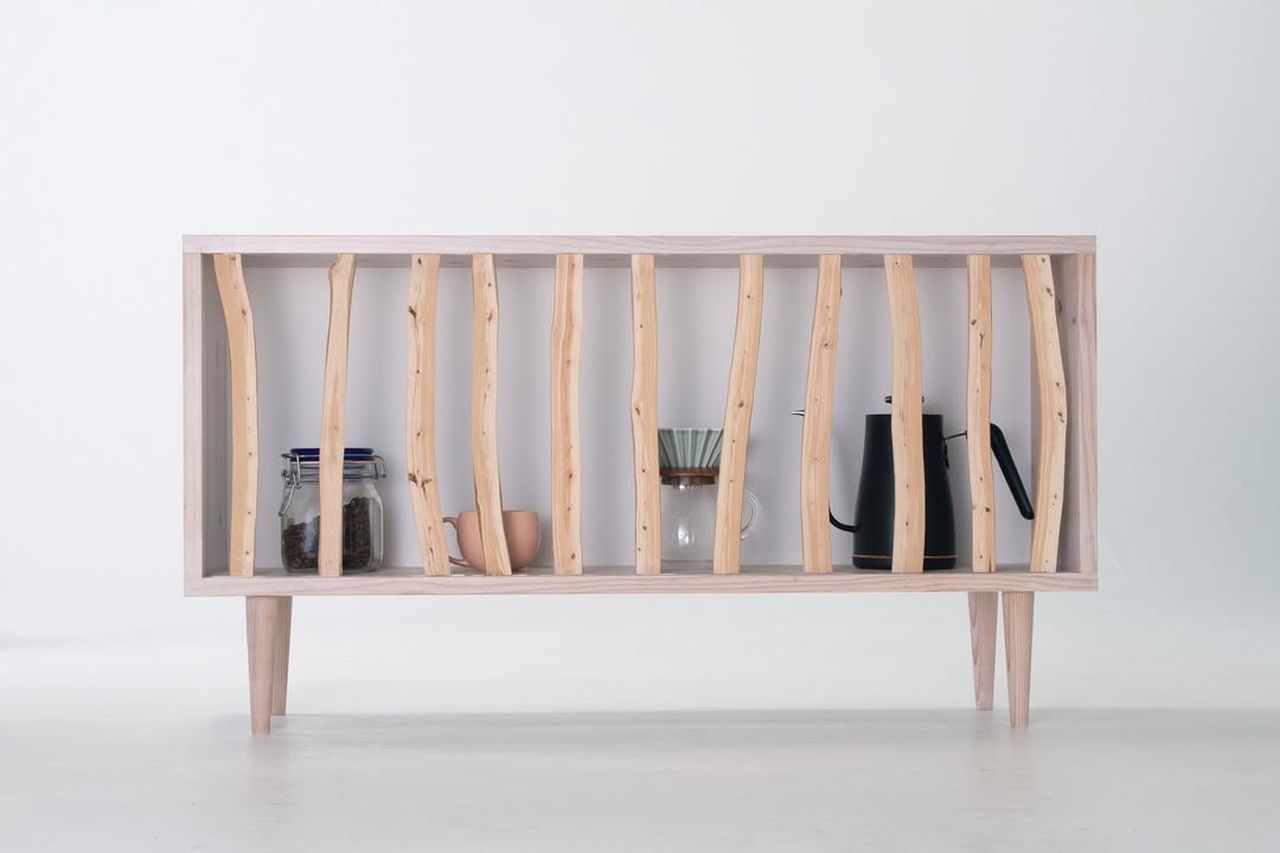
Wood is a core material in furniture design. But often only the thick parts of the trees are used, not the branches. Japanese designer Taishi Sugiura’s Hayashi cabinet changes that perception. Named after the Japanese word for “forest,” the piece features real Japanese cypress branches as a door frame, which is definitely a creative use of natural aesthetics. These branches not only improve aesthetic appeal, but they also serve the defined purpose of concealing the items inside.
Sugiura has cleverly utilized cypress branches left behind to create a sculptural sideboard that showcases true forms of nature and respects tradition as well. Inspired by Japan’s sliding doors and paper screens, this unique door frame makes you a part of the design.
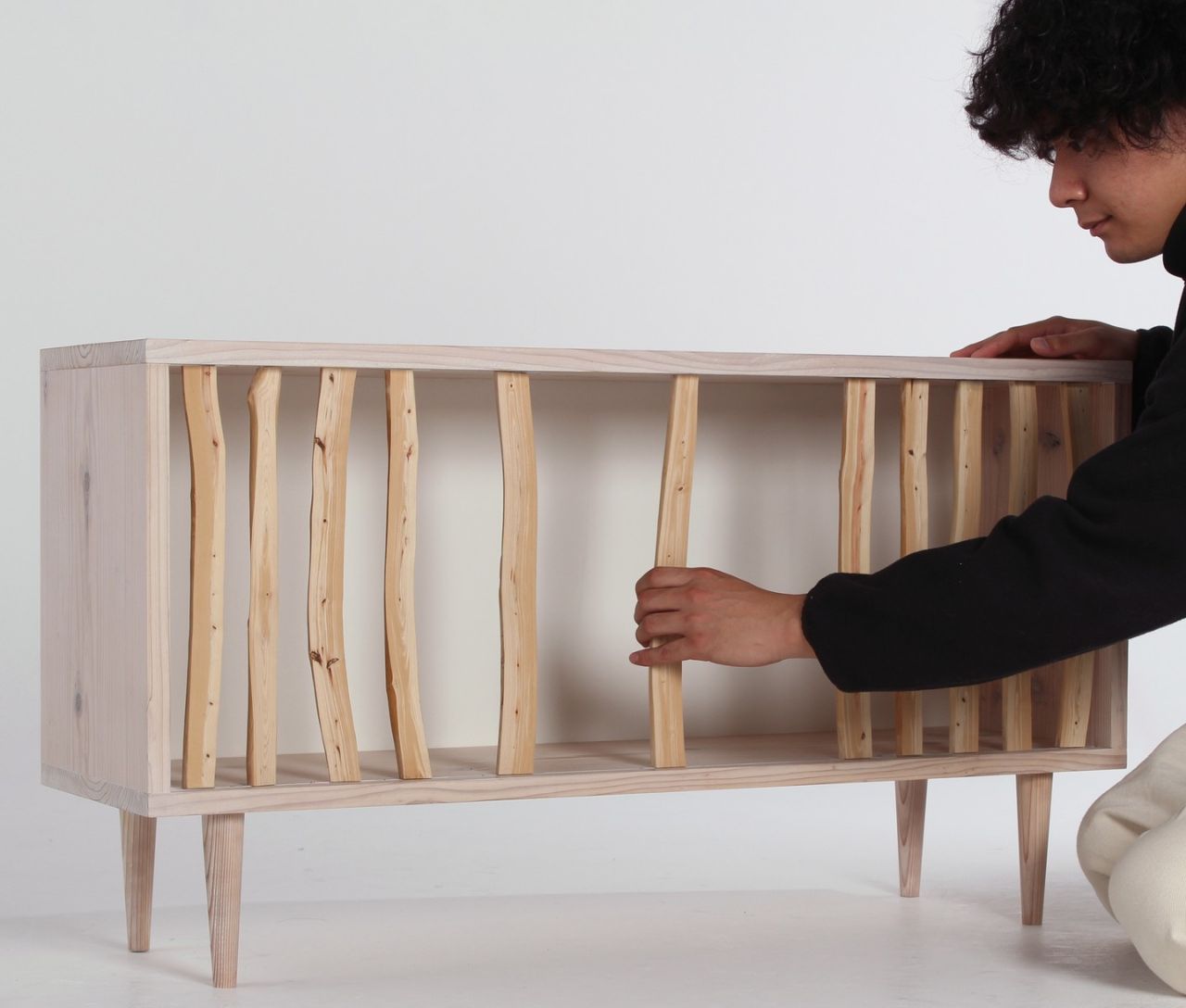
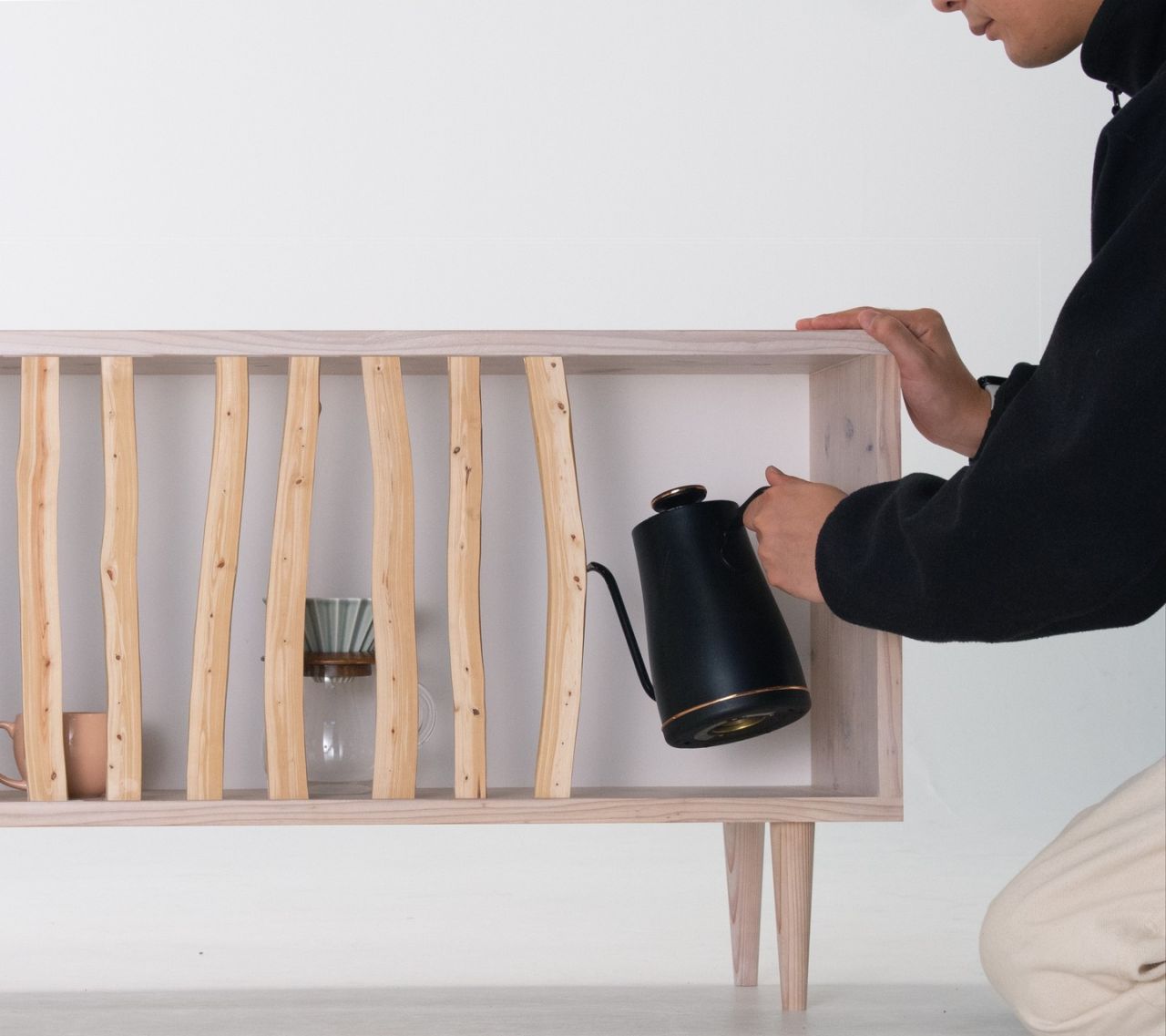
The branches are adjustable, meaning you can move them whenever you want. You can also gather them on one side to conceal some items while keeping a distance when wanting to show off a precious item inside, without completely locking up the door, which is the main concept taken from Japanese doors.
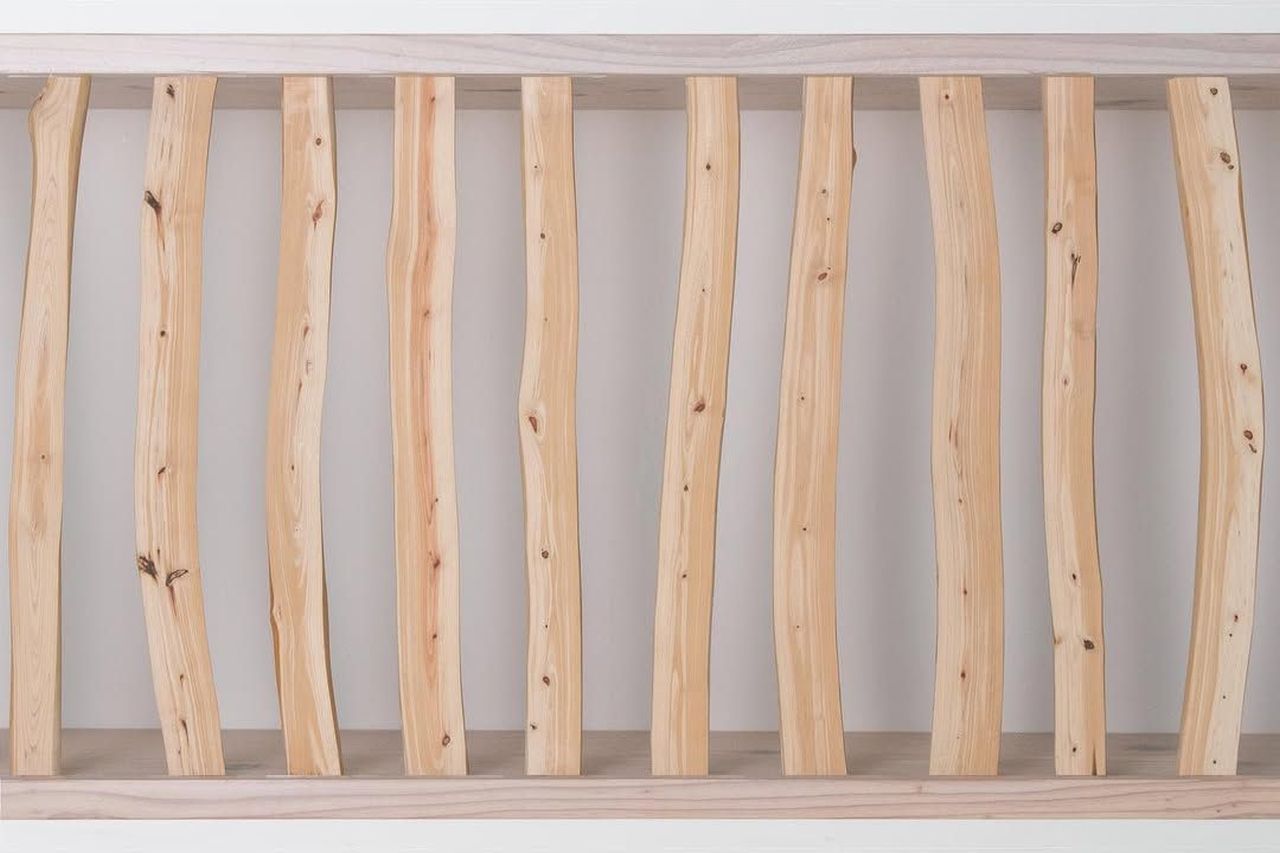
The design preserves the unique curves of the cedar branches and highlights the texture finished with a white oil coating. The choice of material by Sugiura clearly defines the project. Natural grains and curves of Japanese cypress branches are represented as the main highlight of the cabinet, respecting simplicity. No two branches are the same, so each cabinet has a different look.
Also Read: Container Cabinet Collection is an Ode to Industrial Aesthetic in Vibrant Colors
This Hayashi cabinet design shows up new possibilities in contemporary furniture design. The part where you interact with the furniture piece with adjustable branches seems the most important part, as it delivers the desired function without any mechanical parts.
The designer also wants you to feel the subtle play of shadow and light achieved through gaps between the branches. These shadows change throughout the day, turning static furniture into a dynamic piece.



Via: Yanko Design