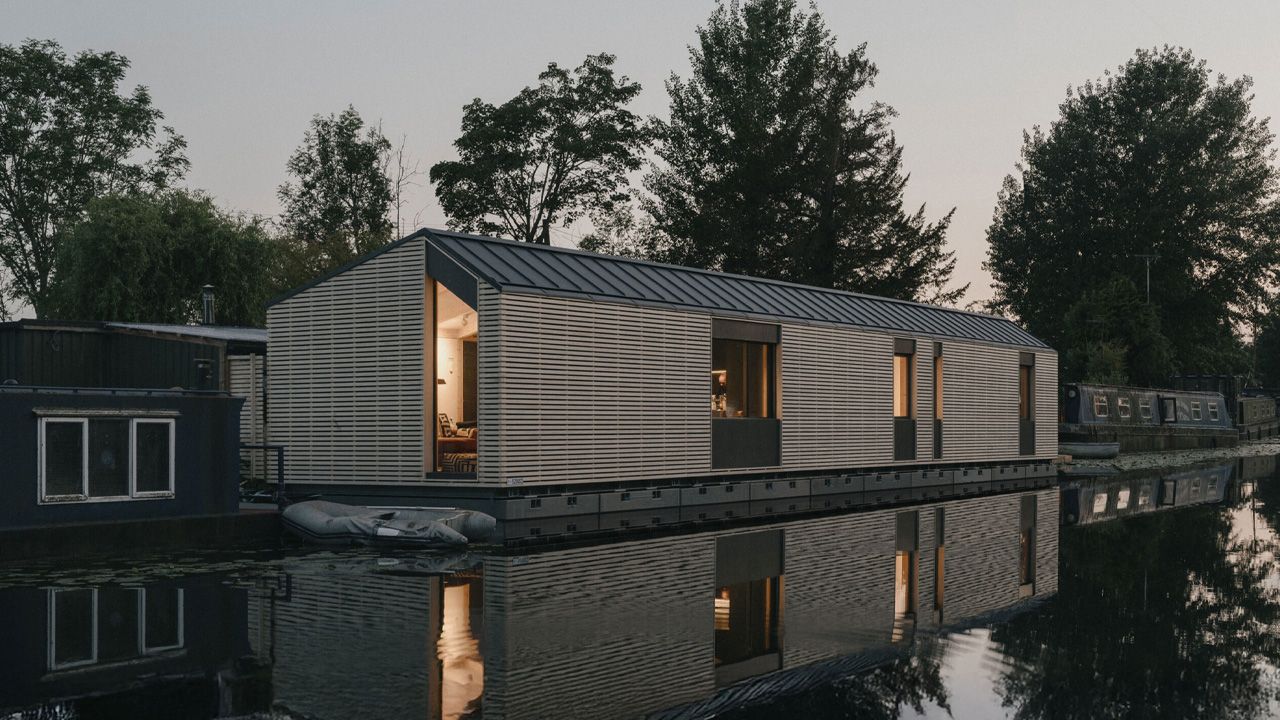
London-based architecture firm TiggColl’s latest project, The Float House, located on the Grand Union Canal in Ruislip, northwest London, shows the future of water-based living. It is a prototype floating home designed for hard-to-reach waterways, including canals, rivers, and lakes. Keeping in mind the usual problems of future maintenance with standard houseboats, the makers have incorporated interlocking steel hulls into the design that can be individually floated and lifted for maintenance. Another cool feature is that the home can be entered without any stairs.
Due to the absence of a dry dock or quayside, traditional maintenance methods were not feasible for the current project, so the architects collaborated with structural engineer Engenuiti and marine engineer Marmus to develop an ingenious system of 10 interlocking steel hulls securely held together by a gantry. When maintenance is needed, each hull section can be individually floated away from the gantry and lifted to the canal bank for easy maintenance without requiring extensive infrastructure.
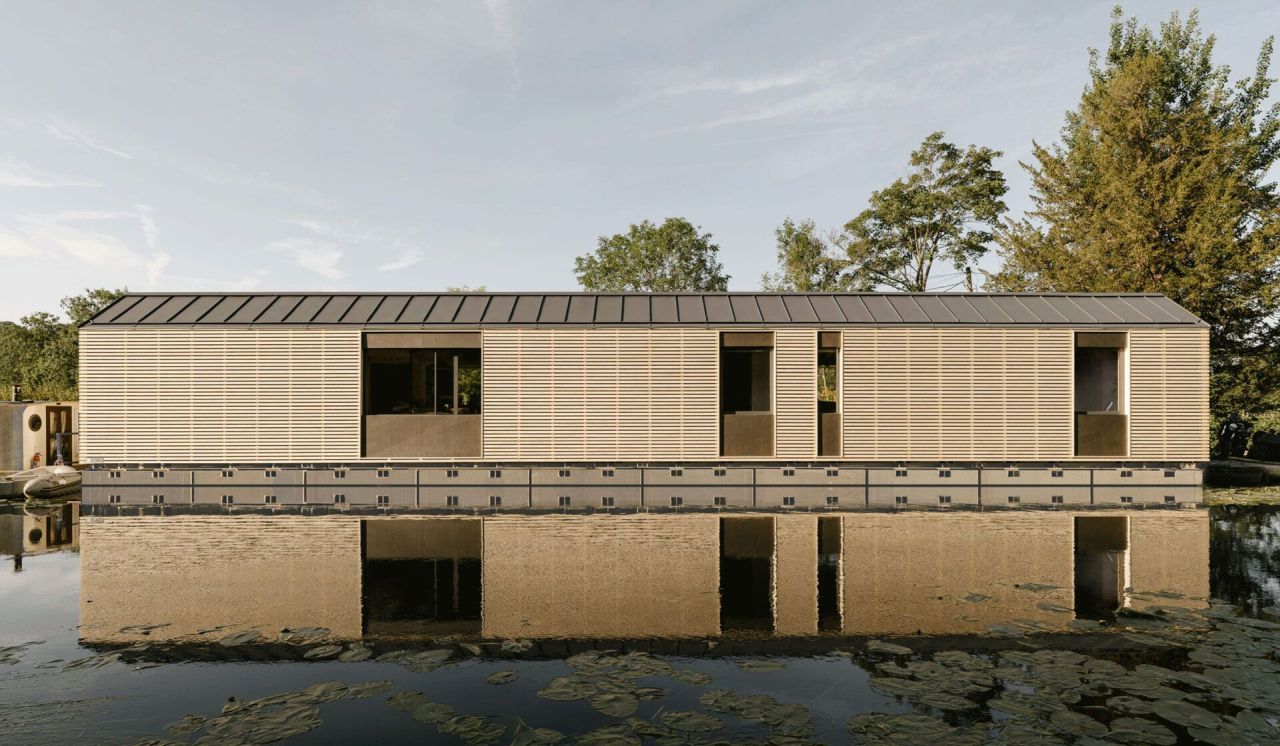
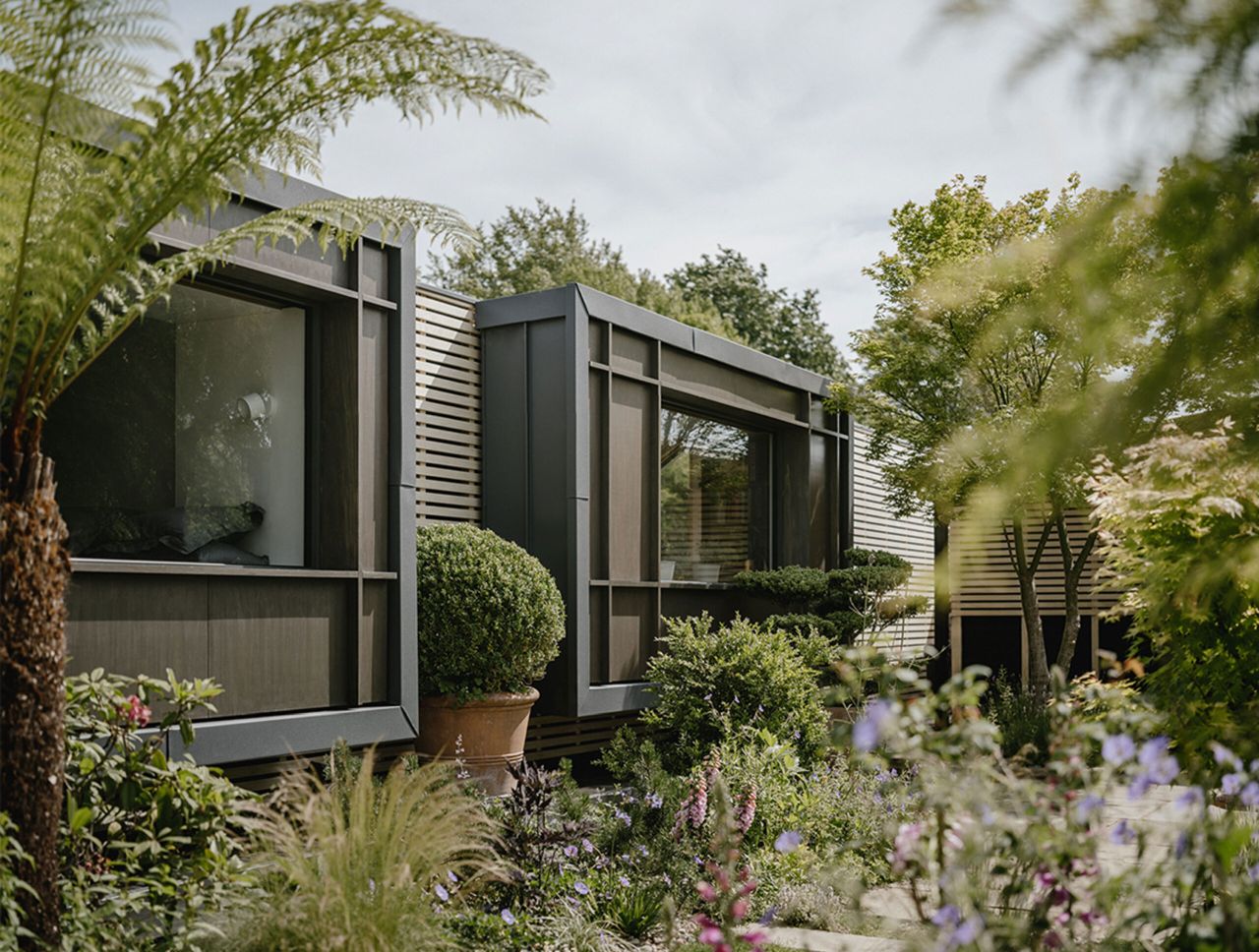
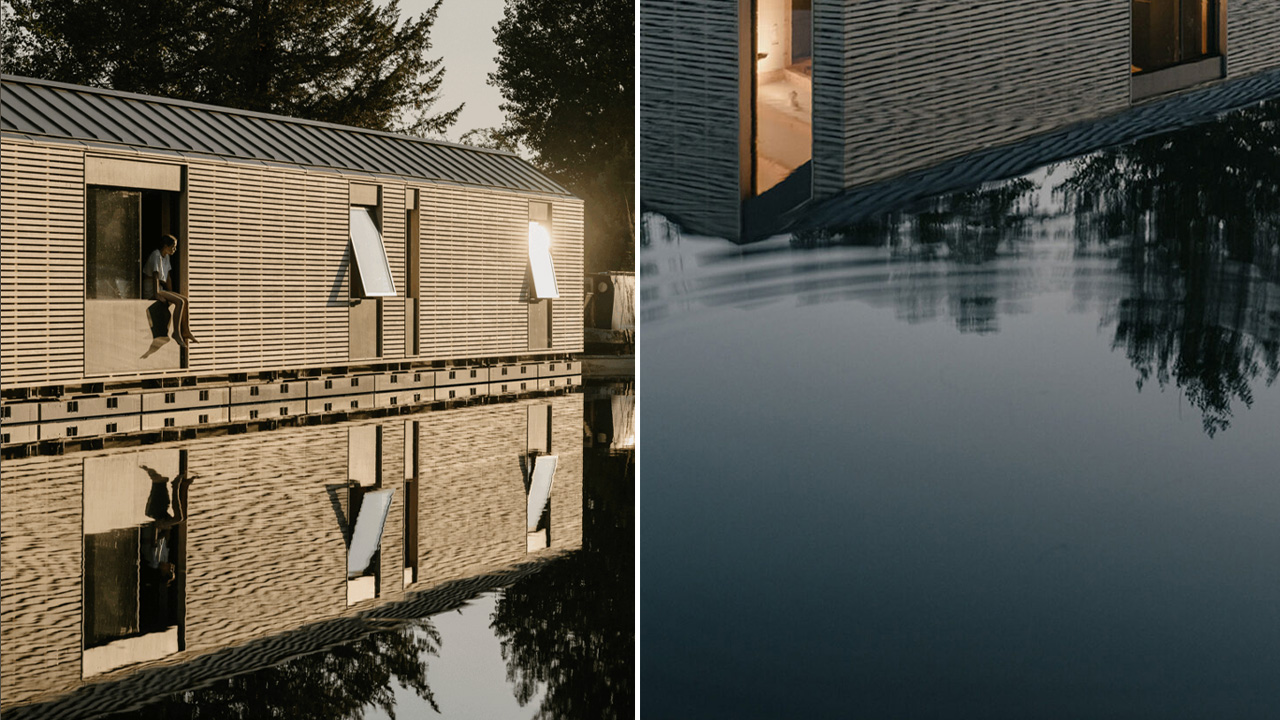
The clients approached TiggColl to design a floating home to replace their existing canal barge, which has become too small for them and has limited accessibility options for a growing family with changing health needs. The makers have carefully chosen the materials so the house remains intact despite a harsh, wet environment. They have clad the house in Accoya timber, which weathers over time, allowing the structure blend into natural surroundings.
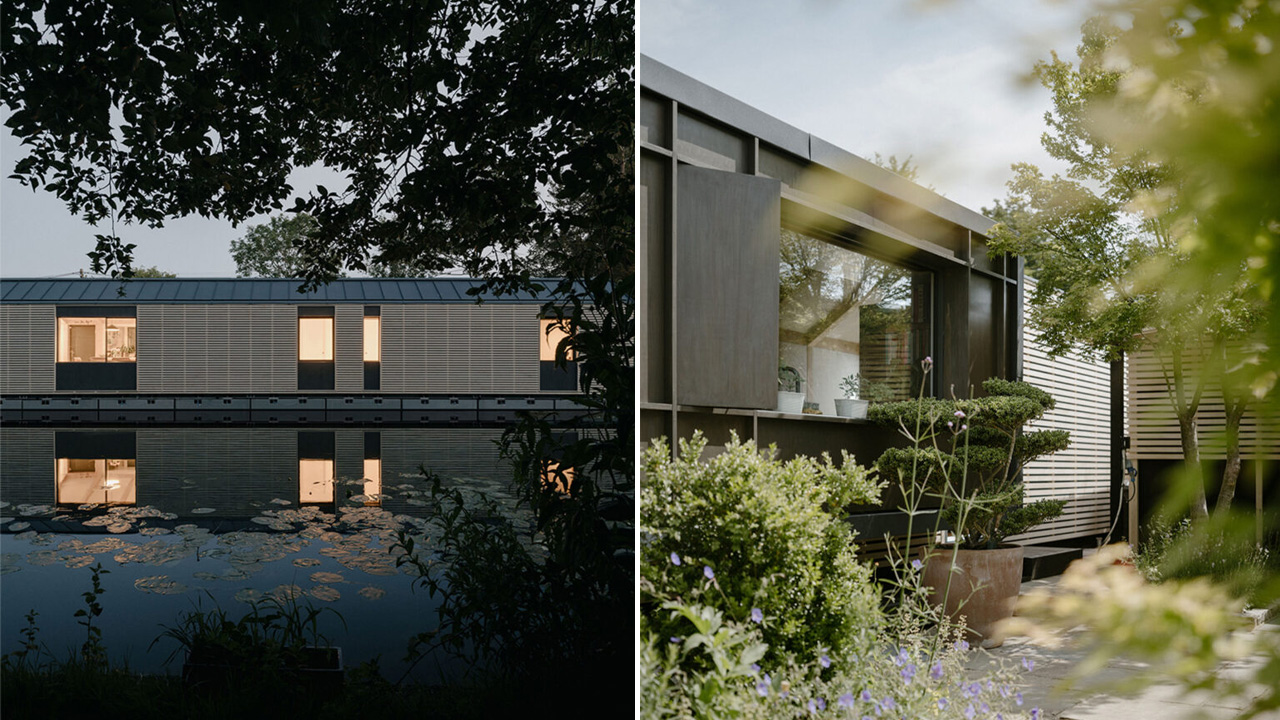
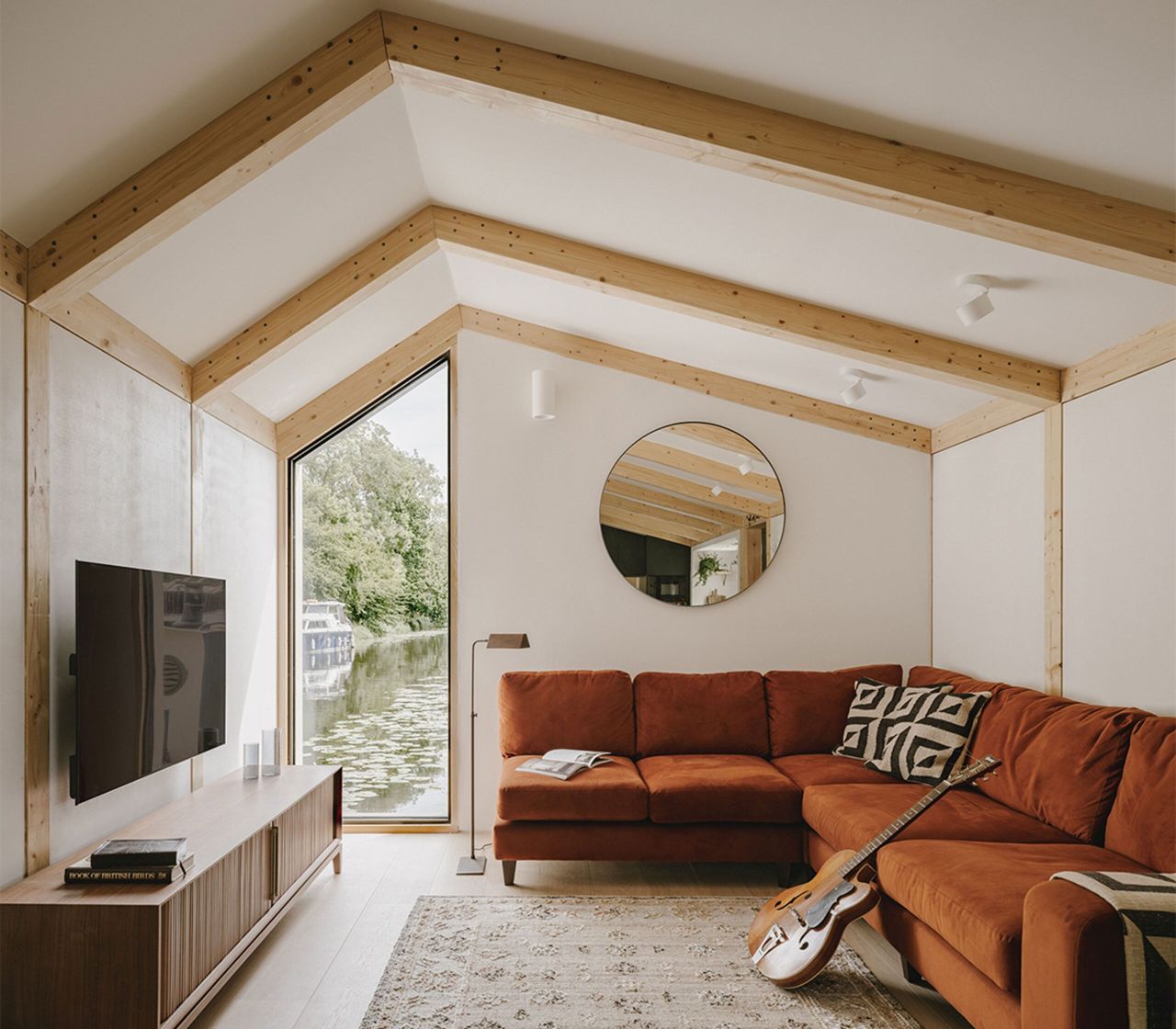
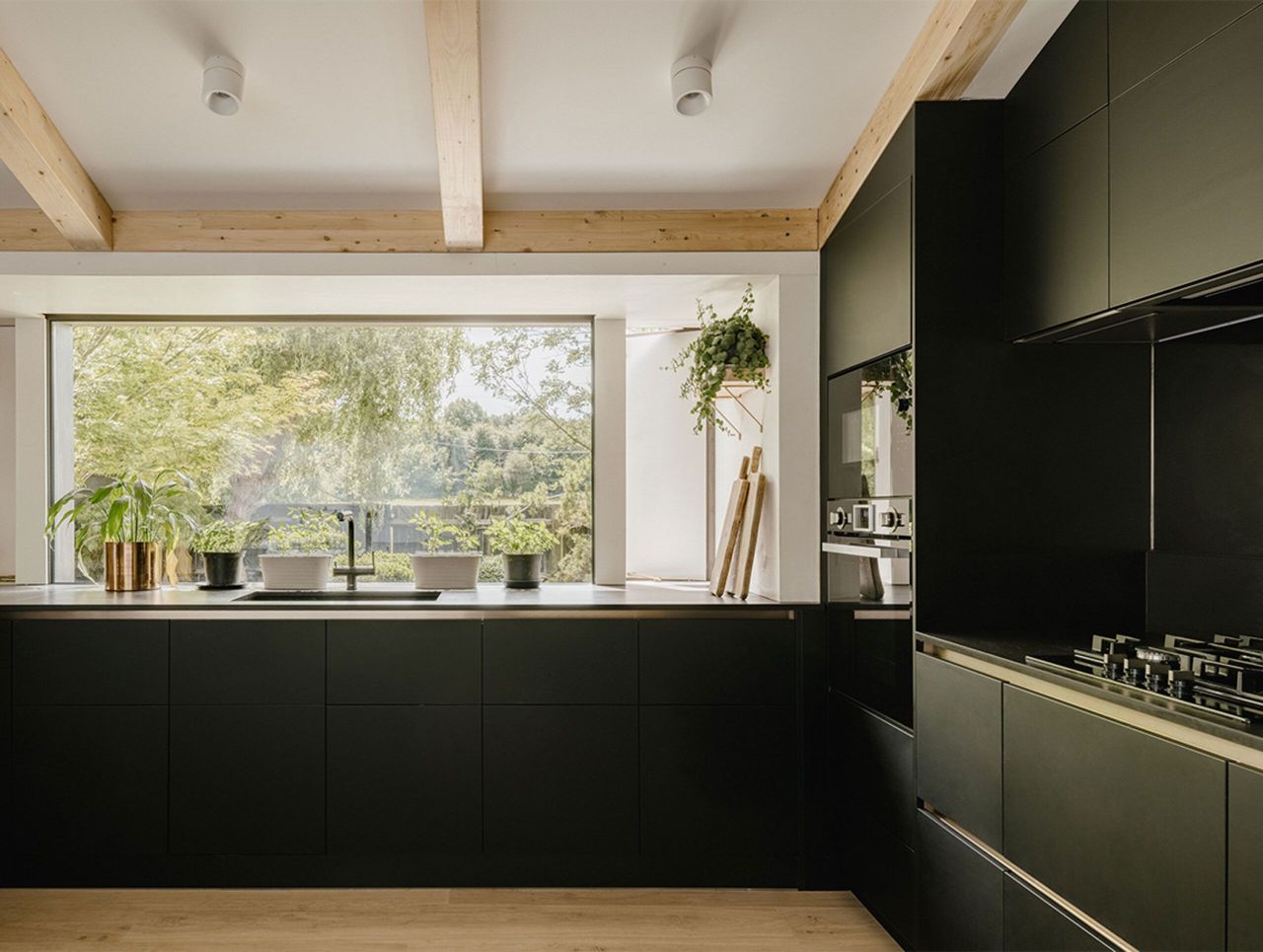
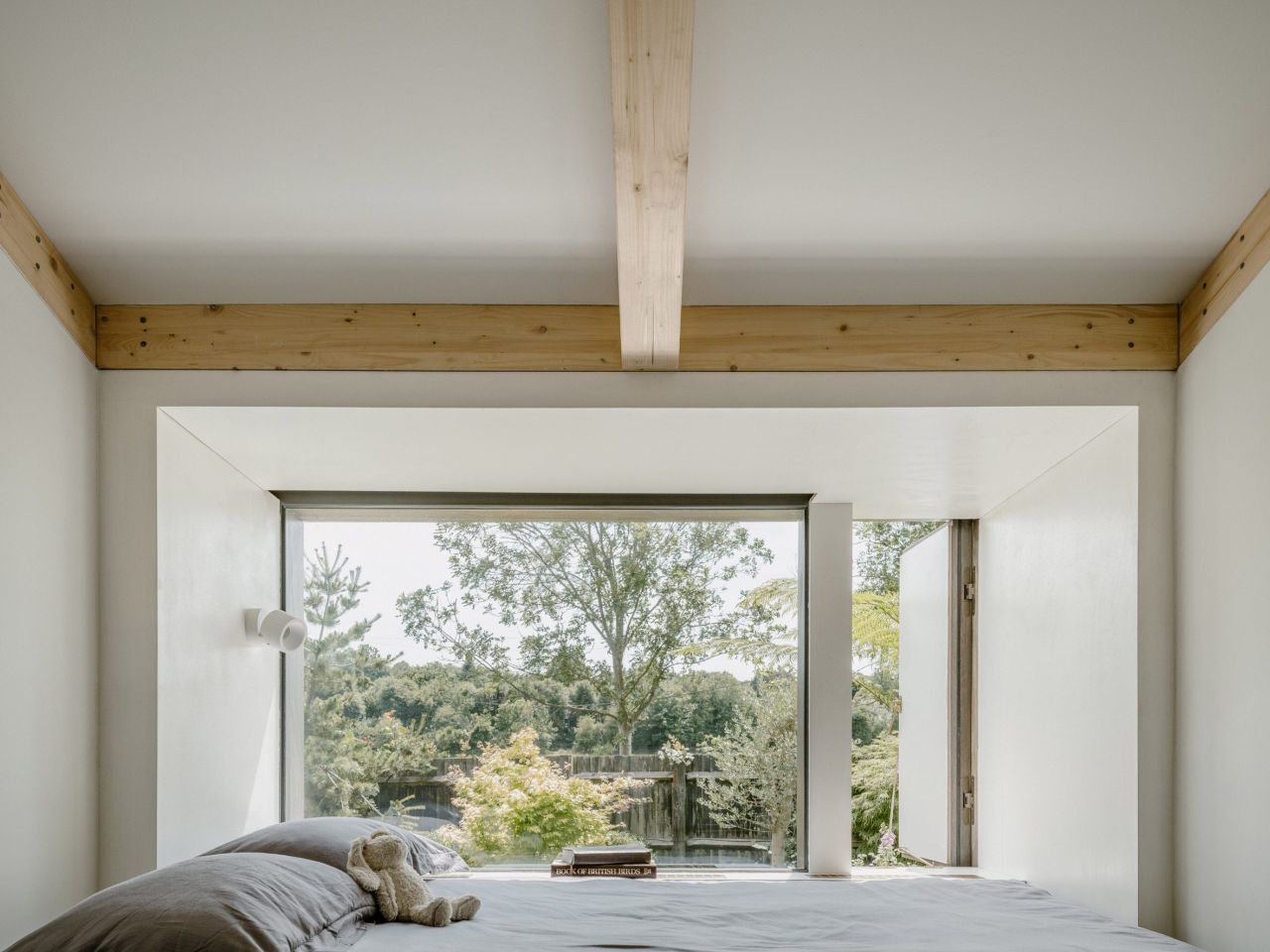
As for the interior, the floating house focuses on maximizing space, natural light, and water views. Inside, you find a modern living area, thoughtfully designed to make the most out of the available space. Large windows are included to provide stunning views of the water and surrounding landscape, while maintaining privacy and security.
Also Read: Floating Timber Sauna Quietly Rests on Calm Waters of Rural Norwegian Lake
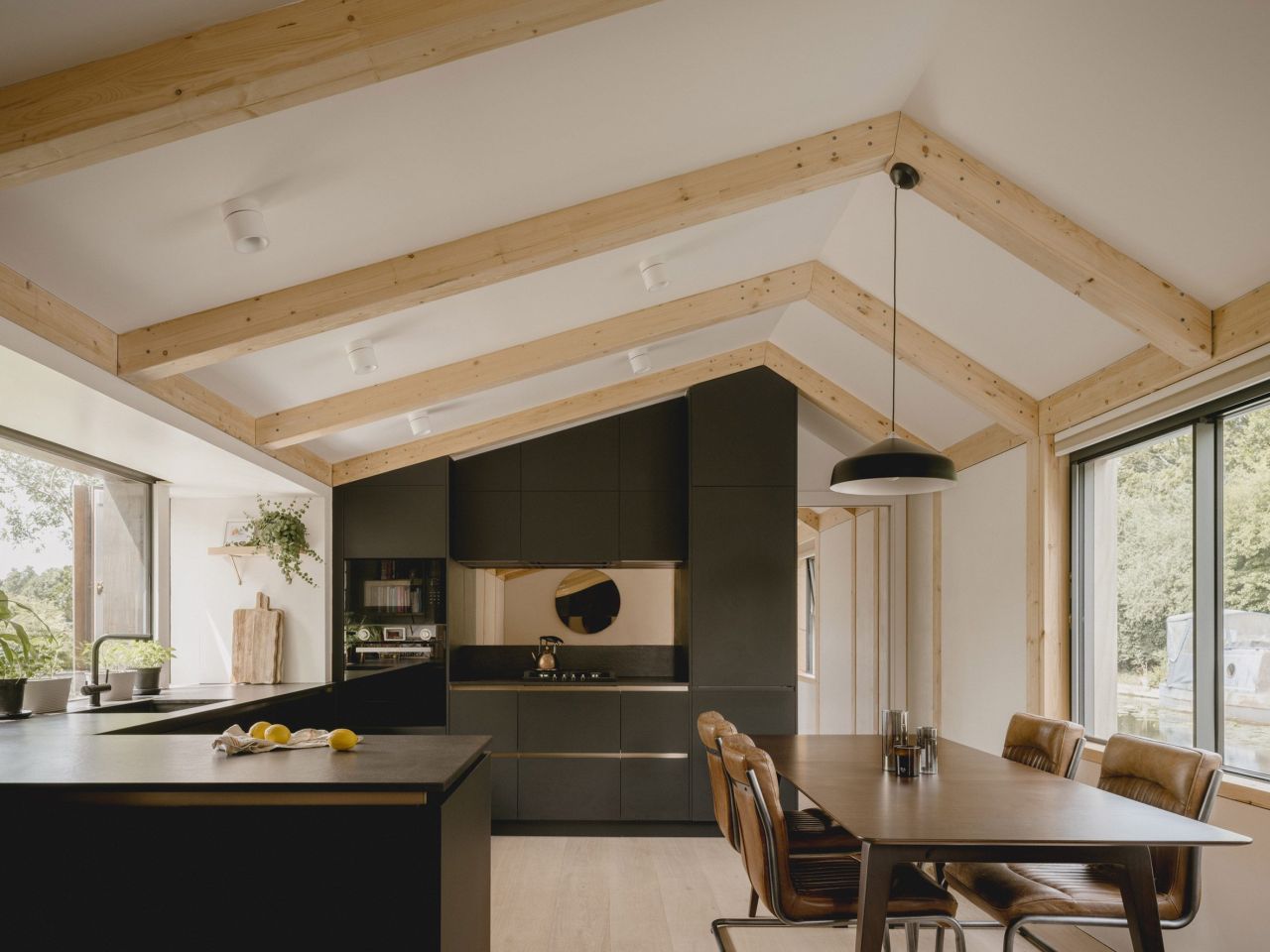
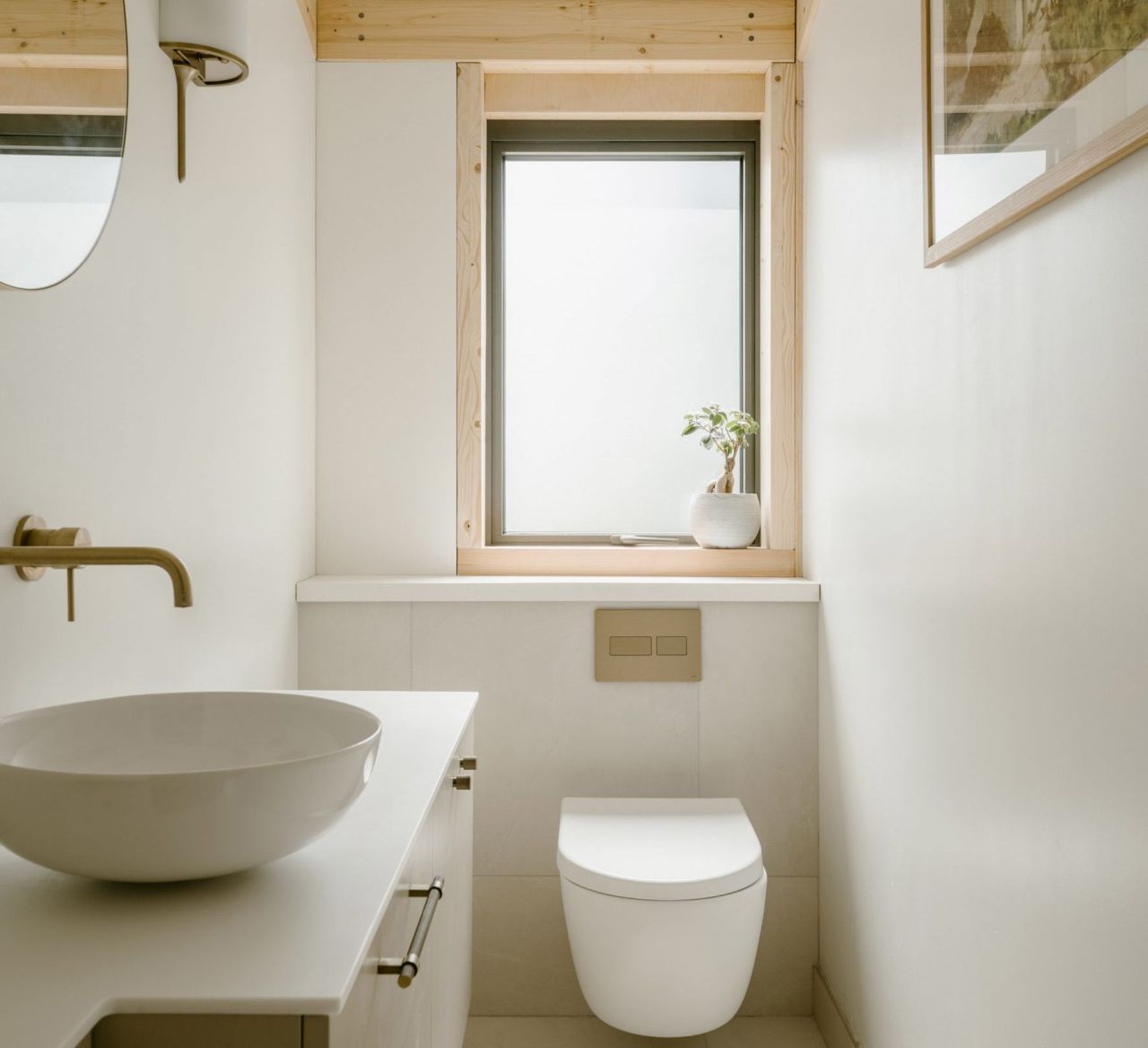
This floating house has been restricted to 20 meters long to fit into the size of the mooring, while a width of four meters makes it possible to pass other boats in the narrow canal. The interior layout offers open-plan living and dining spaces, along with three bedrooms and separate toilet and shower rooms. The exposed pine frames are a cool highlight inside, adding warmth to the interior palette in combination with oak flooring and black kitchen cabinets.
The Float House demonstrates how thoughtful design and engineering can create sustainable, practical, and comfortable living even in aquatic environments.







Via: Dezeen