With most states getting their last frost soon or already having had it, March is the perfect month to get on spring gardening tasks. March is the month when the first blooms and blossoms come alive. You can spot spring bulbs bursting out of the soil, flowering trees, and shrubs putting out new shoots and buds. It is the perfect time to be out in the garden, either sowing seeds for spring and summer crops or preparing the garden for a heavy crop season.
If you haven’t already sown the seeds in February, now is the time to act. For regions where the threat of frost has passed (Zones 8, 9, and above), direct seed sowing of warm-season crops such as tomatoes and peppers works just fine. For Zones 1 through 7, there is still a bit of waiting to start digging the ground. But that doesn’t mean you cannot start your seeds indoors. If you are uncertain where to begin, here is a guide on what to plant in March and other gardening jobs that you need to perform before the weather becomes warm.
What to Plant in March
Your garden starts to wake up from the long winter slumber. While it is still early to transplant seedlings outdoors, you can sow a wide variety of annual and perennial flowers, such as cosmos, snapdragons, hollyhocks, and lupine, etc. As the soil begins to warm, you can sow hardy annuals such as calendula and cornflowers directly into the soil.
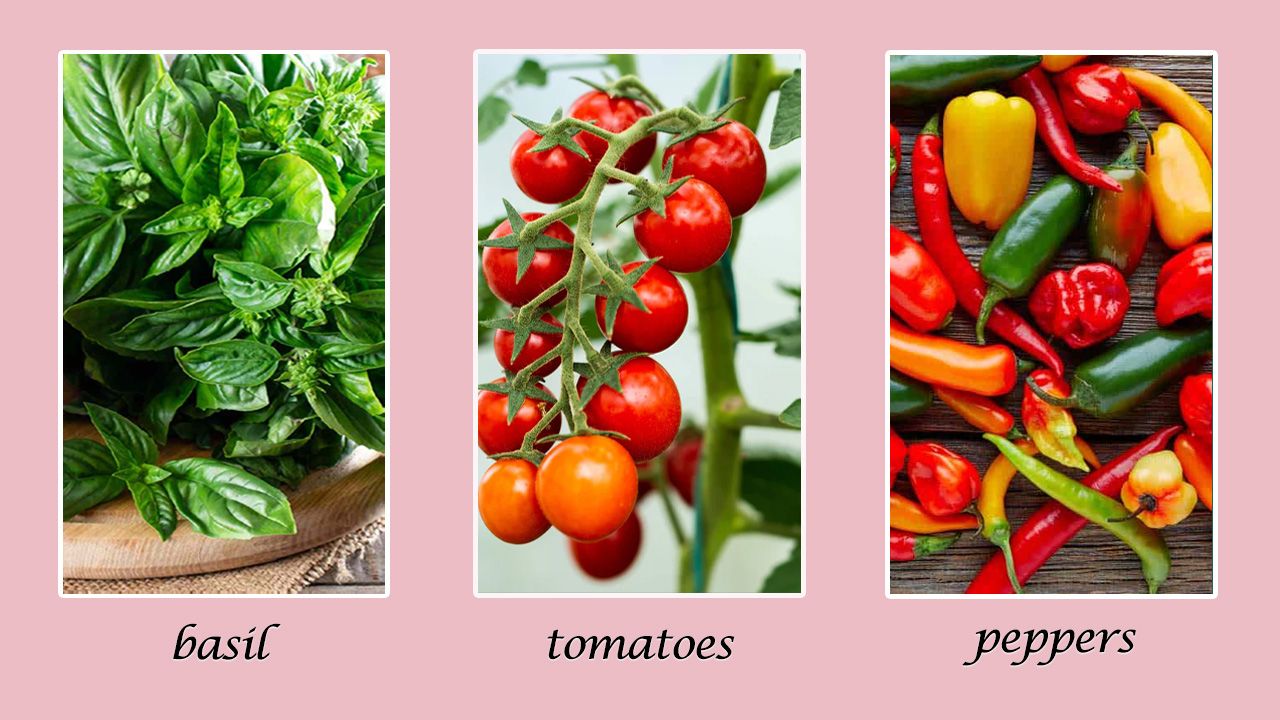
If the last frost in your region is yet to come, it is best to start seeds indoors. Warm-weather plants such as tomatoes, peppers, eggplant, broccoli, cucumber, celery, and cosmos can be sown into seed trays and placed on sunny, warm windowsills or heat mats to facilitate the ideal germination temperature.

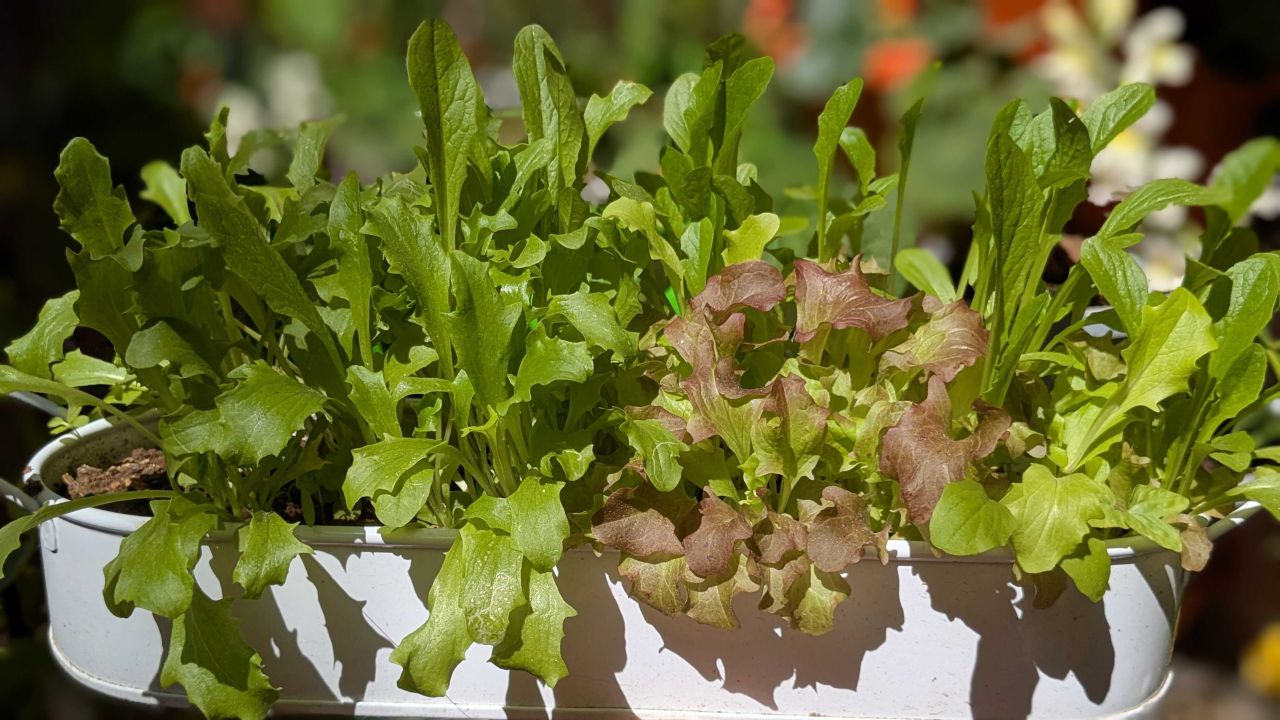
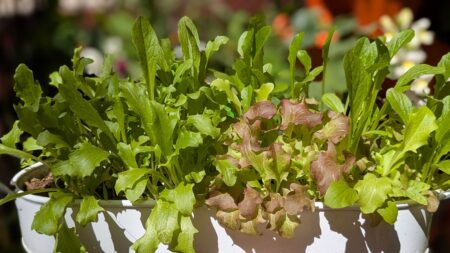
Aside from vegetables, you can also sow leafy greens in March. Collard greens, lettuce, arugula, and spinach are among the best leafy greens to grow in early spring. These crops won’t do well once the temperatures start rising. You can sow them in a pot. Once they germinate, carefully transfer them into their separate plugs to grow on before transplanting outdoors. You can even create your own spring salad garden. Here is a March garden cheat-sheet.
Start Seeds Indoors
- Tomatoes
- Eggplants
- Peppers
- Cucumbers
- Lettuces
- Broccoli
- Cauliflowers
- Kale
Sow Directly Outdoors
- Peas
- Carrots
- Beetroot
- Spinach
- Turnips
- Spring onions
- Broad beans
- Brussels sprouts
- Parsnips
- Leeks
- Herbs
Hardy Annuals to Direct Sow
- Sweet peas
- Cosmos
- Poppies
- Sunflowers
- Cornflowers
- Snapdragons
- Hollyhocks
- Lupines
Summer bulbs
- Gladioli
- Crocosmia
- Lilies
- Agapanthus
Gardening Tasks for March
While you may not be able to sow anything directly in your garden in March, it is in no manner an indicative that there aren’t any vital tasks either. March is the time when you should go out and assess the winter damage. Here are the gardening tasks you should consider finishing in March.
- Disinfect seed trays before sowing
- Sharpen and clean gardening tools
- Remove dead or diseased plants
- Prune and cut off dead branches from trees and flowering bushes
- Weed out your plot and clear out garden beds
- Redefine edges
- Do a soil test to monitor health
- Replenish soil levels with fresh compost
- Repair raised garden beds
- Refresh mulch
- Inspect the hose and irrigation lines for damage
- Take precautions against pests
The first task comes before you begin to sow seeds indoors. Do that, sow seeds, and get on with the rest of the tasks. This way, once the last frost is passed and the soil is warm enough, you can go straight to transplanting without losing precious time on the growing season.
You stay on top of things and don’t feel overwhelmed once the gardening season begins in full swing around mid or late April. So, ensure you do these March gardening tasks and start the seeds indoors to get a head start. Happy gardening!