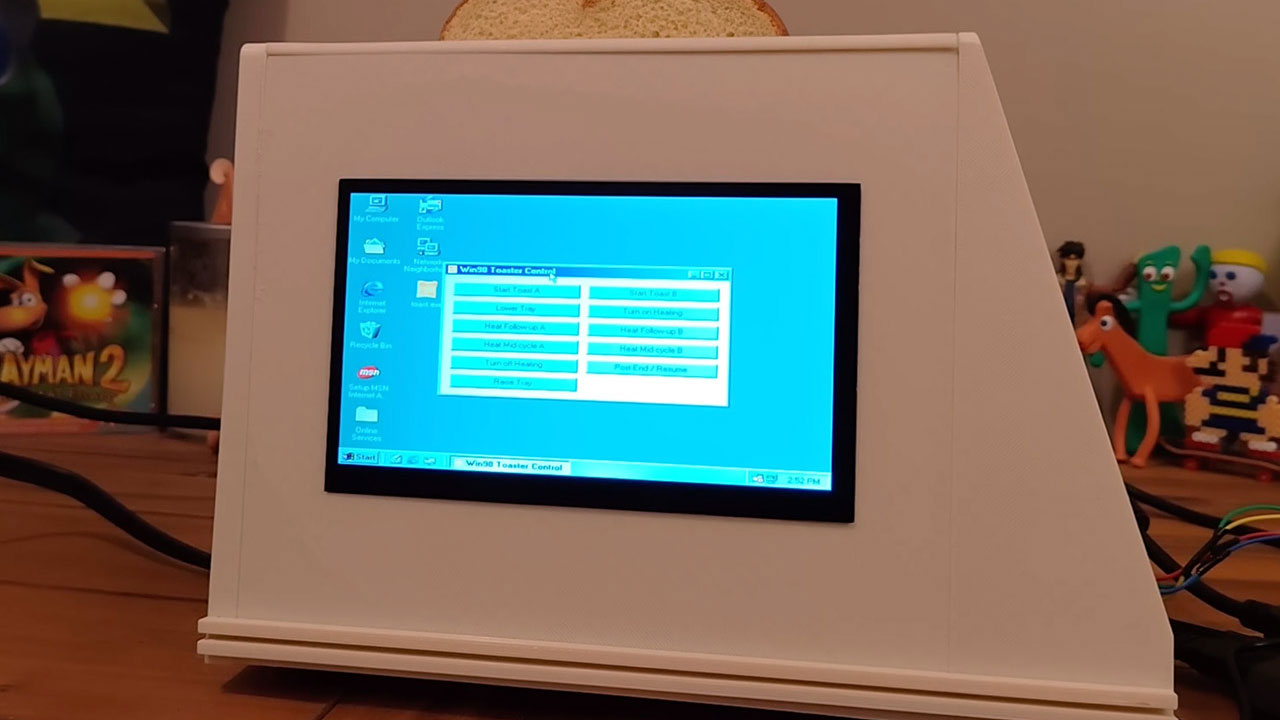
We’ve seen DIYers pull off some freakishly amazing projects over the years. When those DIY enthusiasts happen to be YouTubers, things often get even more outrageous. Occasionally, someone creates something that feels like a portal to an alternate reality, whether it’s a custom PC that doubles as a coffee maker or a coffee table with an orbiting-planet solar system display. The latest example of boundless human creativity comes from YouTuber Throaty Mumbo, who has built a smart toaster that runs Windows 98.
If we examine it from a practical standpoint, it’s impractical and addresses no functional needs whatsoever. Nevertheless, it’s plain awesome, and that’s reason enough to appreciate it. First reported by Hackster, the YouTuber Throaty Mumbo transformed a modern smart toaster into a device controlled via a Windows 98 interface while still making real toast. According to his video, the project was inspired by frustration with today’s overly complex smart toasters, with their touchscreens and endless settings.
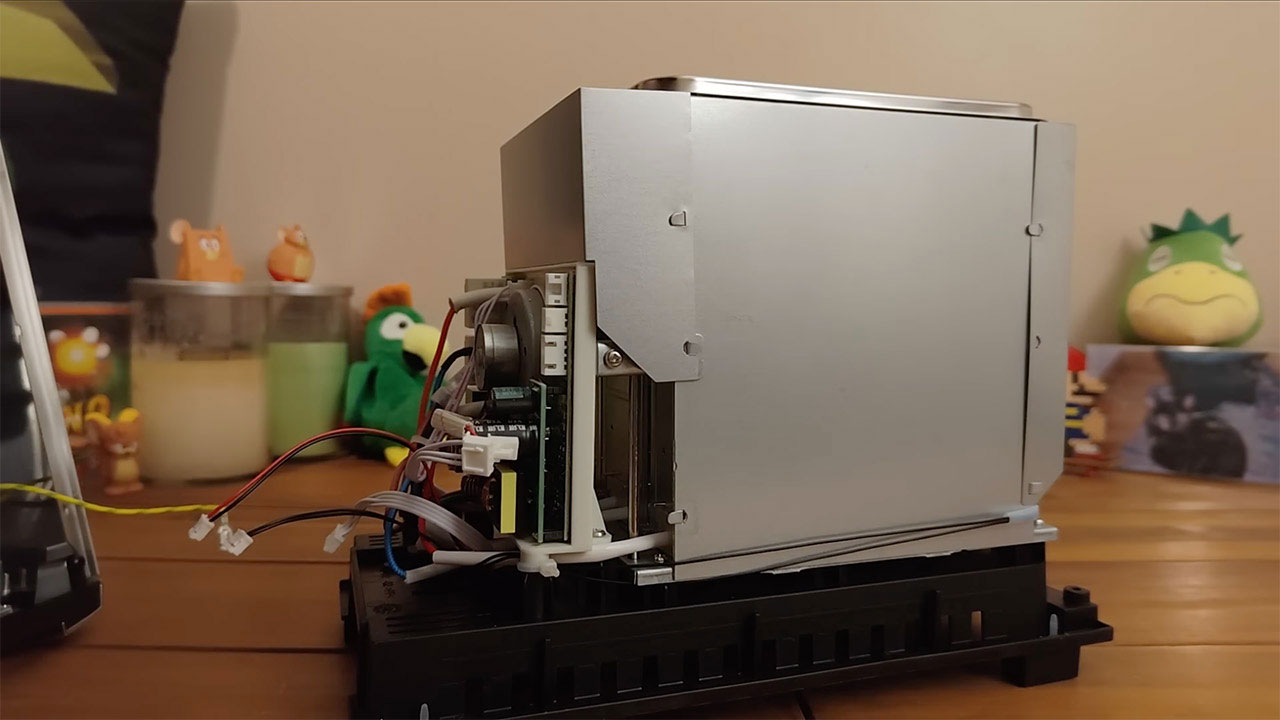
Per details from XDA Developers, Throaty Mumbo selected the Revolution Cooking High-Speed Smart Toaster as his base because of its built-in microprocessor, digital display, automated tray, and heating elements, making it ideal for hardware tinkering and customization. Figuring out the toaster’s internal communication was the key here. He used a logic analyzer to capture the data exchanged between the display and the main board, identifying repeating hexadecimal packets sent about 30 times per second to manage bread positioning and temperature.
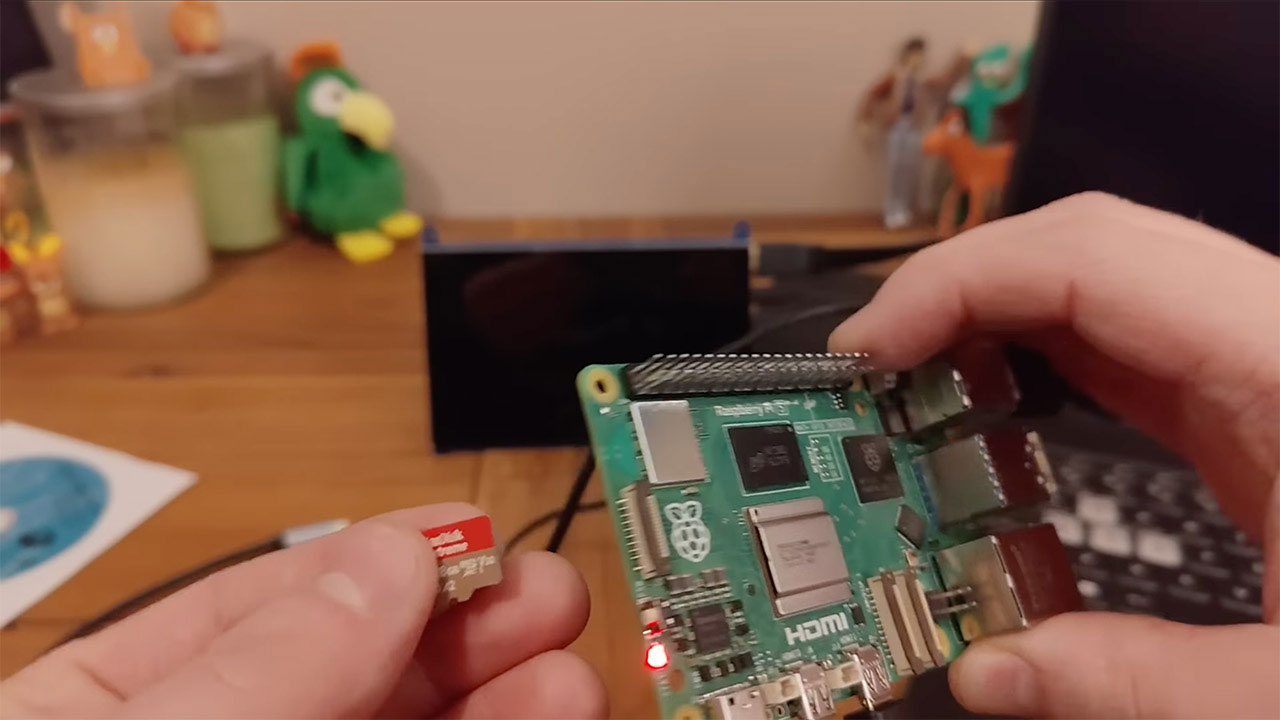
Running the old OS directly on the toaster’s processor wasn’t feasible due to insufficient power and incompatibility. So, Throaty adapted a clever approach. He moved the computing outside the toaster by fitting a Raspberry Pi 5 mini computer inside and emulating Windows 98 in a virtual machine via QEMU. As detailed by Techeblog, the result is a machine language environment emulating a “Windows 98 on a PC from the late 1990s.” Essentially, the DIYer reverse engineers the toaster’s original working mechanism to make it a Raspberry Pi Pico-controlled device.
Throaty configured the VM to mimic a late-1990s PC setup, complete with a Pentium II processor, 256 MB of RAM, Cirrus graphics, and Sound Blaster 16 audio. He then installed Windows 98 SE from an ISO image file, complete with the classic boot chime and desktop icons like the flying toaster. To link the software with the hardware, a Raspberry Pi Pico served as the bridge controller.
He developed a Windows program called “toast.exe” that sends commands to the microcontroller, which translates them into the exact hexadecimal signals the toaster’s circuitry understands, letting users operate the toasting functions simply by clicking around on the vintage desktop. How cool is that?
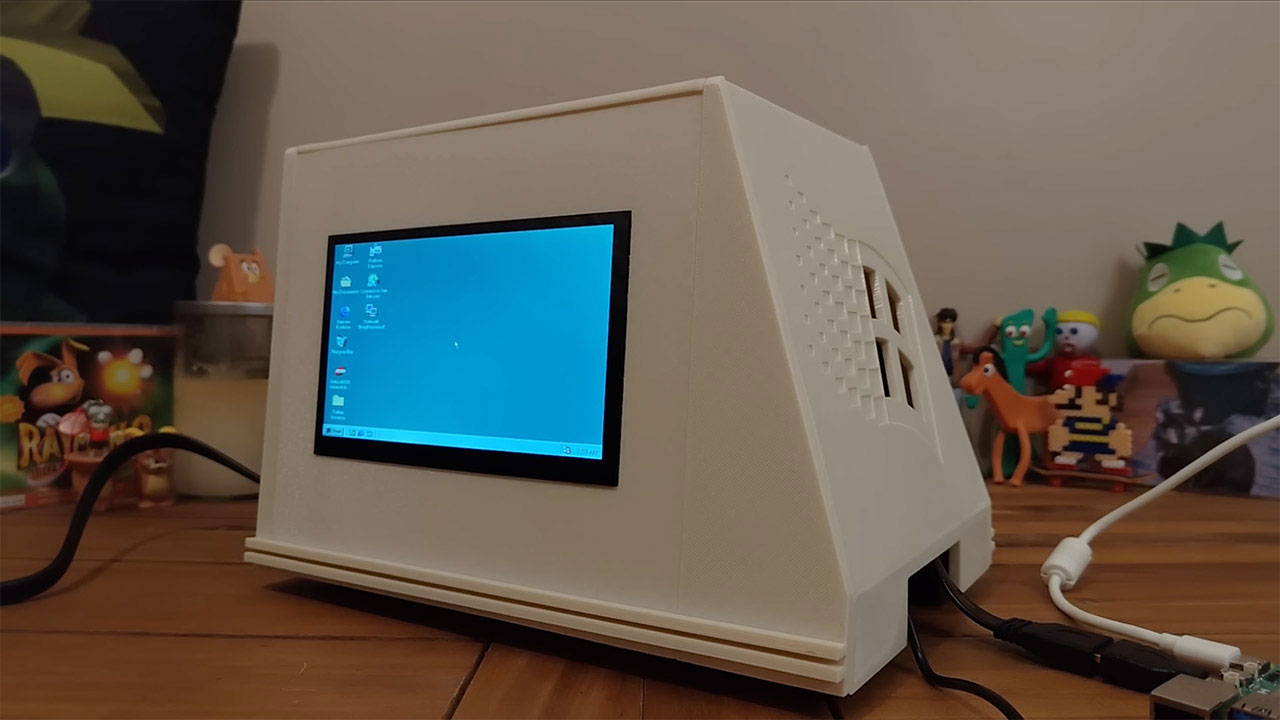
The finished build features a custom 3D-printed case styled like a 1990s PC tower, with the original touchscreen replaced by a 7-inch monitor that displays the classic OS in its full glory. As we said, the creation serves no practical purpose; however, the sheer amount of technical know-how put into the hardware-software integration is commendable.