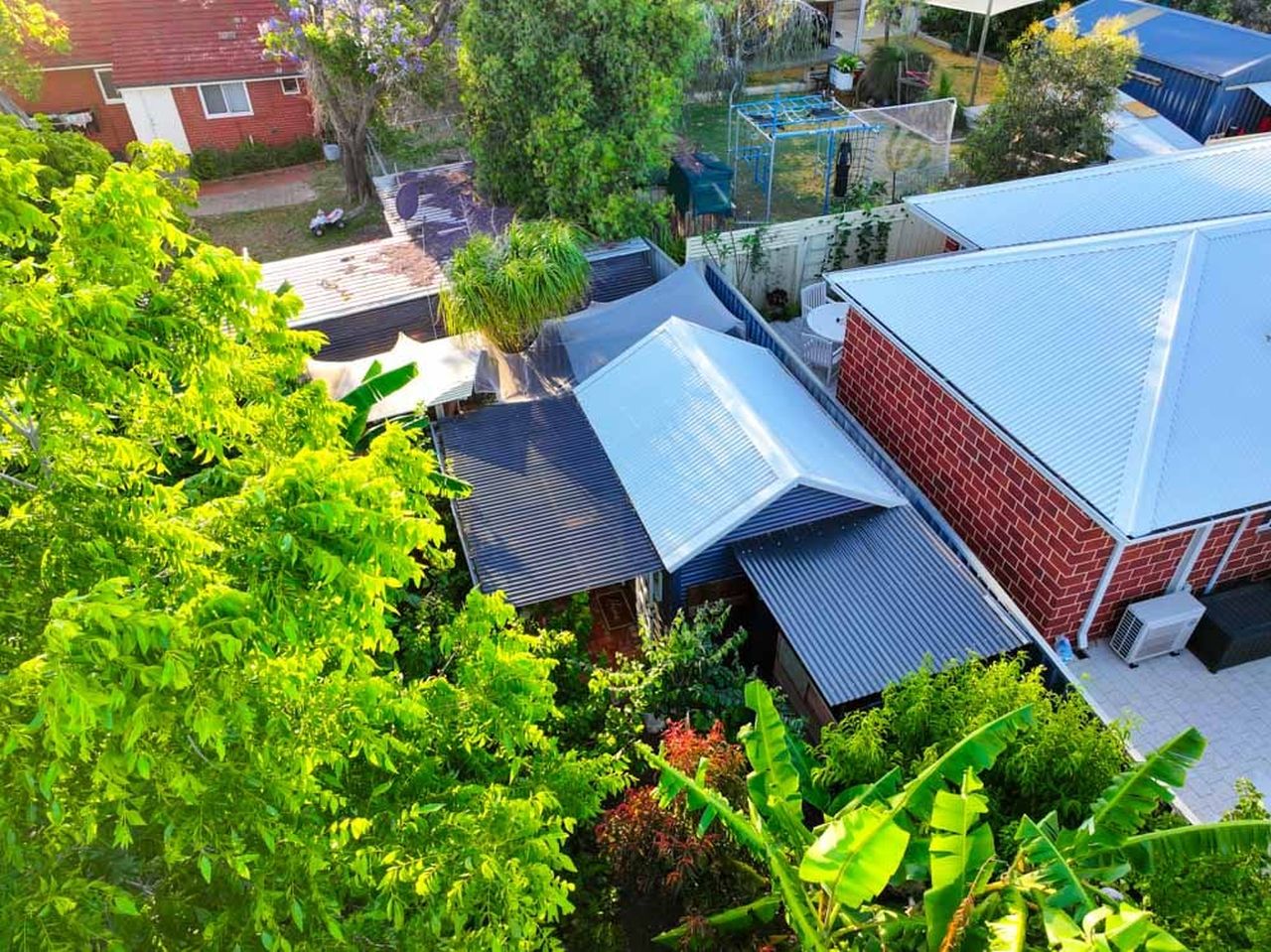
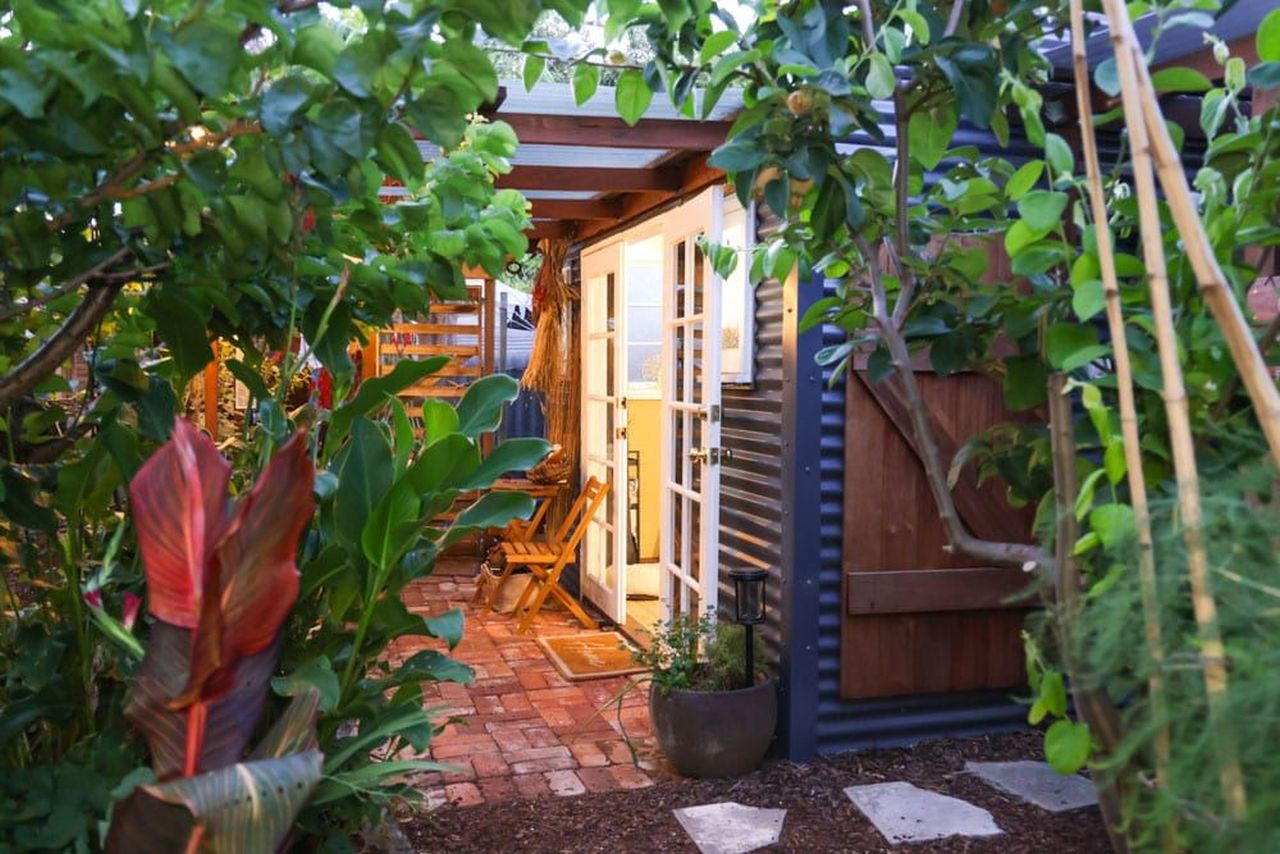
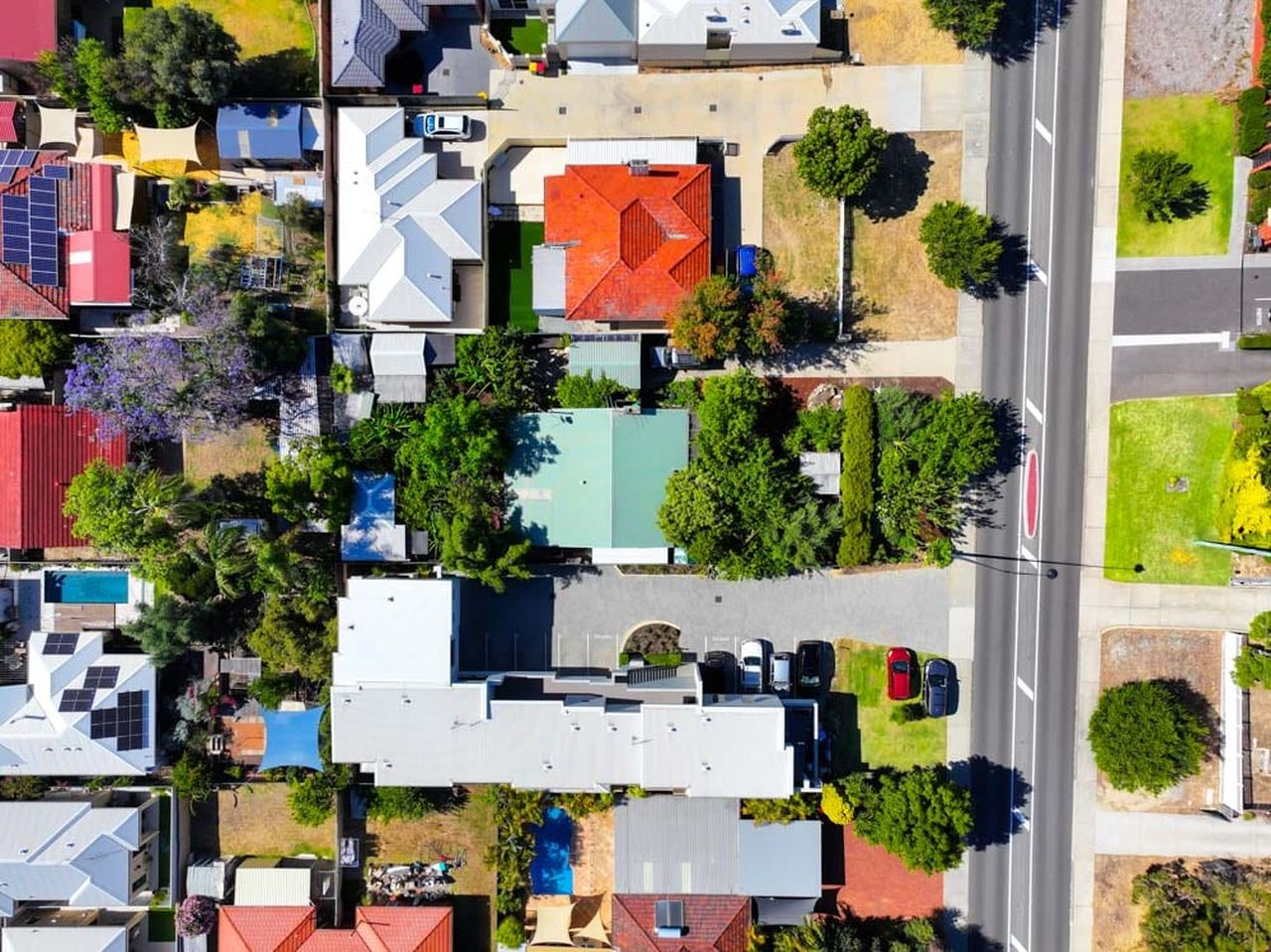
Living a permaculture lifestyle is a dream for many of us. While most believe it is possible only in a rural setting, Jodie from Perth, Australia, has proved that wrong. She has successfully transformed a 728-square-meter urban block into a permaculture oasis complete with a food forest, chickens, rainwater harvesting, and even a tiny house built from an old shed for just AU$20,000 (about $13,000). Named Woomble Inn, the place is located about 15 to 20 minutes from the city, but no one can imagine what is actually being cooked here until you get up to its front.
The project started 12 years ago when she bought a rundown property with just grass and no trees. After studying sustainability and permaculture, she slowly transformed it into a food forest that grows fruits, vegetables, and other edible plants. Over the years, she improved the design through trial and error.
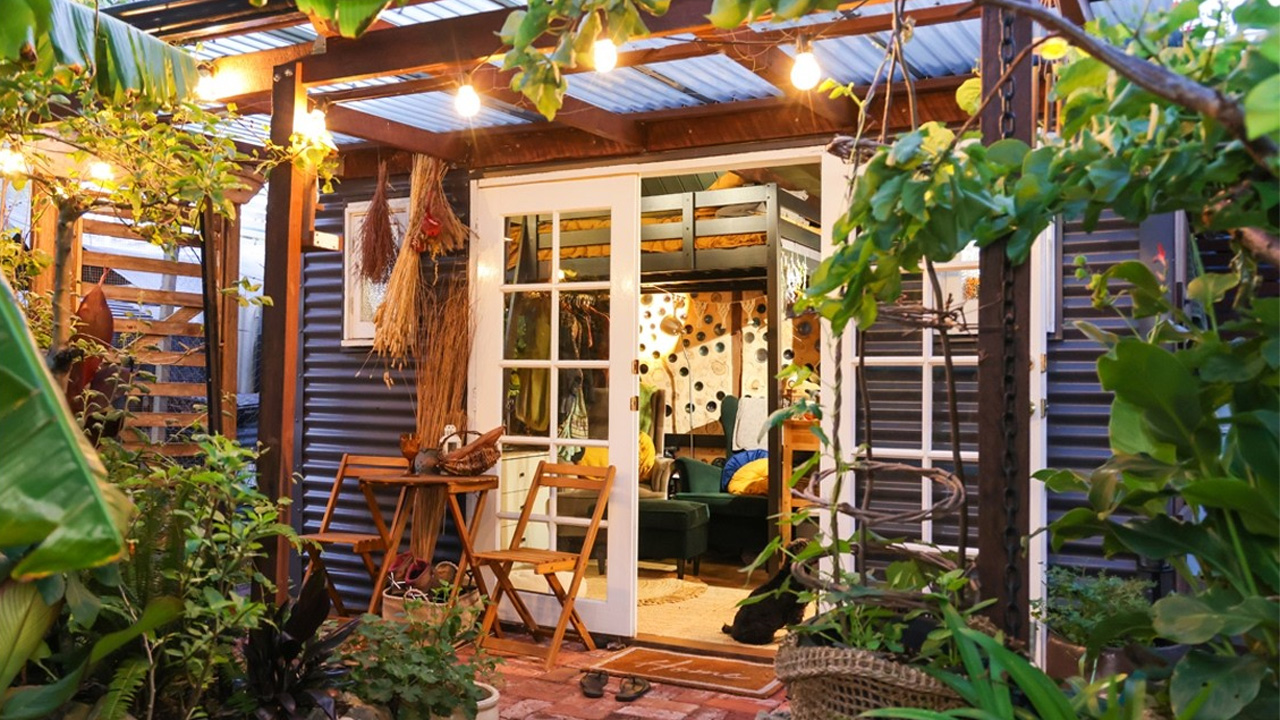
The project also includes turning an old shed into a 4 x 3 meter tiny house, which she prefers over her main house because it keeps her more connected to the garden. She built most of the tiny house herself, working evenings and weekends, and it took over a year for completion. The total cost came around AU$20,000, making it one of the most affordable tiny house builds you may have seen to date. She minimized the budget by using many repurposed things in the construction.
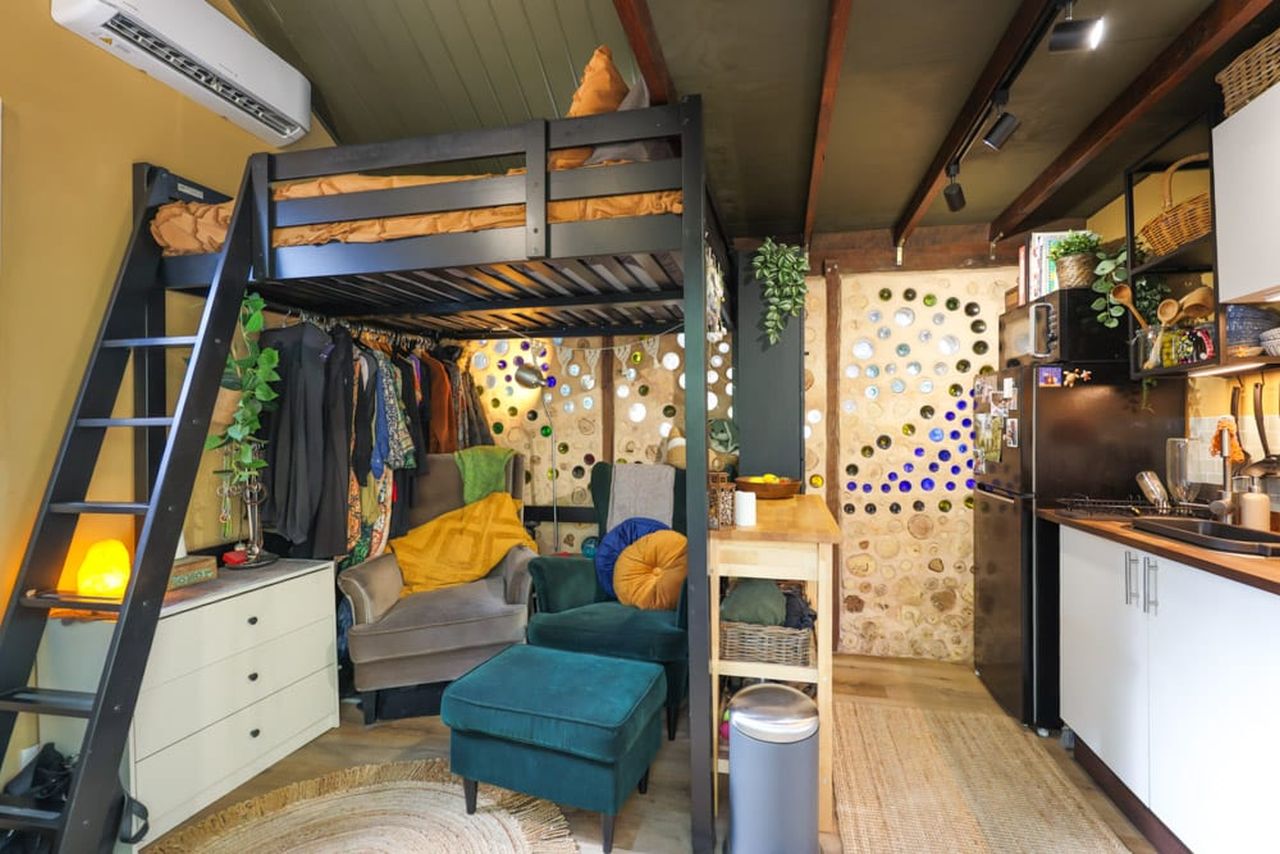
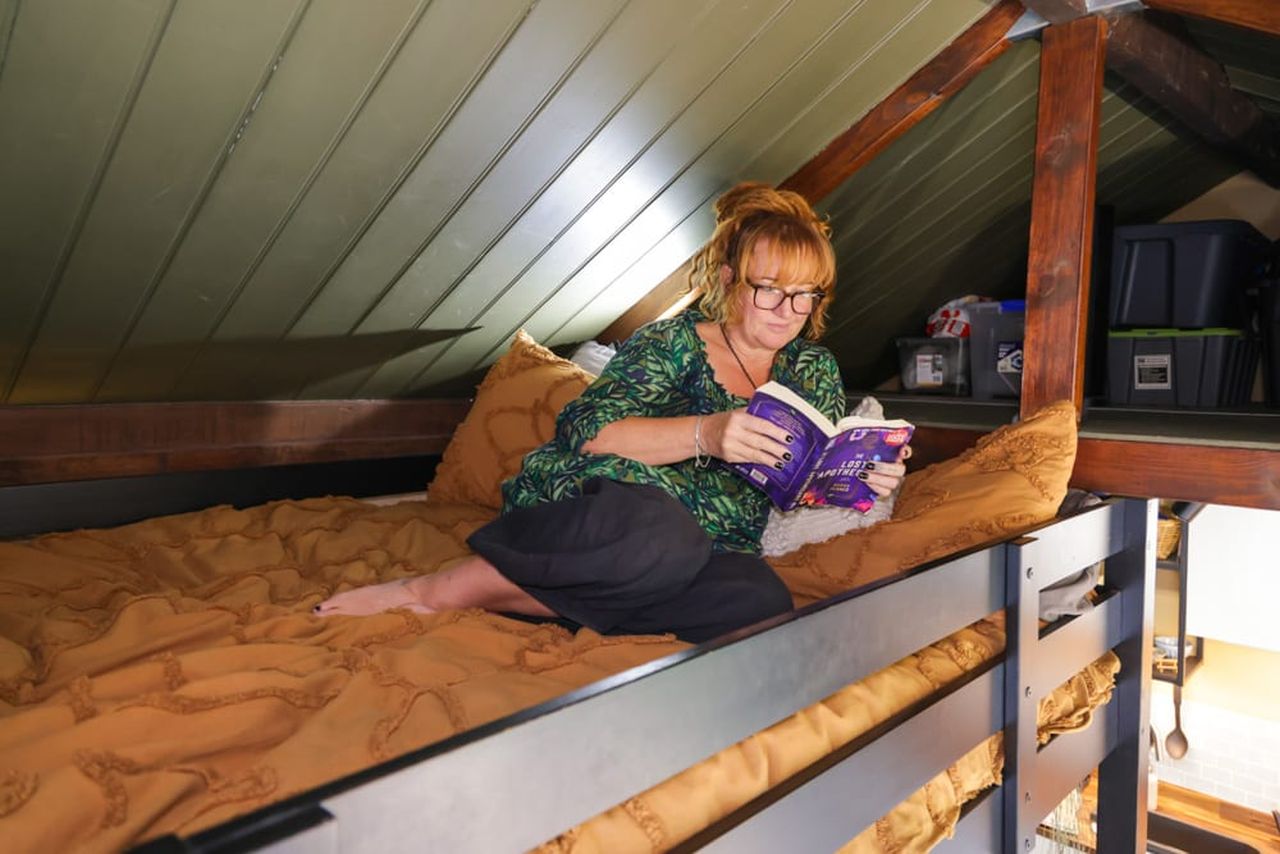
The tiny house features a pitched roof design, adding a feeling of spaciousness inside. As for the interior layout, the tiny house has a living area by the main entrance, while the kitchen lies underneath the loft bed. The tiny house also includes an outdoor bathroom with a shower and a composting toilet.
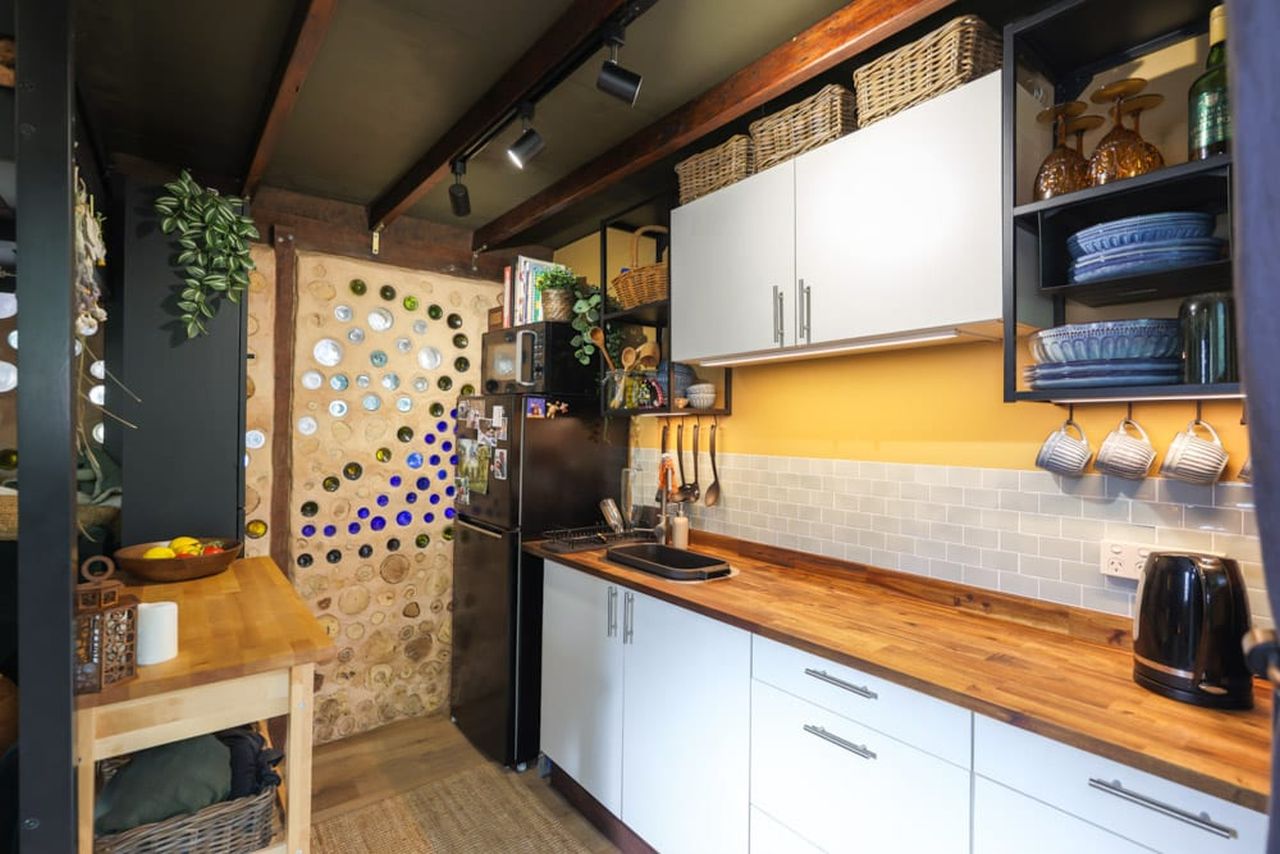
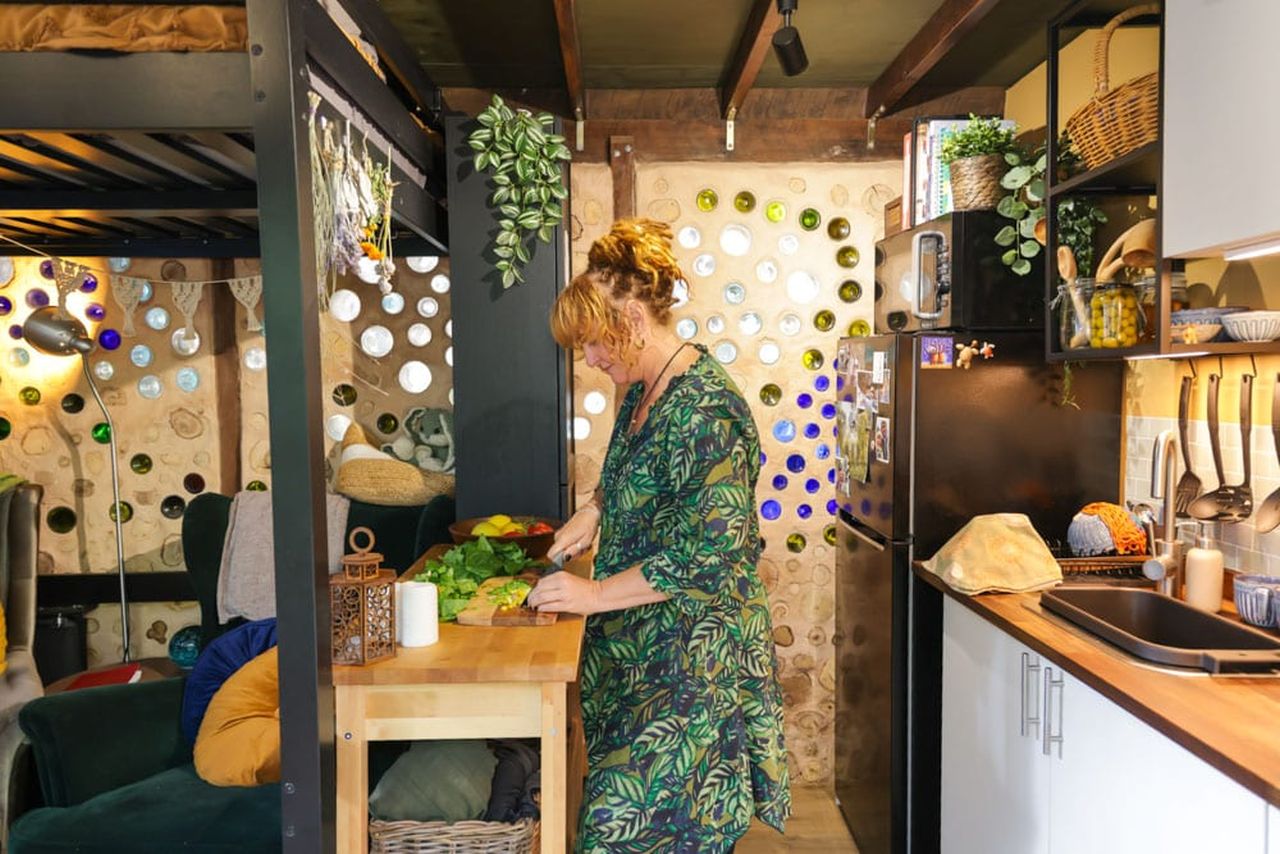
The kitchen is compact but practical, which Jodie built on a budget of about $500-$600 using cabinets from IKEA and Bunnings. Despite its size, the galley-style kitchen provides plenty of counter space. She has included basic appliances such as a portable induction cooktop, a slow cooker, and a microwave that also works as a convection oven and air fryer to cook meals inside the tiny house.
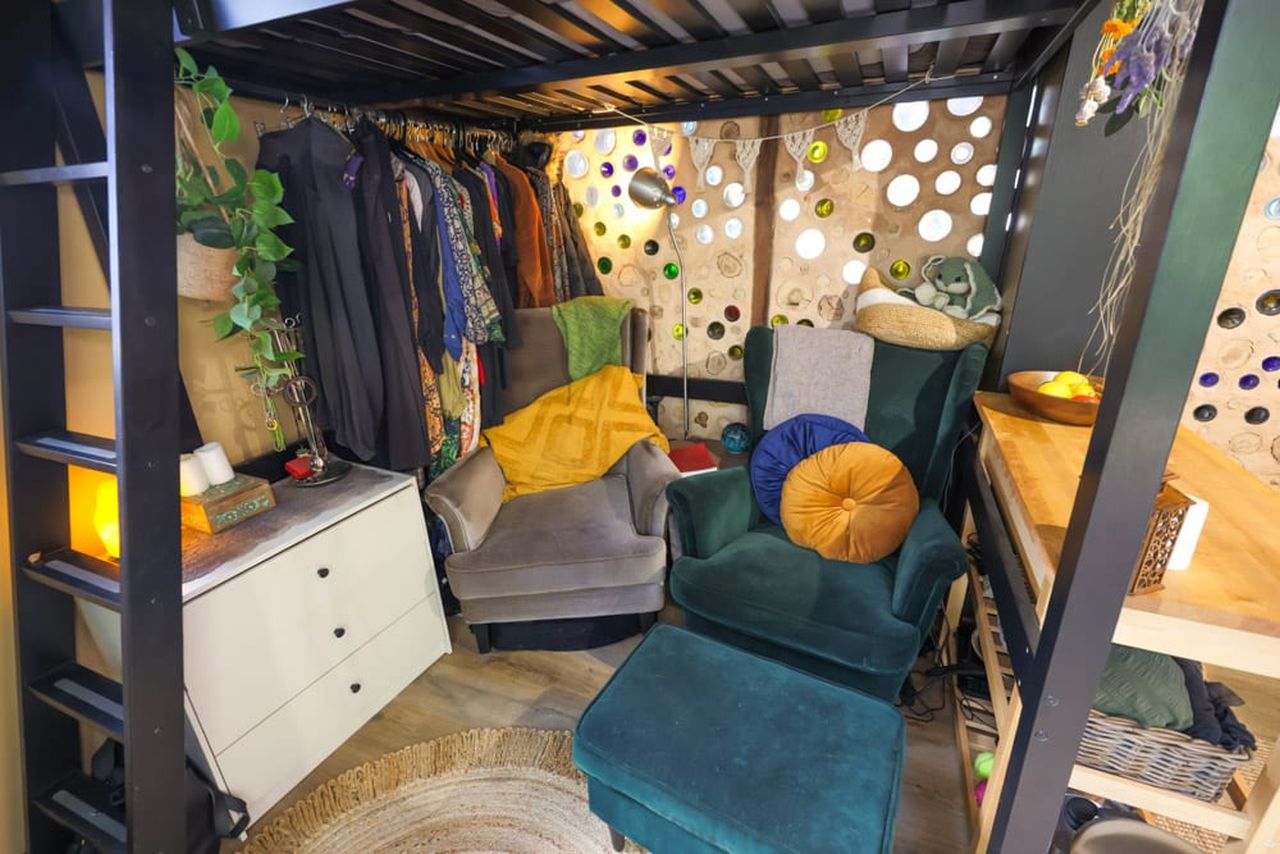
The living area uses space efficiently with a loft bed above and a lounge area below. It includes chairs and a bean bag where she relaxes or meets clients. There is a large front veranda to keep the space bright and open while connecting to the garden.
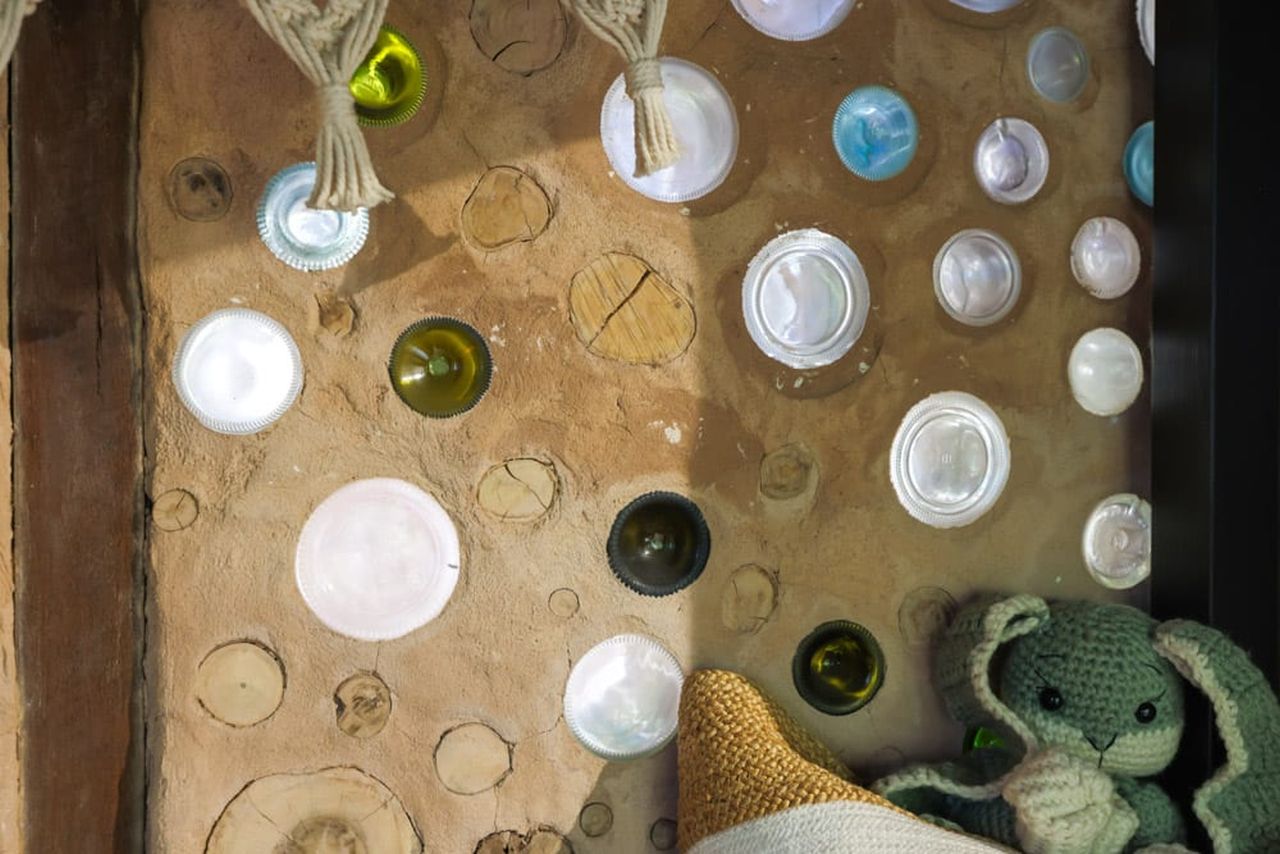
One of the most distinctive features of the tiny home is the cordwood wall made from logs, wine bottles, and jars, many sourced from the property or friends. The walls use lime mortar, which creates a thermal barrier and can self-heal small cracks.
She has designed the tiny house to be part of the permaculture life. She is not only able to produce fruit, vegetables, and herbs throughout the year, but the property also stays cooler than neighboring blocks with surrounding trees and plants.
This project is a great example where affordable housing, sustainable living, and urban permaculture are combined to lead a downsized lifestyle that lets you connect and grow with nature. Australians seem more interested in such builds as we have already seen with Janice’s Garden tiny house.



Via: Living Big in a Tiny House