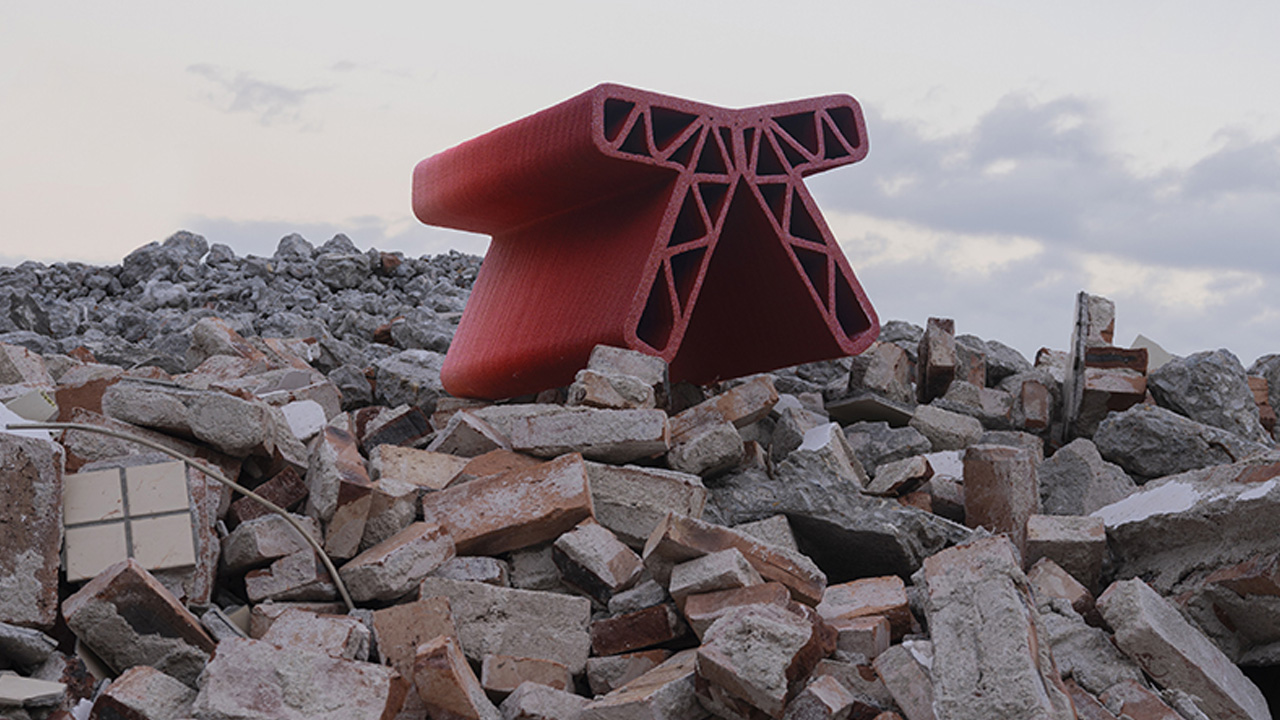
The news is only serving us war these days, and let’s be real, it does need attention. A single warhead vanishes people and their homes in no time. The home that took years to make, the playground that has seen generations grow, gone within minutes. What remains is the rubble and the memories. Chinese design studio Bentu Design has given these memories a tangible life with a new furniture collection project named Inorganic Growth. The project converts construction and demolition waste from the urban villages into 3D printed furniture, imagining the demolition as a mine for creating new life.
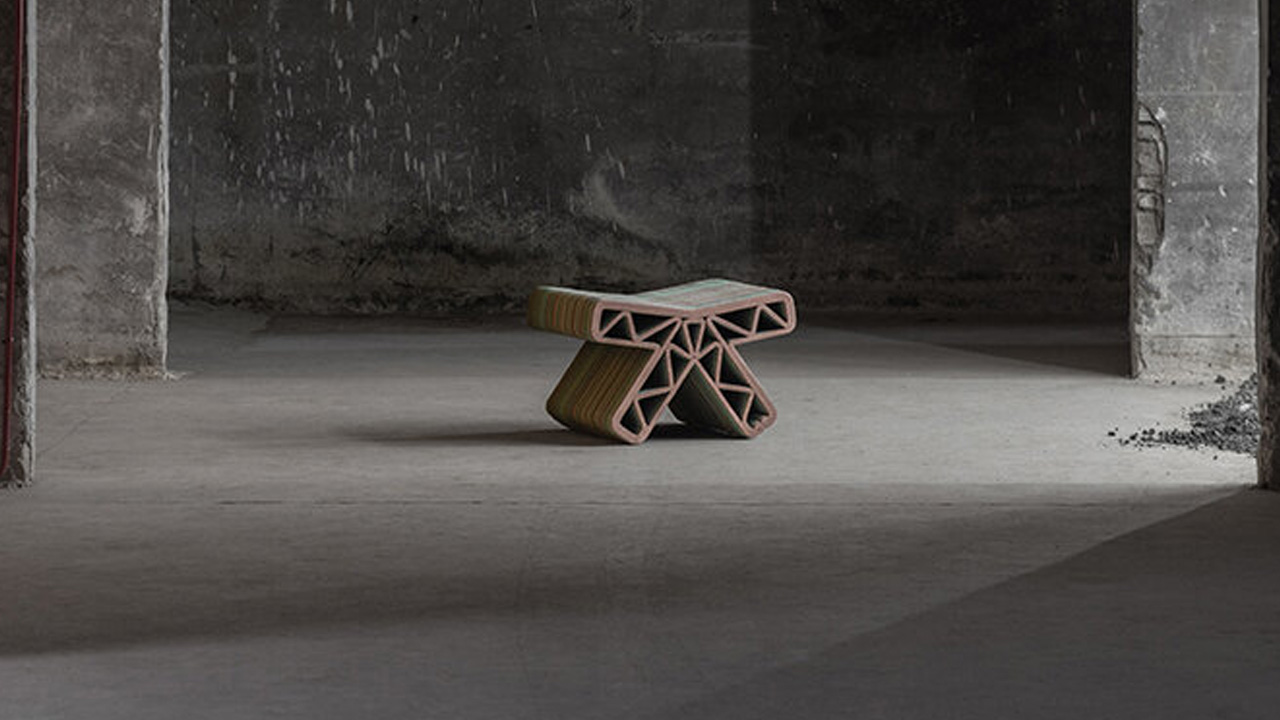
Featuring a chair and stool, the collection is a research-driven, sustainable design project that takes brick and mortar debris and breaks it down to create new, sustainable materials for urban environments. The process integrates material recovery, on-site processing, and additive manufacturing, contributing to a continuous workflow. This lowers carbon emissions, reducing impact on nature, while preserving the material value.
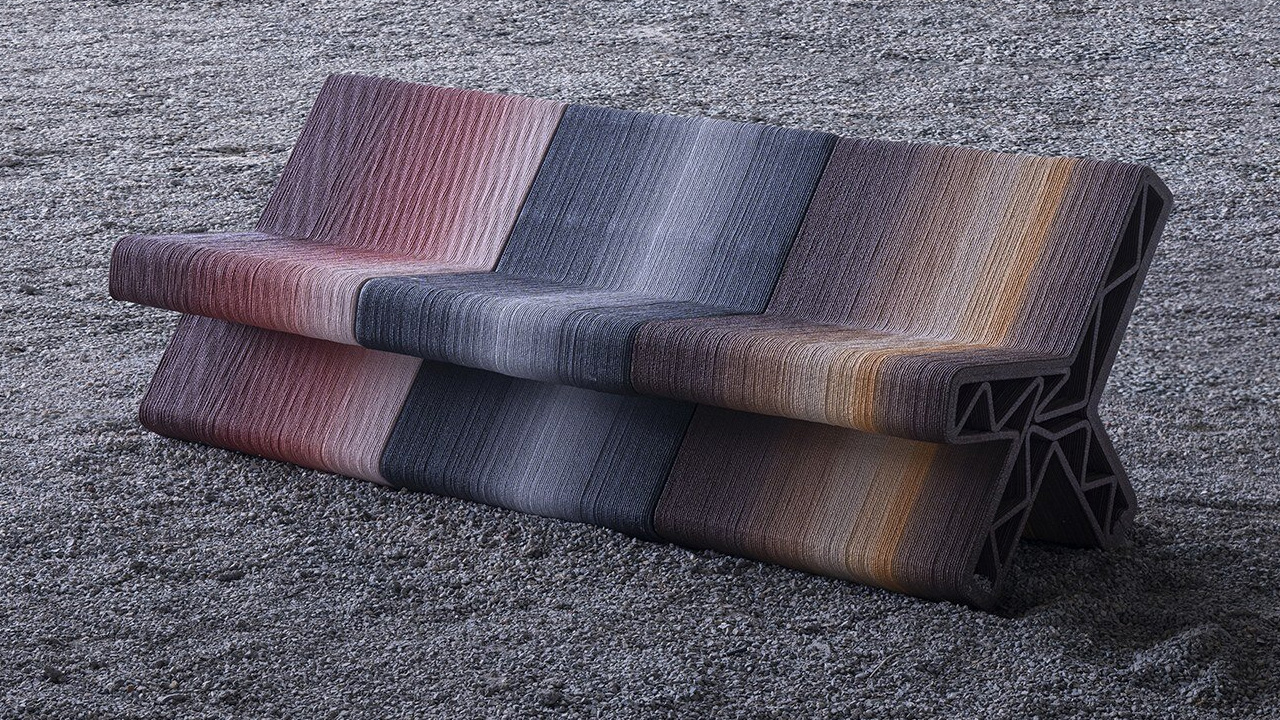
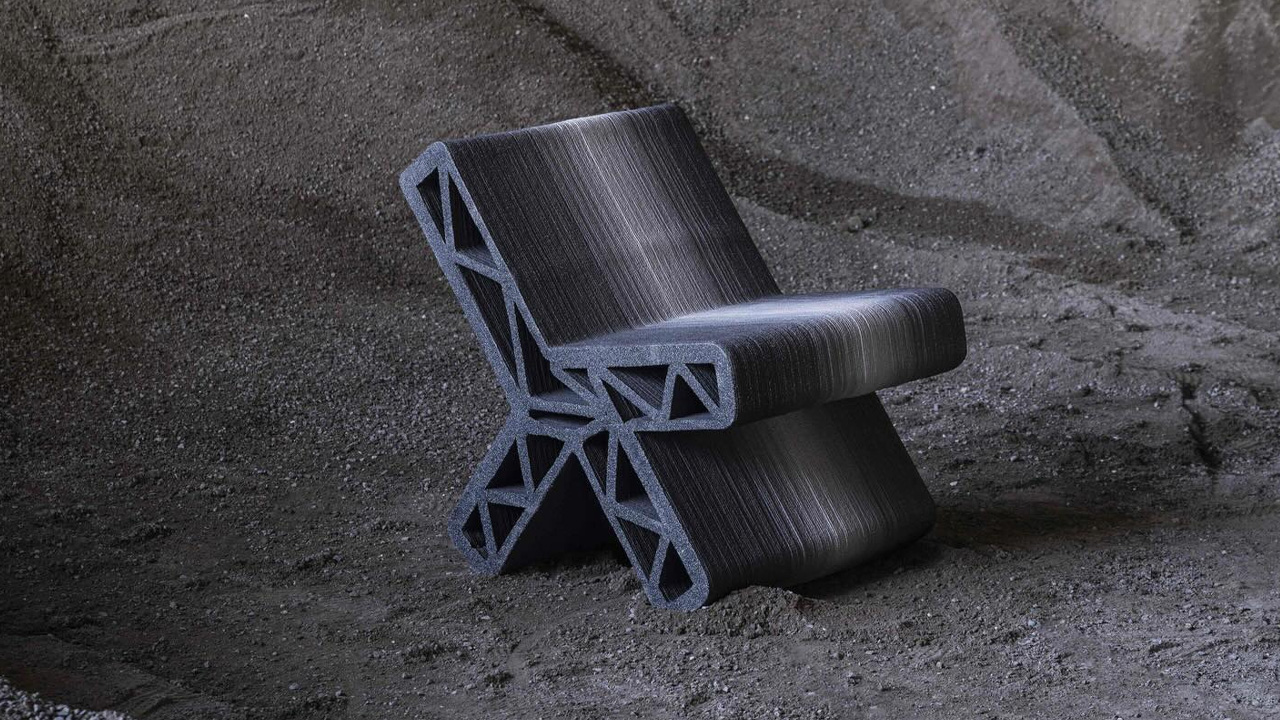
The company employs high-precision 3D printing to create furniture with organic, flowing, or rippled, natural textures. The resulting products are modular, allowing them to be adapted to various flexible applications and spaces. This project highlights the move toward the circular economy, turning potential, or ‘old’ waste, which was once someone’s home, into high-value design pieces.
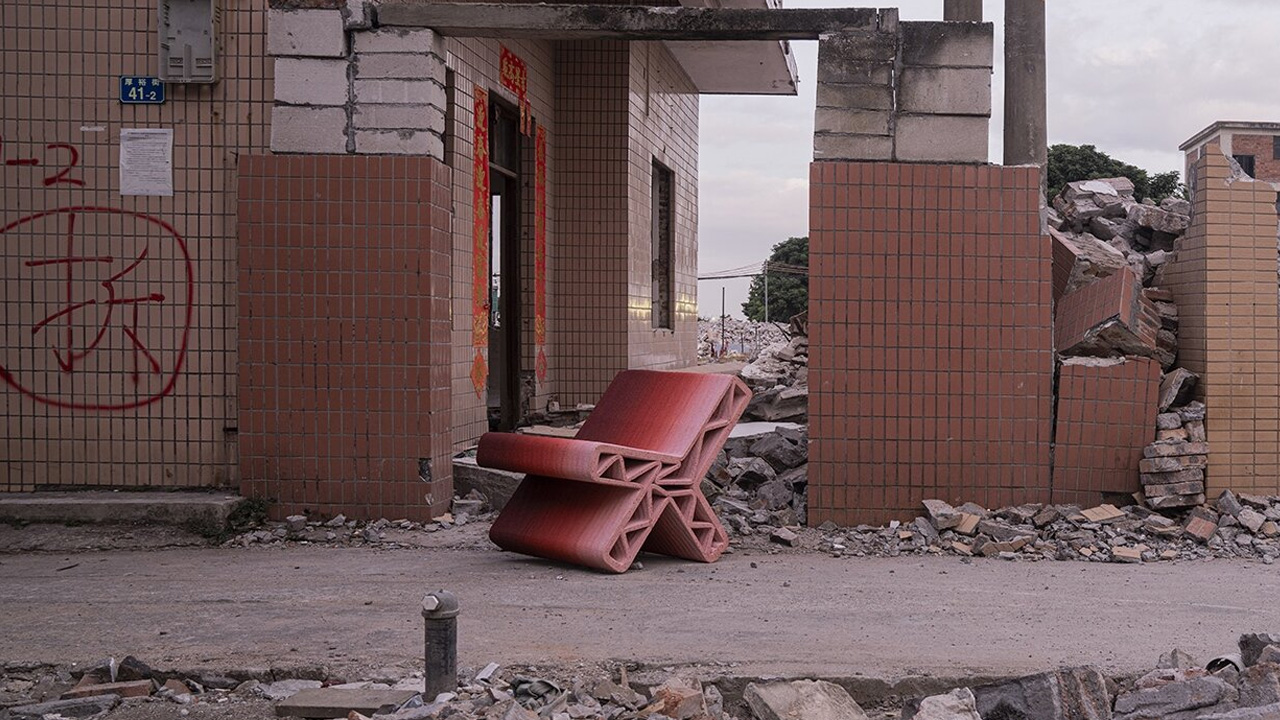
Instead of choosing to rebuild, the urban villages that are being destroyed either by a wrecking ball or a warhead carry the pieces of the past with them in colors. The team runs a photographic test of the space to extract images that determine which color gives the place the most life. Then those tones are built into a gradient control system that becomes the visual fingerprint for every piece. The furniture collection is available in colors like ink wash, ink green, vermillion, tea brown, and celeste, depicting the essence of the space from where the rubble was taken.
Also Read: Mooncrater Side Table Effortlessly Reflects the Drama of Land Formation
Narrating the story of crumbling walls and old red bricks, the rippled design obtained by 3D printing breaks the familiarity with traditional furniture while also eliminating any need for additional aesthetics. The furniture pieces talk of their past lives, as to how quickly the world is moving toward development without worrying about what’s being left behind or why.
The Inorganic Growth project integrates aesthetics and sustainability without giving them a separate identity. As the furniture retains the physical debris from the demolished substances, the pieces maintain and showcase their link to the former environments effortlessly. The whole furniture project showcases how the demolished world can still hold identity and be functional and charming, too. It is a true example of how one person’s trash is another’s treasure, while being a colorful imprint of cities and urban spaces that no longer exist.

Via: designboom