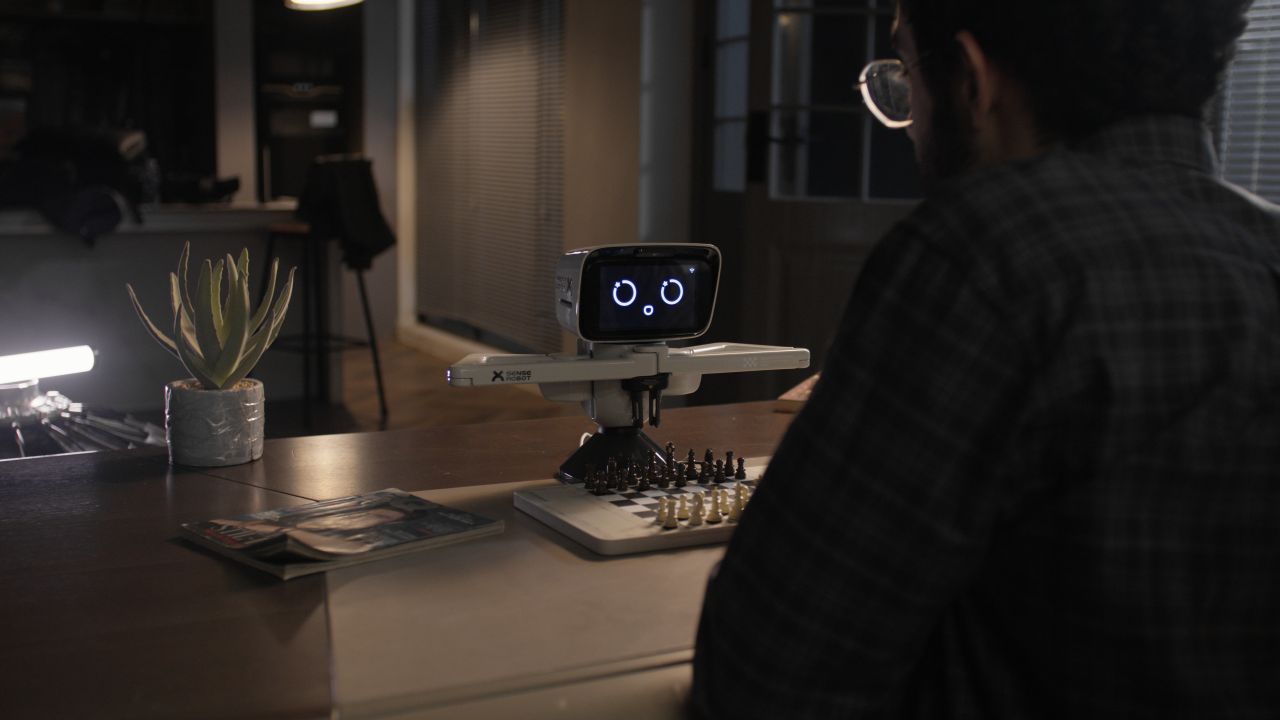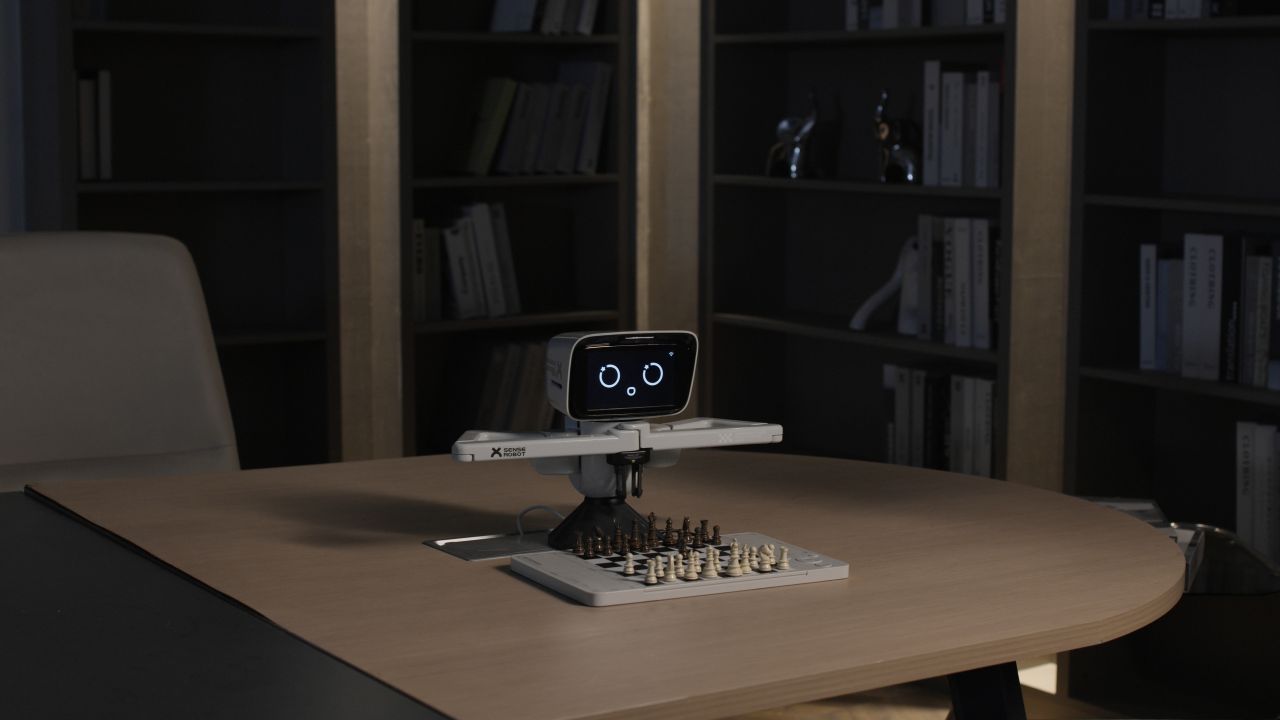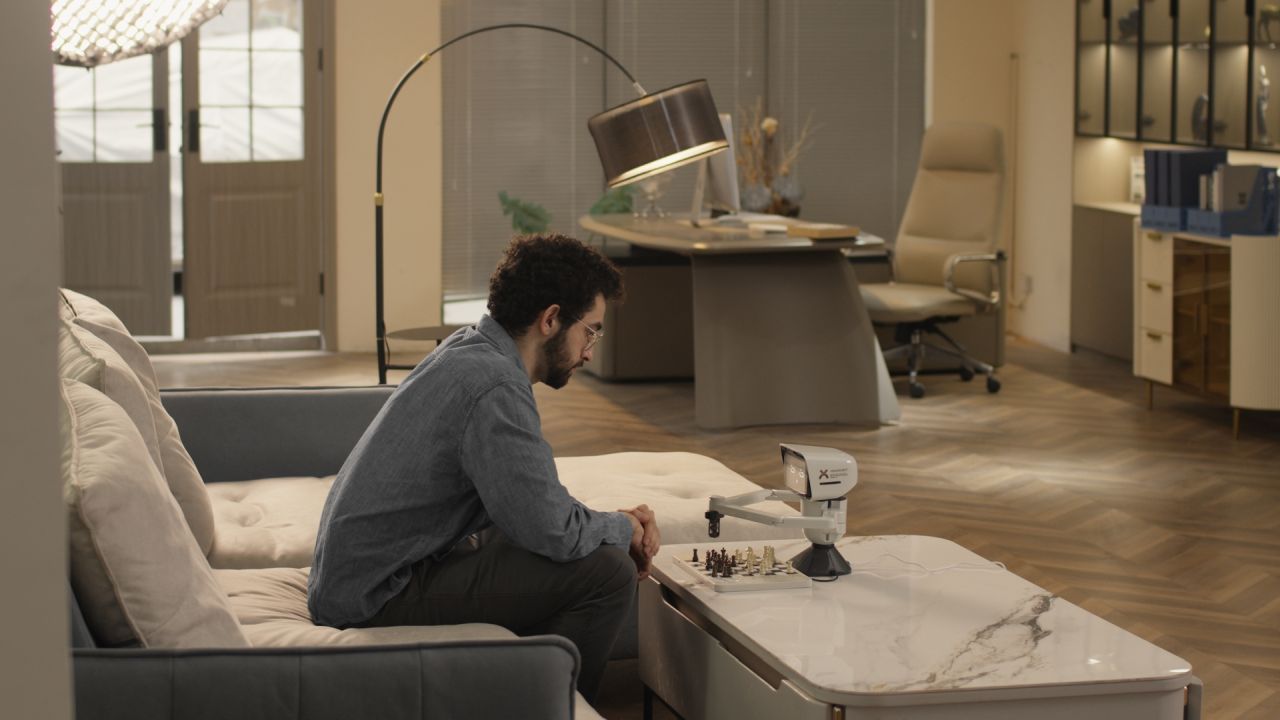
I like playing chess, but more than just playing, I like the romanticism of it. In chess, you either grind your opponent down with calculated, positional play or you throw caution to the wind and attack. Mikhail Tal and Adolf Anderssen chose the latter, and so do I. At 1200+ ELO, I’ve beaten, decimated, and dominated almost every colleague, relative, and professor in my circle, but finding a worthy opponent has always been the real challenge. That is, until SenseRobot debuted the Chess Mini, an AI-powered chess robot that may finally put my skills to the test.
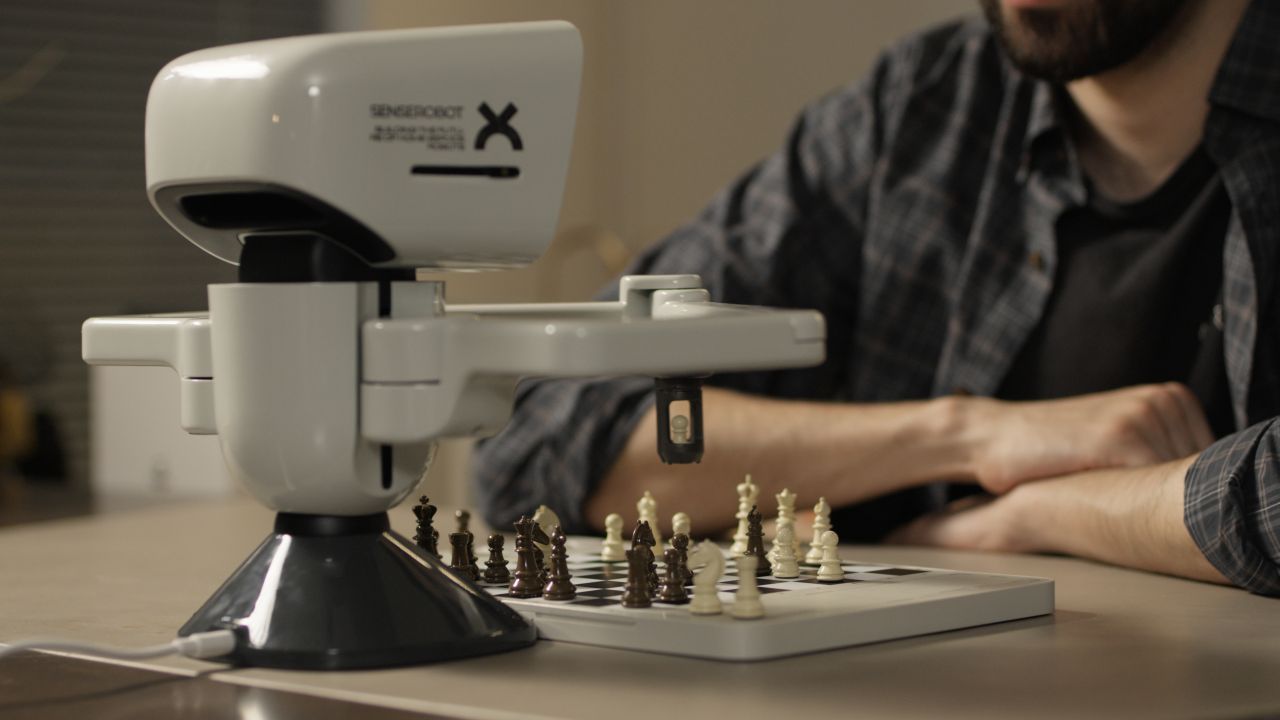
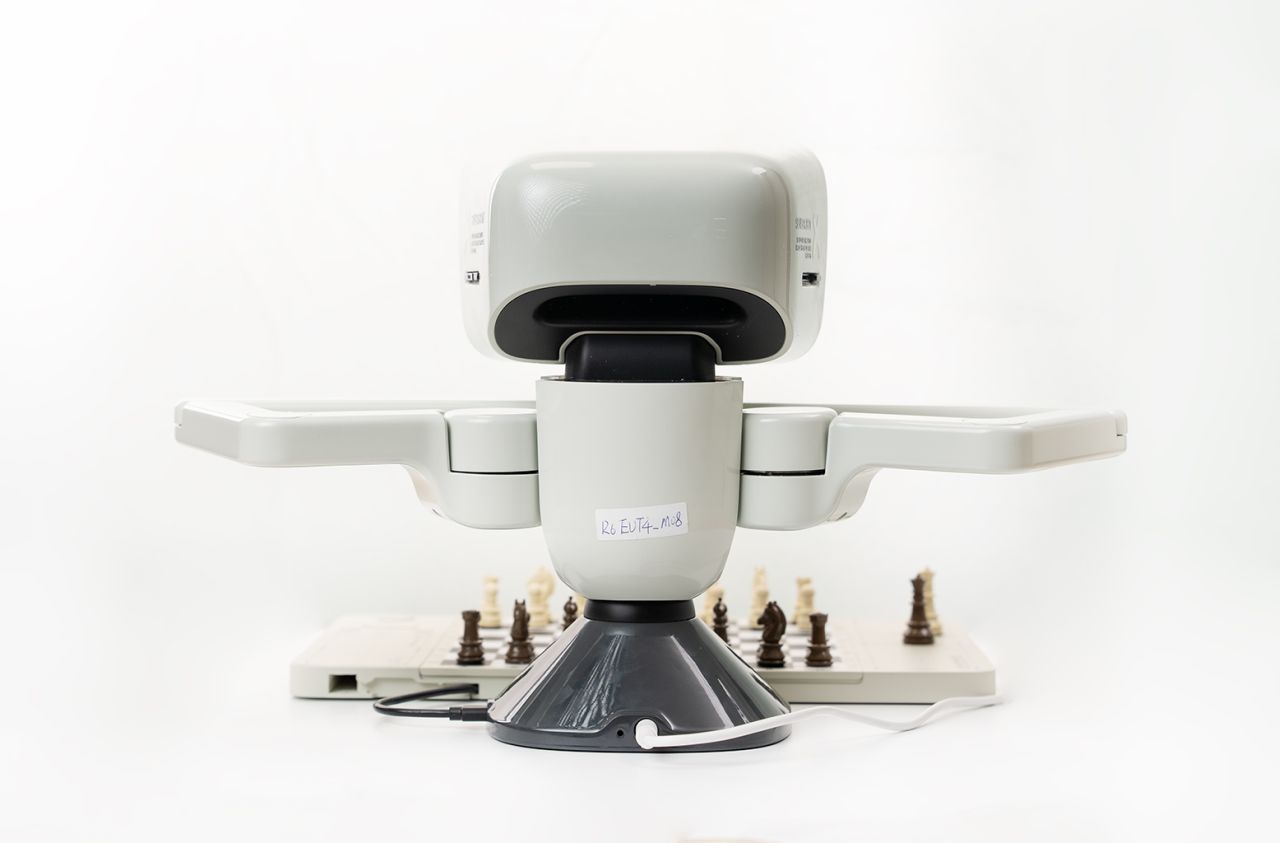
Currently the subject of a Kickstarter crowdfunding campaign, the Chess Mini does something most smart chessboards sorely lack. It actually moves the pieces. Fundamentally, it is an automated gaming system built around a physical robotic arm, camera recognition, and an integrated display. I’ve owned quite a few chessboards over the years, some of them smart, but none of them could signal a move without ever touching a piece. The Chess Mini solves exactly that problem.
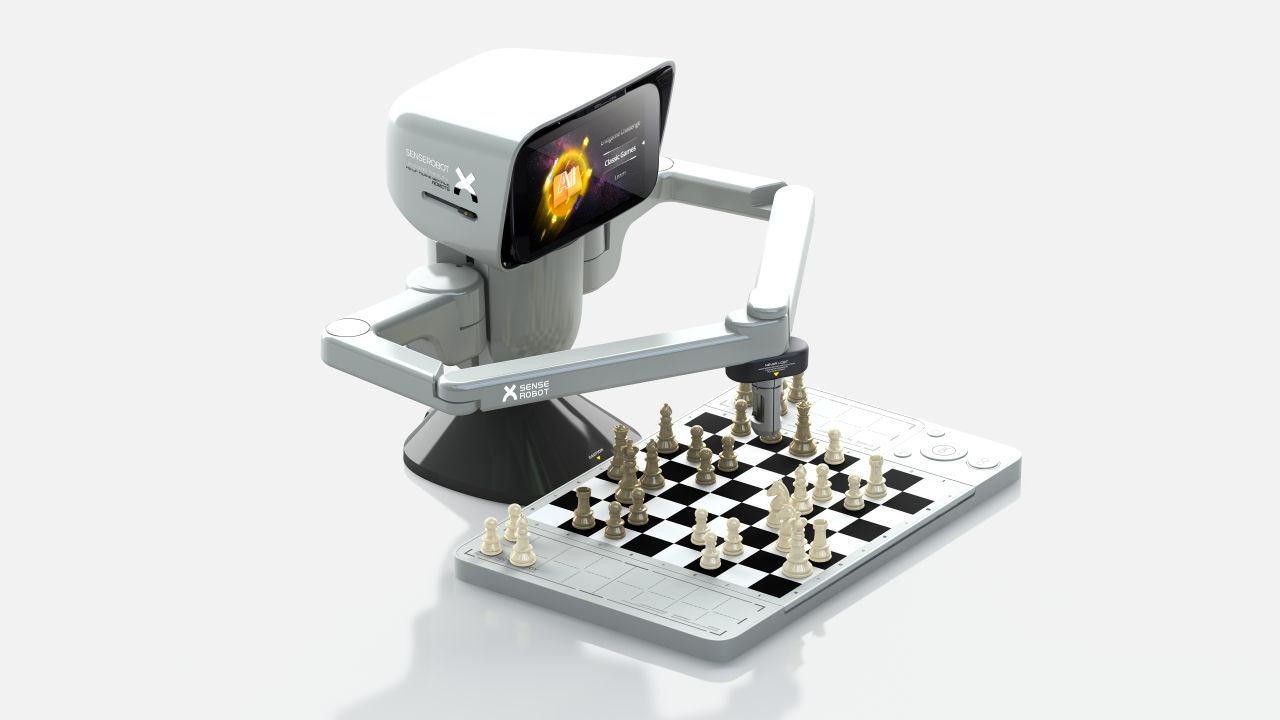
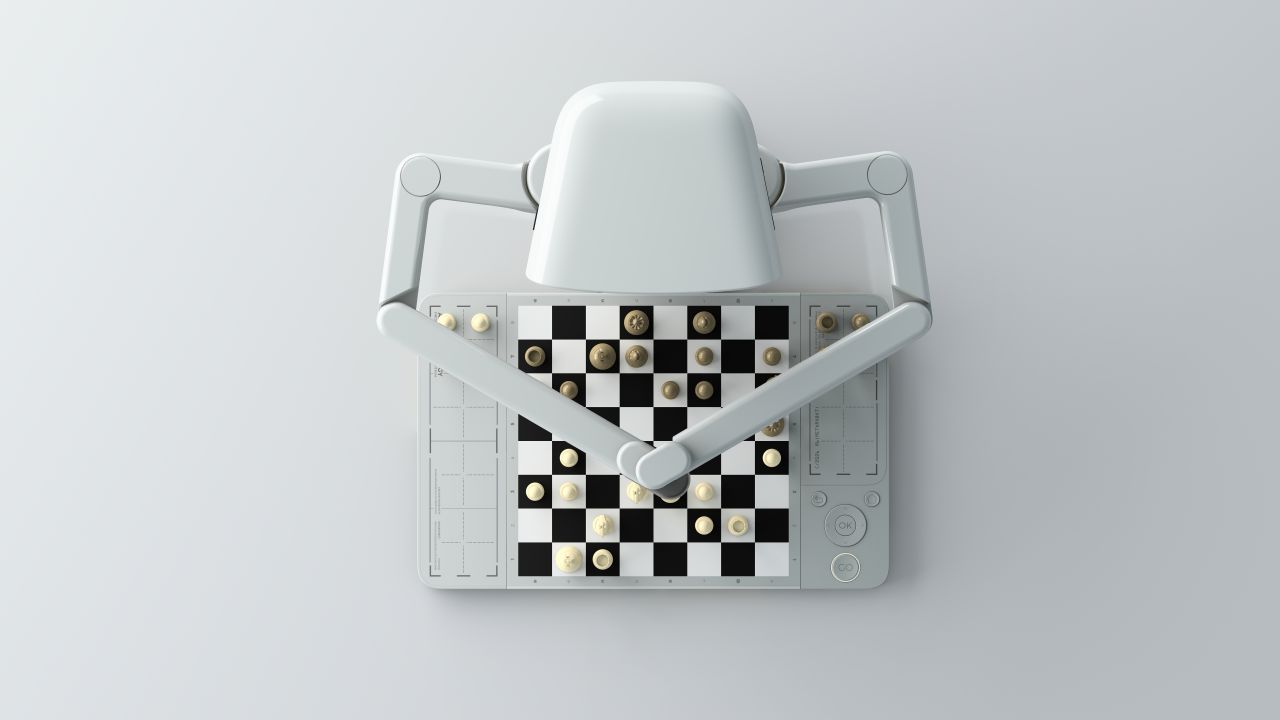
The robotic arm, boasting three to four degrees of freedom, physically repositions pieces after each move; this must be confirmed by pressing the Go button in Move Confirmation mode. The built-in cameras capture the playing field and recognize the positions of the pieces, which feature magnets to keep them securely attached to the board.
First showcased at IFA last year, the Chess Mini supports STEAM (Science, Technology, Engineering, Arts, and Mathematics) education and is specifically designed to help children learn chess through 25 structured lessons. The display on the robot’s head functions as a chess clock and an interactive interface. The articulated arm handles everything from arranging to executing moves on the board, which, like the classic game, features a set of black and white pieces. It’s, however, a magnetic board seated on a board tray with an AC adaptor included for charging.
Similar to the Millennium Chess Classics I reviewed, the Chess Mini offers guided play, pointing out blunders and flagging bad moves as they happen. Compared to its predecessors and other AI chess boards in the market, the Chess Mini is simpler in size and price. It is compact at 13 inches, portable, and priced at $399 for early bird backers, making it the most accessible SenseRobot yet.
Functionally, the Chess Mini retains what made SenseRobot’s approach interesting in the first place. Players can adjust difficulty through ELO ratings ranging from 200 to 1700, and for those looking for a stiffer challenge, the Apex Duel mode connects over the internet to reach a professional-grade ELO of 3200. Other features include a conversational AI coaching layer that lets players ask mid-game questions and receive explanations of what just happened and why, the kind of feedback a chess coach provides, but that apps generally cannot replicate in a tactile setting.
The system is compatible with Lichess and Chess.com, supports voice interaction, and includes STEAM-focused features aimed at younger players learning logic and programming through gameplay. The Chess Mini is scheduled for release on April 21, 2026, and is currently crowdfunding on Kickstarter at an Early Bird Price of $399. It will retail for $699 following the launch.