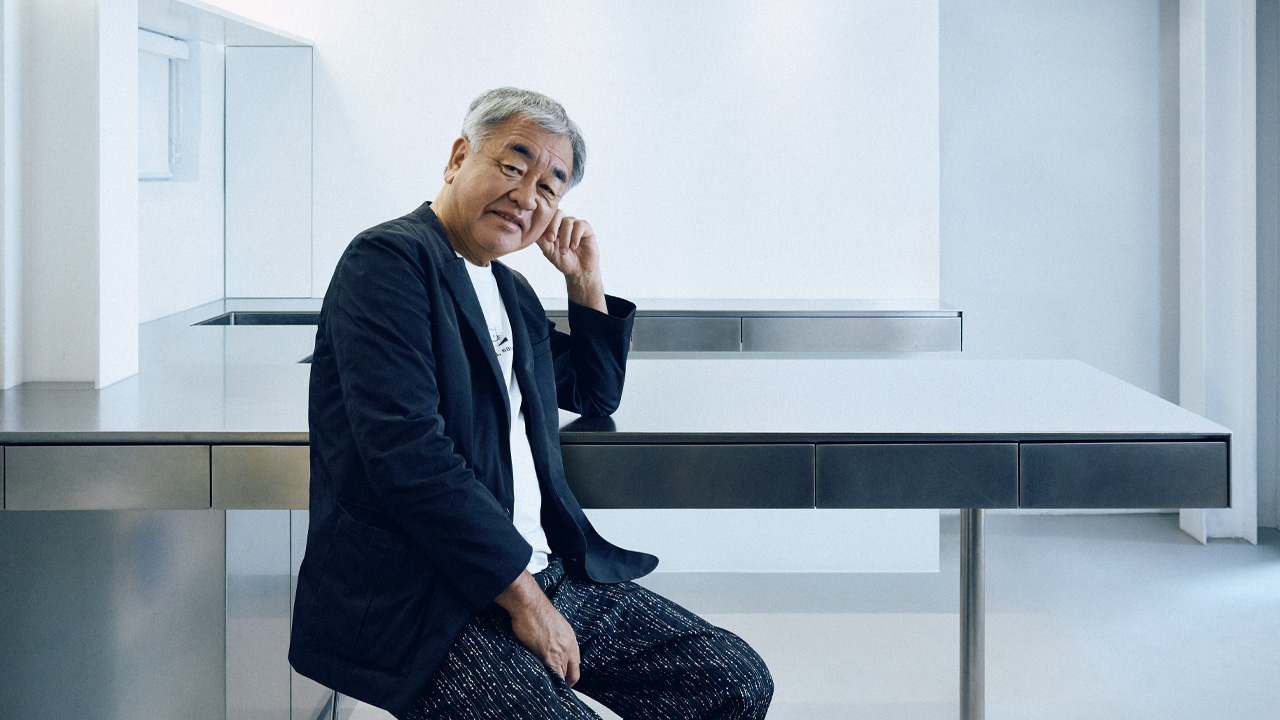
Legendary architect Kengo Kuma needs no introduction. His architecture is instantly recognizable for the use of organic materials, geometric shapes, and calm silhouettes, positioning each project as a distinct work of art in a world crowded by overbearing, soulless buildings of concrete and glass. Summing up his work as “gentle,” Kuma has been a pillar of the industry, bringing traditional Japanese architecture onto the global stage.
Throughout his career, the 71-year-old architect has challenged the norm of uniformity with regional materials, local vernacular, and traditional craftsmanship. Kuma uses these principles and techniques not to preserve tradition alone, but to create “nests” for people – he calls homes – making them the foundations of his work, he tells Homecrux.
For Kuma, architecture is not merely about building. Rather, it is a sense of shared experience among local landscape, culture, and community. Originality, traditional knowledge, and human-centric design will define the architecture of the future.

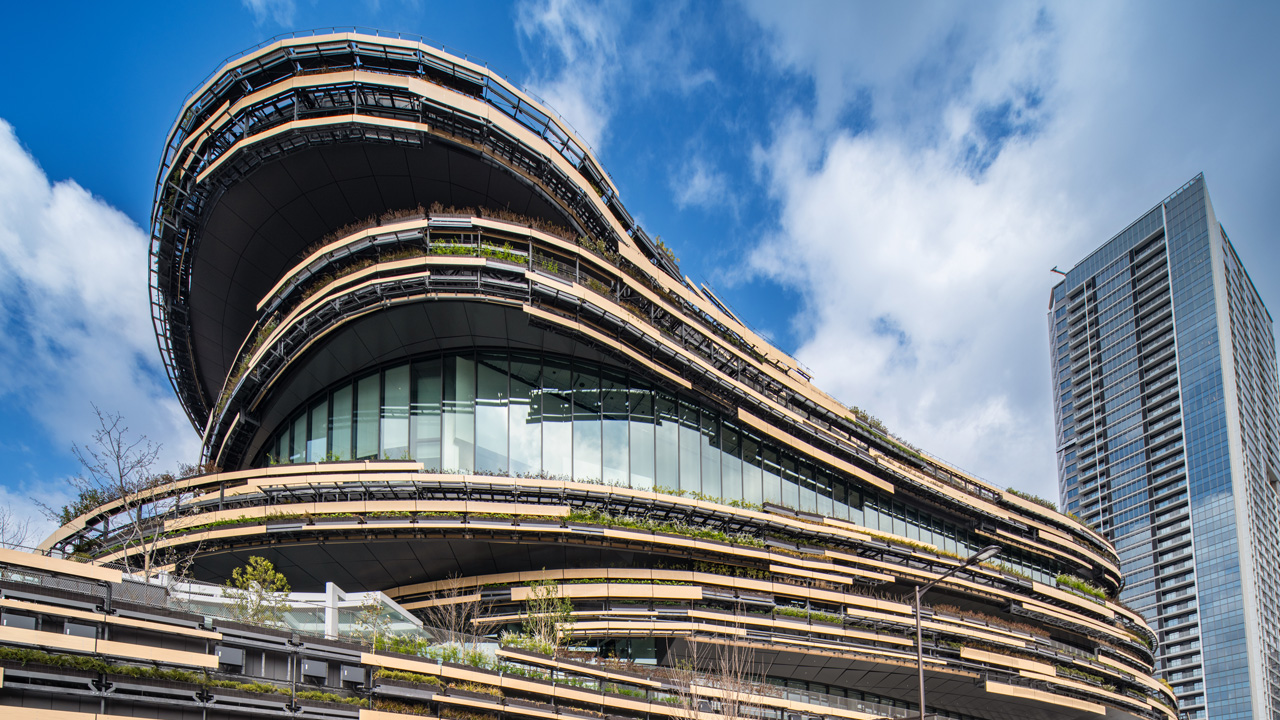
His firm, Kengo Kuma and Associates, is one of the most renowned in the world, with architecture at nearly every scale under its belt. The firm’s mantra is simple: to seamlessly integrate landscape and architecture, whether it is a small pavilion, a residential property, or a commercial project.
Finding Inspiration in Lost Years
Speaking with Homecrux, Kengo Kuma traces his journey back to the early days in the ‘80s. “I set up my practice in 1986. And in 1991, Japan’s bubble economy collapsed. For the following ten years, there was absolutely no work in Tokyo, so I travelled around the countryside in Japan. There I encountered wonderful craftsmen and natural materials, and learnt a great deal from them. Without that rich experience, I would never have gone on to work as extensively as I do now. People often refer to this period as Japan’s lost years, but for me, it turned out to have been rather fruitful ten years that have shaped my architecture,” he remembers.
This chance happening not only shaped Kuma’s work but also benefited the architectural landscape on a global scale. He understood the nuances of craftsmanship and natural materials: lessons he has carried throughout his career and imploring the younger generation to understand and employ them.
Today, his work is an imprint of the local vernacular, proving why craftsmanship still remains an essential component in a world constantly being shaped by novel technologies every day. Heavily influenced by Japanese building techniques, Kuma’s work stands the test of time, remaining closely tied to the environment.
The Non-Negotiables
When asked about the non-negotiables in his work, Kuma says he never compromises on the construction materials. He further sheds light on how much of his work reflects his personal ethos and Japanese culture and tradition.
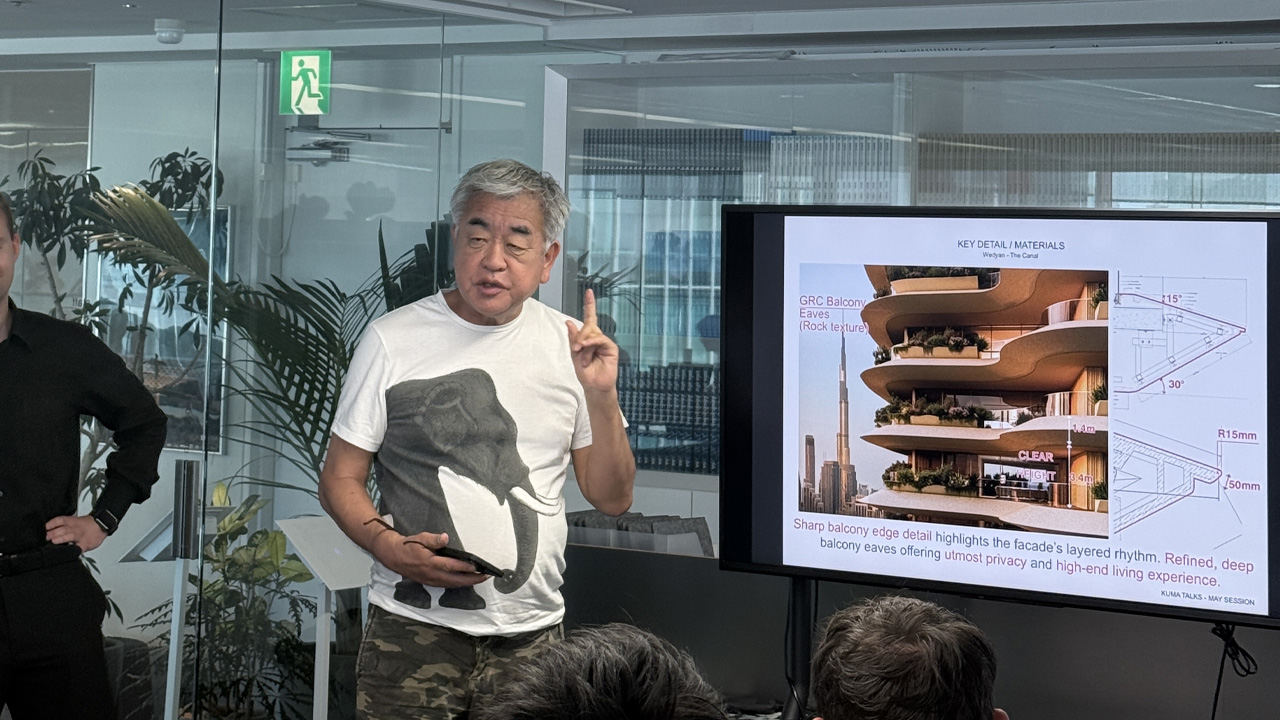
“What I do not compromise on is the materials used in construction. I prioritise materials in my design because architecture is about creating a ‘nest’ for people, and we give careful consideration to the materials most appropriate to a particular site…Whilst traditional Japanese architecture has much to teach us, I do not work for the sake of preserving that tradition. I refer to the principles and techniques of traditional architecture to create nests that protect the people living today.”
It is natural to wonder what an ideal home for an architect would be like. Kuma says that his “ideal home is the small, single-storey wooden house in the suburbs of Tokyo” where he grew up.
He shares that his childhood home was built by his grandfather in tandem with local carpenters. “It was a well-considered, human-scale building that was comfortable to live in, with careful attention paid to the use of materials and every detail.” Kuma notes, “It remains the basis of my architectural practice.”
Interplay of Light, Sound, and AI
While materials and attention to detail remain at the core of his craft, Kuma puts equal emphasis on regard for history and the environment. He says he values the dialogue with the place the most.
Kuma elaborates, “In architecture, it is not the superficial form that matters, but rather the climate, nature, culture and history that constitute that location—these are the fundamental elements we seek first. I speak not only with the project clients but also with the local community, and I imagine the people who once lived there and are no longer with us.”
This approach is precisely what sets him apart from other architects. His creations become a bridge between the past and present, while considering the future. Kuma’s eco-conscious approach to a project keeps it true to local craftsmanship and landscape.
One aspect that is very important to the legendary architect is how light and sound will flow through the space. The design process begins with that consideration, shaping the rest of it. Next come the sustainability and durability of the structures.
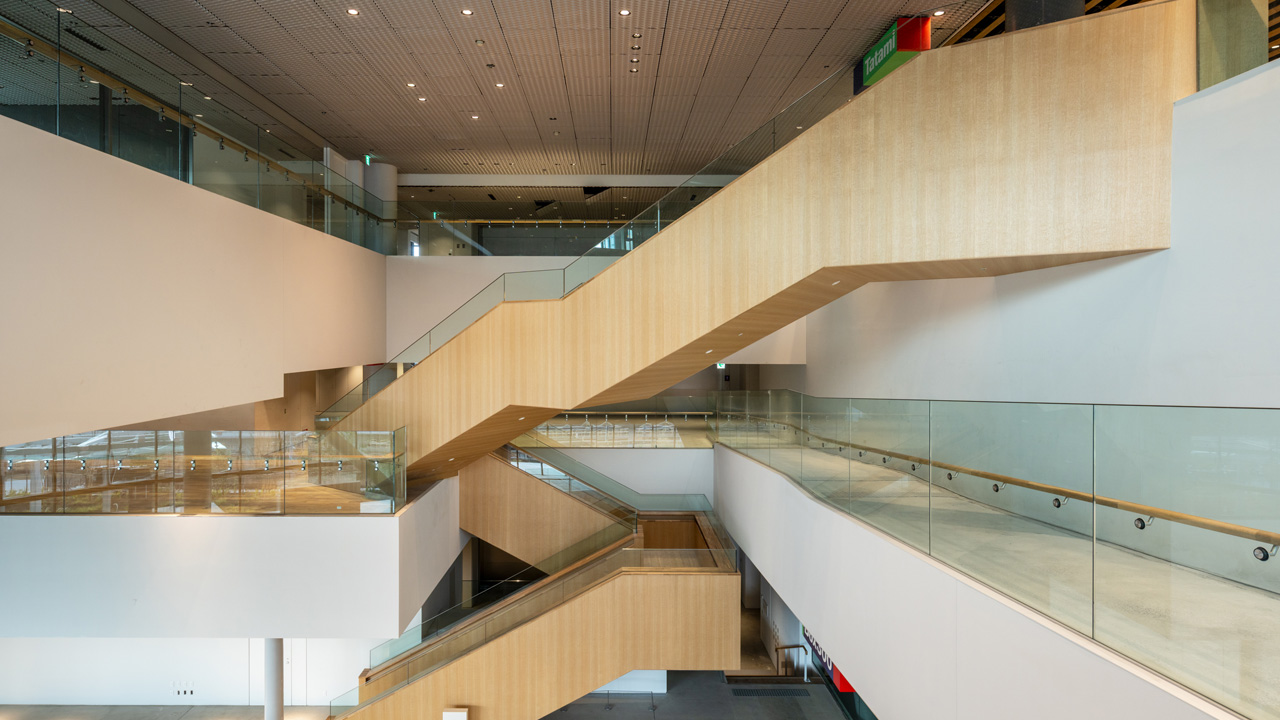
“Our aim is not to use new materials in an experimental manner,” Kuma says, “When considering sustainability, we take into account the lifespan of the materials themselves, as well as the environmental impact they have and the effects the environment has on them.”
With the AI evolution, the design and architecture world has also seen the impact of AI-generated content. While it may present various options for meeting specific requirements of a project, the threats are more evident today than ever.
“AI reveals the possibilities and scope of the design. Whilst this is extremely useful and helpful, I would like young architects to use AI while at the same time developing their own originality. Otherwise, their innate sense and ability may disappear,” Kuma explains.
It is a thought shared by prolific designer Karim Rashid as well. He echoed similar concerns in his conversation with Homecrux. Rashid also emphasized the originality and personalization of design and not letting AI replace the human touch to it all.
Future of Slow Build; A Style He Inherits
With that key conversation in mind, the future of architecture may look blurry to many, as AI creations fill the world. But Kuma remains unperturbed.
“In the 20th century, the mission of architecture was to construct large-scale buildings quickly in great numbers with hard and heavy materials. The situation has now reversed. Going forward, it is essential that the process of building is undertaken slowly and with a sense of shared experience—not only between the client and the architect, but also involving everyone connected to the architecture and its local area, through to those who will be involved in the building’s future recycling.” He shares, “We have entered an era in which the process of creating architecture matters most, particularly when it comes to constructing sustainable buildings.”
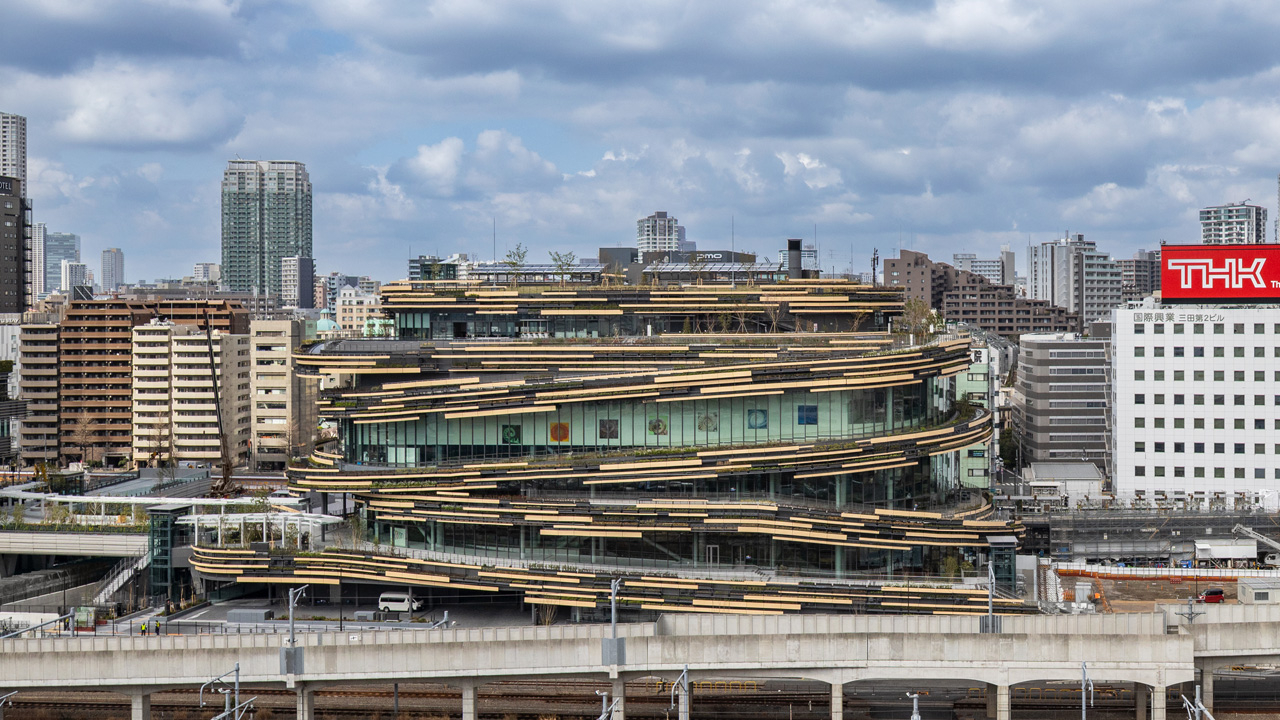
Kengo Kuma isn’t just a name or brand. He is synonymous with a style. His designs and builds, full of life and soul, resonate deeply with human values and emotions. Kuma says his work is “human-friendly, quite the opposite of intimidating, oppressive architecture.” And we couldn’t agree more.
Whether he is creating a small pavilion or a behemoth structure, his approach to his craft remains the same, imbibing the same values he learned all those decades ago in the Japanese countryside. For us, his work is perfection. His creations, human. But Kuma isn’t the one to be completely satisfied with his work, just like a true artist. “There isn’t a single project I became 100% satisfied with. I will strive to find satisfactory solutions to the shortcomings in my next project,” He concludes.
While he keeps striving for satisfaction even in his 70s, we keep admiring him in awe for the sophisticated beauty he imparts to the world through his work. The complex wooden structures he creates in tandem with local craftsmen and materials are truly a work of art. Hopefully, someday Kuma will see what we see in his work: Breathtaking perfection!
We thank Kengo Kuma for taking time out of his schedule for this insightful conversation.