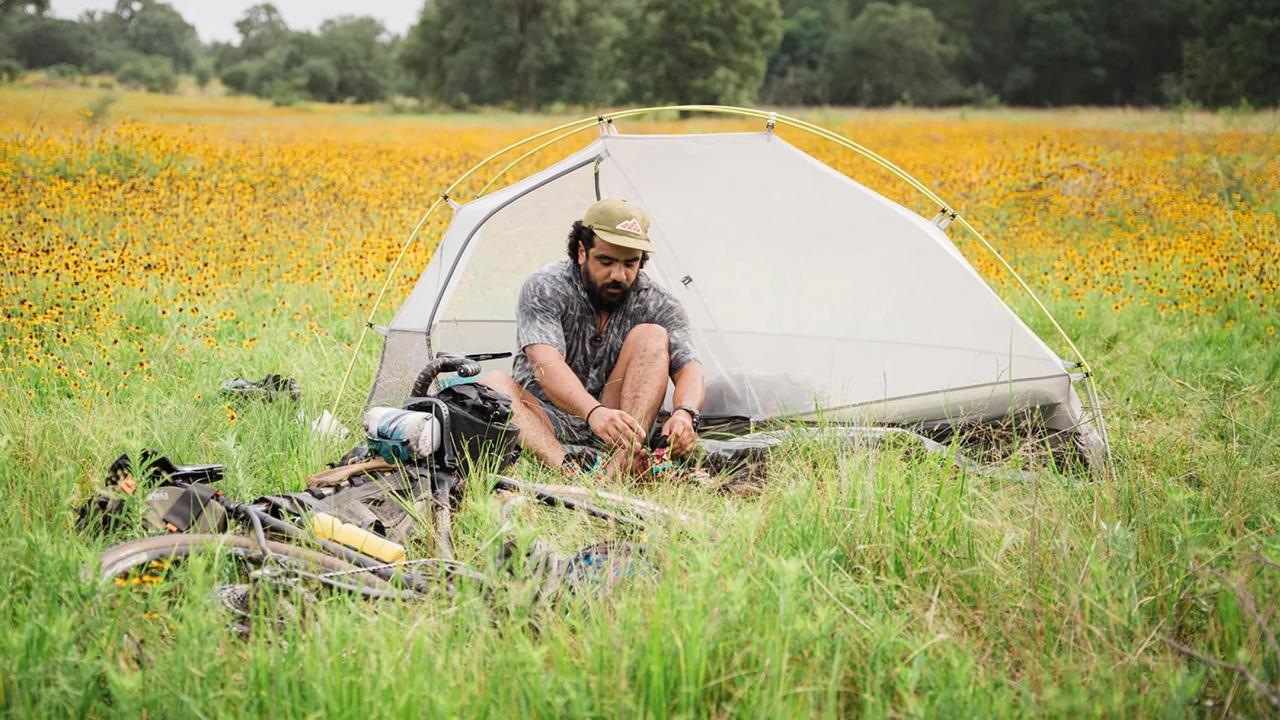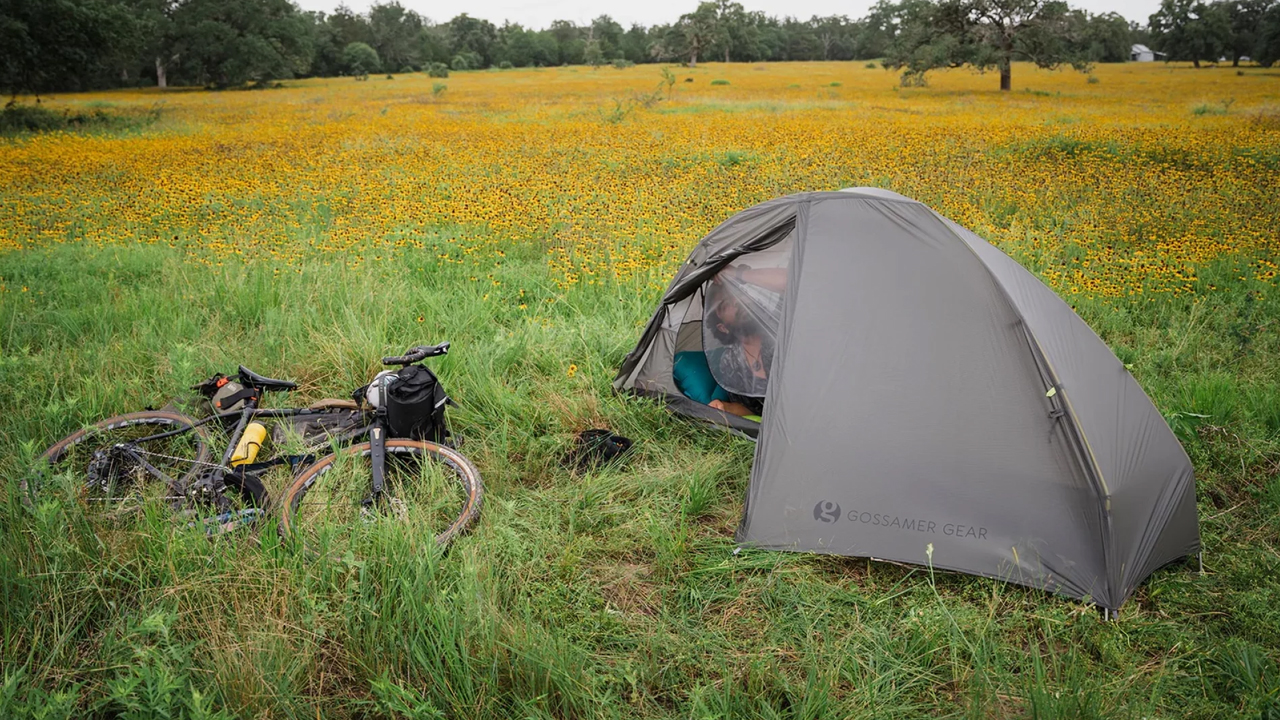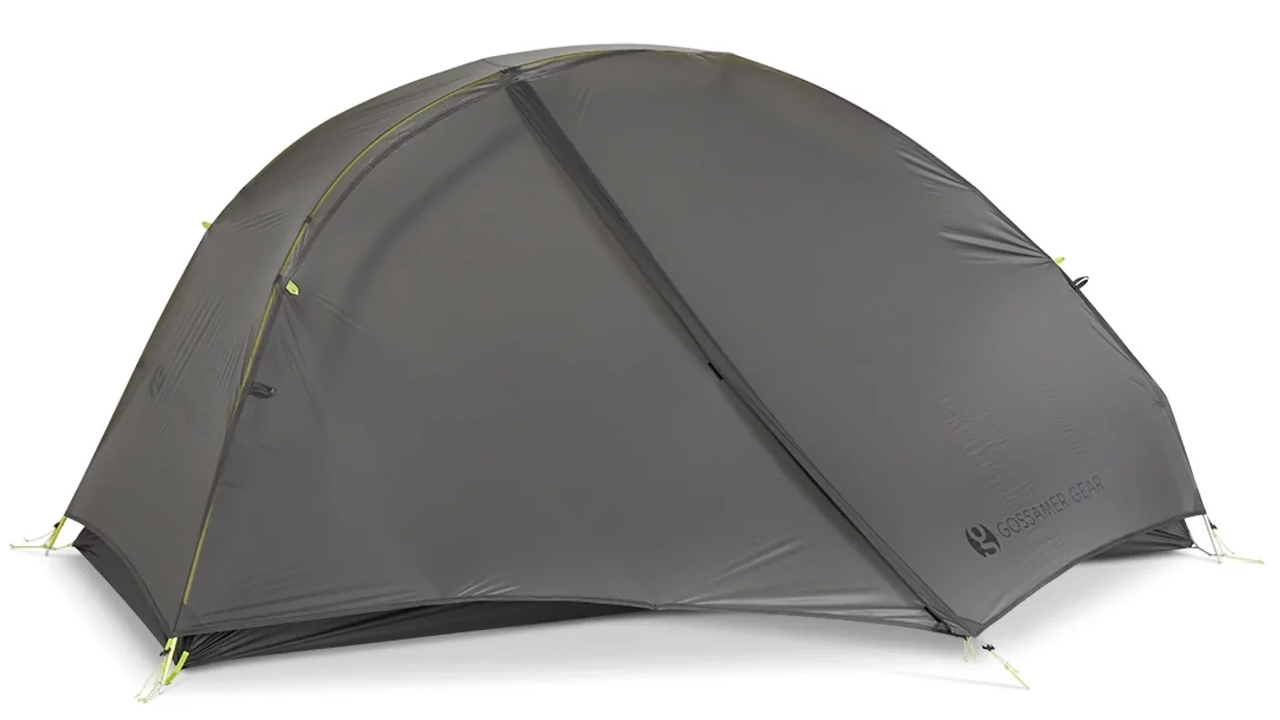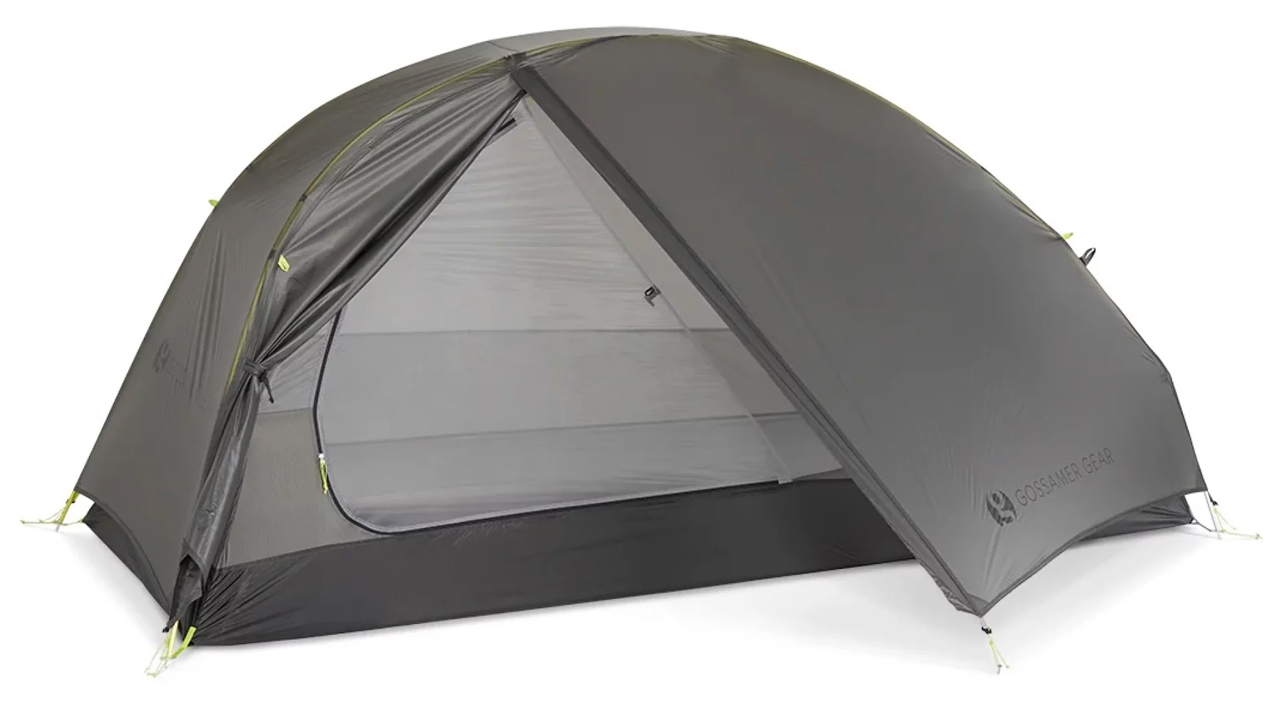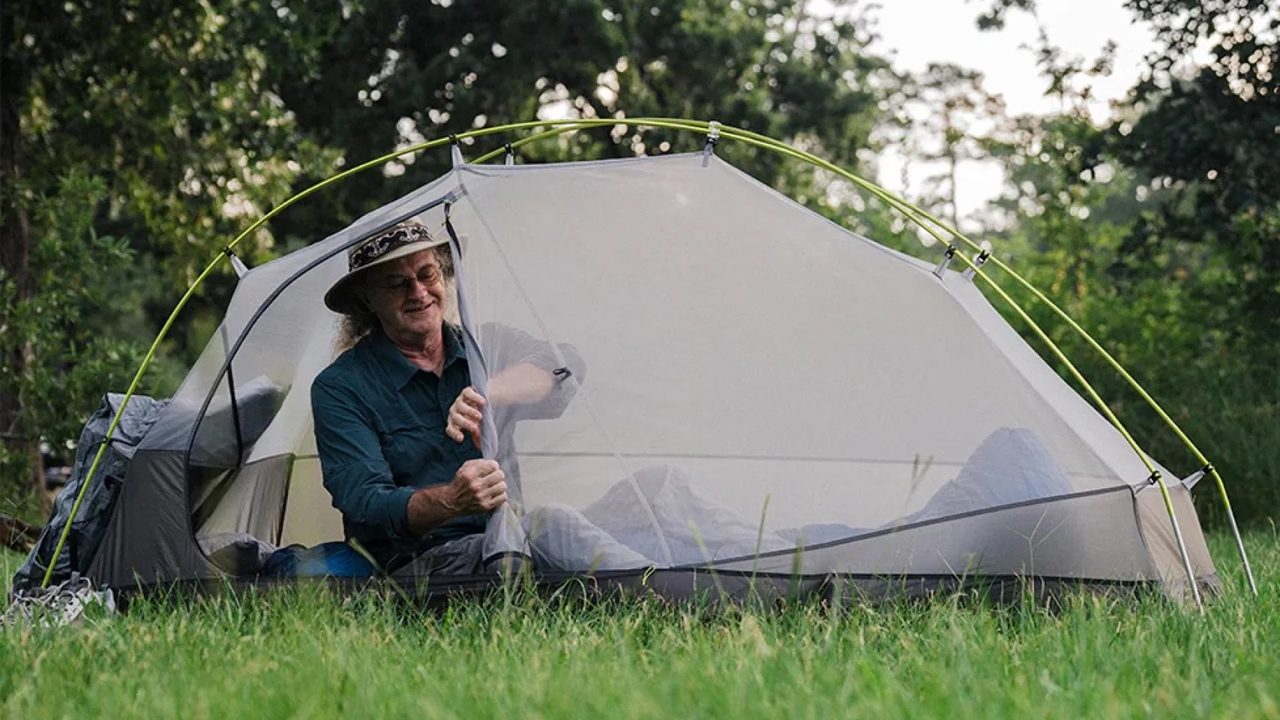
Before Heimplanet, Tentsile, and Hyperlite Mountain Gear gained a foothold in the backpacking market, Gossamer Gear was the go-to brand for many camping enthusiasts. The Austin-based camping gear manufacturing company has built a name for itself among ultralight backpackers over nearly three decades, and its latest gear, the Free one-person tent, pushes that reputation further by solving the two most persistent problems with freestanding tents: their weight and the investment they command.
Weighing 1.8 lbs, the brand claims Free as the “lightest double-walled freestanding tent on the market”, and unlike most shelters in its class, it needs no stakes at all to stand up. Many would argue that the Zpacks Plex Solo Classic Tent is the lightest in its category. But Gossamer Gear also pitches Free as an affordable tent, which, compared to the Plex Solo Classic Tent, costs $200 less.
Then, we have an interesting case of the X-Mid 2 Ultralight Tent by Durston, which costs $320 but weighs 1.9lbs, a pound more than Gossamer Gear’s Free. Not to mention, Six Moon Design’s Lunar Orbitor, which costs almost the same price as Free but weighs a little more than Free. Thanks to its 1.8 lbs weight, the Free one-person tent clearly edges past its competition in a dog-eat-dog industry, making every pound count.
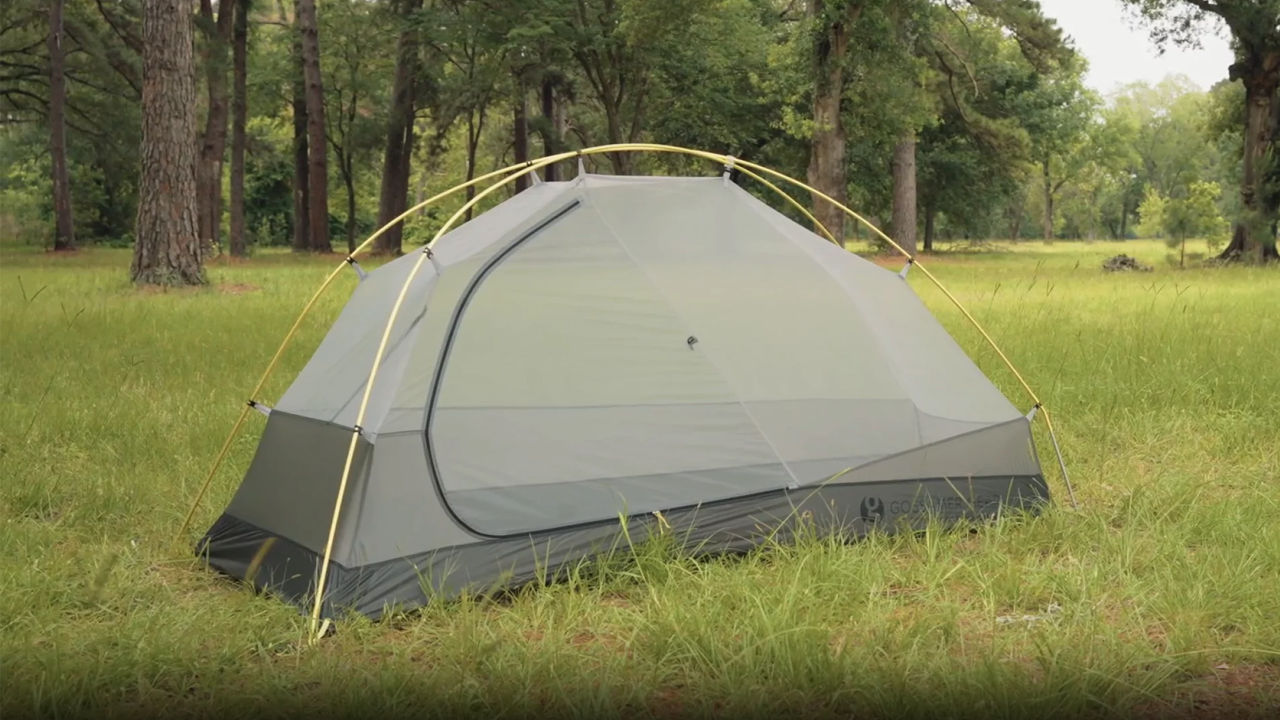
But price and weight aren’t the only two facets Gossamer Gear is marketing the one-person tent on. Its biggest USP is that it pitches without a single stake. Most freestanding tents still ask hikers to stake out a guyline or two for full stability, especially around the vestibule. The Free is built to pitch entirely on its own, on rock, sand, a wooden tent platform, or anywhere else stakes don’t work. Gossamer Gear includes six aluminium stakes and four guylines in the box, but it markets reinforcements for wind rather than a requirement to get the tent standing.
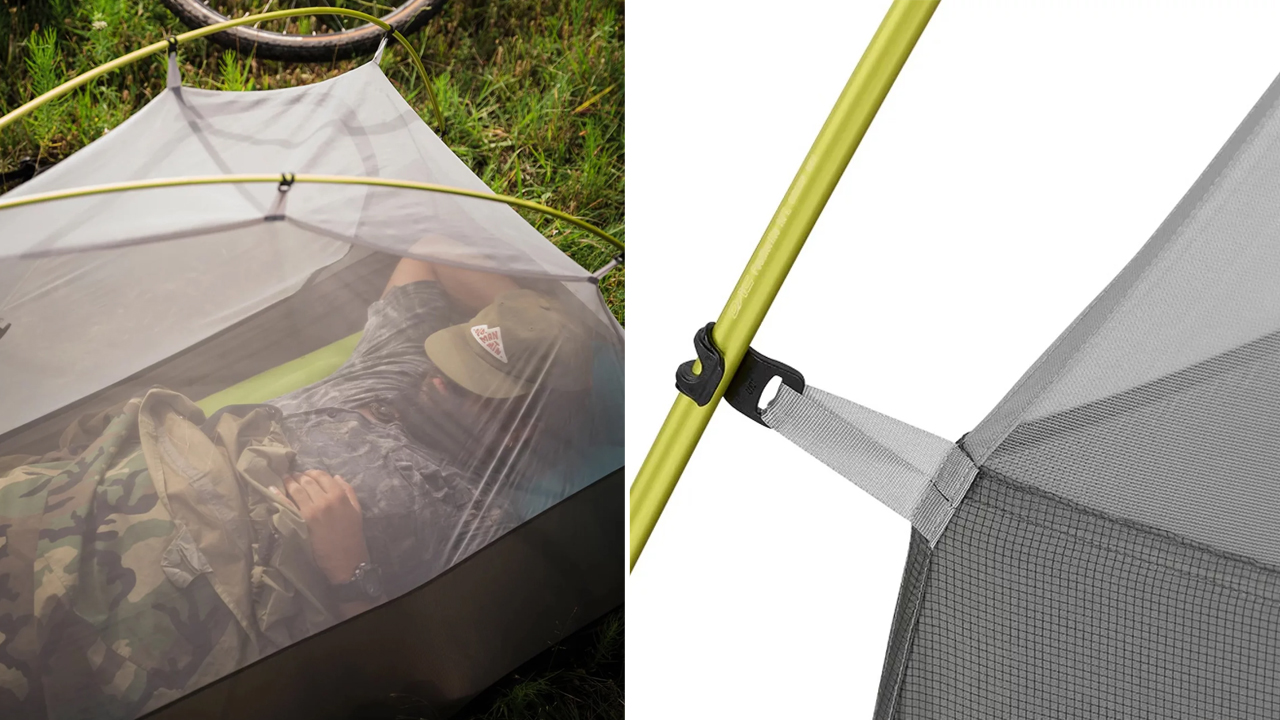
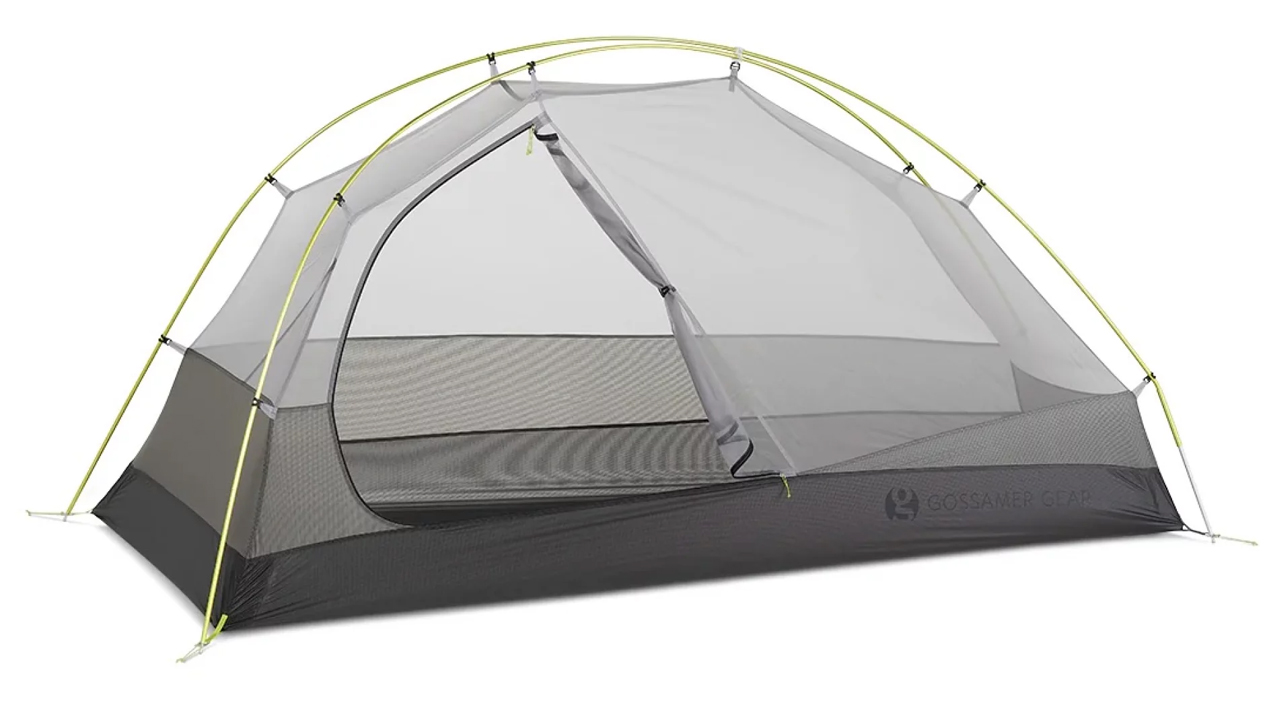
Moving on, let’s talk about some other features that earn the Free one-person tent its keep. The shelter relies on a DAC NFL pole set finished in what the brand calls “eco green anodizing,” a treatment it says “cuts down on harsh chemical use and water consumption during manufacturing while also holding up better over time than standard anodized poles.”
Bikepacking, which was the first to break the story, notes that setup is built around a center swivel connector and color-matched snap attachments at each corner, a system meant to remove the guesswork that usually comes with assembling shelter poles in the dark or in bad weather.
Gossamer Gear received a lot of flak online for its fabric. As a solution for the problem, Gossamer Gear developed a proprietary material it calls “ClearSkies”, a 15D recycled Robic nylon paired with a 20D dope-dyed ripstop grid and a silicone-polyurethane coating rated at 1,200mm.
Gossamer Gear claims this gives The Free 2.35 times the water resistance of its earlier shelter fabrics without adding weight, and the material is also PFAS-free, aligning with the broader outdoor industry’s move away from forever chemicals in waterproof coatings.
Also Read: This One-Person Inflatable Tent Sets up in 15 Seconds
Inside, the tent offers a 39-inch peak height, a 16.5-square-foot floor area, and tapered dimensions of 34 inches at the head narrowing to 21.5 inches at the foot, putting it squarely in solo backpacking territory rather than a two-person setup.
The full kit ships with the tent body, fly, pole set, six stakes, four guylines, a pole repair section, a dedicated pole bag, and the stuff sack. Total weight with all accessories comes to 33.02 ounces (935.8 g). The Free is priced at $400 and is sold through Gossamer Gear’s own site.