It is not so long ago that the spare bedroom in our homes had a simple purpose. It was mainly used to accommodate occasional guests and for stashing away extra storage. Today, that same room is often used for multiple functions like serving as a home office, study area, storage space, and guest bedroom as required.
This specific lifestyle change happened gradually, but it has widely influenced how we use our homes. Hybrid working has changed the role of many rooms. Spaces that once had a single purpose now need to serve multiple functions. Bedrooms often double as offices, living rooms become temporary workspaces, and even small areas like hallways and alcoves are being turned into practical spaces.
Furniture is Taking on a Bigger Role
As homes are being used for more activities, furniture has become more important than ever. Instead of serving a single purpose, many pieces now combine storage, workspaces, and other functions to adapt to different needs. For years, bedroom layouts have remained fairly the same, with a wardrobe on one wall, a chest of drawers somewhere else, perhaps a dressing table if there is unused floor space. This layout was a perfect solution when bedrooms were mostly used for sleeping and storing clothes. But now those same rooms have started accommodating laptops, exercise mats, paperwork, and the realities of everyday life.
As a result, homeowners are becoming far more interested in furniture pieces that can do more than one thing. Many bedroom furniture specialists are seeing a clear shift towards integrated storage, where drawers, shelving, mirrors, and hanging space are brought together in a single unit. Every separate piece of furniture takes up floor space, interrupts the flow of a room, and adds to the visual noise. When several functions are combined into one well-planned unit, the room often feels calmer.
How Wardrobes Help Save Space
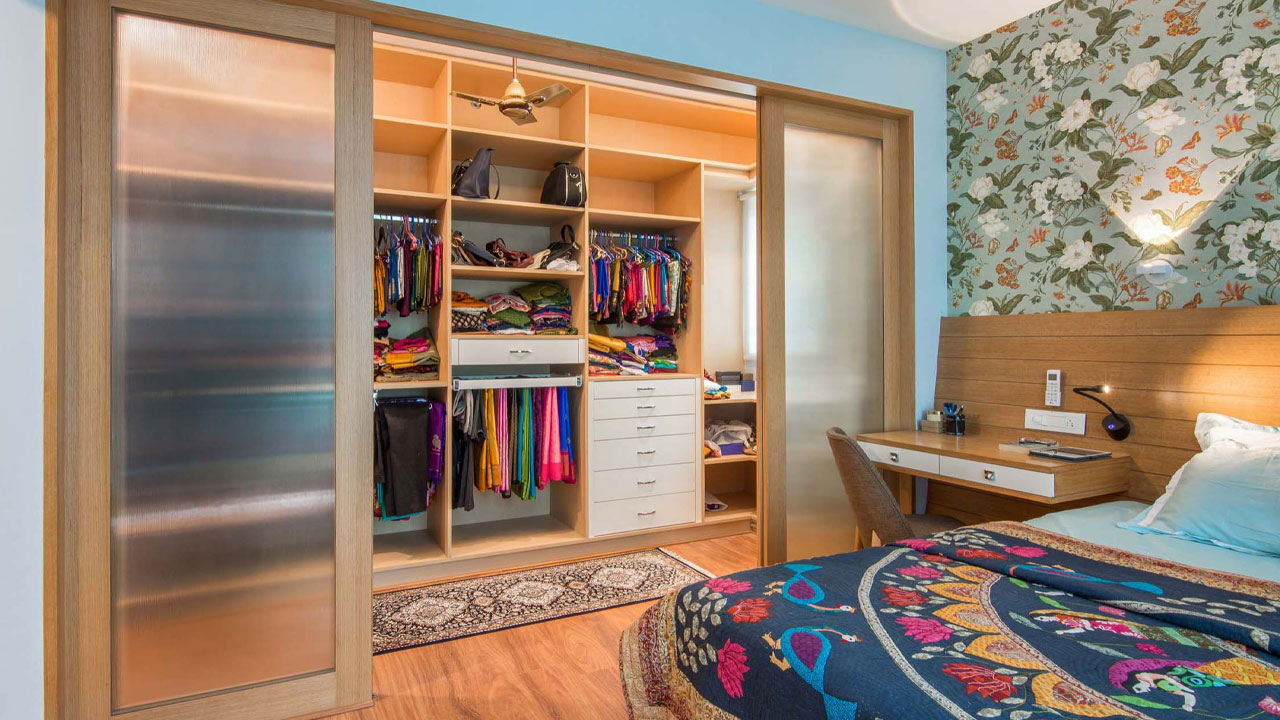
The modern wardrobes are a good example of this quiet design evolution. These furniture pieces were once chosen for their clothing storage capacity, but now they focus more on organized storage for different items. Wardrobes for bedrooms now often include built-in drawers, adjustable shelves, mirrored doors, and dedicated compartments. This means a single unit can replace several freestanding pieces to save the floor space. One such simple improvement makes the bedroom feel more spacious without sacrificing practicality.
Having a more airy feel in your home is not just about adding extra floor space. A room can seem smaller because of too many objects seeking attention. If you have a wardrobe, chest of drawers, freestanding mirror, and extra storage unit together, they can make a bedroom feel cramped. Removing some of them would change the whole mood of the room. This results in cleaner sightlines, easier movement, and a comfortable space.
Also Read: How Contemporary Furniture is Redefining Luxury Living Spaces
Sliding Doors for Smarter Space Planning
In case of smaller bedrooms, sliding door wardrobes are particularly useful. Their sleek, contemporary look is not what helps; the real advantage is that they don’t need clearance to open like traditional hinged doors. This gives you more freedom to place beds, desks, and bedside tables. In compact homes, that small detail can make a big difference.
Because sliding doors move sideways rather than outwards, the rest of the room can be planned more freely. A bed can sit closer to the wardrobe. A desk can tuck neatly beside it. The space does not have to be arranged around the swing of a door. On paper, that may sound like a modest improvement, but in daily life, it can make a room feel much easier to use.

How Mirrors Help Small Rooms Feel Bigger
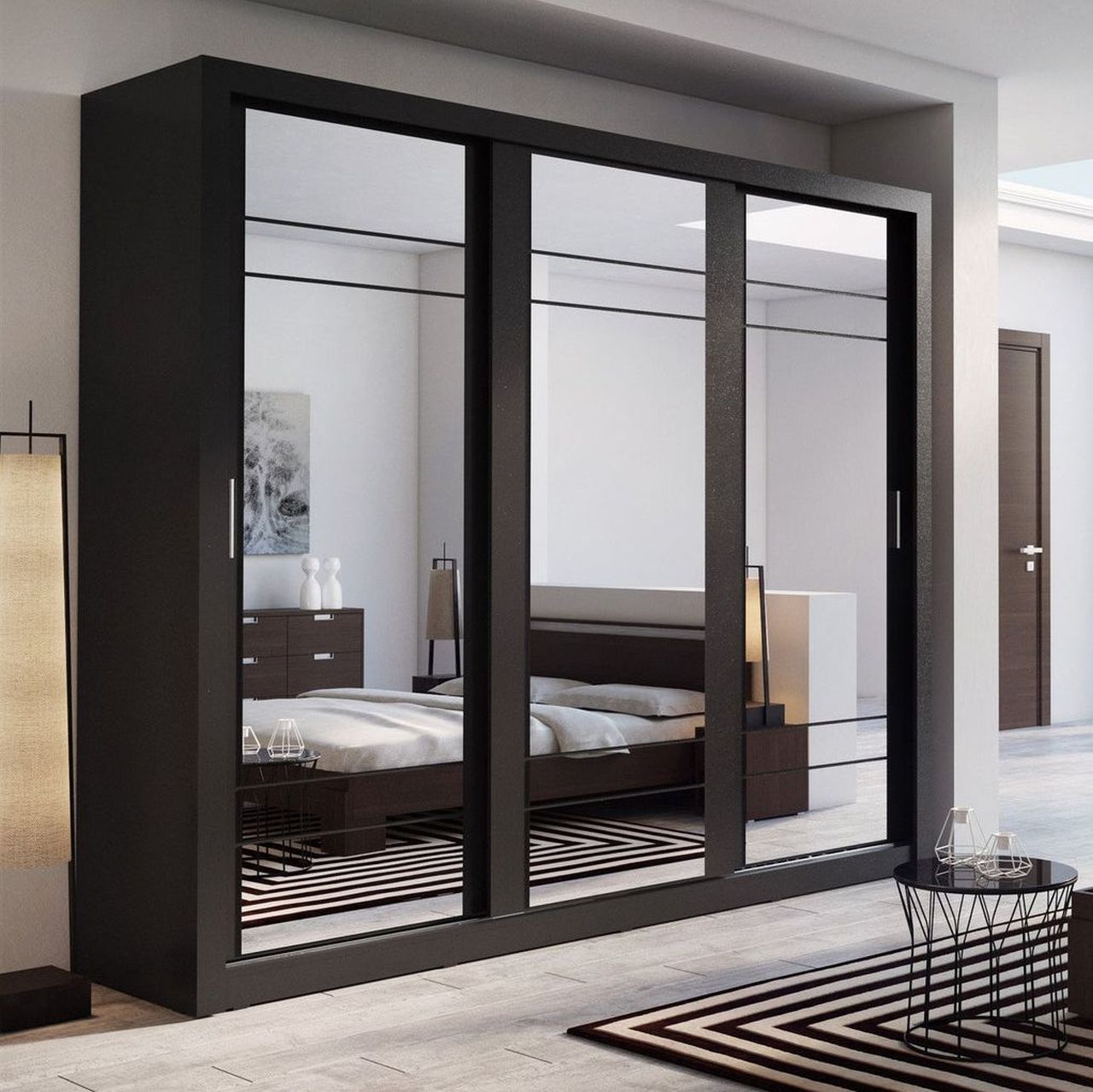
Mirrors are another feature that is now being integrated into wardrobes. A full-length mirror is useful in any bedroom, but when it is built into a wardrobe door, it does not take up extra space. A mirror also helps make a room feel brighter and more open, especially in smaller bedrooms with limited natural light.
Reflective surfaces bounce natural light around a room to create a sense of spaciousness. The room itself has not changed size, but it can feel brighter, lighter, and more open. In a compact bedroom with a single window, that difference can be quite noticeable.
Smarter Storage for Modern Living
Some of the most useful improvements in modern furniture are hidden inside the piece itself. Today, wardrobes need to store much more than clothes, which can be shoes, accessories, chargers, work items, spare bedding, luggage, and other household essentials. To meet these needs, modern wardrobes and fitted storage systems now come with flexible shelves, hanging rails, drawers, and compartments that can be adjusted to suit different lifestyles.
That adaptability matters because rooms change with us. A home office may become a nursery. A child’s room may later need to work as a guest room. A spare bedroom may need to do all of the above at different points in the year. Furniture that can adjust to those shifts is far more useful than pieces designed around one fixed version of life.
Creating Workspaces Without Losing Living Space
The increasing trend of hybrid working has influenced many people to incorporate flexible workspaces in their homes. Fold-down desks, hidden workstations, and built-in study areas are becoming popular in homes without a dedicated office. These solutions allow people to work comfortably during the day and then easily put everything away when finished.
Making Better Use of Vertical Space
People are also finding new ways to use areas that were once overlooked. One of the best examples is vertical space. In many bedrooms, the area above a wardrobe often goes unused. By extending storage upward, homeowners can create extra room for seasonal clothing, spare bedding, suitcases, and other items without taking up additional floor space. In smaller homes, making use of vertical storage can be just as important as maximizing the available floor area.
Furniture Designed for the Long Term
There is also a broader shift in how people choose furniture today. It is no longer just about finding something that looks good. Homeowners are paying more attention to durability, practicality, and whether a piece will continue to meet their needs over time. Features such as soft-close drawers, smooth sliding doors, and adjustable storage interiors are no longer considered luxury extras. Instead, they have become important features that make furniture more reliable and convenient for everyday use.
Working Smarter With the Space You Have
What is interesting about this shift is that it is not really about creating bigger homes. It is about helping the homes we already have work better. The language around small-space living has moved away from compromise and towards optimization. Instead of asking how much space a room has, the more useful question is how well that space is being used.
For anyone navigating the realities of hybrid living, that distinction is important. The most successful interiors are not always the largest or the most expensive. They are the ones where storage, furniture, and layout work together quietly, making everyday routines feel easier. In the majority of homes, the most meaningful design innovations are not happening through dramatic renovations. They are happening in wardrobes, storage systems, and multi-functional pieces that help rooms do more with the space they already have.
Final Thoughts
So, the next time a bedroom feels cramped or cluttered, it may be worth considering whether the room is truly too small, or whether its furniture simply needs to work a little smarter.