What’s the best time to curate or attend a design event? Many would say spring or early summer. Understandably so! The Sun is bright, the beer is cold, people are energized, and design seems to brim with new life. This is probably why we have Milan Furniture Fair, London Design Festival, Lisbon Design Week, Collectible Brussels, and many other design fairs between March and October in the Northern Hemisphere.
While January may be the month of hibernation for most design fairs, it is the busiest time of year for the Canadian design industry, particularly in Toronto. The city hosts two fairs in parallel: IDS Toronto and DesignTO. Think of it as NYCxDesign Week and ICFF, both being independent events, yet taking place in the same city.
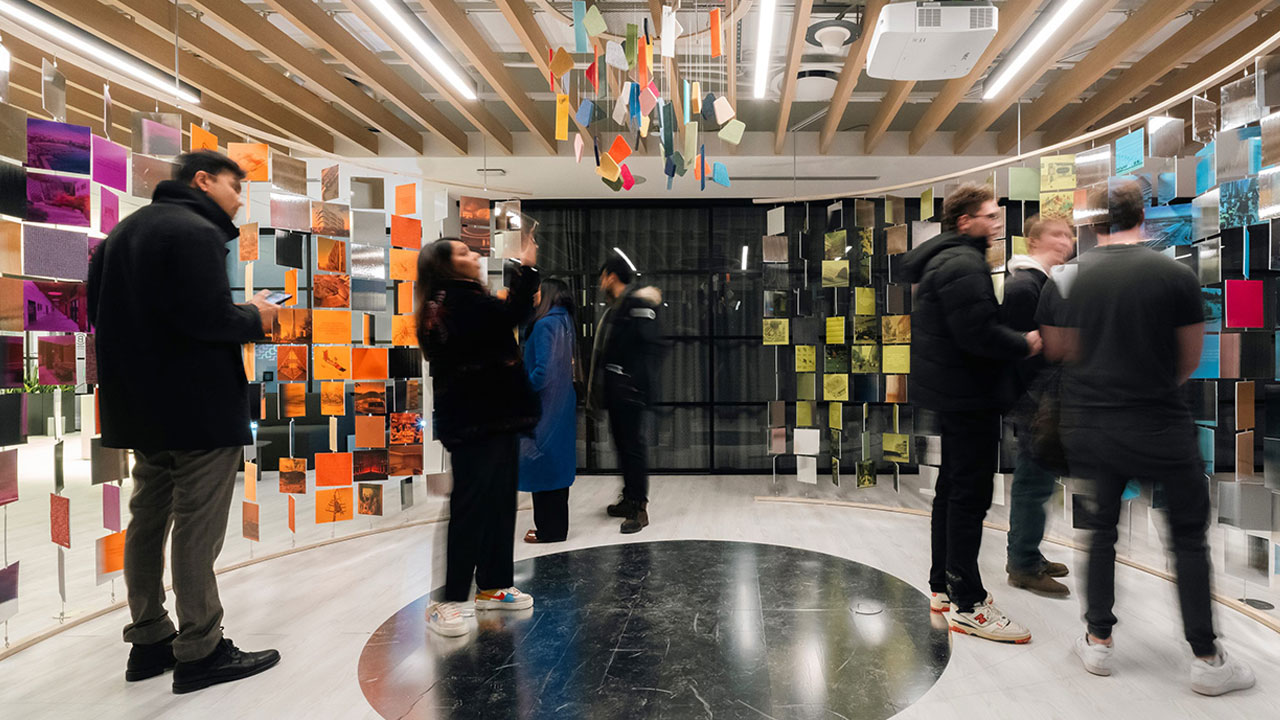
IDS Toronto is more of a trade show about commercial interior design and products, while DesignTO is a city-wide celebration of design, art, and architecture, featuring creative installations and community engagement. While many factors separate the two events, this year, one subject matter that was thoroughly discussed, exhibited, and talked about at both was activism embedded within design itself.
My colleague Vaishali and I headed out to explore a burning question: Does activism (whether for social, political, or environmental) hold any value in design? Most importantly, how do you communicate your values through your creations rather than resorting to protests on the streets or being a social media warrior?
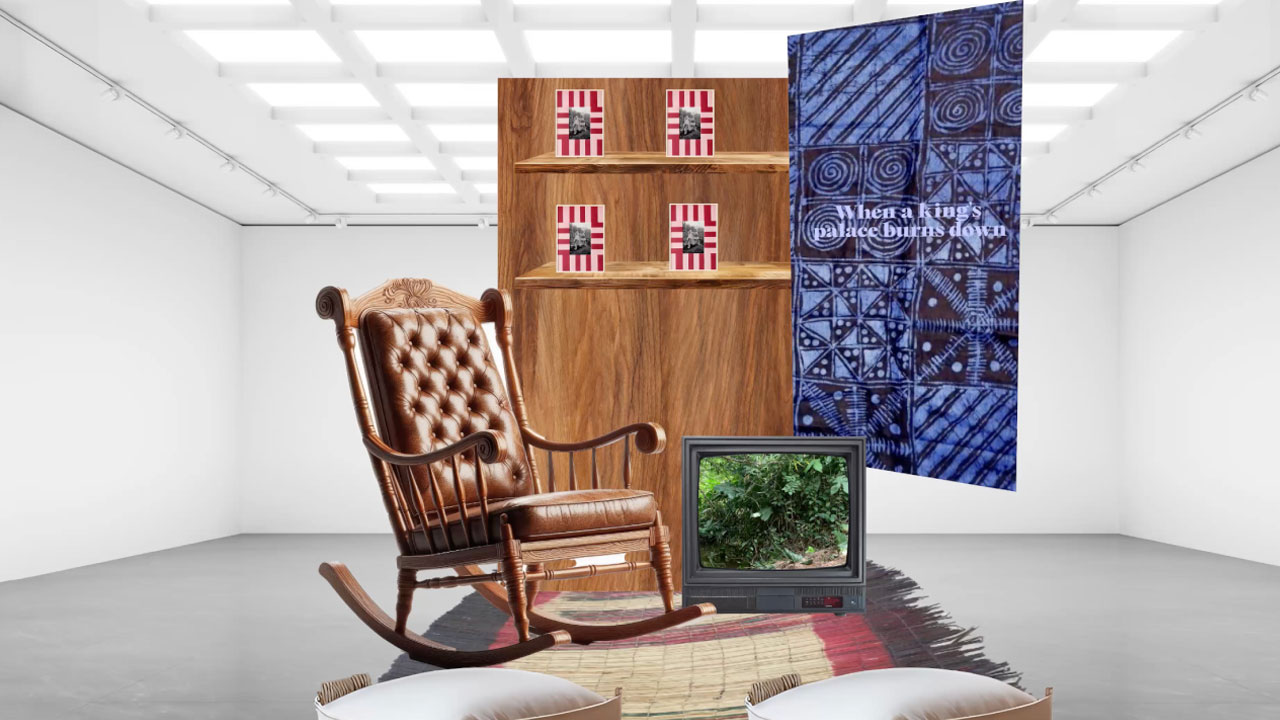
“It feels impossible to ignore what’s going on in the world,” says Rubiat Fusigboye, a Nigerian-born, Canada-based designer who is part of the ‘Story Story’ group exhibition featuring eight other emerging artists and designers from the annual DesignTO Youth program. “I would say this generation is more activist-minded, more so because when you consume media about all the bad things happening in the world, there’s no way it won’t show up in the art that you make.”
Her piece for DesignTO reflects this reality. “The creative I made acknowledges the sadness and hope of returning to a home you can’t reach for many reasons. When I think of it, I think of Nigeria and how I wish our country would improve, but I also think of several war-torn countries and all the people who are criticized for being refugees when what a lot of them want is just a chance to go home and be safe. I didn’t set out for it to be activist-minded; it just happened that way because that’s the reality we live in.”

What Rubiat says holds relevance in the times we live in. With war and calamities reshaping design philosophies and sustainability becoming a necessity at every fair, designers are increasingly engaging in climate and anti-war activism because their work is directly impacted by, and partially responsible for, global environmental degradation, pollution, and geopolitical conflict.
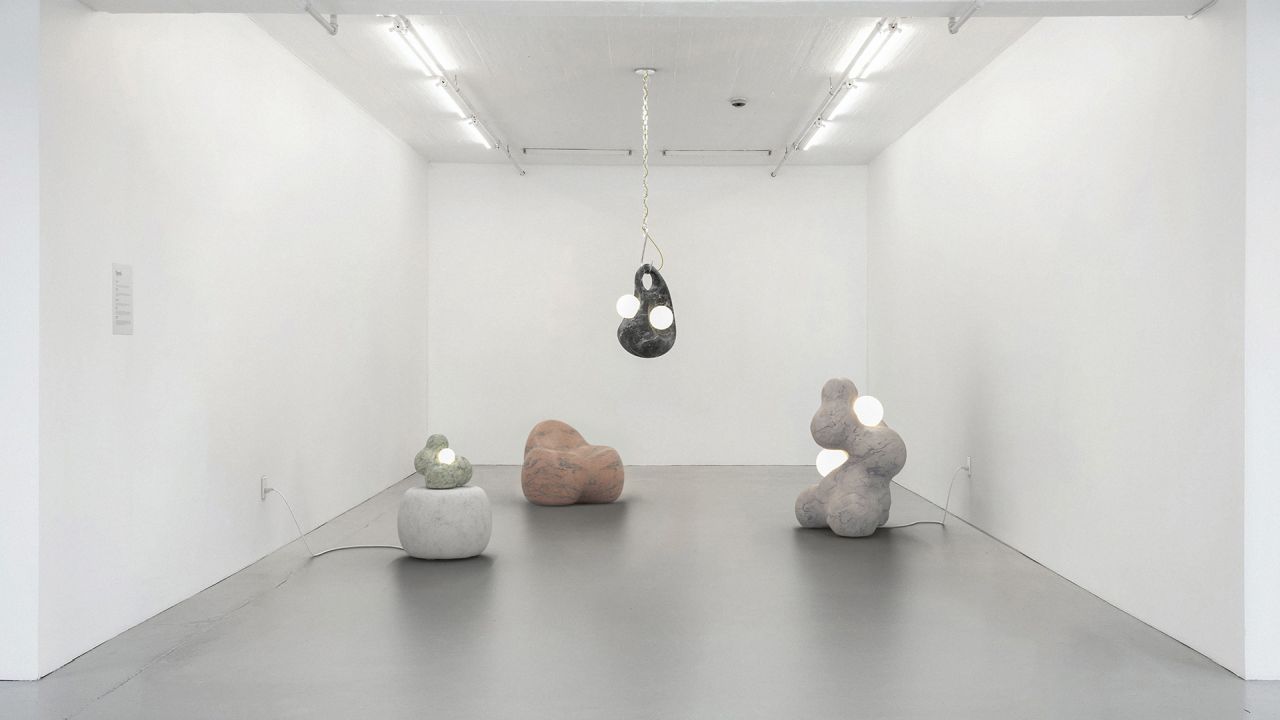
Alexandre Berthiaume, artist and designer, who is presenting the Tactil exhibition at DesignTO, tells us, “I merge cutting-edge 3D printing with the ancient art of scagliola. As an activist, I reject mass production in favor of slow design. Every piece is a deeply personal, hand-crafted legacy, built to endure for centuries and be cherished across generations. Artistry, soul, and permanence.”
Like Alexandre, many designers now view their role not just as creators of aesthetic products, but as flag bearers for social, political, and environmental change, aiming to spark action through design. But does a designer’s voice matter?
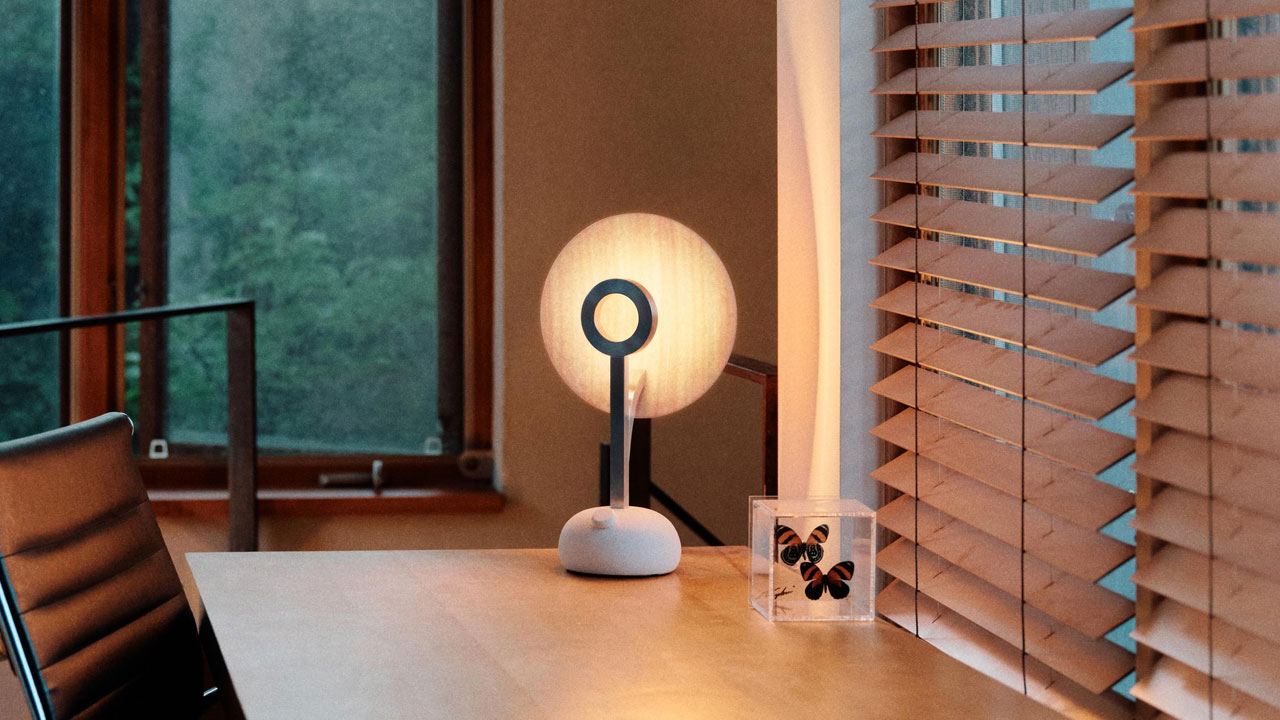
Nick Trudel, CEO of the JUBA, a Montreal-based design and lighting studio, believes, “I feel it does.” “Designers can shift culture and habits at scale,” he states. Nick’s creation for IDS Toronto speaks volumes about this philosophy. The brand is exhibiting the TL-1 table lamp at the event, which they describe as “built on subtly pairing lower-impact, plant-forward materials with high-impact aesthetics, without greenwashing.”
“I keep my production bubble intentionally small as a counterweight to globalization,” Nick explains. “My studio is within walking distance from home, and many suppliers are nearby. Local choices add up,” he adds.
This philosophy of understated activism extends throughout the exhibitions. Le Tenon and la Mortaise, designers and cabinetmakers based in St-Andre de Kamouraska, exhibited the AUBE Side Table at IDS Toronto. The creation not only showcases their design prowess but also reveals an activist philosophy, which is subtle rather than blunt. “As a small-scale business, we are committed to being a zero-waste, short-circuit, and low-VOC emission workshop. We feel this responsibility strongly, but our approach is more subtle,” the duo states.

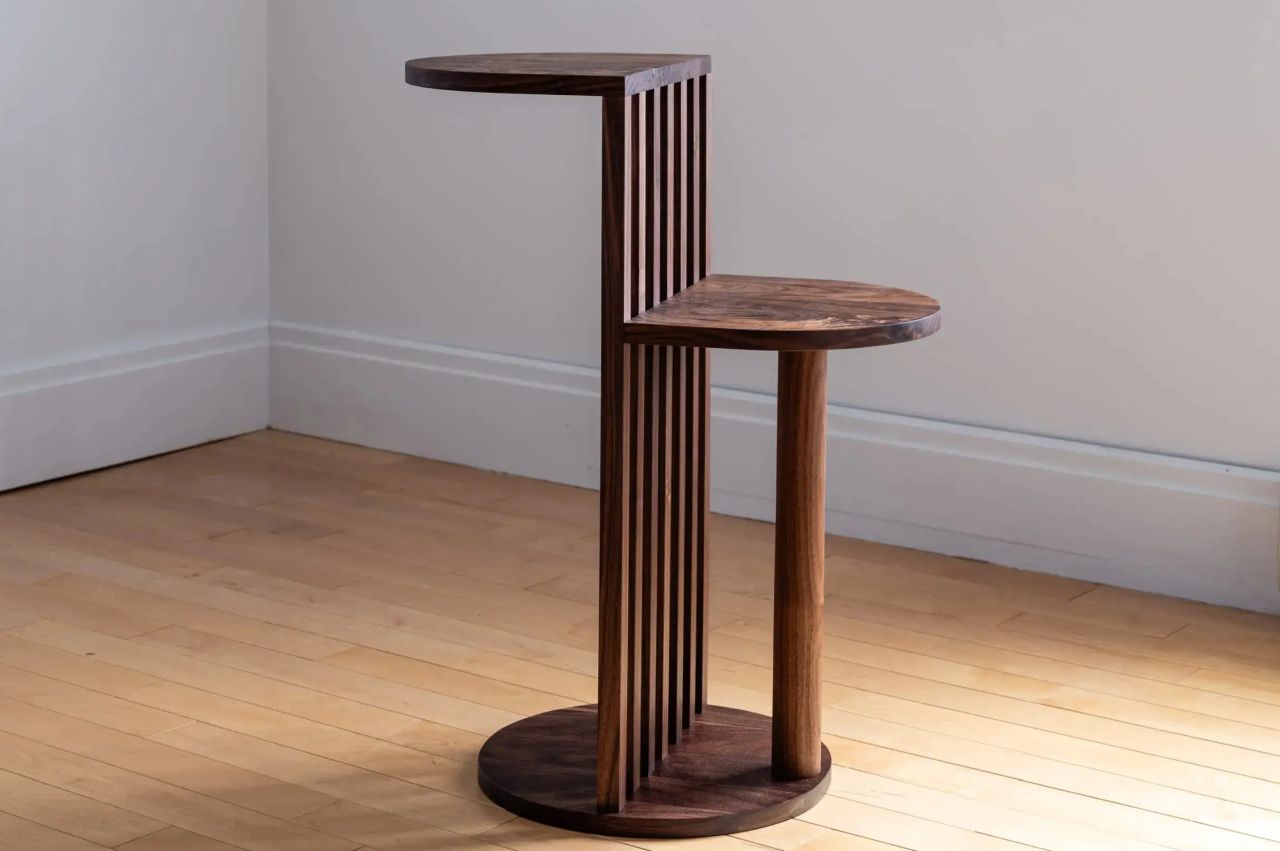
Similar to designers at Maison&Objet working on themes of metamorphosis and mutation, the studio focuses on producing durable pieces that last through generations. “Our focus is on creating durable, adaptable, and versatile pieces intended to be cherished and kept for many years.”
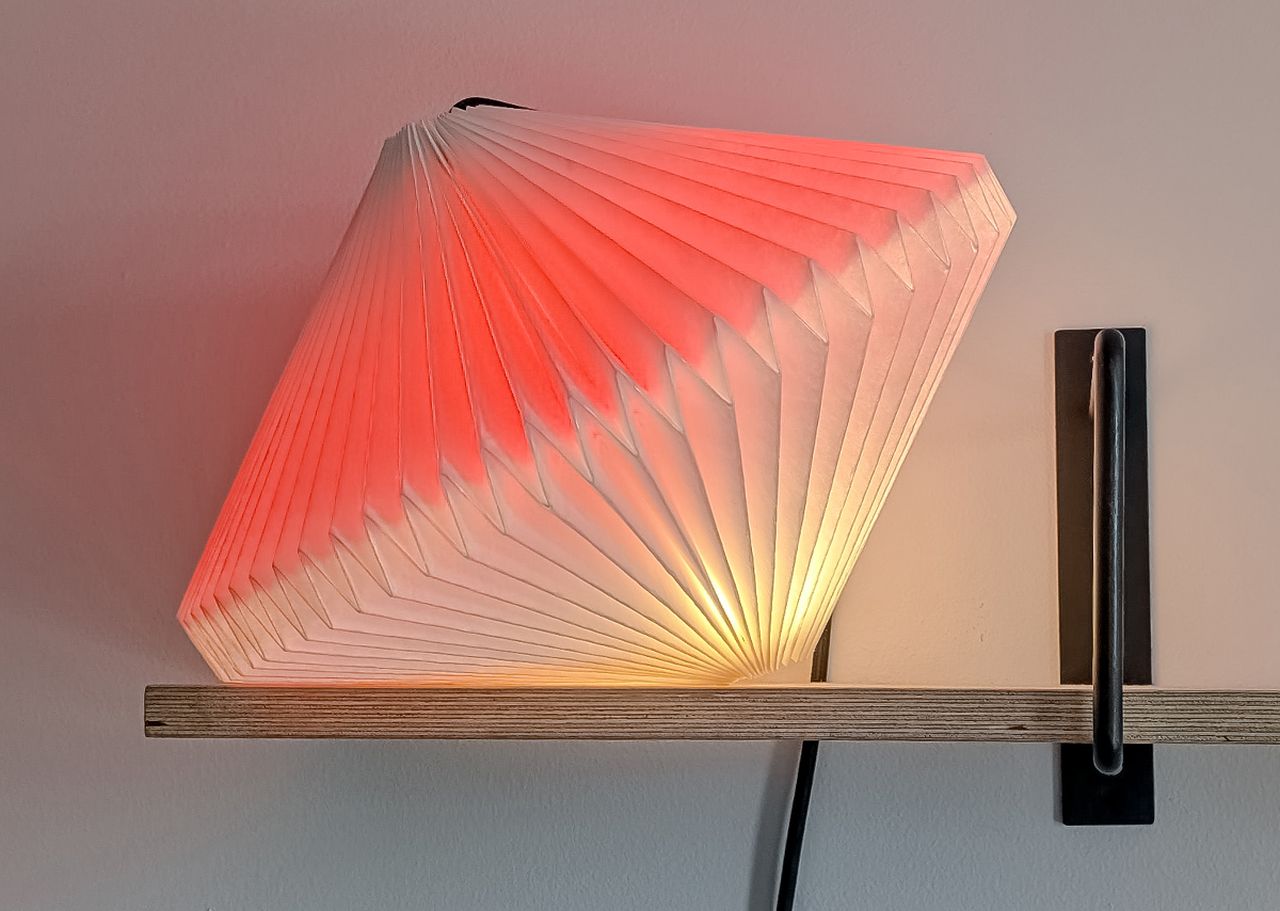
This sentiment resonates across the Canadian design community. Lucie Leroux, designer at Laboratoire Textile, exhibiting a brand-new collection of light fixtures at IDS Toronto, tells us, “I’m not sure that today’s designers are more activist than our predecessors were, but social media greatly facilitates the diffusion and sharing of ideas. I think that the simple act of creating independently, at a slower pace than overproduction, is a statement in itself, an act of resistance against a sick system.”

OBJ Studio, exhibiting a series of vases at ISD Toronto, backs that perspective. The studio’s media representative, Aikshah, tells us, “Many designers today feel a real responsibility to think beyond form and toward long-term impact. For us, this shows in our use of plant-based materials and digital production to support more thoughtful use of resources, while creating objects that feel calm, timeless, and meant for lasting use rather than quick consumption.”

It’s quite clear that design evolves in response to societal shifts, mirroring struggles, aspirations, and technological progress, making it a continuous reflection of human history and global transformations. What emerged from both IDS Toronto and DesignTO is clear. Activism in design is not about loud proclamations or performative gestures. It’s embedded in material choices, production methods, and the very philosophy of creating objects meant to last.