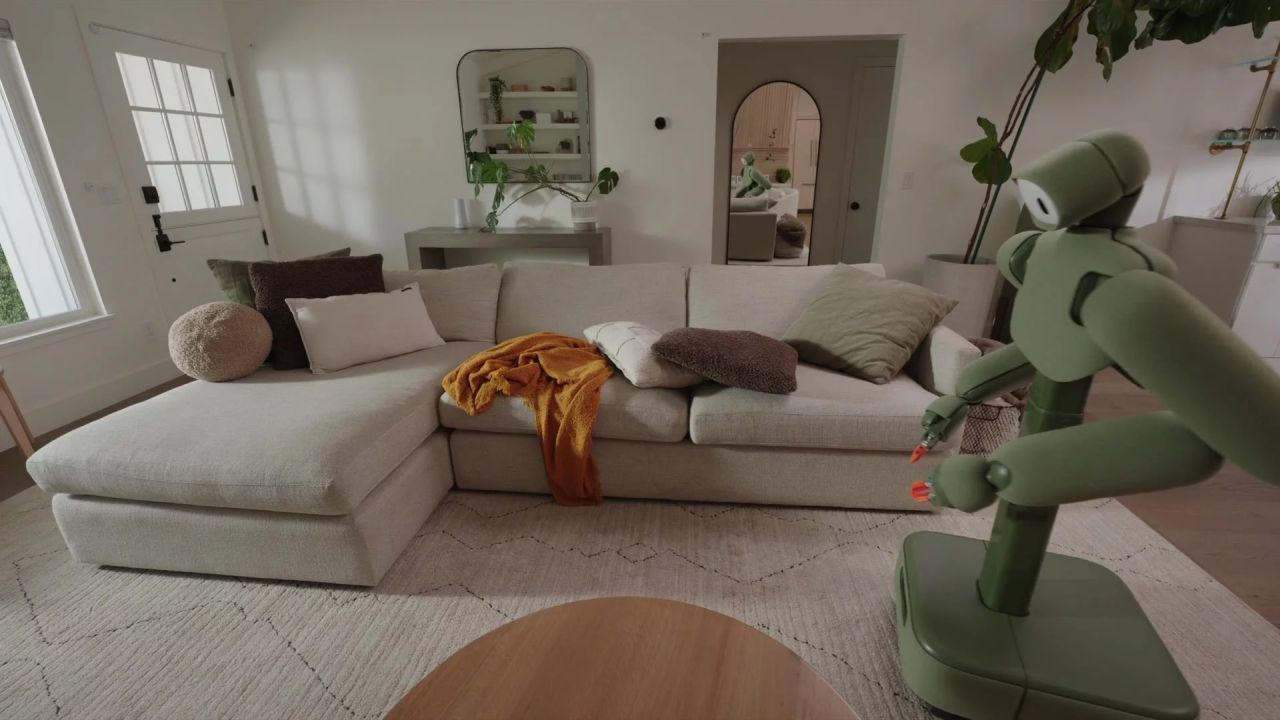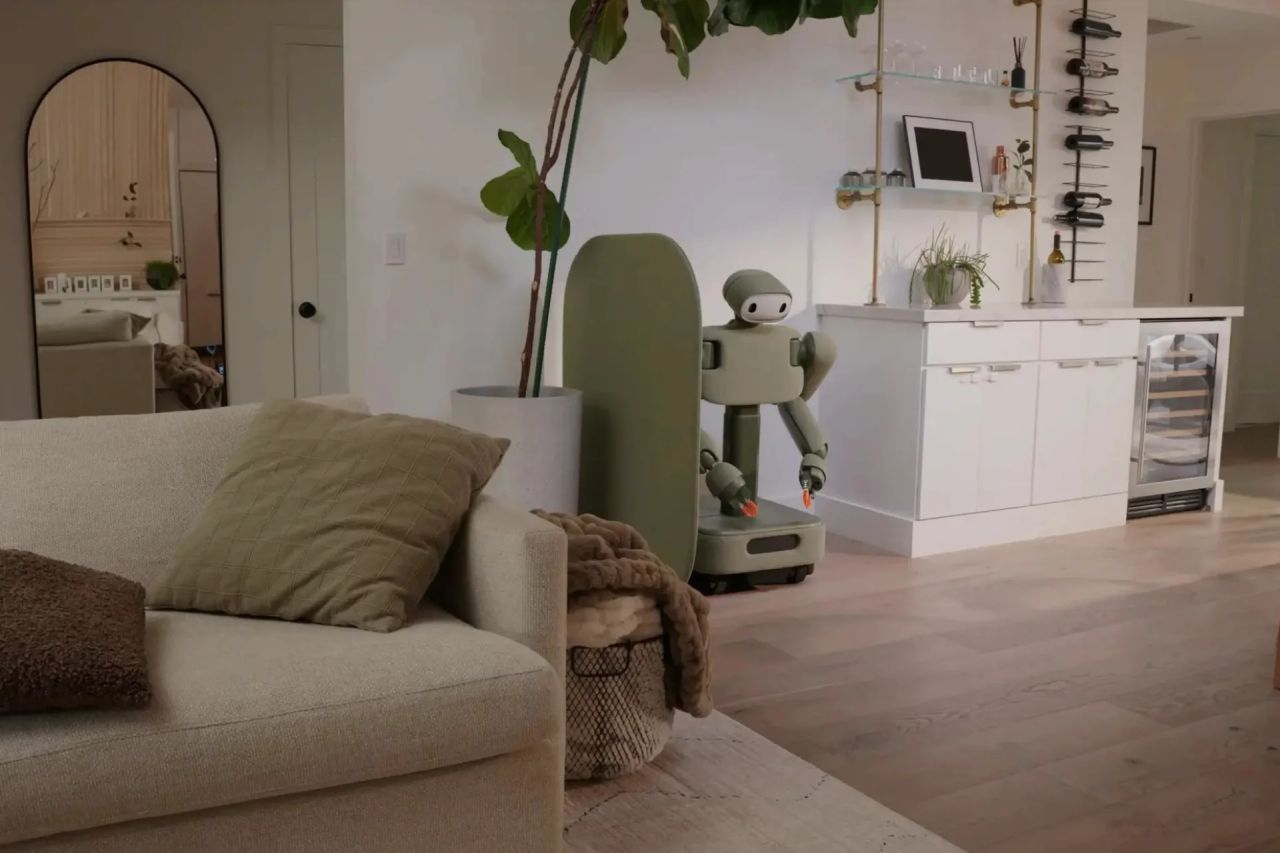
Humanoids are no strangers to mankind. We have been hearing about them for ages and covering the half-baked prototypes for decades. But this year in particular, we have seen major progression in humanoid technology, so much so that big conglomerates like Dyson and LG are also joining the bandwagon. One robot in particular that is garnering plenty of traction recently is the Isaac 1 home robot by Weave Robotics.
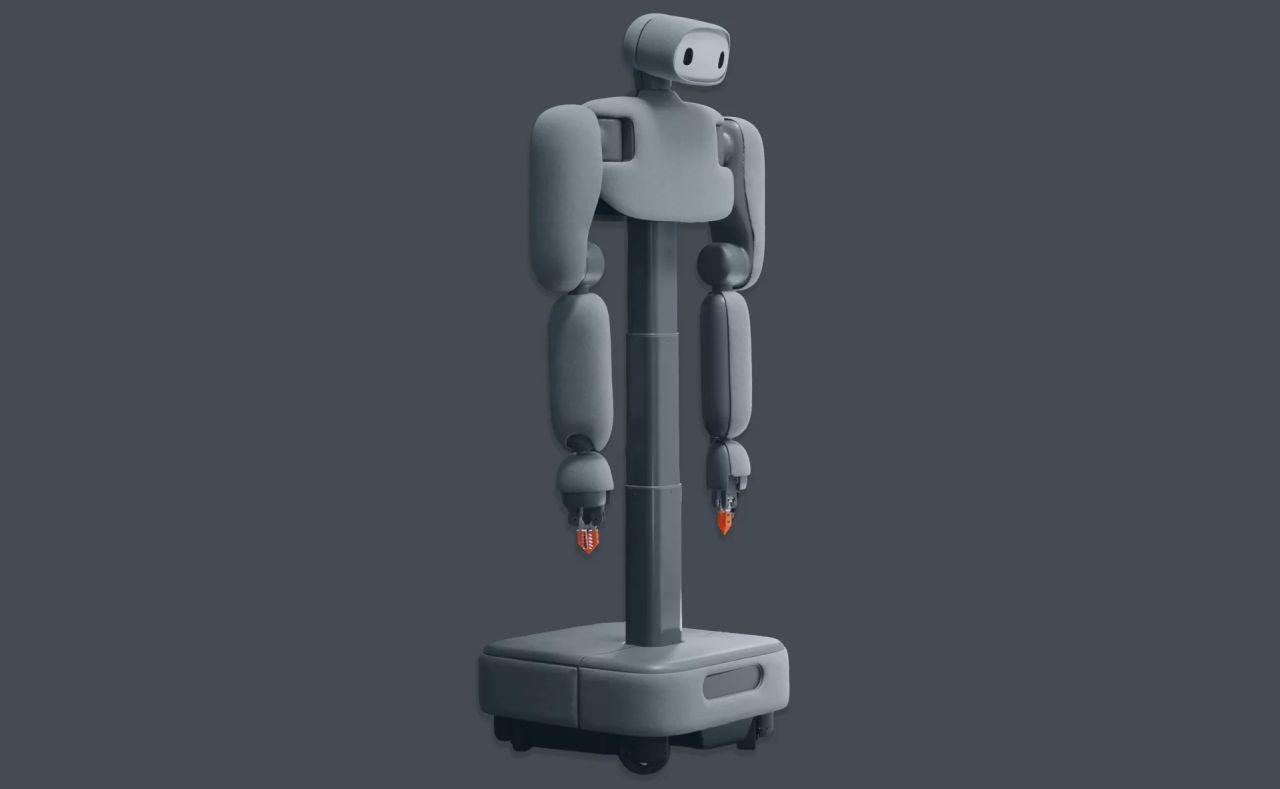
Priced at $8,000, the Isaac 1 home robot doesn’t boast a typical humanoid design like Astribot or Shiguang S1. It, however, operates on the same principle as SwitchBot’s Onero H1 AI household robot, with a wheeled base and sensors. Weave Robotics describes it as a “mobile robot designed from the ground up for the home”, and that’s a fair way to put it.
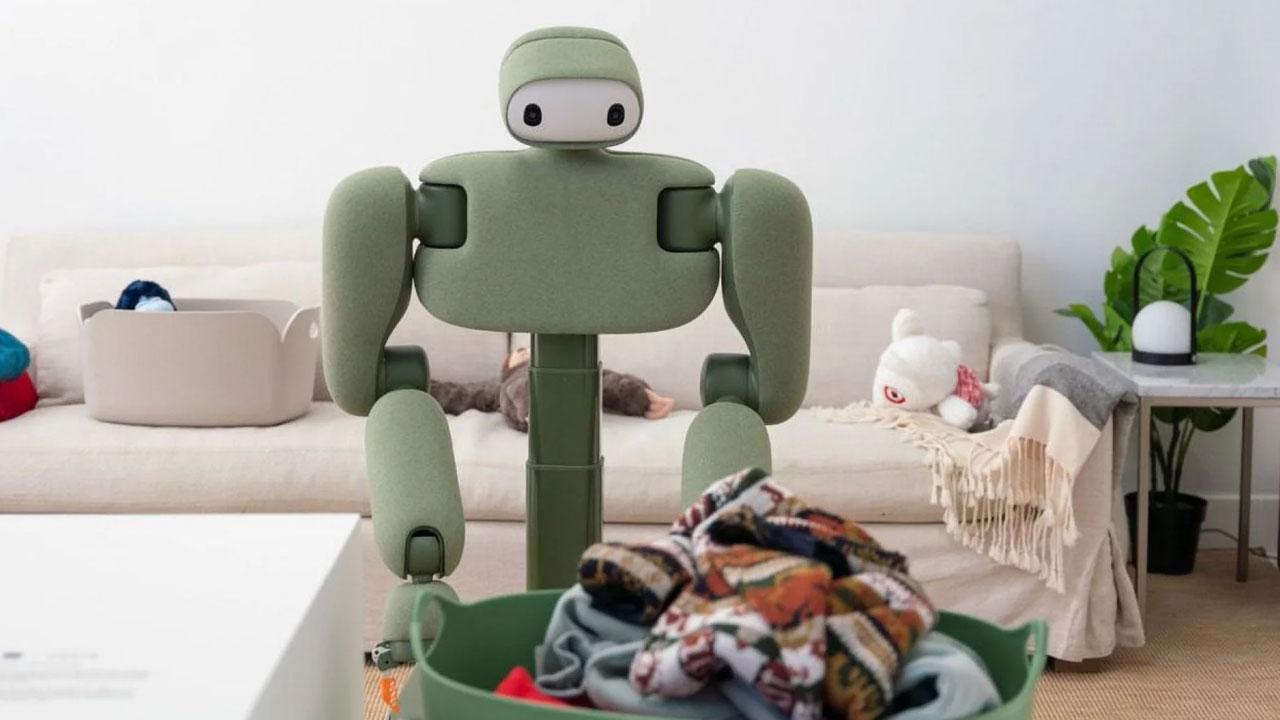
From a design standpoint, Isaac 1 skips legs altogether and gets around on a base with wheels instead. It also replaces fingers with a pair of claws for gripping. Per the details on the company’s website, the robot can fold clothes, track down stray laundry, empty hampers, make beds, and return pillows, blankets, and kids or pets toys to their proper spots. This is possible thanks to onboard cameras that, when paired with AI-driven perception, help spot objects, map out room layouts, and figure out where misplaced items actually belong.

“You control Isaac 1 through its accompanying smartphone companion application. You can request a task to be completed on-demand or at a scheduled time, whether you’re at home or away,” Weave Robotics states. There’s also a hardware switch that lets you physically cut power to Isaac 1’s cameras, which matters given how much of its autonomy depends on what it can see.
The part that stood out to us the most is the torso. Isaac 1, a home robot, features a collapsible torso, implying it can extend to human height when needed or collapse when it’s not working. It extends from roughly 3 feet to 5 feet 9 inches, letting the robot reach a top shelf or lean over a bed without ever needing legs to crouch or stretch. To put that into context, Isaac 1 has an 80-inch vertical reach (6.6 feet) and a 38-inch horizontal reach (3.3 feet), which is enough range for it to make beds, fold clothes, tidy up clutter, and put things back where they belong.
On r/robotics, people are already picking the launch apart, some fixating on the price, others questioning if claws can really match a humanoid hand at something as fiddly as folding a fitted sheet. Several Redditors flagged the heavy editing in the promo video, with cutecat32121 writing that they’d never seen a robot demo with this many cuts, joking that the bot might not be capable of much at all since the footage barely shows it doing anything beyond fixing a pillow. Others were more forgiving, like lovely-donley, who admitted the slow pace didn’t bother them since the robot looked endearing enough to want one, though teleoperation remained a dealbreaker.
The company isn’t shying away from any of those comments and clearly mentions, “Isaac 1 is autonomous for laundry flow and daily reset by default, with teleoperation assistance when needed to guarantee we complete tasks.” That said, the robot runs autonomously for most tasks, but when something’s outside its ability, a remote human operator can step in to help. It’s the same fallback a lot of home robots are quietly leaning on right now, because getting a robot to fully handle the chaos of a lived-in home without any help is still something no one has cracked.
Also Read: Decrypting Musk’s Bet on Tesla Humanoid Robot
Deliveries are set to begin this fall in California, then roll out across the rest of the US through 2027. Reserving one takes a refundable $250 deposit. It’s still early, and Isaac 1 will have to prove those claws can keep up day after day, not just in a demo. The robot is available for preorder in five color options: sage, gray, slate, blue, terracotta, and vesper.