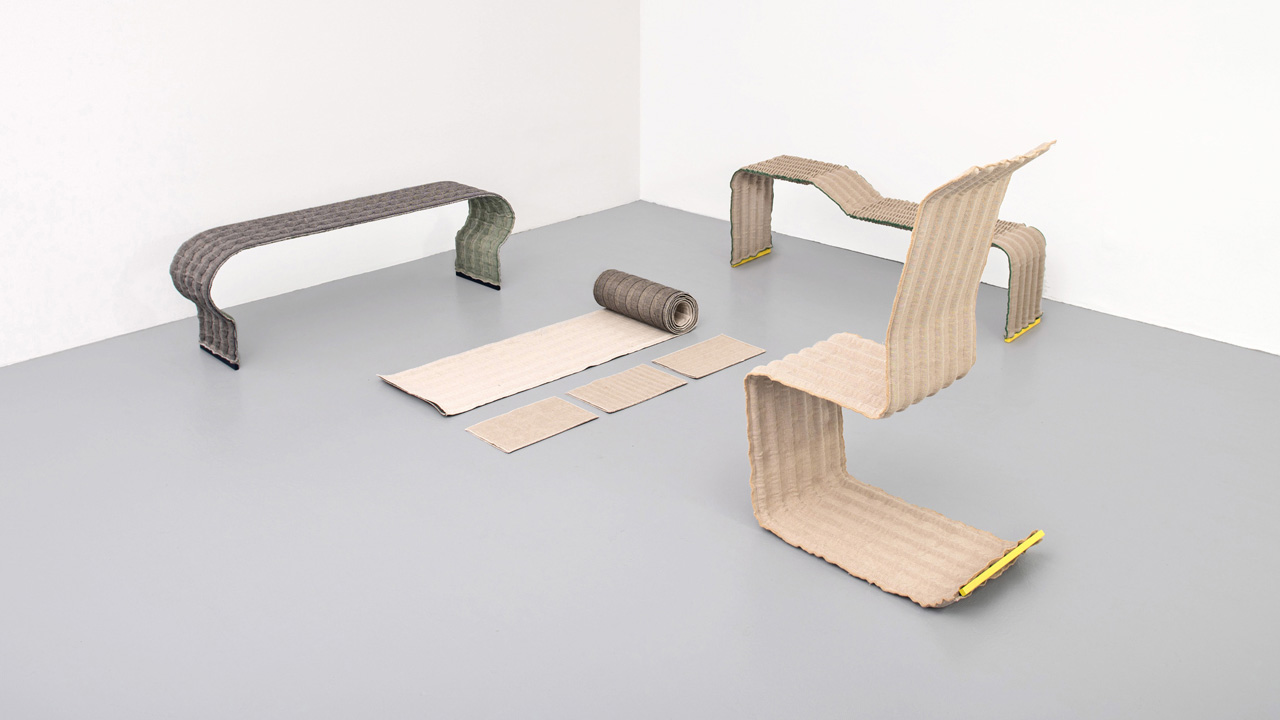
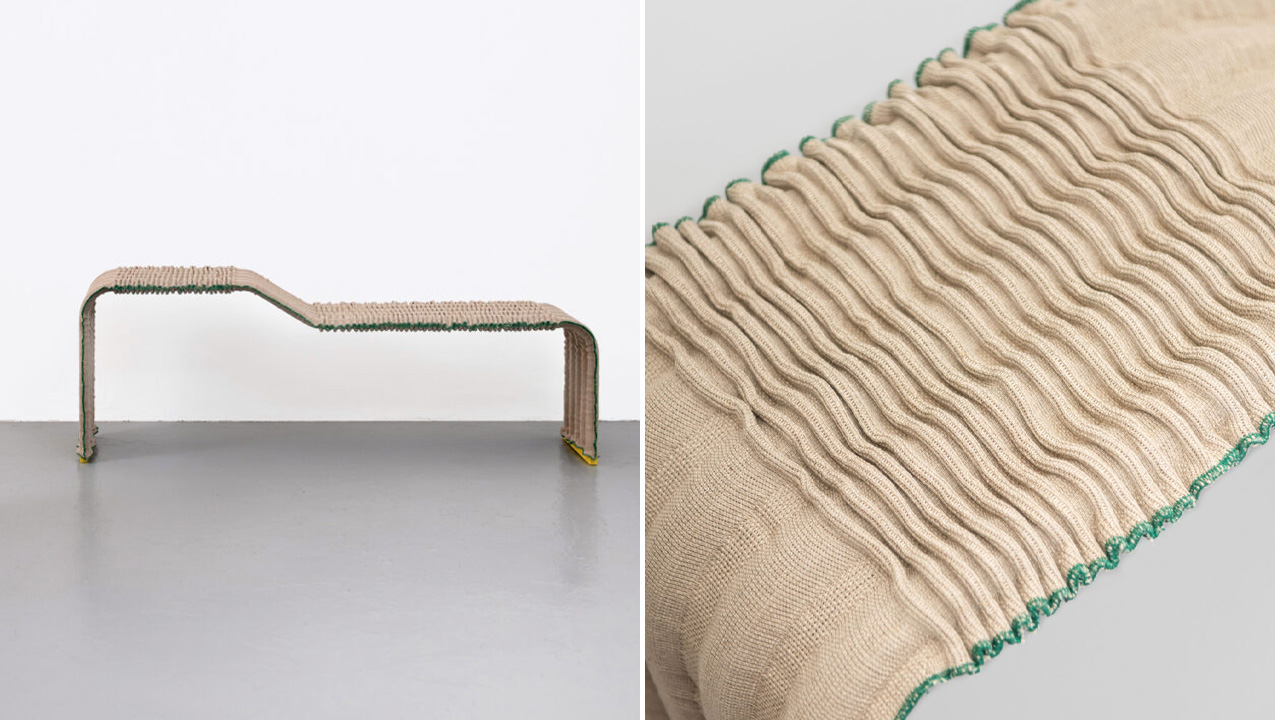
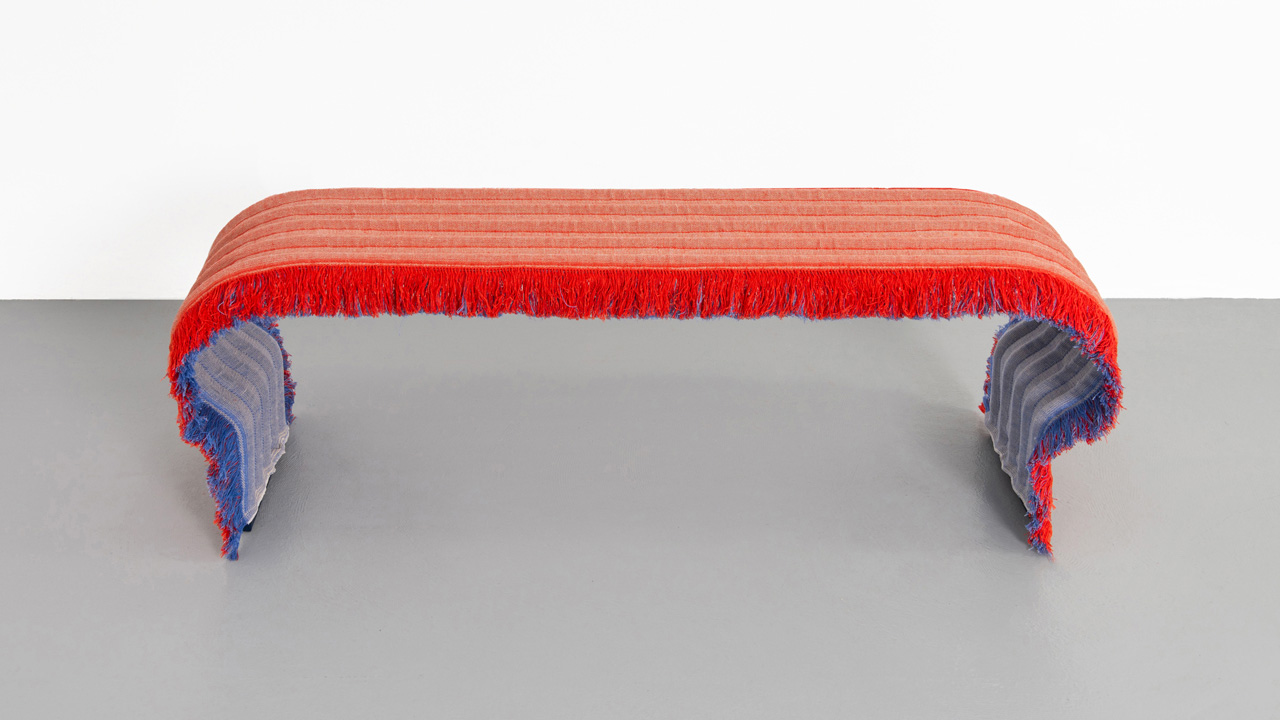
There are multiple examples where fabric has stood out as a functional design material. You may remember how a team of researchers from Carnegie Mellon University sewed fabric and acrylic panels into flat-pack furniture, or Fritz Hansen, who created elegant stools using upcycled fabric waste. Another great example comes from Germany, where Studio Jonathan Radetz, in collaboration with Fraunhofer WKI, has created unique seating furniture made from a steel substructure and a cover made of flax fibers. The idea is to create furniture that is easy to disassemble, adapt, and transport while also being highly recyclable at the end of life.
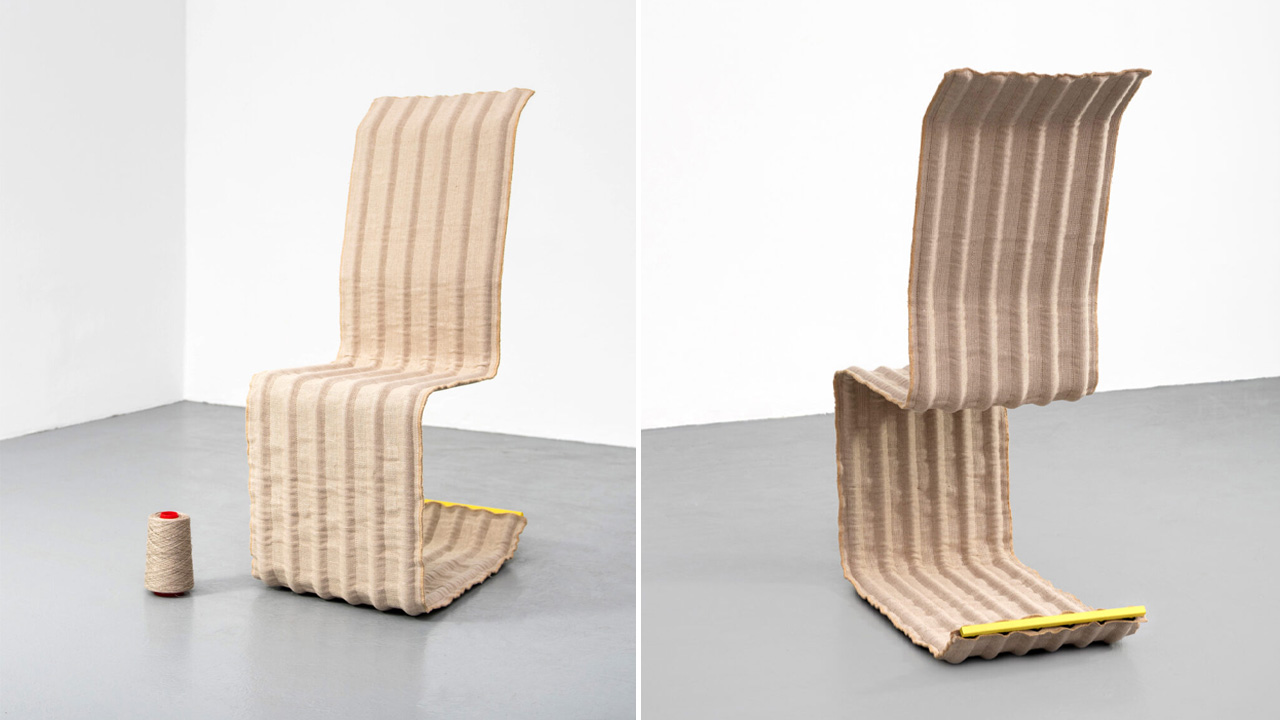
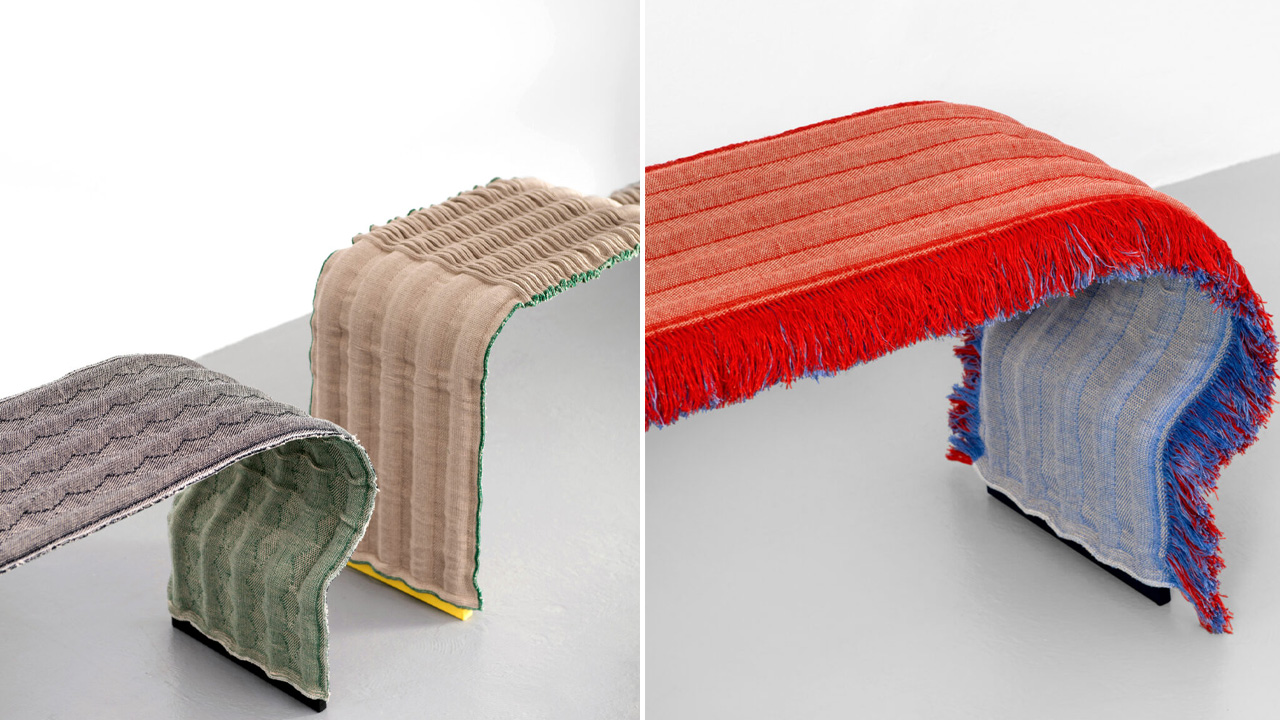
The maker has used only two primary materials to create self-supporting structures without the need for glue or nails, while non-destructive disassembly ensures its afterlife use. Each LinumTube furniture piece utilizes a steel frame and a cover made from open flax multi-layer fabric. The four-layer fabric, developed at the Fraunhofer Institute for Wood Research (WKI), features integrated duct structures for steel tubes.
As the steel tubes are put into fabric, it instantly becomes a functional furniture piece. Flax is chosen for being more durable and less elastic than cotton; however, it is important to note how effectively it supports body weight and posture. Comfort is an important factor, but we doubt the steel tubes can be a hindrance to it.
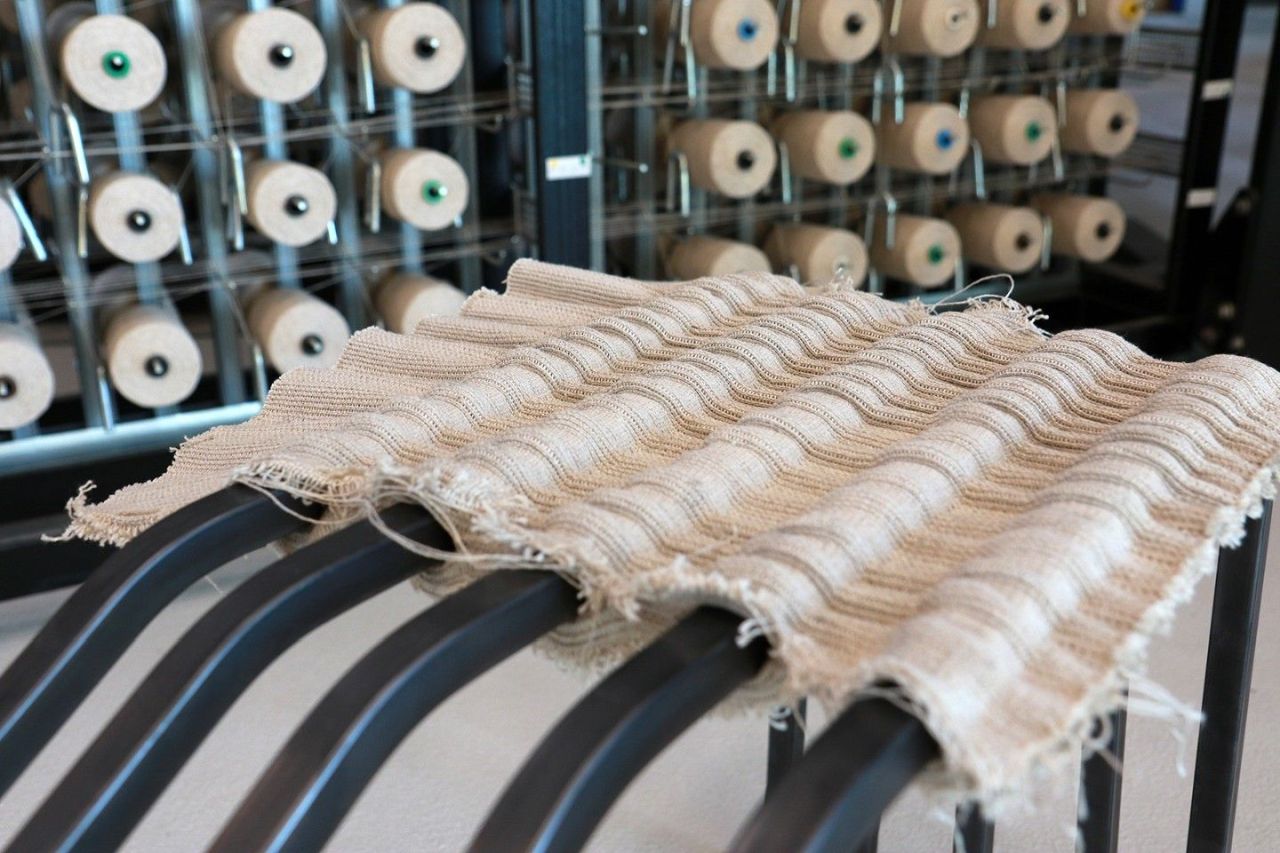
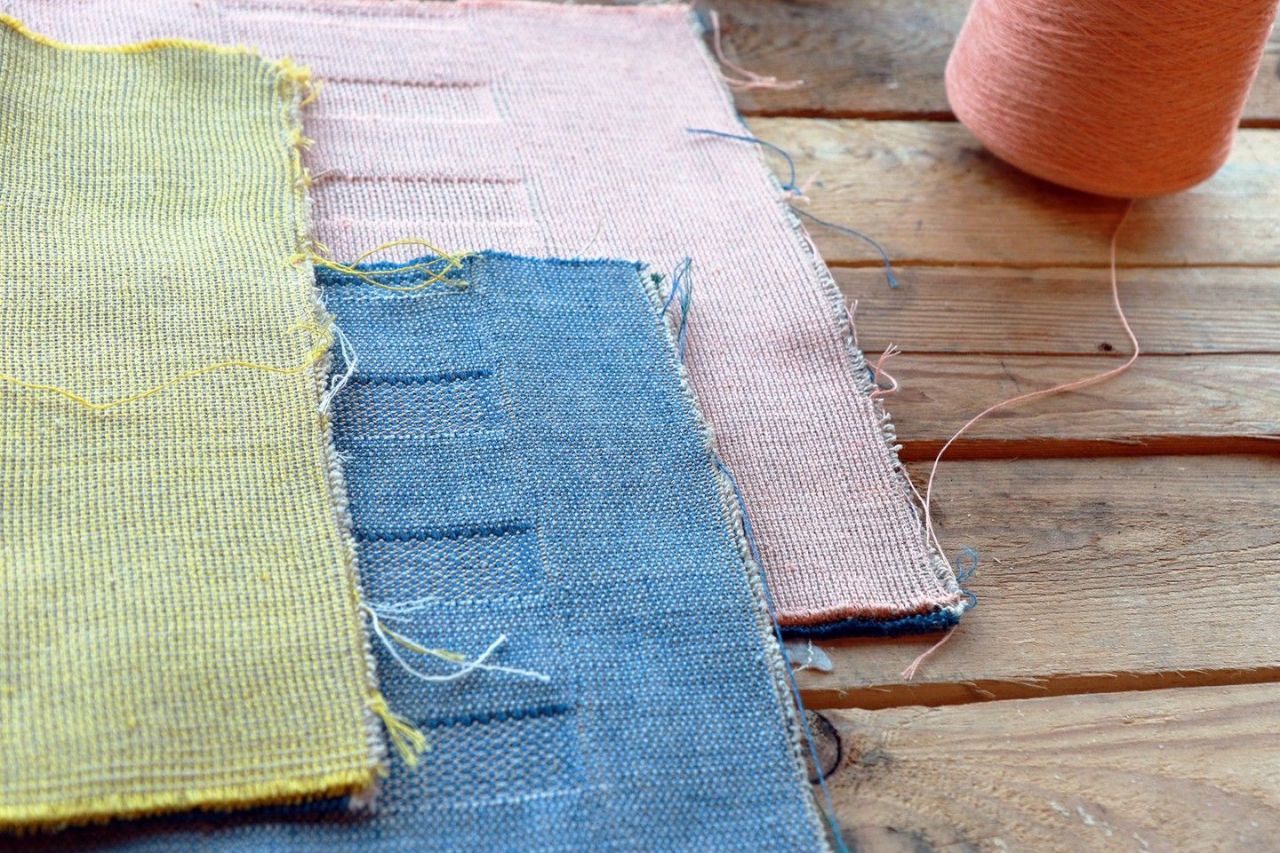
The covers are made using a double-rapier weaving machine at Fraunhofer WKI. The fabric comes out in one piece and does not need to be sewn together or cut into shape. The only requirement is to finish the edges. The prototypes utilize different types of fabric covers in multi-colored and natural hues.
Also Read: Ergonomic Silas Chair With All-Wood Mechanics Blows Technical Office Furniture Out of the Water
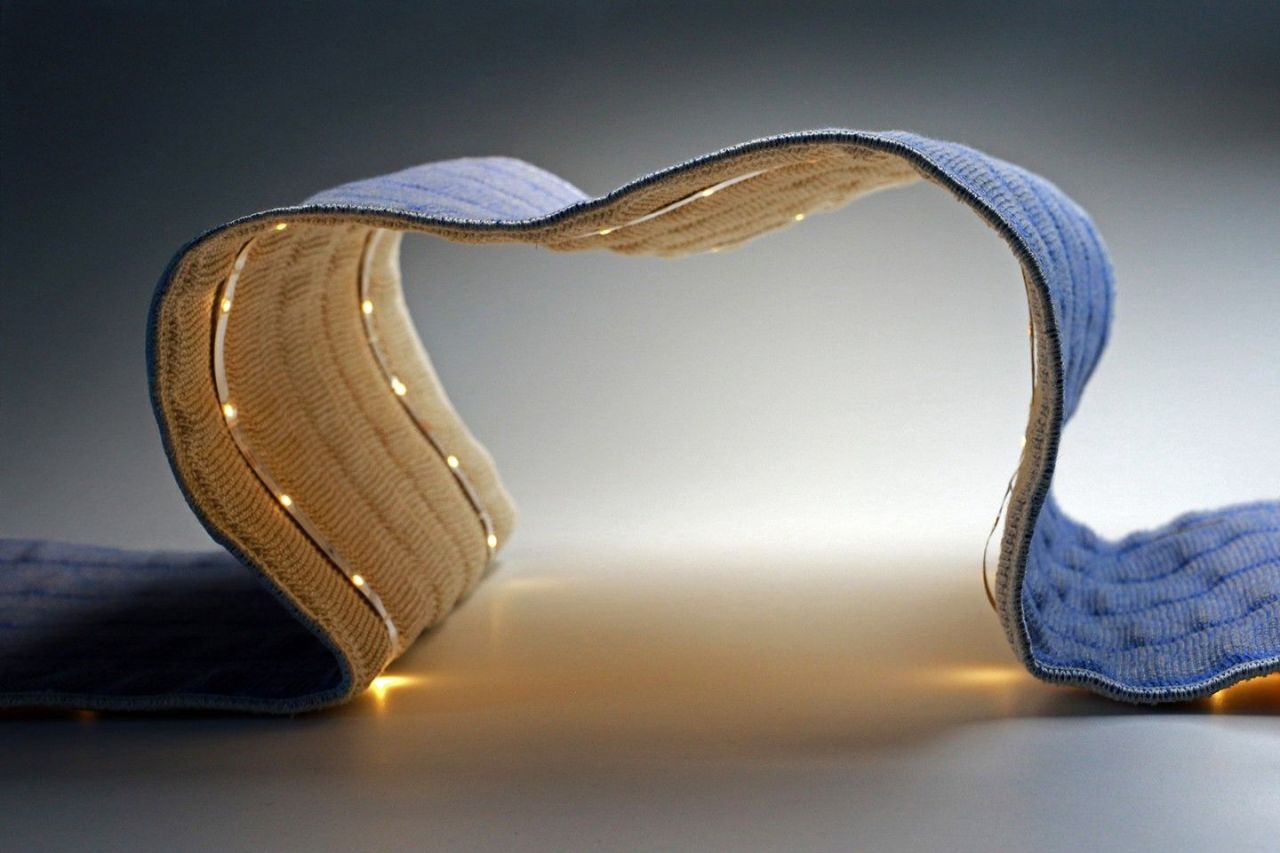
The team had chosen the fabric’s structure and layout carefully so the furniture piece could be easily assembled and disassembled. They have also included special features to attach removable LED light strips to the design. Apart from its design importance, the LinumTube seating furniture allows the components to be removed for reparability or recycling after its life.
The concept of turning textiles into furniture seems very interesting, and the approach of circular design makes it even more interesting for modern times. The project combines two different industries, so waste from one can be useful to the other, signaling an even better responsible design approach.
The LinumTube furniture project received funding from the German Federal Ministry of Research, Technology, and Space (BMFTR) and has been displayed at many design events, including the 2025 Dutch Design Week.


Via: New Atlas