In the war-torn world, propelled by unmanned aerial vehicles piercing humanity like a trace of a bullet, and artificial intelligence blurring the lines of reality in art and design, do we still know what it means to be human? Nairobi Design Week, in its 11th edition, with the theme “Let’s Be Human,” reminds us that we do, but with a grain of salt.
The festival, attended by creators from Kenya and around the world, is running from 7–15 March 2026. It asks a simple question: What does it mean to be human? We already know that, but the real question, perhaps, is whether we remember to “celebrate it.”
The Kenyan capital this week is not celebrating designers with flawless objects or futuristic technologies headed our way. The theme is unpretentious: Design is for humans, and it inspires the community for a collective good. So, the energies around the exhibition venues are aligned with collaboration, collective storytelling, and empathy flowing through the small imperfections that happen every day.
The festivities are spread across four locations in the capital: Alliance Française, Diba Studios, Visit Ngara, and the Goethe-Institut Nairobi. Together, they form an untethered unification of talks, exhibits, and workshops exploring connection through sustainable thinking and human-focused design.
Design that is ultimately about people! People who make it. About the stories and materials that weave it. And about the imperfections and common experiences that connect us, irrespective of our perceptions and differences. The week-long celebration reminds us to step back, slow down, and honour the people who bring design to life, and appreciate the nuances of material and thought that often go unnoticed in the final product.
“Humans still exist, we’re here, all around each other. Sometimes it’s easy to get caught up and forget that design is about people first,” says Adrian Jankowiak, founder and director of Nairobi Design Week. “Let’s explore how it brings our humanity to the forefront,” he adds.
Across the various programmes, humanity appears in many forms. It appears in opening up to social stigma, weaving a human thread in community craft, interacting with playful installations, and sharing love for creating human experiences that shape design and open new possibilities for it beyond Nairobi.
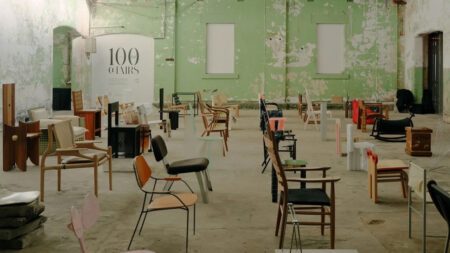
At the Alliance Française, Provisional Architectures, a Zamatra Atelier installation inspired by the bustling marketplaces of Nairobi shares space with Open Cycle, and the powerful exhibition titled The Weight of the Cycle by Her Flow Lab.

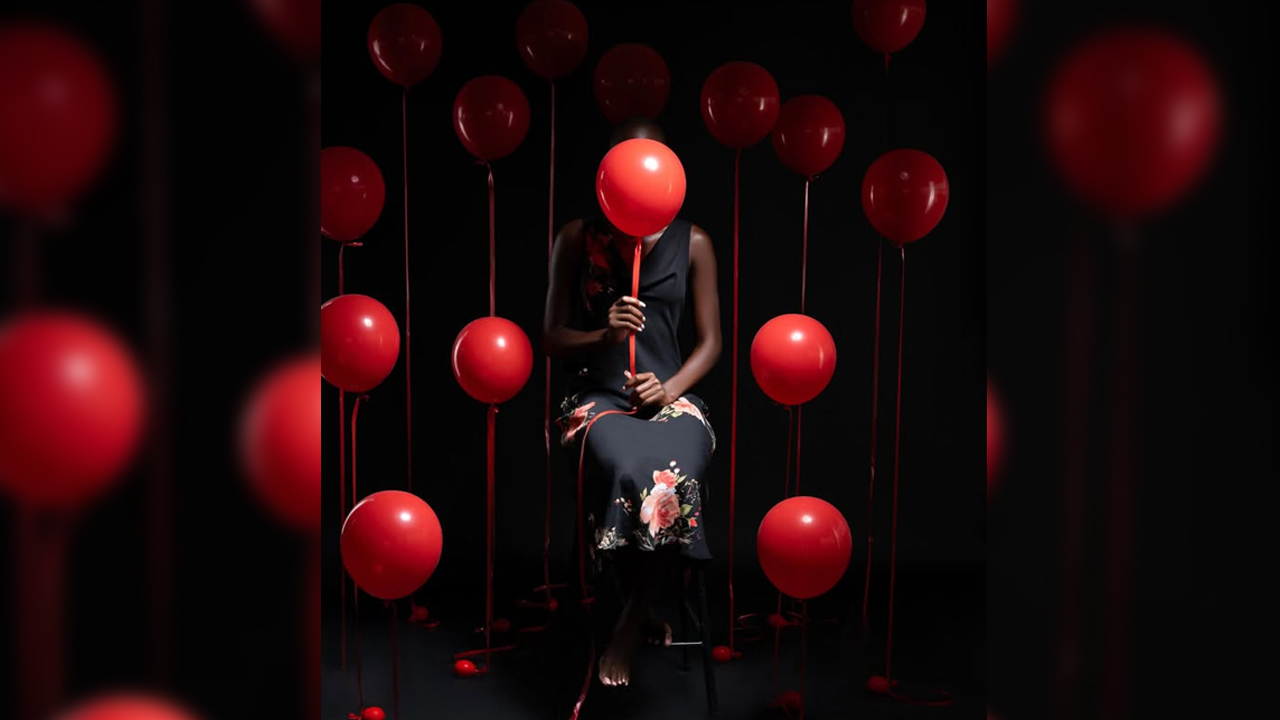
While Open Cycle interactive thought exhibition makes important ‘conversation around menstrual health and breaking stigma because every girl deserves dignity every month,’ The Weight of the Cycle carries the crimson truth of the real burden, which doesn’t reside in the blood, but the shame and societal silence around periods. The exhibitions demand us to “be human enough to acknowledge that weight” and “be brave enough to change it.”
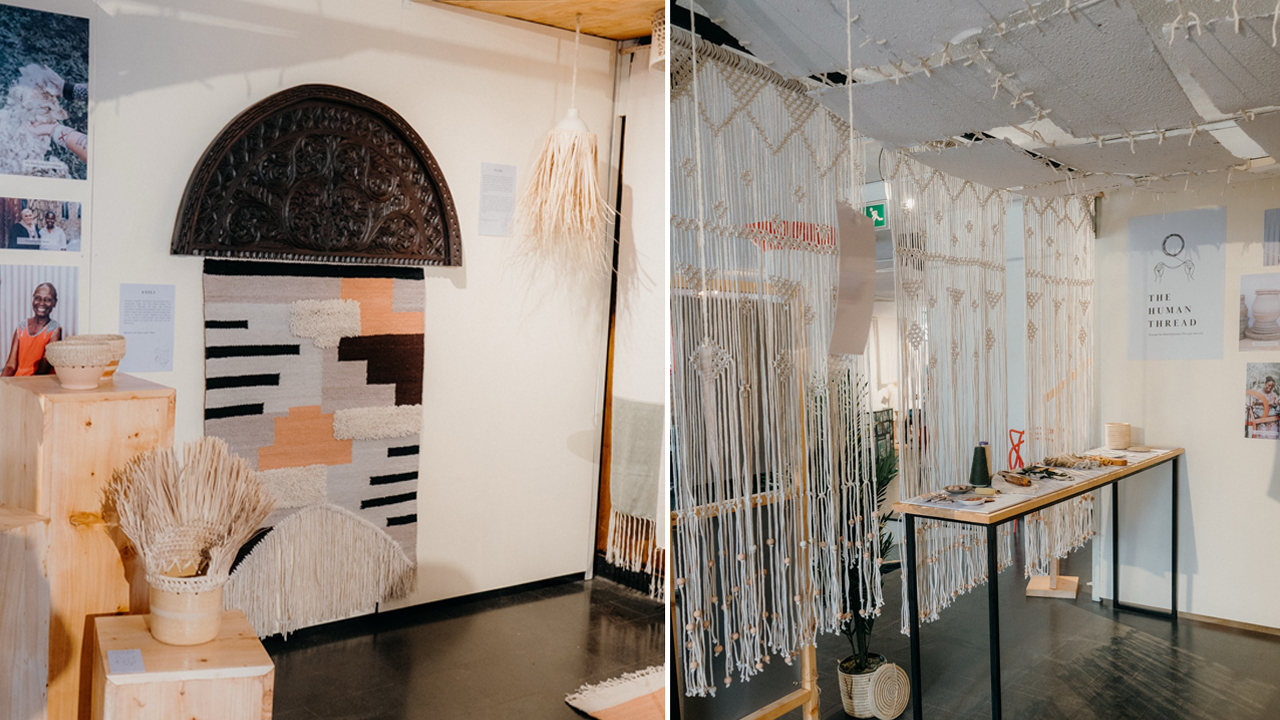
Nearby, the Human Thread exhibition is an amalgamation of stories embedded in handmade objects. Here, in woven wool, printed patterns, and shaped clay, the connections between “people, materials, and tradition” come clear. While WomenCraft from Tanzania exhibits Ujamaa: handwoven lights and seating, inspired by the ‘mafiga matatu’ (three stones used to support cooking pots in many East African homes), to create a form and installation space for the community to meet.
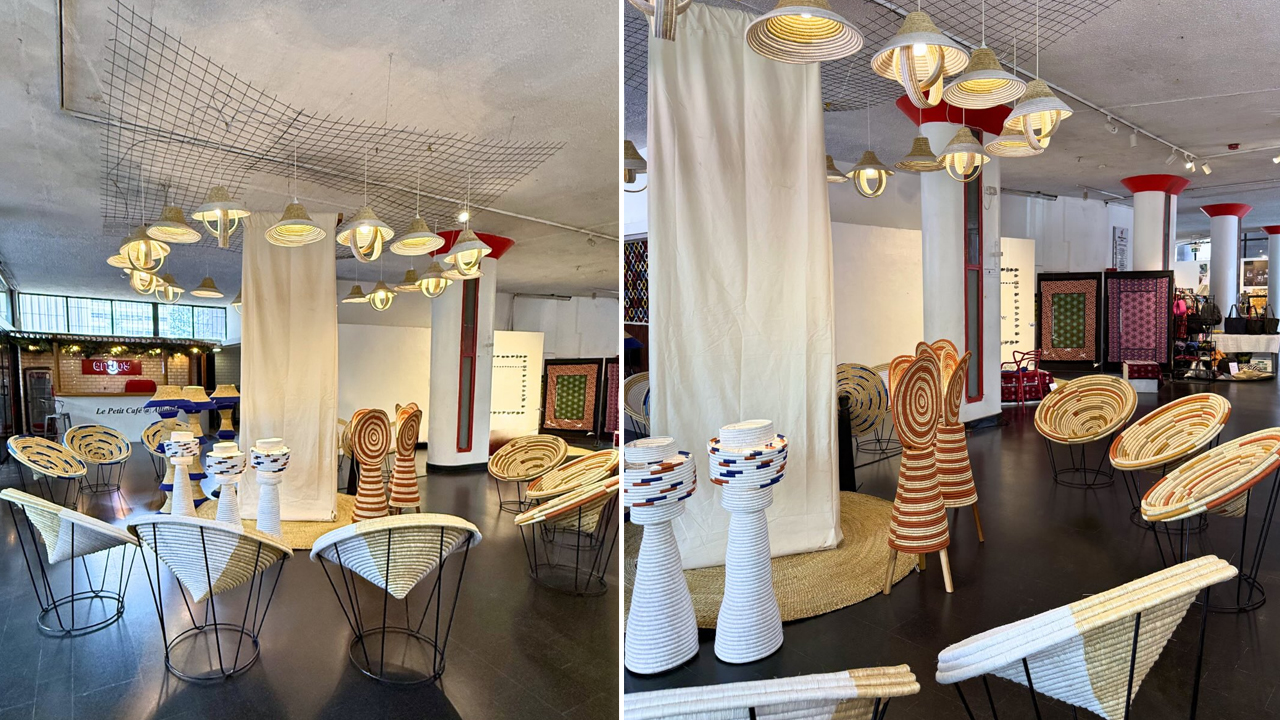
A short distance away, at the Diba Studios, the Glass Mosaic Workshop presents hands-on creative session permitting participants to design their own artwork. A little further ahead, step into Handheld by Humans, an installation exploring the human journey of textiles with live weaving sessions. Just sit yourself at the loom and weave with intention using materials recovered by the Africa Collect Textiles from the decluttered closets in Nairobi.
At Shah Houses, Ngara, Paulaangar has turned the exhibition Touch With Your Eyes into a community artwork. Visitors at the exhibition are invited to a scavenger hunt. If you complete the hunt, you get contributing materials, like push pins, discarded objects, scraps of fabric, to work with on a growing installation, which will have inputs from the collaboration to show at the end of the week-long festivity.
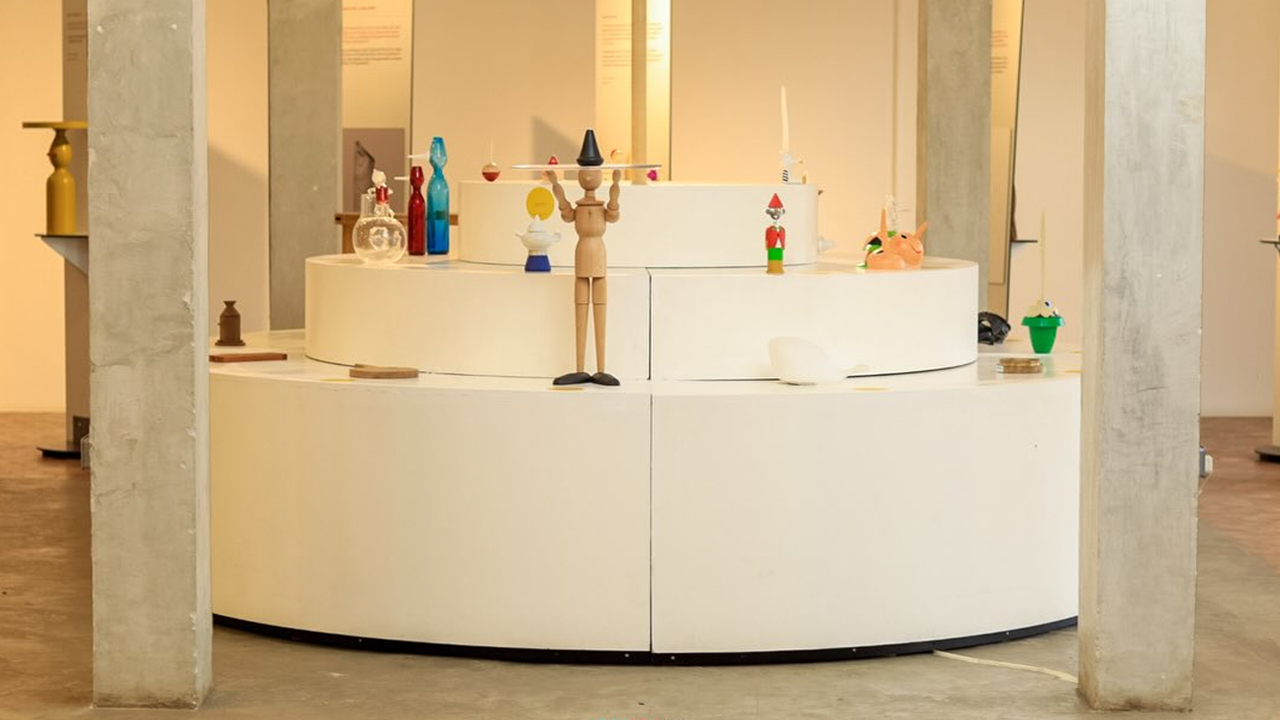
Most notable at the Ngara may be the work visitors are building with direct engagement, but the most visually playful exhibition is Dearest Pinocchio. Marking 200 years of writer Carlo Collodi, the exhibit “brings together Italian designers and graphic artists who have reimagined Pinocchio, not as a tale of lies but as a celebration of what it means to be beautifully, imperfectly human.”
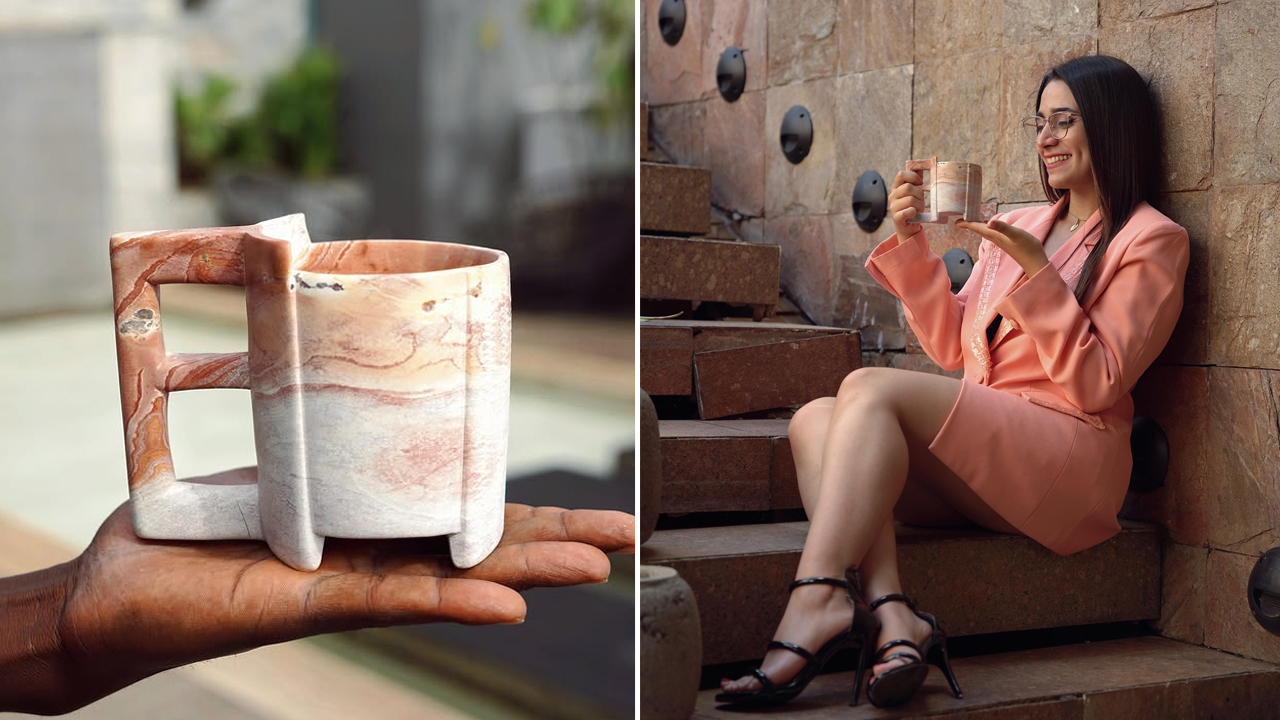
A captivating story born from hardship in Iran and community support in Nairobi is found in the architecture-inspired drinkware and homeware from Sculpt Studio. A journey that began with mugs featuring sleek, architectural forms, crafted by artisans working with soapstone in Kisii, Kenya, has now expanded into candle holders, vases, and even furniture, putting founder Pardis Khozoei onto the world map.
“This is more than just a mug. It feels like art,” a customer says. “Each line I draw is a reminder of the journey, from the fear and uncertainty in Iran to the hope and freedom I found in Nairobi,” Khozoei says. “It has shown me that even in the darkest moments, there is light.”
In many ways, the stories like these are capturing the spirit of 2026 Nairobi Design Week and its theme, “Let’s Be Human.” These are a gentle reminder that design, however vibrant it seems coming out of the major global design fairs, is not only about objects. It is about people, their stories of resilience, and the communities that help shape them.