For anyone who follows the design calendar closely, spring has come to feel less like a season and more like a zero hour. It opens with Salone del Mobile and Fuorisalone in April, rolls through NYCxDESIGN Week, ICFF, and Clerkenwell in May, and wraps up with 3daysofdesign in June. Sandwiched between are Melbourne Design Week, Lisbon Design Week, and an array of tier-two and tier-three fairs, each competing for the same exhibitors, the same buyers, and the same exhausted design press.
The consequences are anyone’s guess. Advertisers agonise over where to spend their marketing budgets, while exhibitors and visitors are caught between competing events, unsure which ones are worth the commitment. Organisers aren’t having it easy either. And if the numbers from past design events are anything to go by, both the visitor attendance and the overall rosters are getting shorter.
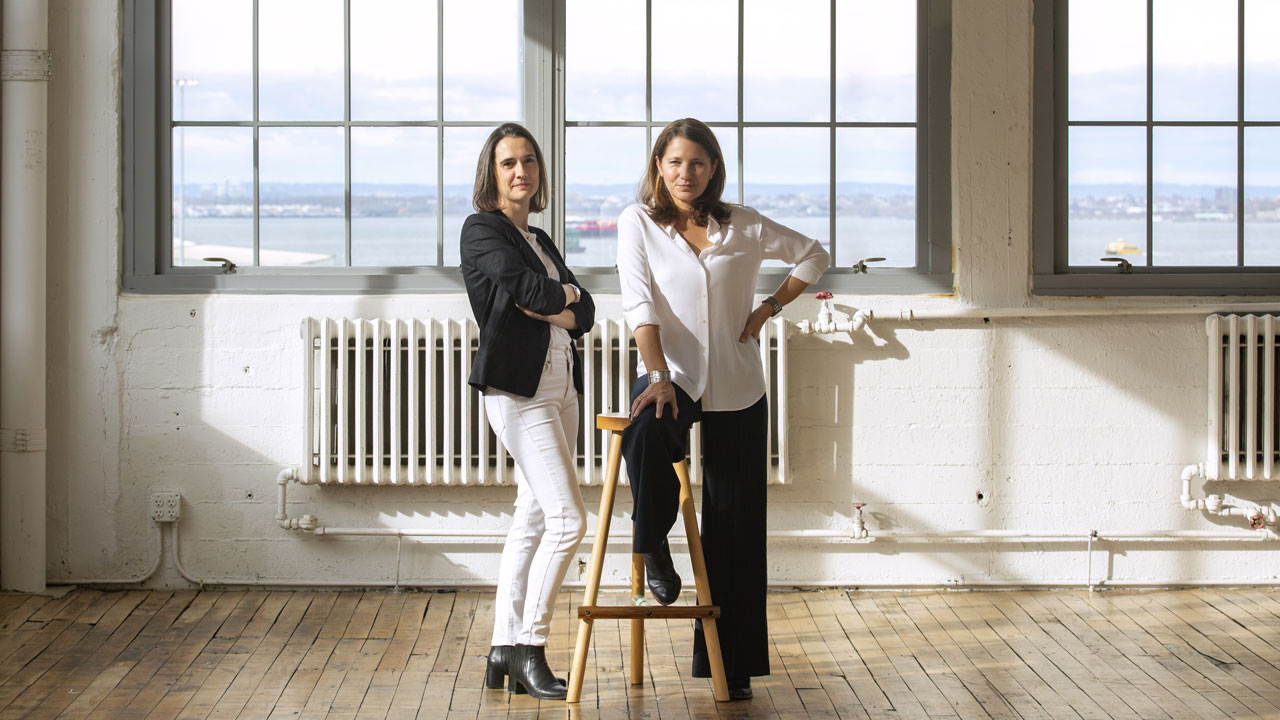
The board of ICFF (International Contemporary Furniture Fair) looked at that reality and decided that something needed to be changed. As first broken by Business of Home, beginning in 2027, ICFF will move from its long-held May slot to November. This is no small thing for a fair that has been at the heart of New York’s design week for more than three decades. To get exclusive insights on the matter, I sat down with Claire Pijoulat and Odile Hainaut, ICFF Brand Directors, and learned about the driving force behind the move.

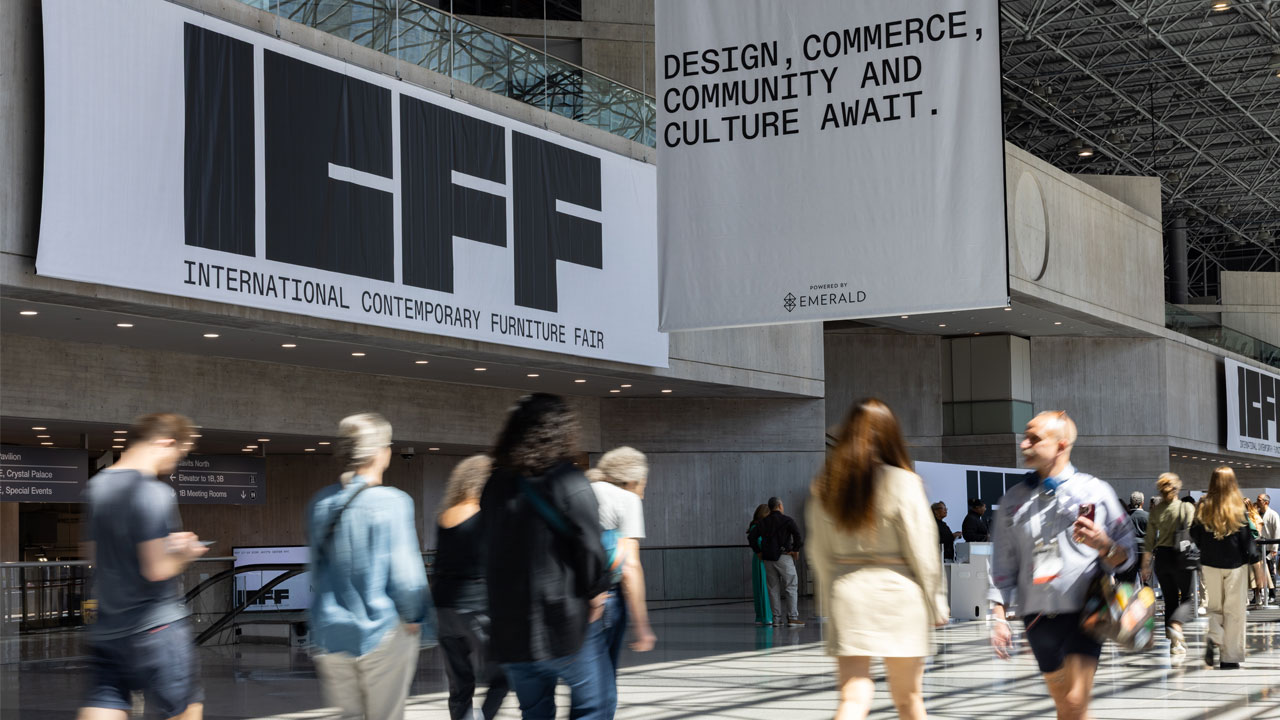
“Moving ICFF from May to November, beginning in 2027, was a significant decision, but it is something we have been considering for years,” they say. “Spring has become an increasingly busy period for the design industry, particularly with Salone del Mobile taking place in April. For many of our international exhibitors, it has been challenging to invest in and focus on two major events scheduled so closely together,” the duo informs.
The logic behind the November move seems to be commercial-driven, too. ICFF’s sister show, Boutique Design New York, is already well-established in the fall, and the two fairs stand to amplify each other’s presence. But the decision raises an obvious question. What happens to ICFF’s long-standing relationship with NYCxDESIGN?
“ICFF has been an anchor of NYCxDESIGN and will remain closely connected to the festival, continuing to play an active role each May,” the pair informs. “Initiatives like ICFF Night Out and the Look Book Offsite program will carry on in spring, keeping the fair’s energy alive in the city even in years when the main event is months away,” the duo continued.
Seeing opportunity where others haven’t is something Pijoulat and Hainaut have always done, long before ICFF came into the picture. When the two co-founded WantedDesign in 2011, New York had no real design week to speak of. ICFF existed as a well-established trade fair, but it ran primarily as a product showcase, which was brand-forward and light on conversation.
“What we felt missing was a sense of community, dialogue, and discovery. There was very little programming, few spaces designed for interaction, and limited opportunities for meaningful networking or cultural exchange,” they explain.
WantedDesign became a successful experiment. It was a smaller, more curated platform where brands could tell stories, emerging designers could showcase their creations, and a cross-disciplinary exchange that makes design culture actually interesting could happen in real time. When the opportunity came to bring that sensibility to ICFF, the duo was not shying away from the challenge.
“Our goal became to bring the spirit and energy of WantedDesign into the scale and international reach of ICFF, combining strong business objectives with cultural programming, thoughtful curation, and spaces that foster connection, inspiration, and creative exchange across the global design community,” the pair exclaimed.
ICFF has been around since 1989, and it still draws design lovers from across the world. Wherein, plenty of fairs didn’t make it past their first decade, ICFF not only stayed true to its philosophy of promoting contemporary design but became the heart and soul of New York Design Week. But the philosophy alone doesn’t explain nearly four decades of relevance. What has required more active reinvention is the experience itself.
“Audiences no longer come simply to discover products. They come to engage with ideas, meet people, build relationships, and better understand the values and narratives behind brands,” the duo stresses. And that is the bit Claire Pijoulat and Odile Hainaut brought to the event.

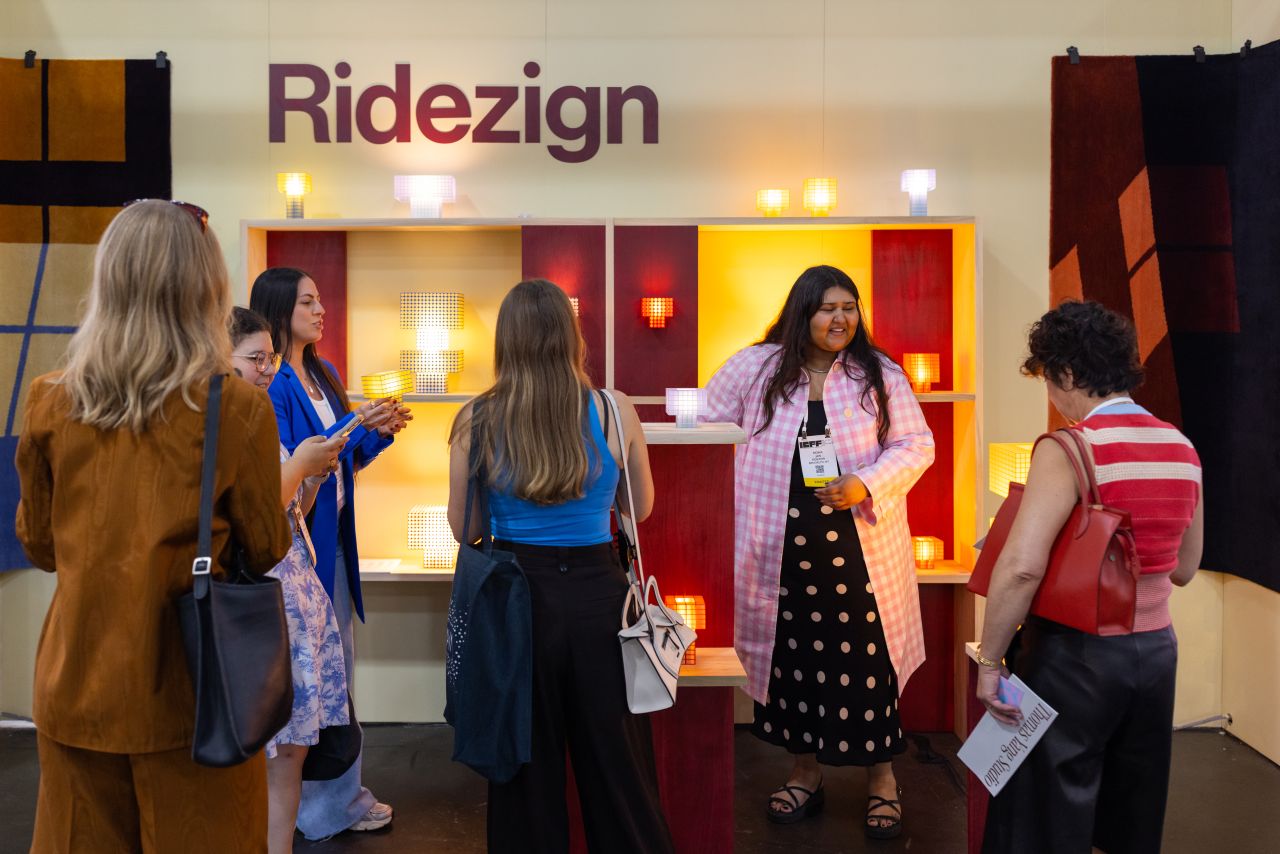
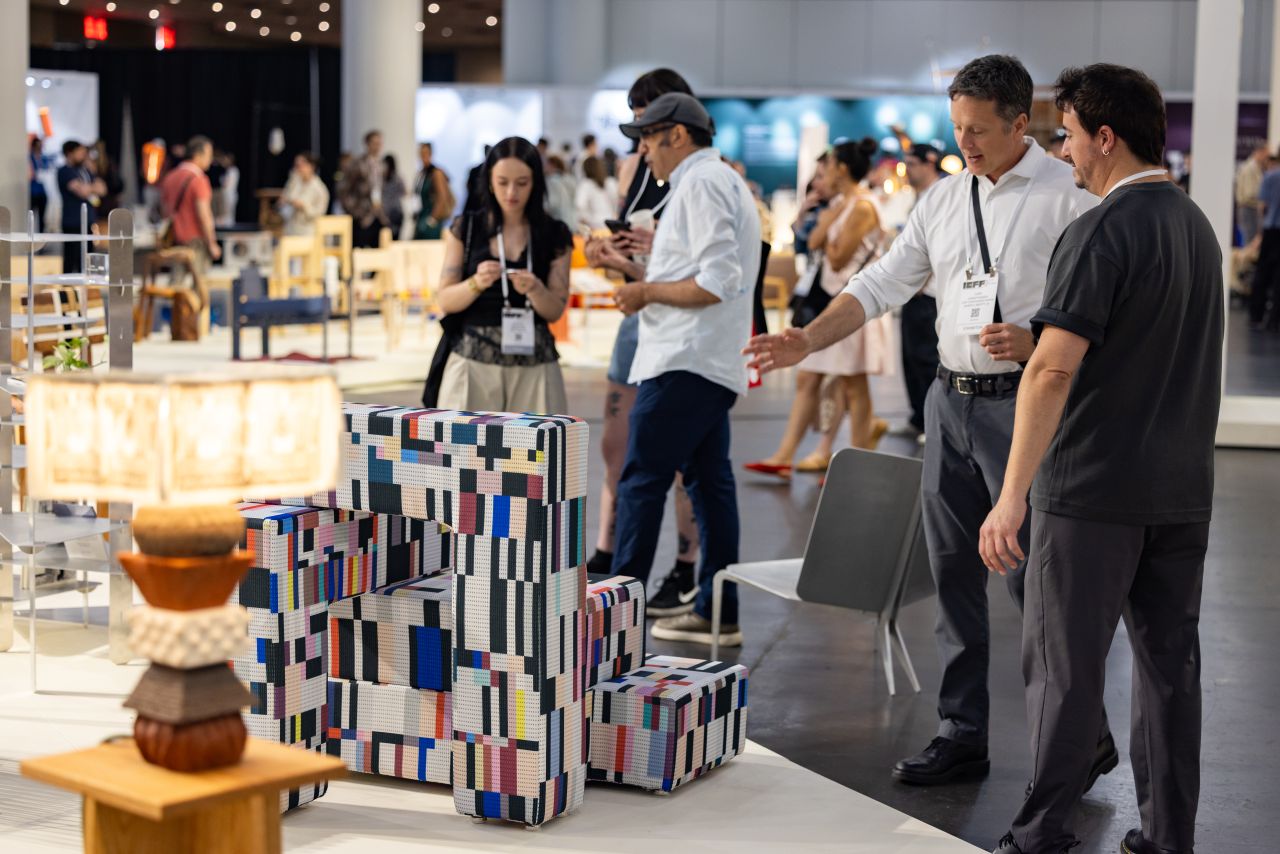
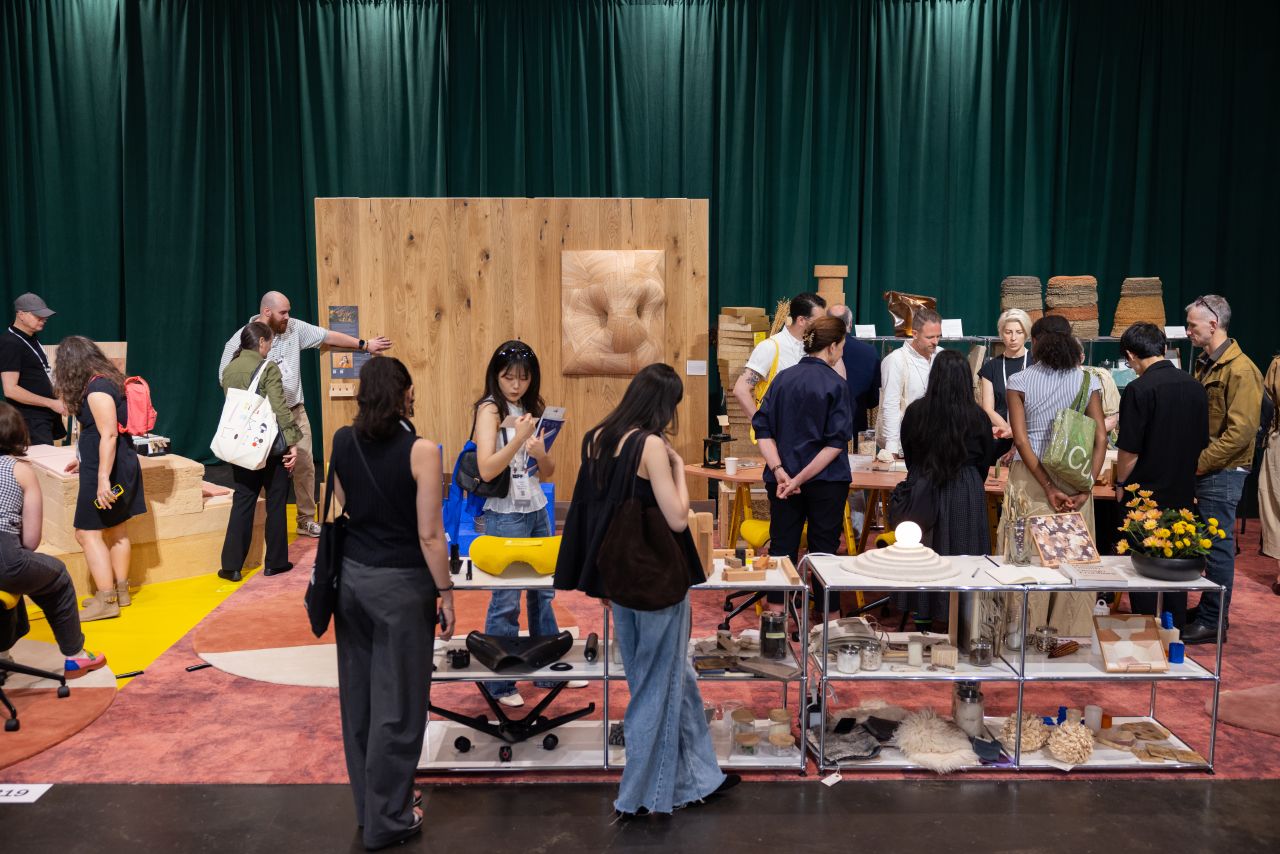
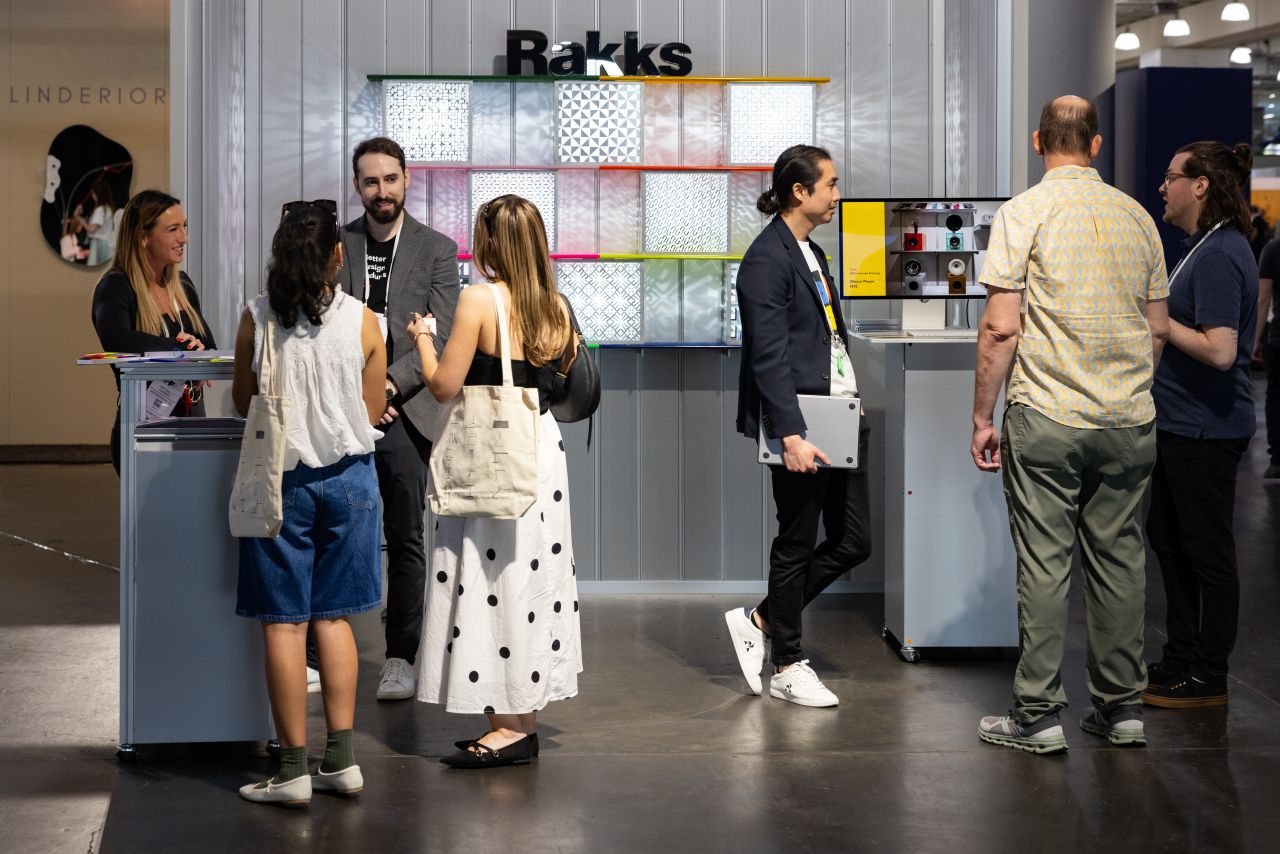
This year’s program followed that mantra closely, as was evident in the products on display and the talks held alongside. And it wasn’t just the curation; the program also bound craftsmanship, sustainability, and human connection together, three values that feel especially important given the economic turbulence and geopolitical noise the industry is currently navigating.
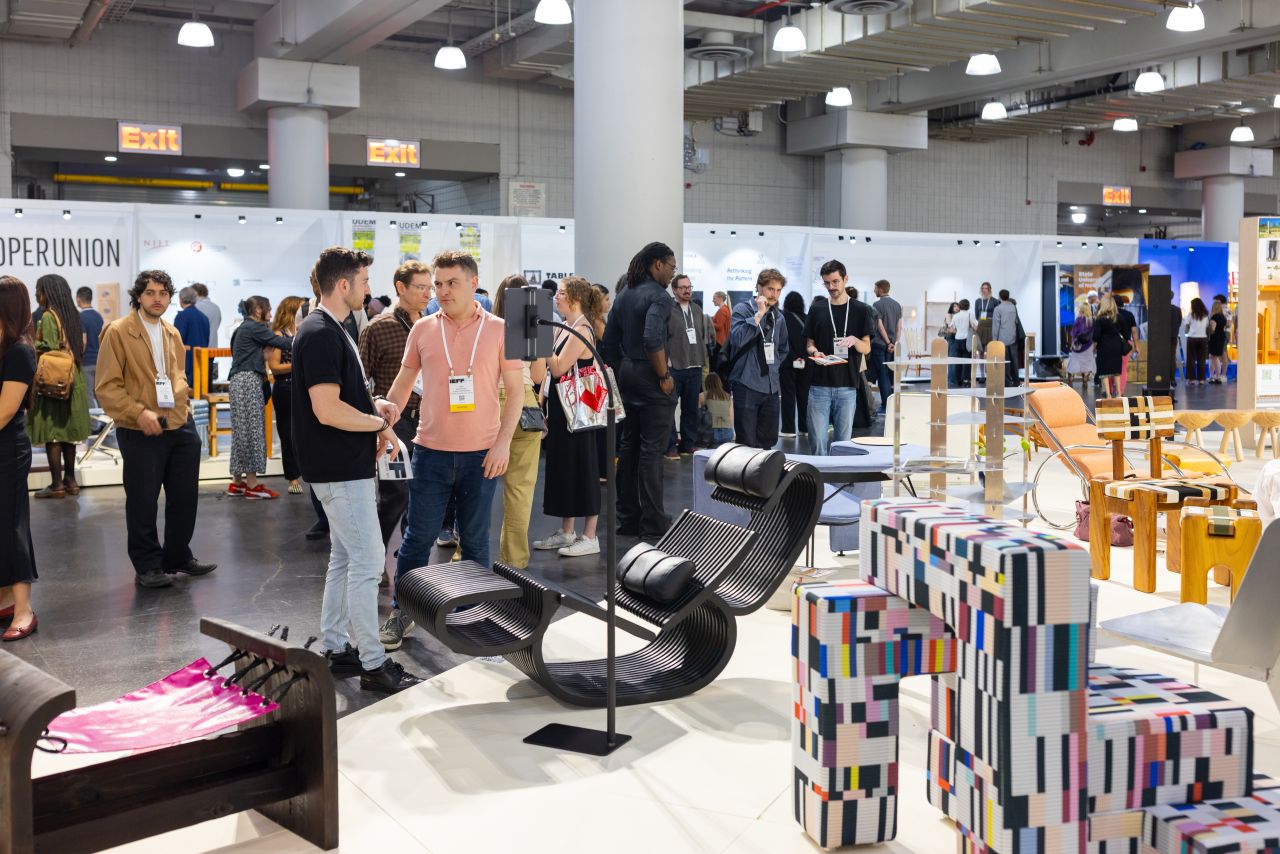
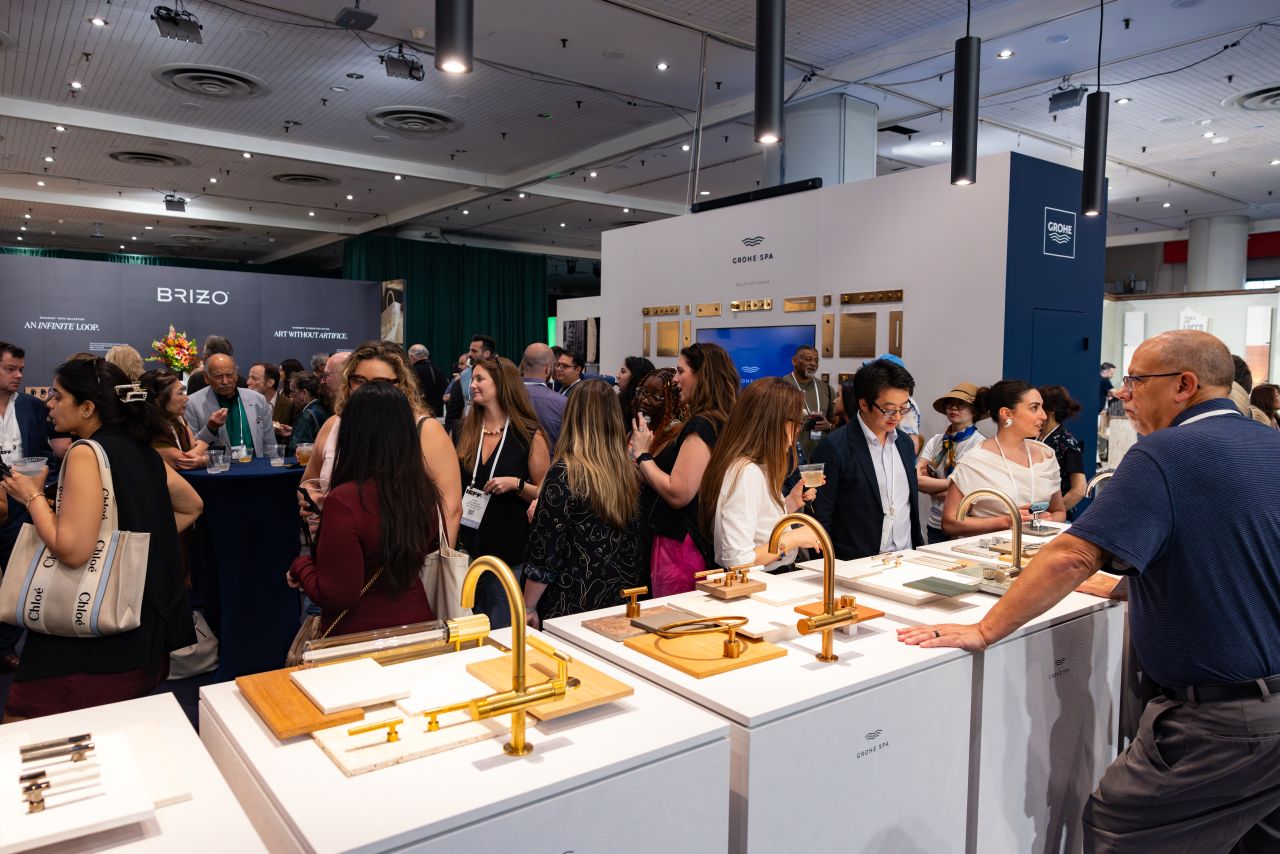
Pijoulat and Hainaut are direct about that tension as well. “Our intention is not to ignore those realities, but rather to create a platform where constructive dialogue, innovation, and collaboration can emerge in response to them.” The duo is also optimistic regarding the global concerns and states, “Design can bring people together, encourage new ways of thinking, and propose more sustainable and human-centred solutions.”
Outside of ICFF, the two run WantedDesign’s membership and residency programs, and travel constantly to stay connected to studios and designers across the globe. And, when the intensity of the design world allows, they retreat upstate to balance some counterweight to the pace of it all. There is, they admit, “rarely a typical day, and the work is too layered, too ongoing for that.”