Moving your home to another location is one of the most stressful experiences a person can face in their lifetime. Not to mention, moving across town is one thing, but packing up your entire home and heading hundreds of miles away to a different city or country is a totally different story.
Long-distance moves often face challenges, including poor timing and scheduling conflicts, damaged or lost belongings due to improper packing or handling, unexpected costs, unreliable movers, and logistical issues like permits and vehicle restrictions. With the right approach, you can reduce stress and minimize the risk of damage.
The first thing you should do is create an early plan. Without it, the entire process can quickly turn into a mess of broken items, last-minute rushes, and unnecessary worries. If you need help in this regard, we will walk you through the steps of the right preparation process for a long-distance move with essential tips.
Start Planning Early
A long-distance move takes more coordination than you might think. The earlier you start preparing, the easier it is to keep things under control when moving day comes around.
- Moving checklist: Creating a detailed checklist of all the tasks involved is your best ally during a long-distance move. You need to break everything down into weekly steps so that you are not rushing at the last minute. Include tasks such as collecting packing supplies, sorting and decluttering your belongings, notifying utility providers, canceling local services, and arranging new ones at your future address. If you are moving out of the country, it is also important to research reputable cross-country moving companies to ensure your belongings are transported safely. By writing everything in a checklist, you can stay organized, reduce stress, and ensure proper time for every task
- Prepare Inventory: It is important to create a detailed inventory of your belongings by listing and sorting items carefully. We recommend organizing everything by room, as this makes both packing and unpacking more efficient. Label boxes clearly and keep track of valuable or fragile items separately. A well-prepared inventory not only helps you stay organized but also ensures that nothing gets lost or misplaced during the move
- Managing furniture and bulky items: Furniture and appliances are most vulnerable to damage in a long-distance move. Thus, you should make an early plan for handling large furniture, appliances, and other bulky belongings, as well as any unwanted items. Make a clear decision of what to keep, sell, donate, or dispose of before moving day to reduce the load. Consider disassembling furniture for easier transport and safer handling. Make sure everything is properly protected with padding or covers to prevent damage during the move
- Moving timeline and schedule: You have to take full control of your preparation time by setting a clear packing and moving timeline. Break the process into manageable phases, such as decluttering, packing non-essential items, and final-day preparations. Assign deadlines to each task and stick to them to avoid last-minute pressure. A well-structured schedule keeps everything on track and ensures a smoother, more organized move
- Declutter your home: Before a long-distance move, it is best to remove the items you don’t need, use, or want anymore to lighten your load. You can donate clothes you no longer wear, sell or give away unused furniture or appliances, or throw out broken or unnecessary items. By reducing the number of items you move, you not only lower packing effort and transportation costs but also make unpacking at your new home much easier
- Safeguard Your Valuables: When preparing for a long-distance move, it is essential to carefully manage your valuables, such as jewelry, important documents, electronics, and sentimental items. Keep these belongings separate from regular household goods and pack them securely using protective materials. It is recommended to carry high-value or irreplaceable items with you instead of placing them in the moving truck. You can also create a detailed list or take photos of these items for extra security and tracking
- Find the perfect mover company: Begin researching moving companies and gathering packing supplies well in advance of your move. If you are considering interstate moving companies, reach out for quotes ahead of time and ask exactly what their price includes, such as packing, loading, transportation, insurance, and unpacking services. Compare multiple options, check reviews, and verify credentials to ensure reliability. Having a clear estimate of moving costs helps you plan your budget effectively and avoid any unpleasant surprises later
- Consider your budget: Another important factor to plan early is your budget. From packing supplies and travel expenses to professional moving services, everything comes with its own cost, so it is essential to be aware of this from the start. Setting a clear budget in advance helps you manage expenses wisely, avoid surprises, and make informed decisions throughout the moving process
Protect Your Belongings
When you are moving across a long distance, your belongings will be on the road for hours, maybe even days. That means they will go through more handling, stacking, and shifting than in a local move. Careful packing, proper cushioning, and clear organization minimize damage risks and make unloading easier.

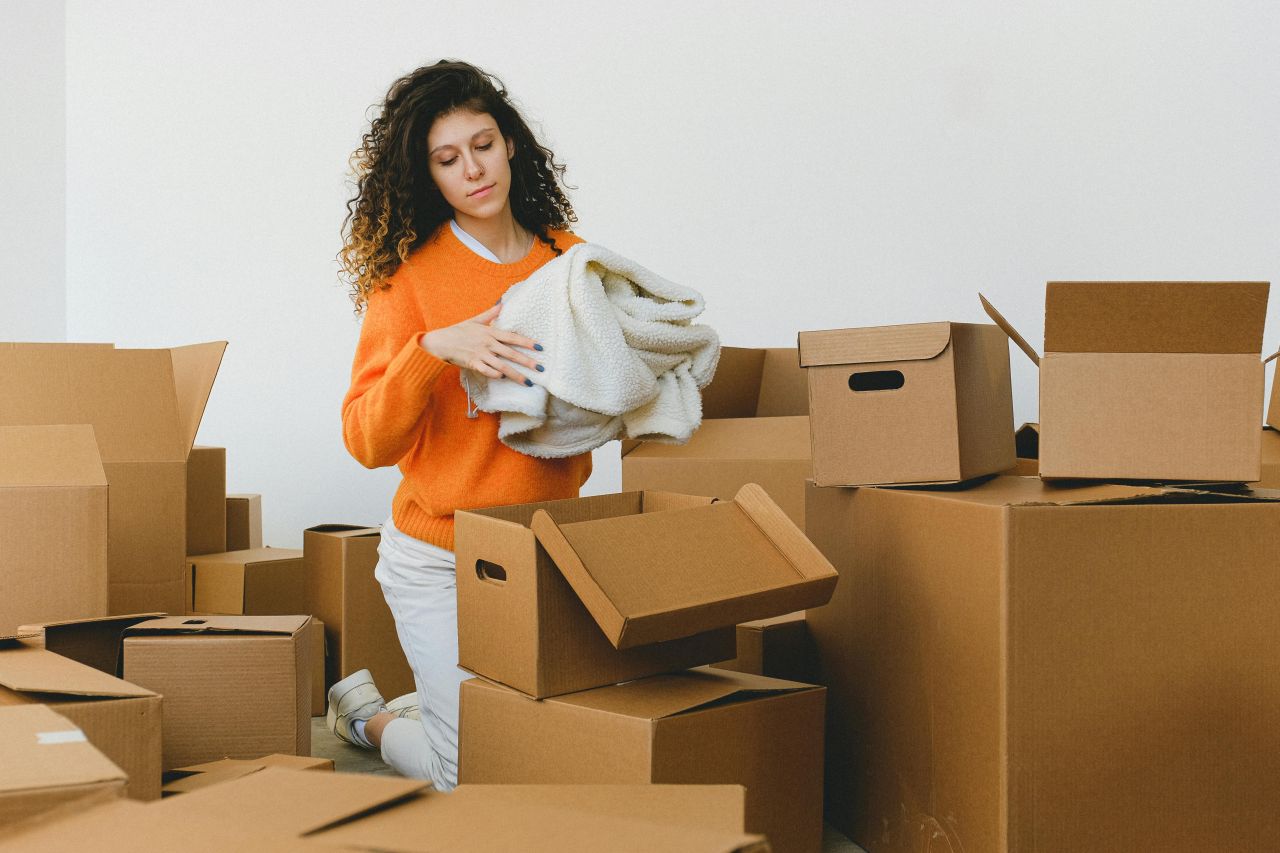
That is why you need to protect them properly until you get to unpack them in your new home. Here is what you can do:
- Use sturdy packing materials: Flimsy boxes and weak tape often give out during long trips. Invest in heavy-duty boxes, bubble wrap, and strong packing tape to protect fragile items. You can use reinforced boxes for heavy items. After the move is confirmed, you can start packing per your timeline. Pack items carefully, wrap them individually, and fill empty spaces to prevent shifting
- Label everything: Don’t forget to mark anything fragile. Label each box on at least two sides with what’s inside, which room it belongs to, and any special handling instructions. This makes it easy to find items and helps movers know how to handle each box or where it should go, no matter how they are stacked or placed
- Don’t overload boxes: A box that is too heavy is more likely to split open. Remember this simple rule: heavier items go in smaller boxes and lighter items in larger ones
- Protect furniture: Cover furniture pieces with moving blankets, padded covers, or shrink wrap to prevent scratches. If possible, take large items apart. Check out our guide on moving heavy furniture by yourself
Prepare Your Home Before Movers Arrive
Getting your home ready before the movers arrive makes the whole day easier for both you and them. So, what can you do? The first step here is decluttering. Go through each room and set aside what you no longer need.
Next, protect your home itself. Cover floors with cardboard or old rugs to prevent dirt and scratches. If you have tight corners or narrow hallways, add padding to keep walls and doorframes from getting dinged up as furniture is carried out.
Clear pathways inside and outside for easy mover access. Disconnect and prepare appliances, secure valuables, and communicate with movers to confirm plans and special instructions.
Bonus tip: Have an essentials bag packed. Prepare some clothes, toiletries, medications, chargers, and important documents for your first night in the new place.
Family Long-Distance Move Checklist
- Tell all the members about the move so they can prepare themselves physically and emotionally
- Plan visits or calls with friends and family before moving
- Organize important documents like IDs, school records, and medical files
- Pack a personal essentials bag for each family member with clothes, toiletries, and favorite items, and label them correctly
- Arrange transportation and accommodation for yourself and your children
- Set up new school registration and healthcare providers in the new location
- Prepare entertainment and snacks for travel
- Label family members’ boxes clearly for easy unpacking
Plan for Pet and Plant Transportation
For Pets:
- Visit the vet for a health check and get necessary vaccinations
- Obtain a copy of vaccination records and any required health certificates
- Prepare a comfortable pet travel crate or carrier with proper ventilation
- Arrange transportation like a car, a plane, or a specialized pet transport
- Pack familiar items like toys, blankets, and food in a separate box
- Plan feeding and bathroom breaks during the journey
- Research pet travel regulations and rules for your destination
- Ensure ID tags and microchips are up to date
For Plants:
- Check regulations for transporting live plants to your new location
- Water plants well before the move, but avoid overwatering
- Prune and trim plants for easy handling
- Pack plants securely in ventilated containers or boxes to avoid damage
- Avoid placing plants in extreme temperatures during transit
- Unpack and water plants soon after arrival to help them settle
Work With Reliable Movers
All the above-mentioned steps won’t make sense if you don’t work with reliable movers. They will be handling your belongings for a longer period of time, so you’ll want a team you can trust.
- Research movers: Don’t rush this process and do your homework. When you find a company, read its reviews, check for proper licenses, and insurance it offers. Considering that more than 7 million Americans have moved to a different state in just 2023, you should be able to find a lot of useful testimonials
- Compare movers: Don’t settle for one option; compare a few companies. Get written quotes, so you know what’s included in the price and whether there could be extra fees
- Check for moving restrictions for items: Do ask the mover what items cannot be transported, so that you don’t get any problems later
Final Checks Before Leaving
It is easy to miss things when the house is busy with boxes and movers. Before you close the door for the last time:
- Walk through every room and check all the storage spaces carefully
- Don’t forget places like the attic, basement, garage, or shed
- Organize smaller items such as chargers, tools, or kitchen gadgets
- Double-check your travel plans (flights, hotel bookings, or your driving route)
Conclusion
Like any other big change, a long-distance move can be draining, and you could be anxious about what might go wrong on the road. So why go through all that when you can plan, pack, and secure your belongings, and find trusted movers? Then, you’ll see the process becomes far more manageable.
Every box you label and every detail you check off the list now is one less worry later. By the time you unlock the door to your new place, you’ll be ready to settle in.