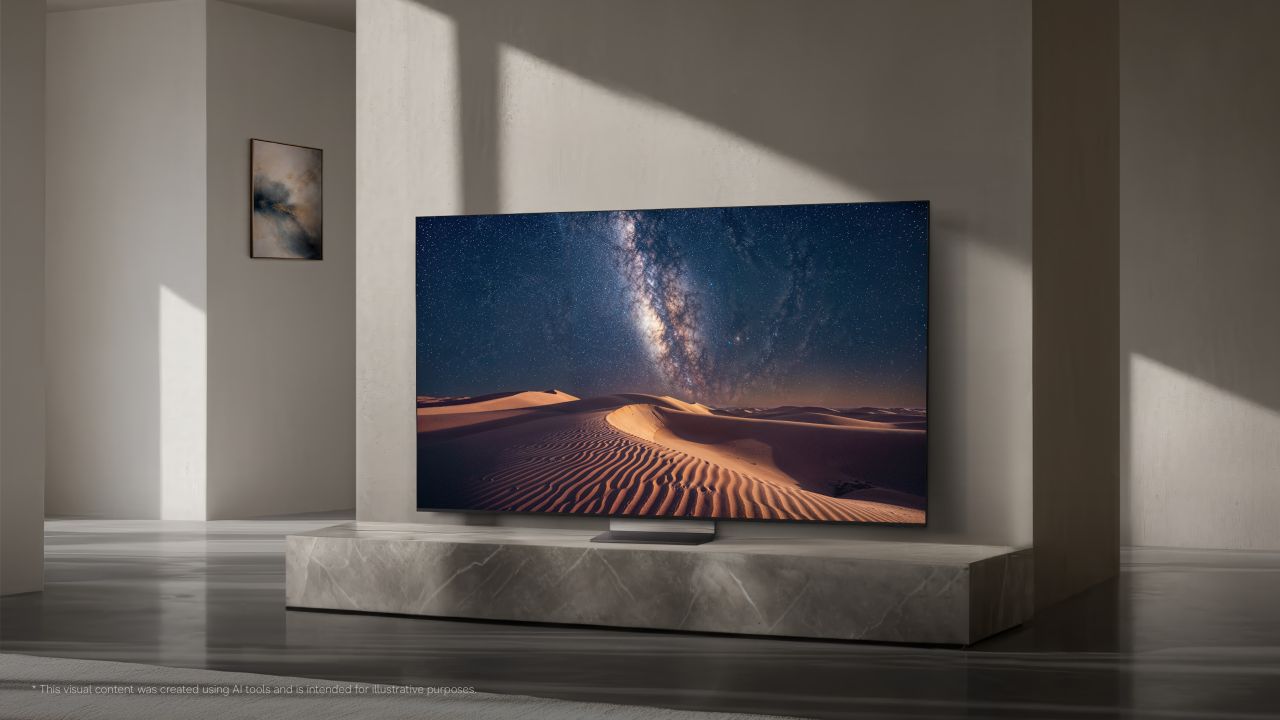
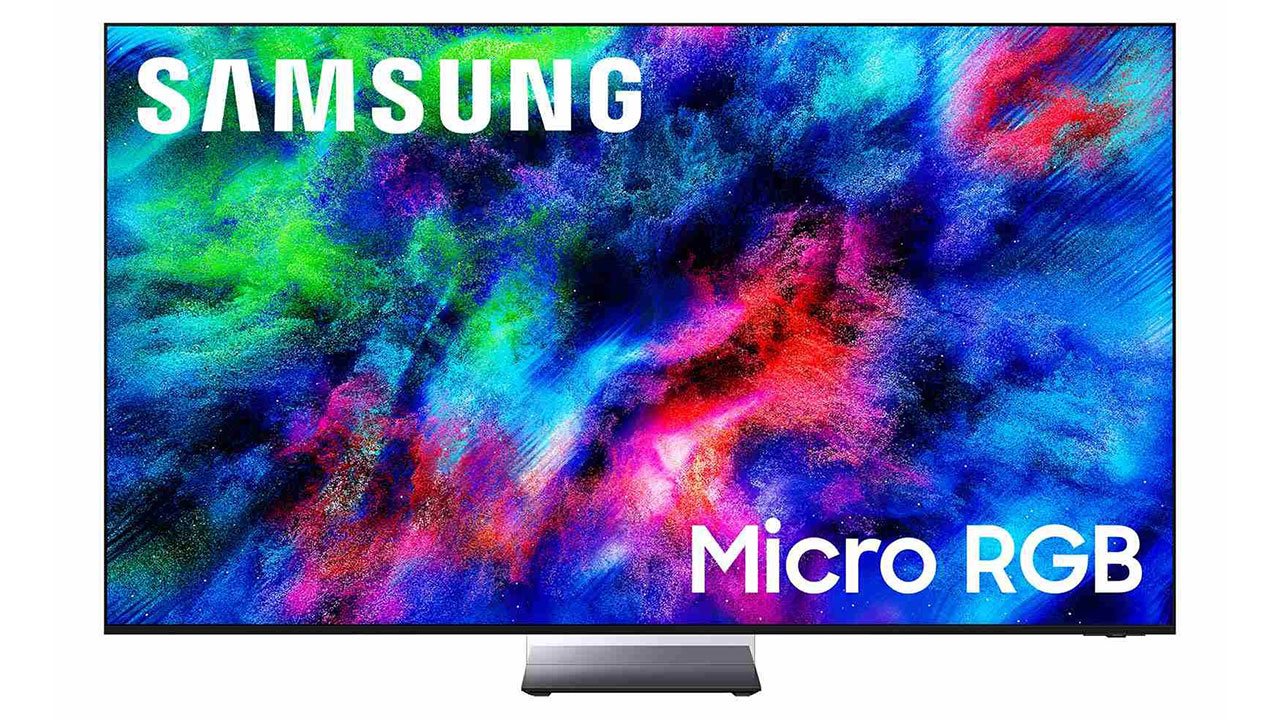
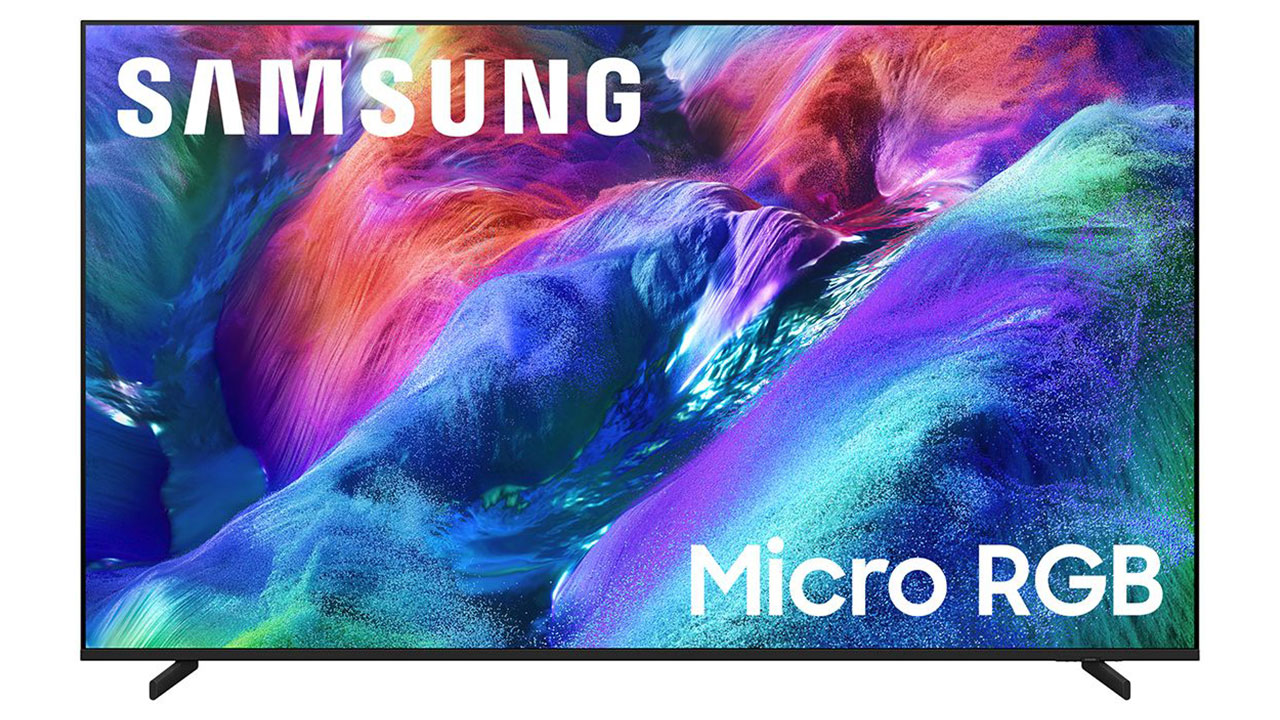
Samsung first introduced its Micro RGB TV last year with a 115-inch model priced at a steep $30,000, which puts it out of reach for most consumers. This year, the South Korean electronics giant aims to make this high-end display technology available to more people with the launch of an expanded range of sizes from 55 to 115 inches. The key is the pricing, which is lower than that of the earlier model. The new lineup includes the flagship R95H series and the more affordable R85H series, while the 115-inch model is carried forward from last year. Samsung also plans to launch a 100-inch model later this year.
Unlike traditional backlighting systems, Samsung’s new Micro RGB TV lineup utilizes thousands of micro-sized red, green, and blue LEDs that each emit light independently. It minimizes color bleeding to achieve an expanded color range with great accuracy. Samsung says VDE has verified that these Micro RGB TVs achieve 100-percent coverage of BT.2020 color space.
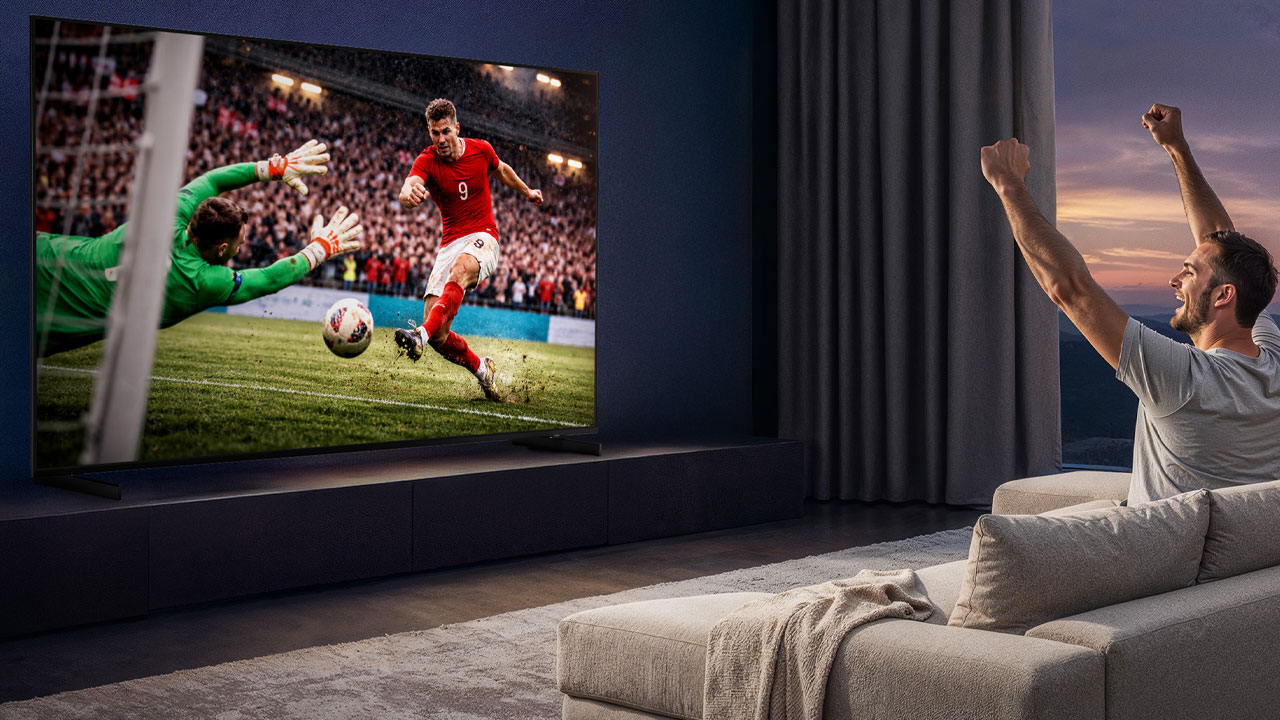
The color expression is further enhanced with AI features, including the Micro RGB AI Engine Pro that optimizes image quality in real-time, but this feature is exclusive to the R95H model. This processor can recognize scenes with duller colors and automatically enhance them through Micro RGB Color Booster Pro, while the Micro RGB HDR Pro offers bright highlights. Additionally, the AI Motion Enhancer Pro feature makes it easier to view fast-moving objects in action, like a soccer ball on the field, F1 cars blasting past the chicanes, or intense fight scenes in movies. The Micro RGB TV lineup also supports the HDR10+ ADVANCED standard for enhanced brightness, genre-based optimization, and smoother motion.
Samsung has also optimized the TVs for gaming enthusiasts. One of the main highlights in this domain is that R95H supports Motion Xcelerator 165Hz, while the R85H reaches up to 144Hz for virtually eliminating any lag or blur.
Also Read: LG Adds OLED Light Control Capability to Its Ultra-Large 2026 QNED evo Mini LED TVs
For audio, the TVs include Dolby Atmos, Object Tracking Sound, and Q-Symphony support that allows you to pair up to five Samsung sound devices with your Samsung TV. There are also some sports-specific features like AI Soccer Mode Pro and AI Sound Controller Pro that work together to elevate the sports viewing experience. The AI Soccer Mode Pro boosts colors and enhances game audio. Likewise, the AI Sound Controller Pro feature lets you independently adjust the volume of voices, music, and sound effects. This allows you to remove the sound of the crowd or commentator to meet specific preferences.
As for connectivity, the R95H TV supports a Wireless One Connect box for a cleaner setup, or you can opt for wired inputs or a mix of both. On the other hand, the R85H model uses a standard engine with a lower refresh rate. Both models also support Slim Fit Wall Mount to ensure a flush fit against the wall. They also offer access to the Samsung Art Store, allowing you to display artworks when not using it as a TV. Samsung has also updated the One UI Tizen, which now supports up to seven years of OS updates.
The R95H serves as the flagship series that offers superior processing and gaming performance, while the R85H provides a more affordable entry point. These Micro RGB TVs are now available to purchase, with prices starting from $3,200 for the 65-inch Class R95H model, while the R85H model in 55-inch size costs $1,600 on the official website.

Via: Press Release