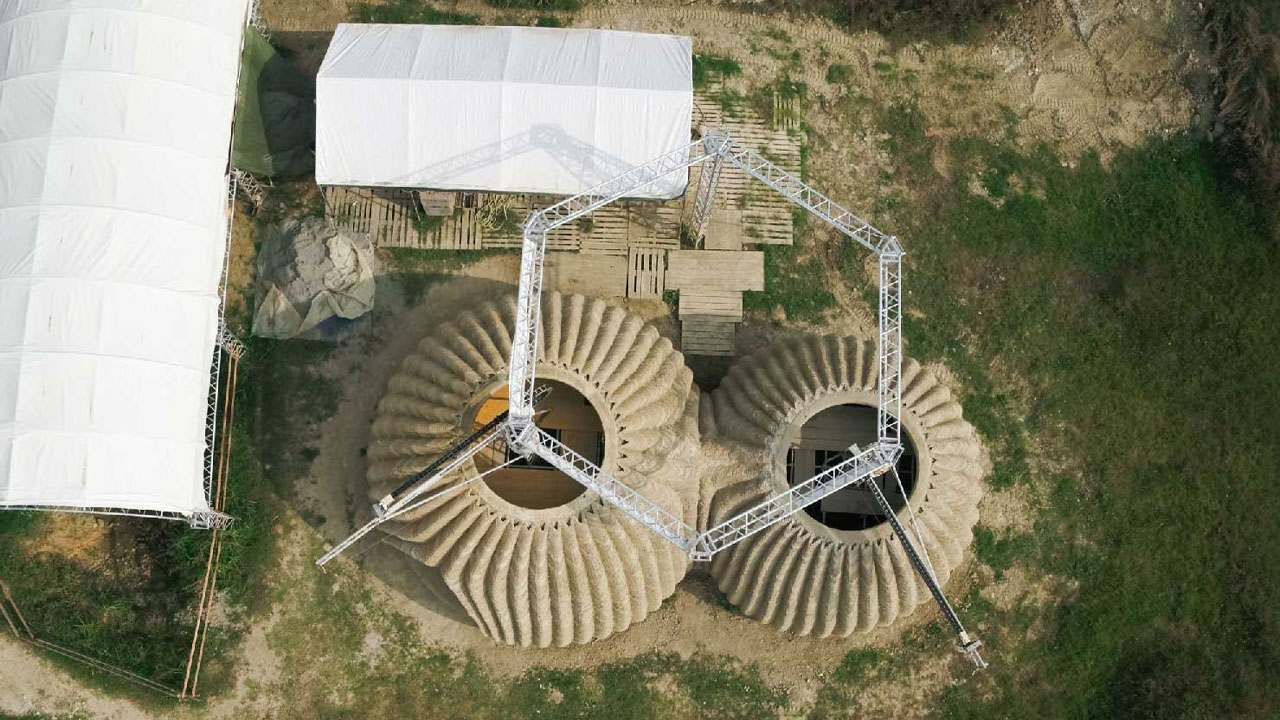
Italian architectural and design firm Mario Cucinella Architects created the first eco-sustainable habitat prototype using raw earth in Massa Lombarda, near Ravenna. The firm collaborated with World’s Advanced Saving Project (WASP), an Italian 3D printing company, to build the 3D printed Tecla house. Through this project, the company explored how ancient construction materials, such as local clay, can create a futuristic, eco-sustainable dwelling with the help of advanced technology.
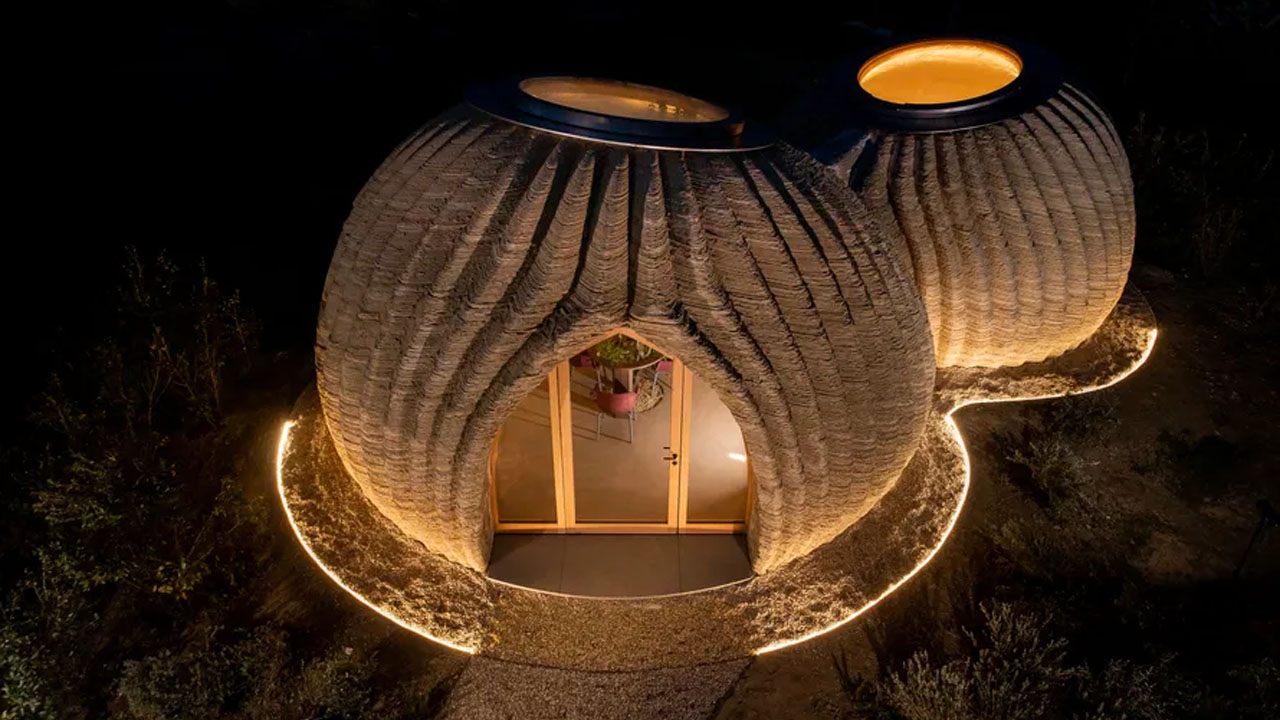
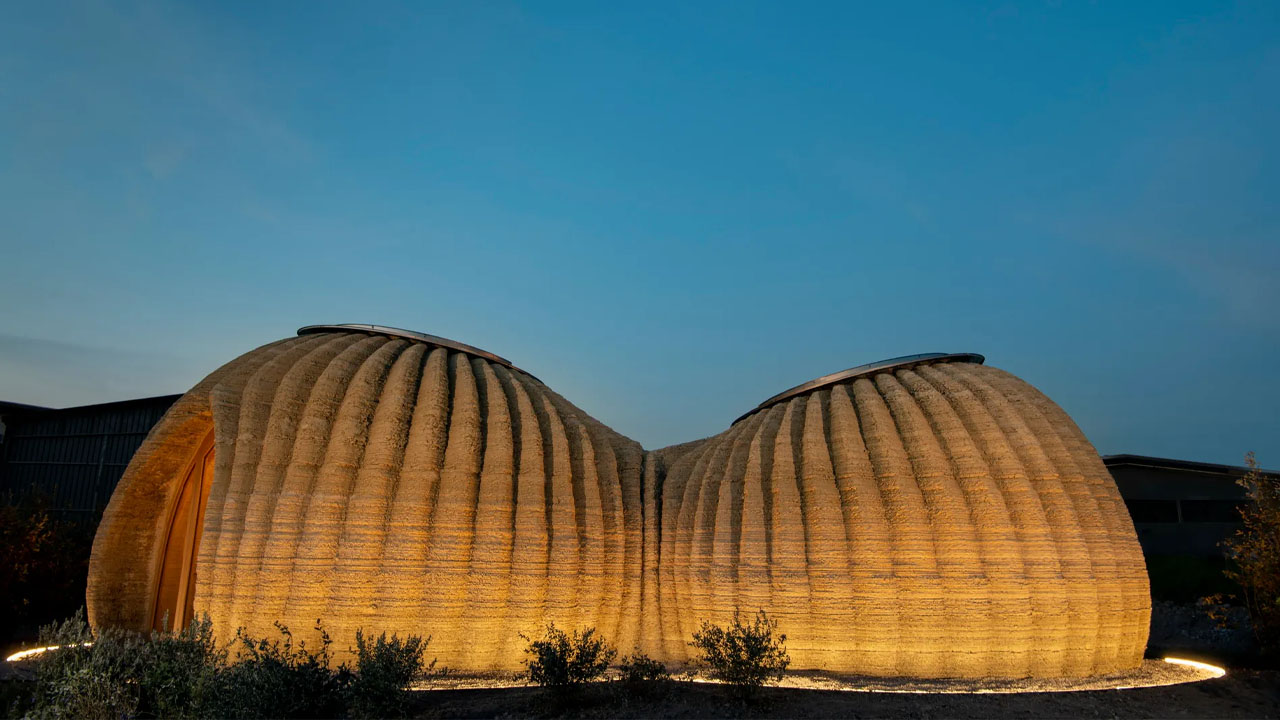
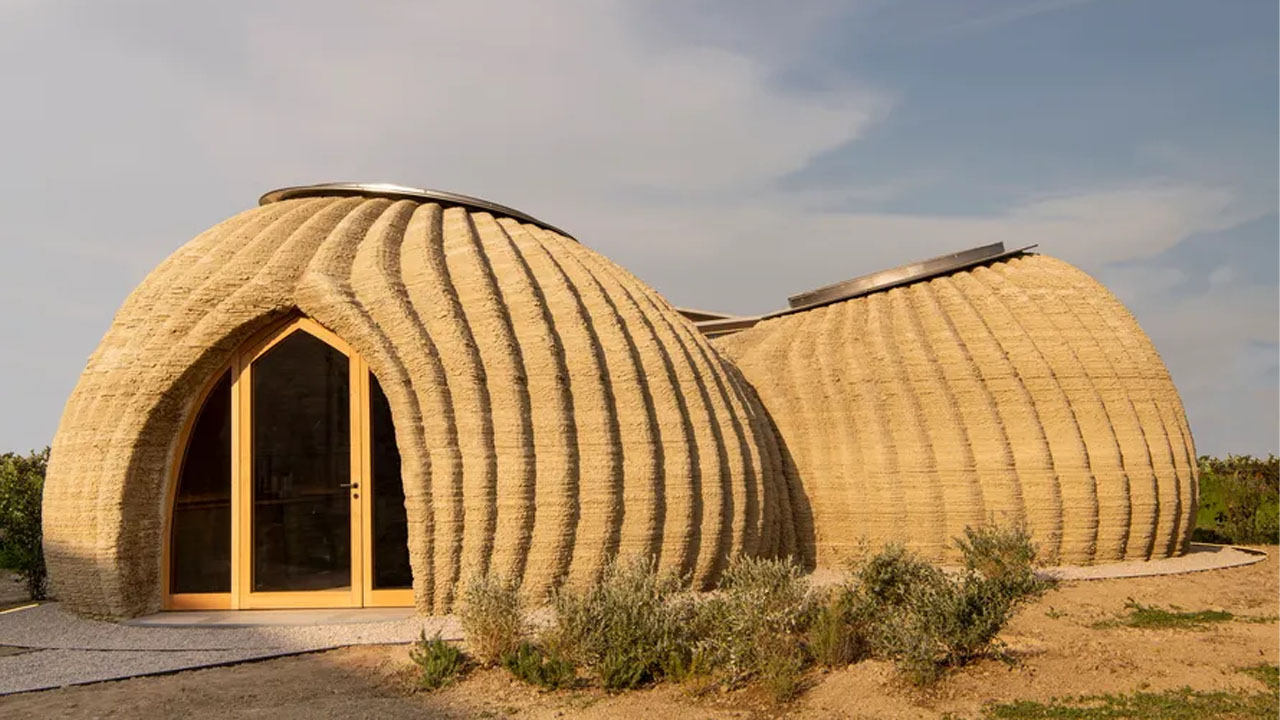
The 3D printed Tecla house is an innovative dome-shaped prototype that blends technological advancement with traditional materials and construction knowledge to create a low-carbon dwelling. Inspired by the design of the potter wasp’s nest, the firm wanted to offer a better solution to the global housing problem with a reduced carbon footprint.
To achieve this, they extracted natural clay from the construction site to use in the construction of the prototype. They took the Tecla project initiative in 2019 and completed its construction by 2021. The project began by building several prototypes based on research on homelessness in various climatic conditions, made by the School of Sustainability, funded by the firm’s owner, Mario Cucinella.
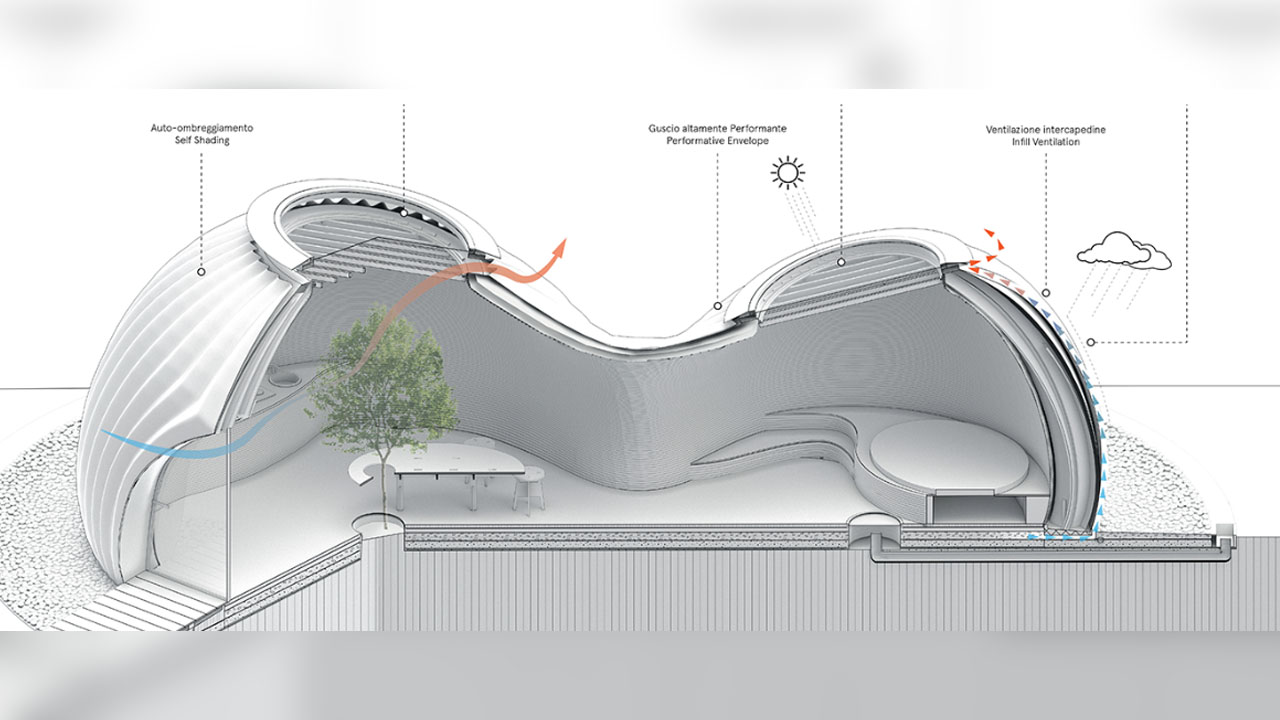
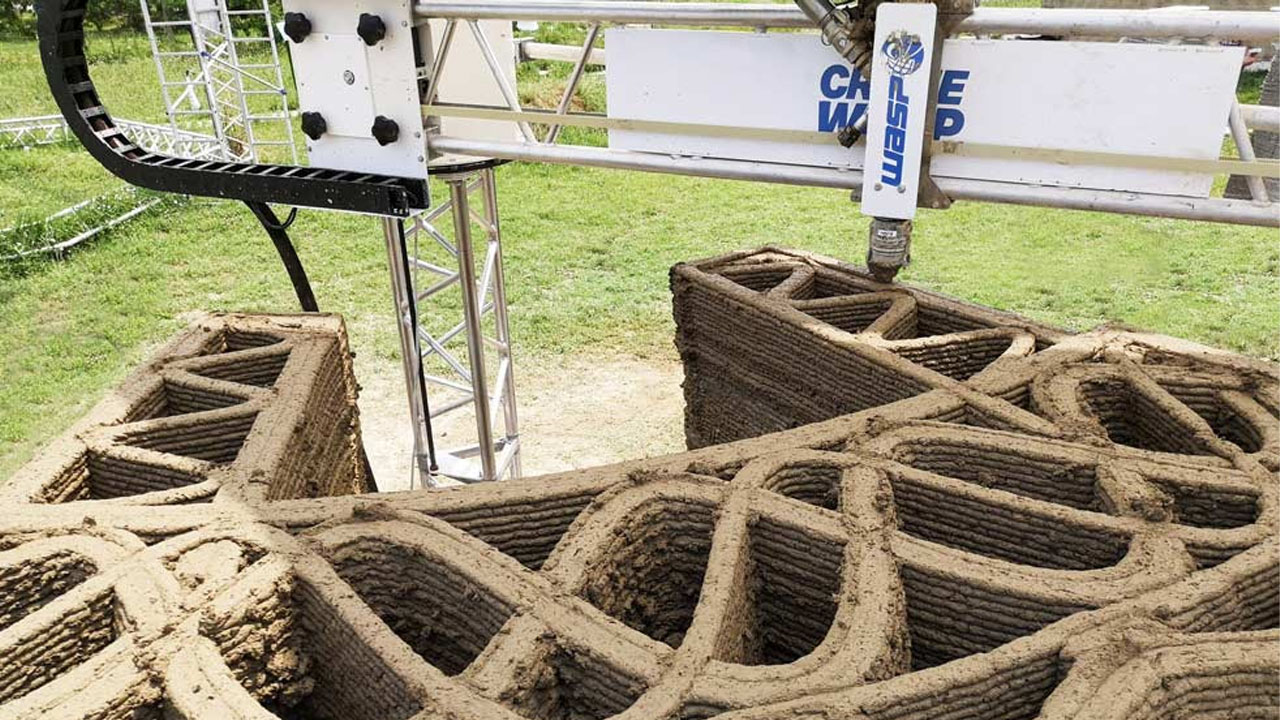
After research, they came up with an adaptable infill design with infinite combinations to combat a changing climate. The outermost layer forms the ventilation, and its inner cavities filled with rice husks (an industrial byproduct) create a thick layer of thermal insulation. Its thermal mass, on the other hand, increases with the increase in the ribbing of the thickness of the earthen material.
For a humid climate, this increased thermal mass can absorb and store excess moisture. Its thick ventilation layer pulls out the collected moisture to prevent mold or structural damage. For a rigid, cold climate, this thick insulation layer takes center stage, resisting freezing air and keeping the interior warm and comfortable.
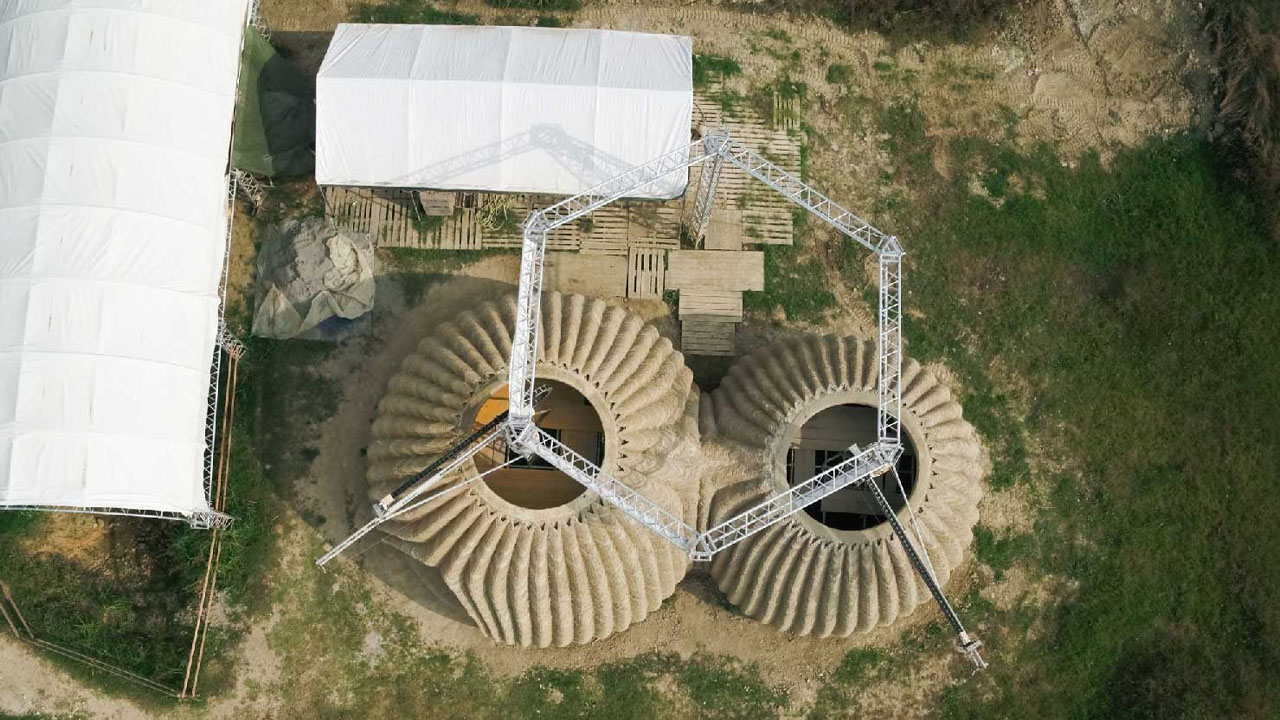
The 3D printing technology offered ease of flexibility, allowing the firm to create complex and variable forms that weren’t possible with traditional rigid construction methods. This advanced technology sped up construction while preventing resource wastage and nearly zero carbon emissions. According to WASP, the construction of Tecla required 200 hours of printing and 7,000 machine codes (G-code).
Its construction included 350 layers of 12-millimeter-thick natural clay and 150 kilometers of extrusion, with 60 cubic meters of natural materials for an average consumption of less than 6kW. Hence, they were able to create two curved dome structures and complete the entire process under 72 hours.
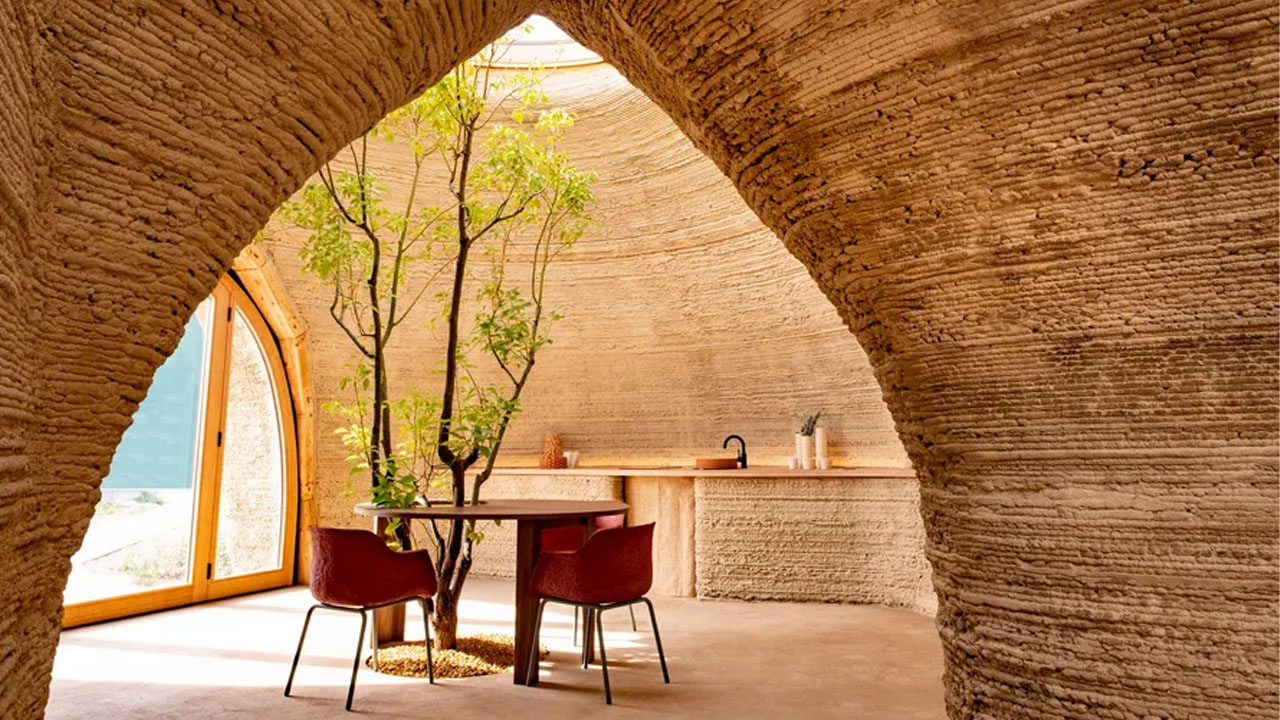
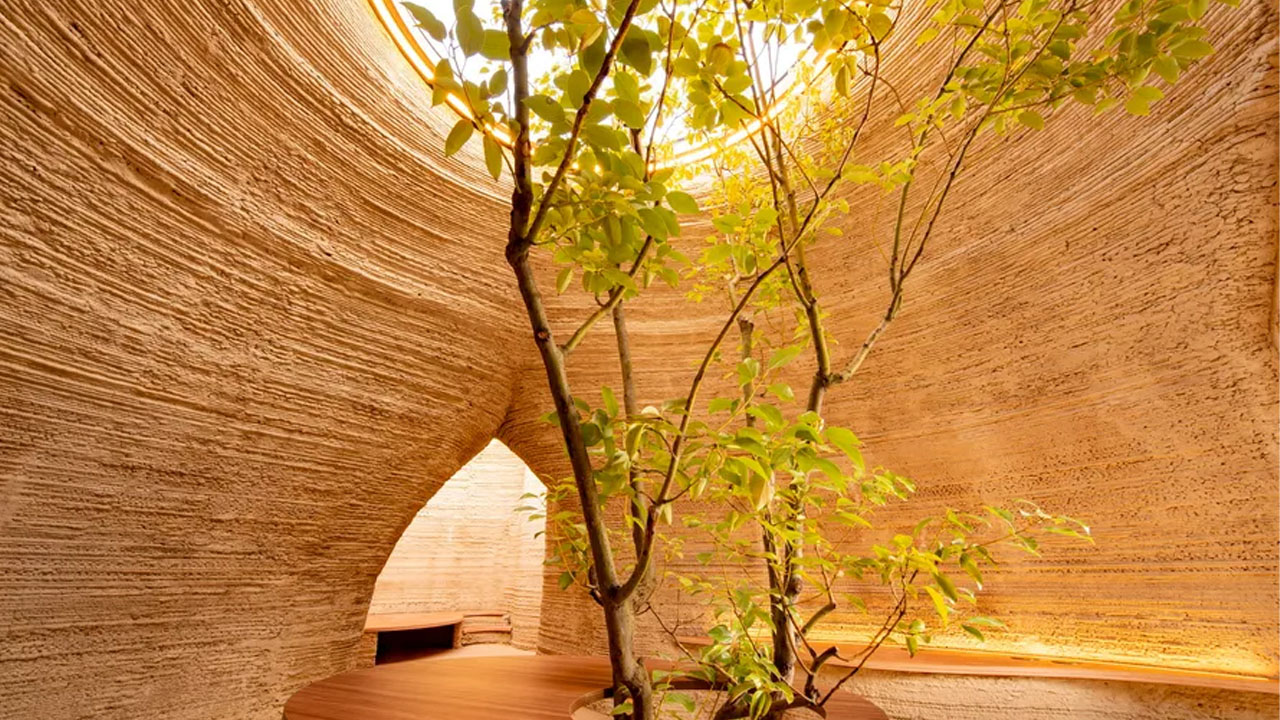
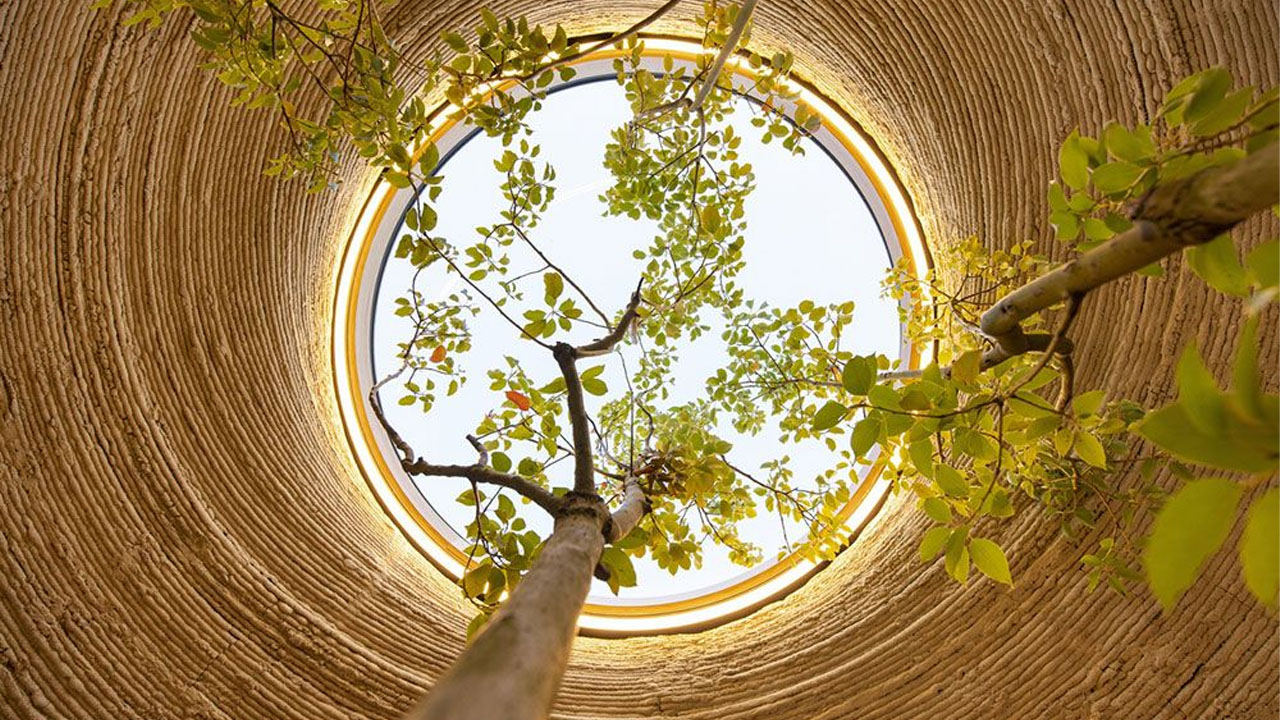
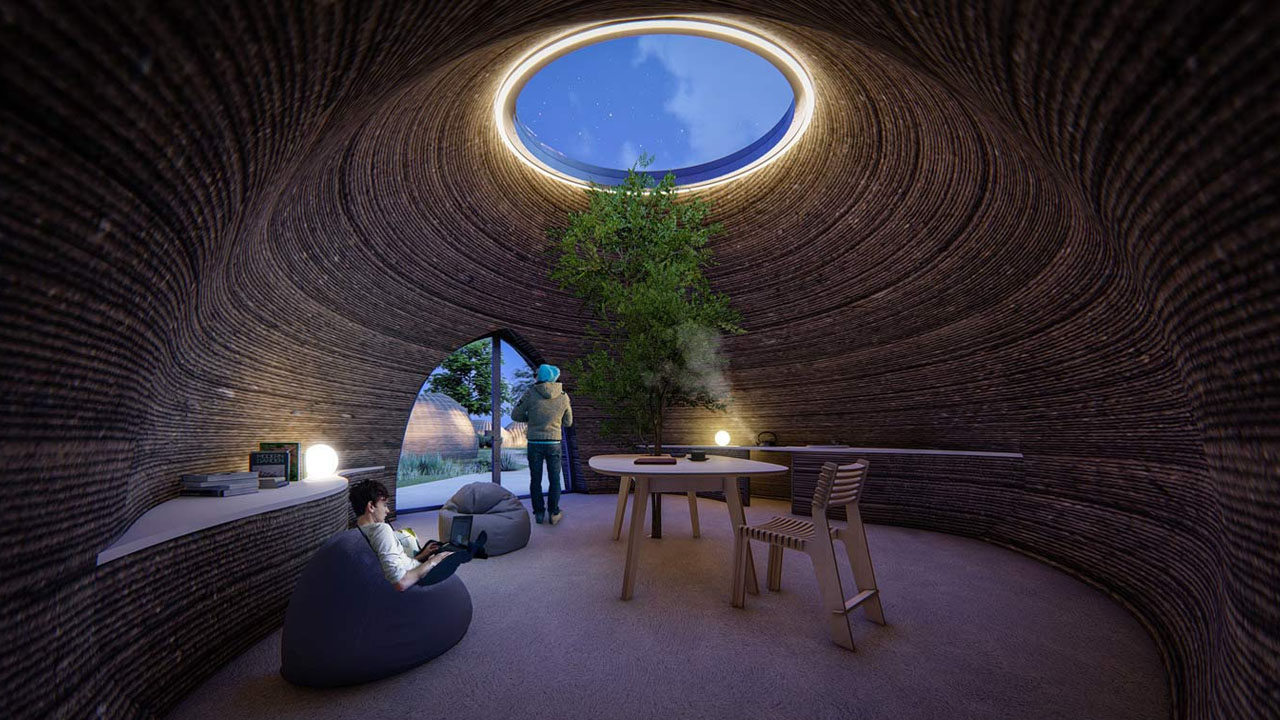
When it comes to interior, its archway-glazed entrance and circular glazed skylight break the windowless façade and flood the indoors with natural light. The open-floor layout maintains fluidity across various zones, and curved clay walls make the interior feel like a warm, organic cave. The prototype includes a sleeping zone, a bathroom, and a living area with multiple built-in pieces of furniture that match the dome’s textured, rounded silhouette.
The 3D printed Tecla House is a pioneering example of how we can build futuristic houses by using raw earth materials and advanced 3D printing technology. In the words of Cucinella, “It would be truly extraordinary to shape the future by transforming this ancient material with the technologies we have available today.” With advanced technology, it is possible to build an eco-friendly residential dwelling with a complex curved shape that isn’t possible with traditional brick construction.

Via: Ecoticias