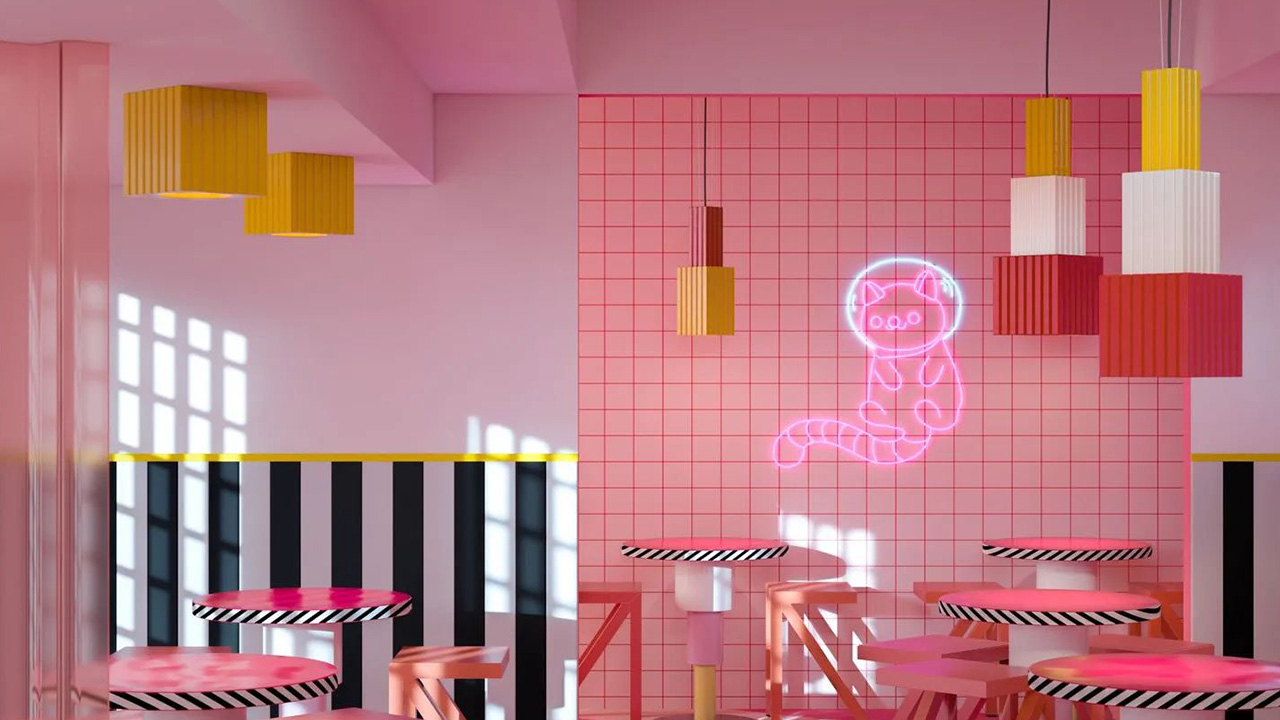
Maison&Objet has established itself as a leading international event that brings together the interior decoration and furniture industries. This year’s theme, Past Reveals Future, highlights design’s return to its roots by reworking traditions through a contemporary lens. The exhibitors have focused on natural elements and bold colors, alongside utilizing tech-infused techniques like 3D printing.
The key trends identified by the fair include Metamorphosis, Mutation, Revisited Baroque, and Neo-Folklore that define the 2026 design landscape. The event showcased several products featuring vibrant primary colors, recycled/raw materials, soft, rounded forms, and surreal designs. We took a closer look at the major design trends from Maison&Objet 2026 that give you some inspiration for the year ahead.
Fusion of Past and Future
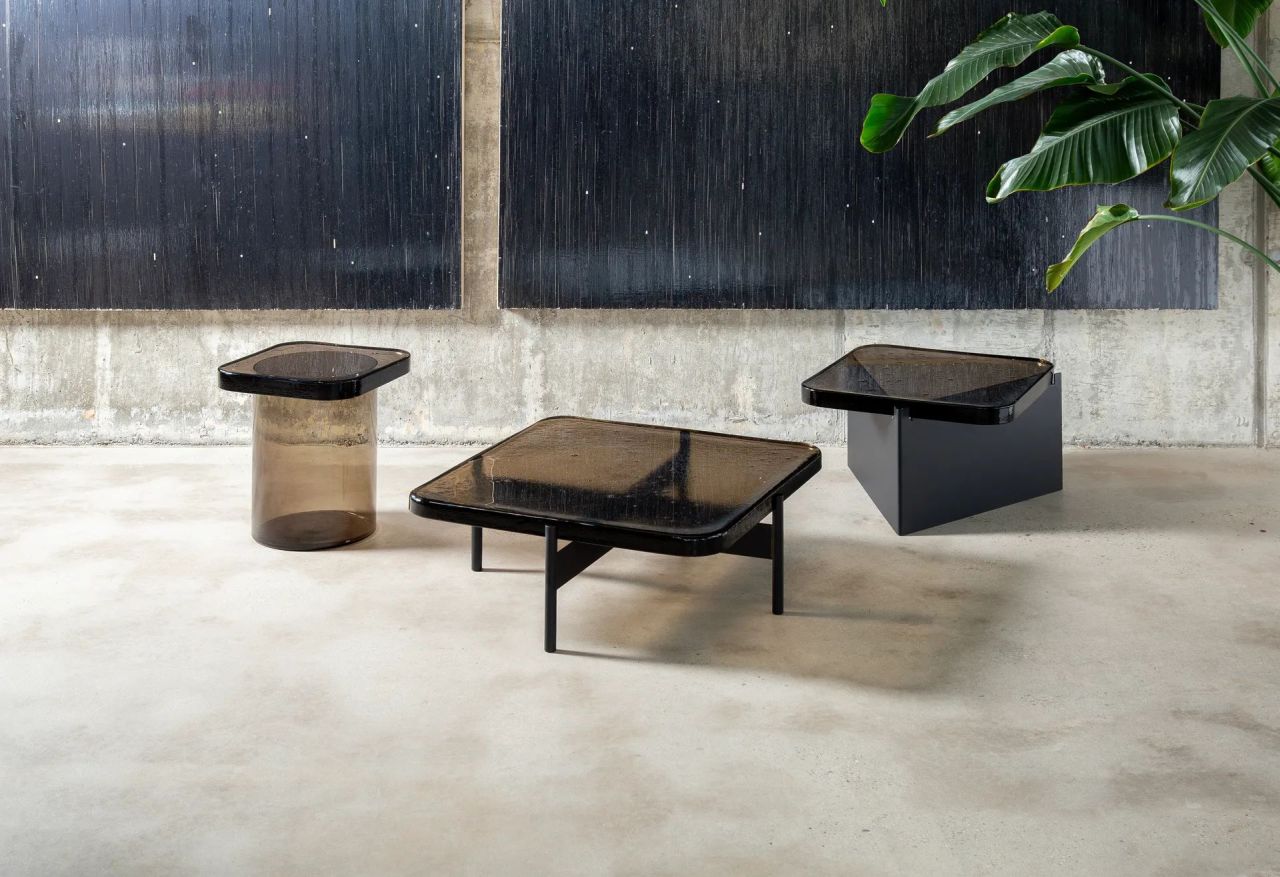
For the 2026 edition, designers reinterpreted the past to shape the interiors of tomorrow. There is a shift toward exploring traditional techniques to solve contemporary design challenges. Reinterpreting historical references through a contemporary lens to create forward-thinking aesthetics has become common. Alwa Square table by Sebastian Herkner is a great example that combines industrial-scale innovation with traditional glassmaking methods.

The Future of Materials
Designers are favoring natural materials, including cork, wood, stone, glass, and fibers. Unlacquered brass and heavy linens are also being widely used in designs. The futuristic transformation is done by blending tactile materials with contemporary forms. Materials and textures in their raw state are being improved with influences from futuristic architecture. Textured fabrics are also getting popular as they help add depth and visual interest to any space. The Moon Chair, made from 100 percent post-industrial cork waste, is designed to promote such an eco-friendly lifestyle.

Combining Nature and Technology
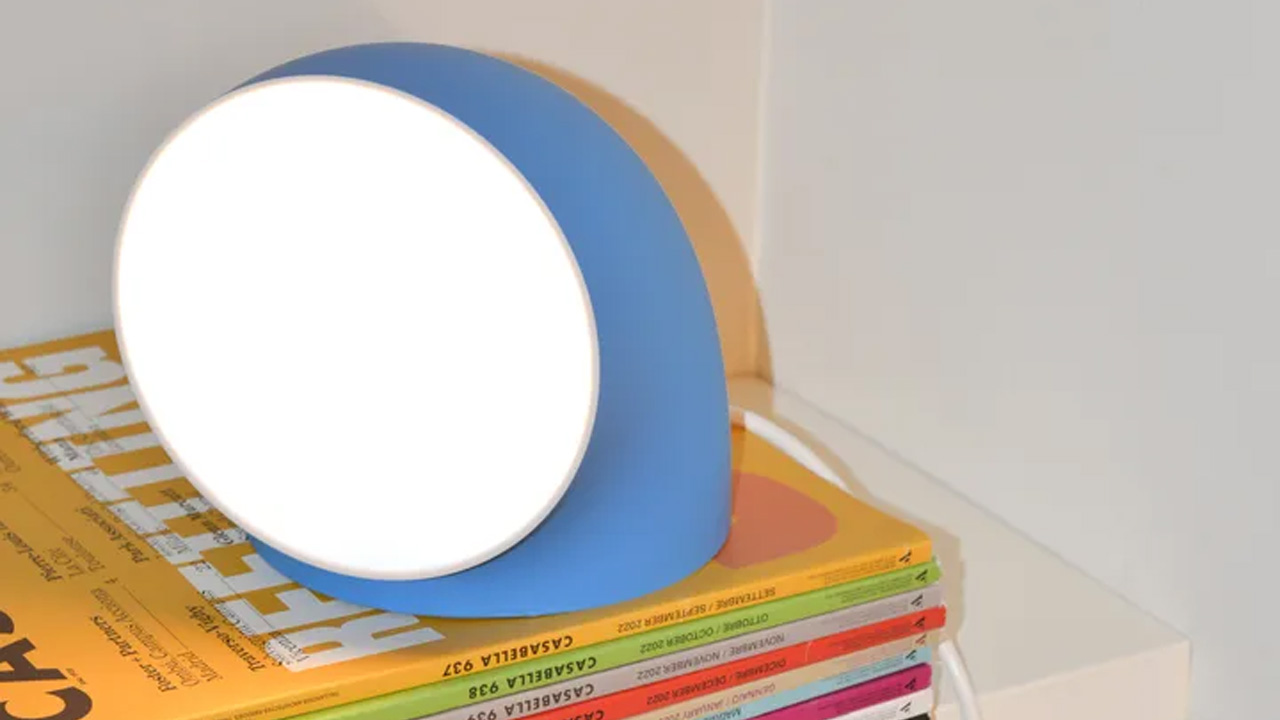
Mutation is a cool trend highlighted by Maison&Objet that explores the hybridization of new materials and forms. This shows designers and manufacturers are transforming raw, organic materials through high-tech techniques. They are using 3D printing, AI, and laser cutting to manipulate traditional materials in a unique way humans cannot do. Là dimmable table lamp by Artetica highlights this trend by using 3D printing with bio-based materials.
Focus on Upcycling
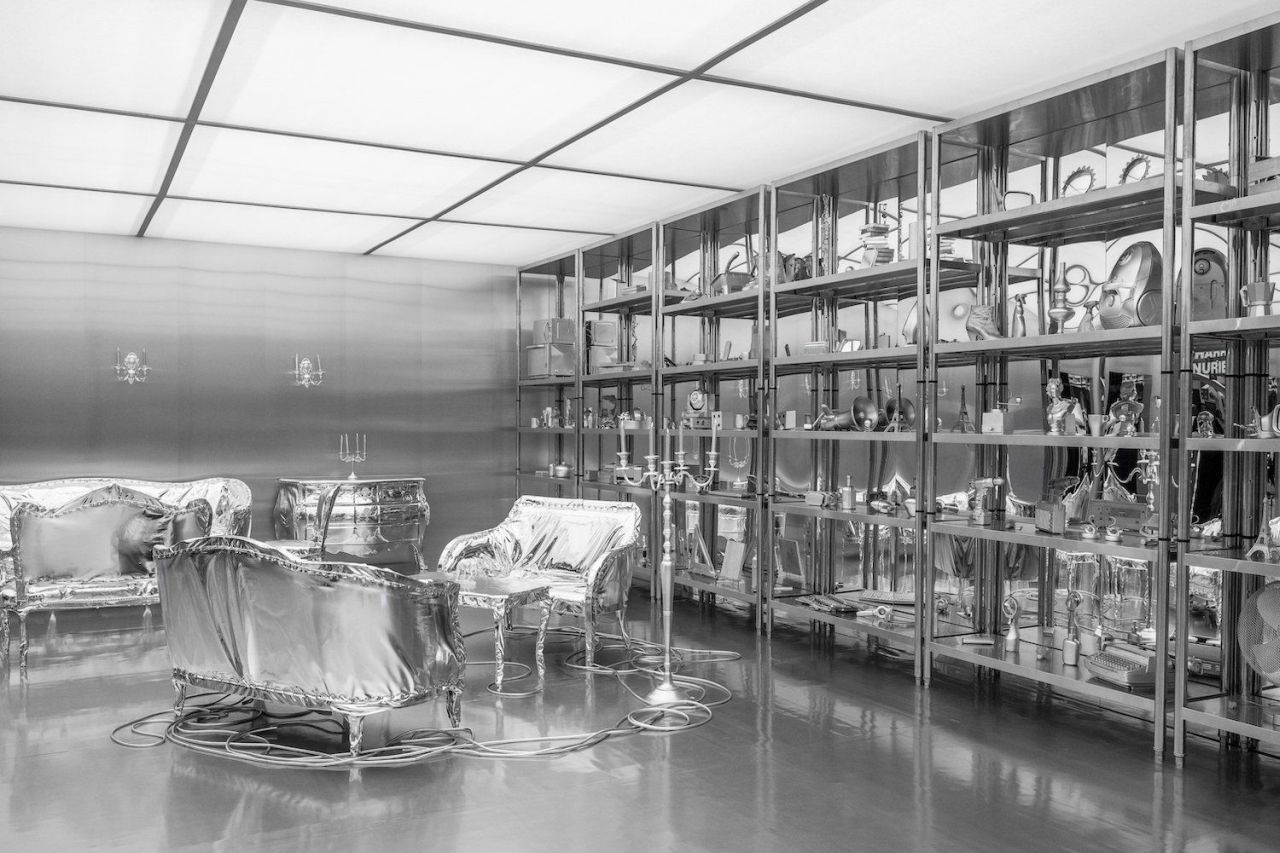
Metamorphosis, being one of the key trends at Maison&Objet, designers are discarding nothing but transforming into something useful. They are now focusing more on upcycling, where objects are transformed in shape and function rather than discarded. Creators are transforming everyday discarded items into totem-like objects. The Designer of the Year, Harry Nuriev, whose Transformism installation turns everyday objects into collectible icons, is a perfect example of it.

Revival of Classics
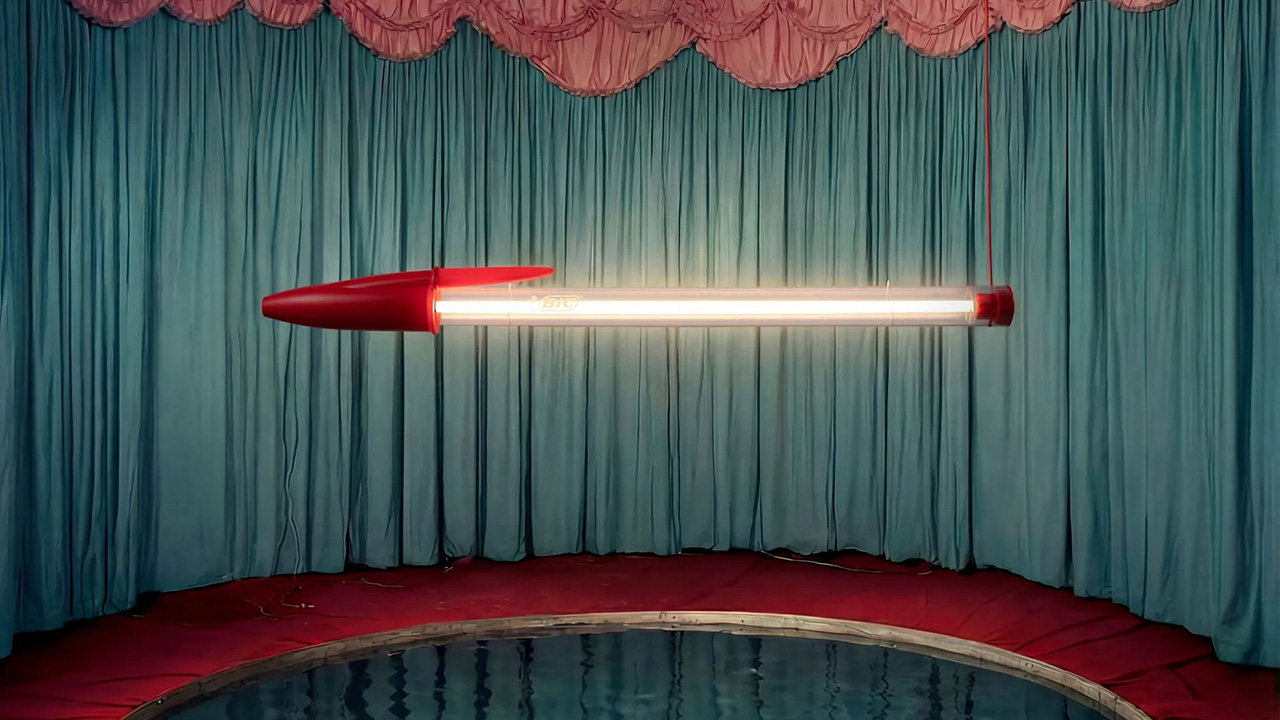
We also noticed that classic pieces are given a new form and function by famous design houses. They are updating their most famous designs so that they remain relevant in modern interiors. Giorgetti has reissued the iconic “Progetti” armchair featuring contemporary finishes and custom details, while Agapecasa has reissued the famous Schwob Table to meet the needs of modern people. Another great example is of Seletti, which turned the classic BIC ballpoint pen into a cool pendant lamp.
Also Read: 10 Best Lighting Designs That Stole the Show at Maison&Objet 2026
Ceramic Lamps Go Beyond Function
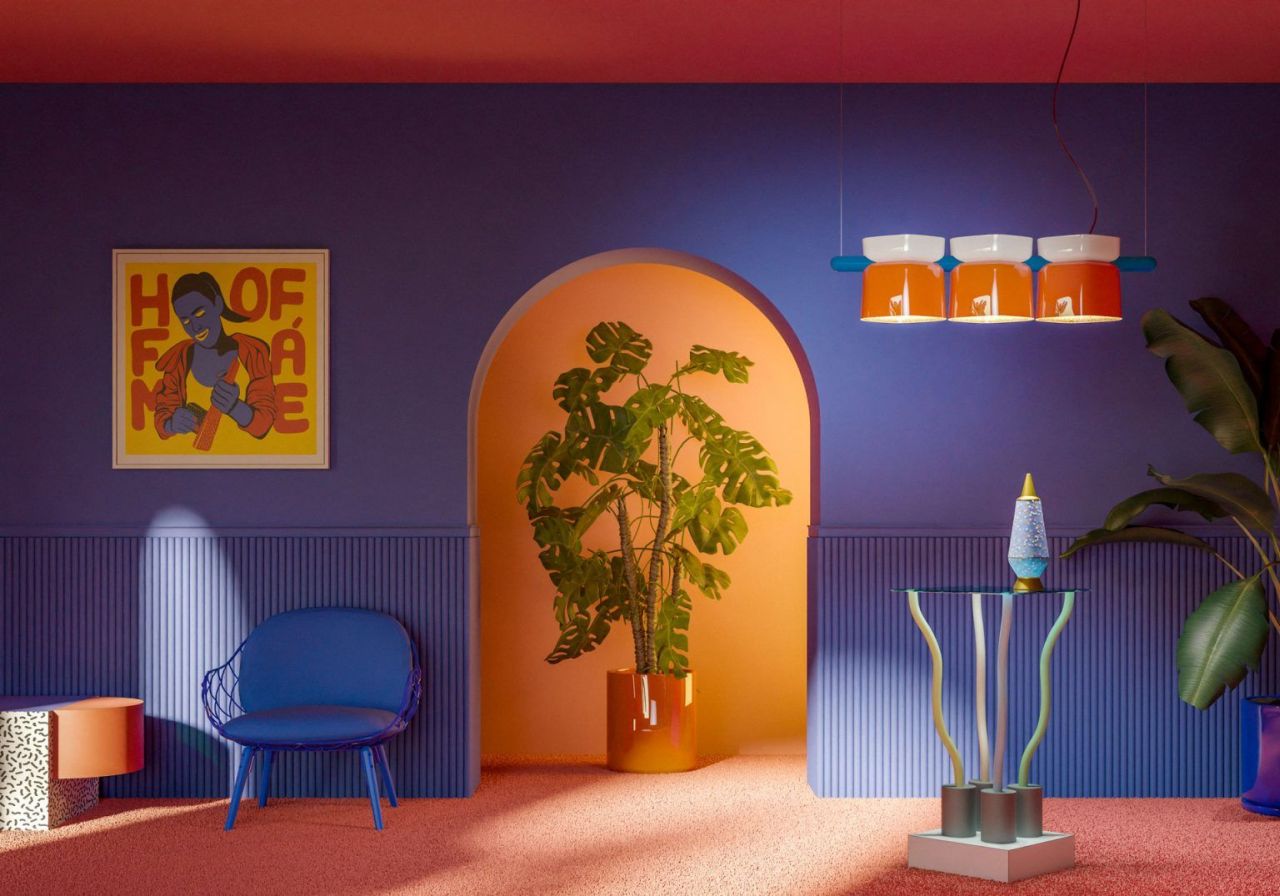
Ceramic lamps are a significant trend at Maison&Objet 2026 that are slowly embracing sculptural forms and tactile finishes. They are being treated as sculptural art pieces rather than just functional objects. Ceramic is being represented as an alternative that adds a touch of color, authenticity, and comfort in lighting designs. The ceramic lamps also fit into the ongoing warm minimalism trend by generating tactile and visual interest in domestic spaces. Ferroluce’s new ceramic lamps at the event support this trend.

Modular and Upholstered Furniture
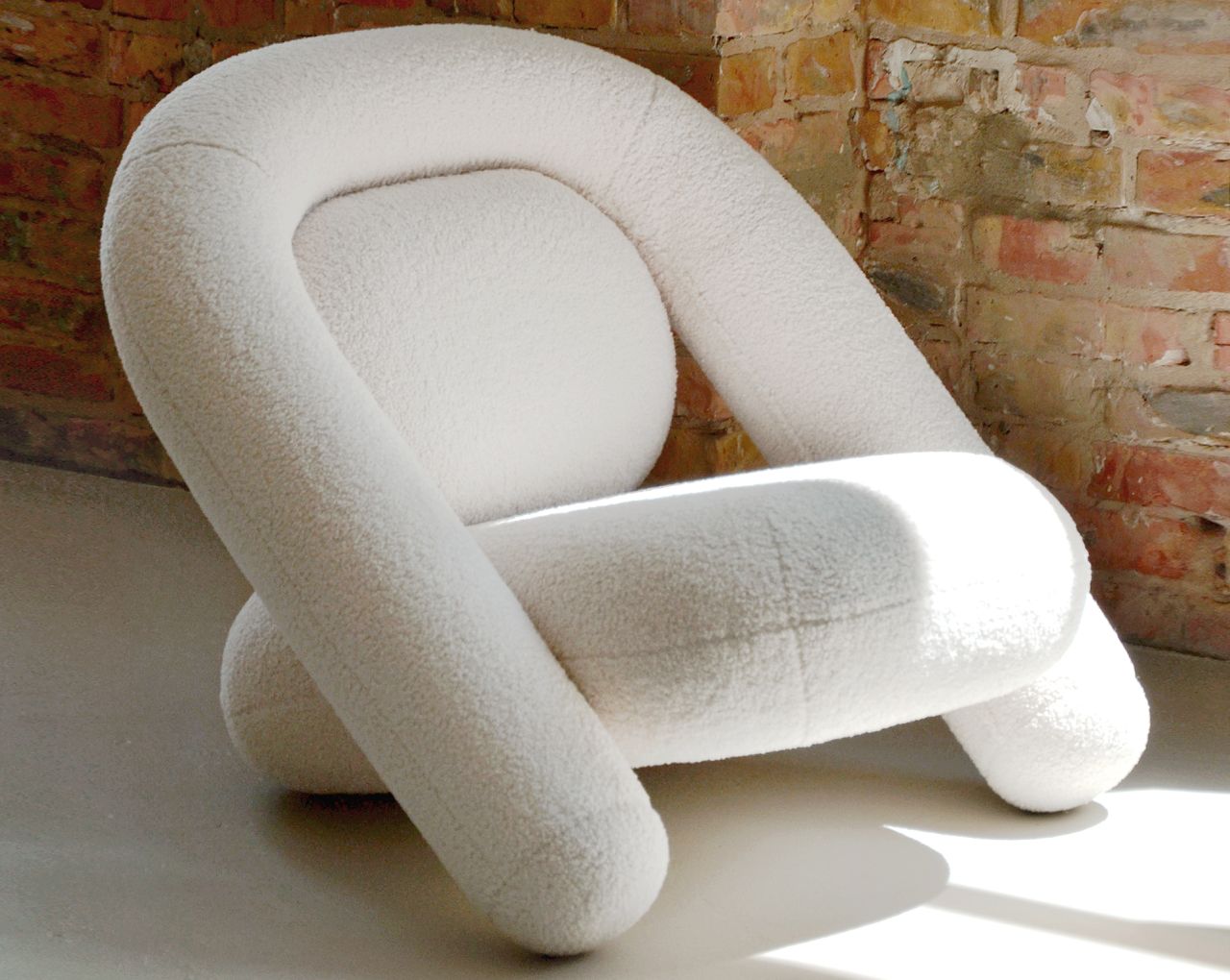
Designers are moving away from solid furniture pieces in favor of upholstered furniture pieces that seem more comfortable, even visually. This increasing demand is driven by the need for enhanced comfort, personalization, and sustainability in living spaces. Dmytro Kozinenko’s Bun chair follows this trend by offering diverse upholstery and color options to meet different needs. Modular systems that can adapt to changing needs are also getting popular. Dooq’s Mosaico upholstered system, featuring curved and linear modules for custom layouts, describes it effectively.

Organic Forms
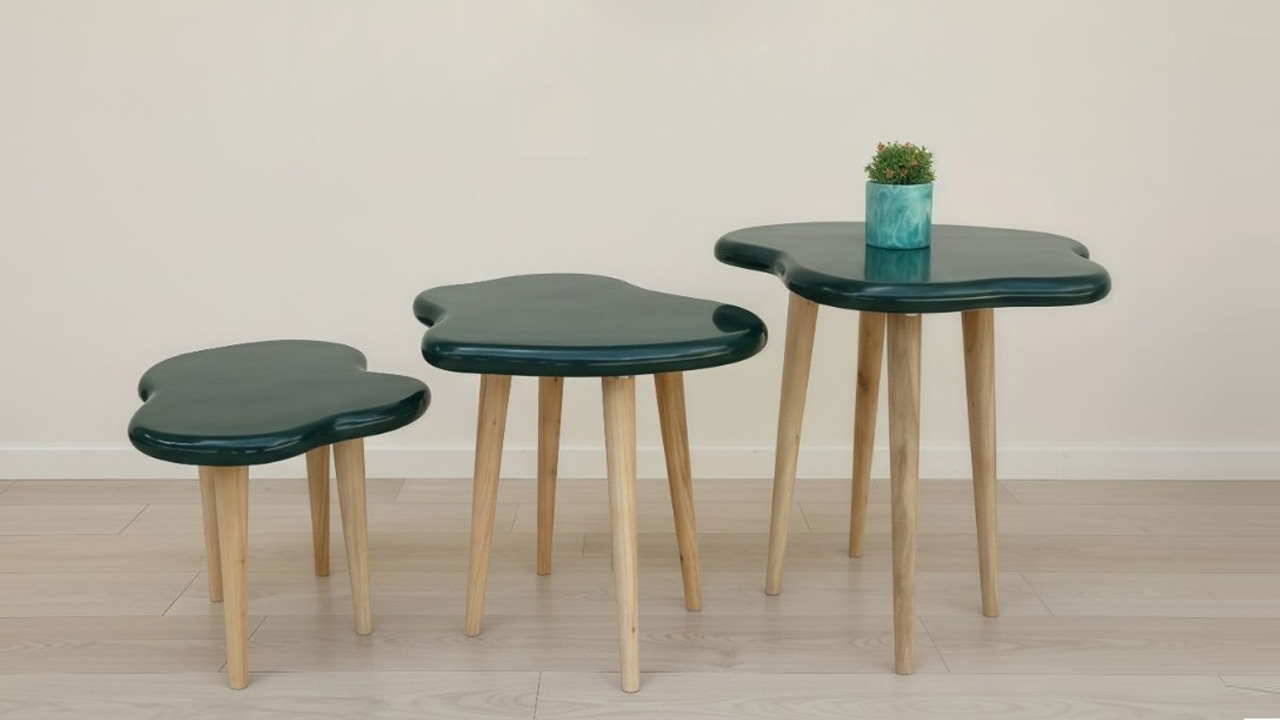
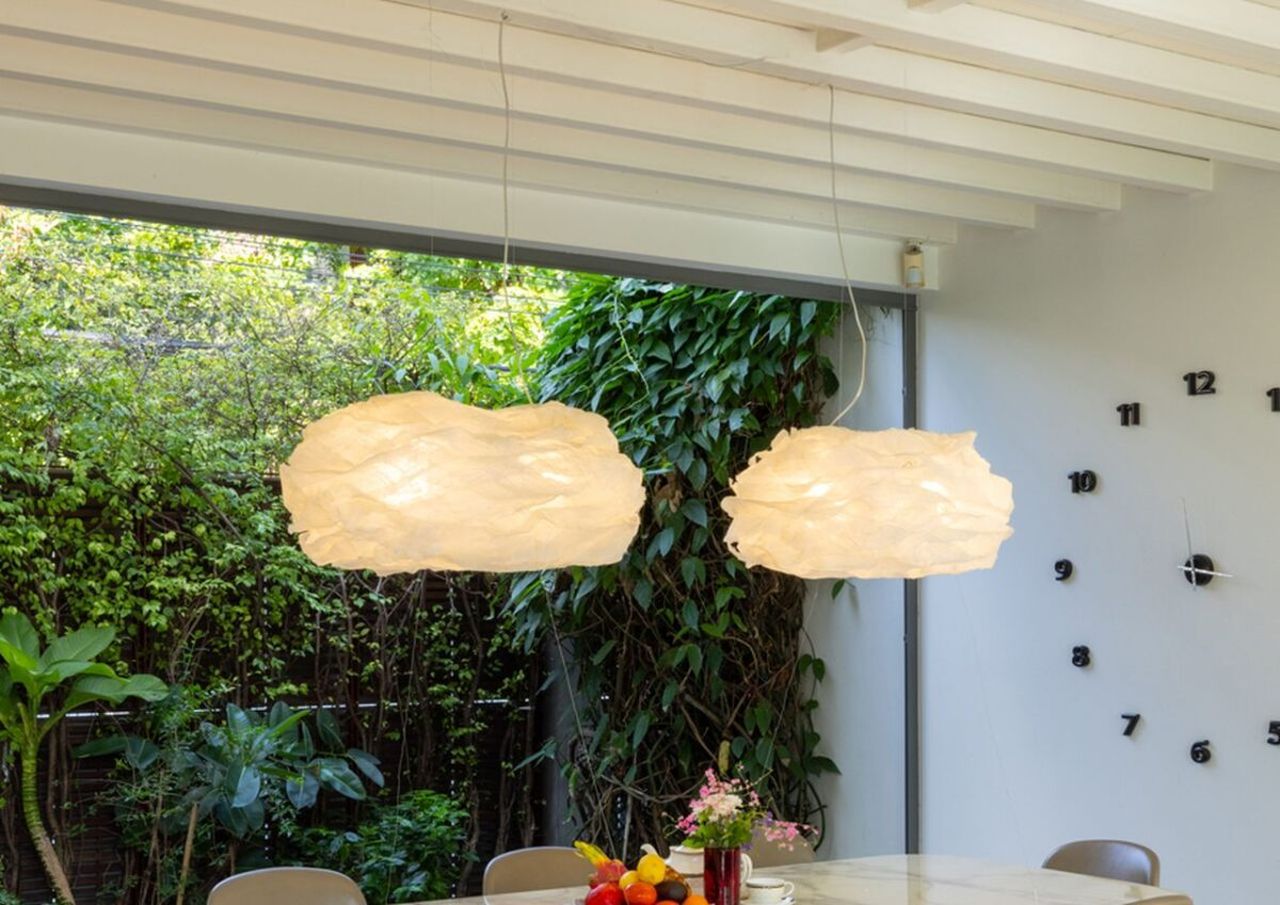
Designers are actively incorporating fluid, natural shapes and biophilic design principles to create spaces that feel more connected to nature. There is a pronounced shift away from rigid, angular furniture towards pieces with soft, flowing contours. Transcendence 2 lamp by Ango beautifully showcases this trend by featuring a cloud-like shape.

Revisited Baroque
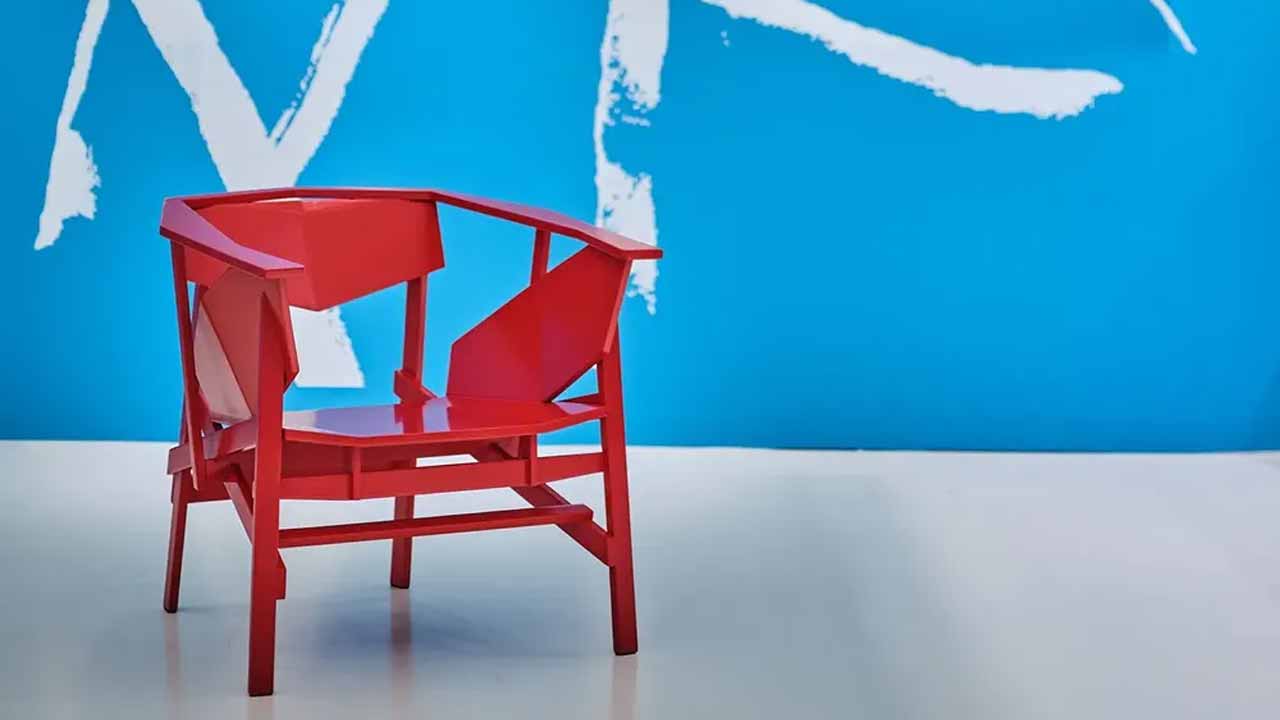
The “Recomposed Baroque” trend is one of the interpretations of the “Past reveals Future” theme at Maison&Objet that aims to reduce excess to focus on the core intention and form. It focuses on blending historical elements with modern design sensibilities. Designers are opting for classic details, sculptural curves, and layered materials to achieve this kind of expressive luxury. For example, the China chair by Chen Durai forgets classic proportions to get a refined look. Unique objects and limited editions are becoming true collectibles.
Bold Colors
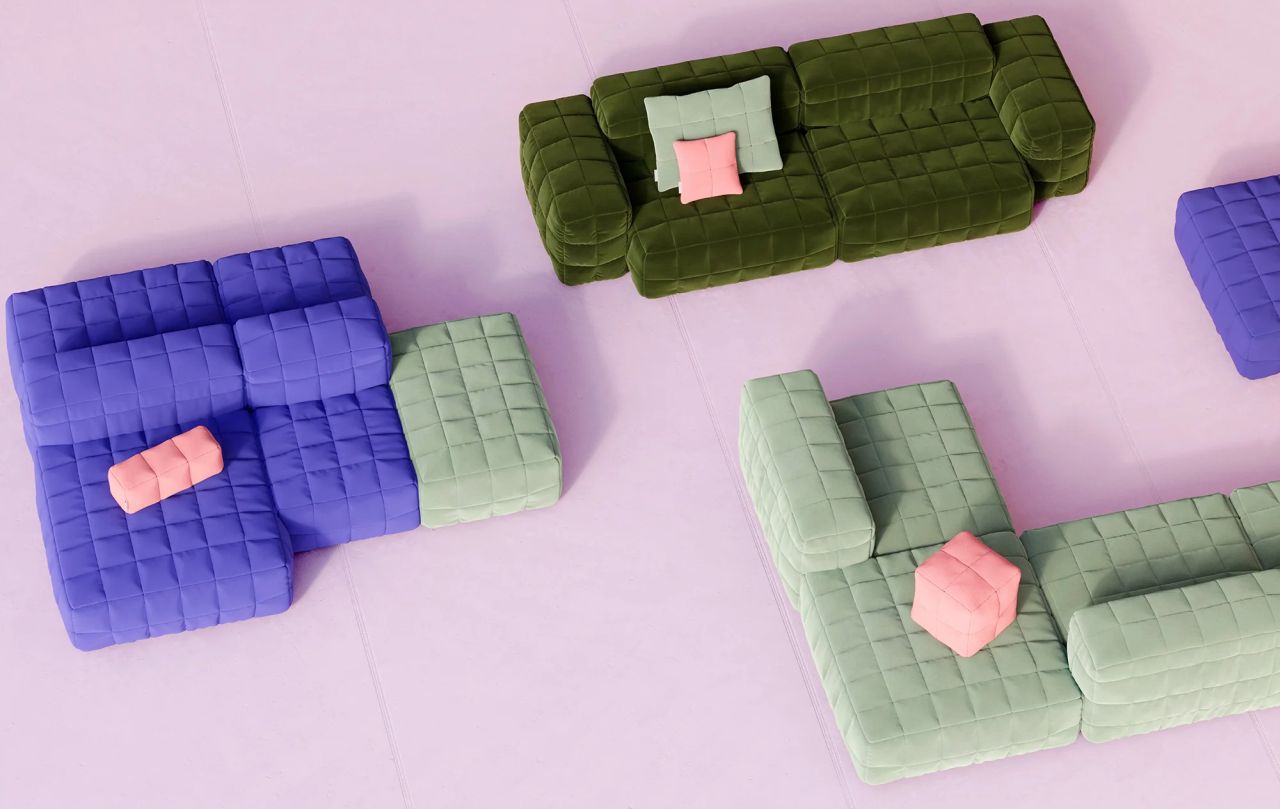
Maison&Objet 2026 highlighted the use of a bold and vibrant color landscape. Designers are moving away from cool tones toward palettes that are expressive. The products featured natural earth tones, zesty hues, and sophisticated deep shades. Furthermore, you may have also heard of the trend of color-drenching walls, furniture, and textiles in bold hues to create immersive spaces, which is going to be a hit in 2026. HENN Sofa by Objekte Unserer Tage comes with interchangeable quilted covers designed specifically to explore the “bold color trend.”