Every year, I am curious about the new interior designs finding a foothold in our homes. What will be in and what will be out on its way is like my own version of Keeping up With the Kardashians, or so to speak. In the past, I often relied on my research and industry reports to know and write about the upcoming interior design trends for a new year. But for 2026, I thought to shake things up and reached out to over 50 designers to get their input.
While most went unanswered, a dozen reached back to share their predictions of what will be the hottest interior design trends for 2026. The crux of these conversations was: people want homes that reflect their personality and emotions rather than aim to impress at first glance with impracticality. Let’s dive into their inputs to know the interior design trends shaping modern homes and what they mean for your space.
Bold Colors With Emotional Resonance
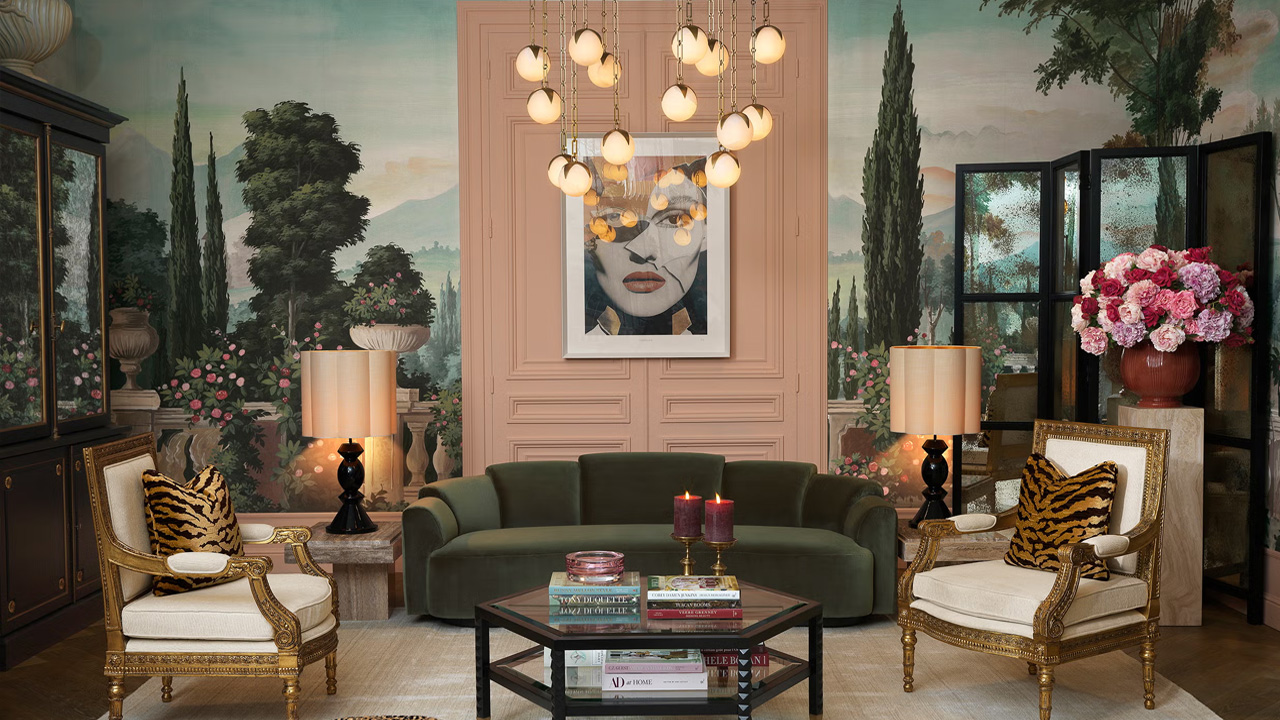
I imagine that people have had enough of bland whites, grays, and beige shades. These colors are fine, but draping your entire home in them makes the space feel sterile and lifeless. This is probably why we are going to see deeper, richer, and moodier color palettes everywhere in homes. You can expect saturated maroons, burgundies, jewel tones, and dramatic blues and greens making a comeback.
According to Joshua Praught of Studio Joshua, 2026 will see a shift away from beige and grey neutrals toward a confident, statement-making color palette, evoking emotion and individuality. He tells us, “A reaction against years of beige minimalism; people crave emotion, individuality, and color that reflects how they want to feel in their homes.” Praught says to start with a color that evokes a feeling. You can paint a room in a muted color tone and select dimensional fabrics on upholstery to bring richness without the space becoming too much.

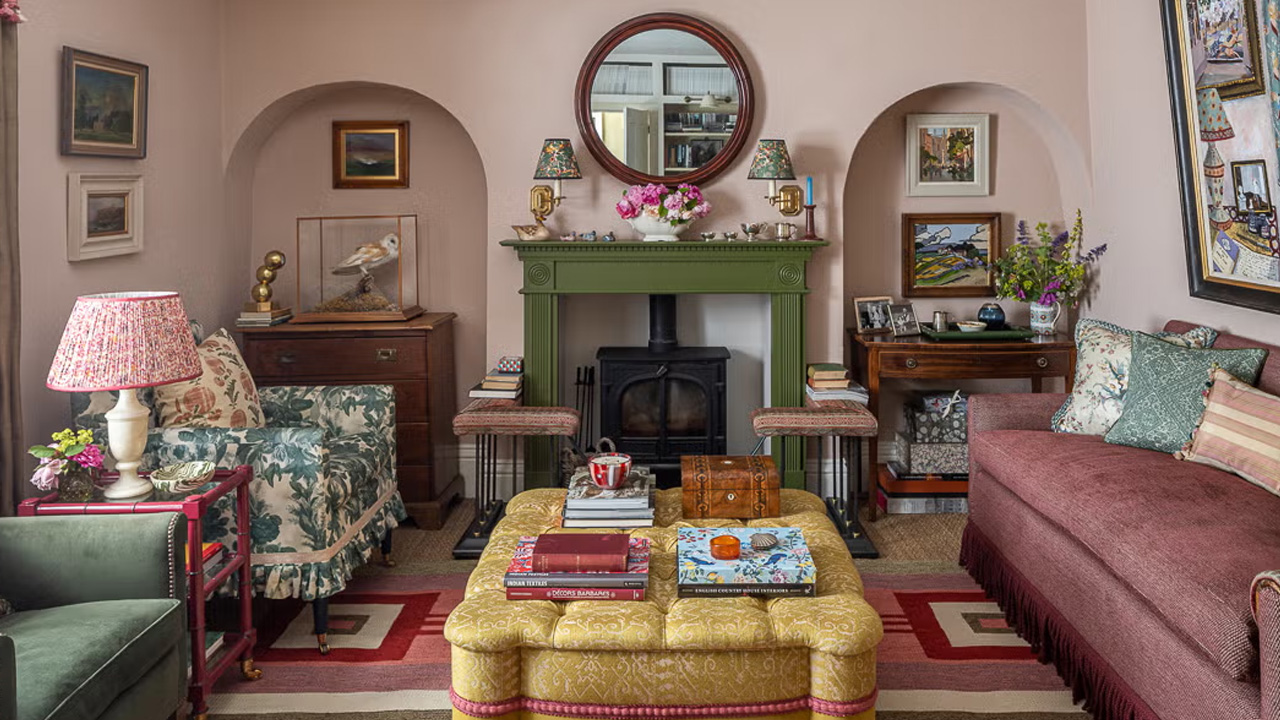
Kerrie Kelly, of Kerrie Kelly Studio and creative director of Fabuwood, adds, cold grays and high-gloss lacquers are on their way out. Instead, people are leaning into saturated, low-luster colors applied with intention. Think deep mineral teals, herbaceous greens, and modern plums. I am salivating thinking about green cabinets in my kitchen, a healthy dose of teals and plums in my living area. Can you imagine the vibe in there?
Johanna Constantinou, interior trends expert at Tapi Carpets and Floors, shares her thoughts on how Pantone Color of the Year, Cloud Dancer, will become part of our homes in 2026. “Cloud Dancer…a soft, almost weightless white that stands out precisely because of its simplicity. At a time when many expected richer, moodier hues, Cloud Dancer instead signals a shift toward clarity, calm, and quiet refinement. Its gentle undertone gives it a warm feel rather than a stark or clinical one, making it a versatile neutral for modern homes.”
Constantinou also says that this unexpected choice suggests a countertrend emerging alongside maximalism. People want spaces that prioritize rest, lightness, and breathing room. She suggests including this unique color with warm neutrals, soft grays, or muted greens, “while gentle accent tones, dusty blues, blush pinks, or light terracotta, add personality without overwhelming the calming effect.”
Warm Sculptural Elements
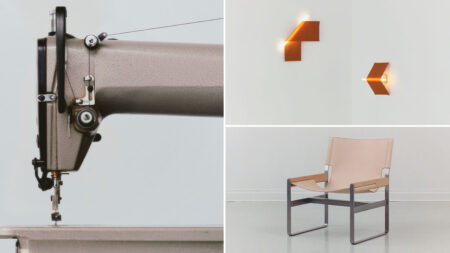
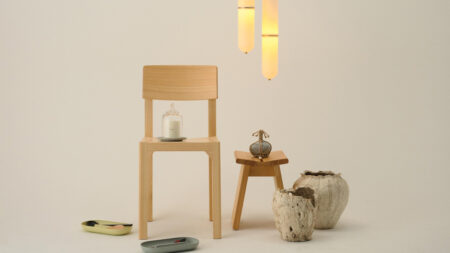
I have seen plenty of proof of sculptural pieces, carving their space in modern homes, this past year, and believe that it will be a huge thing this year. Whether we talk about furniture, lighting, or décor, each will have some sort of sculptural quality, adding to the personality of your space.
Lutron Ambassador, Huma Sulaiman, Huma Sulaiman Studio, shares, “We’re favoring sculptural pieces, and a variety of heights creating pockets of glow… Warm, layered light flatters people and materials, making homes feel more human. Sculptural fixtures add an artistic layer, while dimmable systems support functionality of every space throughout different uses… We’re looking toward systems prioritizing people and adaptability. They blend aesthetics, flexibility, and longevity—timeless qualities that outlast trends.”

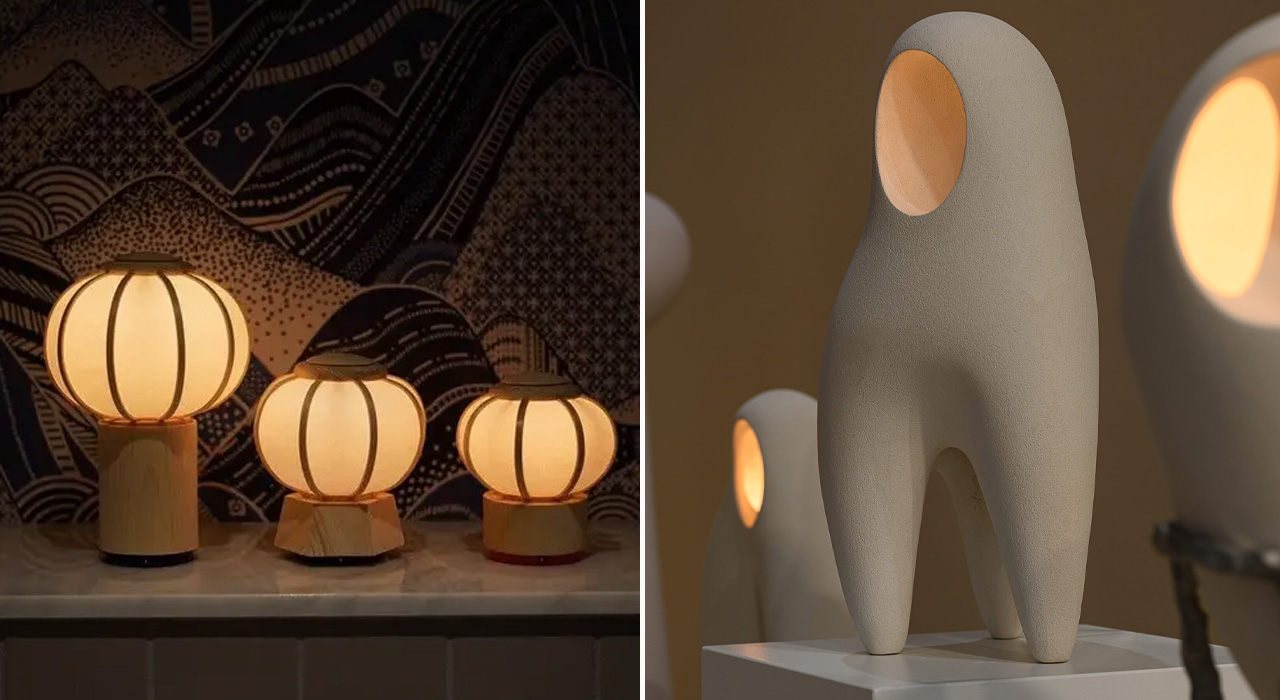
Praught shares that we are going to see a spike in demand for furniture as functional art. Imagine bold silhouettes, hand-crafted forms, and one-of-a-kind pieces that express personality integrated into your living space. The focus is more than just on functionality; it is about valuing craftsmanship, originality, and pieces that tell a story. He says, “Choose one or two statement pieces — a curved sofa, hand-carved table, or unique chair — and let them take center stage. Balance sculptural forms with simple, grounding materials.”
Nicole Hirsch, Nicole Hirsch Interiors, also weighs in, she says, “Lighting is no longer just functional–it’s becoming an art piece in a space. Sculptural fixtures cast light in ways that minimalist lighting can’t. Clients are wanting to invest in expressive pieces–a statement ceiling fixture or sculpture sconce that draws the eye when on or off.”
Natural Materials Stay Put
For a while at the turn of the century, natural materials in interior design sort of faded, but over the past decade, they have again been established as a sleek element people adore. This trend is marked by natural materials and organic textures, balancing a sensory experience. Praught says that materials are expanding beyond tile and paint. “We will witness micro cement, terrazzo, brass, plaster, and wood used in unexpected ways and applications.”
Interior designer Ami McKay informs, “Terracotta will be stepping into 2026 as the quiet hero of bathroom design, a warm, sun-baked counterpoint to the cool greys and stark whites of past years,” giving your space an old European farmhouse-esque charm. According to McKay, people – homeowners and designers, alike – are leaning into the grounded and earthy richness of terracotta, where it will be used in everything “from hand-formed zellige to silky plaster walls and sculptural vessels that feel collected rather than constructed.” Paired with creamy limewash, unlacquered brass, or a single oak accent, terracotta adds warmth without noise and will be everywhere in 2026.
She further adds that microcement is another material that will be carving a particular space for itself in home interiors. “It’s not a fleeting trend to me, but a natural answer to what we want from bathrooms now, spaces that feel calm, cohesive, and textural. As we look toward 2026, microcement’s seamless flow across walls, floors, vanities, and arched niches brings a sculptural quality that tile can’t replicate, creating rooms with mood, softness, and a sense of real craftsmanship. Used as a continuous canvas rather than a single finish, it celebrates curves, shadows, and the artistry of the material itself, resulting in bathrooms that feel elevated, timeless, and intentionally made.”
Aside from these, I see character woods such as rift-cut oak, walnut, and quarter-sawn ash being heavily preferred in furniture, while metal accents will be there to enhance these natural materials even further. Instead of mass-produced cheap materials such as plastics, people want to add natural materials like wood and stone to bring an earthy feeling to the space. Now that is a trend I can get behind.
Emphasis on Wellness-Driven Interiors
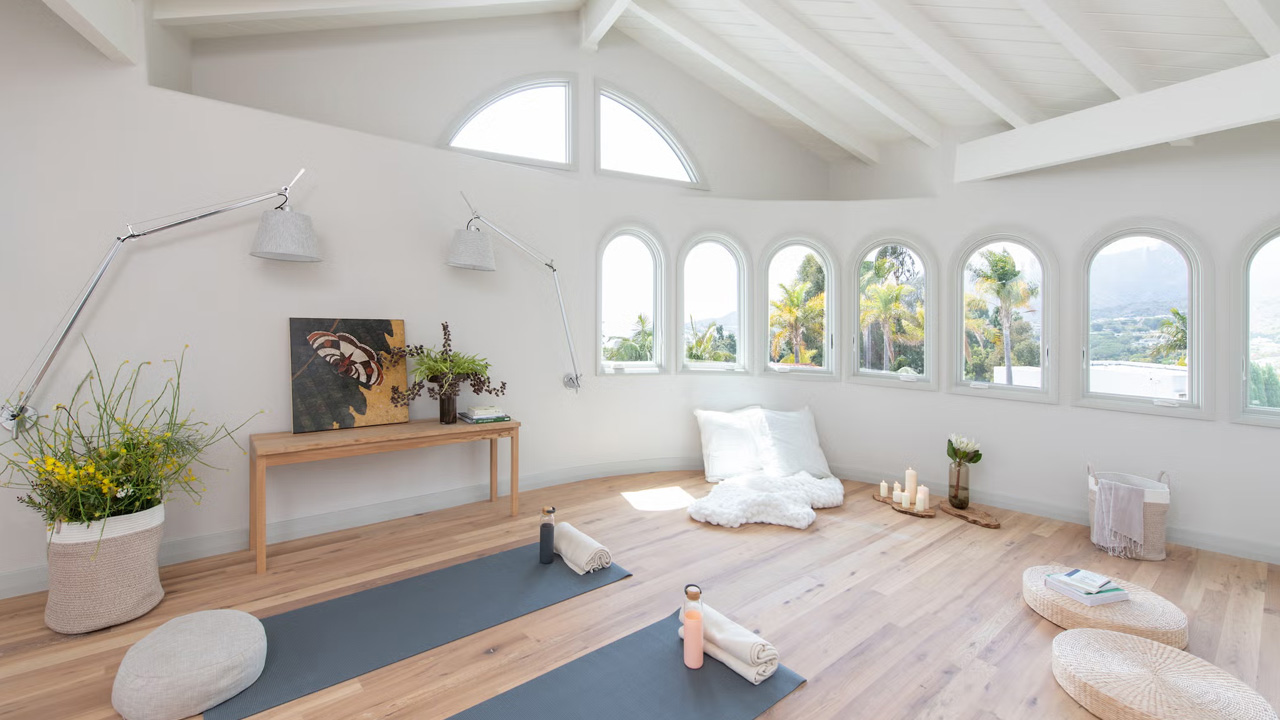
A trend that is more specific to this decade, wellness has become an inherent part of modern homes, where each element caters to your wellness in one way or another. This, however, doesn’t mean that you need to have spas or gyms at your home. By wellness-driven interiors, Praught means “Spaces designed for restoration and sensory balance through natural materials, organic light, and tactile textures.”
With a fast-paced world, where life grows faster and more digital, we need intentional design that offers calm, grounding environments to restore our senses. To achieve wellness-driven interiors, you can layer natural textures like linen, wood, and plaster. Diffused warm lighting paired with biophilic design can soften the atmosphere and create a calm, restorative space that you would never want to leave.
Create a sanctuary with intentional materials and objects in every space of the home. Get rid of clutter and unnecessary things; instead, add layered textures, live plants, and natural light to bring in an earthy vibe that tells a story.
Seamless Technology Integration
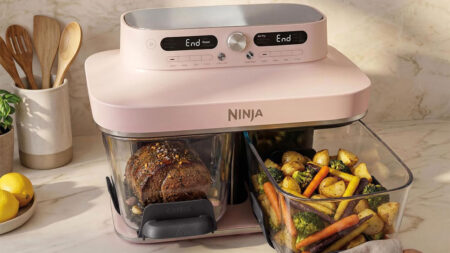
Come to think of it, we have been pivoting towards smart home integrations for over a decade now. 2026 interior design trends are all about embracing technological advancements in homes. Whether you want a smart lock, a new security system, a smart toilet, or simply a smarter fridge that can order groceries on its own, the new guard will usher in concealed systems that support comfort and aesthetics.
With smart technology becoming less intrusive and more intuitive, home automation is a key interior design trend of 2026. We will surely witness seamless integration in furniture, walls, and surfaces to enhance function without the visual clutter. Key components include AI-driven customization, voice-controlled or automated lighting, hidden charging stations, and wireless security solutions, prioritizing functionality along with sleek designs.
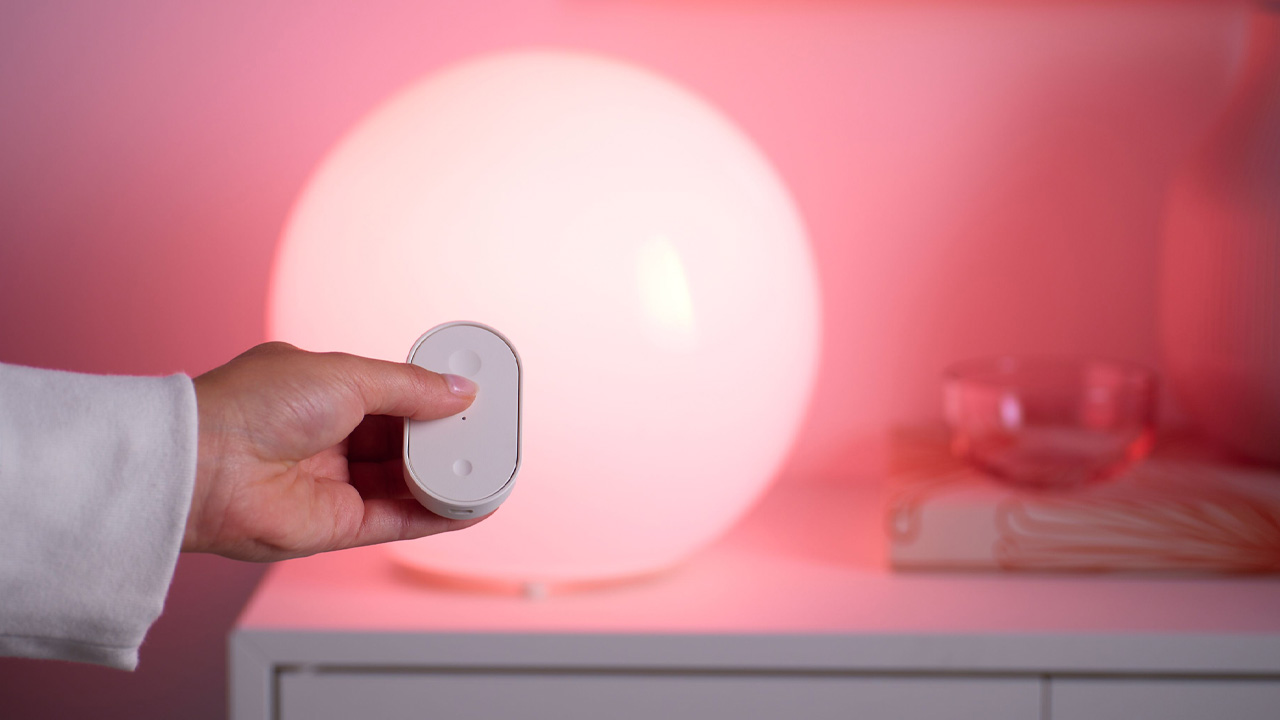
Praught says 2026 is the year of concealed systems that support beauty and comfort. I can certainly say, based on designers’ predictions and trends observed in the last year, that we are going to have a lot of hidden speakers, integrated lighting, curtain automation, and climate control at the forefront of this trend.
Sulaiman says, “Layered, motorized window treatments anchored by beautiful textures and fabrics. Light colours and neutrals provide a calm foundation; soft panels or sheers add personality and dimension… Natural fibers filter light so beautifully, as well as being classic and effortless to coordinate.”
Return of the Spa-Inspired Bathroom
The pre-COVID era saw a lot of spa-inspired bathrooms, but then the pandemic hit, and we just settled for what was there. Although it still feels like we got stuck in a simulation, the spa-like bath spaces are making a huge comeback with a focus on wellness.
Peter Well Senior, Amerock Principal Designer, says, “In 2026, bathrooms are embracing spa-inspired designs that focus on warm, organic aesthetics and ergonomic features to promote wellness. Soft, natural metallic finishes such as matte and satin, brushed brass, champagne bronze, and aged gold add inviting warmth and a touch of refined luxury. When combined with the visual and tactile textures of organic materials like stone flooring and accent tiles in walk-in showers, along with glass knobs on cabinetry, the result is a space that feels both thoughtfully curated and elevated, while also prioritizing comfort and practicality.”
Three particular bathroom trends that have already made heads turn are drop-in and under-mount bathtubs, unique sinks, and enclosed shower spaces. Combined, these can create a cohesive, soothing bathroom to help you unwind and relax. Additionally, warm metal accents, natural wood, and handcrafted tiles are predicted to become a part of spa-style bath spaces.
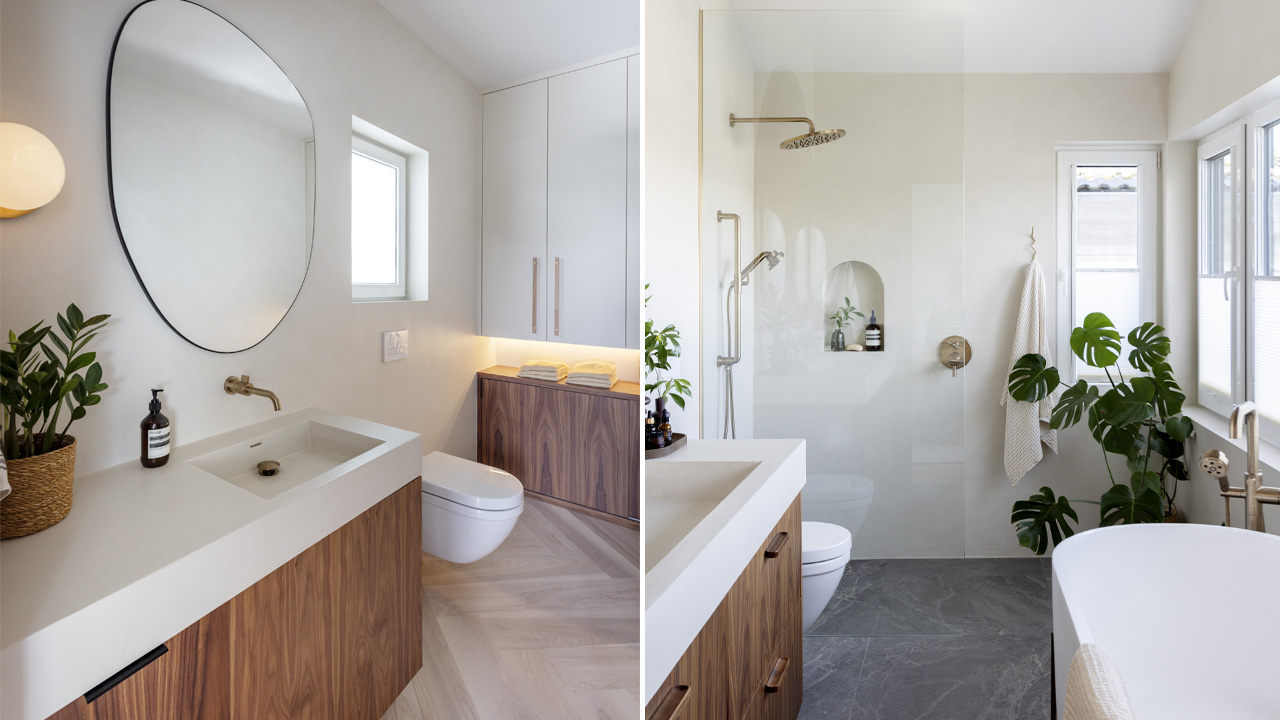
I like that we are shirking away from cold, lifeless bathrooms that just make the overall vibe depressing. The move towards warm, personal, and full-of-life bath spaces goes hand-in-hand with the wellness-driven interior trend.
The Year of Decorative Lighting
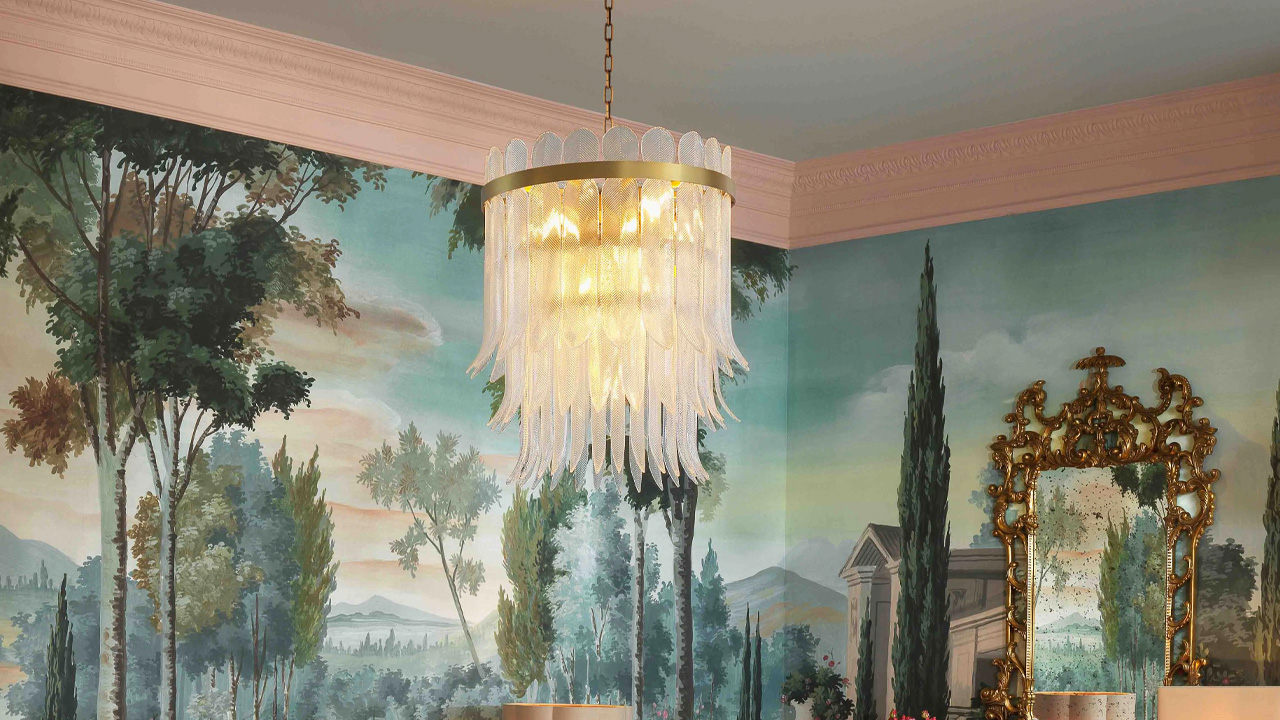
As we move toward the end of the year, white lights are being shunned for being too lifeless, especially in homes. Smart lights with more control over how they affect your mood and space ambiance for good are being prioritized. Additionally, sculptural, decorative lighting full of personality enhances the home environments while reflecting your individual style.
Julee Ireland, Home Renovation School, Lutron Ambassador, shared insights into the shift in lighting design. Ireland says that decorative lighting is important and has evolved into a more artful, intentional, and personality-driven element in the home. Fixtures are no longer just functional; they’re designed to elevate the overall experience of a space, making you feel at ease and relaxed through illumination.
“Lighting—especially full-spectrum lighting—and controls should be a first thought, not an afterthought. You can always change paint or hardware, but your lighting system is part of the home’s architecture—it’s just as important as your framing. Lighting that adapts to our natural circadian rhythm supports wellness, comfort, and increases the value of your home. The technology is here to stay and is becoming mainstream, so make room for it in your budget—it’s one of the smartest investments you can make,” Ireland further elaborates.
Curved Furniture With Whimsy
The one thing I am overjoyed about is the oversized, rounded furniture. At the turn of the decade, a little before actually, we saw a major shift toward curved furnishings. That trend has only gotten stronger with every passing year. In 2026, the rounded furniture stays put, adding a whimsical charm to your living space.
Fast furniture is fading. People are making conscious choices by prioritizing longevity over fads in their furnishings. Think oversized sofas, curved edges, bulbous shapes, and plush padding. That is the future of home furniture as far as I can see. According to industry experts, 2026 will be a big one for layered furnishings, with antique pieces, reclaimed materials, and locally made finishes.
For 2026, don’t just buy things that look good. Pick items that will complement your style for a good long while, no matter what you throw in the mix. If you are aware of your own tastes and preferences, figuring out what furniture to mix and match to bring out the most out of the space is a fairly easy task.
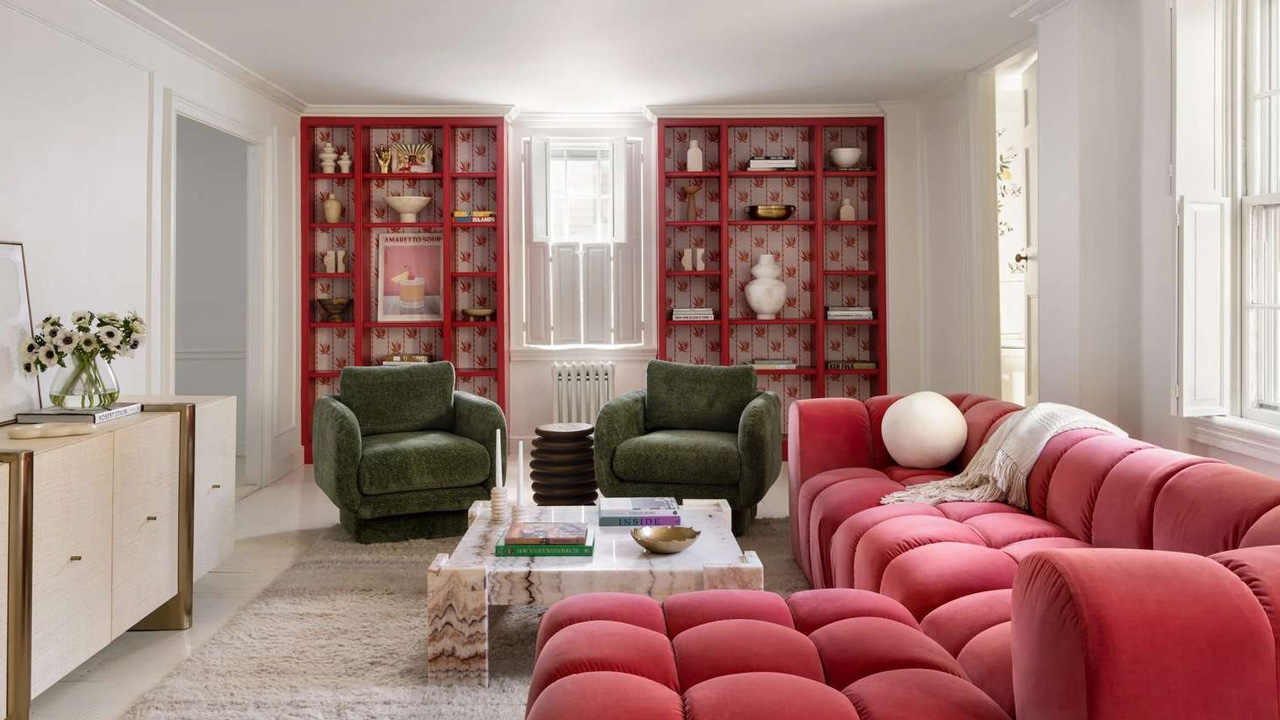
When picking curved furniture, pay attention to how it will make you and your space feel. We are prioritizing the function over looks. A curved couch or a rounded table can be a great conversation-starter while inculcating a natural flow of movement in a room.
Say Hello to Personalized Kitchens
Once upon a time, the kitchen used to be a thriving hub in a household. I am baffled that we turned those spaces into mere functional zones where not much goes on except cooking. We created really small cooking areas with no flair or conversation flow. Thankfully, that is about to change.
According to Peter Well Senior, “Kitchens in 2026 are embracing warmth and texture through hardware that feels both intentional and well-crafted. Homeowners are drawn to the appearance of natural materials, such as leather-wrapped pulls and knobs…wood grain accents, and subtle hammered or knurled details. These elements add depth, sophistication, and character to the space. By incorporating these touches, cabinetry and islands are elevated, creating environments that feel personal, layered, and thoughtfully designed, all without the need for a full remodel.”
While I have received word that kitchens will become bolder and more personalized, there are also predictions of minimalism taking over. I am not a fan of minimalism in the kitchen design, but transitional and traditional styles imbue this particular space with life.
Michel Smith Boyd, SMITHBOYD Interiors, NKBA Design Council, says, “Minimalism in the kitchen resonates with me most. While it’s considered a trend, it’s also timeless. I associate value with how well our design selections age over time, especially with large investments like the kitchen.”
Celerie Kemble, Kemble Interiors, NKBA Design Council, shares that people want their appliances to stay hidden and discreet inside paneling or a color scheme. That is among the popular preferences we all saw in the past year, and people will be leaning into it more this year, as well. “I don’t have a single client who isn’t open to panel-ready dishwashers, fridges, etc. Ovens are all being elected in finishes that “hide” – with a rise in matte finishes to also avoid the spotlight,” Kemble says.
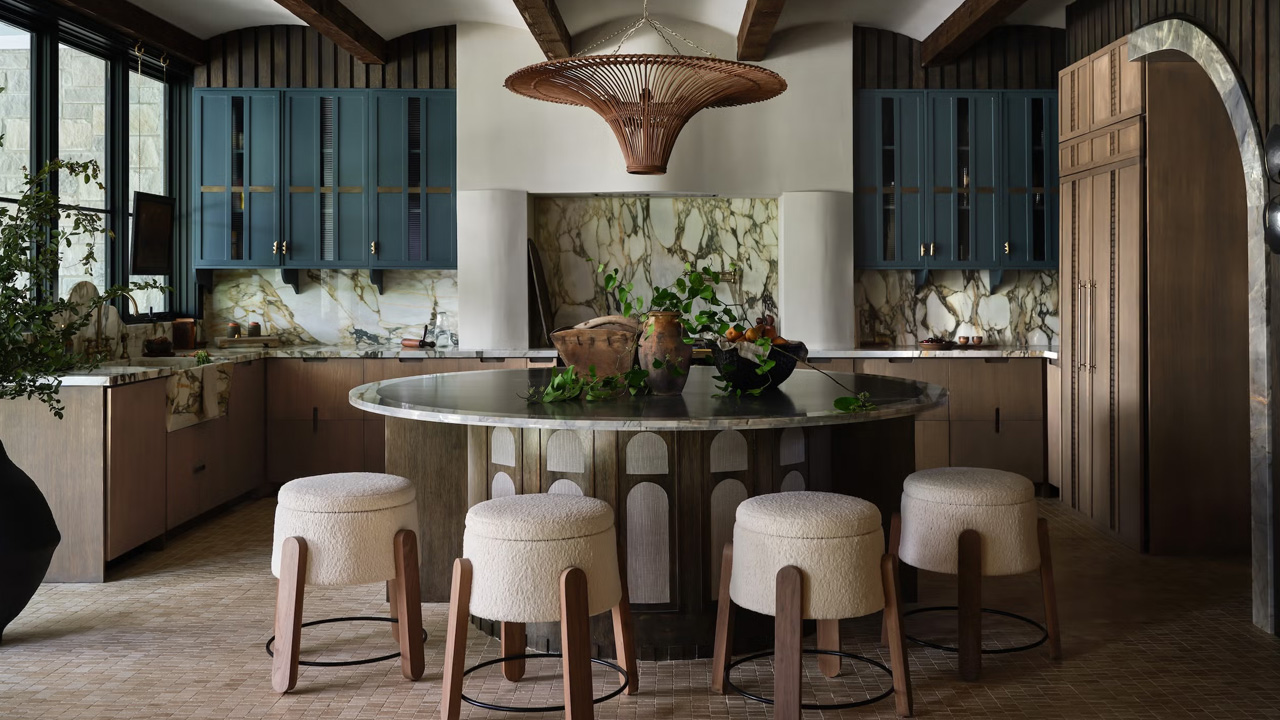
Thom Filicia, founder of Thom Filicia, NKBA Design Council, voiced her thoughts on the shifting kitchen design in 2026. “I love that kitchens are being designed with real life in mind—think islands that actually support the way families function, zoned cooking areas that make prep and clean up a breeze, chic little beverage stations that feel like your own stylish bar, and even pet feeding areas that blend right in instead of feeling like an afterthought. To me, that’s what authentic, personal design is all about: creating a space that makes your daily life feel both effortless and fabulous.”
Kelly says that one-note, showroom-style minimal kitchens are on their way out. Such layouts feel flat and over-edited. Instead, people are opting for refined layering. “Low-sheen composite or quartz counters, softly veined or boldly patterned stone as a focal slab backsplash, and textural woods that add depth” are in this year.
Echoing Filicia’s sentiments, Kelly reveals that large, multifunctional islands will become the workhorses with hidden storage, integrated sinks, or appliances. There will be walk-in pantries and sculleries to keep the main kitchen calm and streamlined. As for the color palette, kitchens are loving the bright makeover with rich, deep colors like the greens, blues, and reds, instead of all-white or grays. Character wood, easy-to-care-for surfaces, and metallic finishes are being welcomed with open arms.
Final Word
Whether you ardently follow the annual trend predictions or not, one thing is clear from the 2026 interior design trends: people want their homes to feel lived in, with bold, eclectic personalities just like the residents. For me, the personalized kitchens and rounded furniture take the cake. If you don’t want to change everything all at once in accordance with the abovementioned trends, take it one step at a time. Add a bold wallpaper in a bland hallway, add a sculpture light fixture, add some smart features, or just paint the kitchen cabinets in that sage green you have been eyeing for months.
These trends do not tell you to change your home; they tell you how something can be better with just a small change and how it can elevate your mood. Interior designs transform your house into a home, with lush furnishings, cheerful colors, and decorative lights. So take some inspiration and shake things up a little.