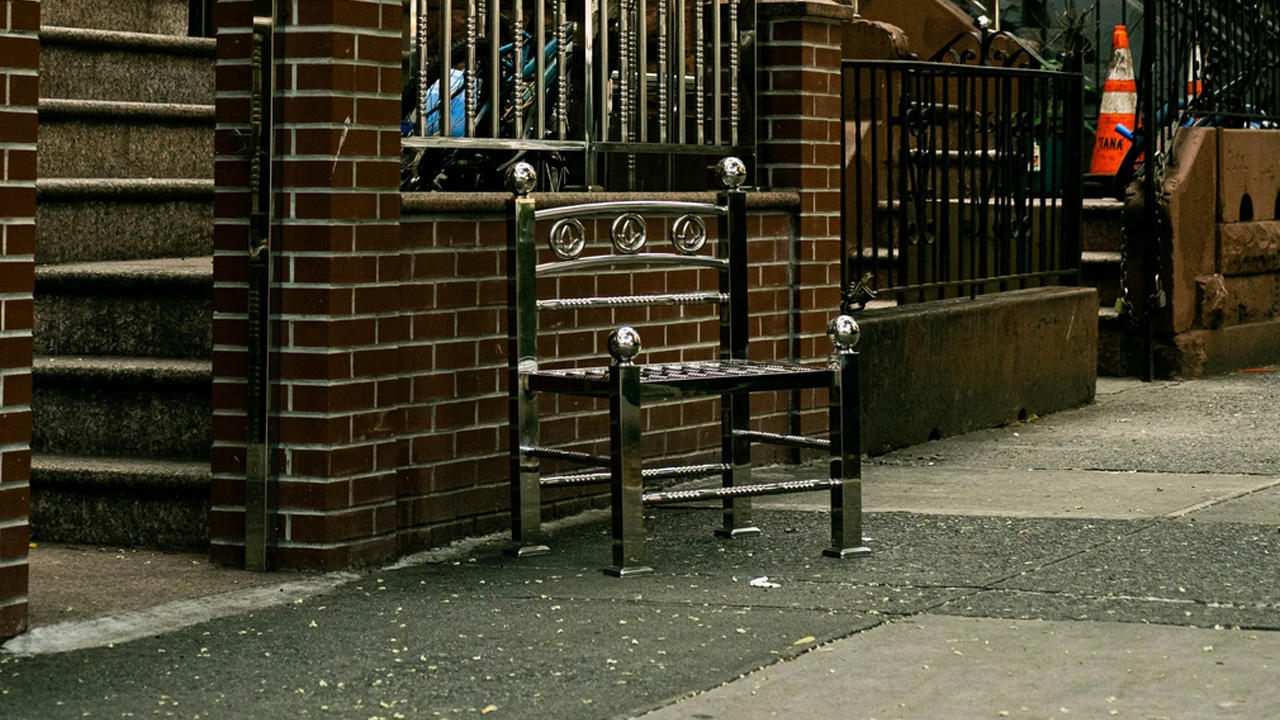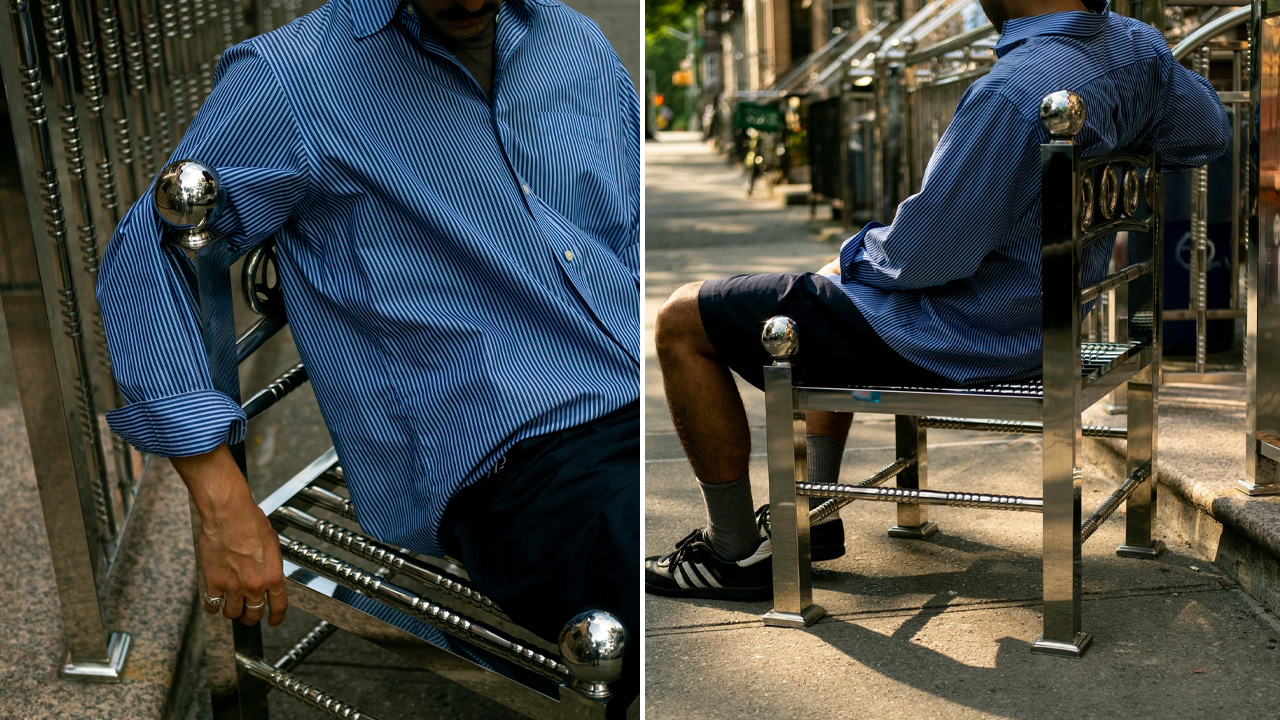
Fences are the first line of defense when it comes to our homes; a sentiment many marginalized communities share. Apparently, Brooklyn-based designer Han Seungmin thinks the same. He has created a chair using the mass-produced stainless steel fencing in New York’s Asian and West Indian neighborhoods. Dubbed White Picket Chair, showcased at the 2026 NYCxDesign Festival, the chair has a duality to its creation: it reflects on how marginalized communities navigate safety, while simultaneously evoking the traditional American Dream, where most people want to live in a nice house with a white picket fence.
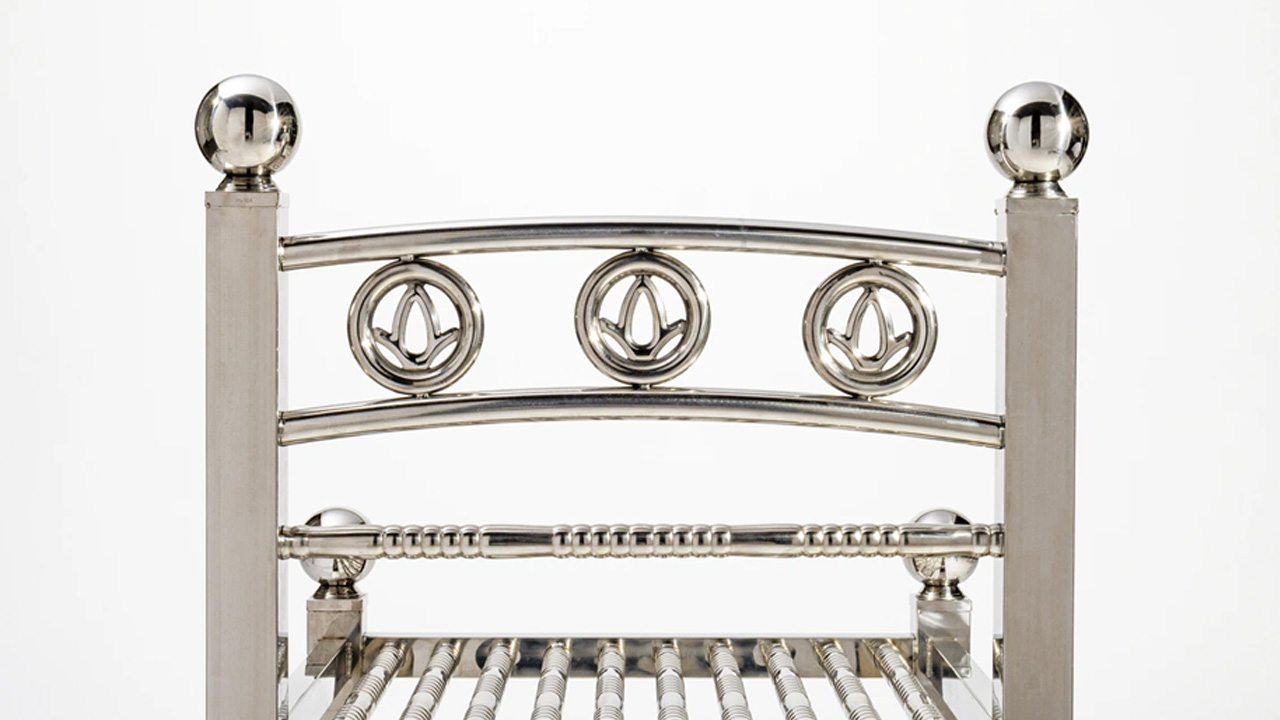
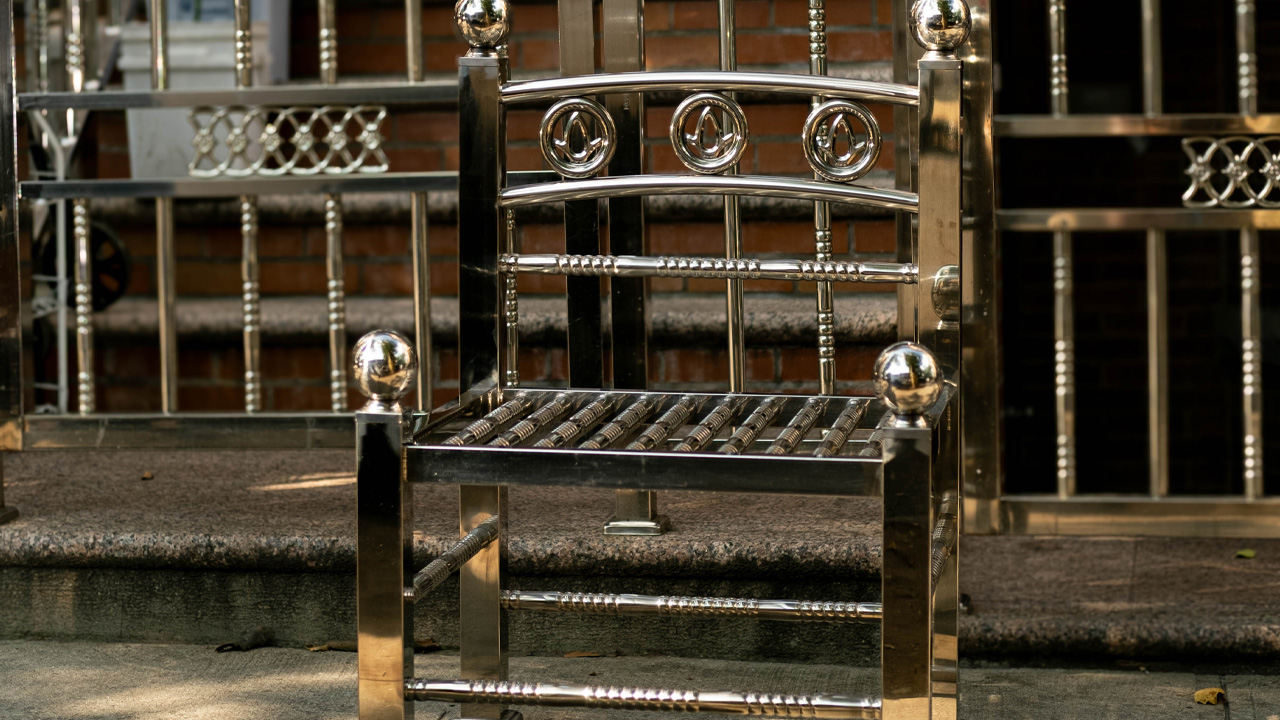
The White Picket Chair is built from raw, industrial steel tubes sourced from local Brooklyn workshops, featuring a mirror-like polish that reflects the surrounding light. By using mass-produced fencing components, the design takes the durable, tough materials typically used for outdoor property gates and moves them into the quiet intimacy of an indoor living space.
A curved backrest forms a protective spine for the chair, topped with the ornamental, orb-shaped finials, seen on street gates. Underneath the seat, interlocking tubes and heavy-duty connection brackets act as structural joints, securely binding the rigid, flat metal pieces into a functional skeleton. Sturdy vertical pillars serve as the front legs, transforming a flat, thin barrier material into a dimensional piece of household furniture.
The structure serves as a commentary on the American Dream, subverting the traditional wooden white picket fence to celebrate the shiny steel gates used as symbols of security and success by modern immigrant communities. It transforms an outdoor barrier of exclusion into an indoor seat, highlighting the human desire to establish safety and a sense of belonging.
The White Picket Chair serves as a sharp visual commentary on immigrant identity, security, and community. For many modern immigrant communities, these flashy, low-maintenance steel structures represent a rewritten version of protection, achievement, and a status symbol. By bringing a polarizing, unapologetic exterior urban element inside the house as an intimate furniture piece, Han invites a reflection on how marginalized communities navigate safety and establish belonging.