We all watch our parents age over the years. Seeing our heroes struggle to get up from the chair and move around isn’t easy. But how many of us can actually do anything about it? Other than being caregivers, we rarely think of anything else. Aging parents or loved ones may resist acknowledging their limitations and see assistance as a threat to their independence, making caregiving difficult. But one woman saw her aging parents and pivoted from retirement to create a solution that combines medical necessity with contemporary design.
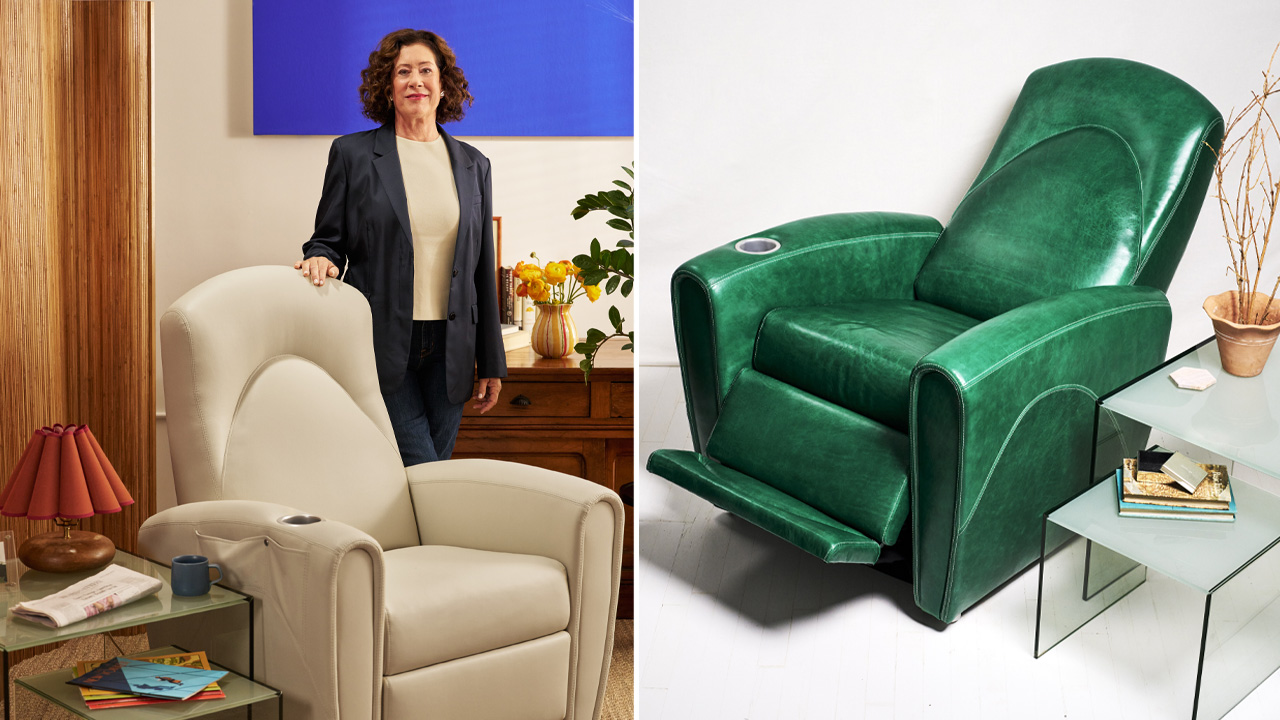
Janet Feldman worked 21 years in product development and manufacturing, and later as Senior Vice President at a leading footwear company. When she saw her aging parents deal with mobility challenges, the glaring lack of senior-friendly furniture in the industry became apparent. This critical gap inspired her to create a solution of her own: AWEchair, a revolutionary power lift chair.
The AWEchair took Feldman over a decade to get from design and patent to production. She persisted, being turned down by 180 factories around the world before she found one that could bring her vision to reality. She identified a void in the furniture industry and created an innovative solution that addresses the technical and human aspects of designing for an aging population.
When we came across the AWEchair, the chance to talk with Feldman about her senior-friendly chair design was simply too good to pass on. In this exclusive conversation with Homecrux, Janet Feldman, founder and developer of AWEchair, delves deep into her journey from idea to creation.

Homecrux (HC): Tell us about yourself and the story behind AWEchair? What inspired you to create the company, and what mission drives it today?
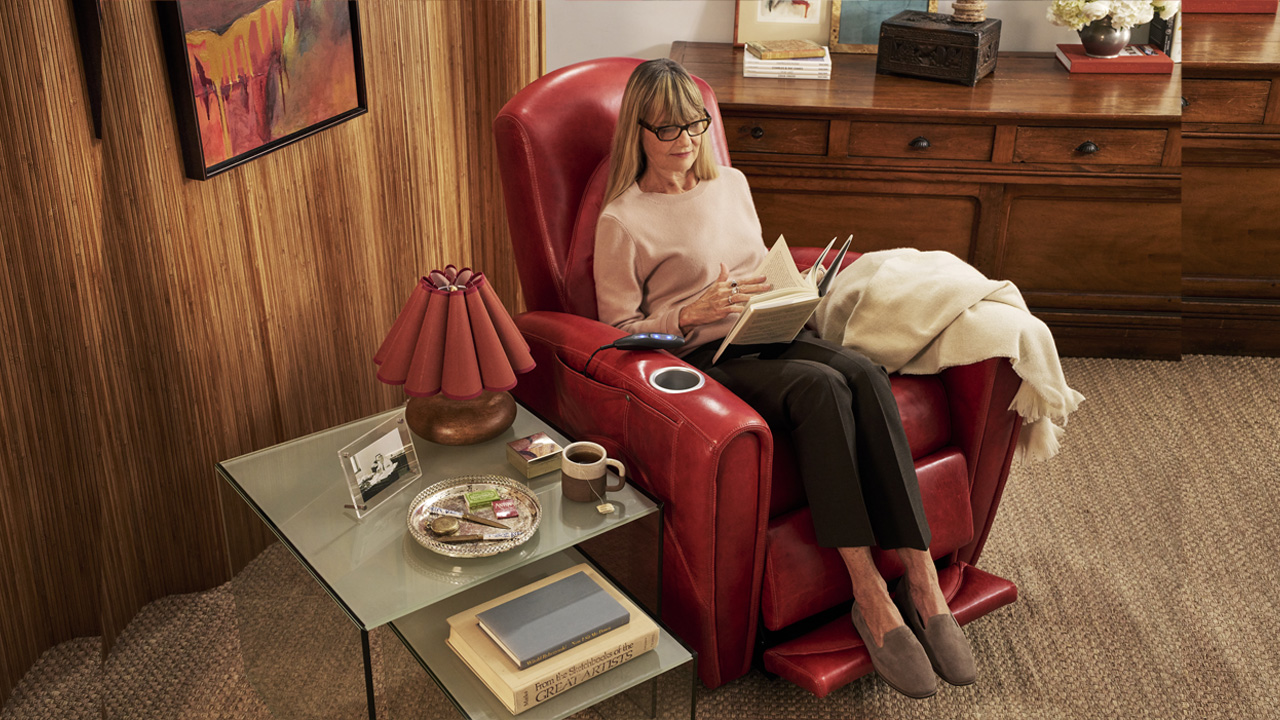
Janet Feldman (JF): AWEchair was inspired by my father. After he suffered from an unexpected stroke, mobility became a daily challenge for him, and for the first time in his life, he struggled to stand independently.
Together, he and I searched for a power lift recliner that would support him functionally while still reflecting his personal design sensibility. What we found was that nothing in the market quite like that exists. So, I created it.
AWEchair is designed to blend both function and beauty at the same time. It allows people to maintain personal autonomy and independence without sacrificing style or dignity.
HC: What makes AWEchair unique in the furniture and mobility space? Explain how the chair functions and the specific benefits it offers to users?
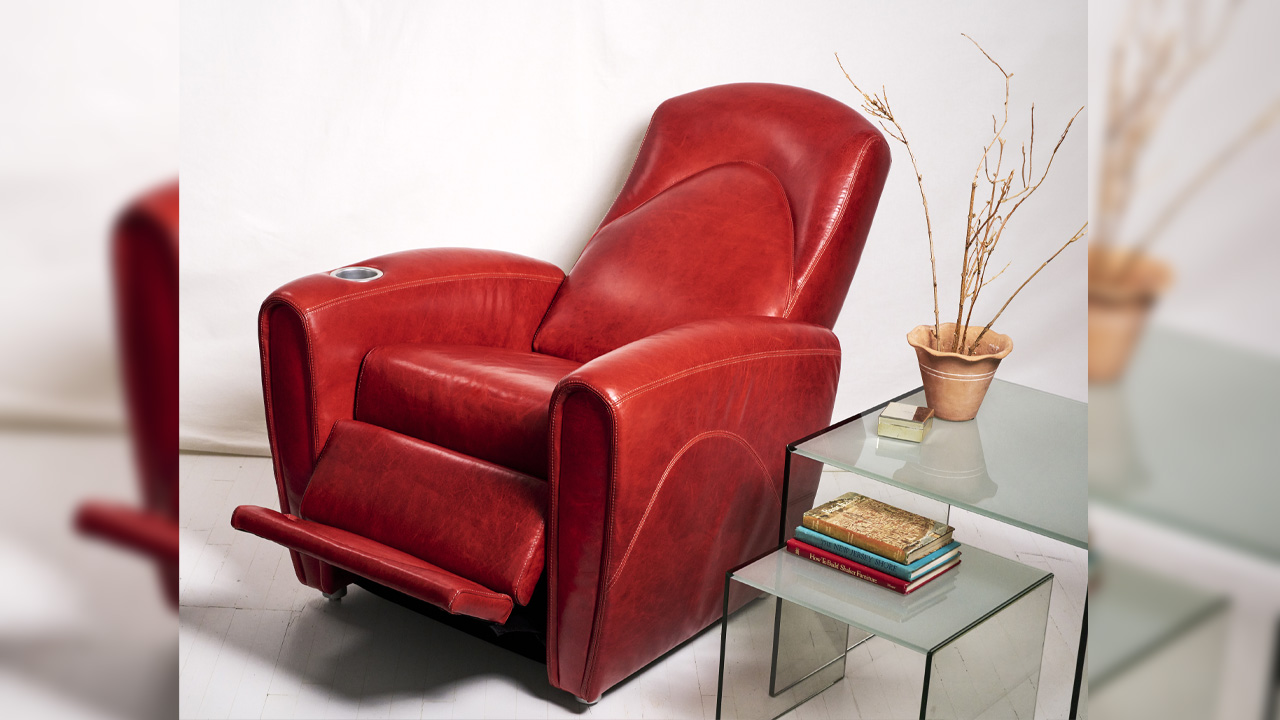
JF: Traditional lift chairs are typically designed around mechanics first, which often makes them look clunky and unattractive. AWEchair keeps these functions, but also makes them beautiful.
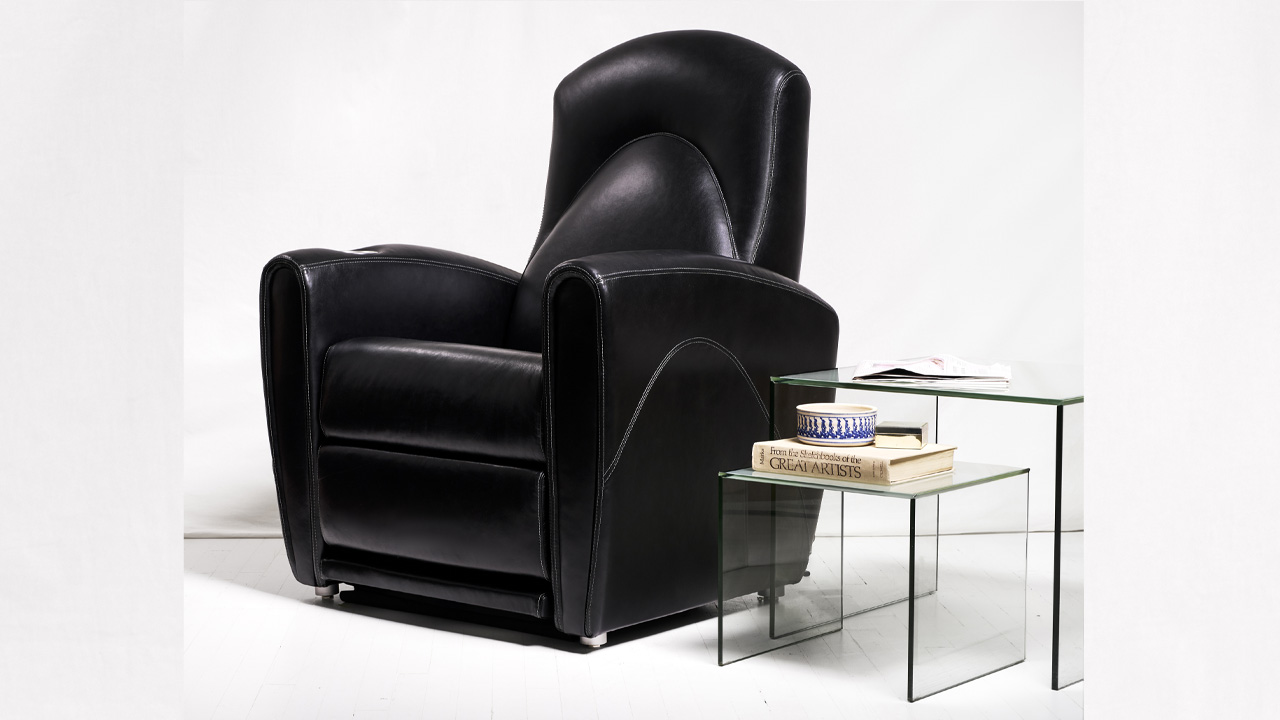
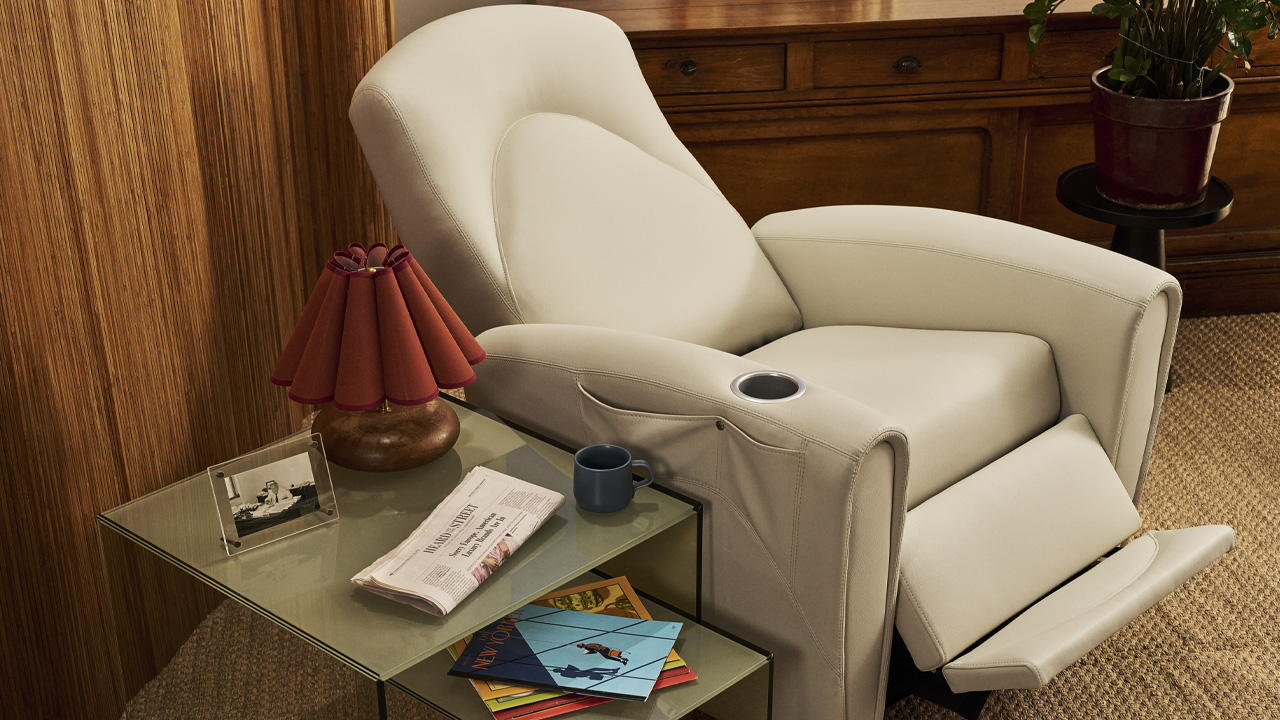
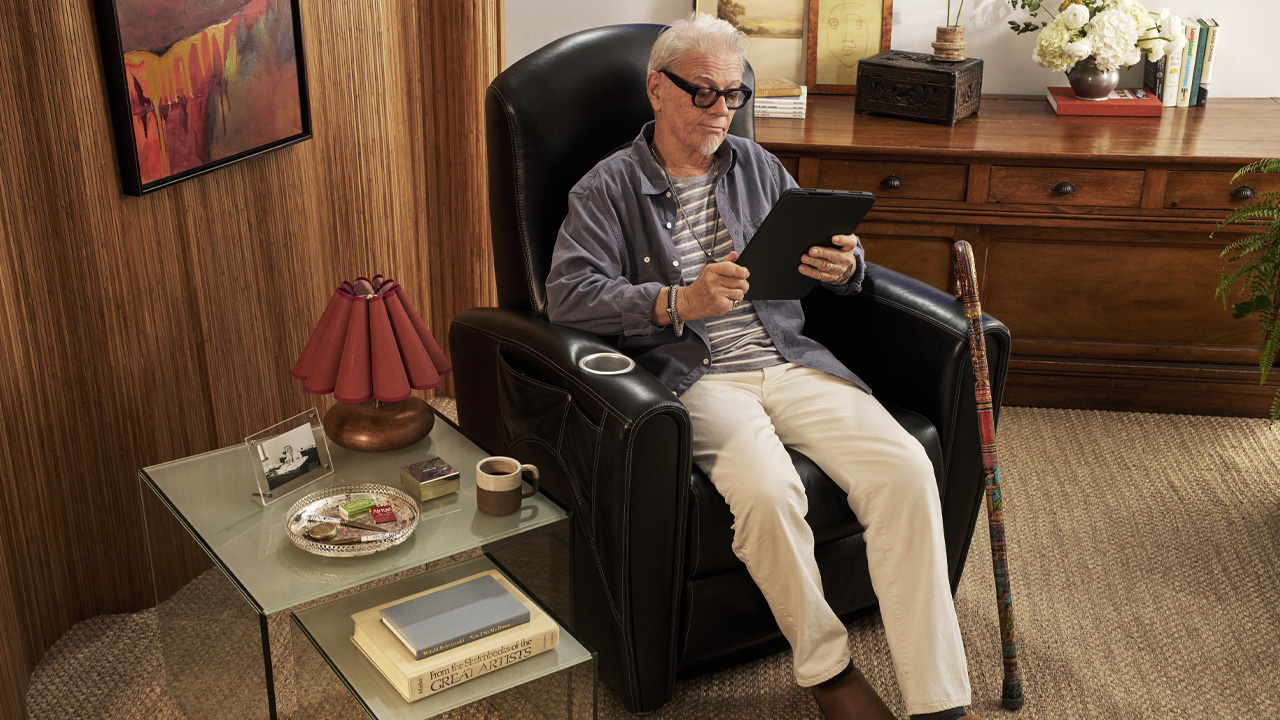
AWEchair is backed by eight patents, with a German-engineered lift mechanism, range of positions, and a secure retractable footrest that delivers smooth, confident transitions. We added in thoughtful details, like accessible pockets and scaled arms, and offer both genuine Italian and synthetic leathers in brown, white, green, red, blue, and grey.
HC: Why do you reckon the furniture industry historically underserved seniors and individuals with mobility challenges?
JF: Unfortunately, people with mobility challenges – whether they are young or older adults – are often overlooked. I remember when I accompanied my dad to his doctor’s appointments, the doctors would often look at me and talk to me, instead of him. It’s a matter of disrespect, and that notion extends everywhere, from fashion to food to the furniture industry. There is a serious lack of patience for and attentiveness to the people who need it the most.
HC: How does AWEchair specifically support elderly users and improve their day-to-day comfort or independence?
JF: AWEchair is a first-of-its-kind product focused on long-term well-being at home. It’s not just for elderly users – it’s for anyone who wants to use it, but really is built to support people with mobility issues. It allows you to live independently by standing up safely without using your back or hips.
HC: What was your professional journey like before founding AWEchair? How did your previous experiences shape your approach to this venture?
JF: Before founding AWEchair, I spent 21 years as a Senior Vice President in product development and manufacturing. The experience gave me a strong understanding of what it means to bring a high-quality product to market. It helped me appreciate building AWEchair from both a personal and professional perspective.
HC: What has been the most rewarding or meaningful part of building AWEchair?
JF: Because the product was created for my father, the most meaningful part has been knowing that I built something he truly would have loved and benefited from. Additionally, I was also recently interviewed by my alma mater, Barnard College, which offered me the opportunity to extend advice to younger women. That was a deeply rewarding experience as a female founder.
HC: As technology-driven “smart furniture” continues to grow, how does AWEchair differentiate itself from high-end competitors offering somewhat similar solutions?
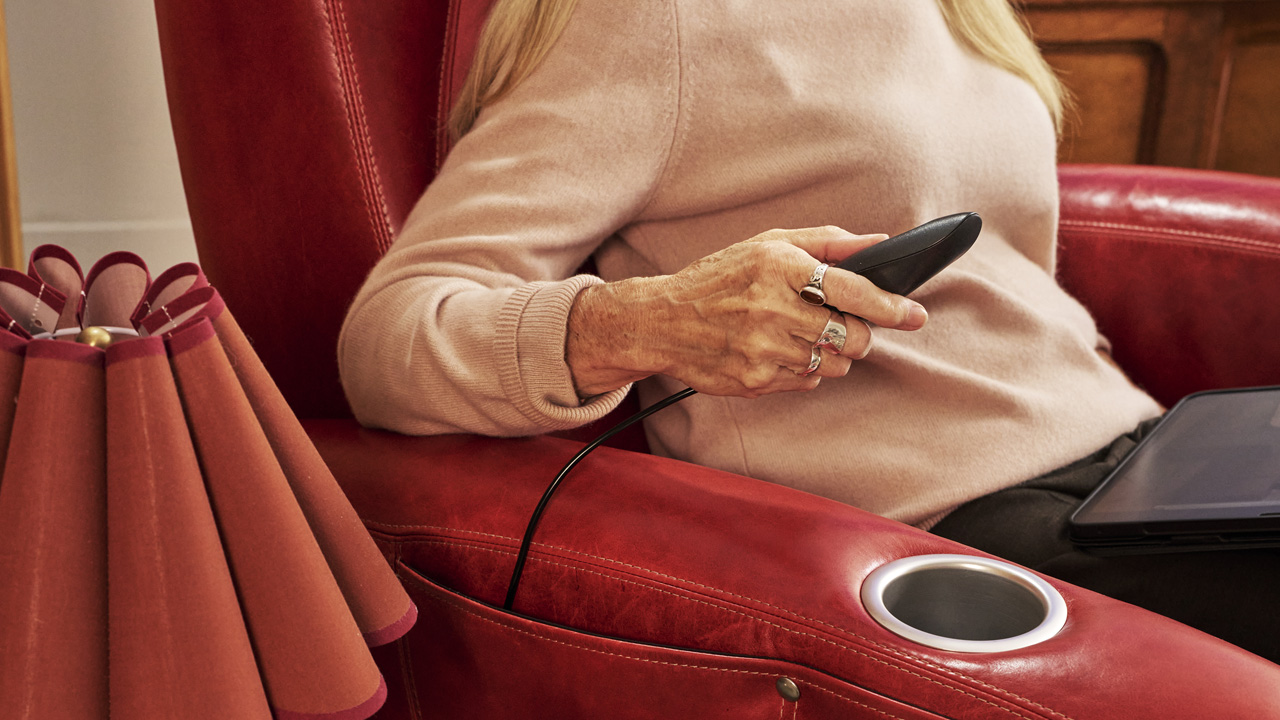
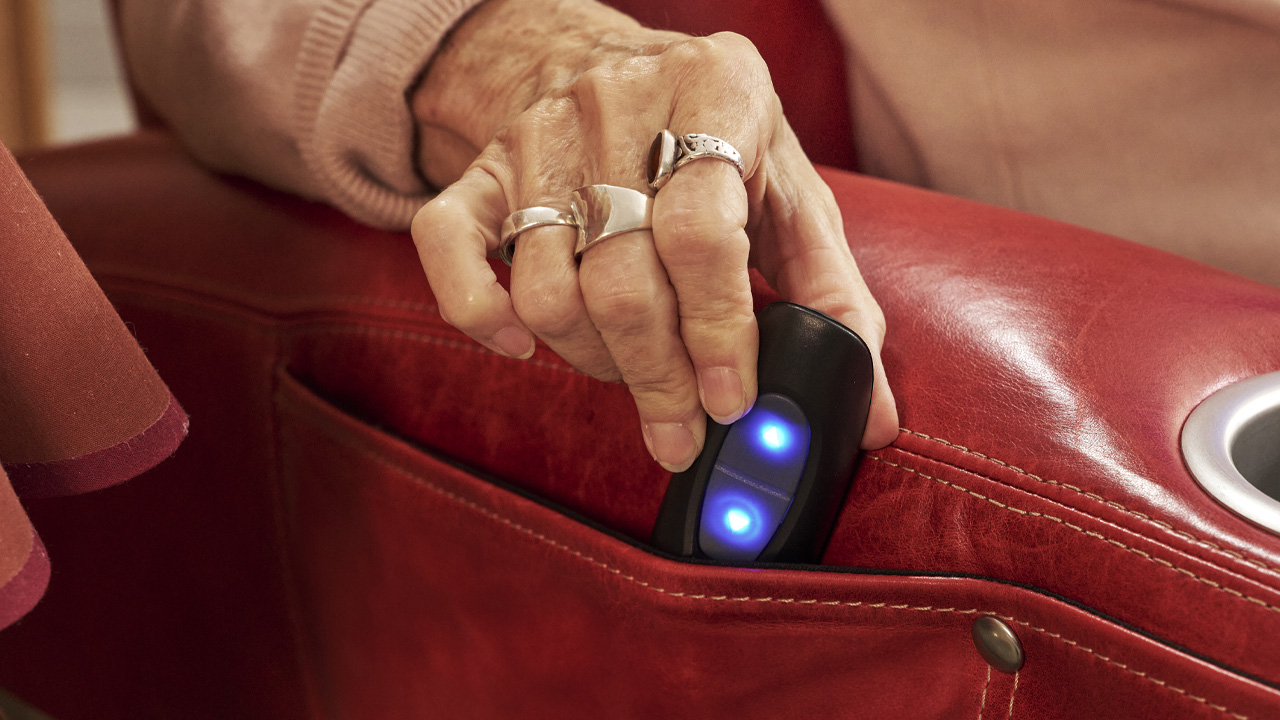
JF: There is really nothing else on the market like AWEchair! The product itself is very advanced from both a design and engineering standpoint. It’s powered by a German-engineered motor and features an illuminated handset controller that is intuitive and easy to use. What sets us apart is that we combine these features and the mobility support with elevated residential design. We wanted the chair to be both “smart” and sophisticated.
HC: How do you see the future of accessible and mobility-focused furniture design? Are there additional innovations or unmet needs you hope to address moving forward?
JF: I hope that consumers will have more options than they do today. Right now, it feels like you need to choose between being comfortable and being stylish. I don’t think people should have to choose, and I can only hope that AWEchair is driving that change for the better. As more people choose to age and live their lives at home, there will be a growing demand for products like ours that blend function and beauty.
HC: Any advice for aspiring designers and entrepreneurs?
JF: My biggest advice is to truly listen to the people you are designing for. It’s not just about their functional needs, but their emotional experiences. As I said, the aging and mobility-challenged population often goes overlooked and ignored. Don’t be that person. Listen, and you’ll be able to deliver help where it is needed.
HC: Where can our readers learn more about AWEchair or purchase one for themselves or a loved one?
JF: All information can be found at AWEchair.com! We are also on Instagram at @theawechair.
We thank Janet for taking the time for this insightful conversation.