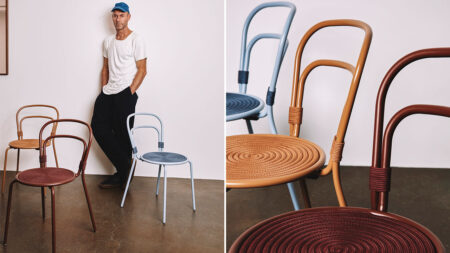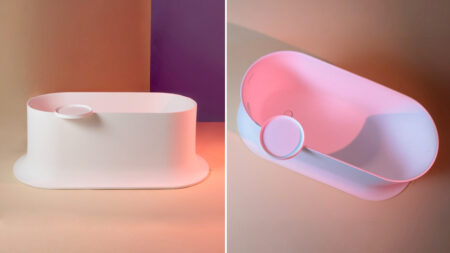
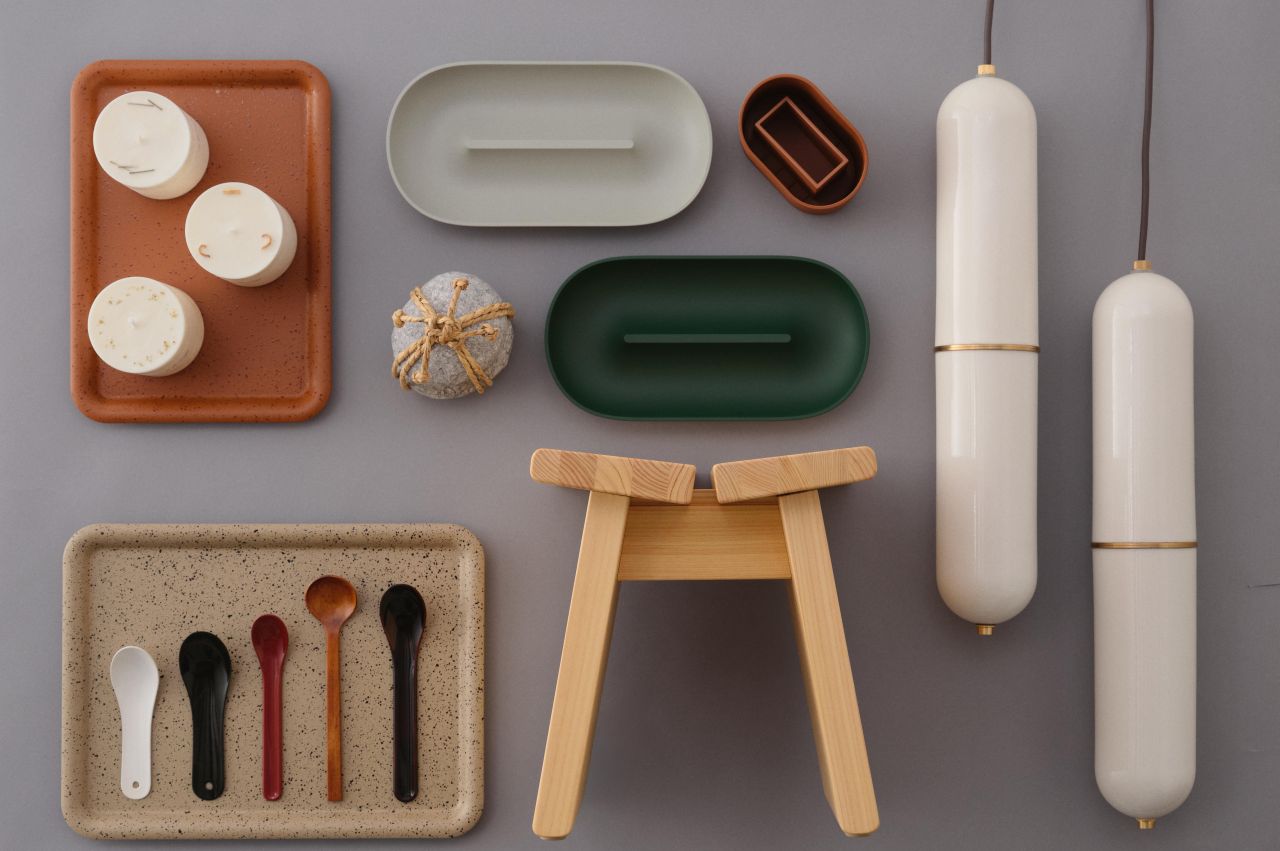
Japanmade Vol.1, an exhibition at the 2026 3daysofdesign in Copenhagen, brought five Japanese brands together under one roof to spotlight craftsmanship over trend-driven aesthetics. Curated by Danish writer and producer Jens H. Jensen, who has lived in Japan for over two decades, in collaboration with Copenhagen-based OEO Studio, the exhibition showcased five brands rooted in honest material use, local production, and decades of technical mastery.
In an industry crowded with products built for looks rather than longevity, Japanmade feels like a quiet rebellion, with functional design rooted in skill and material integrity. The exhibition brought focus back to what truly matters in design: an honest and pragmatic approach, form following function, and a rejection of excess. Japanese design crafted by devoted artisans, objects built to last a lifetime, quality of materials, and careful finishing became the talk of the event.
“Japan has an extraordinary wealth of both design and production capabilities that resonates well with the Nordic and European markets. My idea in launching Japanmade was to create a platform during 3daysofdesign to bring like-minded Japanese brands together and create a destination for anyone excited about Japanese contemporary design,” Jensen told Homecrux.
Japanmade Vol.1 reflects a close relationship between designers and manufacturers. By showcasing carefully selected Japanese brands that continue to produce locally, the exhibition becomes a picture of honest connection and constant communication between designers and craftsmen.

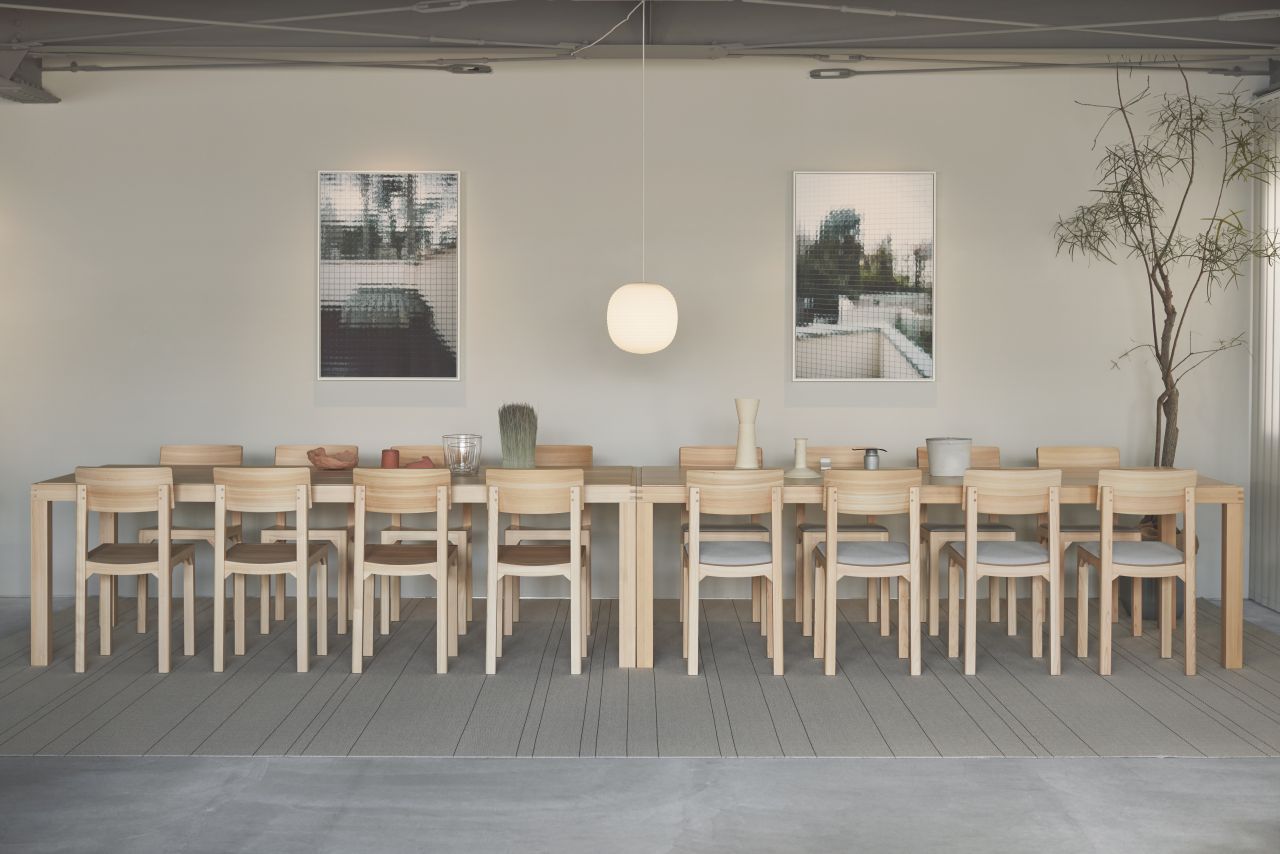
OEO Studio transformed 807 square feet of space into an immersive spatial narrative, reflecting the studio’s signature refinement, material sensitivity, and cross-cultural fluency. According to the press release shared with Homecrux, the studio’s two decades of collaboration with Japanese artisans and manufacturers create a dialogue between Japanese minimalism and Danish functionality, delivered with elegance and authenticity.
“Our shared passion for design, craftsmanship, and Japanese culture drives this initiative. We pursue it with enthusiasm and curiosity, aiming to promote a love for Japan through a fresh perspective, one that honors its traditions while being curated with the discerning eye and narrative of an editor,” says Anne-Marie Buemann, managing partner and co-founder of OEO Studio.
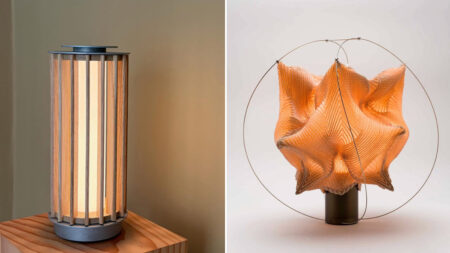
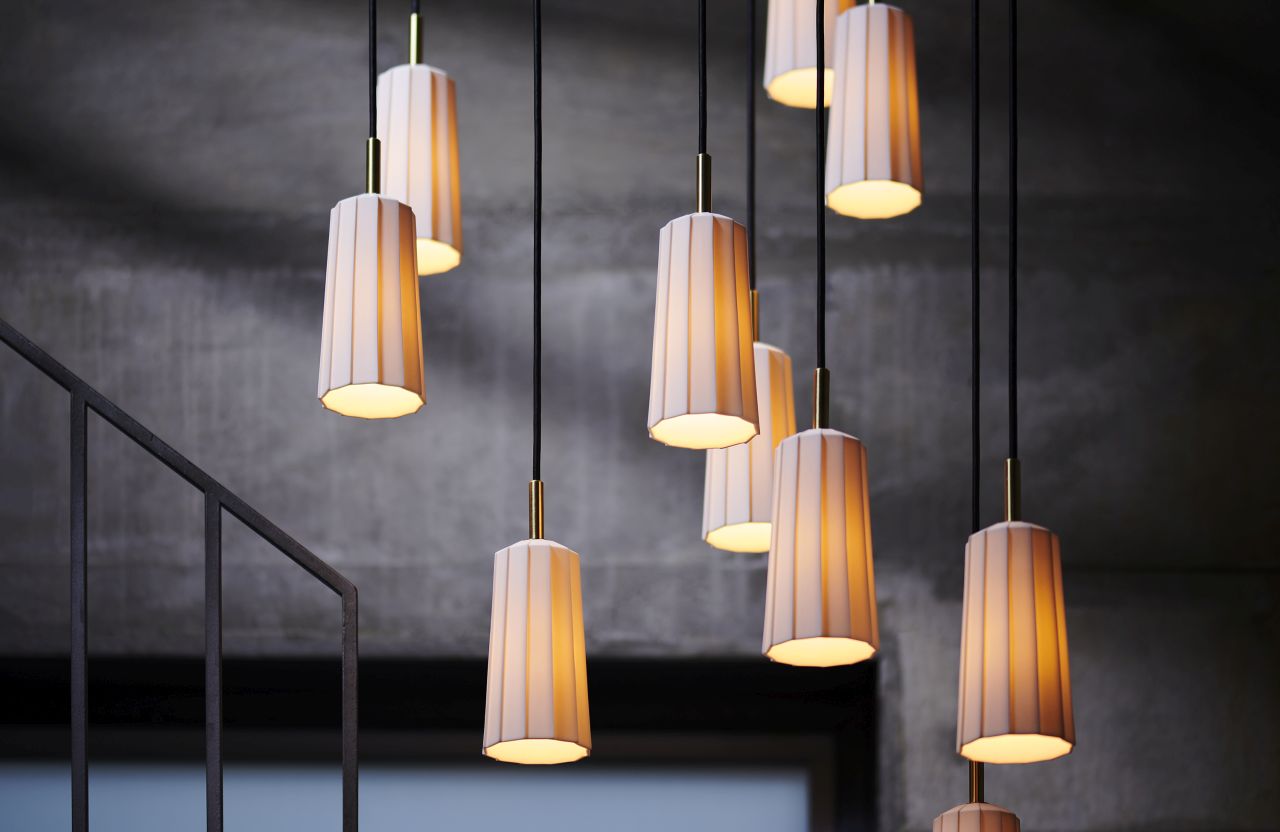
The brands featured in the event include New Light Pottery, MAS, Naowashi, Sekisaka, and Sheep. New Light Pottery is a Nara-based lighting studio founded by designers Hiroyuki Nagatomi and Chizu, known for sculptural lighting that blends traditional techniques with contemporary form. The studio focuses on minimal design that highlights natural texture and the subtle beauty of its materials, exhibiting lamps made from Japanese washi paper, glass, ceramics, lacquer-finished glass, and marble.


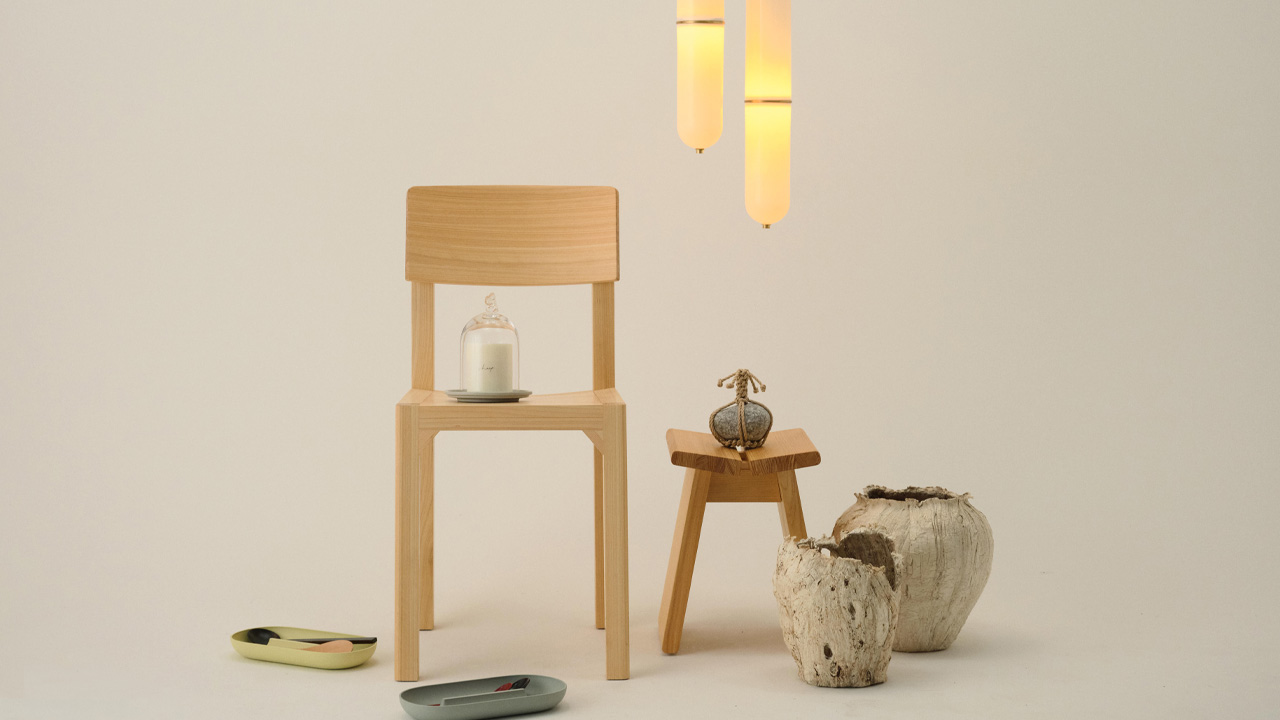
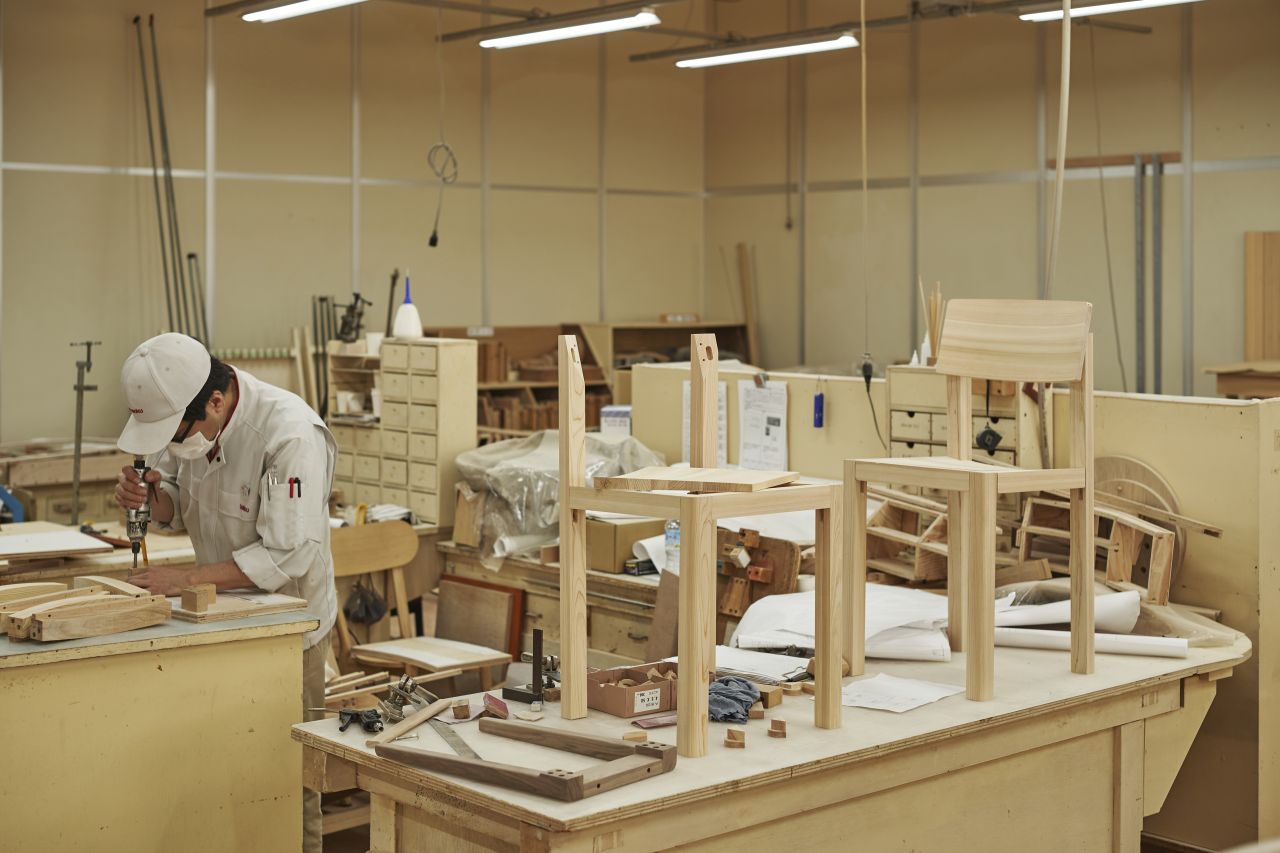
MAS, a sub-brand of Karimoku Furniture, justifies this meeting of cultures with furniture rooted in Japanese woodworking expertise and a deep knowledge of timber. Launched in 2021 under the design direction of Wataru Kumano, the studio explores new materials and expressions within production without being restrained by traditional norms. Its debut collection demonstrates this approach with objects made entirely from hinoki or Japanese cypress, a wood rarely used in furniture.


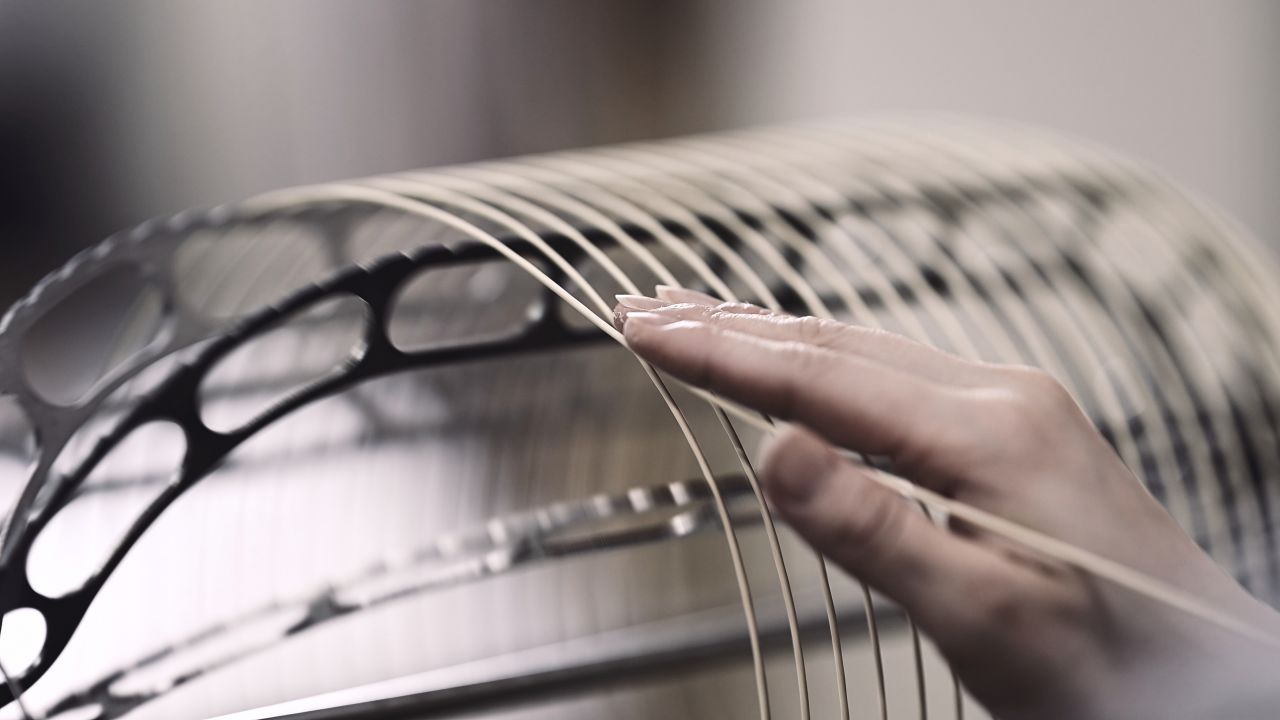
Another brand exploring the possibilities of raw material is Naowashi by Gen Taniguchi, a handmade paper workshop in Nao, Saga Prefecture. The studio showcased paper products made entirely from kajinoki or paper mulberry grown locally in Nao, rather than the more common ‘kozo’ typically used as a raw material for washi.
Kajinoki fibers are said to be longer than kozo and easier to intertwine, producing paper that is both delicate and robust. This handmade washi paper from Nao has been used for a long time to craft lanterns, traditional Japanese umbrellas, raincoats, and shoji screens, the traditional architectural element featuring a wooden lattice frame covered with lustrous paper.

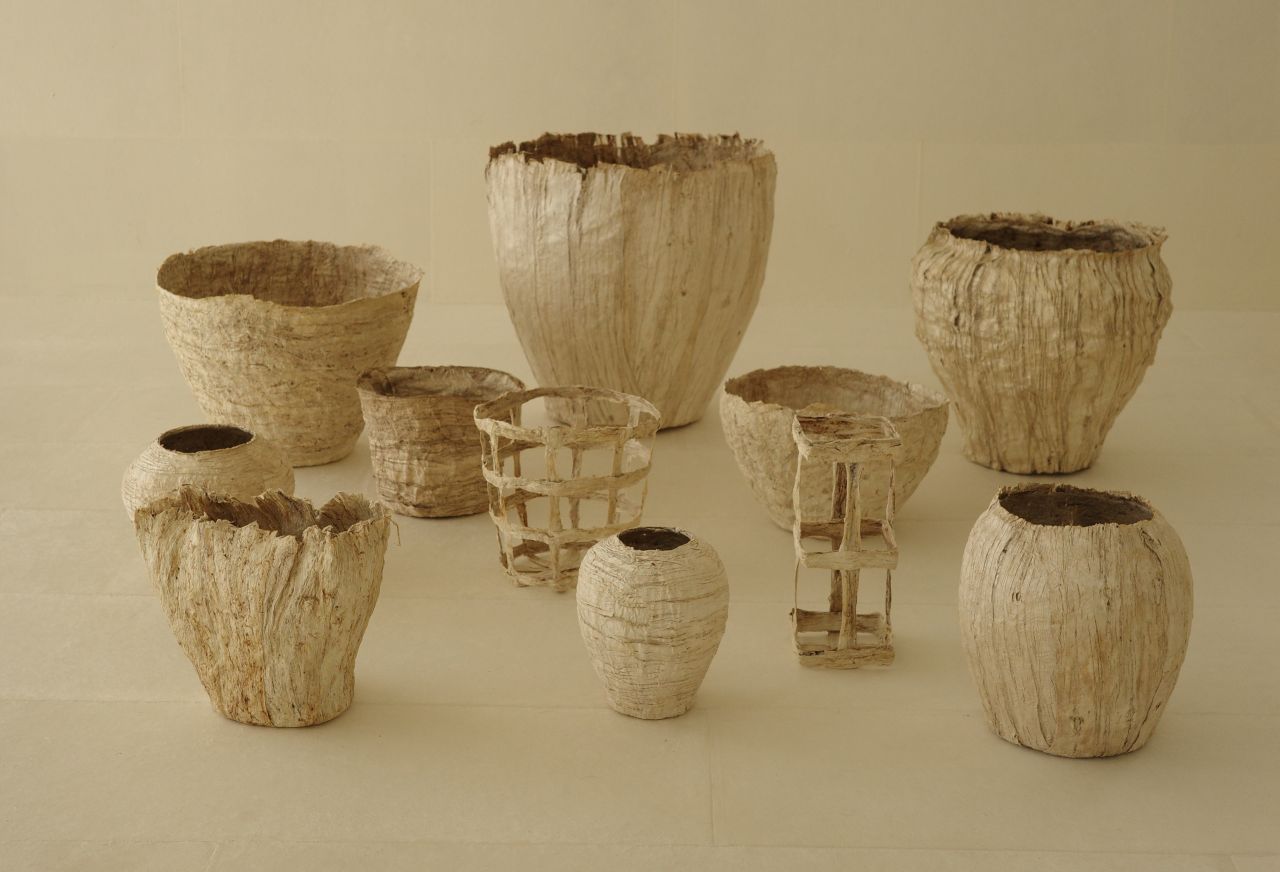

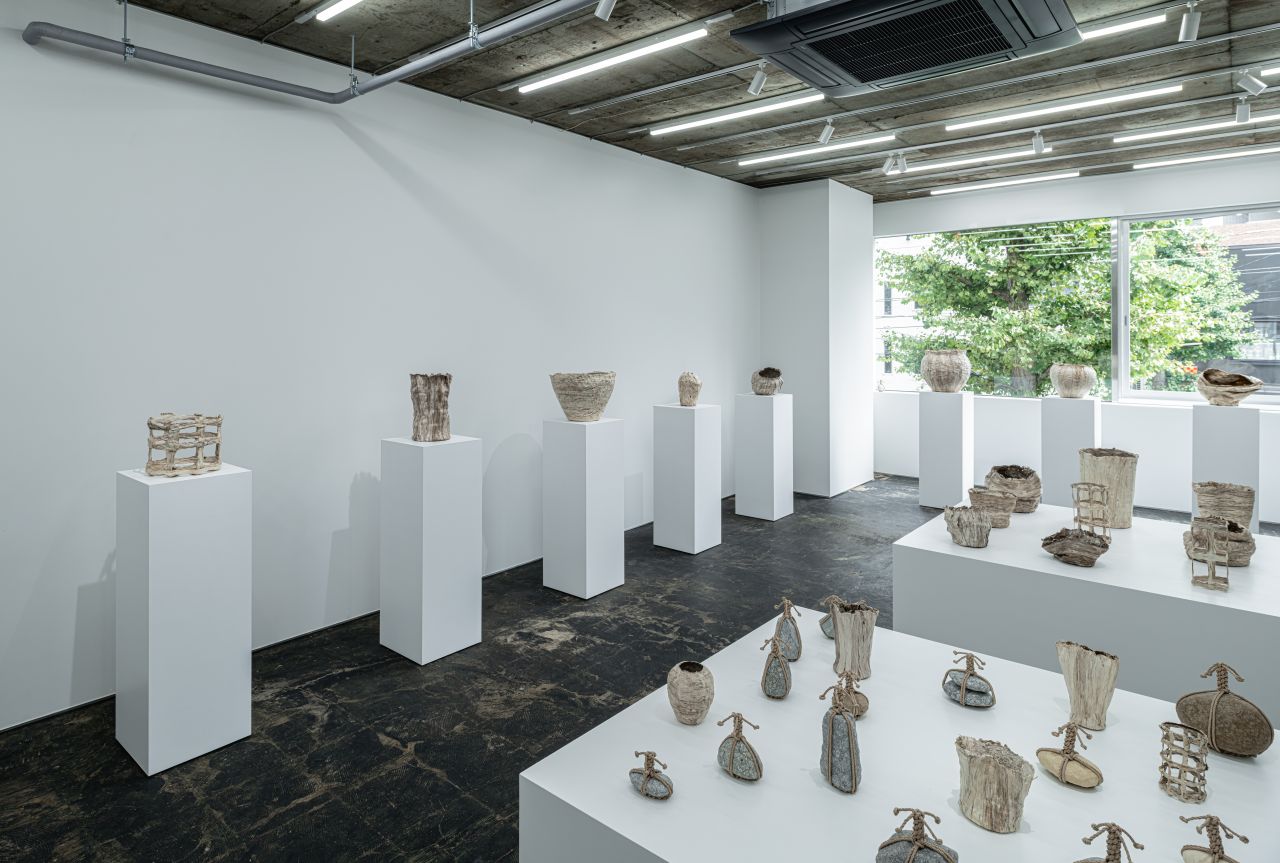
“A shared understanding and respect for natural materials such as wood and paper is what brings Danish and Japanese design under the same roof,” Jensen reflected. Material knowledge becomes a unifying thread connecting a cluster of ingenious objects, from wood to washi paper, all embracing tactility, longevity, and technical mastery.
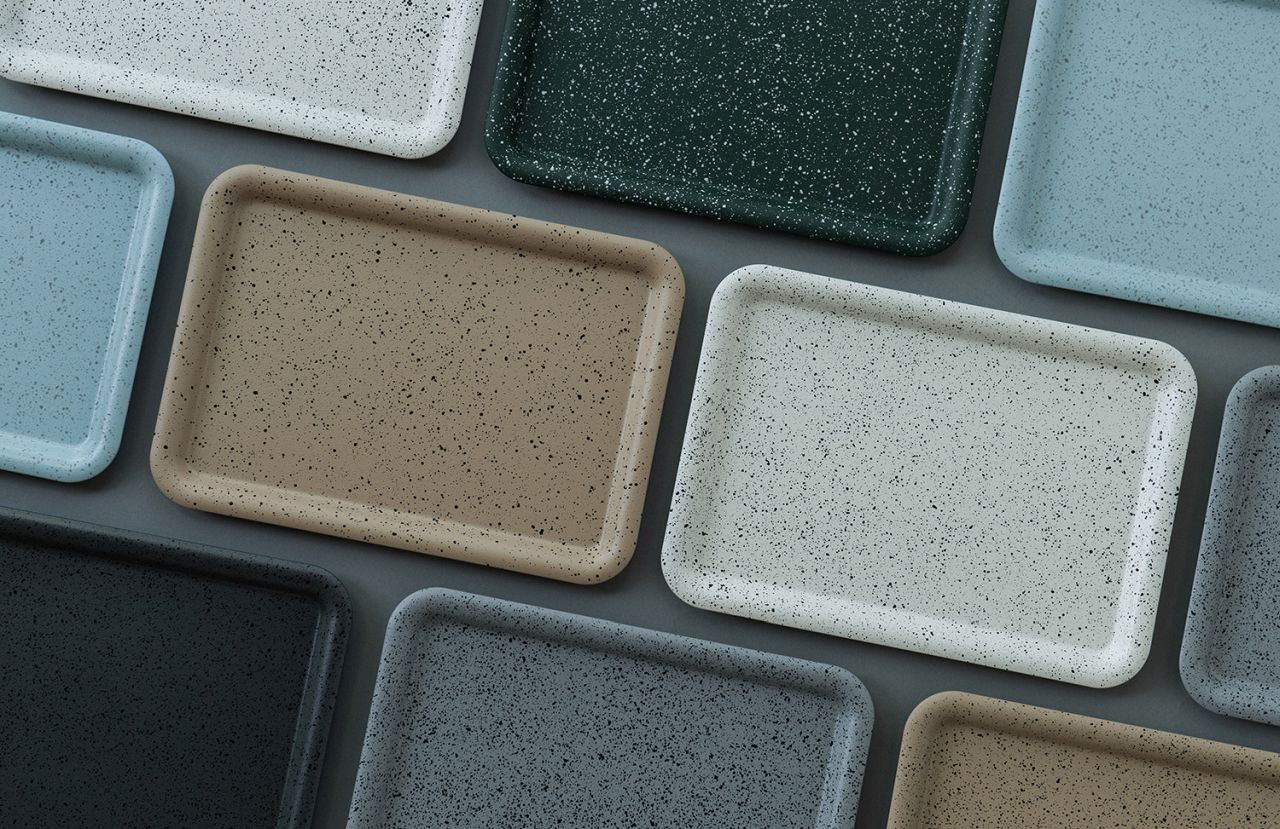
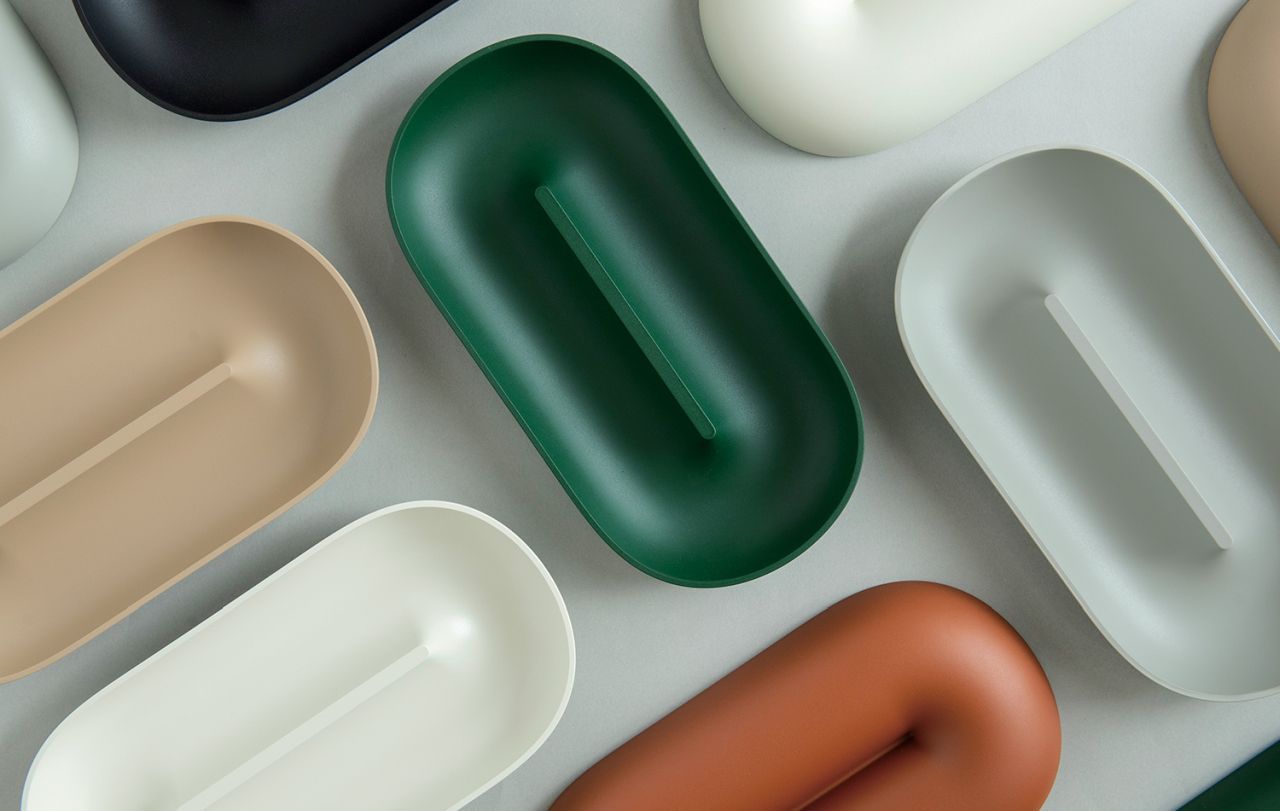
Sekisaka, a Japanese manufacturer with over 300 years of craftsmanship in the Kawada district of Sabae City, Fukui Prefecture, presented objects that reinterpret traditional workmanship through modern materials. The studio keeps age-old lacquerware techniques alive, drawing on the past to create timeless pieces suited to both modern needs and lifestyles.


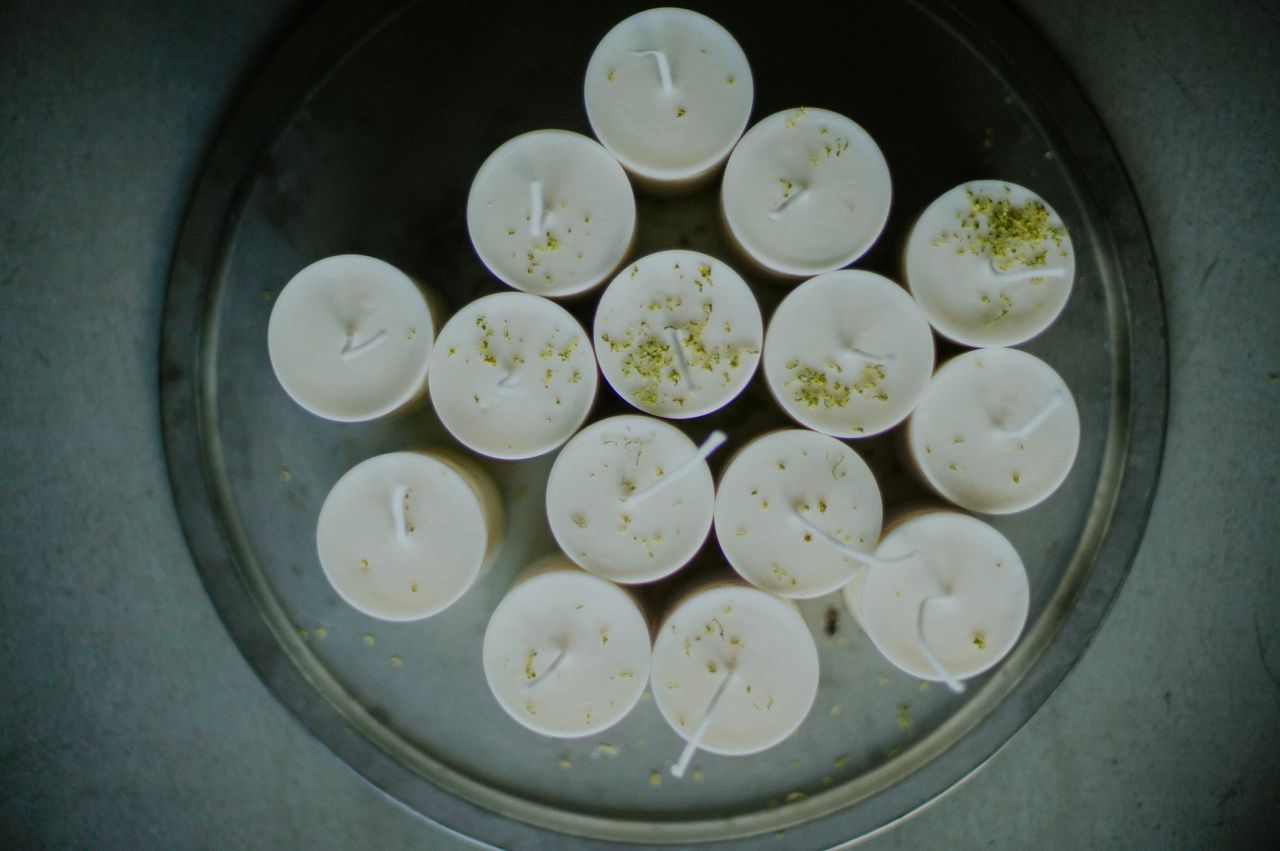
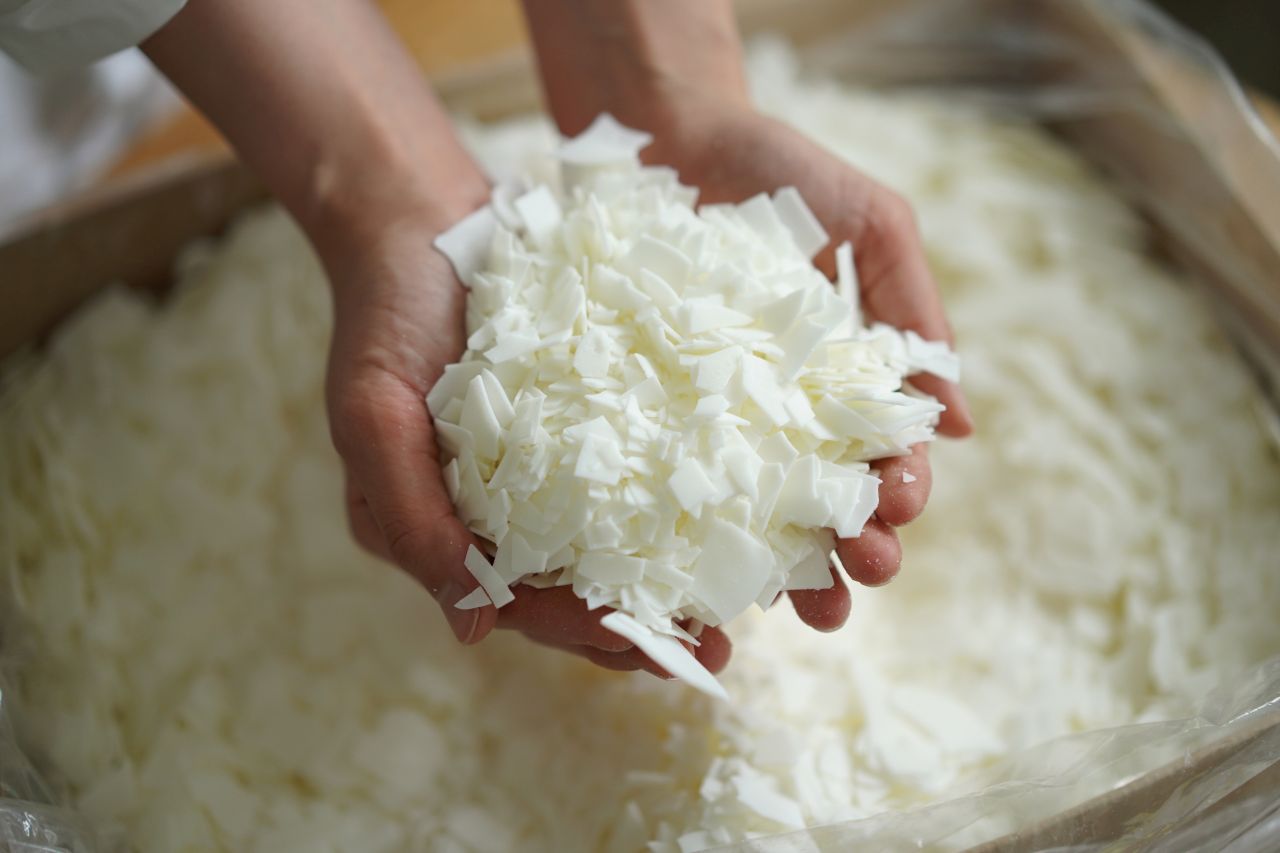
Bringing nature-inspired aromas and botanical blends to the exhibition, Japanese soybean candle company Sheep is known for its environmental consciousness and carefully selected natural ingredients. Every step, from candle-making and fragrance blending to packaging and labeling, is done by hand at its workshop in Nagoya City, Aichi Prefecture. The brand uses only pure soy wax refined from soybean oil with cotton wicks that produce less soot, making the candles harmless and ideal for use in any room for a cozy, relaxing atmosphere.
Danish and Japanese design share a resonance rooted in materiality and craftsmanship, built around minimalism, technique, and a deep love for nature, with organic warmth being prioritized over unnecessary embellishment. “I think part of the reason that Japanese and Danish (Scandinavian) design share so many similarities and go so well together is because of a similar approach to design and manufacturing, where anything superfluous and decorative is removed to make room for a simple design that requires a high level of skill to execute well,” Jensen mused.
As Copenhagen became an epicenter of international design, encouraging connection and meaningful exchange, Japanmade Vol.1 brought cultural dialogue to the forefront. Its exhibitors shared an interconnected love and respect for material, design philosophy, craft, and production. The exhibition stands as a testament to the simplicity and pure artistry that most designs forgo in pursuit of standing out. It is a reminder that design need not be ostentatious to be noticeable.