Who would have thought that former concrete storage tanks that belonged to a sewerage treatment plant could turn into a high-end living space? Dubbed the Trommel project, the luxurious apartment is a stunning example of how sustainable adaptive reuse can reduce carbon footprint significantly without any demolition or reconstruction. Located in a unique building designed by SeARCH architects, Amsterdam, Netherlands, the material honesty and geometric tuning of the Trommel Apartment created a historic continuity within an unconventional living space.
The Rotterdam-based PLNLstudio breathed new life into these obsolete industrial structures while embracing their complex, circular geometry. Since the space had a limited footprint, the aim was to utilize every inch of space while developing the layout as carefully as possible. Through their ingenious architectural techniques, the studio transformed the concrete storage tanks into a habitable place, offering a fluid and organic living experience.
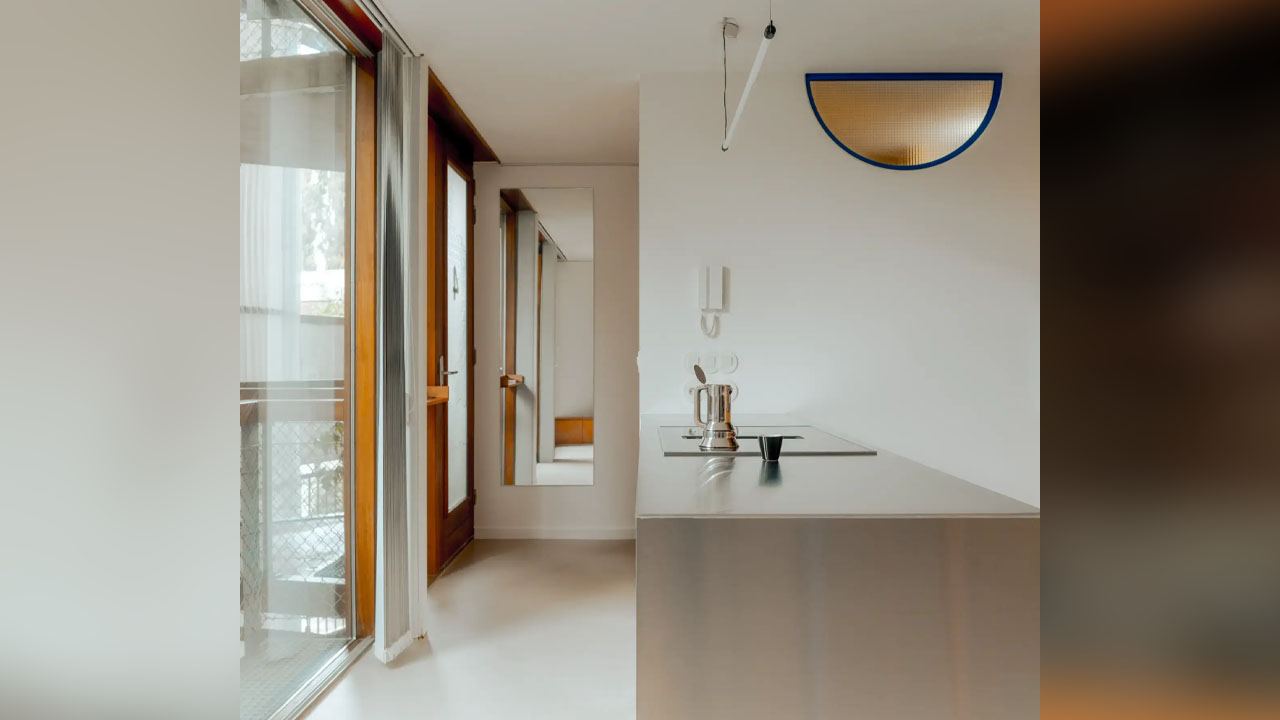
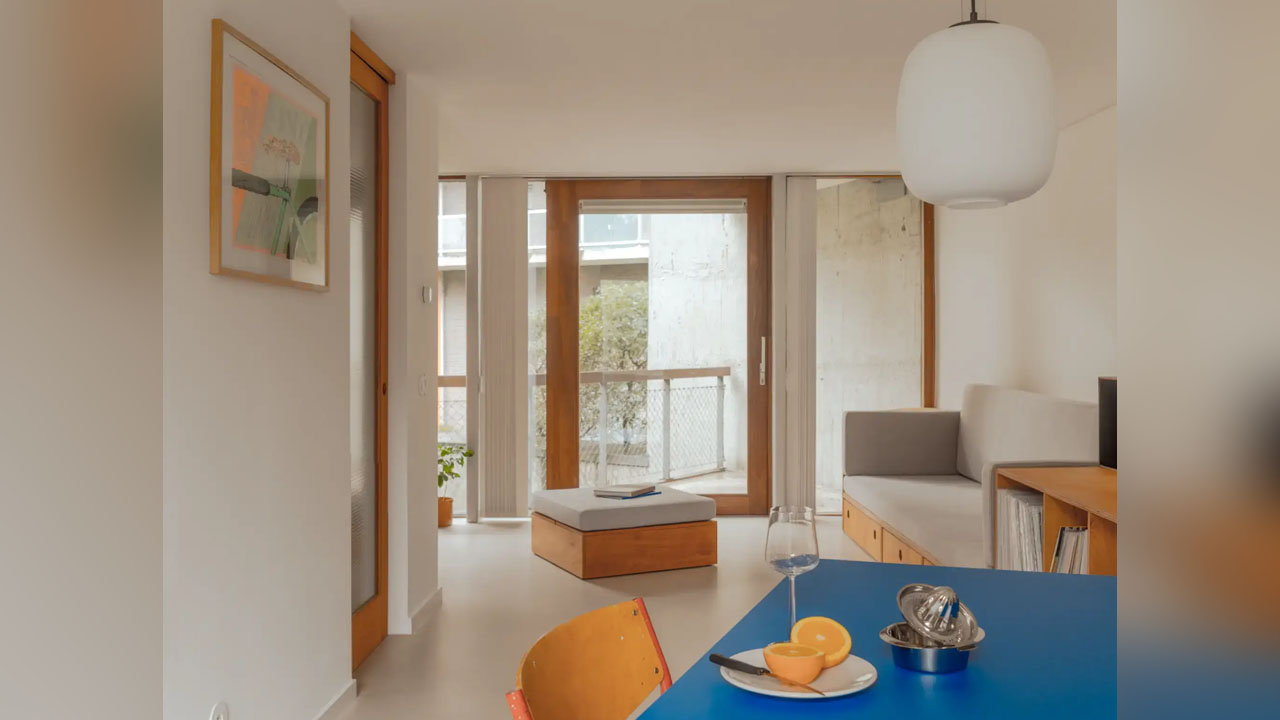
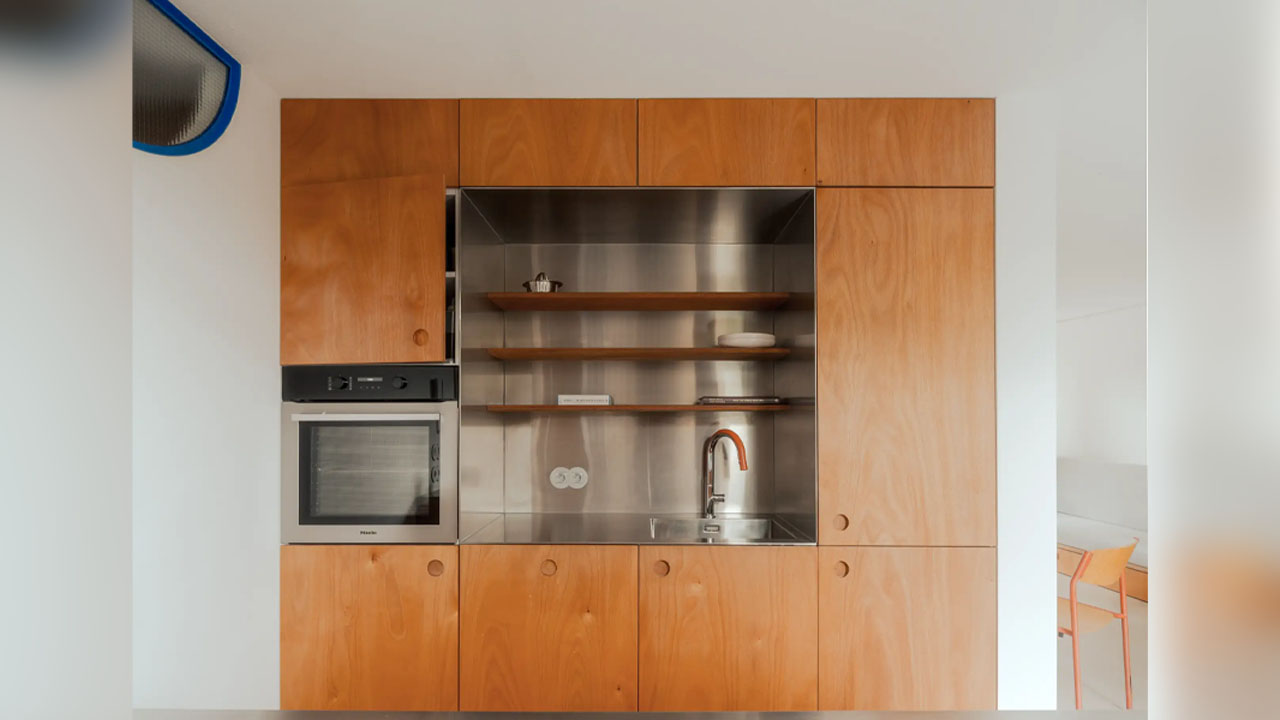
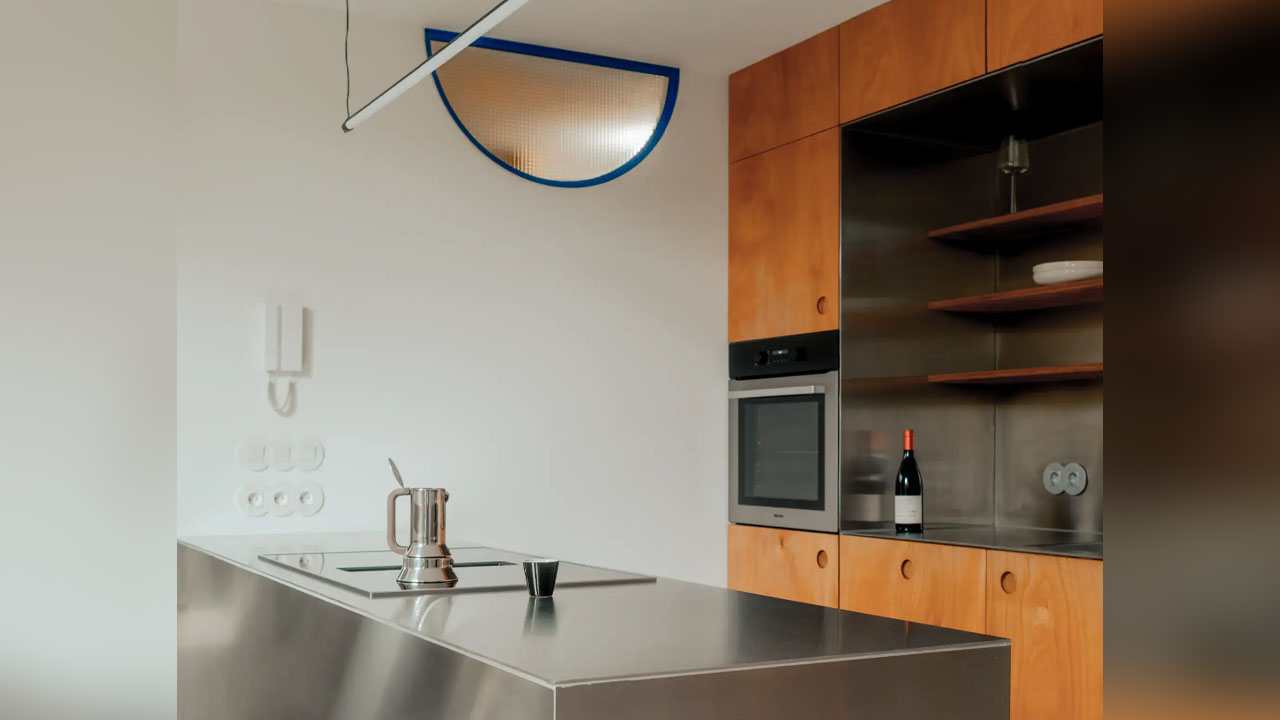
The intentional choice of using a raw material palette honors its industrial heritage and preserves the true spirit of the Trommel Apartment. The concrete walls and flooring maintain an honest connection with the building’s past. The studio added reflective stainless-steel elements in the apartment to imitate its industrial history. The natural light bounces off its shiny surface and brightens up the interior.
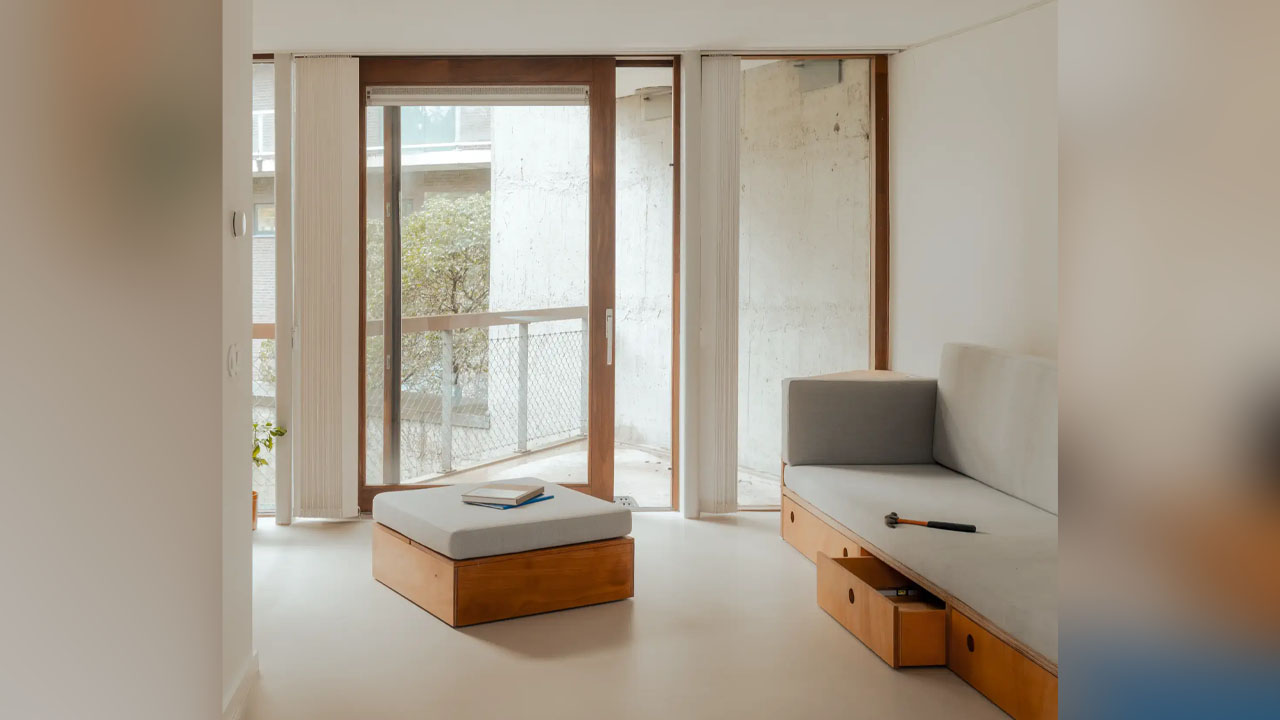
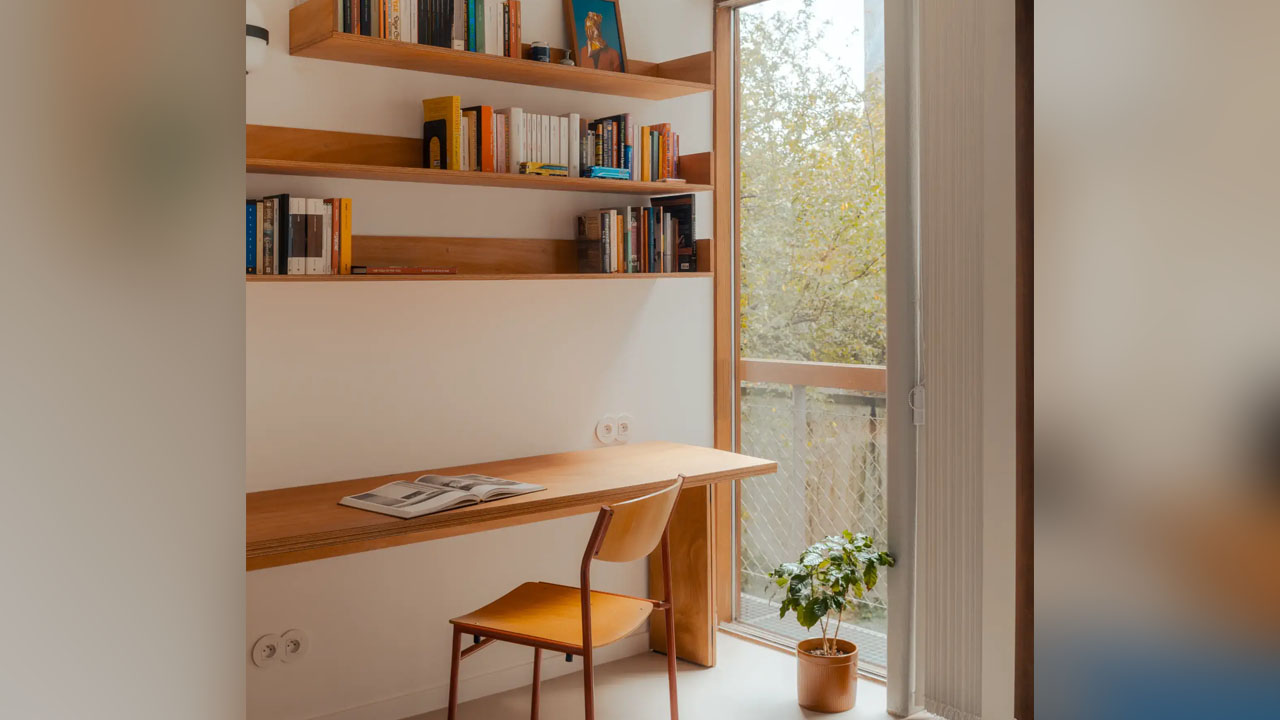
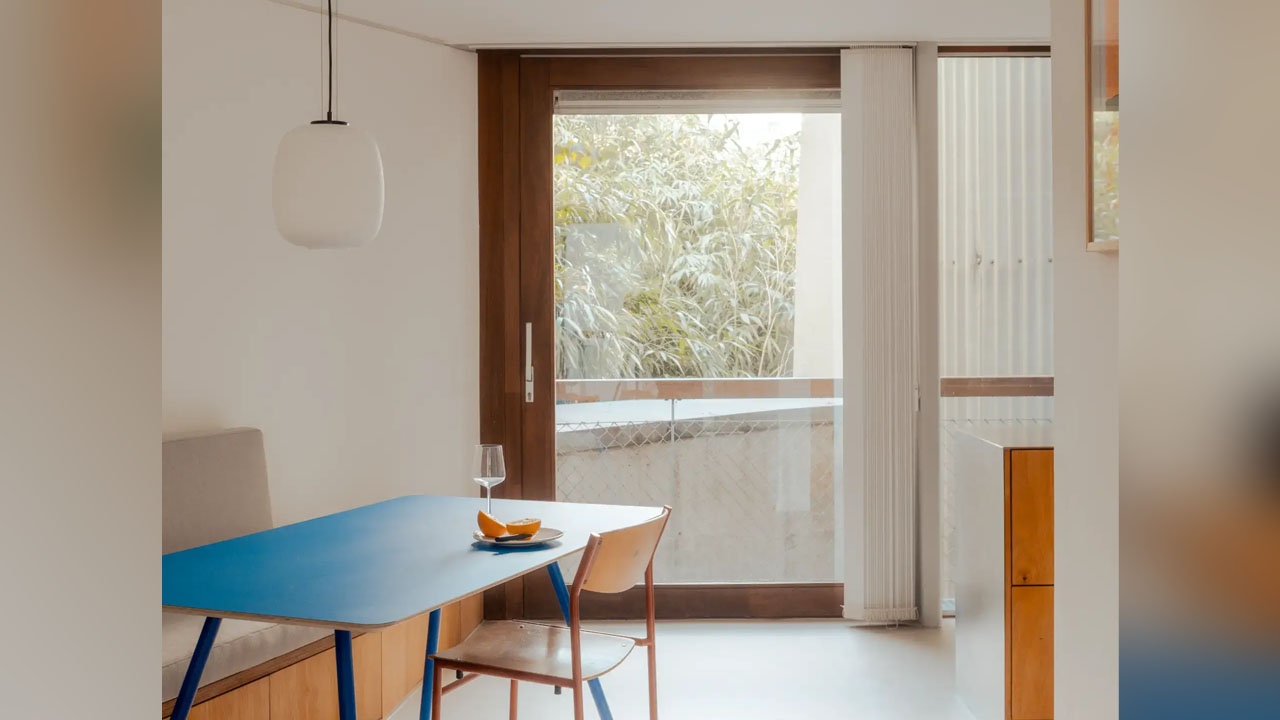
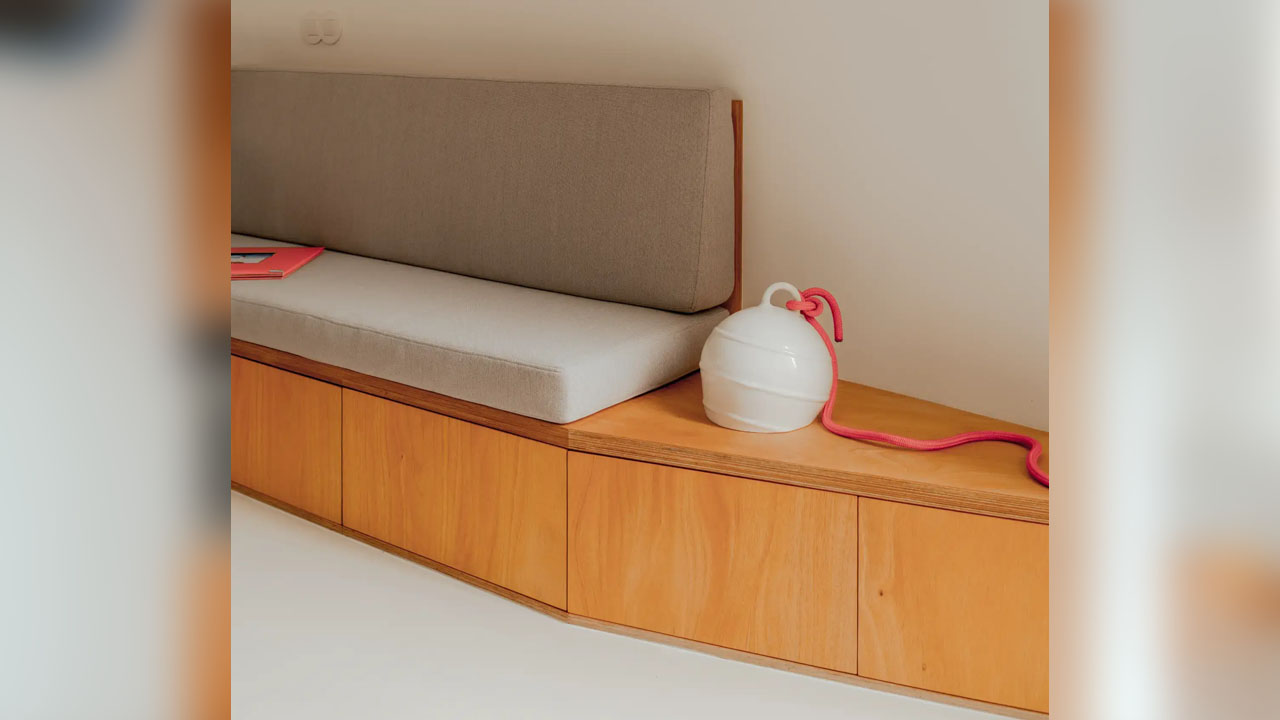
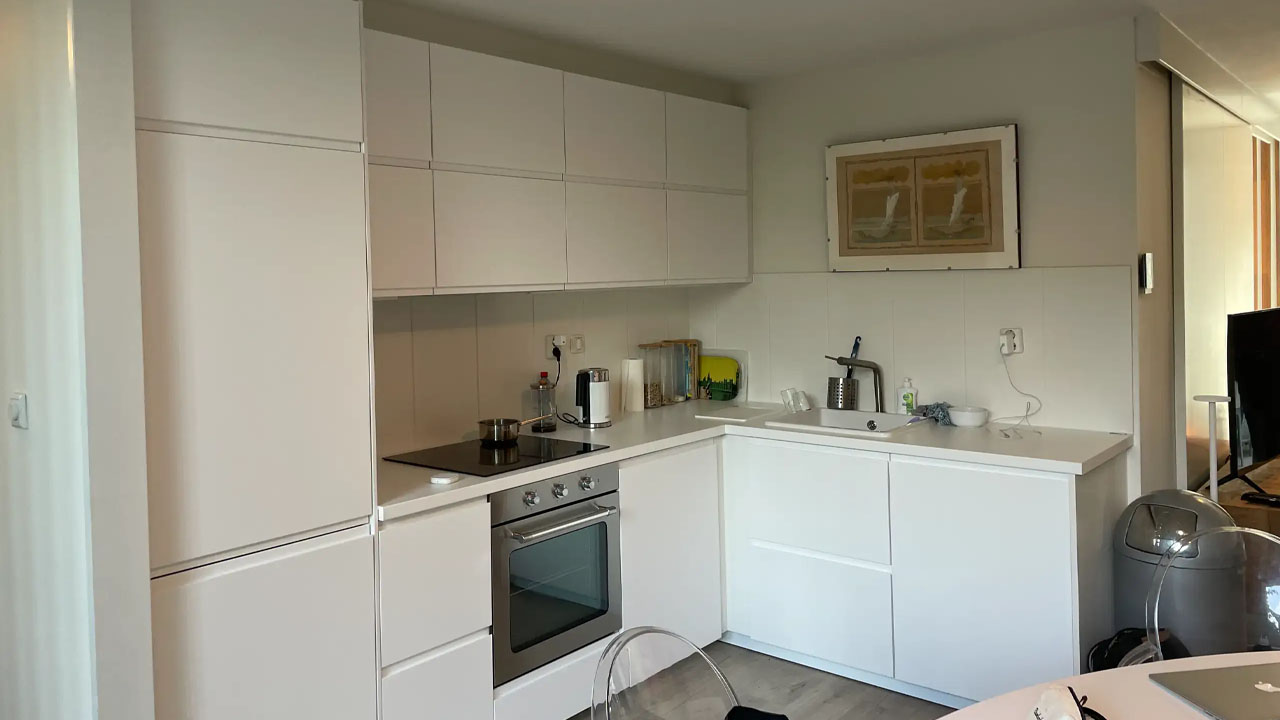
As per the client’s request, the studio focused on creating a comfortable workplace with plenty of storage facilities. It installed multiple wardrobes with built-in storage and meticulously added compartments under a custom-designed seating area. Every piece of furniture was custom-built to match the circular silhouette of the concrete tanks. It helped save space, adding a sense of openness to make rooms appear spacious and clutter-free.
Also Read: 200-Square-Foot Prefab Gröna Huset Tiny House Sleeps Seven in Quirky Layout
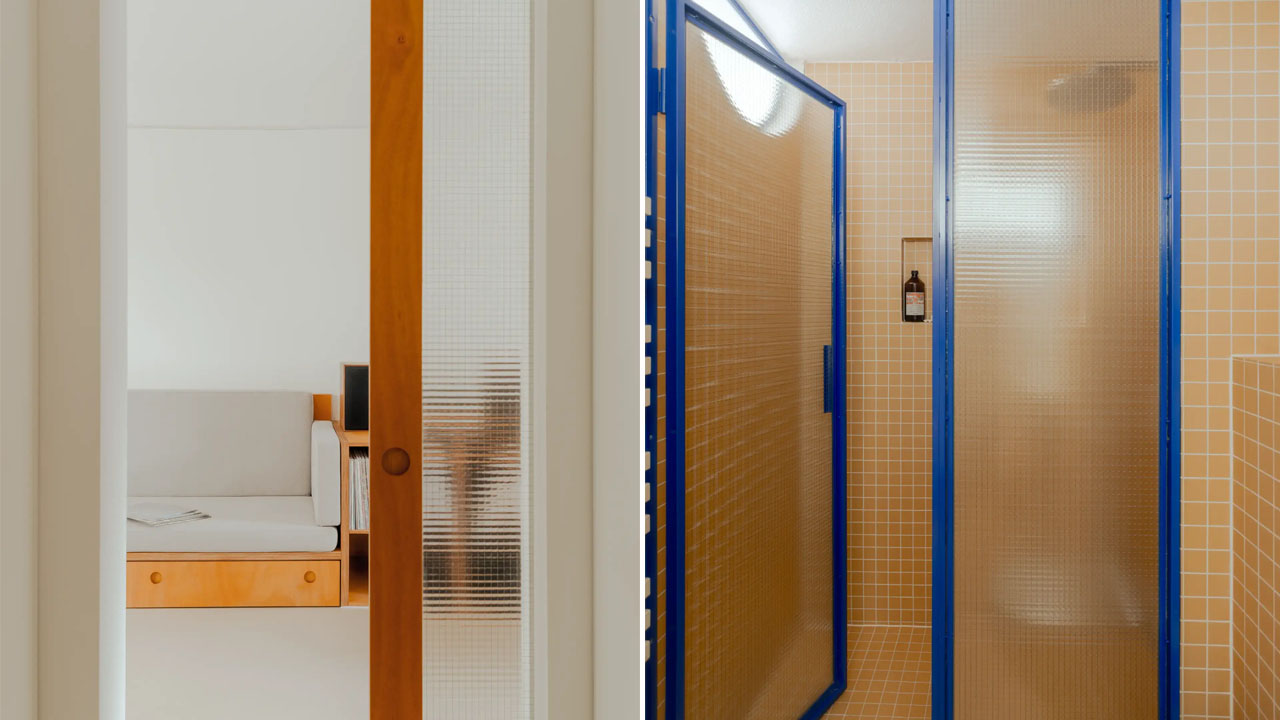
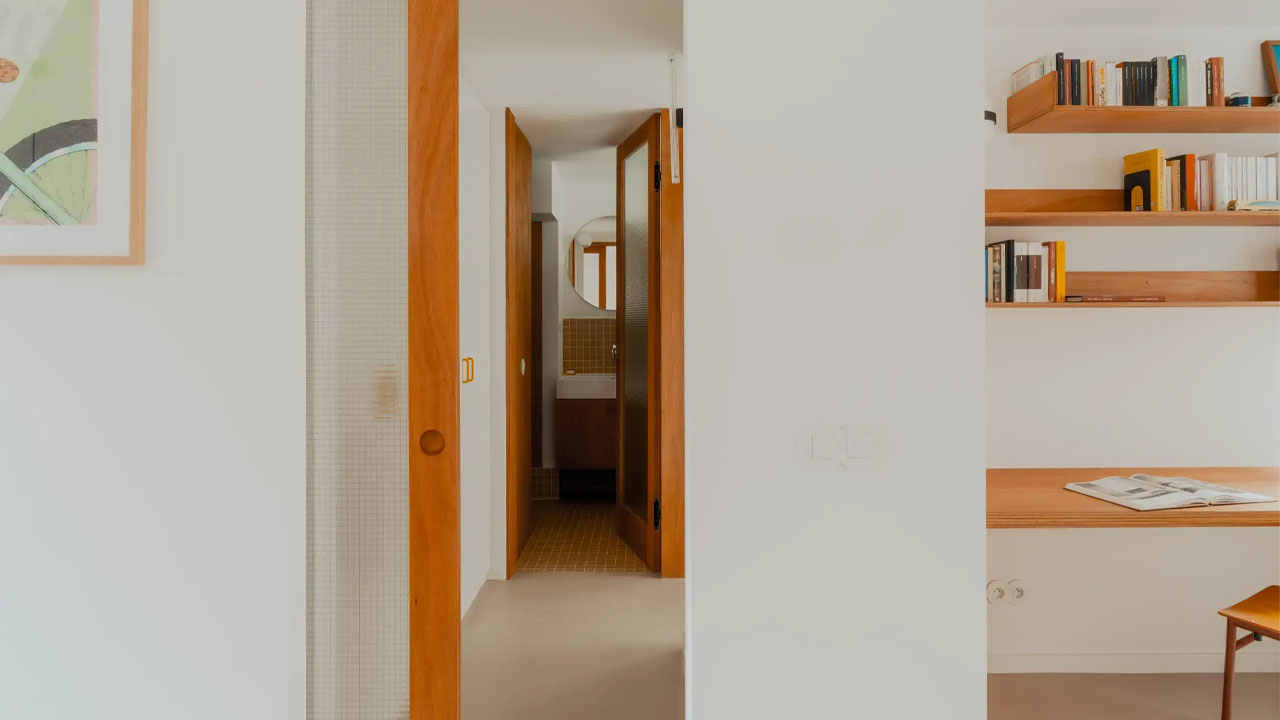
Another major demand was to have generous access to natural light in the Trommel apartment. The studio made sure that not only the main living areas but also enclosed spaces like the bathroom and walk-in closet get ample sunlight.
The semi-glazing with metal grids ensured privacy while internal windows and glazing brightened up the interior. Together, all these elements worked together as a cohesive unit to complement the original structure and add warmth to its brutalist history.