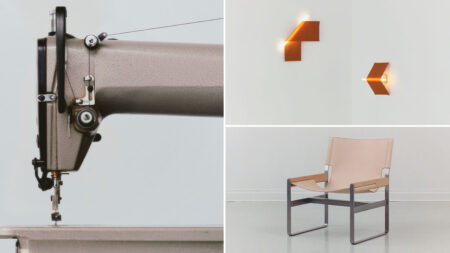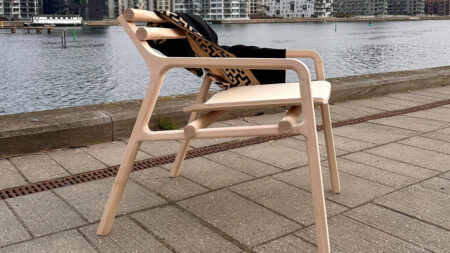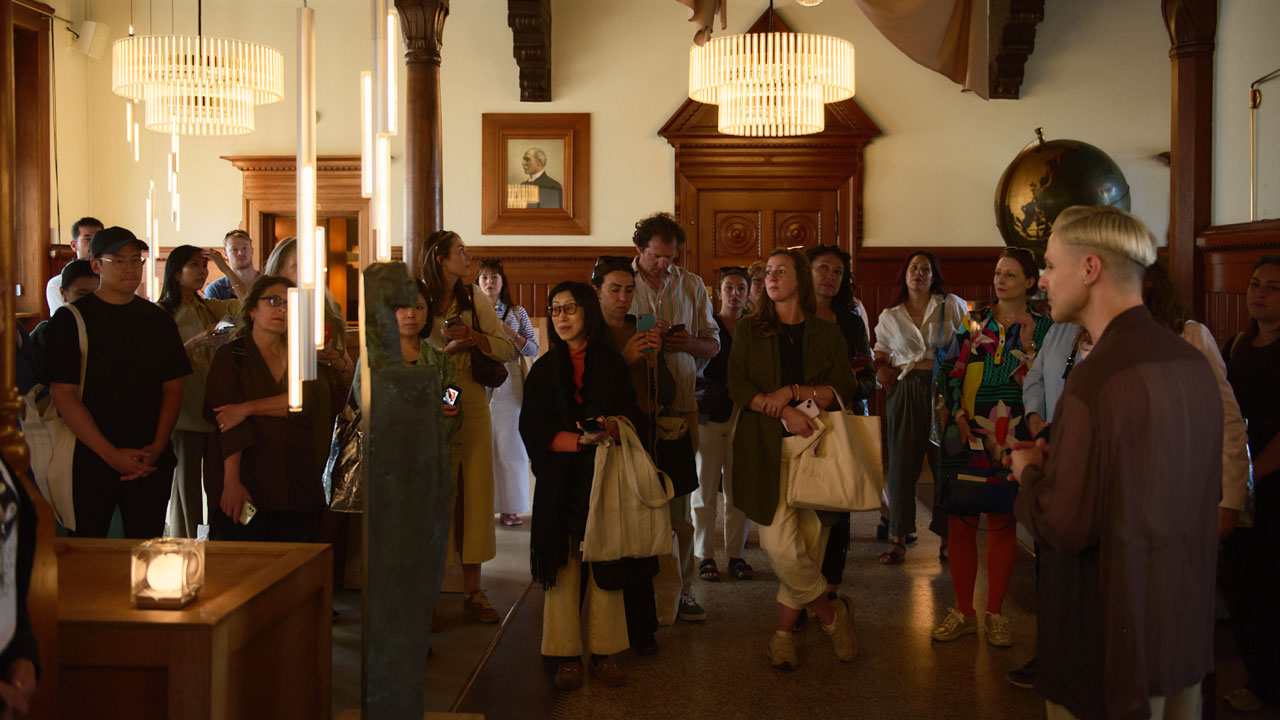
On paper, 3daysofdesign looks like yet another design fair hungry for more visitors, exhibitors, advertisers, and, above all, the crown of the world’s premier design event. After all, any design festival worth its stature boasts a similar brochure featuring a selection of new product launches, a barrage of installations, city-wide exhibitions, and a series of talks to cap things off. The only exception is Salone Satellite, which takes it a step further by handing out awards. So, is 3daysofdesign just more of the same, or is it different?
Signe Byrdal Terenziani, Managing Director and CEO of 3daysofdesign thinks otherwise. “Unlike other design festivals, 3daysofdesign is not a commercially-driven venture, as such,” she states. Her comments make sense, given that Salone del Mobile has drawn criticism from industry observers for becoming an incoherent mess of queues and sponsored activations.
“We are more about storytelling than selling,” Signe points out, adding that “It’s about passion, applauding talent, celebrating creativity, and connecting with like-minded souls who see the potential of design to help make the world a better place.” That passion and storytelling, she says, are what have driven 3daysofdesign’s growth from four exhibitors to the 400 it hosts today.
Unlike traditional design fairs restricted to fairgrounds, 3daysofdesign takes place citywide and welcomes budding designers, students, and design enthusiasts who showcase their work. But the event isn’t limited to up-and-coming brands and their fleeting narratives. It’s equally about the glitz and glamour that high-end labels bring to Copenhagen’s shores. That mix of glamour, passion, and storytelling was very much on display this year as well, with over 400 brands making their presence felt.
Still, winds of change were blowing through Copenhagen this year, much of it tied to the event’s theme, “Make This Moment Matter,” which Signe describes as a “collective recalibration from more to meaningful.” The theme challenges designers and consumers alike to step away from excessive overproduction and digital noise, urging them instead to design with intent and create pieces with lasting cultural or emotional value.
On a deeper level, it also asks you to make a conscious choice about the designs you bring into your life. This implies products that won’t harm the environment, spaces that enhance your wellbeing, and places that foster a sense of belonging. But was that idea being replicated on the ground? Did exhibitors truly adhere to the theme of “Making Moments Matter,” as the 3daysofdesign team intended? The question matters even more given that 3daysofdesign isn’t home to budding designers alone, but also a space where high-end luxury brands make their presence felt.
I reached out to my friends at Arper, Stellar Works, Foscarini, and Ingo Maurer, four of the world’s biggest design brands, to understand how they are responding to this year’s theme and the idea that more is less. Most significantly, in a time when design is increasingly focused on making moments matter, how do their new collections and presentations at 3daysofdesign reflect the idea of creating pieces that feel meaningful and deeply connected to human experience, rather than just visual statements?
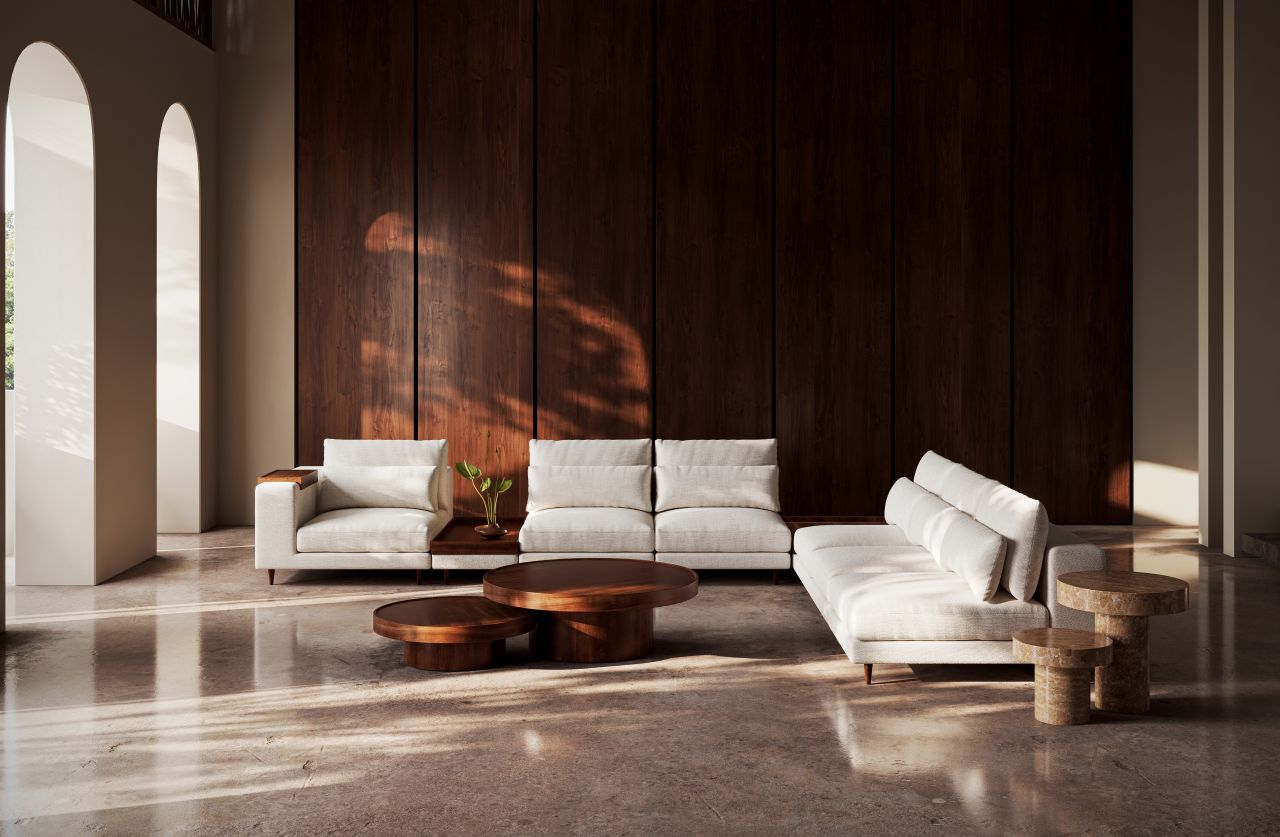
The answers I received pointed to a shared belief that the most meaningful objects are the ones that quietly earn their place in daily life rather than demand attention the moment they enter a room. For Arper, the Italian brand known for shaping how people sit, gather, and work, this philosophy is baked into its design DNA rather than treated as a seasonal theme.
“At Arper, we see design as the ability to improve everyday life in a meaningful and lasting way. It’s not about creating objects that demand attention, but about creating products that support comfort, connection, and wellbeing,” says Chief Marketing Officer Simona Colombo. That philosophy showed up in the Aom and Cari furniture collections Arper unveiled in Copenhagen, alongside sustainable updates to its classic Catifa chairs.
“We continue to explore a design language that is essential, warm, and responsible,” the brand stated, adding that the launches reflect longevity as a fundamental value, not just in materials but in remaining relevant as contexts and needs evolve.

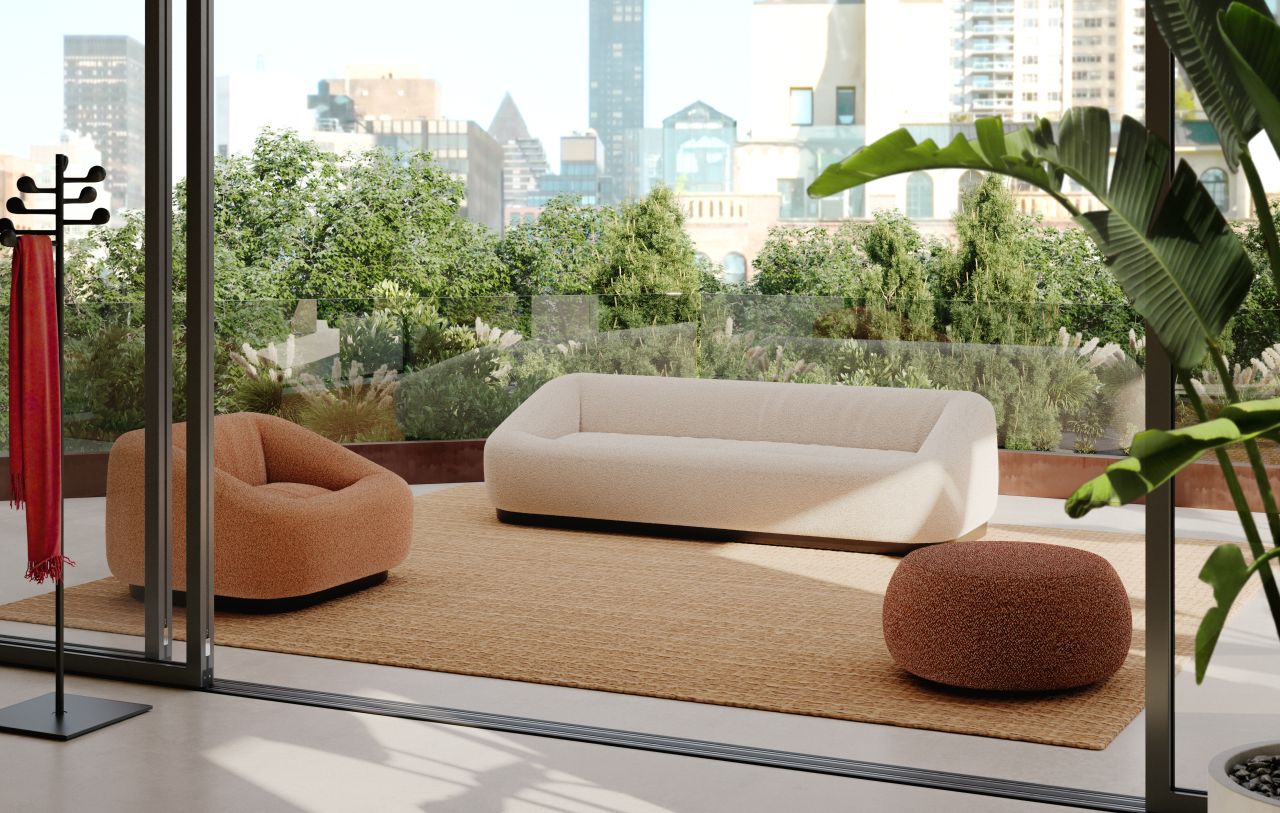
Stellar Works took a more pointed angle, naming its new collection THOUGHT/FUL in direct response to what Brand Director AJ Juodzbalis calls a “strange paradox of modern consumer life,” where more choice has somehow made it harder to find things worth holding onto. That tension shaped the dining pieces Arden and Timothy, along with seating and hospitality-driven designs Bruno, Ougi, and Atelier.
“Our ambition was not simply to create beautiful furniture. It was to create products that contribute to a greater sense of harmony within a space,” Juodzbalis explains, tying the brand’s Japanese roots to a belief that consideration outranks novelty. “As a Japanese brand, we believe the highest form of design is consideration. Not what people notice first, but what continues to matter over time,” he says, extending that logic to luxury itself, “It is about finding fewer things that remain valuable long after the excitement of something new has faded.”

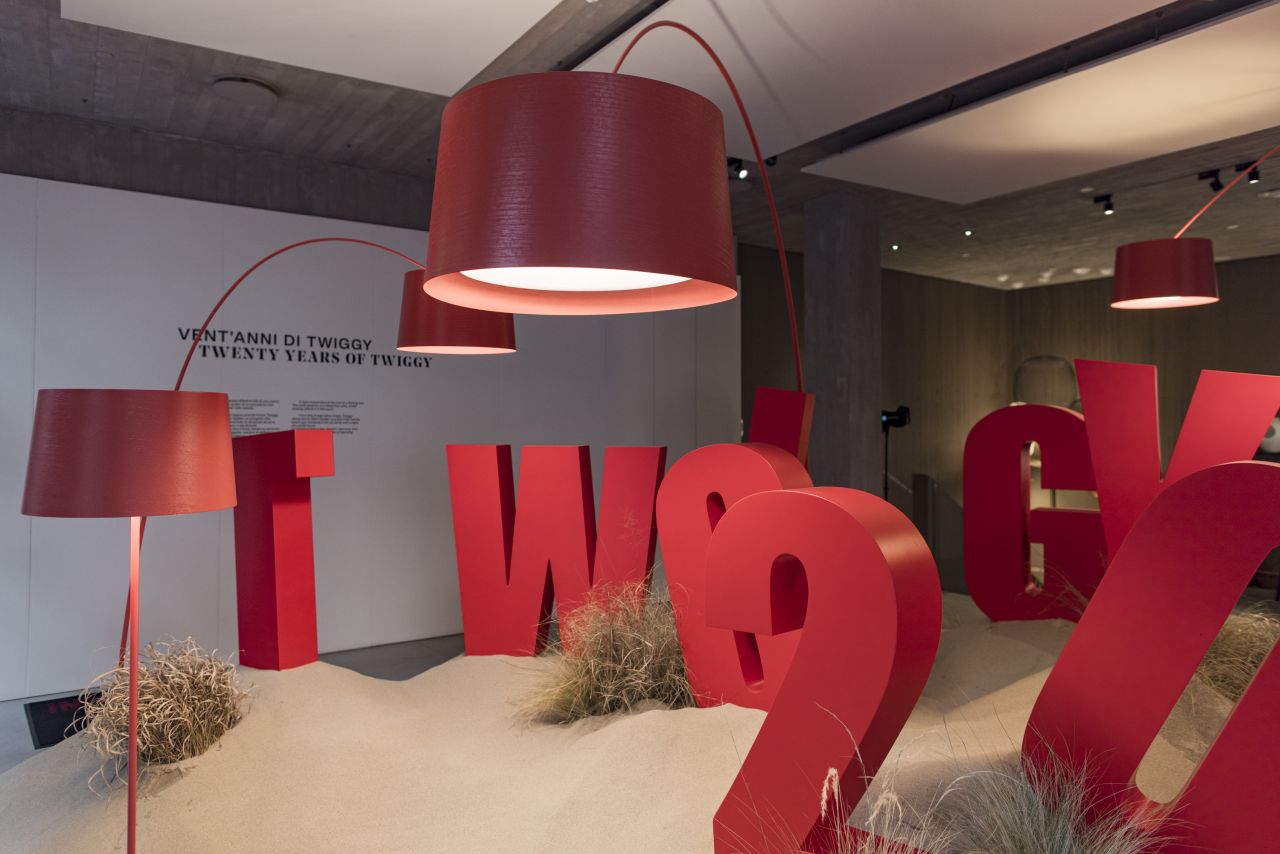
Next is Foscarini pushing back against a different trend: lighting designed to vanish. Company’s Design Coordinator, Matteo Urbinati, argues the brand’s luminaires are built to have presence, not disappear. “They are objects that inhabit space, that mark it, that give it meaning. Our ambition is simple but demanding: to create lamps that are beautiful by day and beautiful by night,” he says, warning that as lights dissolve into ceilings, something beyond aesthetics is lost, “rhythm, character, the sense that a space has been inhabited with intention.” Foscarini’s lamps, he adds, exist to transform a room “into something of your own.”

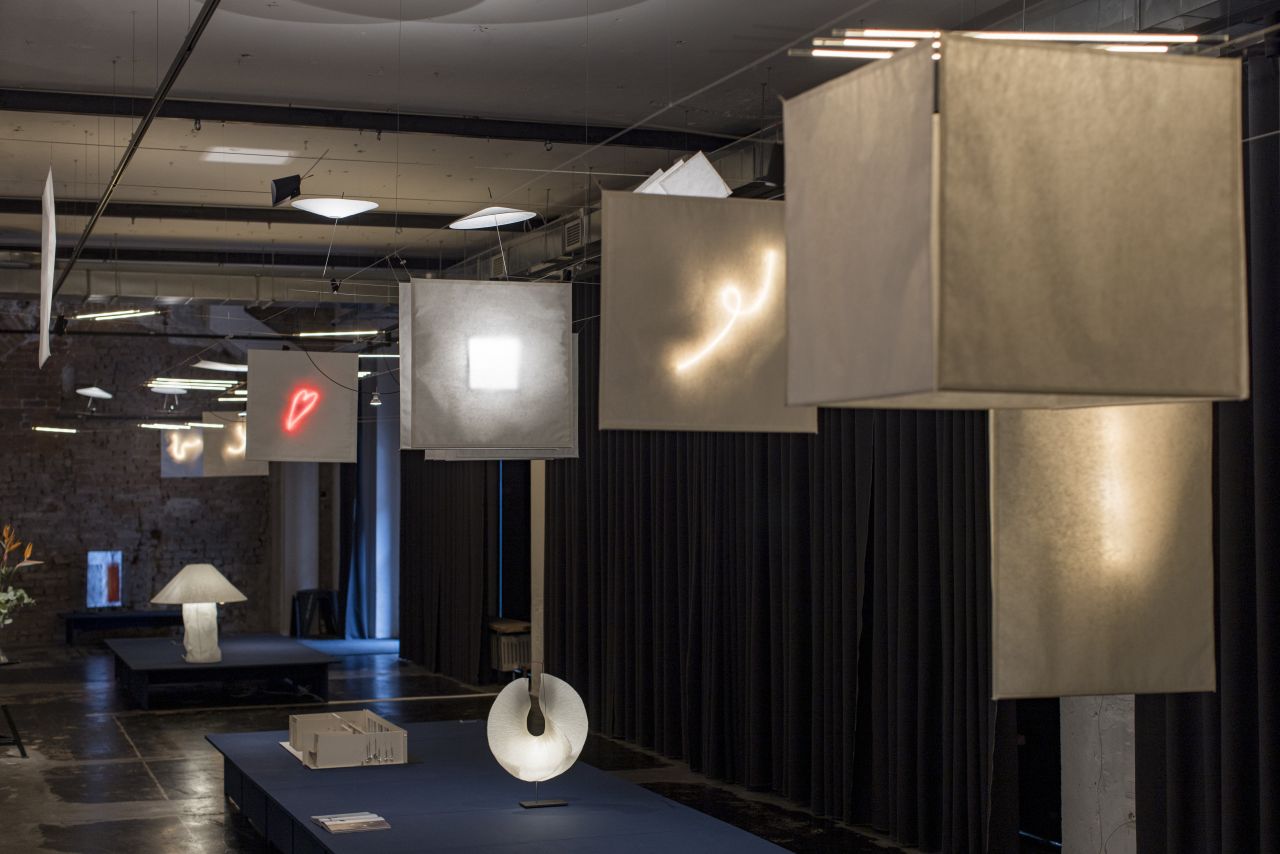
German lighting brand Ingo Maurer approached the fair from a different direction entirely, choosing to revisit and expand the YaYaHo lighting system, which the brand first launched 42 years ago, developing ten new elements rather than starting from scratch. “This reflects a different understanding of innovation, one that values continuity as much as novelty,” says Head of Design Axel Schmid, who folded new LED technology into the original halogen-era hardware while keeping the flexible wire grid intact. “We believe meaningful design gains value over time,” he says, framing the brand’s presentation as “an ongoing conversation rather than a series of isolated gestures.”
These four brands give real shape to the question Signe raised at the start. “Make This Moment Matter” turns out to be less about appearances and more about intent, an intent where storytelling is pushed over selling, and passion rises over spectacle. And if 3daysofdesign 2026 proved anything, it’s that the moments worth making are the ones built to last.