Out of the various design events running throughout the year, the 2026 3daysofdesign made a meaningful impact on the industry. The celebration included curated exhibitions showcasing products from renowned international brands, ranging from high-end furniture, lighting, textiles, and home accessories. Design possibilities are unlimited, but it is worth checking the limits, something we see in events like Værktøj, an annual exhibition that aims to promote artistic freedom. Every year, a group of designers is given a specific tool to create one-off furniture, lighting, and experimental objects.
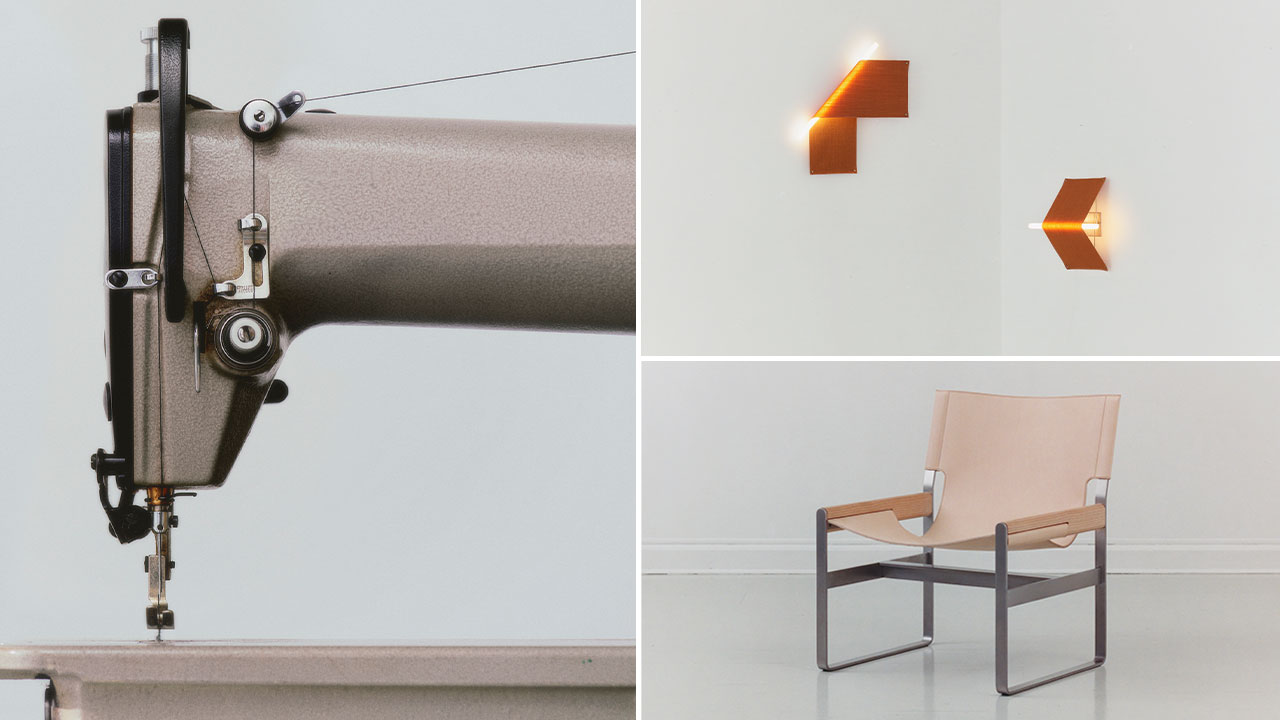
For the 2026 Værktøj 3, the third edition of the award-winning exhibition at 3daysofdesign, designers including Erwan Bouroullec, Pearson Lloyd, and Jonas Trampedach have used a sewing machine, in part or in full, to create furniture, lamps, and objects for the exhibition. It is wonderful to see how design perception changes when beginning with a specific tool.

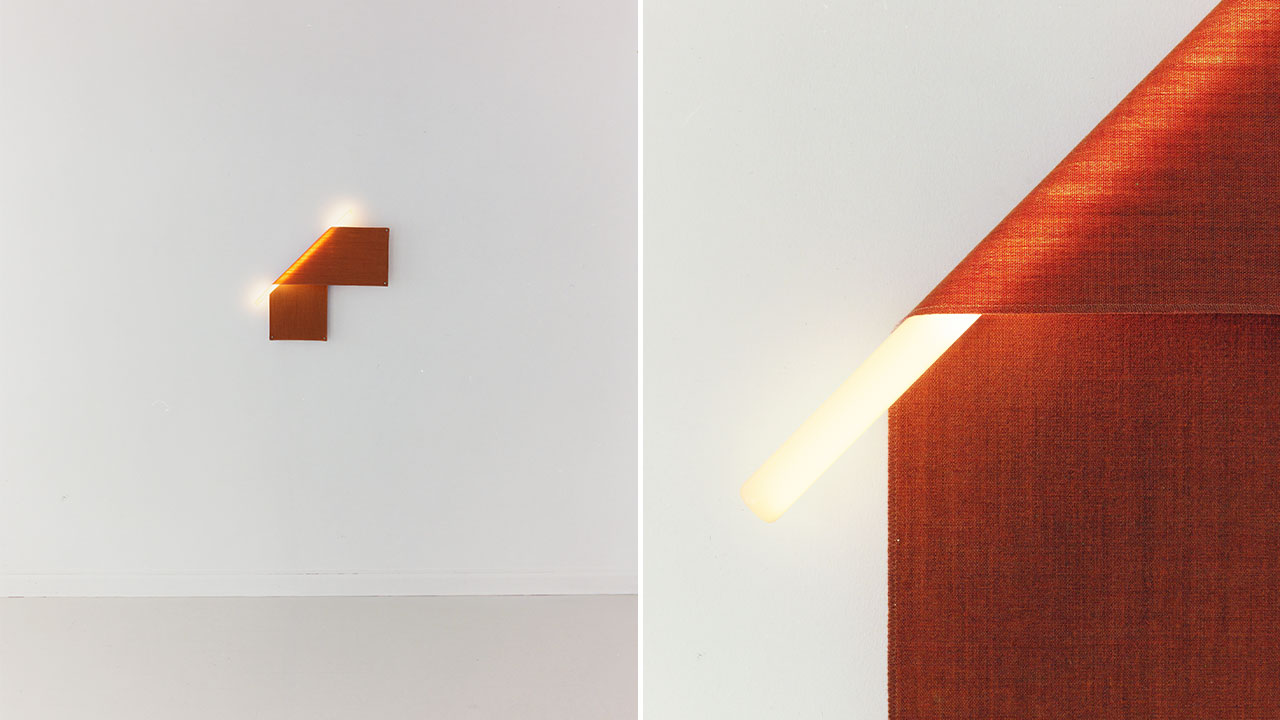
The first one responding to our editorial request was the founding member Jonas Trampedach, who shared the complete press release with us. When asked about his creation at the event, he said, “I made the TAUT Lamp, inspired by Kvadrat textiles, and the movement when one browses through the samples, creates this 45-degree fold.”
When illuminated, the thread becomes nearly invisible, showcasing the main theme. The key idea behind the lamp is to use stitched textile and light to create a changing visual experience.
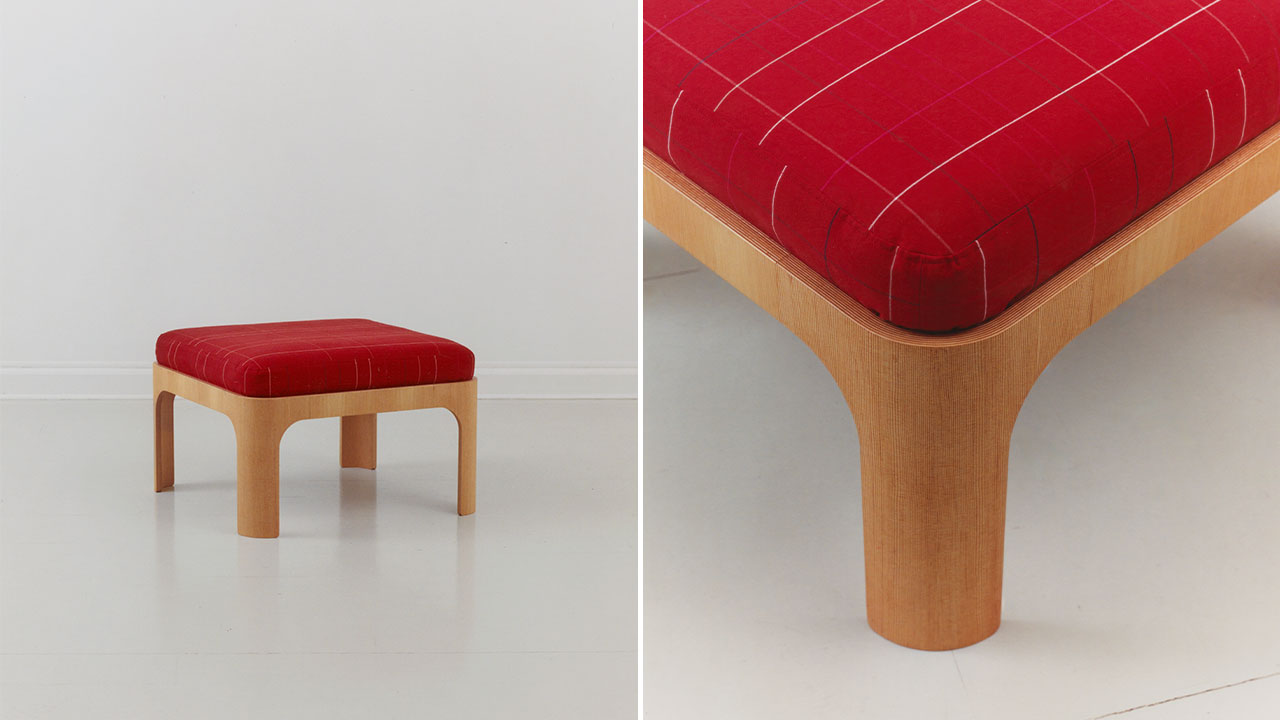
For Kasper Salto, the idea of using a sewing machine turned into a creative constraint that led him to explore textiles, collaboration, and reuse. He admits using the expertise of his wife, textile designer Rikke Salto, to make upholstery from upcycled vintage fabric. He actually reinterpreted his table from last year’s exhibition as the OTTO stool.
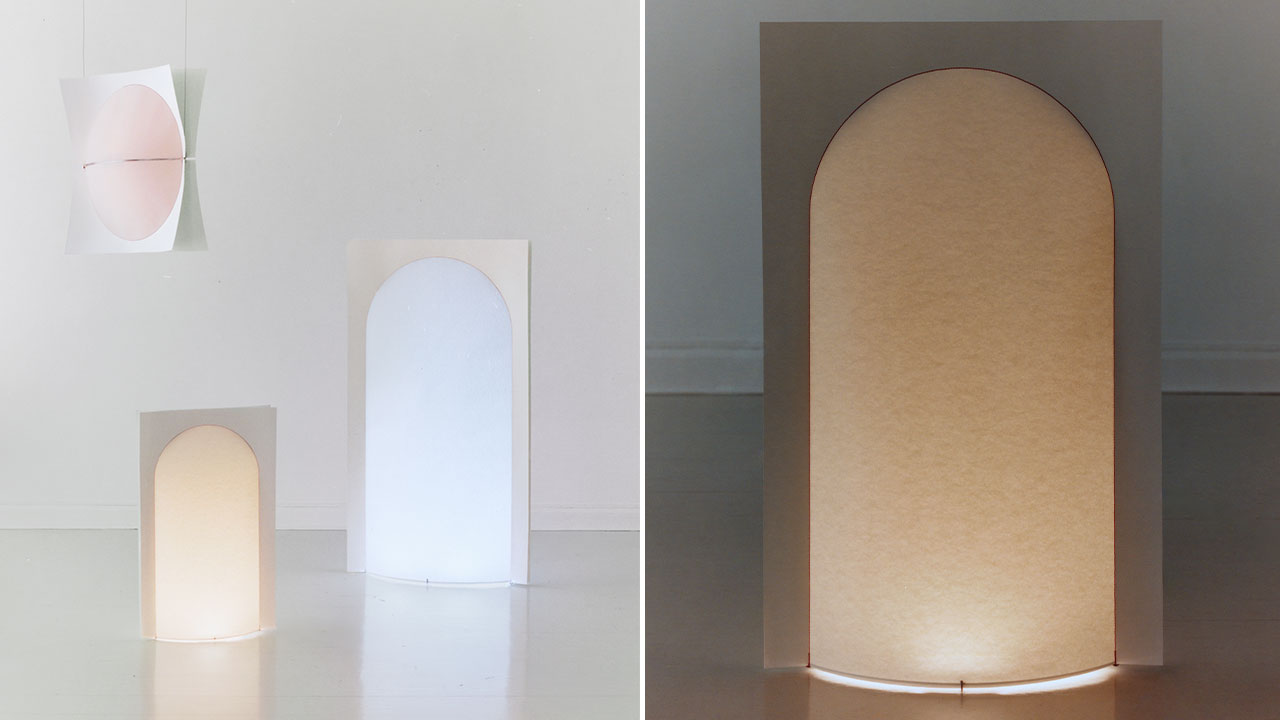
Foster + Partners Industrial Design imagined the Lomme lamp within the limits decided through what a sewing machine can actually do. Inspired by its name, it looks like a giant pocket. Its three-dimensional form is created simply by stitching materials together.
The beauty here is that stitching is not just for decoration or to join parts, as one sewn seam helps shape the lamp. It creates folds that give the lamp its final form without needing a separate frame.
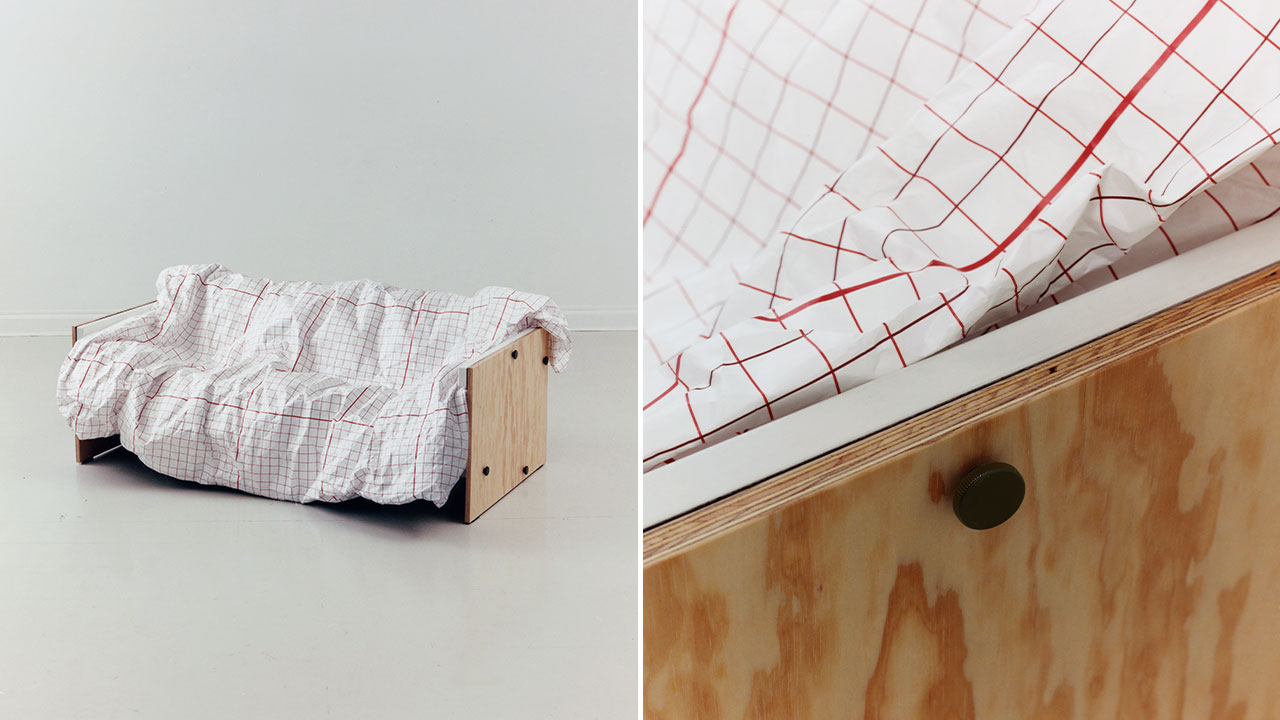
Erwan Bouroullec has opted for a minimalist theme to work with a sewing machine. He constructed the Avalanche Sofa in the simplest way possible, focusing on the essential form and function. The design envelops a wooden frame with Tyvek upholstery with plenty of folds and creases for a crumpled look, which finally becomes its unique identity.
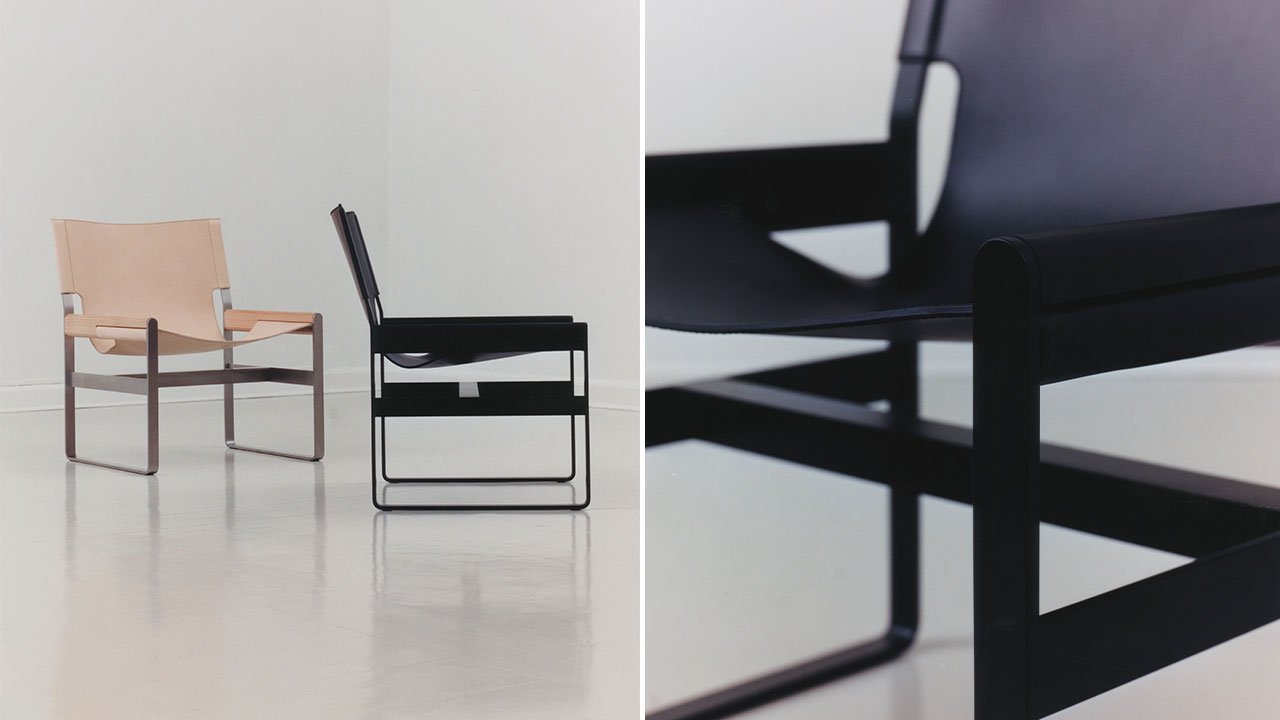
Going against material possibilities, Michael Antrobus has used leather to create the Plane lounge chair. Stitching plays a central role in the PLANE project. Sewing is expressed through the stitched leather sling that forms the seat shell.
Stitched seams join and shape the leather panels, creating a suspended seating surface that adjusts shape and comfort when you sit on it. “There is no visible beginning or end point to the stitching as these details are hidden inside a small pocket and finished by hand,” he told Homecrux.
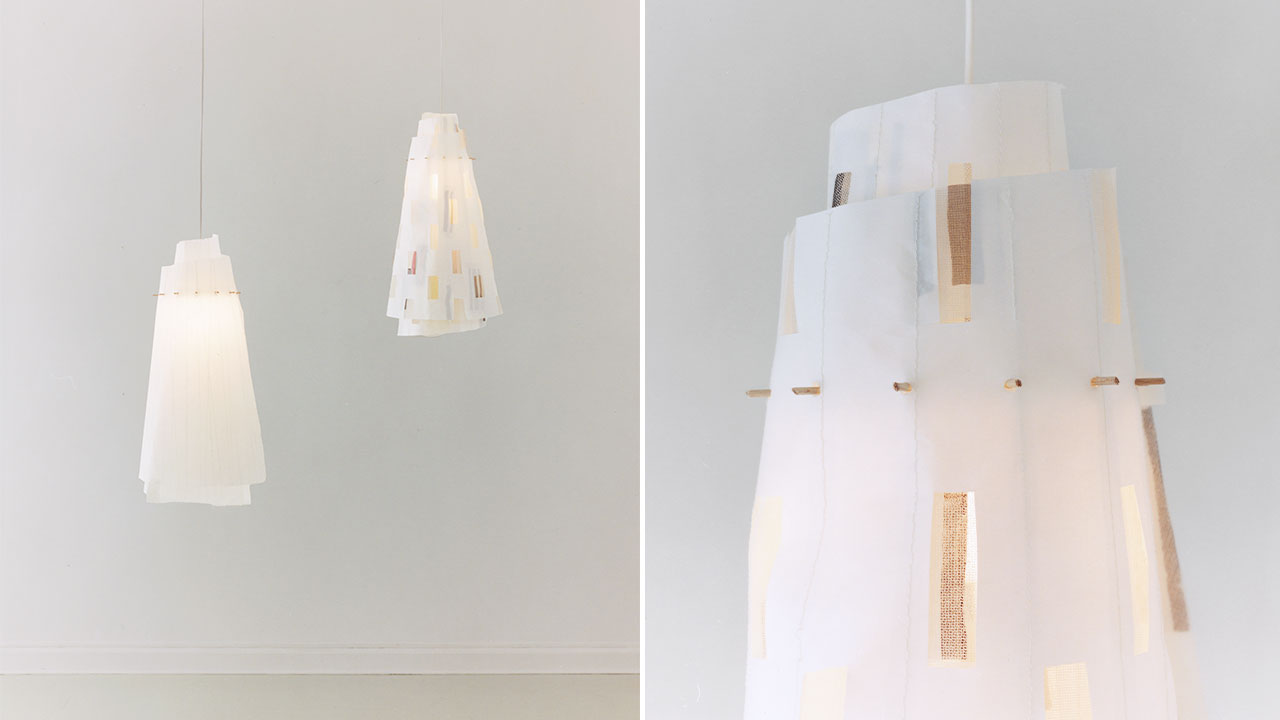
Another participant, Louise Campbell, told Homecrux that his Peep roll-up lamps are made by “sewing layers of textile and paper that resulted in both depth and interesting shadow and colorplay.”
These unique lamps use as few stitches as possible, while thin spiral bands and sticks are used to maintain the form. The project treats the sewing machine as a main design tool but minimizes stitching to create a functional lamp that requires minimal construction through the machine.
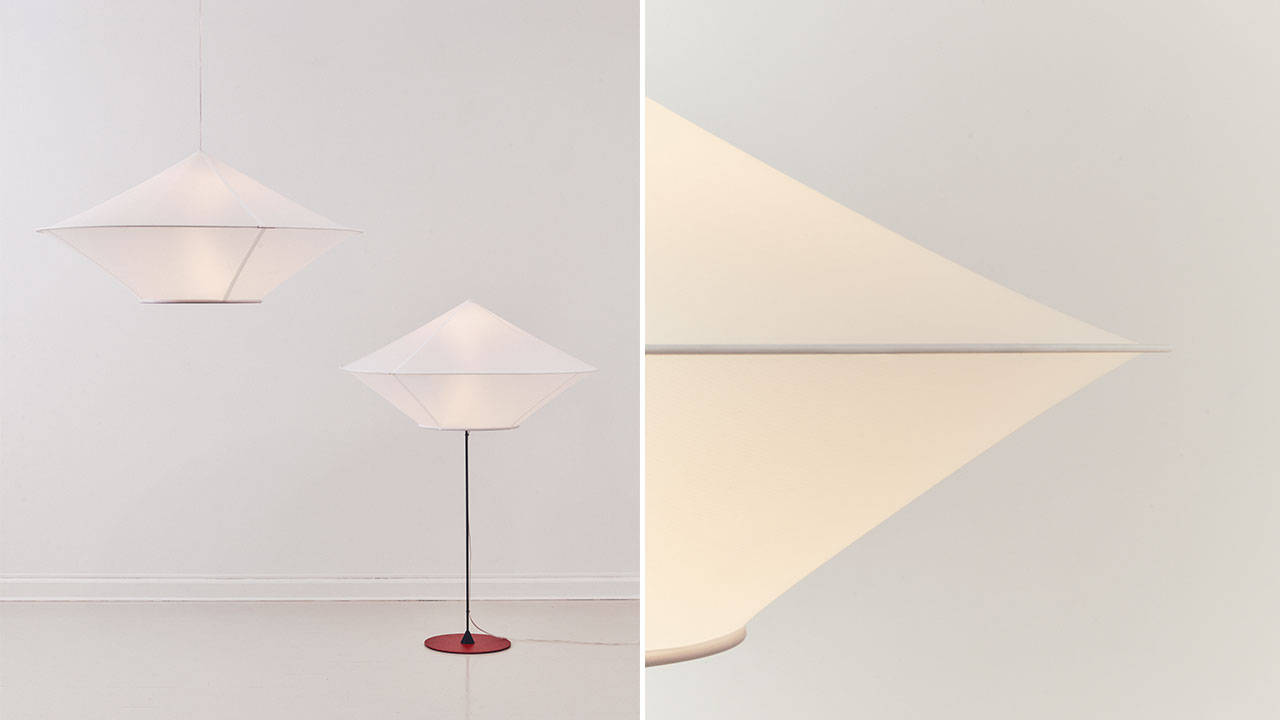
Pearson Lloyd is another big name who challenged the traditional role of upholstery. He used sewing to create a Bicone pendant lamp sporting a lightweight tensioned form. Instead of sewing fabric over a pre-made structure, Pearson Lloyd used sewn ripstop nylon and fiberglass rods to create the structure itself. The design explores how sewing can help build a form rather than dress it.
Værktøj showcases that innovation does not always come from new technologies or materials. Sometimes, a familiar tool can inspire designers to rethink their process to find new creative possibilities.