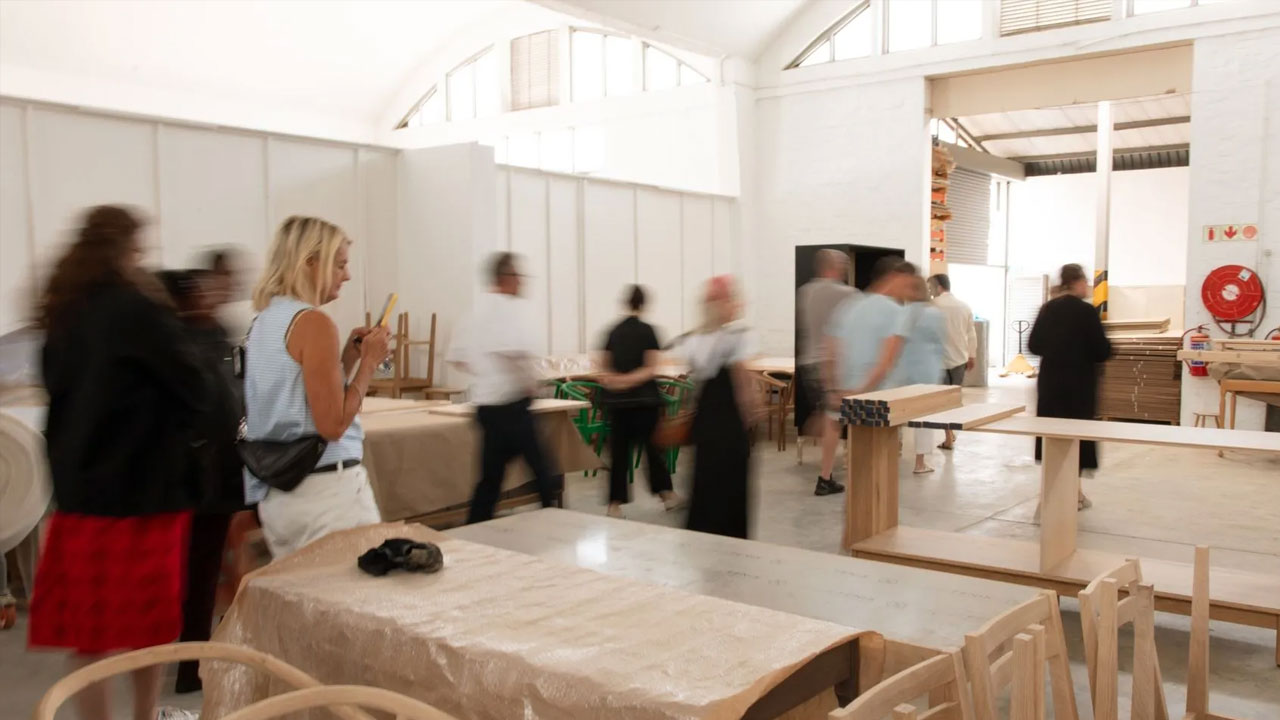
February is not the busiest month in the design world, but it is slowly becoming one of its most consequential. This is because of a growing circuit of regionally rooted gatherings that have made it their moment, with Stockholm Design Week and Madrid Design Festival leading the way. But the fair that garnered the most attention this February is located farther south than anyone expected. It finds its home amid the shores of the Indian and Atlantic Oceans, and is overlooked by a chain of mountains, most prominently, the Lion’s Head Peak. This is Cape Town Furniture Week (CTFW) in the Mother City of South Africa.
The four-day festival celebrating contemporary furniture, lighting, and homeware concluded on February 21, leaving a lasting impression on the global design community. The event was anchored in the theme of Contemporary Craft, highlighting the depth of talent across the region. My colleague Vatsal and I touched base with the exhibitors at Cape Town Furniture Week to get a hang of trends emerging from the show.
Based on the responses we received, it was apparent that while Contemporary Craft may have been the talking point of the fair, it wasn’t quite the defining one. The event was instead headlined by several subtle themes, including generational craftsmanship, heritage artistry, and sustainability. This doesn’t come as much of a surprise, considering most fairs we have reported on in recent years, ‘designers have testified that they don’t care much about how a product looks; they are more concerned with how it is made and at what cost to the world.’
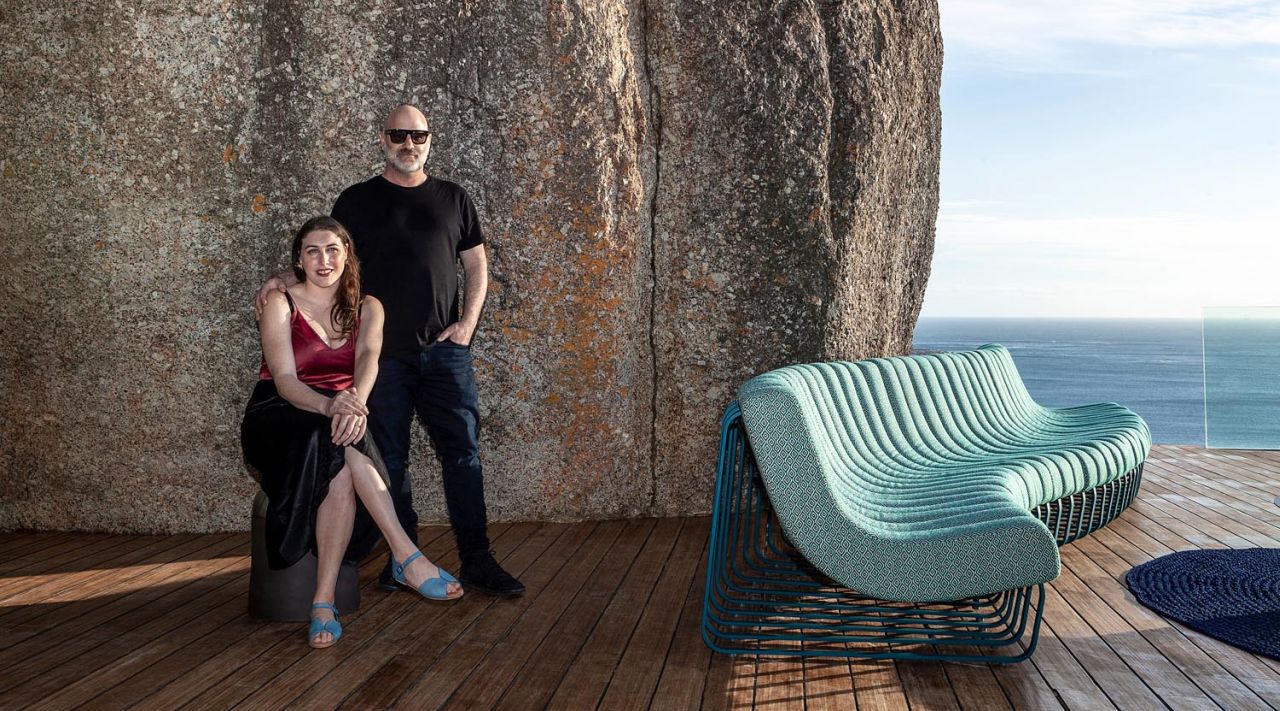
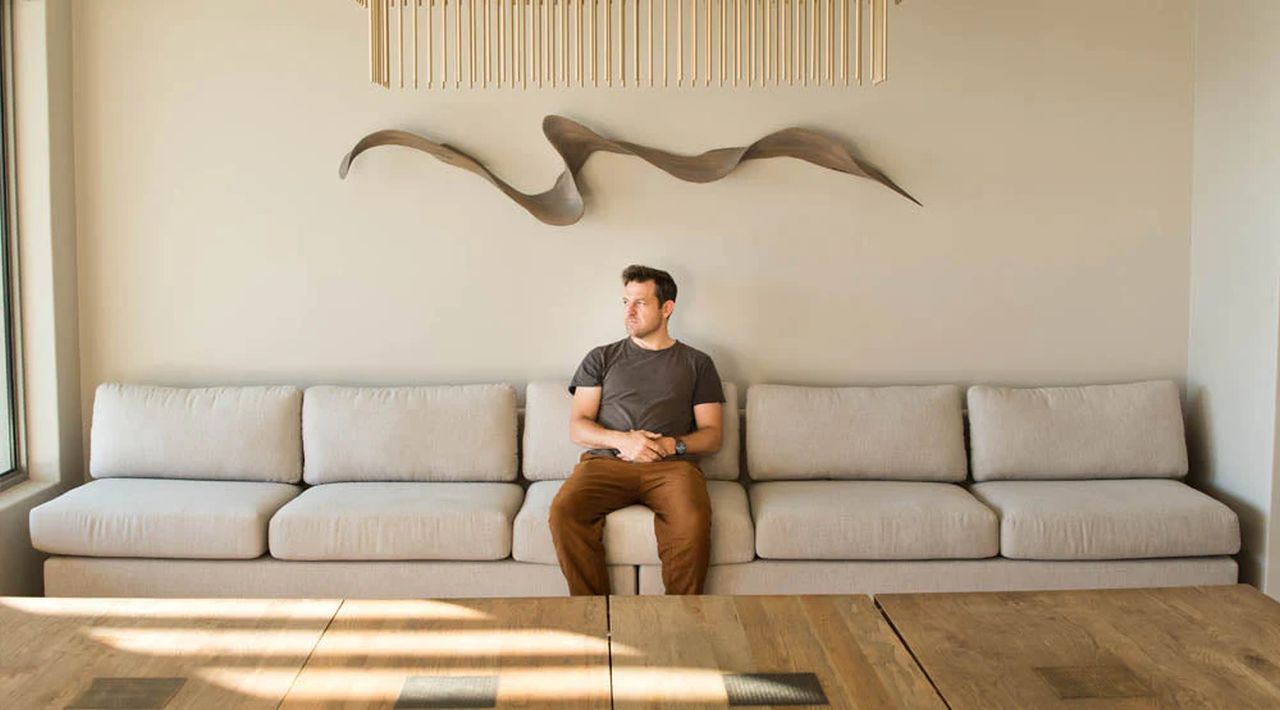
Haldane Martin, South Africa’s most prominent designer, didn’t wait to be asked. Talking about his work, sustainability came up almost immediately, embedded naturally into how he describes the studio’s philosophy. “Sustainability isn’t a trend anymore. I see it as the bare minimum for any business,” Haldane stressed.
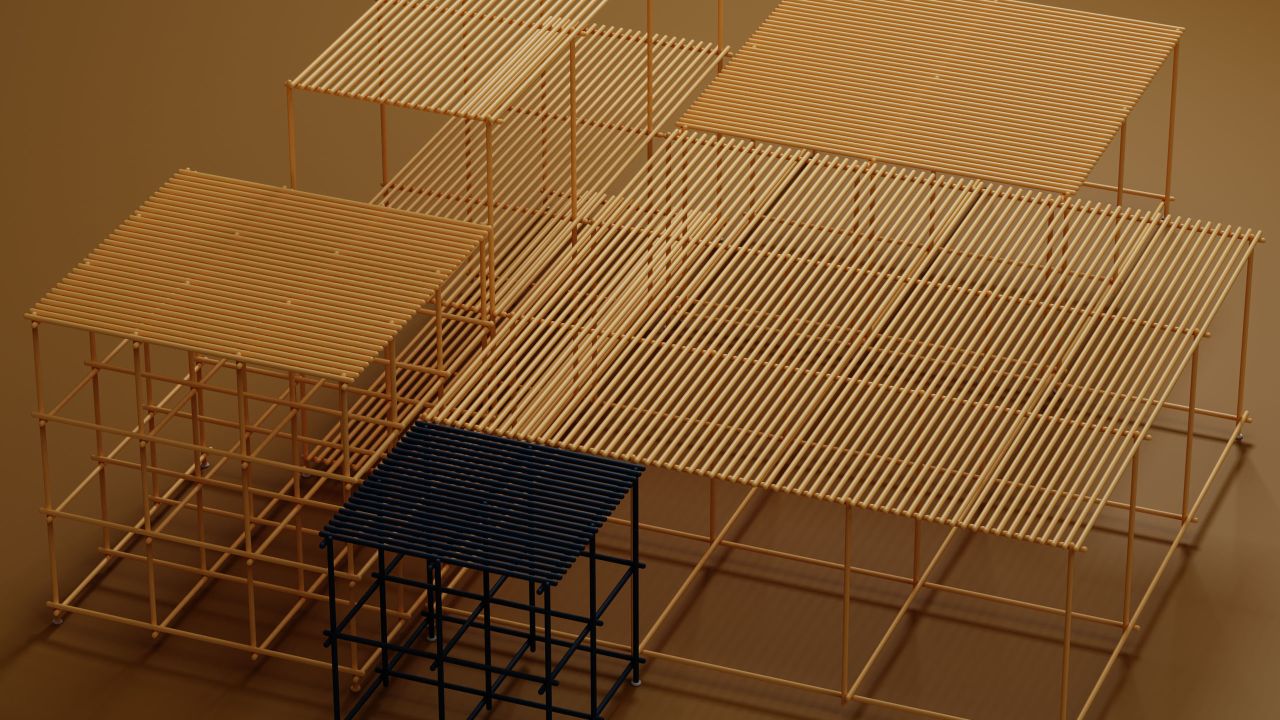
For his studio, sustainability isn’t a consideration that comes at the end. It is where every decision begins. This was the case with the Scaffold occasional tables and the SUPER RATIONAL modular sofa collection that he exhibited at the event. “Every piece in our collection is manufactured and assembled right here in the Western Cape by a handpicked team of local artisans, keeping skills, livelihoods, and craftsmanship within our community,” Haldane stated.
That’s not all. The material choices tell a similar tale. His new launches are designed for coastal climates and built to last decades. Haldane has joined forces with Crevin, a Spanish mill running a “Road to Zero” programme to ensure that all textiles are made from 100-percent recycled material and are entirely PFAS-free. “We prioritise materials chosen for longevity and low impact,” Martin added.
Louw Roets, another well-known face in the South African design community, arrived at the same conclusion, however, from an entirely different angle. “Sustainability begins with responsible origin and human investment,” he tells us, whilst pointing at his recently exhibited OER collection that is carved from FSC-certified solid timber sourced through trusted South African suppliers.
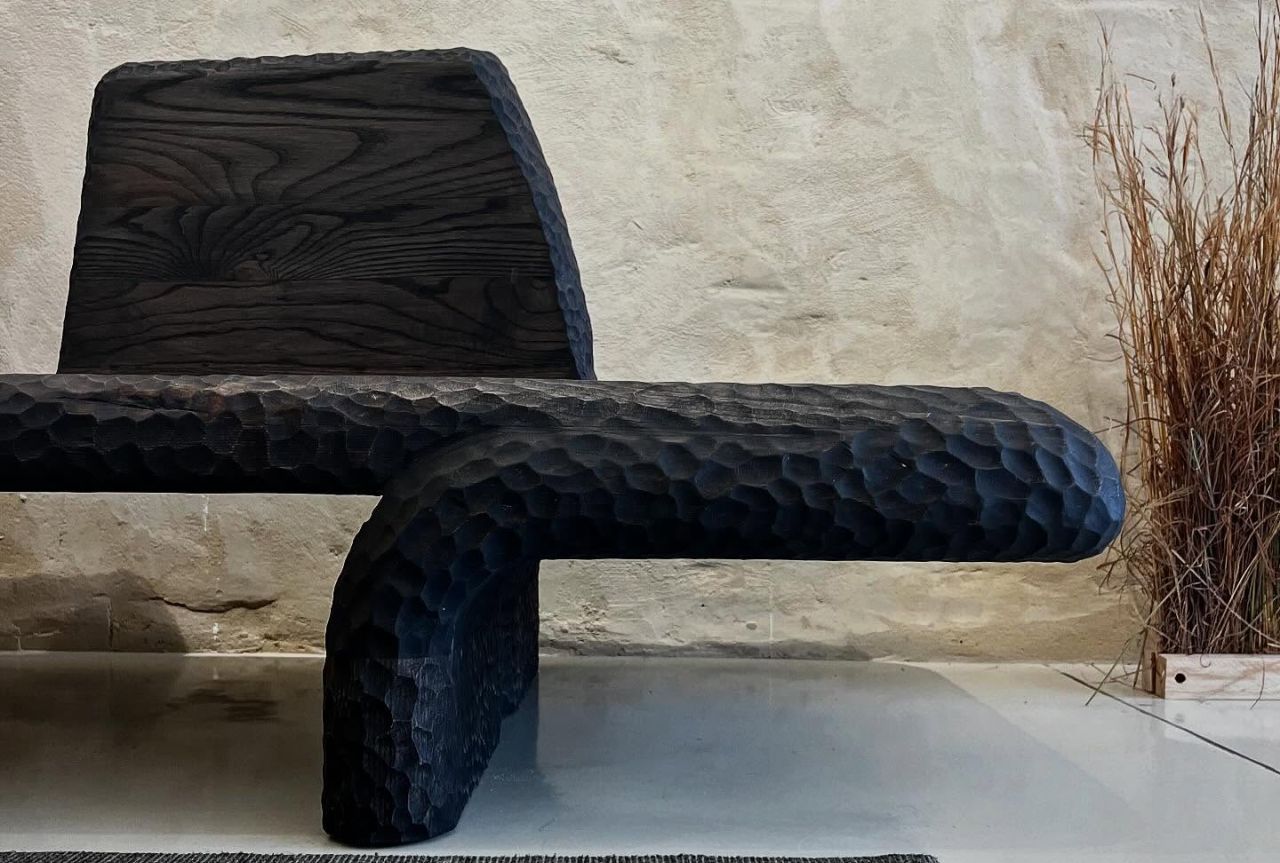
For Roets, the material is only part of the story; it’s the people behind it that matter most. “Beyond material integrity, I prioritise skill transfer, working master to apprentice, so craftsmanship becomes generational,” he added. Roets works master to apprentice, treating the transmission of craft as something as important as the objects being made. “By building capability, not just objects, the work supports long-term livelihoods alongside enduring, repairable forms,” he explained.
Anata Design Studio, another brand exhibiting at the Cape Town Furniture Week, emphasised a people-first philosophy. “By working closely with local artisans, we ensure minimal waster ethical production while preserving and evolving heritage skills for future generations,” the studio told us.
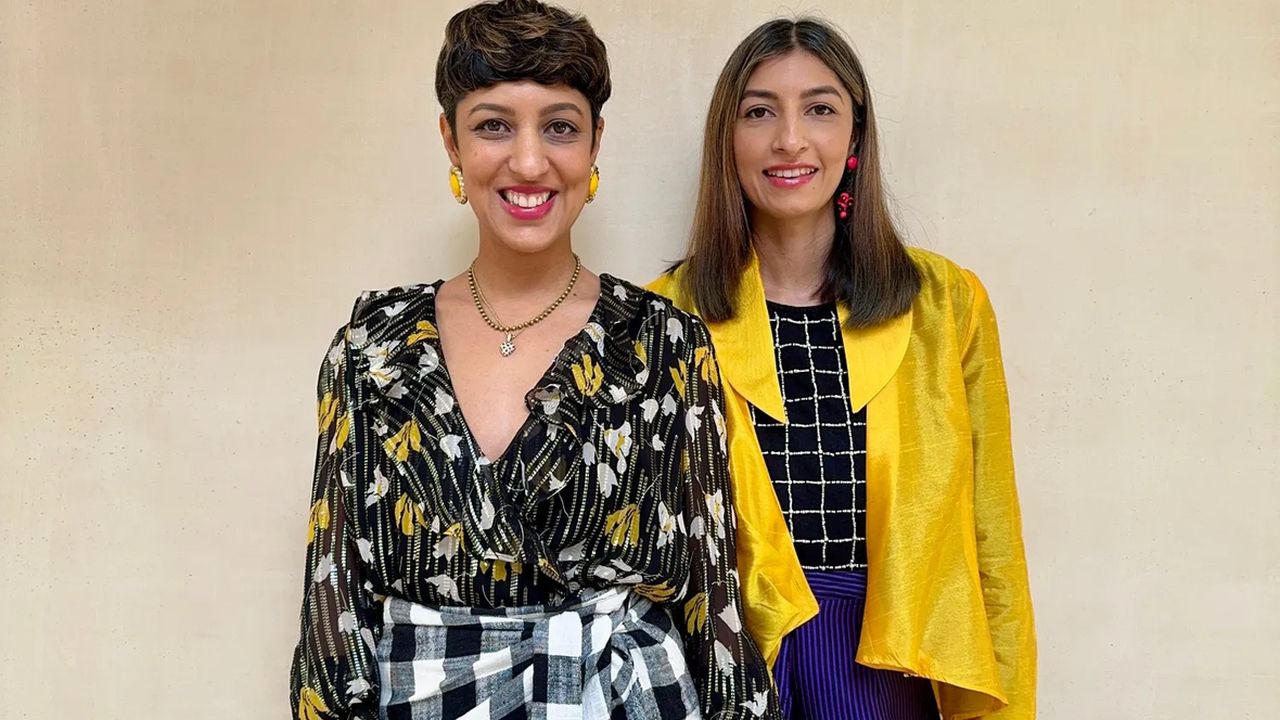
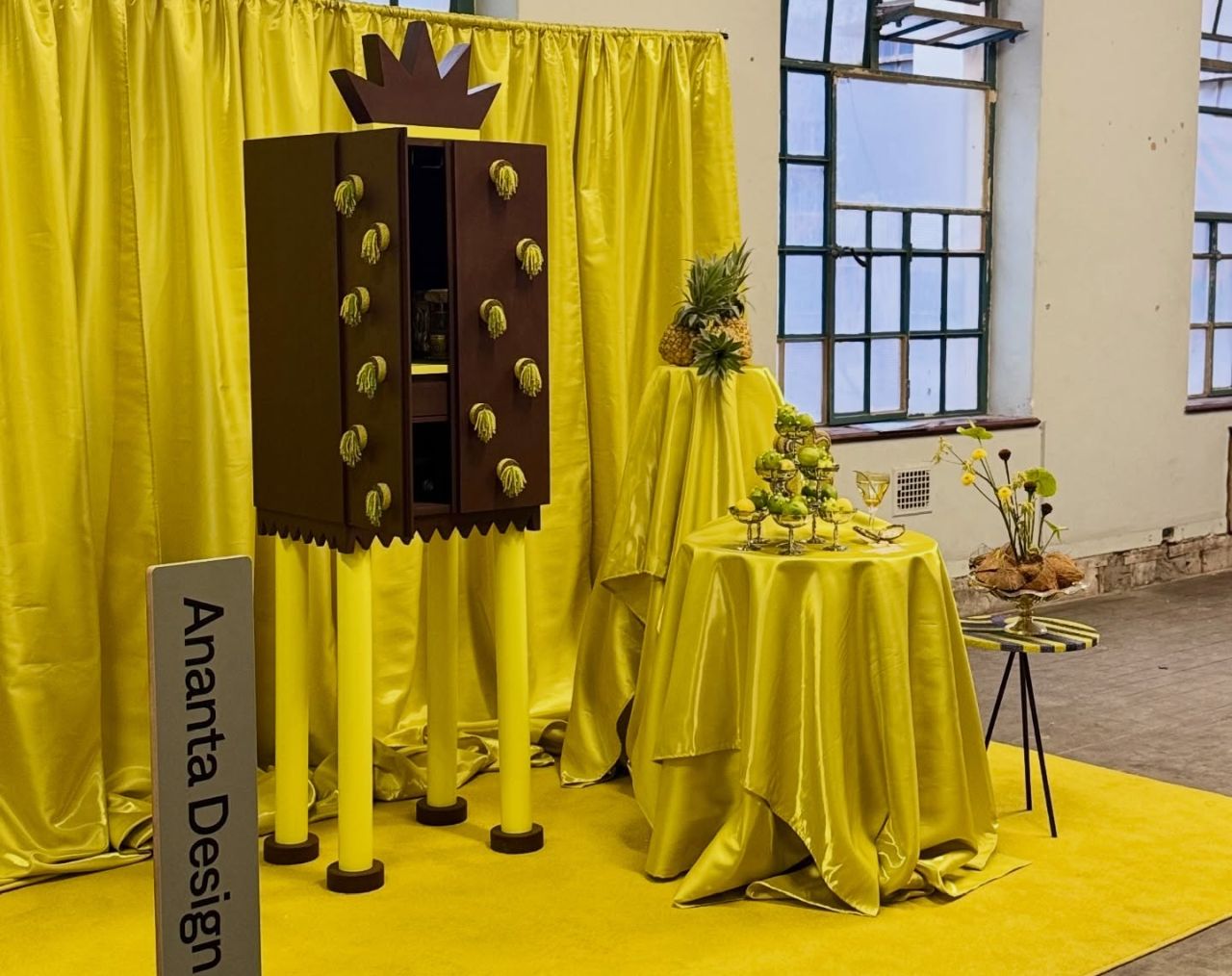
Headed by sister duo Viveka and Rucita Vassen, Ananta Design Studio is known for combining Indian and African heritage flair into its creations. This was apparently the case with their CTFW display as well. It showcased Annaci drinks cabinet, Purna vase, and Aadi side table, all inspired by the pineapple’s iconic form and texture. The studio describes this as “an immersive moment of indulgence and playful escapism” that proves sustainability and spectacle are not mutually exclusive. The philosophy resonated well with the public that backed Ananta Design Studio for the “Best in Show” award at the event.
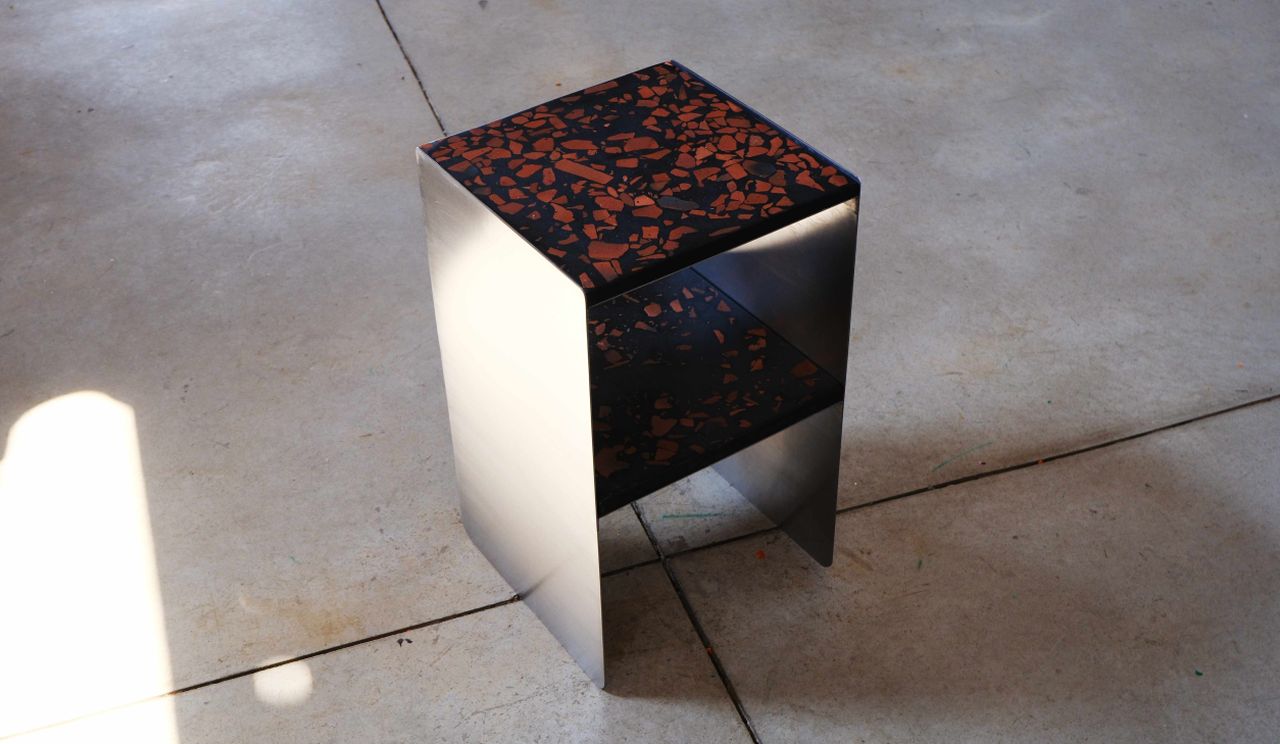
Not all the exhibited work came from considered raw materials only. Chelsea Makin, founder of Alkaline, built her entire WAYST collection on what most people simply discard. Through casting and surface refinement, Alkaline gives demolition debris a considered second life, carefully balancing ethical and sustainable considerations with form and function. “Construction waste is generated everywhere, constantly,” the studio notes, gesturing at a reality most designers overlook entirely. “Access to discarded material is never the challenge; reimagining it responsibly is,” Chelsea pointed.
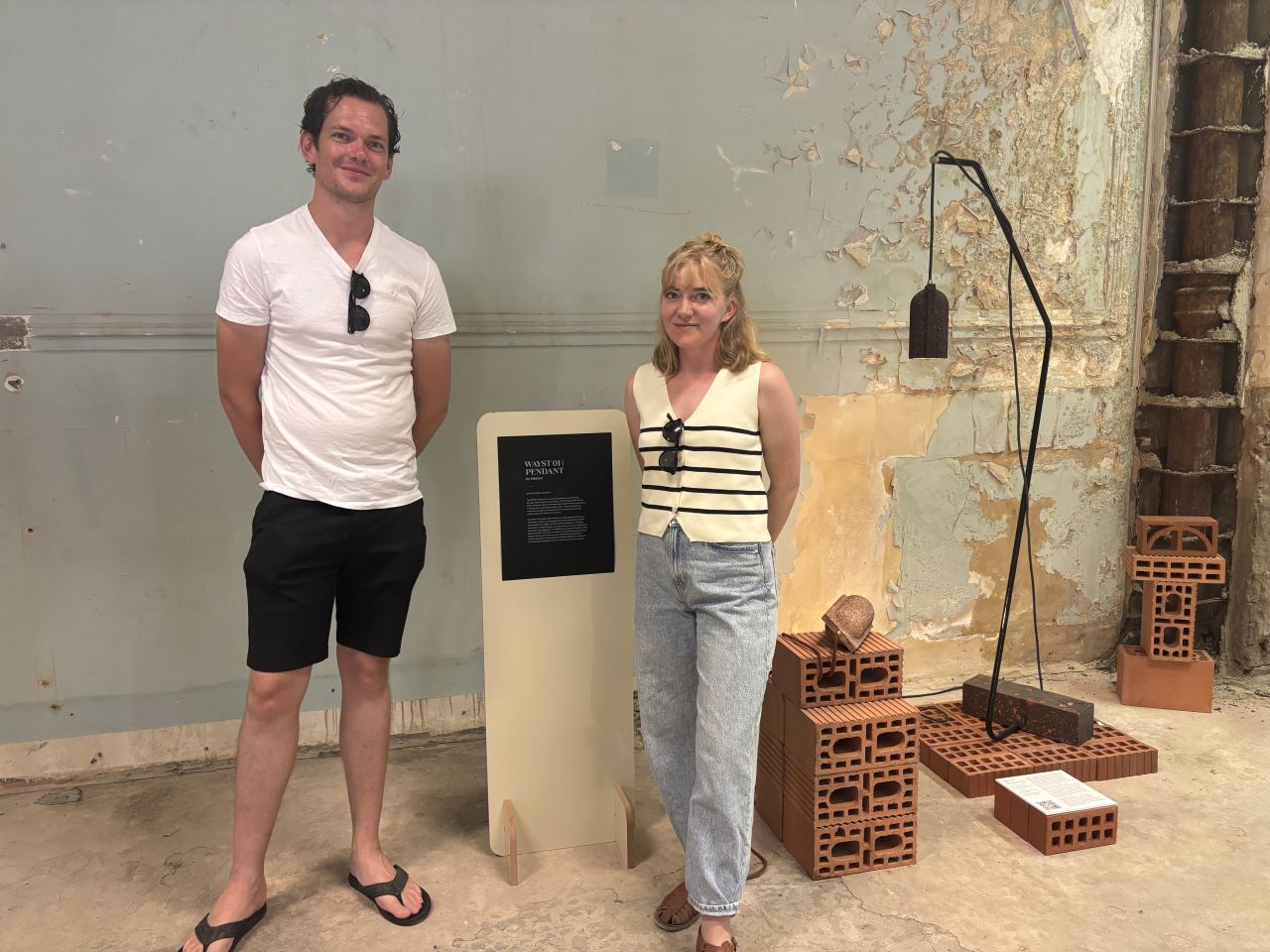
From reconstituted brick to sculptural lighting and furniture, the WAYST collection reflects the studio’s interest in how overlooked materials can be turned into functional objects that carry memory, texture, and meaning.
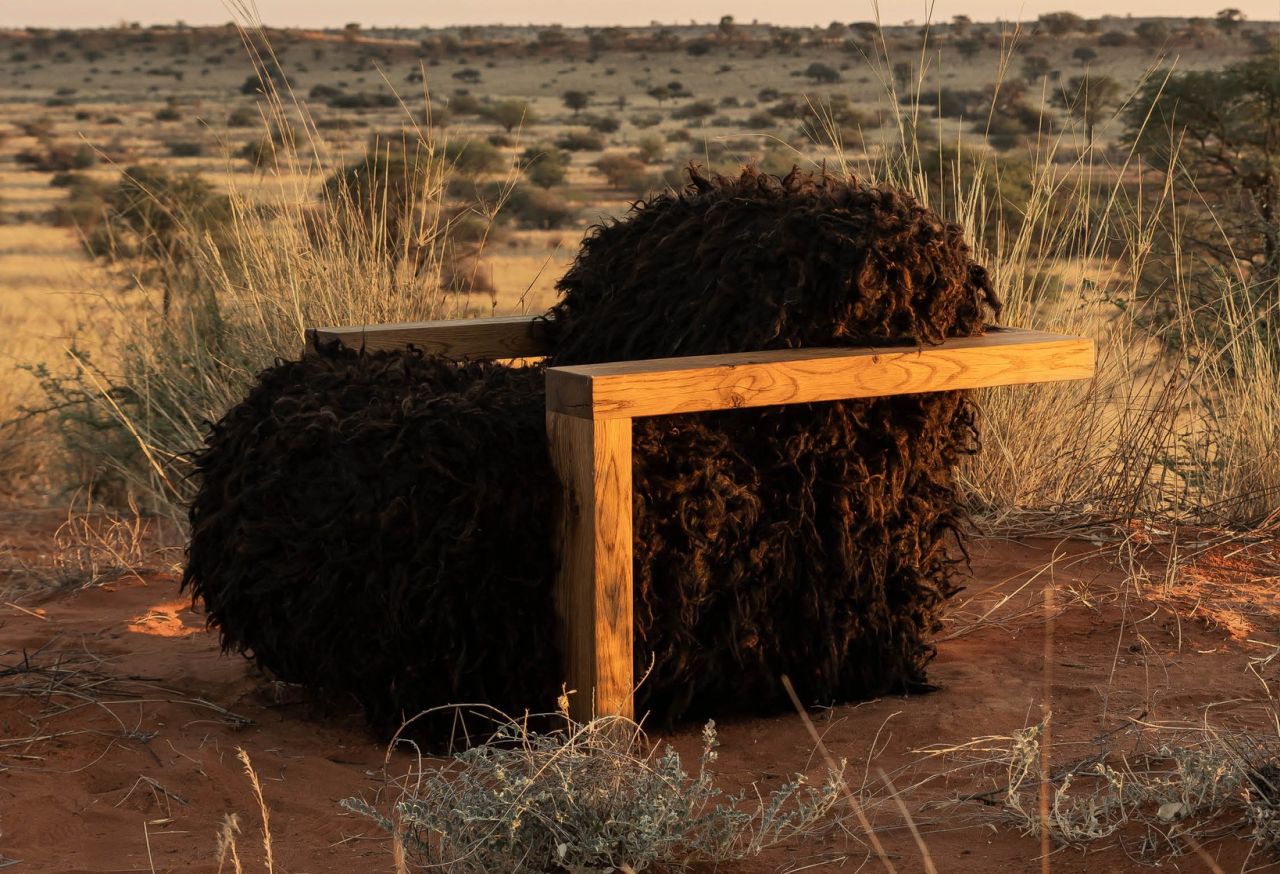
There is an argument that craftsmanship, heritage, and sustainability sound good when implemented by smaller brands. But rarely do big corporates take the onus to embed these philosophies in their daily manufacturing processes. This is, however, defied by South Africa-based studio, Weylandts Home, that takes a different approach to the second-life narrative, whilst exhibiting its textile collection at Cape Town Furniture Week.
“For this collection, we worked with reclaimed Swakara wool, giving new purpose to fibres that would otherwise go unused,” the brand explains. Made in collaboration with artisans in Namibia, the pieces carry a quiet weight that goes beyond material. “Each piece reflects our commitment to local sourcing, regenerative practice, and ethical, community-led craft that is rooted in place,” the brand added.
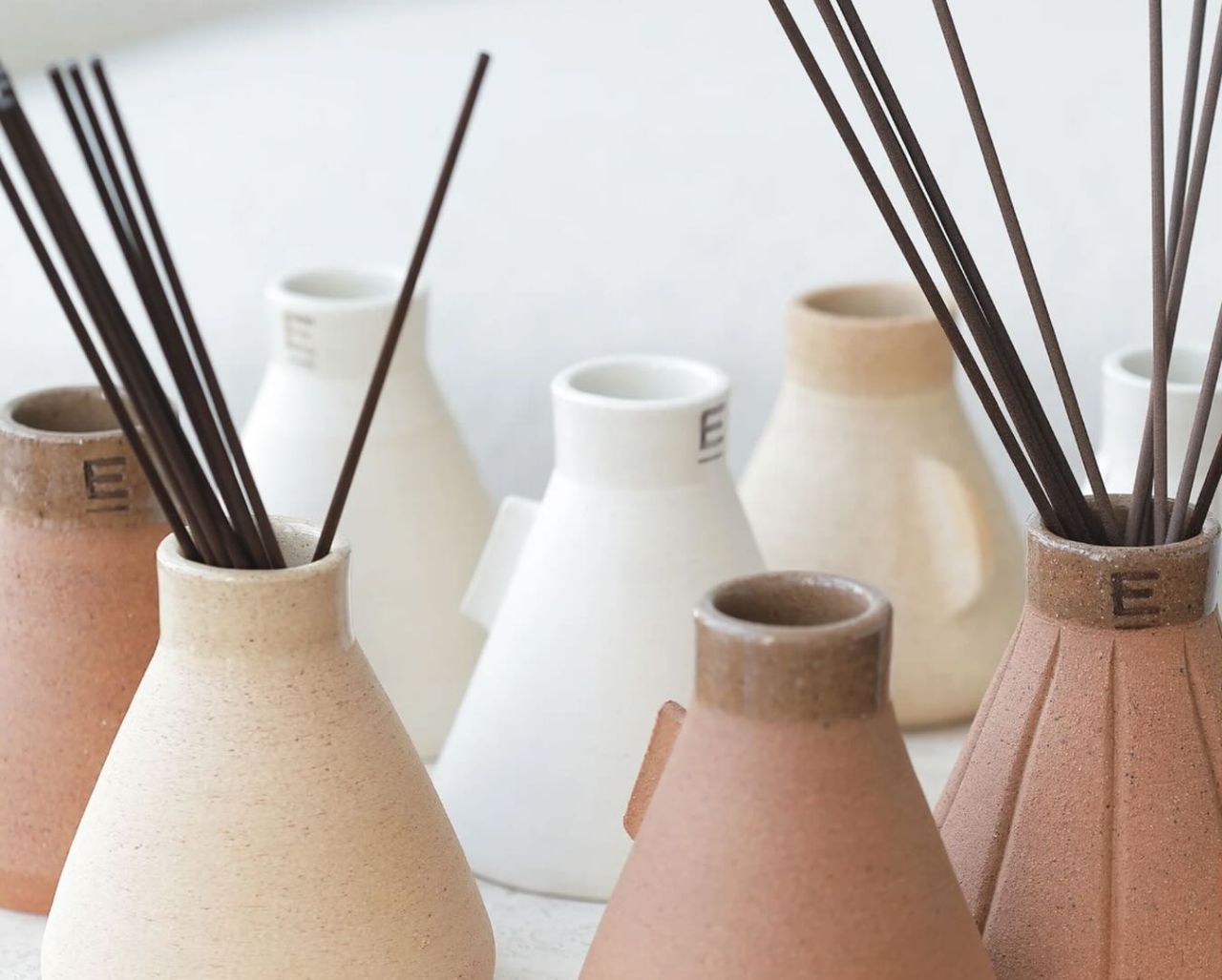
Beyond furniture and textiles, other brands brought fragrance and design into the mix, grounded in the same principles driving the other exhibitors around them. ESTABLISHMENT, an acclaimed interior design studio, joined hands with artist Juliet Eidelman to showcase a sculptural oil diffuser container at the event.
“We produce locally, supporting South African artisans and reducing transport impact,” ESTABLISHMENT founder Dawid Augustyn tells us. It’s a reminder that the question of how something is made, who makes it, what it’s made from, and what happens to it afterward doesn’t change depending on whether the result is a chair or a candle. “Small-batch production ensures care, minimal waste, and ethical oversight, creating fragrance and design that honour craft, community, and environment,” the studio added.
The designs have been seen, the conversations have been heard, and Cape Town Furniture Week 2026 edition has said what it came to say. And if there is a bottom line to be derived, it is that designers are done chasing form, function, and beauty for its own sake. They are building with purpose, making things more sustainable, feeling rooted in a place, and crediting the effort of the people who made them.
Follow Homecrux on Google News!