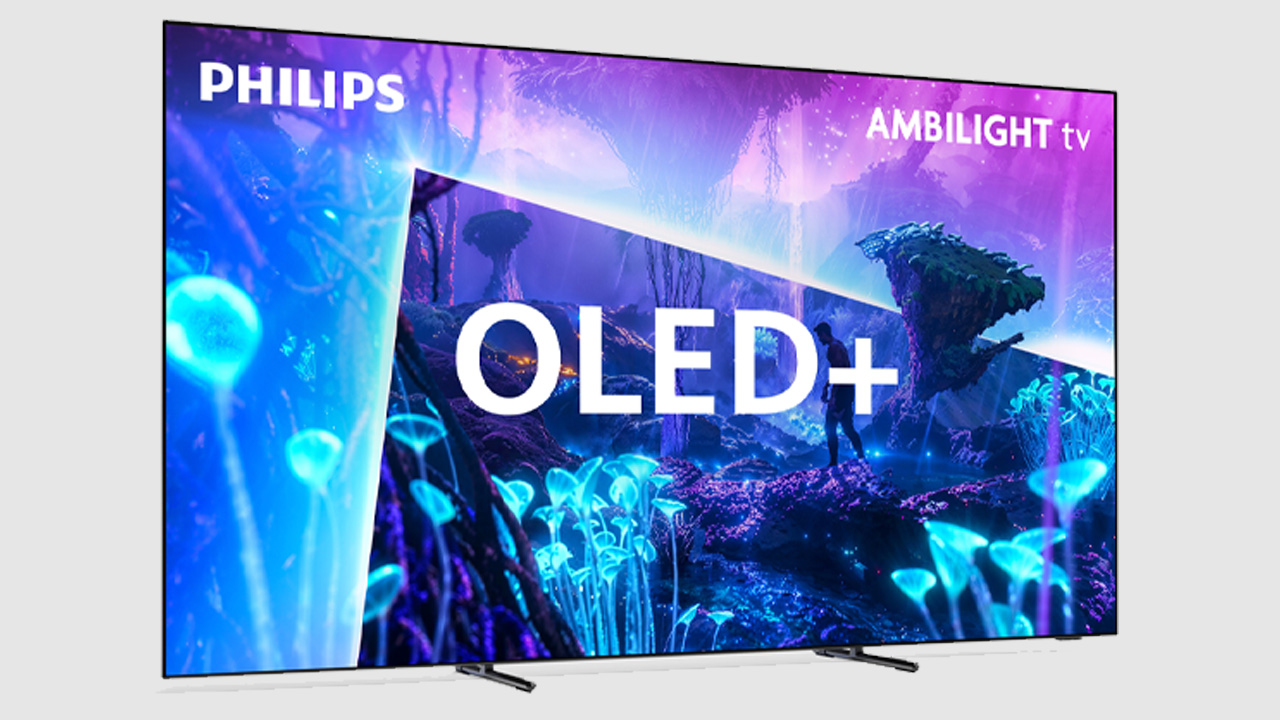
At CES 2026, we learned that TP Vision’s Philips-branded OLED TVs would debut Dolby Vision 2 in the near future. That promise has now been fulfilled as the company has introduced OLED+951 and OLED+911, both powered by Dolby’s next-generation image engine designed to deliver more natural and accurate picture quality. While these models share the same display technology, AI processing, HDR performance, gaming features, and Ambilight experience, they differ mainly in their sound systems and processing capabilities.
Both OLED+951 and OLED+911 support Dolby Vision 2 Max with new AI-powered Content Intelligence that automatically adjusts Dolby TV content as per the viewing environment. Additionally, Dolby Content Intelligence includes new Precision Black and Light Sense features, and enhanced Sports and Gaming Optimization. There’s also the Dolby tone mapping in the mix to enhance the overall picture quality. Dolby Vision 2 Max also includes an Authentic Motion feature, termed as the world’s first creative-driven motion control tool to make scenes feel naturally cinematic without unwanted judder on a shot-by-shot basis.
Both the Philips 2026 OLED TVs share the same high-end display tech, featuring a META 4.0 Primary RGB 2.0 Tandem 165Hz WOLED panel. This panel features a stacked four-layer structure using pure R, G, B light sources to offer a color gamut of 99.5 DCI-P3 (83-percent BT2020) while also offering an impressive 4,500 Nits brightness. Furthermore, it offers improved ultra-low reflection technology that blocks more than 99-percent of any on-screen reflections, even in the brightest of viewing conditions.
Both the OLED TVs are powered by a 10th Gen P5 AI processor, but the OLED+951 has a better dual-chip structure for additional picture enhancements, and gamer-focused features like minimap zoom. This model uses a 2.2 audio system while the OLED+911 comes with a powerful 81W Bowers & Wilkins 3.1 setup.
The sound system uses a front-facing LCR setup (left, center, right), where each channel includes two 45mm mid-range drivers and a 19mm titanium tweeter, enhanced with an improved Nautilus tube for clearer sound. The mid-range drivers are carefully isolated from the main enclosure for a cleaner sound. At the rear, a dedicated bass enclosure houses a slimmer 75mm subwoofer supported by four force-cancelling passive radiators for deeper, more controlled bass. The system is powered by eight channels of amplification, delivering a total output of 81W, with each channel benefiting from its own dedicated signal processing.
Also Read: Hisense 2026 U7 ULED MiniLED TVs Offer 3,000 Nits Brightness, 165Hz Refresh Rate
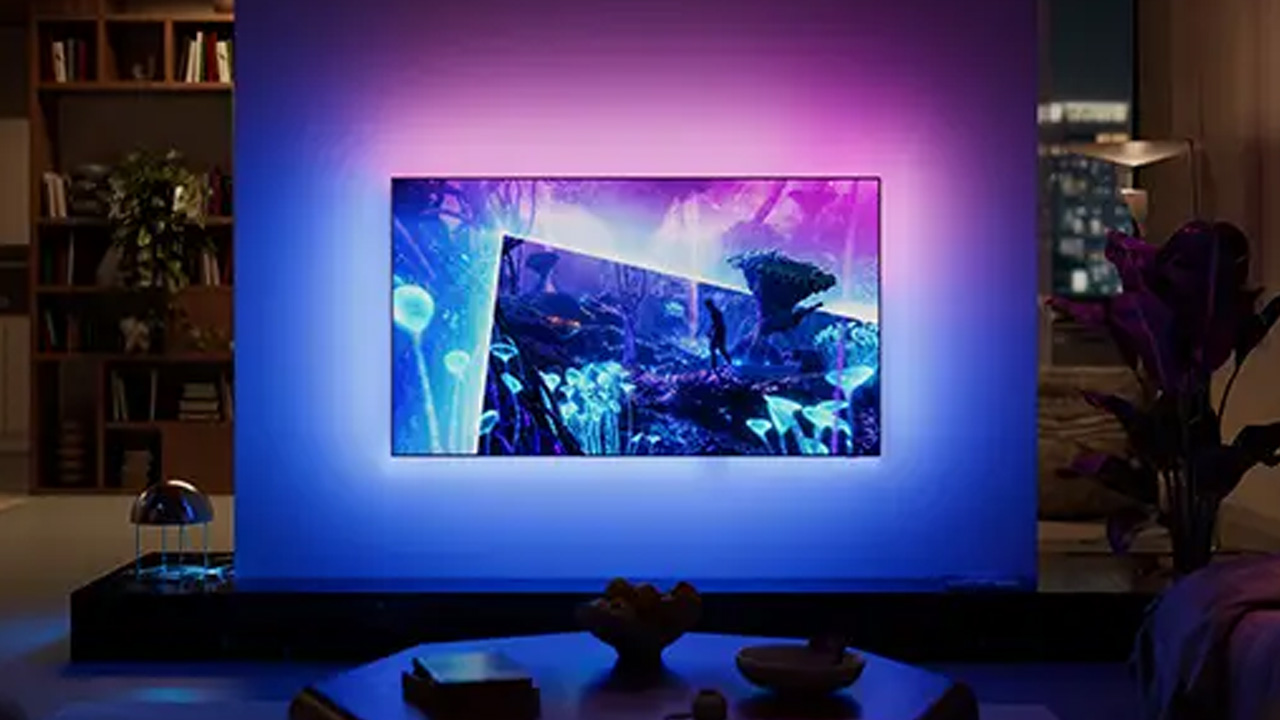
These OLED TVs also offer a similar visual experience with four-sided Ambilight and the latest Matter-based AmbiScape to extend the lighting visuals into the room. They also come with great gaming-focused features, including a Game Bar, HDR10+ gaming, and auto-detected custom profiles. Other common features include the latest TitanOS Smart TV platform, four HDMI 2.1 connectors, and a minimalist black metal frame bezel. Many reports suggest that TitanOS may be a disappointment for many of us, as we will not get the side-loading features of the Google TV; however, it includes all major streaming services and is soon supposed to support Apple TV as well in the future.
It’s clear that both models have identical picture quality and differ only in their audio quality, processing power, and gaming features. The OLED+951 is slated to be launched in September in 65-inch and 77-inch screen sizes, while the OLED+911 will be available in June with a 48-inch model joining the 55, 65, and 77-inch screen sizes.
Via: Press Release
Follow Homecrux on Google News!