Moving into a new home feels exciting because it opens up new interior design possibilities. When you have empty rooms and bare walls, you have the chance to create a space that reflects your style and personality. Whether it’s your first home or a fresh start in a new city, decorating your home can be incredibly fun, but it can also feel overwhelming as you have to make so many decisions at once.
If you are ever in such a situation, remember to slow down and take some time to consider and plan. Your motive is to turn the space into a reflection of your personality, not a furniture catalog you have copied and pasted into real life. We have compiled a detailed guide on how to design a new home, with a little attention paid to the relocation side, too, because that part also shaped everything that comes after.
Start With a Vision
Begin with a vision. Map out the steps of the plan and execute them for a flawless move. Start by jotting down what you are taking along with you, pack and label everything, hire a trusted moving company, and create plans for what goes where. When you plan ahead, it gives you more time and energy to focus on creating a comfortable living space instead of dealing with moving stress.
Before you start unpacking boxes and moving furniture around, take a moment to think about how you want your new home to feel. Do you want a bedroom that feels calm and relaxing at the end of a long day? A living room with a lively atmosphere where conversations happen naturally?
Start with the pieces you are actually going to use every single day. A comfortable couch. A solid dining table. A bed that’s genuinely worth climbing into. Once those anchors are settled, the rest can come in around them. Rugs. Pillows. Lamps. Art. The layers that turn a house into a home.
This approach helps your home feel comfortable and functional from the first day, even if everything is not fully finished. A home is always evolving; that’s part of the fun.
Layer Your Space
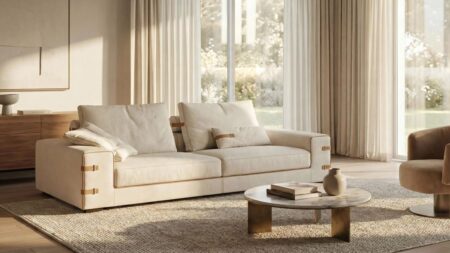
Interior design isn’t about furniture: It’s about layers. This distinction matters more than most people realize. Start with the base. Walls. Flooring. The bigger pieces. Then start building on top of all that. Rugs to soften the room and define different zones. Add lighting that creates little pockets of warmth in the corners. Use throw pillows and blankets that pull the colors together. Personal items like photos, art, and objects collected over the years are what make a place feel like it actually belongs to someone.
The main thing to keep in mind is balance. If you pile on too many accessories, the room starts feeling cluttered and noisy. Likewise, removing too much can make the space feel cold and unfinished. You have to pay attention to how textures, colors, and patterns work together throughout the room, and how everything makes you feel.
Also Read: Top Interior Design Trends of 2026, According to the Designers
Think About Color and Lighting Together
Color plays an important role in elevating a room’s decor. Soft neutrals can make a space feel calm and grounded, while bolder colors can give it some real energy. The amount of natural light also affects how colors look and should be considered when choosing a color scheme.
In a bright, sunny room, you can actually get away with darker, moodier tones without the space feeling like a cave. In a darker space, lighter colors open things up and make the room feel bigger than it really is.
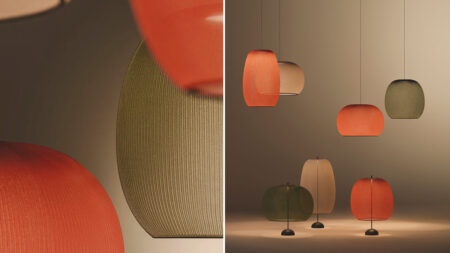
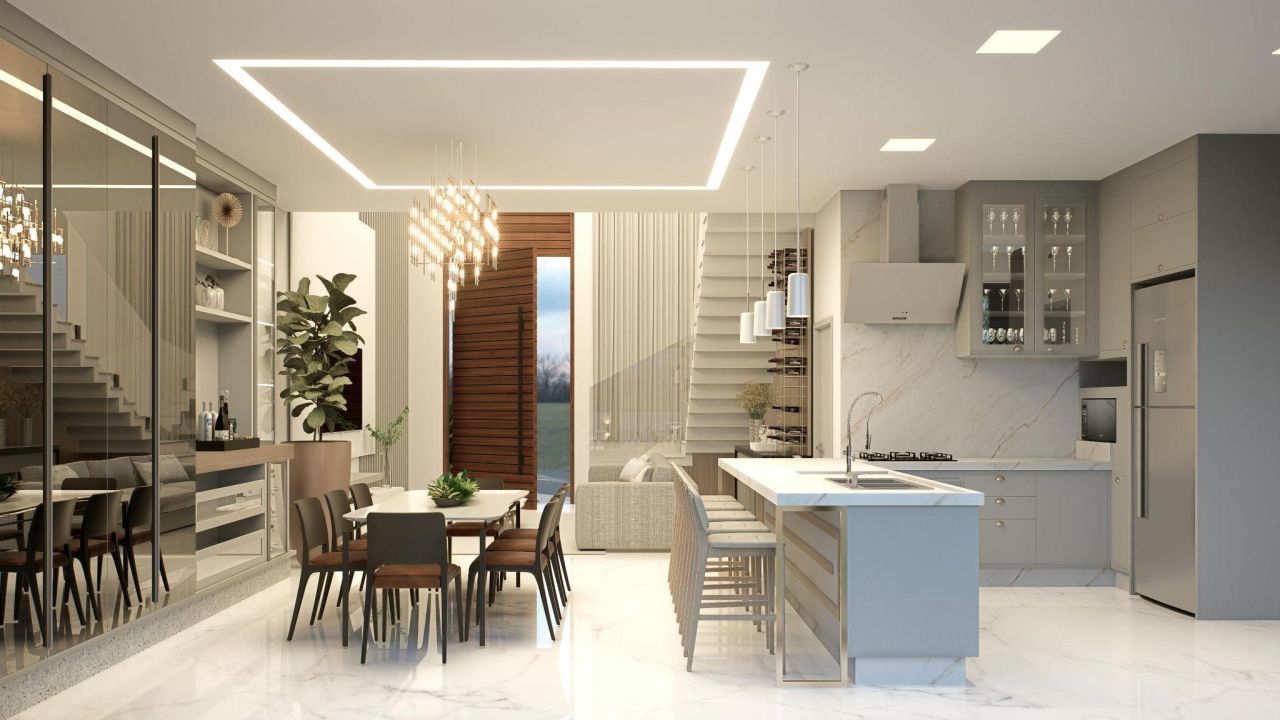
A well-designed space usually includes task lighting for daily activities, ambient lighting for overall warmth, and accent lighting to highlight key areas or décor pieces. Bright lighting works best in kitchens, while soft, warm lighting creates a relaxing bedroom atmosphere. In many cases, lighting can change the feel of a room more than the furniture itself.
Make It Personal
A home should reflect the personality and lifestyle of the people who live there. It should not feel like a celebrity house or a showroom designed around someone else’s taste. Family photos. An old chair inherited from grandma. A piece of art picked up on a trip nobody will ever forget. Those are the things that turn a stylish room into a meaningful one. Don’t stress too much about matching styles either.
Modern next to vintage can be beautiful. A bit of eclecticism keeps things interesting. The best homes usually have a little of everything, because the people who live there have a little of everything in them too.
Take Your Time
The thing nobody really tells you? Interior design isn’t a project you finish. It’s a process that keeps unfolding as long as you live there. So don’t rush it. Don’t feel like everything has to be perfect by the end of the first month.
Live in the space for a while before making the big decisions. Sit on the couch in a couple of different spots. Notice how the light moves through the rooms throughout the day. Try things. Change your mind. Try other things.
A home should feel like a sanctuary. And a sanctuary takes time to build. Moving into a new place is one of those rare chances to really design a space that fits who you are right now. Plan thoughtfully, prioritize what matters most, and give yourself the breathing room to actually enjoy the process.
Follow Homecrux on Google News!