There was a power cut in my area yesterday, and for eight long hours, my refrigerator was dead, my laptop was useless, but the lack of air conditioning was the worst. Needless to say, the lack of a home backup solution hit me like the ongoing heatwave. As luck would have it, I came across the Sierro 1000 and Sierro 2000, a pair of compact home backup systems from the San Francisco-based energy startup Sierro, currently crowdfunding on Kickstarter, which fit my bill, budget-wise and requirement-wise.
The problem with existing home backup systems is that they are bulky and a hassle to install. Most require solar integration, smart panels, and professional installation, which is fine if you own a house with a roof to spare and a budget to match. I live in a flat in the middle of a building, so solar panels are simply out of the question. This is where Sierro differentiates from existing solutions in the market.
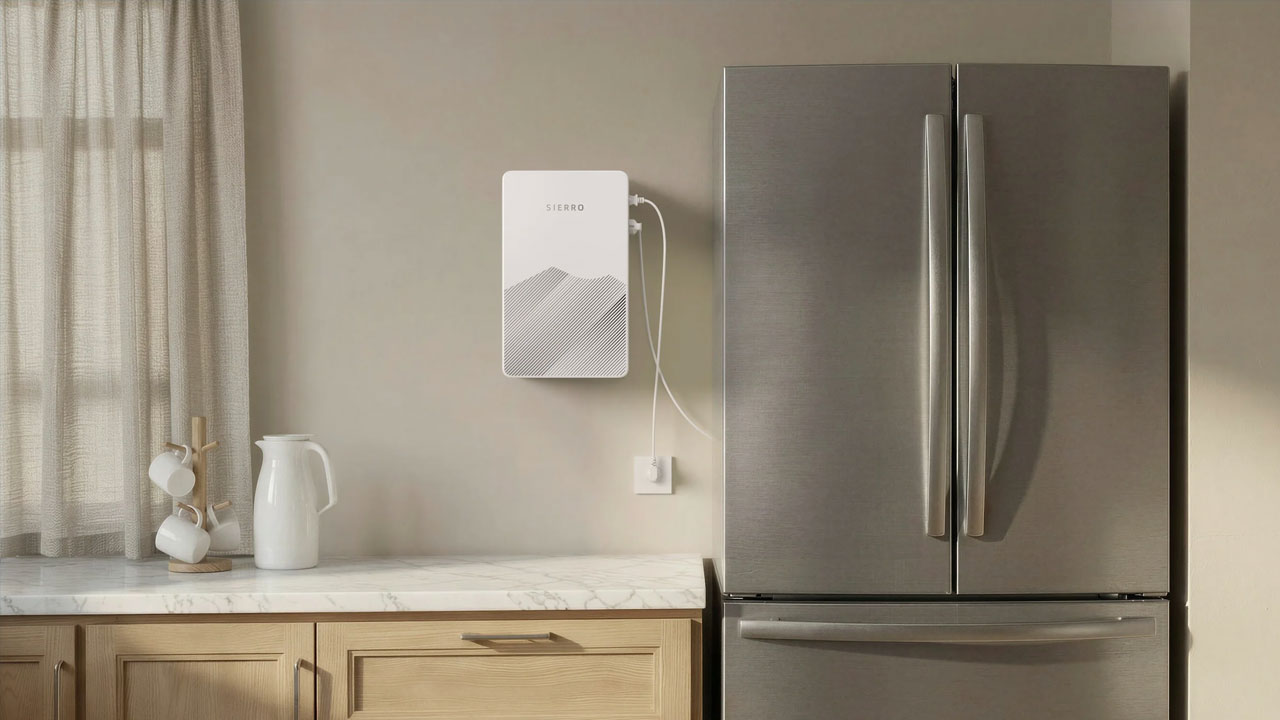
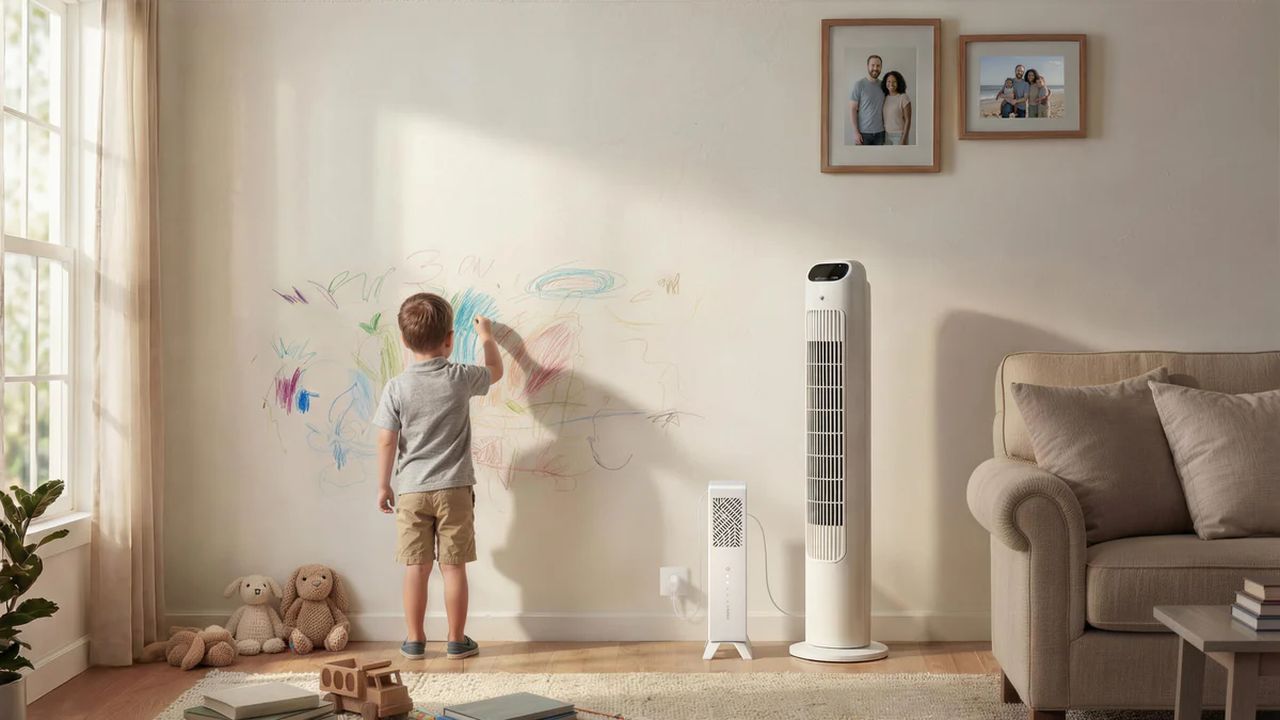
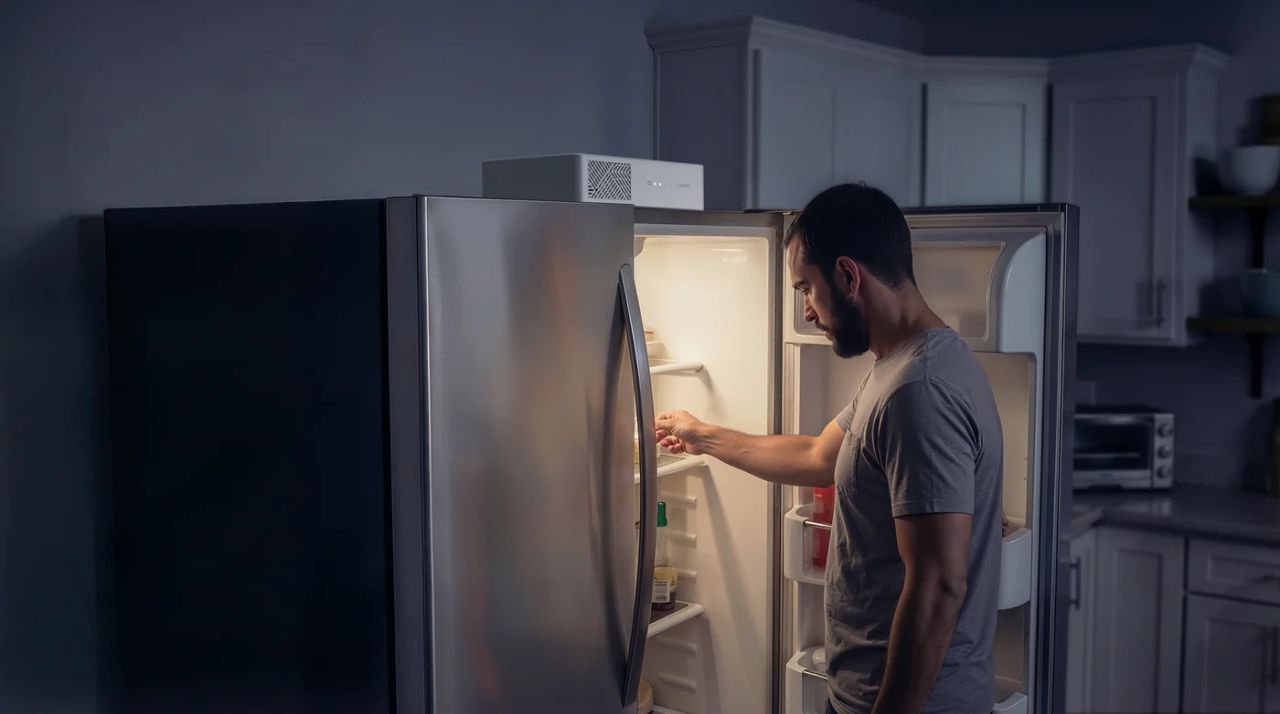
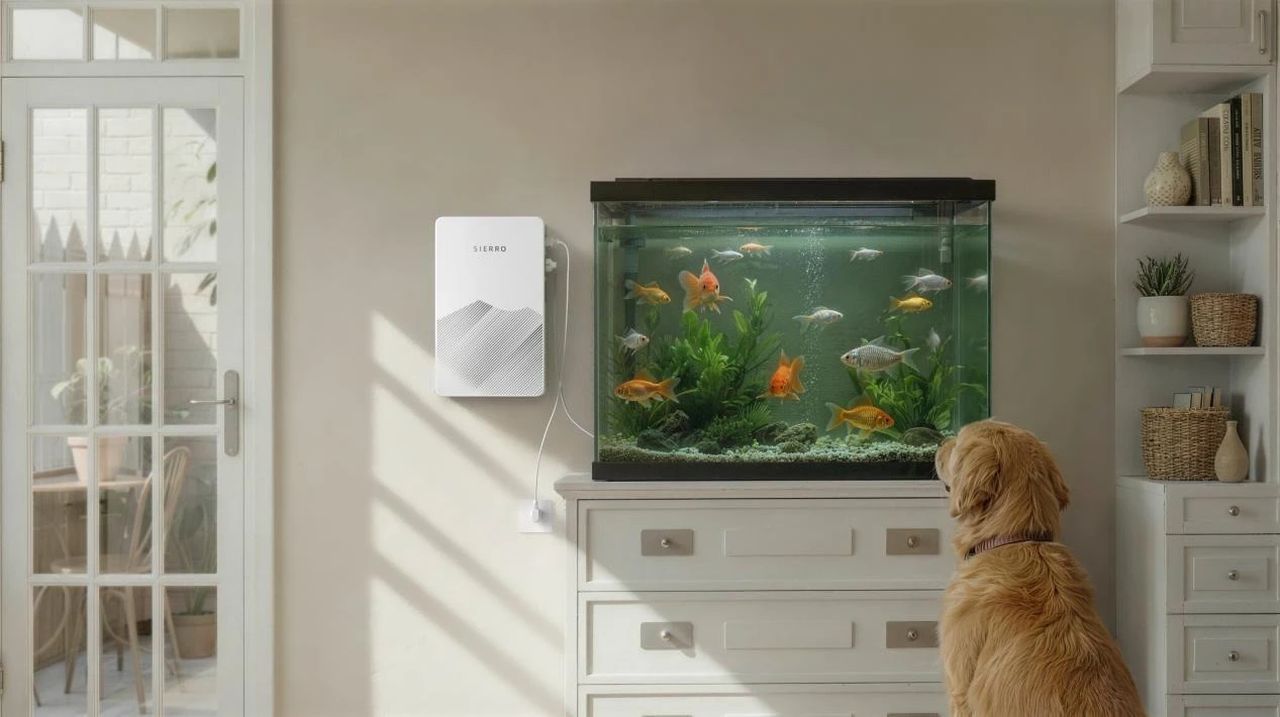
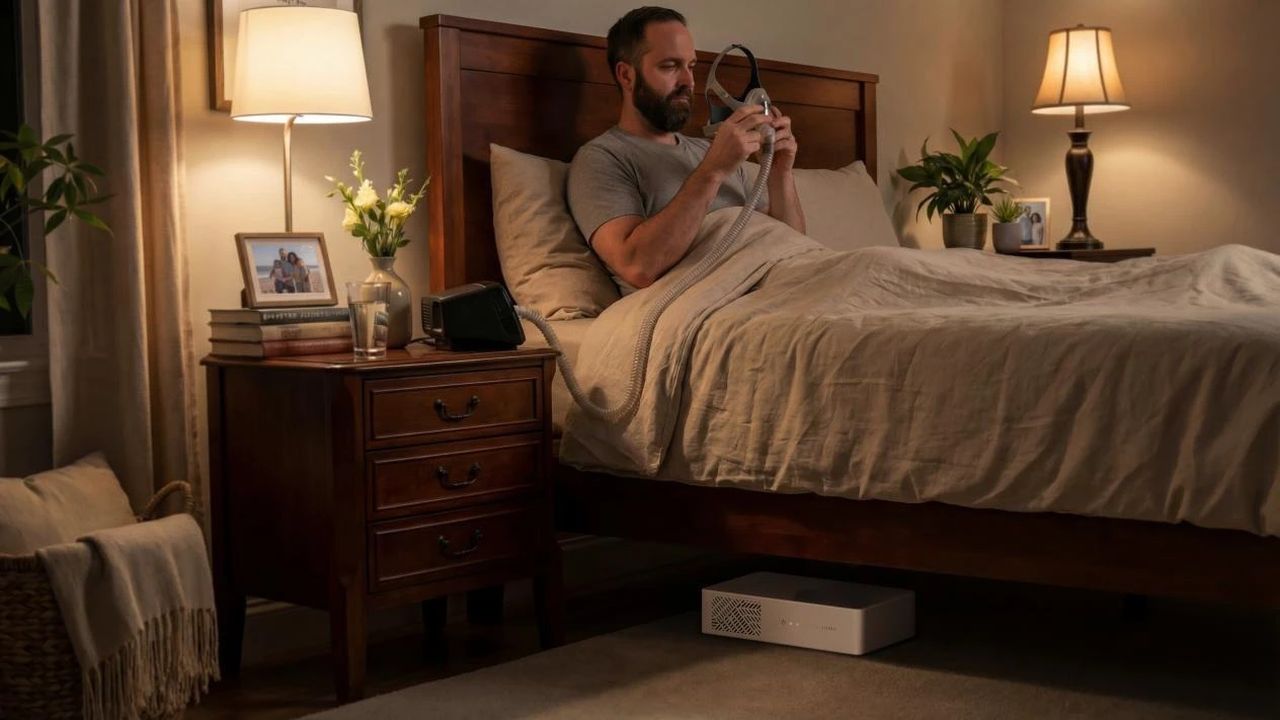
Both 1000 and 2000 Sierro units are built around a slim form factor designed to adjust where most backup solutions can’t fit. I can place one on top of a refrigerator, slide it under a desk, or tuck it beside a bed. As for the setup is concerned, Sierro offers a straightforward setup. All I need to do is plug it into a standard wall outlet, connect your appliances, and it is done.
The 1000 model packs 1kWh of capacity, while the 2000 doubles that. To put that into context, the Sierro 1000 can run a standard refrigerator for 10 to 20 hours, a CPAP machine for over 14 hours, and a Wi-Fi router for nearly two and a half days. The 2000 version doubles all of that. Imagine this power at your fingertips during seasonal blackouts due to bad weather. My life would be sorted come heat or snow.
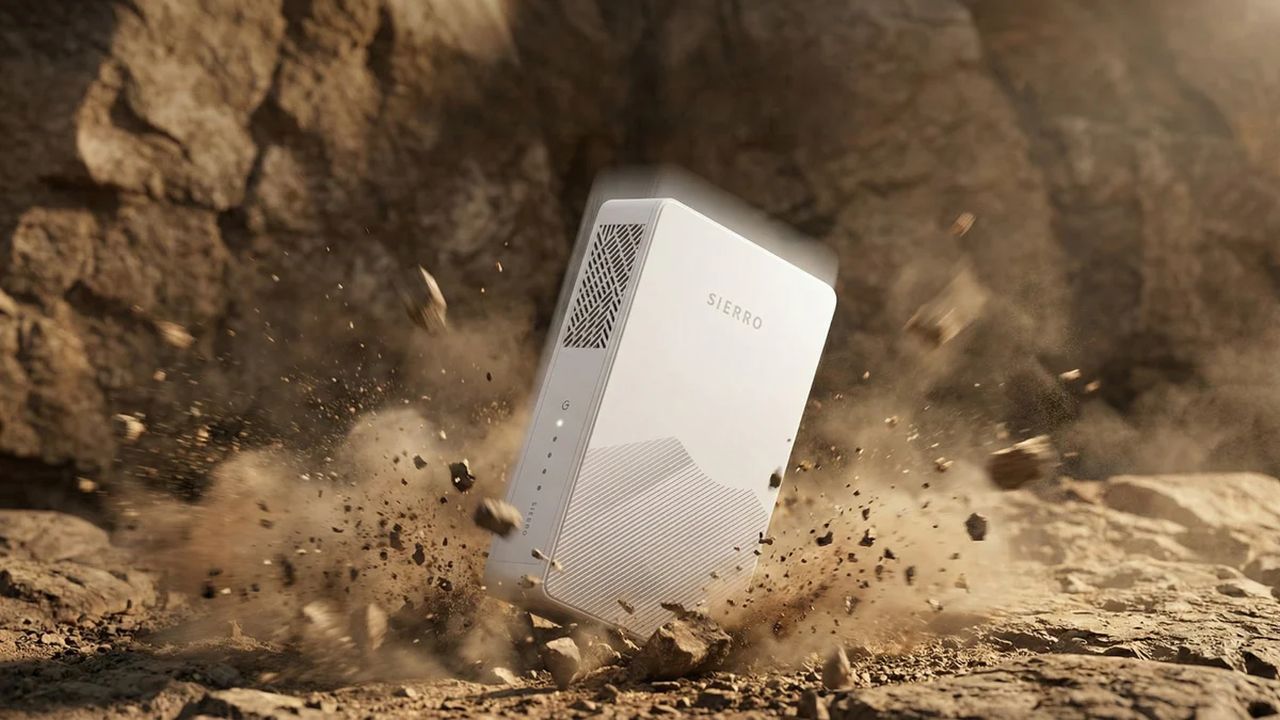
As detailed on the company’s website, the UPS switching kicks in within 15 milliseconds when the grid drops, fast enough that your laptop will not flinch and your router will not reboot. Both units use LiFePO4 cells paired with Sierro’s proprietary FusionCore technology, rated for over 8,000 charge cycles and a claimed lifespan of more than 20 years under daily use.
The device comes with a companion app that handles monitoring, runtime estimates, and alerts. Solar charging is supported at 300W on the 1000 and 550W on the 2000; car charging is available for extended outages, and operating noise stays below 25dB. Those interested can preorder the Sierro 1000 for $293 and the Sierro 2000 for $559 during the campaign, which is nearly 40-percent off its retail price.
To understand where Sierro fits, let’s take a look at what else is out there. Anker’s SOLIX E10 starts at $4,300, scales from 6kWh to 90kWh, and can handle demanding loads like a 5-ton central air conditioner, but each battery module weighs 130 lbs and requires professional installation. A fully expanded whole-home setup can run past $15,000.
BLUETTI’s Apex 300 is more accessible at around $1,400, offering 2,764.8Wh of storage and enough versatility for off-grid cabins and RV trips, but it still costs more than twice the Sierro 2000’s early-bird price and is something you actively manage rather than something that quietly waits in the background.
Also Read: Best Portable Power Stations to Buy in 2026
Both are undeniably excellent products for the right buyer. The SOLIX E10 is built for homeowners seeking whole-home resilience, and the Apex 300 suits anyone who needs portable, heavy-duty power on the move. But neither of these products is designed with apartment dwellers in mind, and that is precisely where Sierro files its market share. If you rent your home, live in a flat as I do, or want a no-fuss device that keeps the essentials running during an outage without touching the electrical panel or calling an electrician, Sierro is one of the most thoughtfully considered options to come along in a while.
That said, there are a few practical limitations worth considering before you hit the pledge button. The Sierro units are compact and plug-in-friendly, but they power only what is plugged into them directly. Case in point, if your refrigerator is in the kitchen, your router is in the living room, and your CPAP machine is in the bedroom, a single unit cannot cover all three at once unless you are willing to run an extension board across your home. So, if you happen to own a large flat where appliances are spread across multiple rooms, you would likely need more than one unit of the Sierro home backup system to cover everything that matters. The choice is yours to make. I know what mine will be.
Follow Homecrux on Google News!