The portable power station market is flooding with new launches. From established brands like Bluetti and Jackery, to newcomers like DJI and Sierro, all are battling for shelf space in the 2kWh segment. So, when Anker announced the Solix S2000, its latest home backup system, I couldn’t help but discuss the latest release with the company. I sat down with Anker’s PR team to understand the Solix S2000 and where the power station market is headed in general.
When I asked Anker about the specific consumer pain point or market gap that drove the decision to create an entirely new product family rather than extend an existing one, Anker PR Manager Sean Tan’s answer was straight to the point. “For years, backup power has been defined by capacity, built on the assumption that more capacity means longer runtime. But in real-world use, that equation often falls apart.”
The statement comes on the back of internal research that the company says shaped the entire direction of the S-Series. “Our team surveyed 759 power station users in North America and found that 80 percent of their real-world blackout power needs fall under 200W. Runtime is not just about how much energy is stored, but how much is actually delivered, after idle drain and conversion loss,” he stressed.
That philosophy gave birth to OptiSave, the efficiency system at the heart of the S-Series, which Sean describes as a “system-level approach, not a single hardware trick.”
“It works across three layers,” he explains. “On the hardware side, a single-stage architecture eliminates the intermediate voltage conversion layer, one of the biggest sources of fixed energy losses in conventional designs, paired with an optimised transformer to further reduce idle drain. The intelligent control layer adds an AI load recognition system that identifies connected devices and adapts power delivery in real time. And at the system strategy level, auxiliary losses are minimised specifically during light-load operation,” Sean details.
9to5Toys highlighted the significance of this achievement, noting that OptiSave reduces idle power consumption by 40 to 70 percent down to sub-6W, a meaningful improvement over the standard draws seen across competing models. Another S2000 claim highlighted by The Verge is that it can run a refrigerator for 35 hours. However, some reviewers were doubtful, noting that many modern fridges can use more than 2,010Wh in a day, which puts the claims to the test.
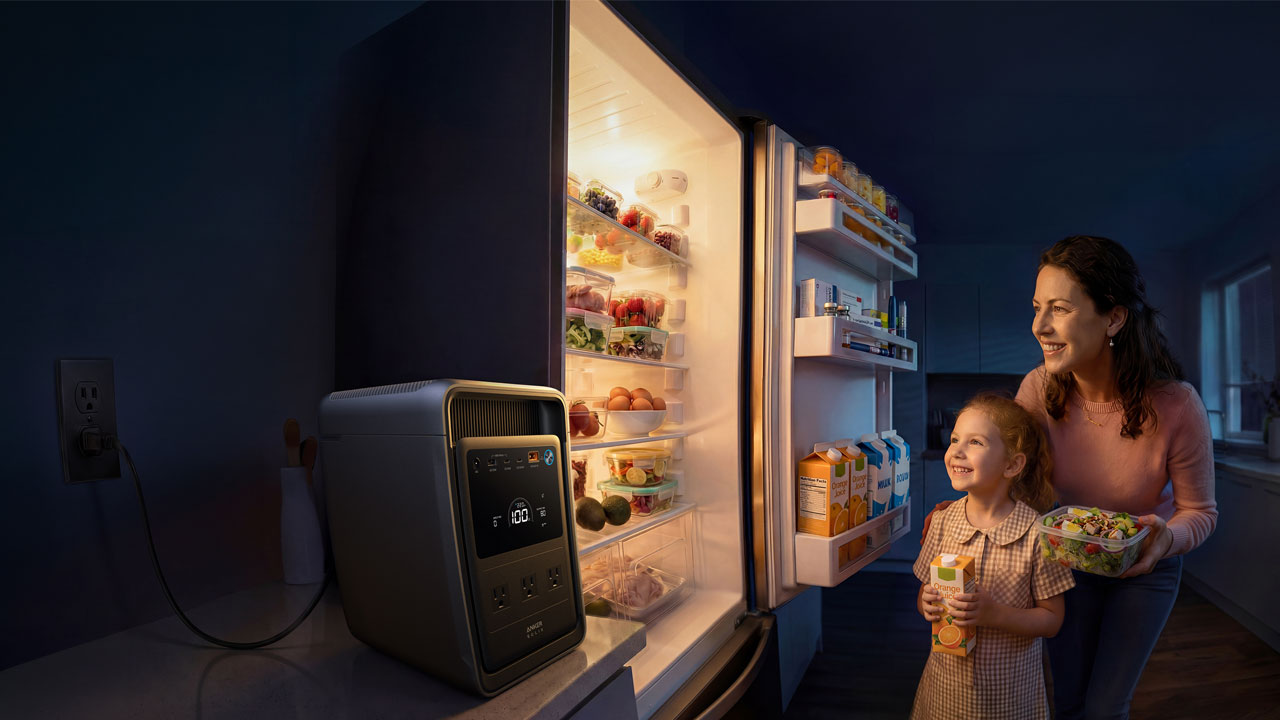
When asked about this directly, Sean told us, “A refrigerator is an intermittent appliance. A 100W fridge does not run at 100W around the clock. It cycles between active cooling and standby. OptiSave extends runtime on both fronts: during standby, it reduces idle consumption to sub-6W. During active cooling, it maximises power efficiency to minimise conversion losses. That is the core difference.”
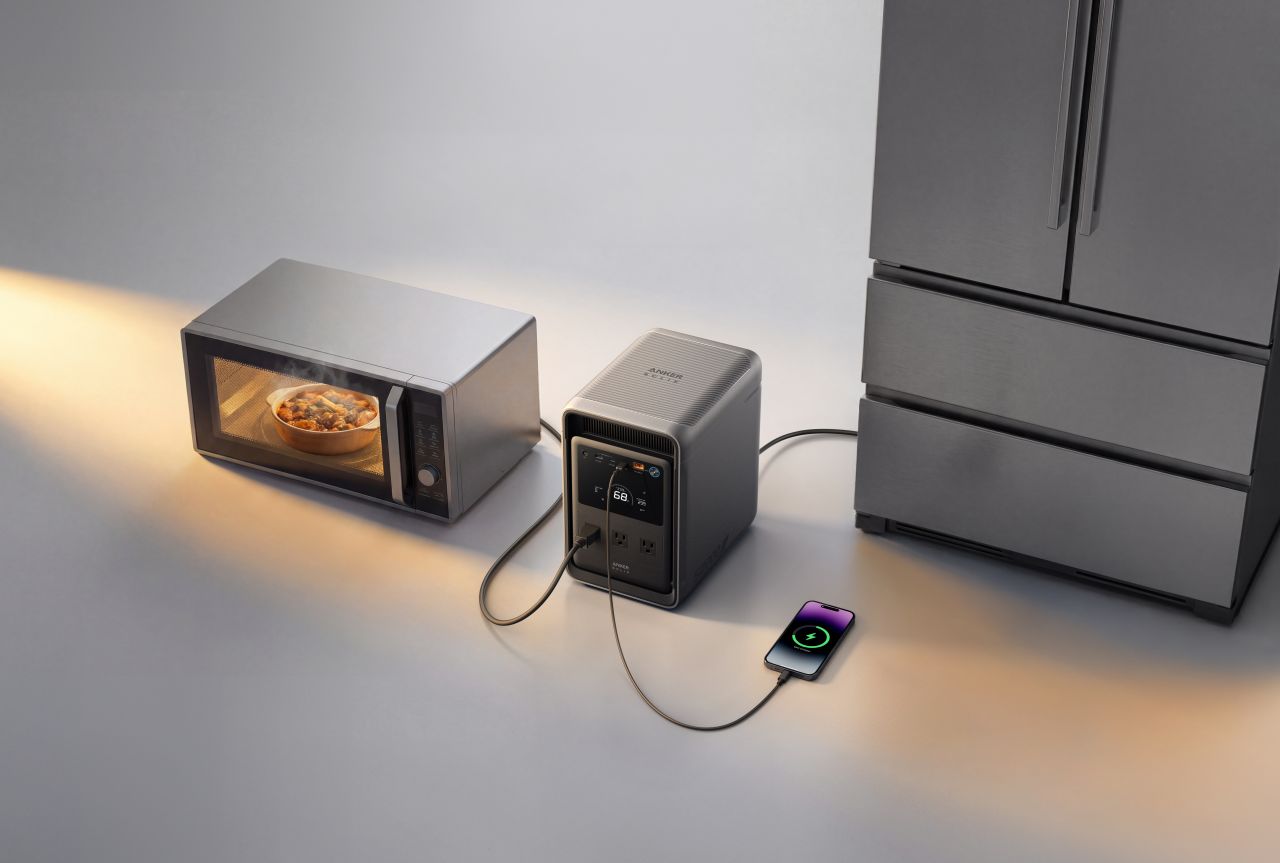
About the testing methodology behind the claim, Sean was transparent. The Anker representative said, “The 35-hour figure is based on a standard ENERGY STAR refrigerator at 37 degrees F for the fridge and 0 degrees F for the freezer, loaded to 70 to 80 percent, with the door closed.” Backing that claim up is an independent validation, which Gadgeteer confirms in its review that the S2000 is the first product to earn TÜV SÜD’s A+ Runtime certification, which grades backup units on real-world power delivery rather than nameplate capacity.
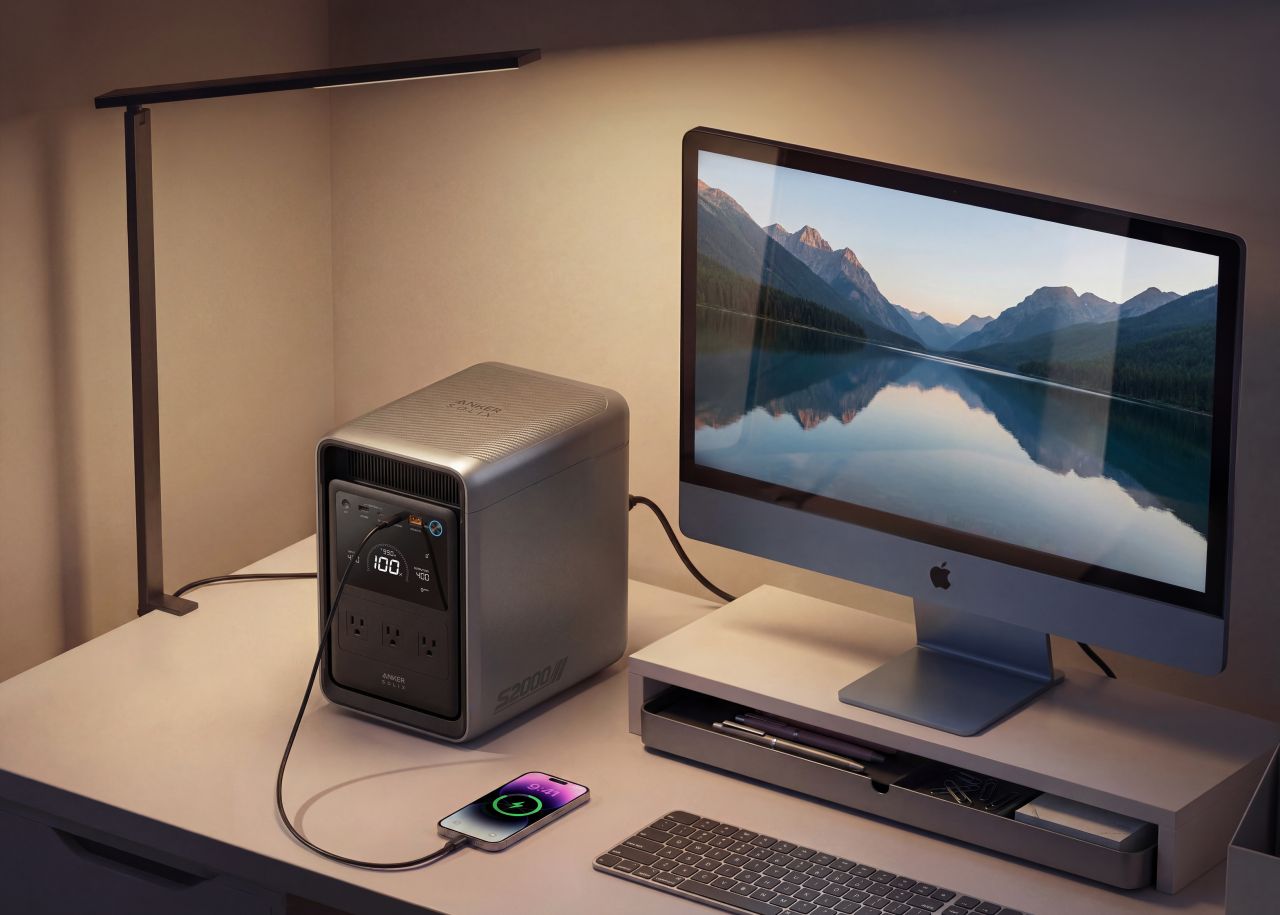
Anker Solix S2000 ships with a 1,500W inverter and a 3,000W surge rating, numbers that sit below some competitors in the 2kWh class. Sean was candid, suggesting it as a “deliberate trade-off.” “The 1,500W AC output covers every essential household appliance, including microwaves. The 3,000W peak power handles higher-demand devices when needed. But beyond 1,500W, you are entering territory that most home backup users rarely use,” he informs.
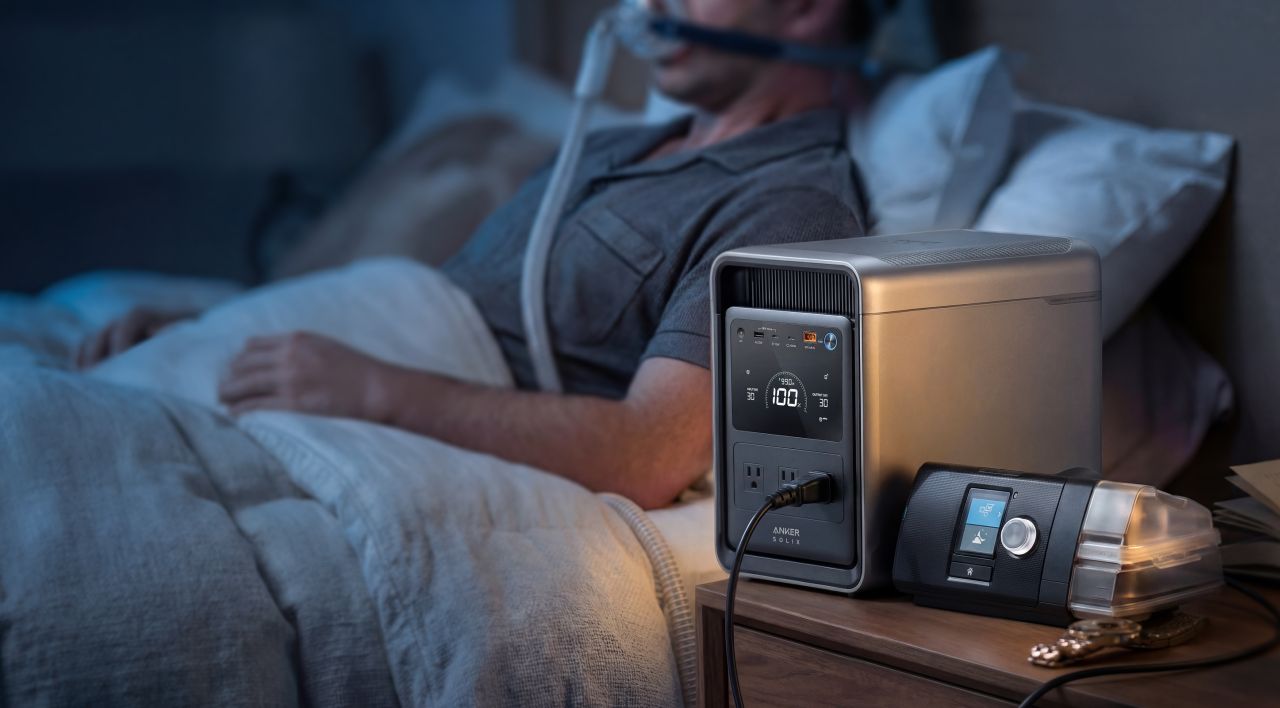
Rather than building a bigger inverter for capability that sits unused most of the time, those engineering resources were redirected into longer runtime, a smaller footprint, and a lower price. “We looked at the data and decided that building a bigger inverter would mean a bigger, heavier, more expensive unit for capability that sits unused most of the time,” Sean said.
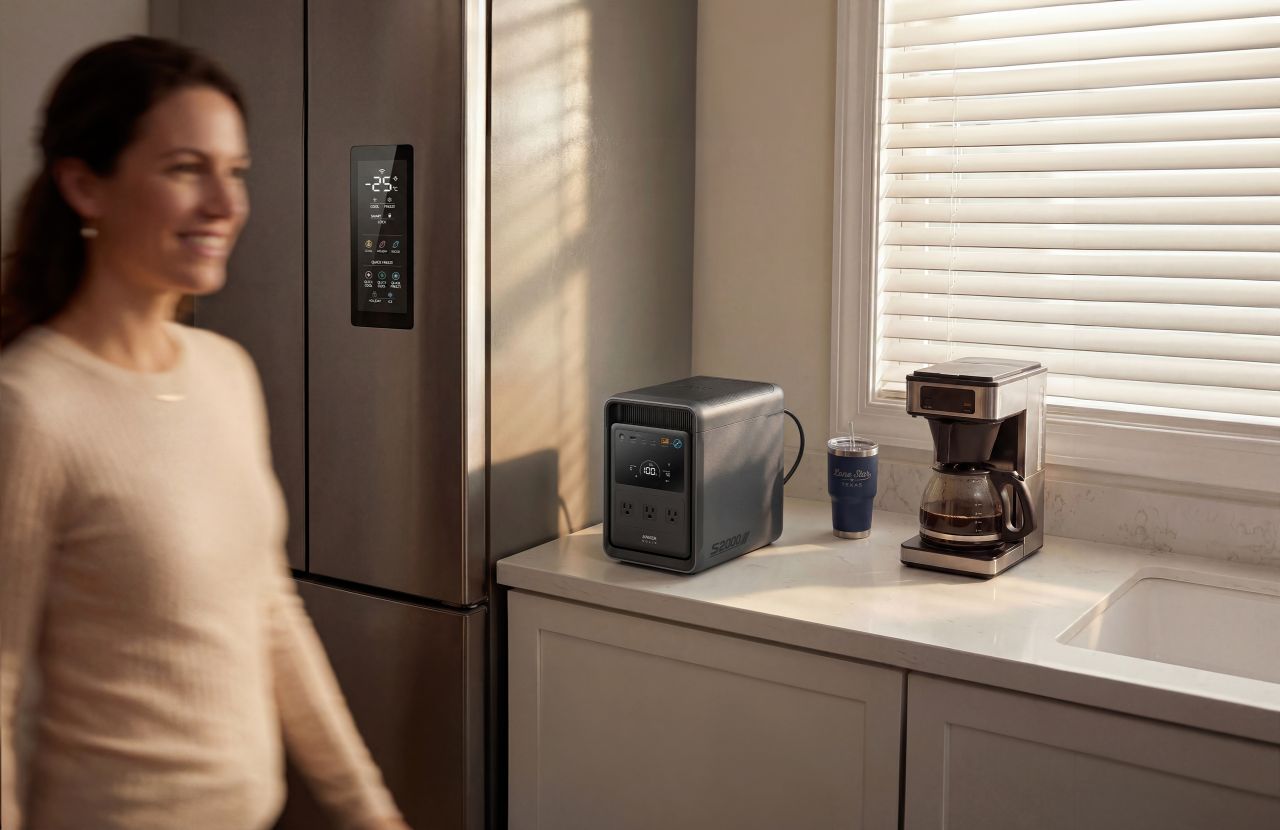
The result is a unit measuring 11.2 inches long and 8.2 inches wide that slides more easily against kitchen walls, helping preserve counter space during appliance backup. Anker S2000 portable power station is currently priced at $680, which Sean says is likely to rise to $1,200 after this launch period.
When asked about the competitive differentiation in what is already a crowded market, Sean said, “The long-term differentiator (about the S2000) is that we are the only brand telling the true runtime story backed by real-world data and third-party certification. That is defensible because it is engineering, not marketing,” he stresses.
Anker used IFA 2025 in Berlin as a major stage to unveil a new brand direction across Anker, Eufy, and Soundcore, and the 2026 event is clearly on the team’s radar. When asked about IFA 2026, Sean was measured. “IFA has always been an important stage for the Solix team, and 2026 will be no exception,” he said. “Our focus will continue to be on making sustainable energy accessible to every household.”
Specifics, he said, will be shared closer to the event. Given the ambition behind the S-Series launch and the engineering story underpinning the S2000, it is hard not to expect something worth watching when Berlin rolls about.
Follow Homecrux on Google News!