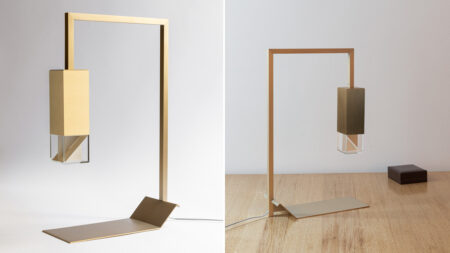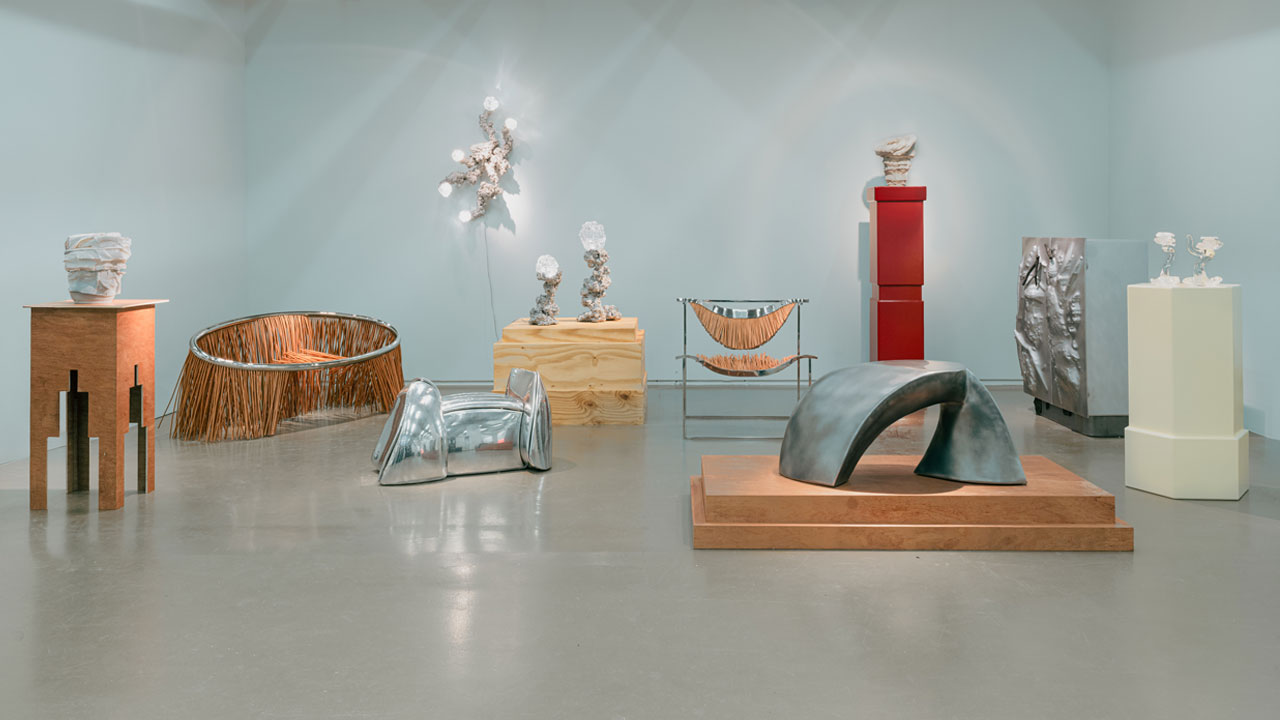
To understand the essence of “collectible design,” one must understand the meaning of “collectible.” Unlike contemporary forms of design, which focus on functionality, materials, and broad accessibility, collectible design prioritises aesthetically pleasing, high-value, and limited-edition pieces that blur the line between design and art.
A case in point, designs exhibited at previous COLLECTIBLE Brussels editions, which place little emphasis on utility, instead focused on rarity, artistic merit, and investment potential. This has been a trend at the NYCxDesign Week as well. Here too, designers see beyond the basic principle of “form follows function.” Not just this; in fact, every major fair, from London Design Festival and Stockholm Design Week to the 3 days of design and Dutch Design Fair, sees aesthetics and experimentation taking centre stage.
Walk through any of the booths at these events, and you cannot categorise what you’re looking at. A chair doubles as a monument; a coffee table seems to dissolve its own edges. This is where you realise that design has fundamentally shifted. And COLLECTIBLE Brussels, the world’s leading fair devoted exclusively to 21st-century collectible design, has become the annual address where that shift is most legibly felt.
Homecrux spoke with designers, studio founders, and gallerists at the 2026 COLLECTIBLE Brussels to know about this paradigm shift in the design sector and what separates today’s work from anything that came before it. This doesn’t imply the finished design alone, but the trail of decisions that led to it, ranging from material choices and fabrication marks to structural logic deliberately left visible.
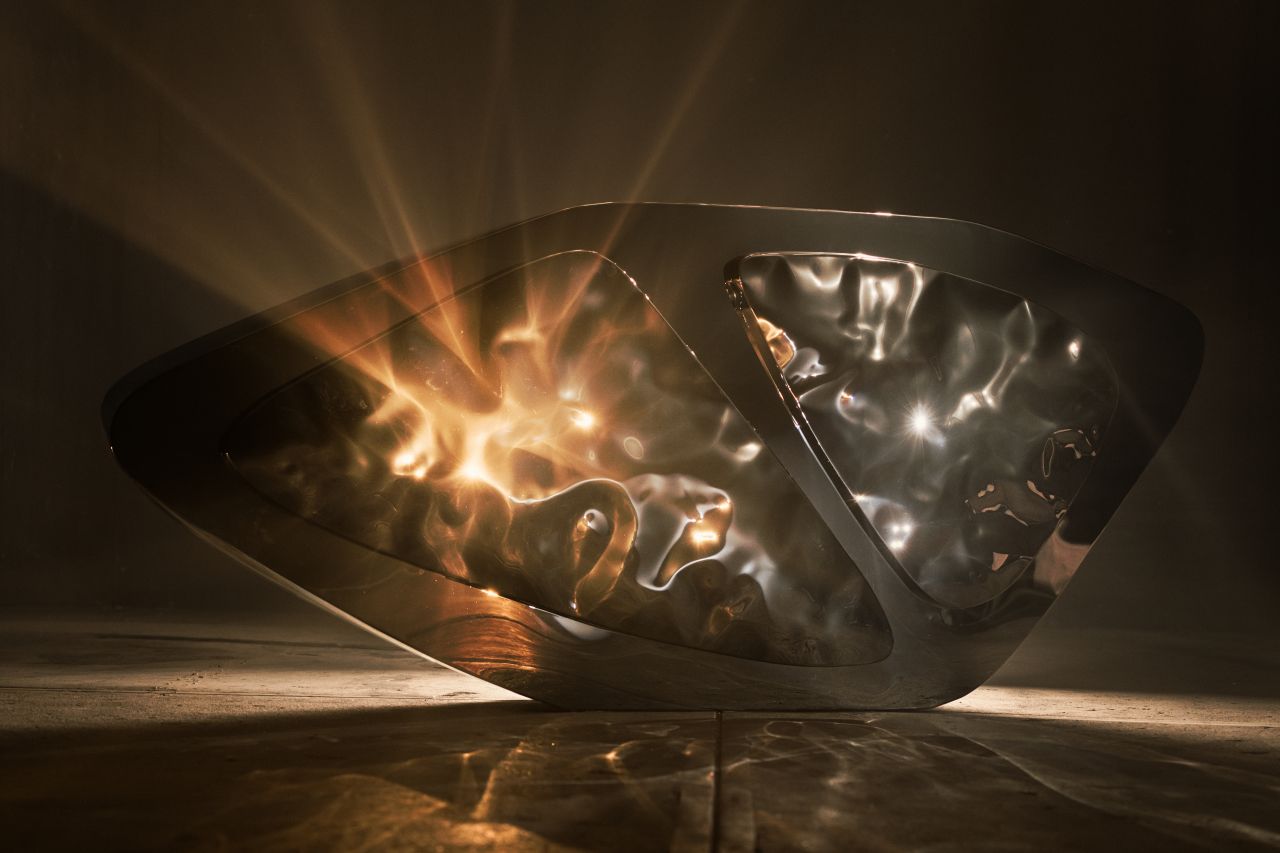
“I think in the 20th century, things were more defined; furniture was furniture, art was art. Now it’s more blurred,” states Amsterdam-based designer and artist, Pepe Valenti, whose work exists in that in-between space. Pepe showcased the Silver Lining Cabinet at the COLLECTIBLE Brussels 2026, which he says, “is inspired by nature, and by contrasts between solidity and liquidity, movement and stillness, roughness and precision.”
“I try to make works that hold that tension, that keep that conversation alive. I think that tension mirrors how we live today, constantly between opposites, between movement and pause, digital and physical, or even like the increasing political polarisation we see around us. It’s also how I live, never fully stable, always shifting between extremes,” he adds.
What Pepe signals here is that design today is not defined by boundaries or labels, and designers self-determine what they want to create. Someone who resonates with this philosophy is Giovanna Lisignoli, founder of Second Nature, a nomadic gallery and project space based in Switzerland.
“What feels particular today is not the presence of highly crafted or expressive objects; those have always existed,” Lisignoli notes. “What has shifted is how freely different approaches now coexist, and how open typologies have become. Objects can move between use, gesture, and proposition without needing to fully resolve into one category,” she continues.
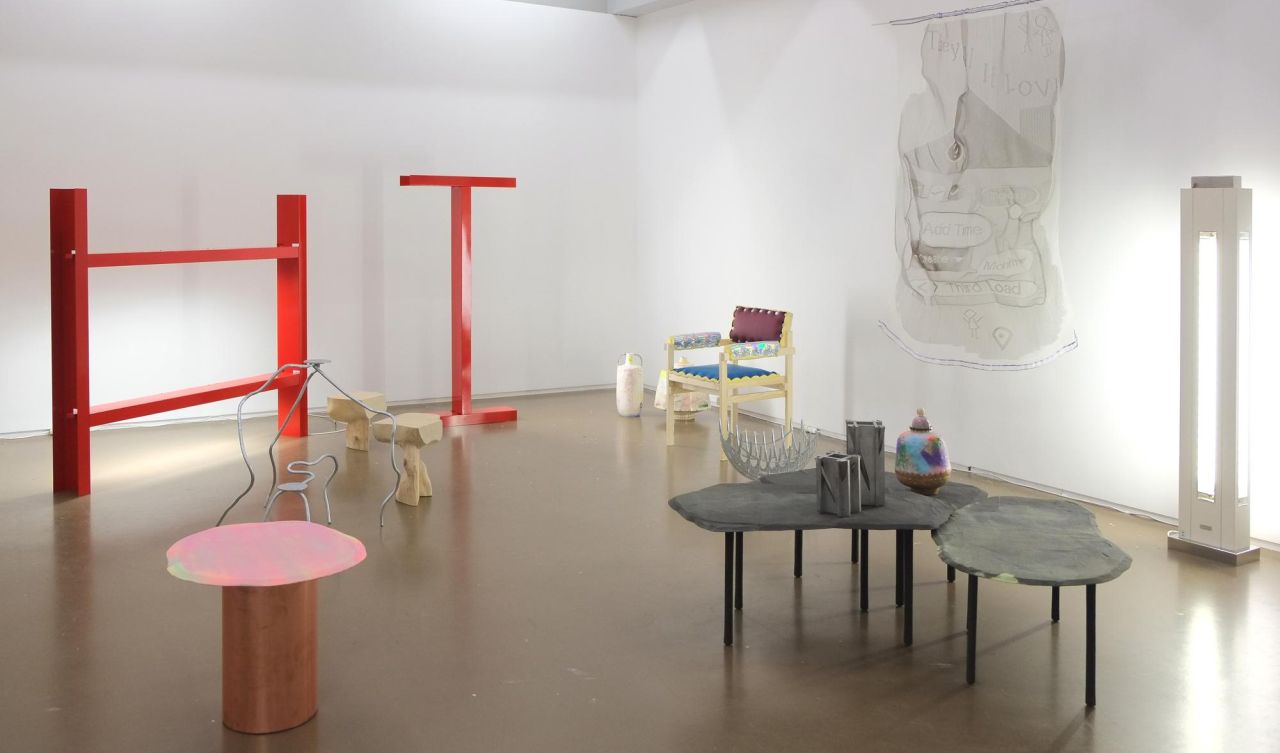
Second Nature focuses on artistic approaches at the crossroad of design, art, the handmade, and material research. It presents work shaped by surplus materials and post-industrial by-products, including polyester powder waste from 3D printing. For Lisignoli and her team, it is less about confession and more about time, about the way the best objects now withhold themselves slightly, rewarding patience rather than demanding immediate comprehension.
If there is a single thread that binds the best work at COLLECTIBLE Brussels 2026, it is not urgency but slowness. Aleksandra Smetanina, founder of SM Bureau, a Paris-based interior architecture studio, has been thinking carefully about this shift. Situating her studio’s practice within what she sees as a broader cultural reorientation away from speed, toward presence.
“At SM Bureau, we see COLLECTIBLE not simply as a platform for contemporary design, but as a space where material becomes a language to reflect the way we live today, slower, more conscious, and more attuned to the emotional dimension of objects,” she says. For Smetanina, the most significant departure from the industrial logic of the last century is not formal but temperamental.
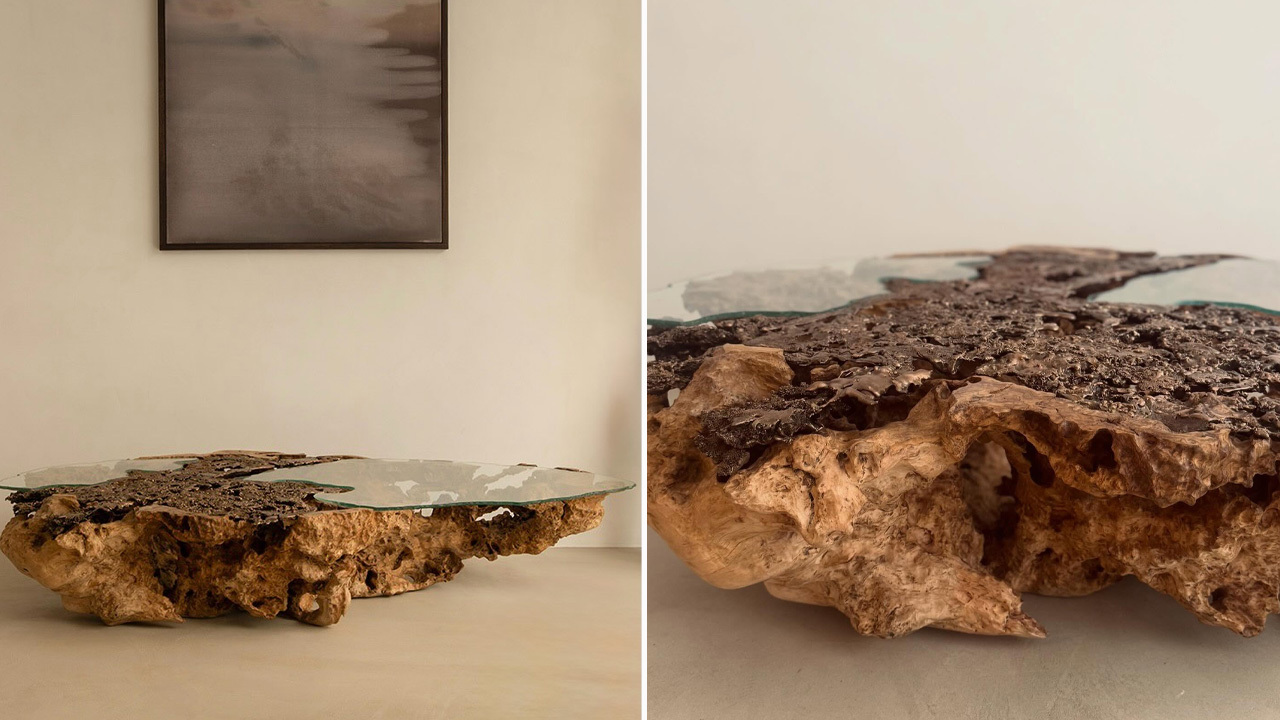
“What feels particularly of this moment is the return to processes that embrace time, imperfection, and transformation,” she explains. “Today, objects are no longer only functional or decorative; they carry presence, memory, and a sense of stillness.” The result, she argues, is an entirely different relationship with the spaces we inhabit, “one that is more intimate, more tactile, and grounded” in what she calls material authenticity.
Not everyone at the fair is convinced that what we are witnessing is entirely new. Davy Grosemans of Aethermass offers the most pointed counterargument at the fair. He arrived at COLLECTIBLE Brussels with work that draws on archetypes and material languages stretching back centuries, and he is wary of any account of contemporary design that overstates its own novelty.
“I would like to challenge the premise of that question,” he said, when asked, what separates the work being made today from anything that came before it? “I think the work could have been made, maybe even better, in the 20th century, when craftsmanship was more deeply embedded in production culture and daily lives,” Grosemans said.
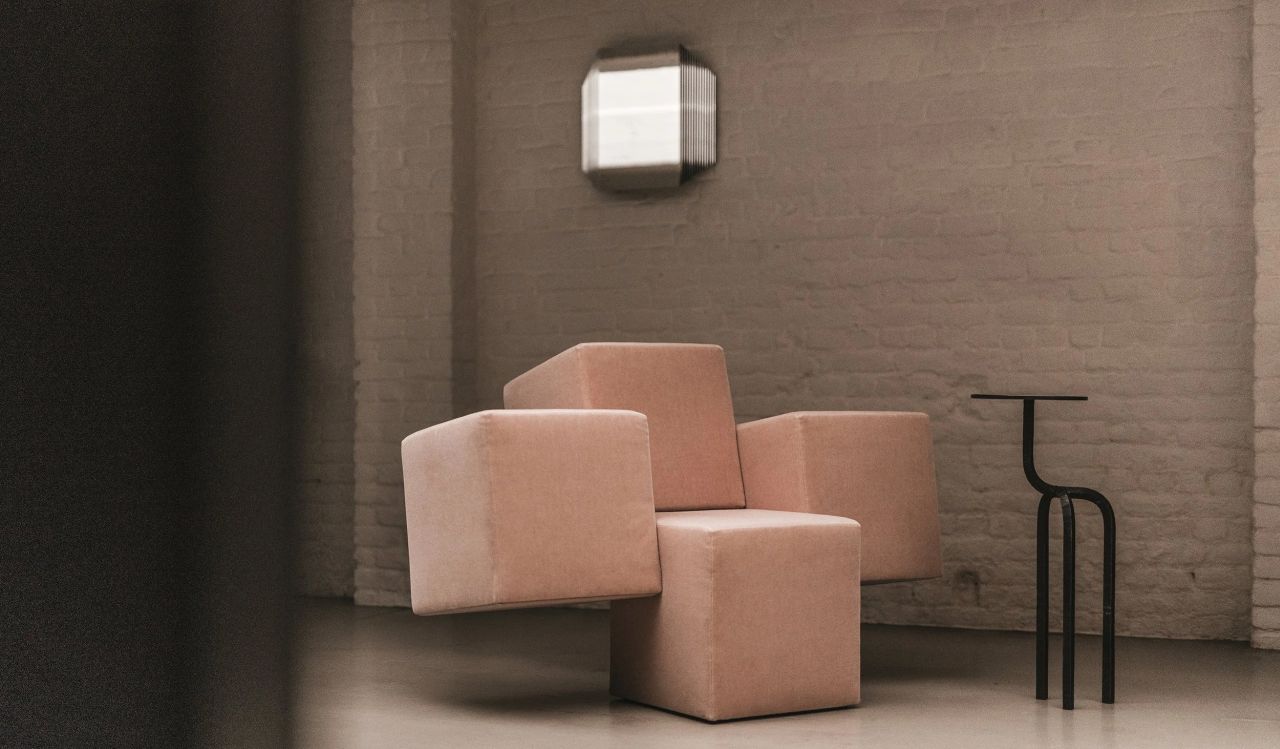
For Grosemans, the more interesting question is not what has become technically possible, but what has become culturally necessary. “What is specific to now is the context in which these forms return,” he explains. “There’s a renewed attention to craft, to tactility, to the human hand, especially as so much of our environment becomes increasingly immaterial and virtual.” His work, he insists, is part of a longer lineage, not a rupture with the past, but a reframing of it within a contemporary condition where familiar forms carry newly charged meaning. It is a bracing argument, and an important one.
The most honest account of the COLLECTIBLE Brussels does not claim that everything has changed. It instead means that familiar gestures and familiar materials now carry different weights. Louis and Marta, co-founders of BISA Studio, are a designer duo who live by this.
“Our work isn’t necessarily something that could only exist today. On the contrary, if we had been working in the 20th century, it might have been easier. Access to skilled artisans and high-quality materials was more direct, and production wasn’t under the same pressure for speed and cost-efficiency that defines much of today’s global market,” Louis explains.
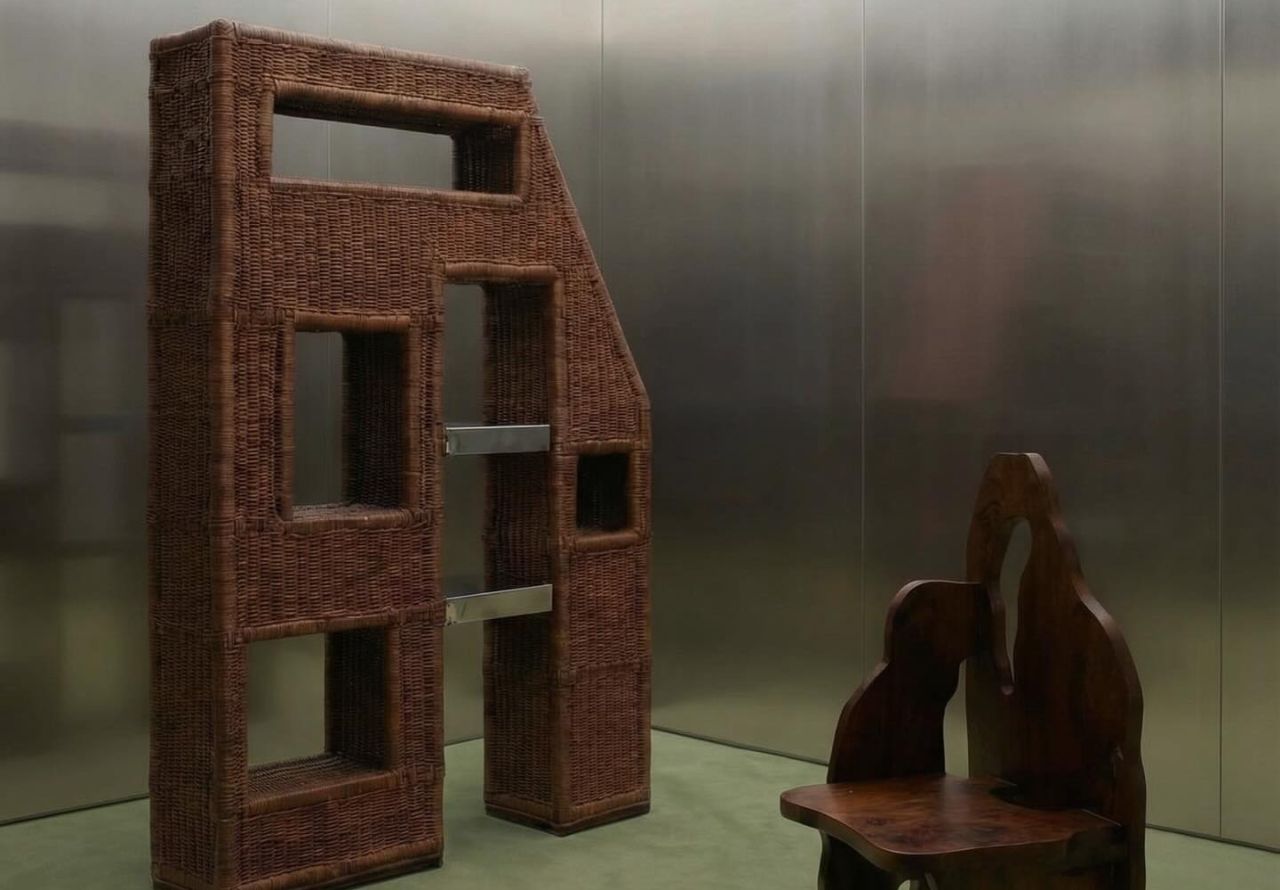
What defines BISA’s practice now, they argue, is less a technological evolution than a deliberate counter-position. “What defines our work today is more a form of resistance. We operate in a context where making things well, with time, care, and depth, has become more difficult,” Marta says. Yet she is careful not to be pessimistic about it. ‘There is a growing movement, small but real, of people seeking objects with integrity, pieces that carry a story, reflect a process, and embody a level of craftsmanship that mass production cannot replicate.’
Among the most talked-about debuts at the fair was Formaminima’s Coffee Table 1925 Collection, developed in collaboration with Studio Fenice. The piece, geometric layers of cut crystal glass intersected over solid Pink Onyx, finished with a hand-applied mirror gradient, is the kind of work that resists easy description.
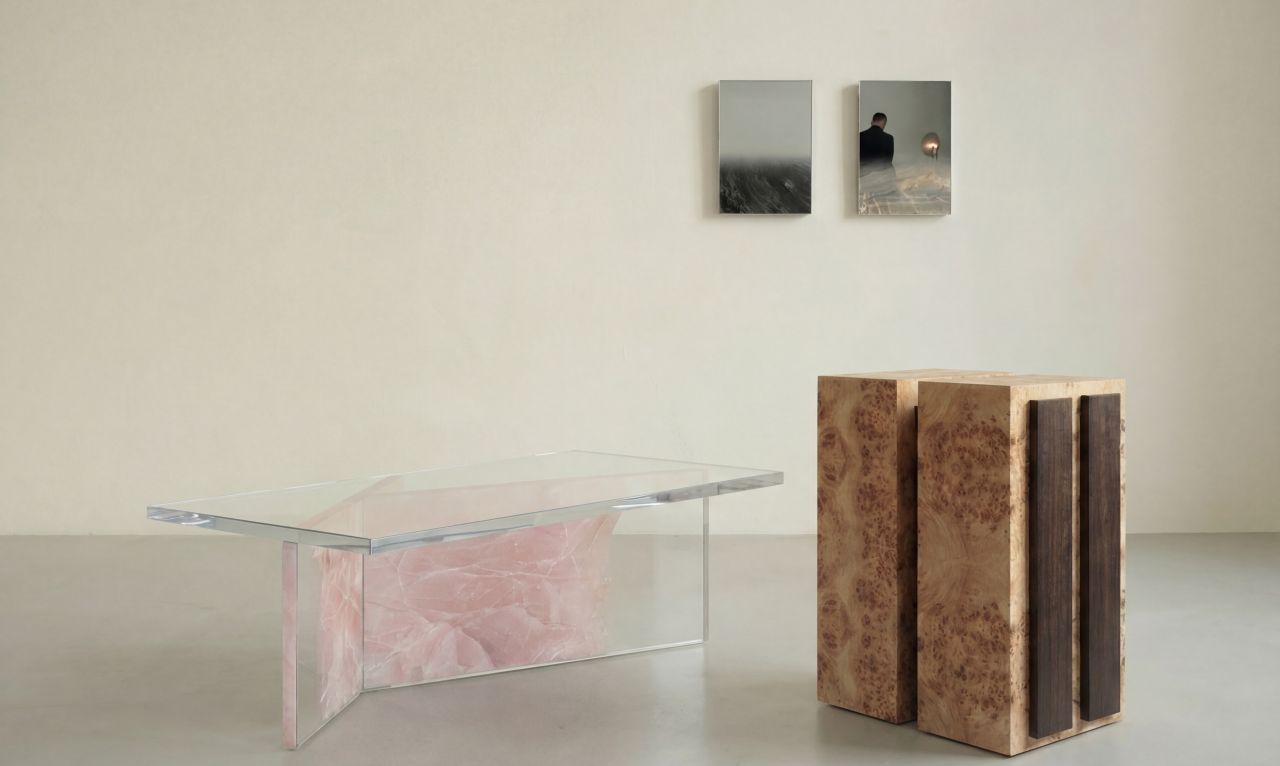
It is not quite furniture, not quite sculpture, and not quite illusion, though it contains elements of all three. Founder Caterina Vrabec describes it as the “culmination of a long material inquiry,” one that finally arrived at a form of deliberate disappearance. “This project represents an essential evolution of our aesthetic research, moving from the initial two-dimensional form of our Mirror/Zero Pink Edition into a fully realised three-dimensional volume,” she explains.
The table does not simply sit in a room; it elevates its ambience, reflecting its surroundings in a slightly altered state. For Vrabec, this is the essence of what collectable design can do that the last century’s strict functionalism could not. “In the 1900s, materials like glass and stone were often treated as separate, functional entities,” she notes.
“Today, through the stratification of different techniques and experimental silvering, we achieved that fading materiality we aimed for, escaping from the strict ‘form follows function’ rule, and asking questions rather than aiming for definitive answers,” Vrabec says.
The galleries presenting at COLLECTIBLE Brussels 2026 have watched these shifts unfold across many editions, and few are better placed to trace the larger arc than Aleksandra Krasny, co-founder of Objekt Gallery, whose programme this year featured artists working across aluminium, porcelain, glass, and robotic fabrication.
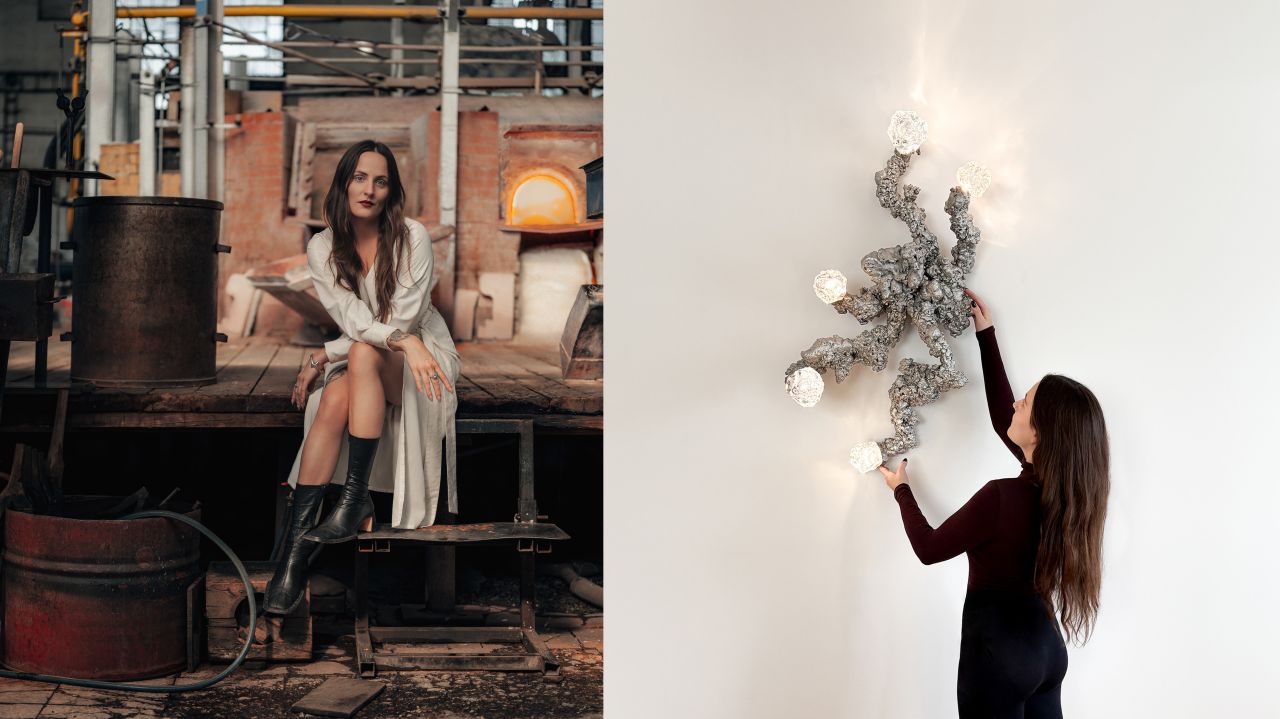
She sees the defining quality of the moment not in any single material or method, but in the expanded ambition of what design now dares to ask of the people who live with it. “What feels particularly contemporary is the way designers engage with questions of identity, materiality, and emotional experience,” she says. “There is a strong shift away from standardised production toward more experimental, limited, and research-driven practices often rooted in personal or cultural storytelling.”
For Krasny, the implications of this shift extend beyond aesthetics to a question of what collectible itself means. “We are especially interested in supporting practices that challenge traditional boundaries and propose new ways of living with objects, where collectibility is not only about rarity, but also about meaning and connection,” she explains.
That expansion of ambition, from object as answer to object as question, is perhaps most precisely articulated by Haoming Li, founder of Studio hm-li, whose practice navigates the charged space between intuitive gesture and rational structure. He is thoughtful about the historical shift, locating its significance not in what designers can now make, but in what they are now expected to do.
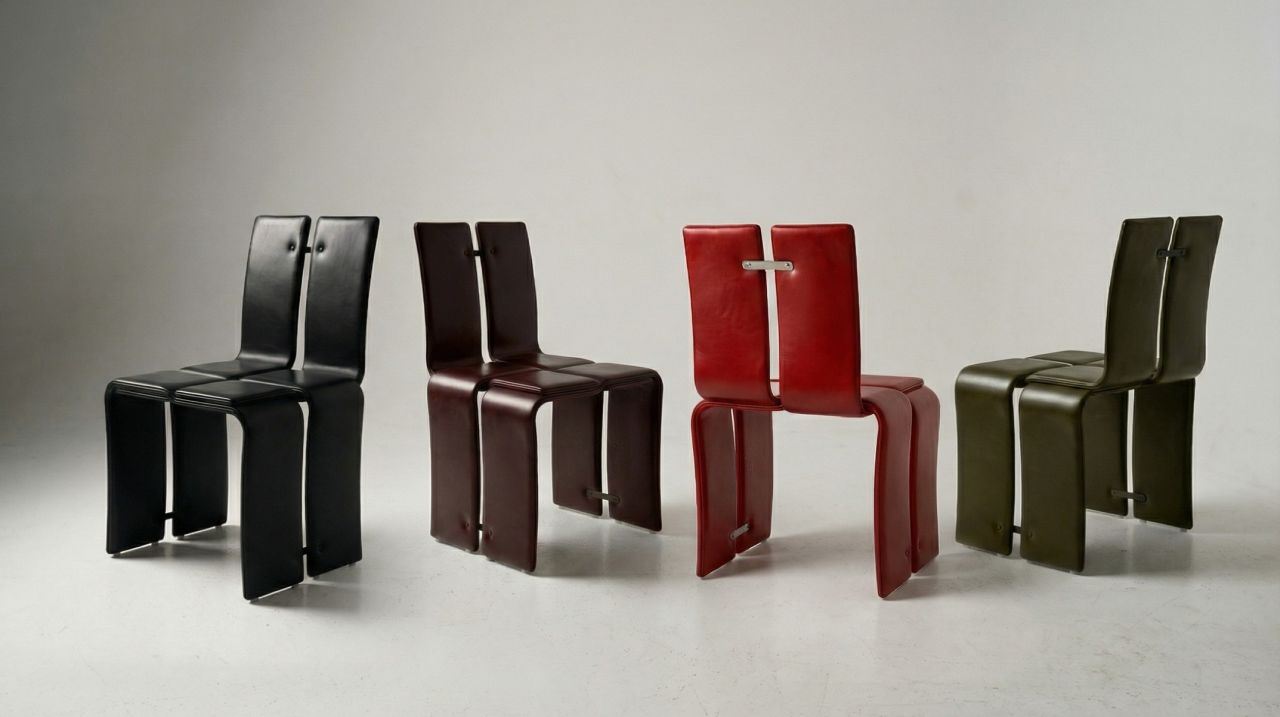
“I think the difference is not simply about form, but about what design is expected to do,” he says. “In the 20th century, design was largely driven by function, industrial production, and the possibilities of emerging materials. Today, function is no longer the only priority. There is a stronger focus on emotional connection, perception, and how objects participate in everyday life.” In his own work, Haoming begins with what he calls an “intuitive gesture,” something almost unconscious, before subjecting it to a controlled and rational process of development.
The result is objects that are, in his words, “restrained but not rigid, fluid without being overly organic.” “I’m interested in creating objects that can hold both clarity and ambiguity, reflecting the way we experience space today,” he elaborates. It is a description of a practice that doubles, quietly, as a description of the fair itself.
The 2026 edition of COLLECTIBLE Brussels didn’t try to define collectible design or draw clear lines between past and present. Instead, it let the work speak for itself, through objects that are hard to explain, processes that are impossible to ignore, and designers who believe that how something is made matters just as much as what is made.
Follow Homecrux on Google News!