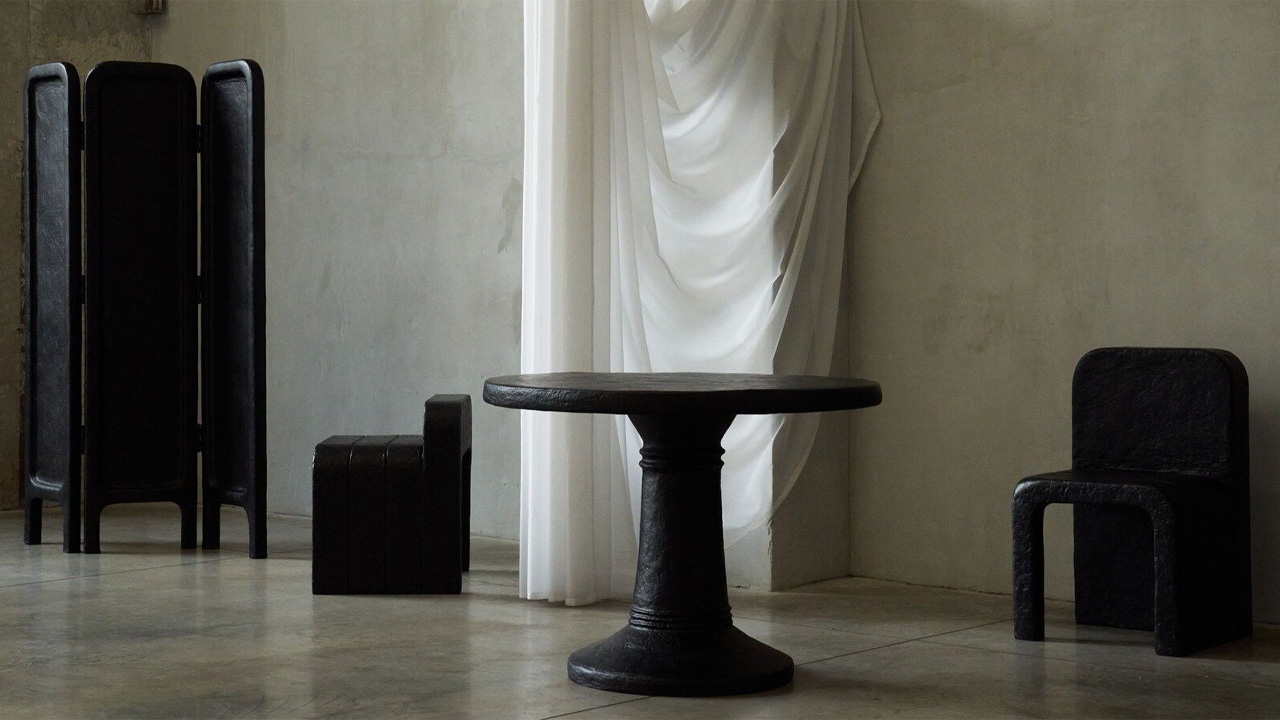
When it comes to design and architecture, material innovation has no bounds. From mycelium and resin to wood composites, there are various latest examples, where designers explored unconventional materials. Joining the bandwagon is the ECHO sculptural furniture collection by Russia-based design studio KOD.objects that exemplifies Russia’s rich early material culture and architecture. The project showcases how vintage materials are usable in modern contexts.
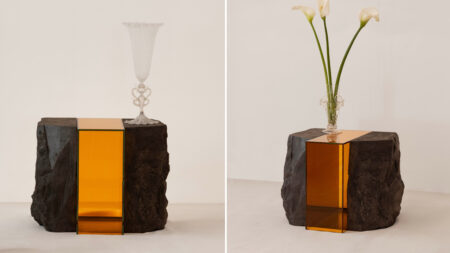
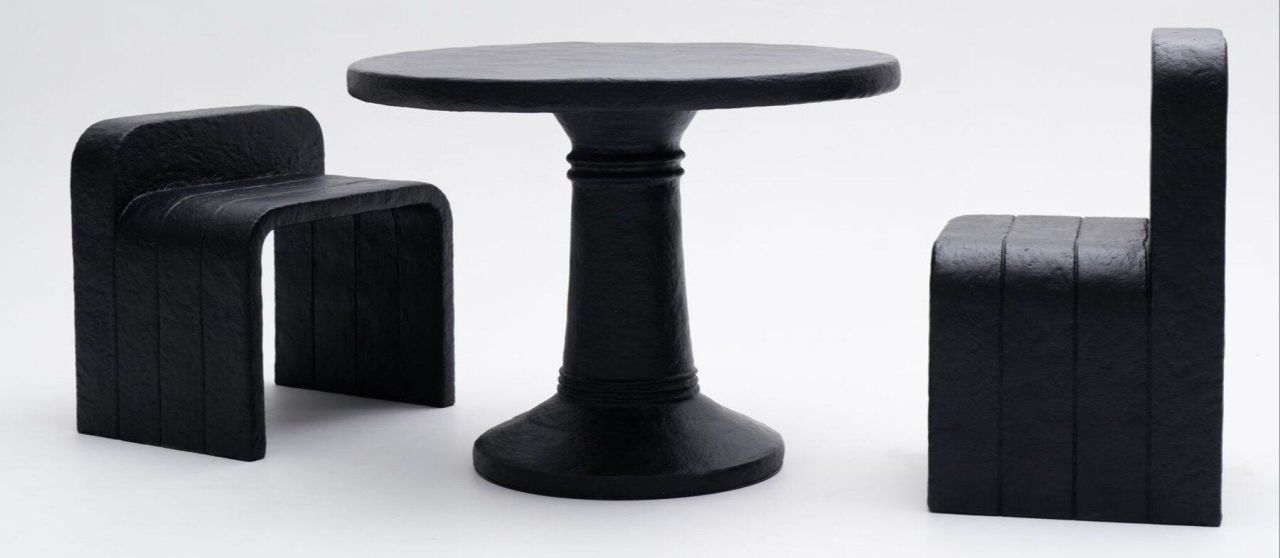
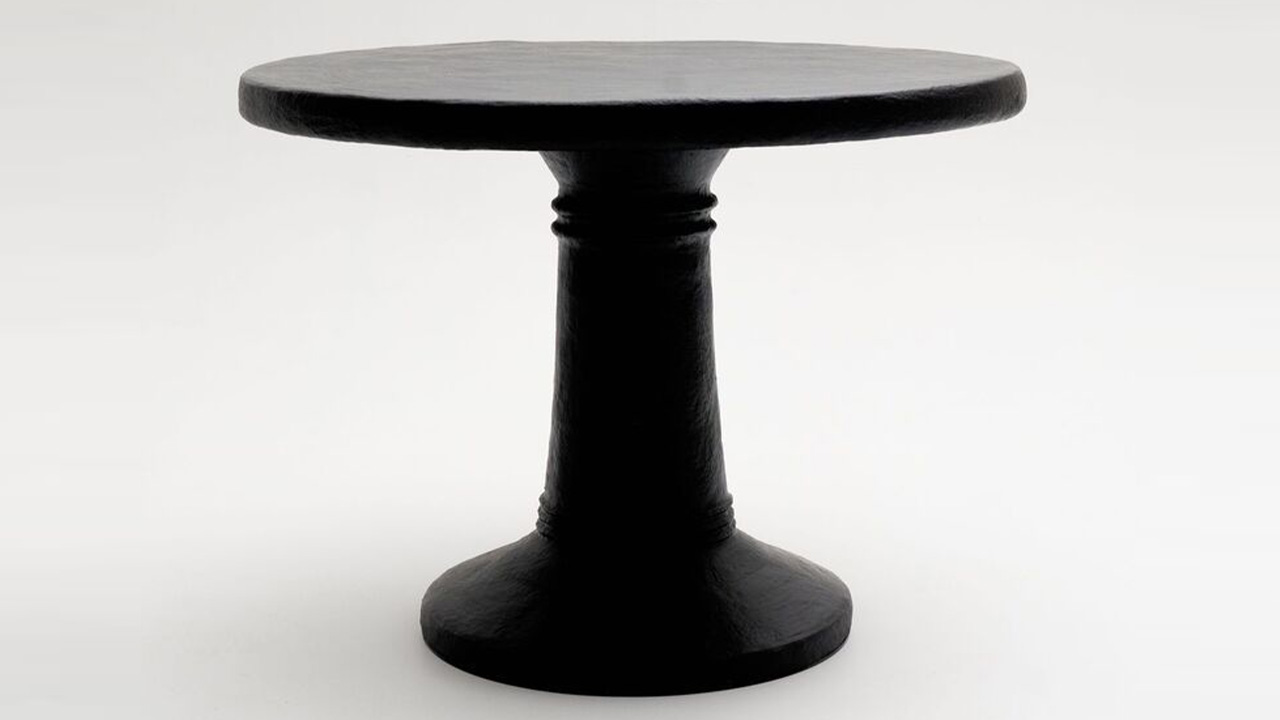
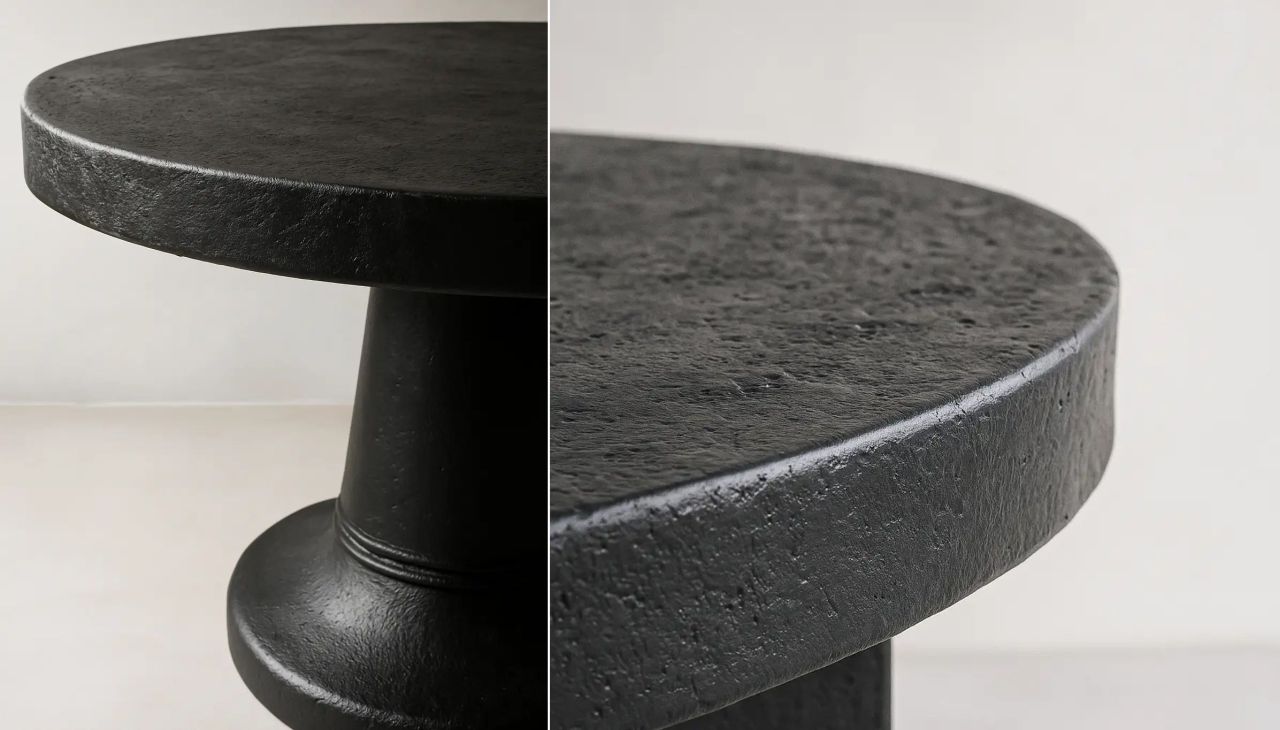
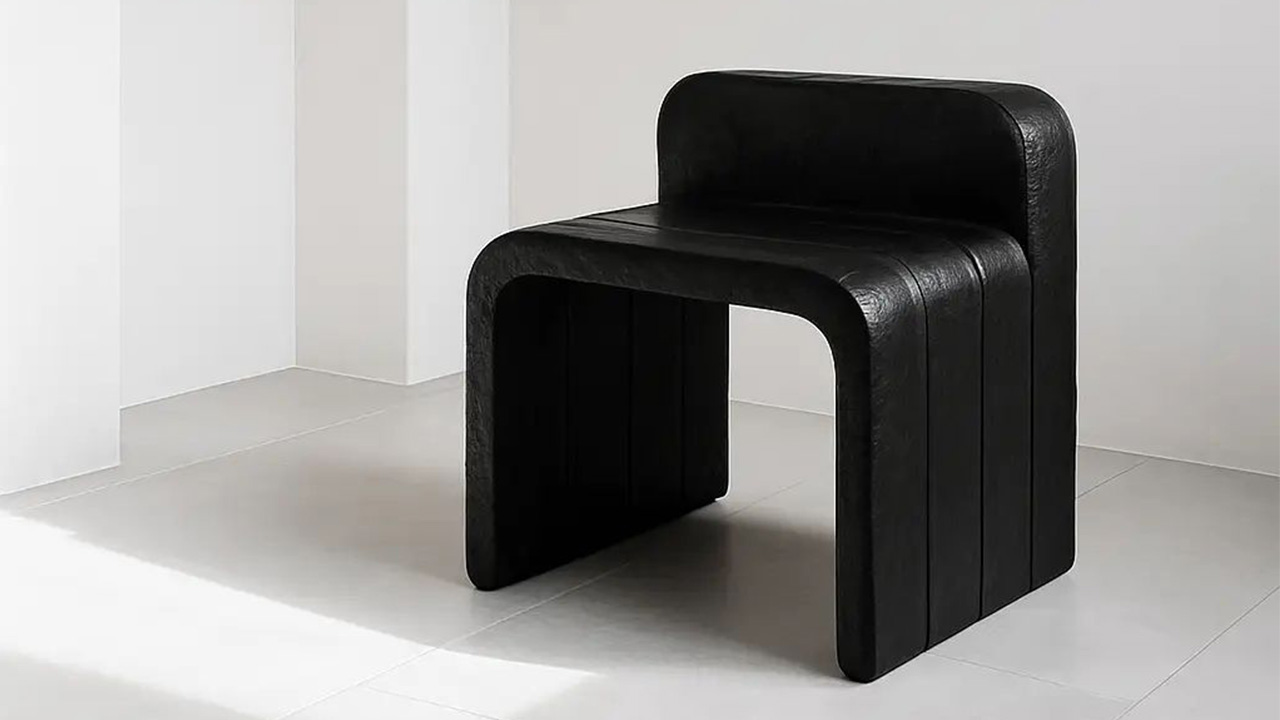
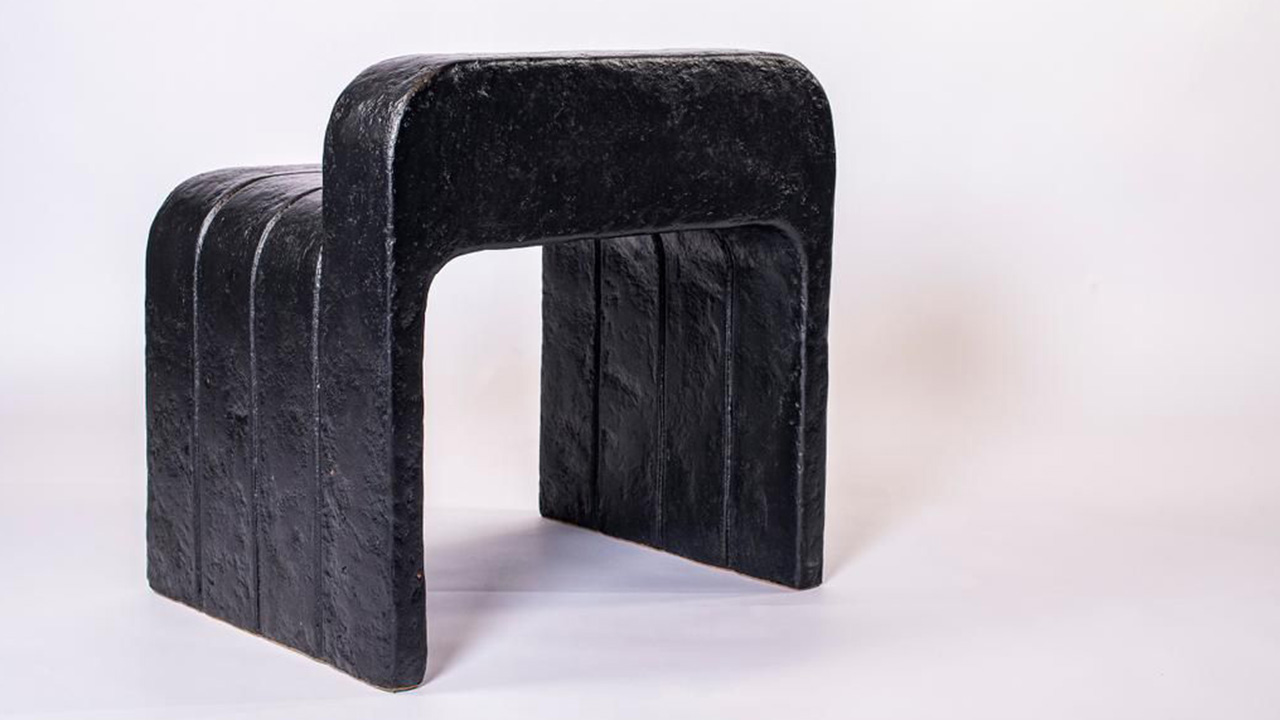
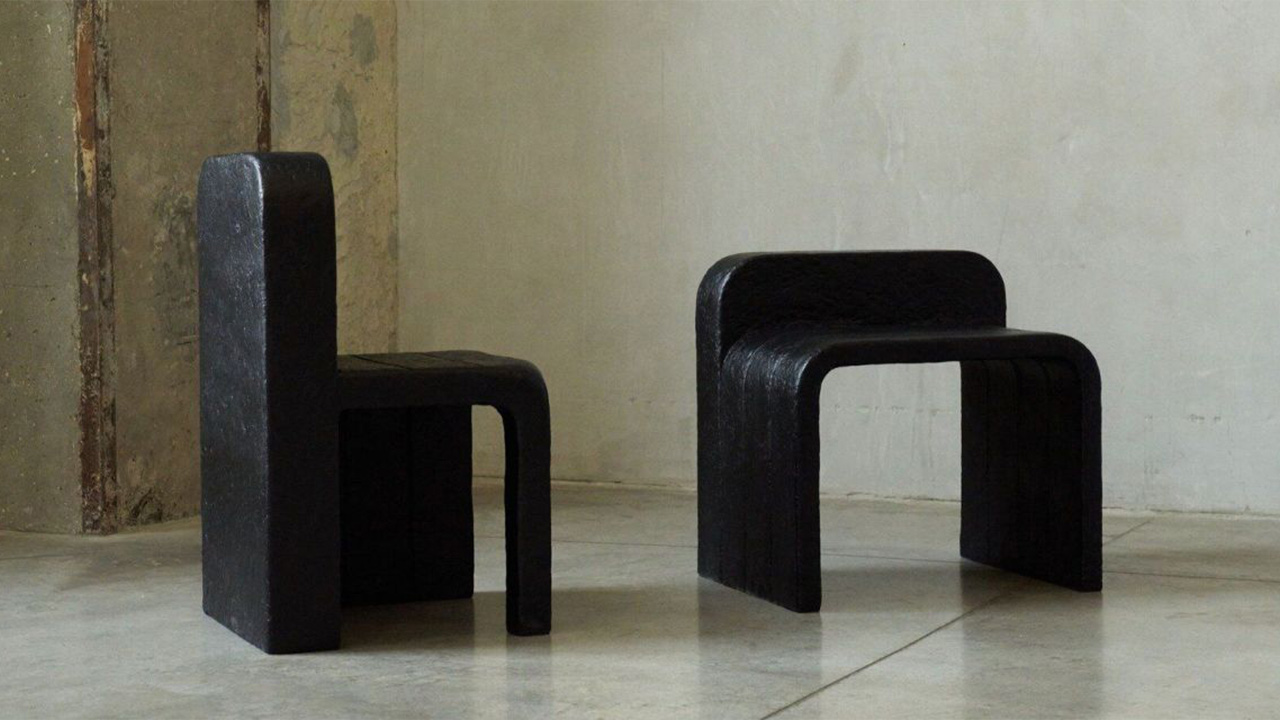
Each furniture piece is crafted from plywood, and most probably covered with a hand-shaped layer of recycled paper pulp for durability and a tactile appearance. The creative material combo results in a textured surface that resemble a lava stone. This is what makes all the objects unique as they appear to be carved from a single piece of a rock.
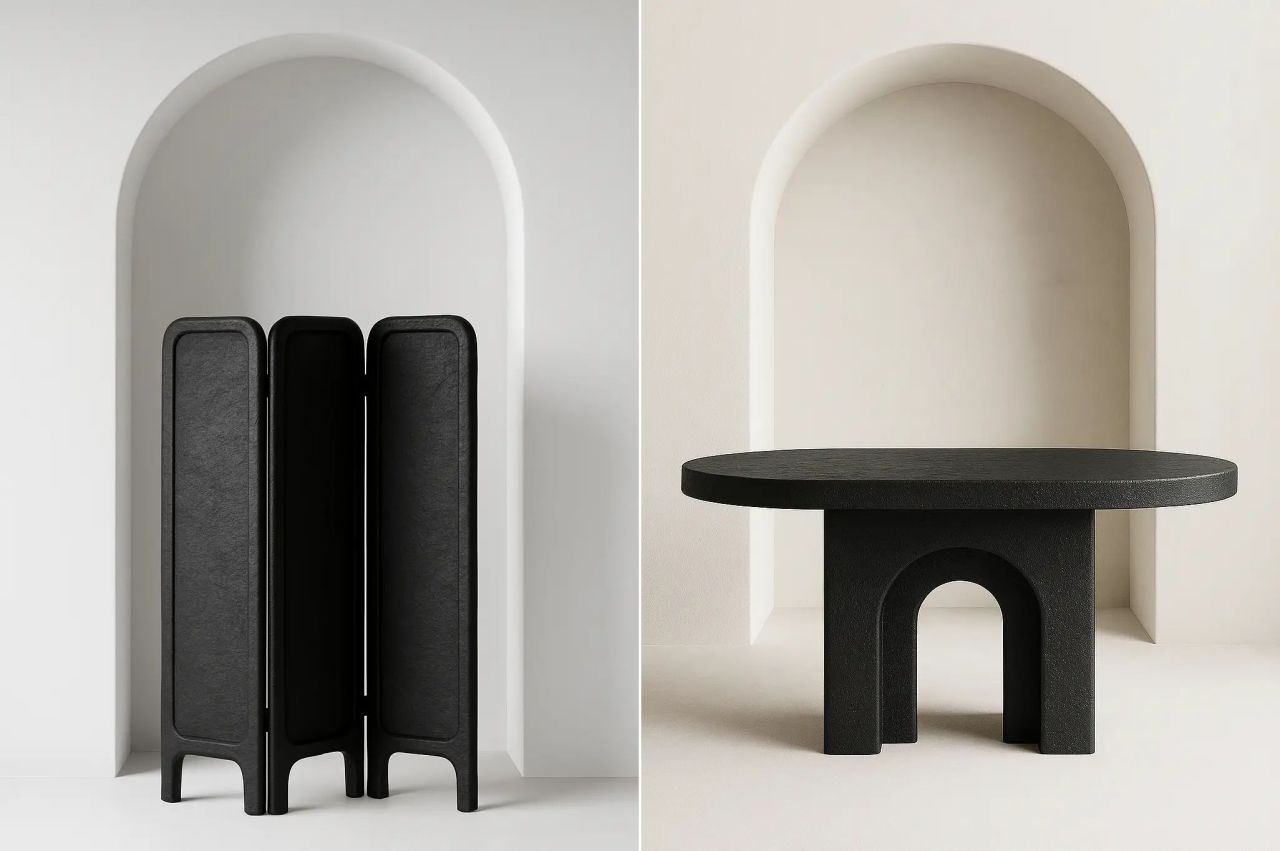
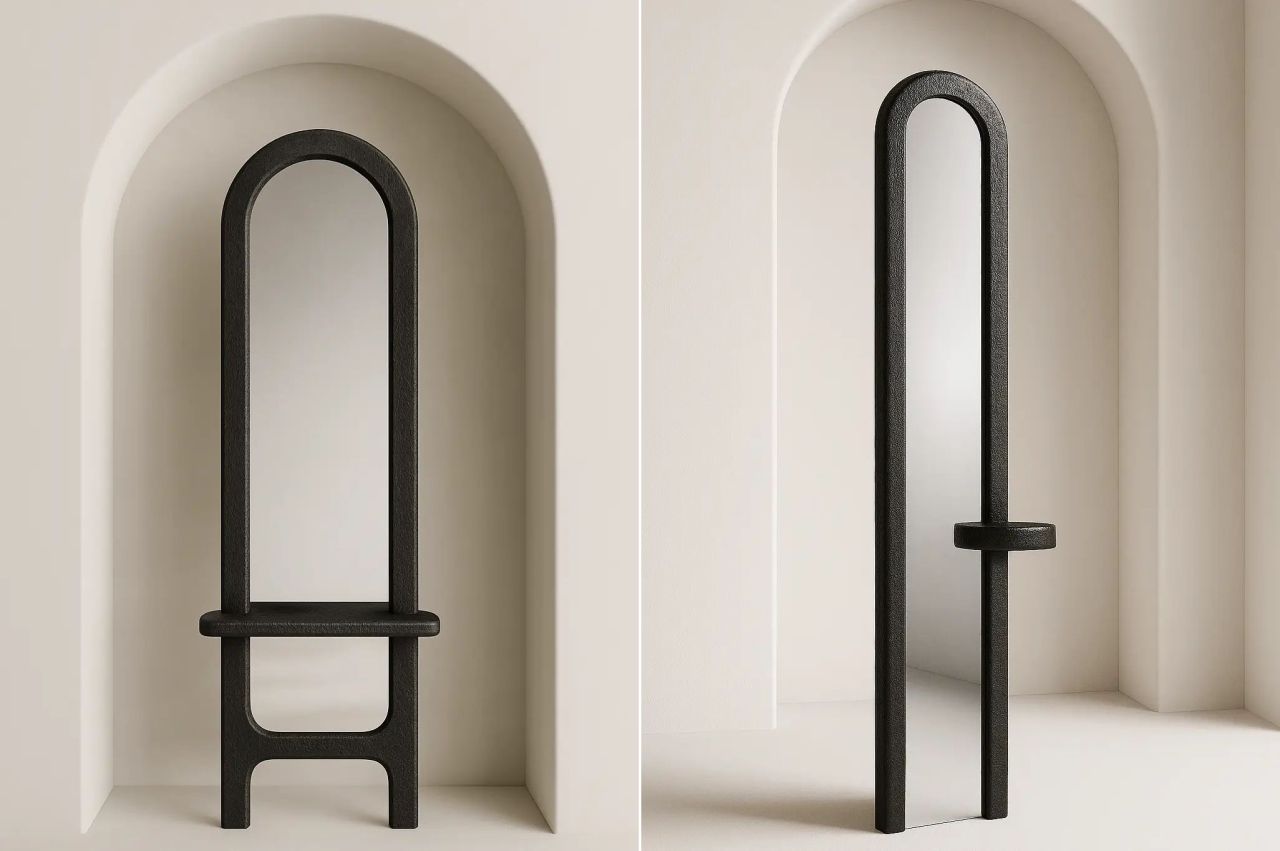
The project re-imagines Russian architectural archetypes through 21st century materials. The forms are inspired by ancient Russian household objects, carved wooden objects, and stone structures. The furniture collection includes stools, chairs, tables, consoles, and screens, all boasting a textured surface as well as archaic and geometric forms of ancient times.
As described by the KOD.objects studio, the ECHO furniture collection uses no decorations and ornaments rather its architectural, precise, and monolithic form serves as a code. They have remained stern to the existing design approach of transforming “Russian heritage into objects of the future”.
Also Read: Challenging the Conventional, Designers Explore New Materials at NYCxDesign 2025
The furniture pieces become one-of-a-kind collectibles with innovative use of existing materials. It is the creative use of recycled paper pulp that adds a new life to simple plywood furniture pieces.
The all-black look may not be everyone’s favorite but we definitely like the project being a savior of architectural heritage that has begun to fade away. The studio is a great source of inspiration for designers all around the world who want to revive old practices and materials in modern contexts as every effort for material innovation matters a lot to minimize environmental footprint and resource exploitation.
Via: designboom
Follow Homecrux on Google News!