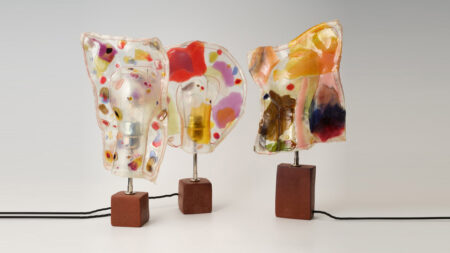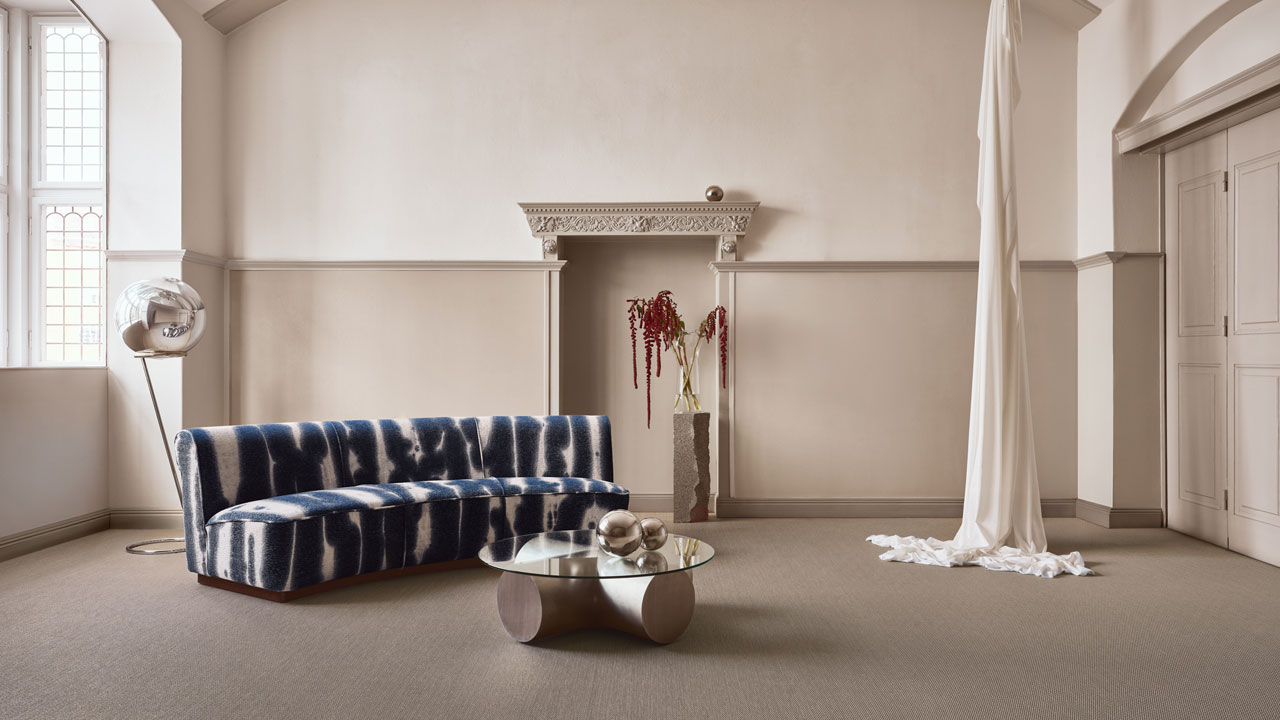
“We designers don’t stop making designs just because a fair no longer exists,” Jon Eliason, a Sweden-based designer, told Homecrux when asked about his reaction to the cancellation of Stockholm Furniture Fair 2026 (and the accompanying design week). Despite Stockholm’s premier design event being cancelled, he, alongside 200 other designers, successfully showcased his creations at Stockholm Design Days 2026. “The urge to create and explore through design is beyond PR agencies, networking, and financial agreements,” Jon believes.
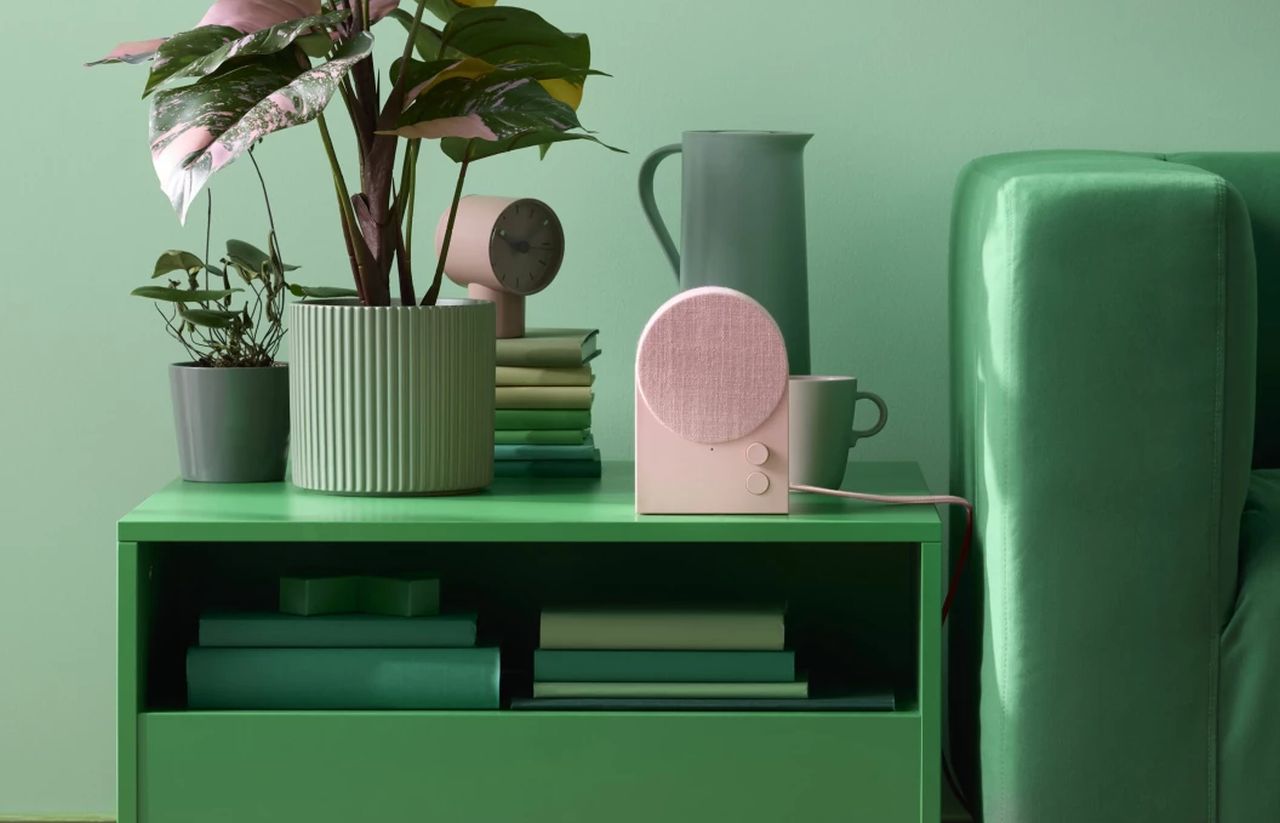
Last year, Stockholm Design Week (and the Stockholm Furniture Fair) saw low exhibitor turnout, and organizers were apprehensive about the possibility of an annual fair. In October 2025, the Organisers Stockholmsmassan therefore made the contentious decision to cancel not only the 2026 Stockholm Furniture Fair but also the citywide design week that accompanied it. “The event from here on will be organised in a biennial format starting in 2027,” the organizers announced.
Despite the lack of an official event, Swedish brands, studios, and independent designers joined forces to stage over 200 events throughout the city this past week as part of a spontaneous design festival dubbed Stockholm Design Days CAMPFIRE, which surpassed the number of participants from the 2025 edition. This independent event also brought the Stockholm Creative Edition into the limelight, an annual event which ran in parallel to Stockholm Design Week but thrived only in its shadow.
“The Älvsjö Fair (Stockholm Furniture Fair) was unable to bring together enough clients to cover costs, and hence, they laid down arms. That’s really all there is to it, and I say fair enough,” founder of Stockholm Design Days CAMPFIRE, Thomas Fridman, told Homecrux. “However, the question ‘why’ is still lingering for what reason they decided to close the door on the Stockholm Design Week initiative as well? That’s a shot in the foot to me and a self-injurious behaviour in relation to all of the future prospects out there. It bares the primary business interest of the Älvsjö Fairgrounds as well as the inability to fully relate to the constant annual pendant movement between preferences at or off fairgrounds events,” Thomas said.
“The actual content is provided by the participants. The true fair is in the minds of the audience,” Thomas believes. “I guess the point is that as far as we’re concerned, we launched a great fair this year, even if the StoFair in Älvsjö chose to bail out on it. All good,” he states. Thomas’s words carry weight, as established creators, emerging designers, and prestigious studios delivered impressive demonstrations of exceptional craftsmanship and innovative concepts throughout the city, even without the Furniture Fair banner.
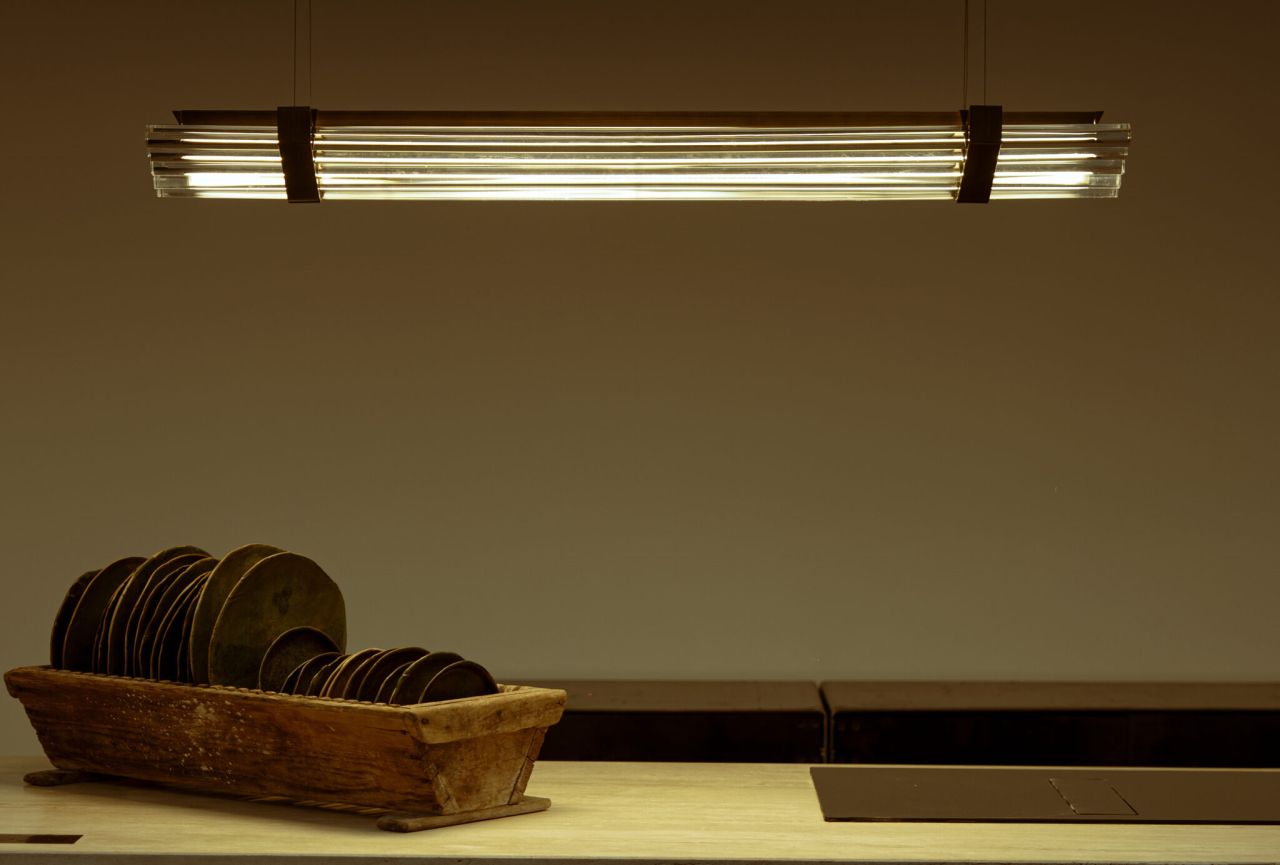
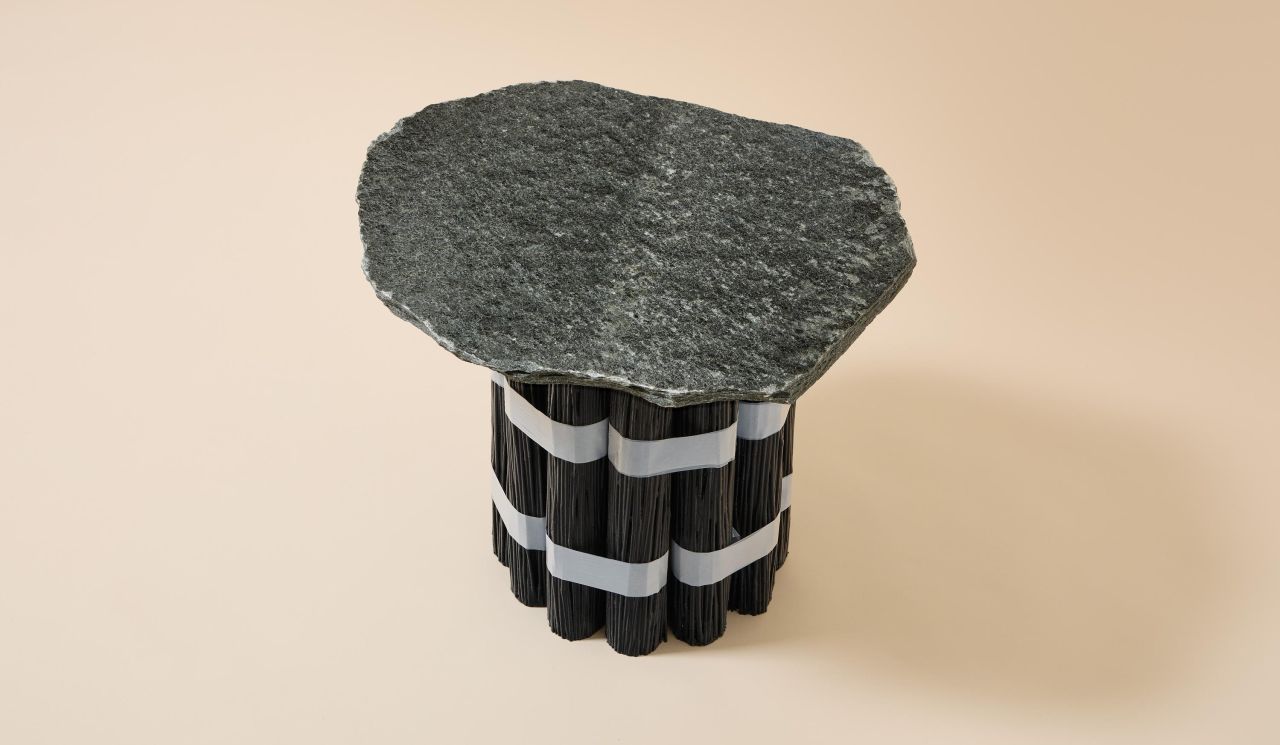
Harry Par Young, a British-Portuguese multi-disciplinary designer based in Stockholm, exemplifies this perfectly. Originally slated to present at the Stockholm Design Week, he instead displayed his work at Stockholm Creative Edition. He presented Slated Reed Tables during the event, describing them as “An exploration of unexpected material combinations and finishes, found in Scandinavia.”
“For me, it’s interesting how Stockholm Creative Edition has unlocked the city for visitors not only to see great design, but to also explore the surroundings and therefore the culture of the place,” Harry states. Sharing his thoughts on the impromptu CAMPFIRE fair and the Stockholm Creative Edition, Harry tells us,” Stockholm Design Week is arguably a more efficient business experience, but it’s almost solely centred around visiting a big indoor fair which sits outside the city centre, closing visitors off from experiencing Stockholm.”
He is, however, optimistic that it will continue as a biennial event. “I think more opportunities will present themselves for exhibitors, brands, and visitors within the city, especially if they ultimately decide to move it to a warmer month of the year,” Harry states regarding the cancellation of Stockholm Furniture Fair.
Kristina Tjäder, founder of Hyfer Objects, agrees with the sentiments of Harry and Thomas. “This week saw the design industry come together in a new way, creating a vibrant programme of events and exhibitions across Stockholm as well as generating a sense of energy and excitement. This is only the beginning, and these initiatives are set to grow and evolve,” she says.
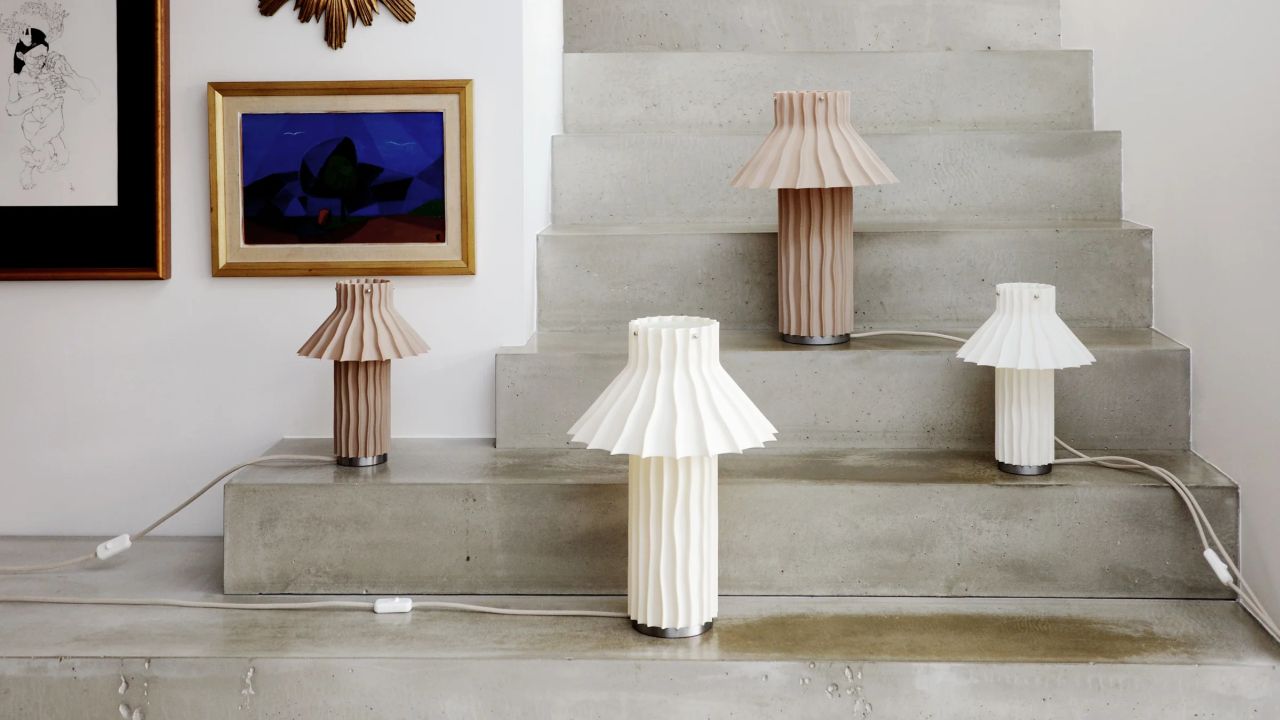
Hyfer Objects collaborated with Astrid Textiles and presented the Kakta Lamp collection paired with soft, warm fabrics that established a peaceful and inviting atmosphere for visitors. “This year, there was increased focus on tactile and handcrafted design. Major focus was on natural materials and a sustainability approach,” Kristina informs while guiding us through her collection.
Siri Gerda Lövén, who also participated in Stockholm Creative Edition, shares, “I think Stockholm Creative Edition is an interesting platform because it welcomes both emerging and established designers and artists to gather in one exhibition.”
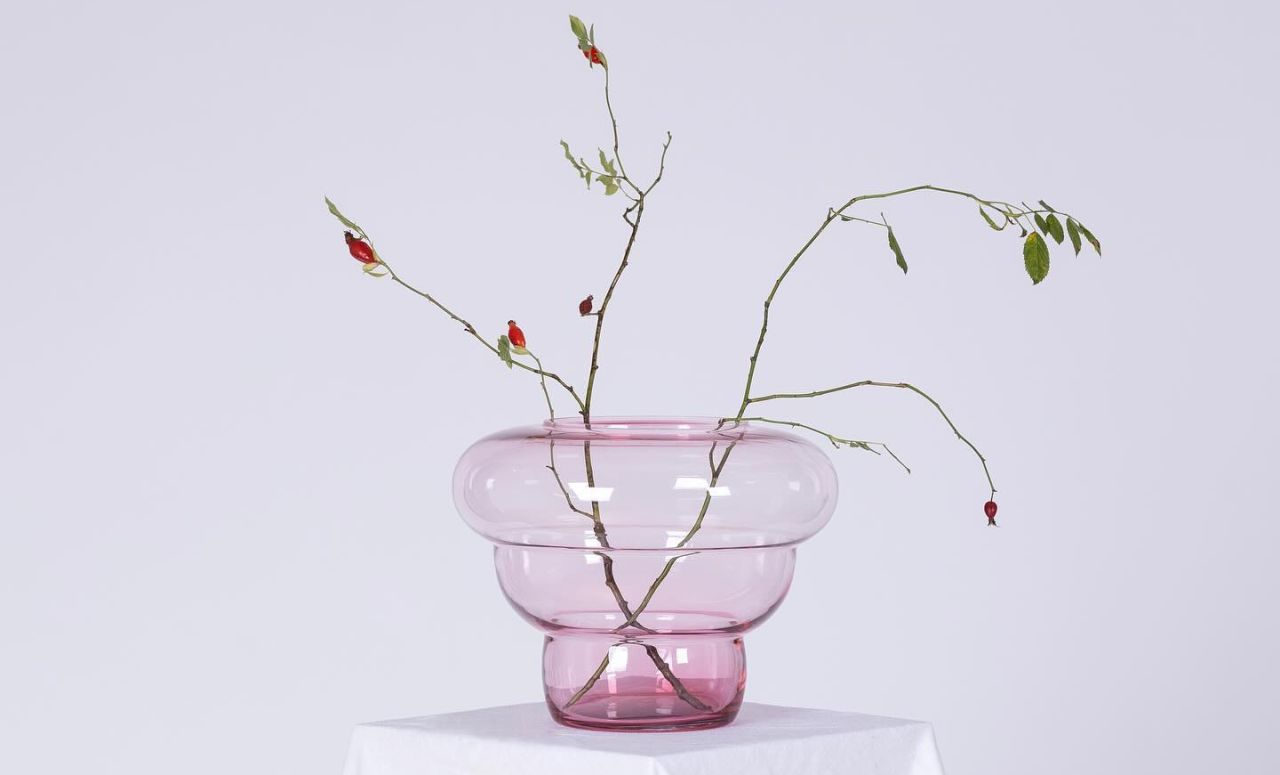
“The projects being showcased vary, and the mixture adds to the contemporary setting,” she adds. She displayed her glass project Det växer där jag vattnar at the event. She observed a common thread among many exhibits where the maker’s touch on the finished piece was distinctly apparent. “There were signs of craftsmanship and personal stories behind the objects,” she comments.
Ultimately, if the success of Stockholm Creative Edition and Stockholm Design Days CAMPFIRE indicates anything, it’s that the Swedish design community continues to flourish, with practitioners constantly pursuing financially sustainable and more eco-conscious methods of convening. Growing from a modest concept in mid-October to a February showcase featuring over 200 participants demonstrates the resilience and creative strength of Stockholm’s design scene and its determination to persevere.
Follow Homecrux on Google News!