Madrid Design Festival (MDF) 2026 is open across the city, once again turning the Spanish capital into a mecca for contemporary design. From cultural institutions and galleries to showrooms and restaurants in Madrid, everything will become a testing ground for product designs and social questions that keep the design community moving.
Kicking off from 5 February through 8 March 2026, this year’s festival, now into its ninth edition, is the most expansive yet. It is drawing together 59 institutions and brands, more than 800 professionals, and a dense programme of exhibitions and installations, under the unifying thread of “Redesigning the World.”
The event theme frames design not as surface or style, but rather as a discipline entangled with impact and continuity across four conceptual dimensions: responsibility, transcendence, impact, and transmission. The festival asks the most defining questions: how design can respond to real-world pressures, leave meaningful traces on how we live, reshape social and economic structures, and carry knowledge between generations.
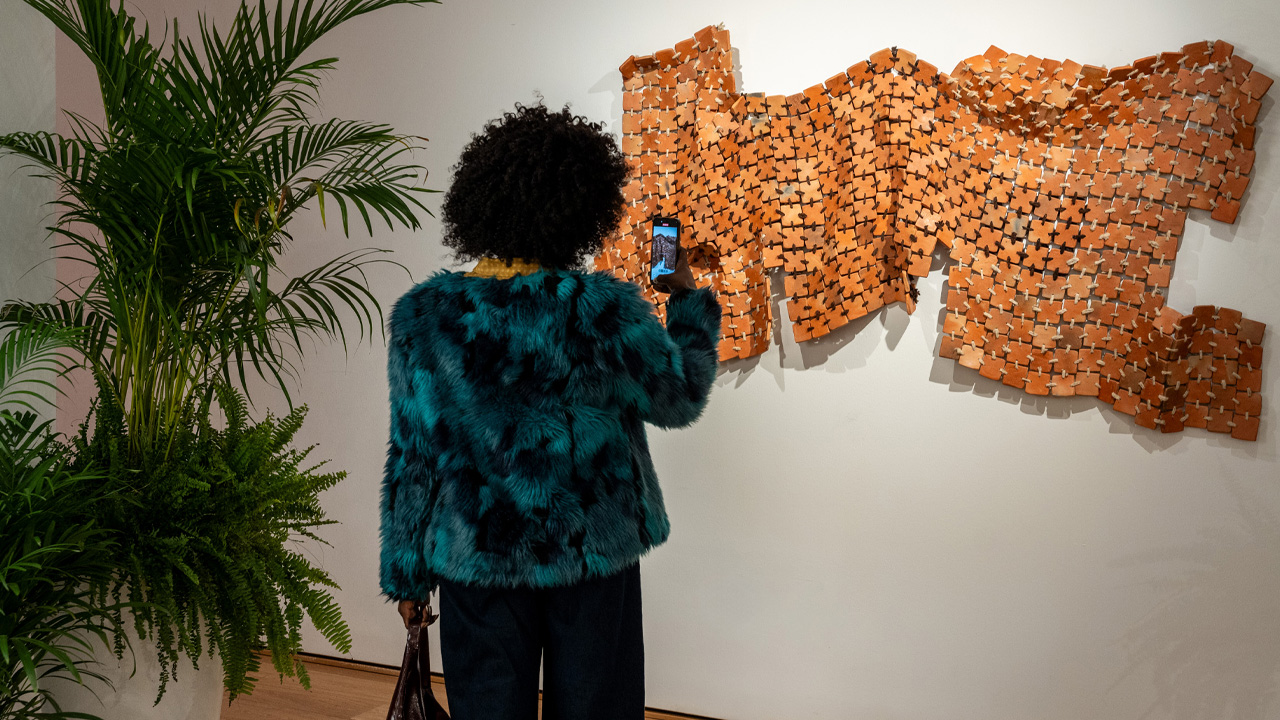
These ideas will surface in conversations around bio-design and biotechnology, alternative and traceable materials, circular models and mobility, as well as in a renewed attention to craft as a living repository of identity and material culture. Together, these strands position Madrid Design Festival 2026 as a city in motion, a place where design is actively negotiating how we might live, make and relate, now and in the years ahead.
At the core of this ambition is the Madrid Diseña, the festival’s main creative map and its most defining tools. Conceived as an urban program and supported by the Madrid City Council, it activates nearly 300 spaces across the city for exhibitions, installations, workshops, open studios, showrooms, and viz-a-vis with designers.
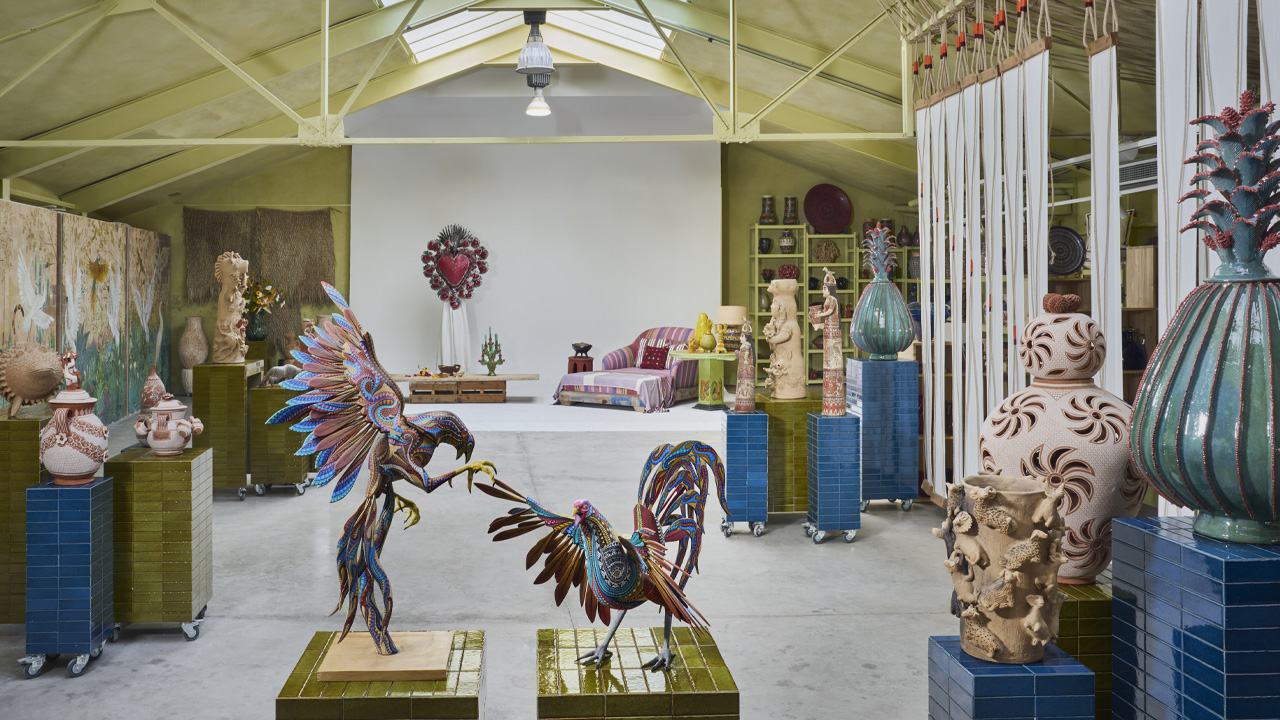
Rather than confining design within walls, Madrid Diseña disperses it into the everyday urban life of Madrid. Allowing prominent designers from all across the spectrum to either explore new materials from plant waste or find references for their designs in social and community design.
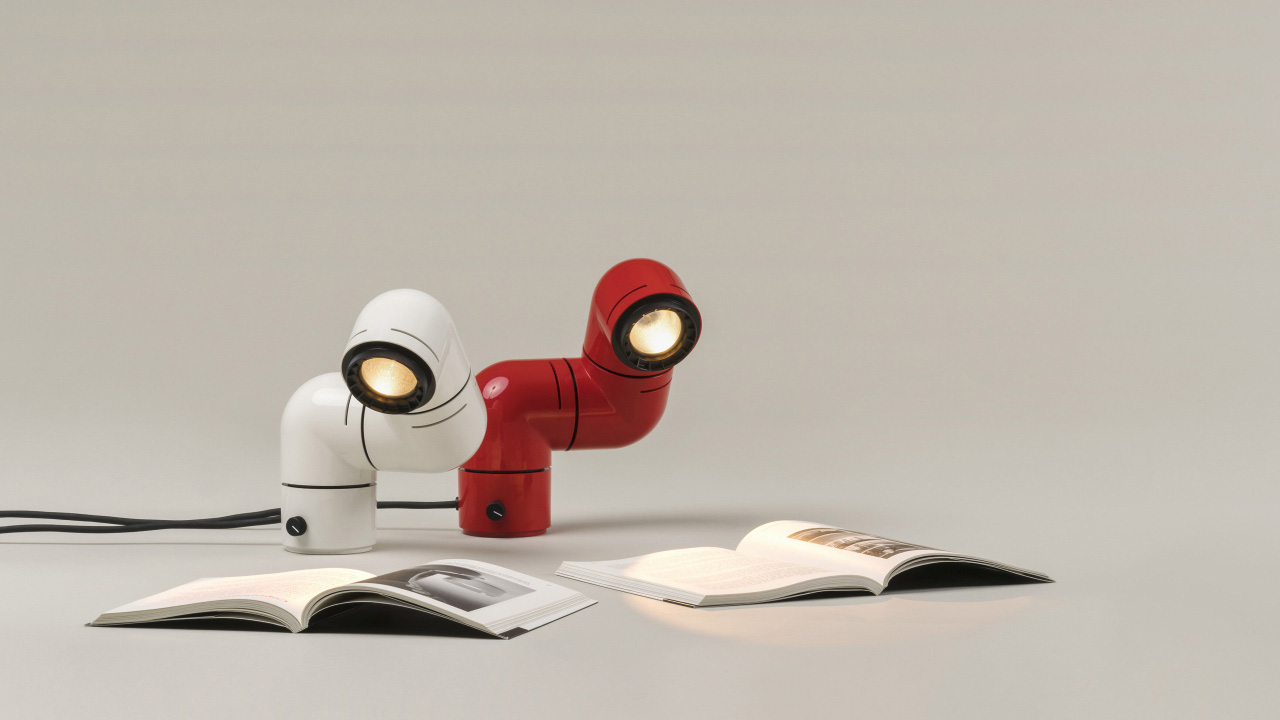
Like always, MDF once again turns to the figures who have shaped Spanish design, central to which is André Ricard. Design in Use, a retrospective curated by Marian Povedano and Arnau Pascual. Covering more than six decades of his work, the exhibition revisits the career of André Ricard, who has been a monumental figure in industrial design in Spain. He was the recipient of the 2025 Madrid Design Award, which this year is awarded to Rossana Orlandi, Konstantin Grcic, and Juli Capella.
Orlandi is recognized for her influential role as curator and gallerist, known for identifying emerging talent and fostering dialogue between craft, sustainability and innovation. Grcic is celebrated for a body of work marked by technical precision, critical thinking and a distinctive sensitivity to form. Juli Capella, architect and critic, is honored for his editorial, curatorial and professional contributions, which have built lasting bridges between industry, institutions and the public in Spain.
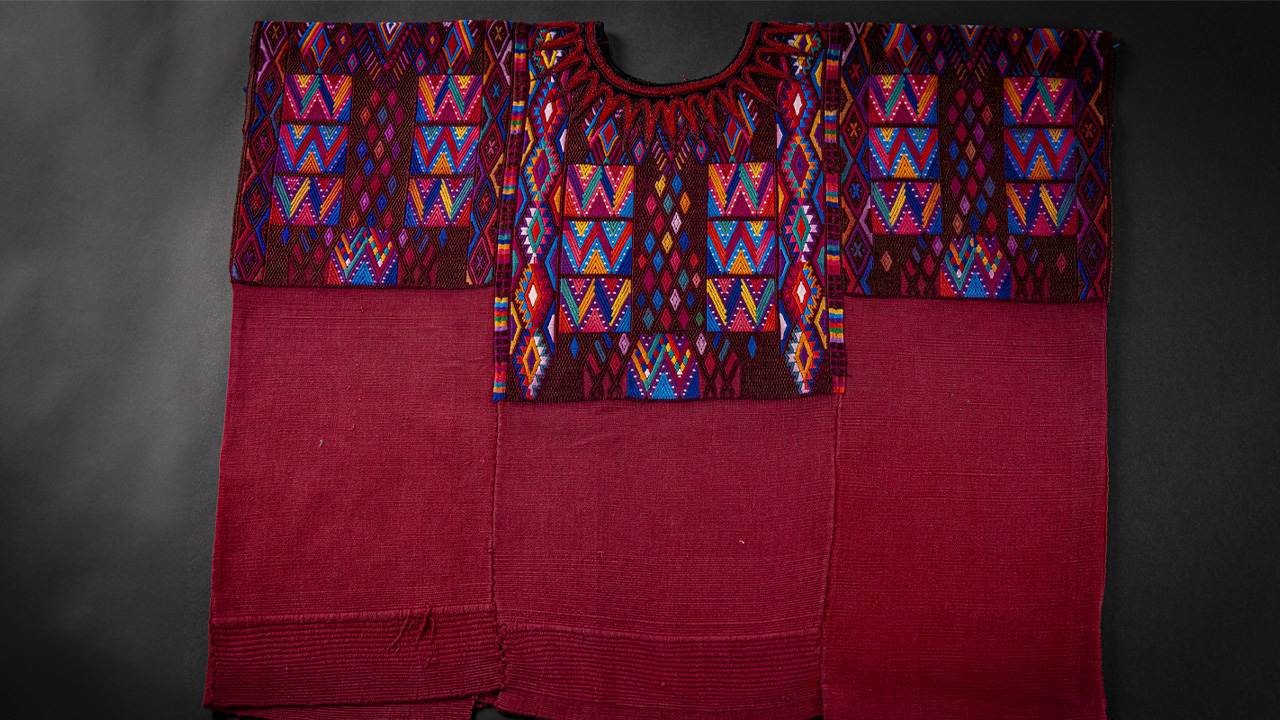
Guatemala, this year’s guest country, brings an additional layer of perspective through an exhibition entirely dedicated to the country’s contemporary textile design. Extending the festival’s international and cultural reach, the exhibition comprises a curated selection revealing the extraordinary technical, symbolic, and aesthetic diversity of Mayan textiles.
Mediterranean emerges as another key narrative thread at the Madrid Design Festival this year. Curated by Mariona Rubio and co-produced by Madrid Design Festival and Cosentino, Mediterranean Manifesto approaches the Mediterranean as a shared territory of knowledge and cultural diversity. The exhibition brings together more than 30 artists and designers working across craft, material research, and self-published design, tracing through their works the cultural, material and environmental journey, while reinterpreting Mediterranean heritage and sustainable ways of life.
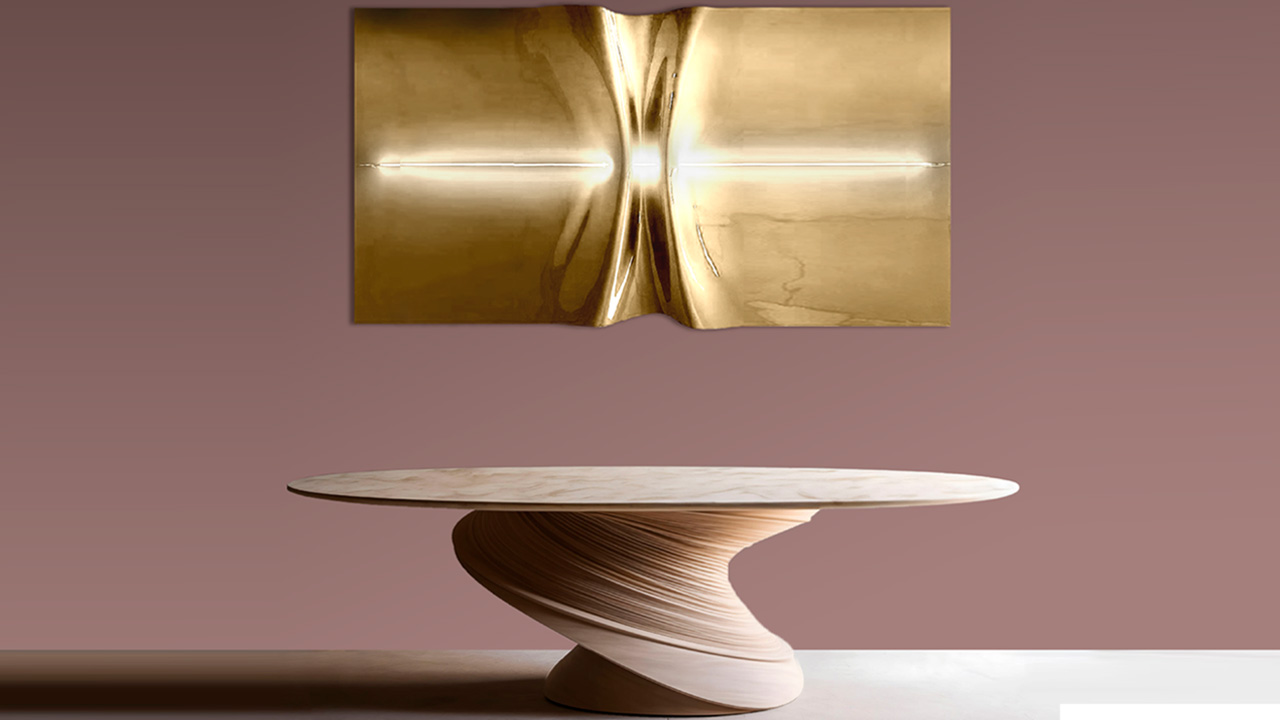
Precisely special this year is the FORMA Design Fair. The first fair in Spain devoted exclusively to collectible design. Curated by Antonio Luna and Emerio Arena, it will take place from 4 to 8 March, with the gathering of a selected group of agents from the sector. Alongside the fair, the professional program (Per)FORMA is designed to strengthen the economic value of collectible design, generate opportunities for designers, studios, brands and galleries, and strengthen Madrid’s image as the main destination for contemporary design.
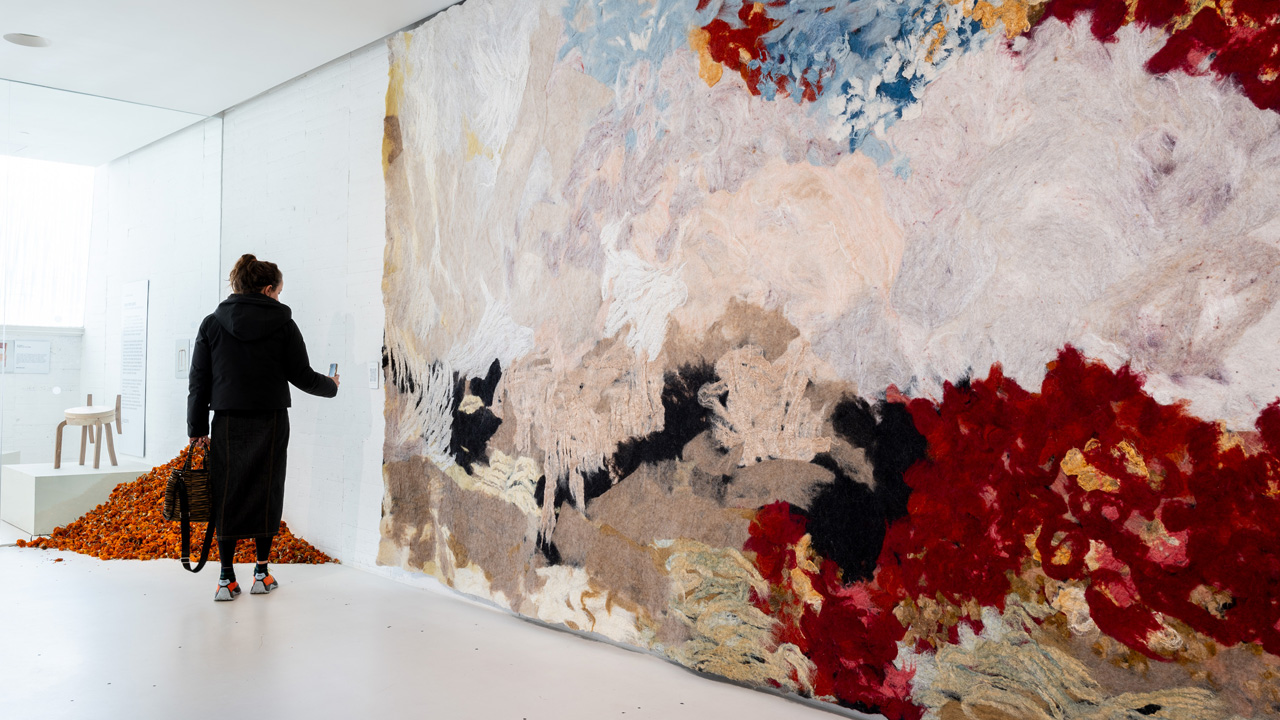
Interestingly, for the second consecutive year, the Madrid Design Festival dedicates a full program to wool and its relevance as a material that connects design, territory and sustainability. Under the umbrella of the Alliance for Wool, a range of installations, talks, and projects that explore wool, its heritage, biodiversity, innovation and craft, will be on display.
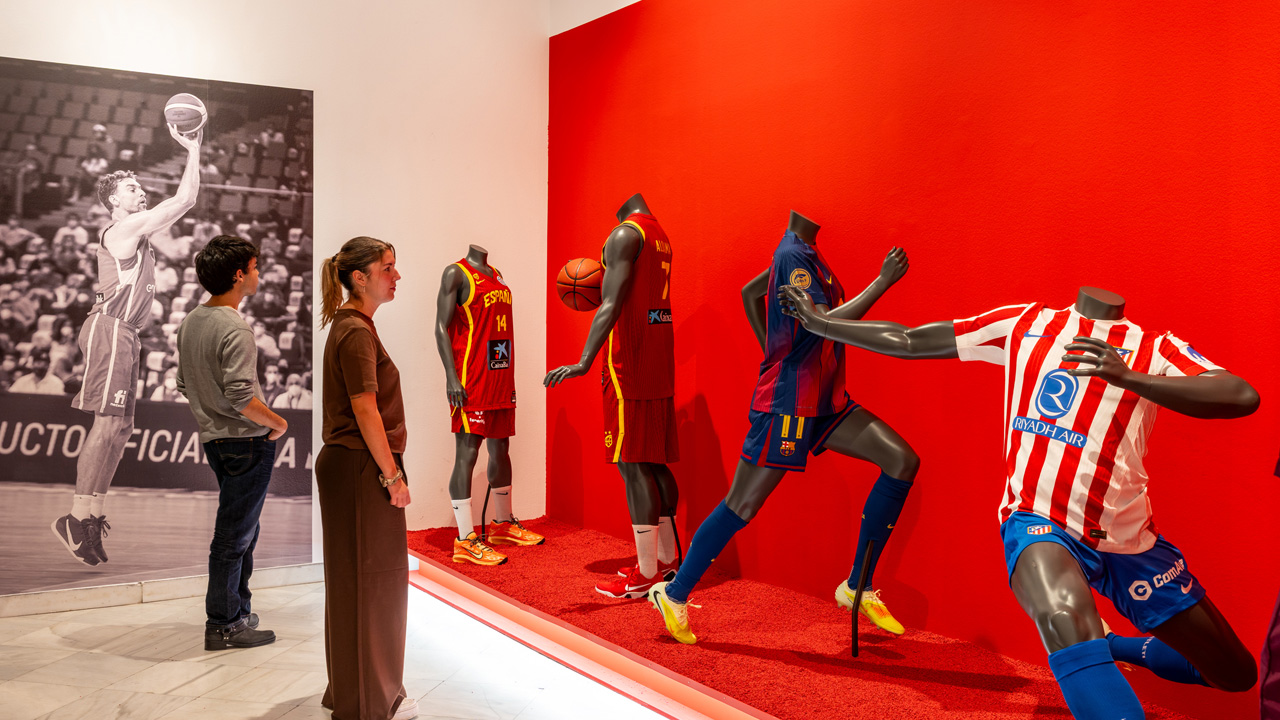
Of course, there are a host of other notable exhibitions, talks and programs to explore, but for those Swoosh fans, nothing is going to be as interesting as the Nike. Design in Motion is the largest exhibition ever created about the brand. Featuring 363 objects, the exhibition traces how design has transformed sport and the prototypes of its iconic models, such as the Air Jordan. Presence of personal items belonging to the greats like Rafael Nadal and Pau Gasol are going to push the narrative.
Follow Homecrux on Google News!