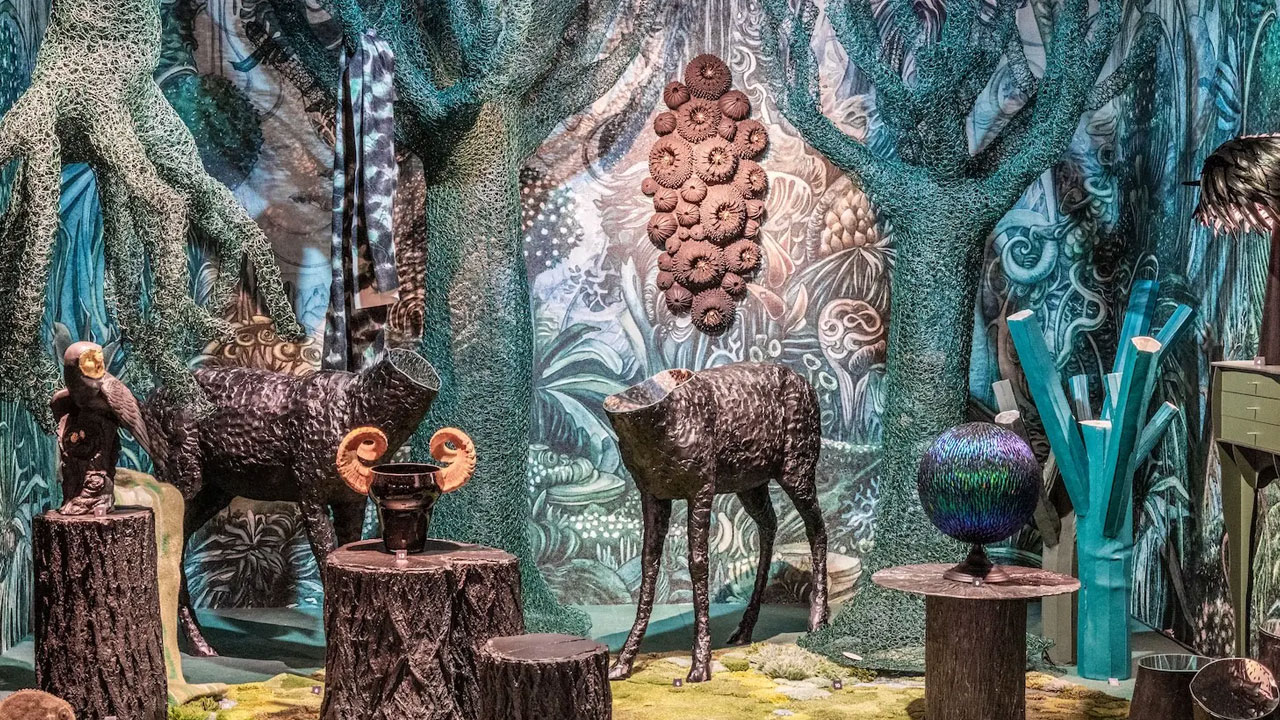
Of all the major design fairs and events that take place around the world, Maison&Objet is the only one scheduled for winter. It is a solitary fair dedicated to home décor and the objects that comprise it. In a literal sense, maison translates to home in French, and objet is object(s) that rule our home interior. So, instead of being a trade fair dominated by large-scale installations, Maison&Objet actually showcases furnishing and other decorative items that would find a place in our home later in the year.
The fair, however, isn’t limited to mere product launches alone. It serves as a yardstick for how our home décor will evolve in the coming years. “In a global context shaken by ecological crises, overconsumption, and homogenisation, this edition (Maison&Objet) responds with design that is truly lived-in and meaningful,” the fair curators tell Homecrux. With that in mind, the organisers have carefully chosen the theme inspiring this edition, PAST REVEALS FUTURE, which, as per them, “is best expressed through four thematic trends: Metamorphosis, Mutation, Revisited Baroque, and Neo-Folklore.”
Homecrux dives deep into the “Metamorphosis and Mutation” parts to explore how designers are applying these philosophies to create objects. First up, we saw the South Africa-based brand Sonnenglas that was showcasing solar-powered glass lanterns at the event. “We have combined high-tech solar power, using the most efficient solar modules on the market, with recycled glass and materials that gain new purpose in contemporary design,” explains Sonnenglas’s CEO.
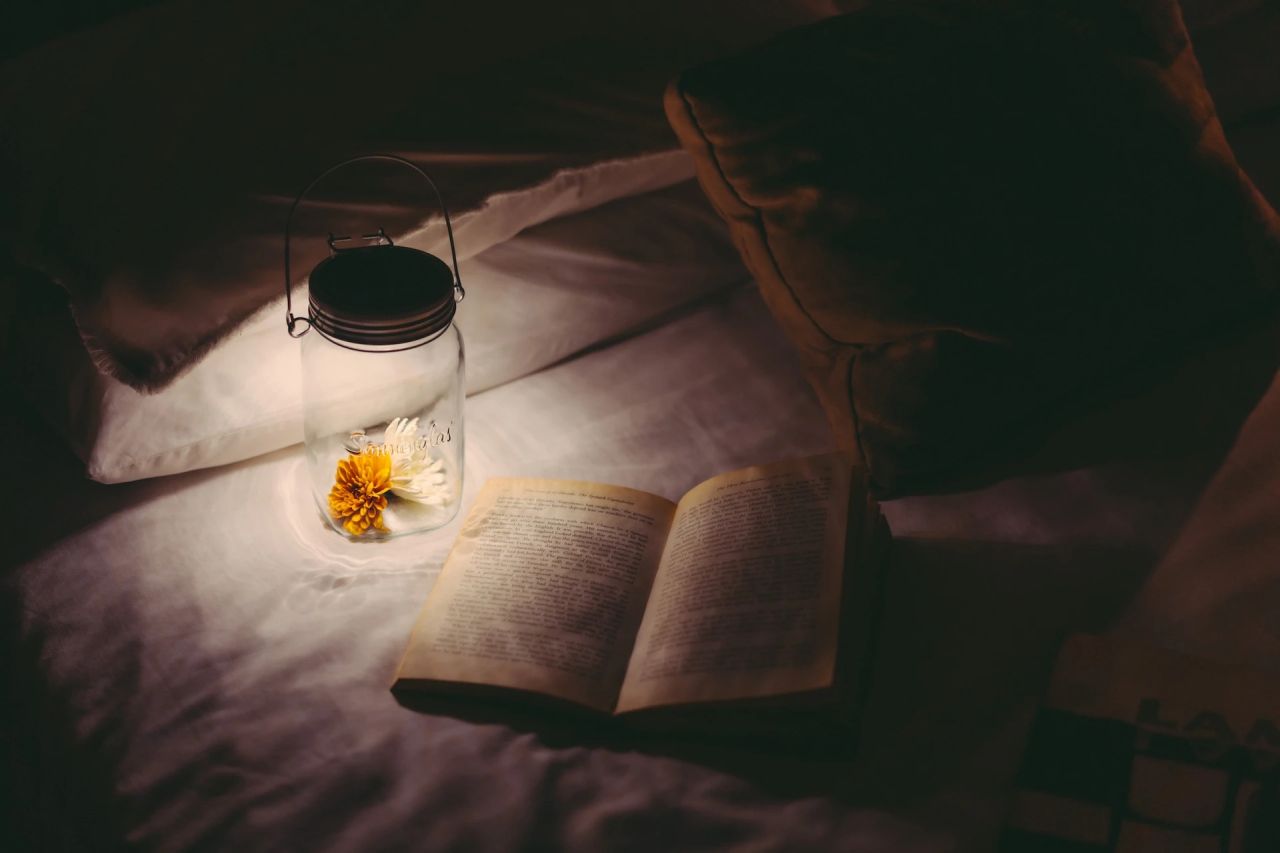
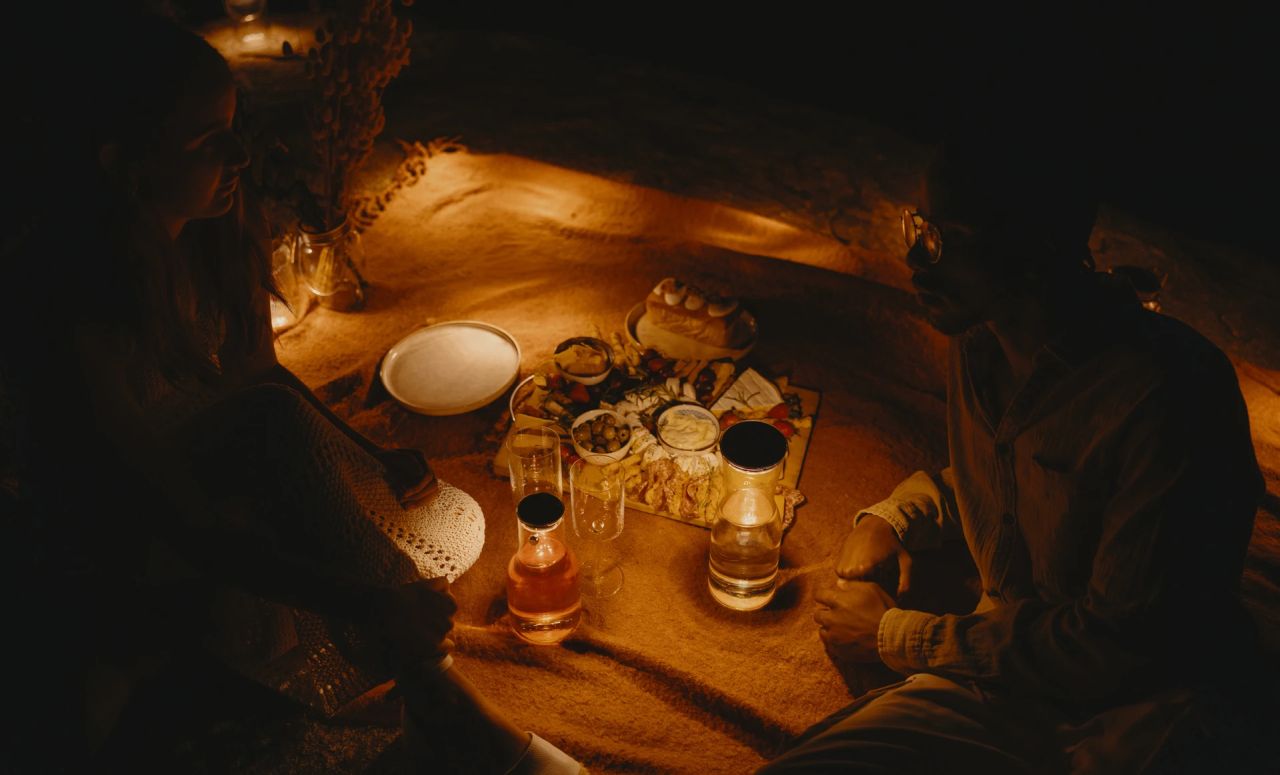
In a country where power outages are a daily reality, the South Africa-based brand has created the Sun Jar, a portable solar-powered source to store energy. “Our solar jars feature the innovative SOMO solar light, which is integrated into the lid of the lantern but can also be used independently and flexibly combined with all other products of our Sonnenglas solar system,” the brand stated. What began as a pragmatic response to energy insecurity has mutated into a design philosophy, transforming sunlight into sustained illumination and waste into functional beauty.
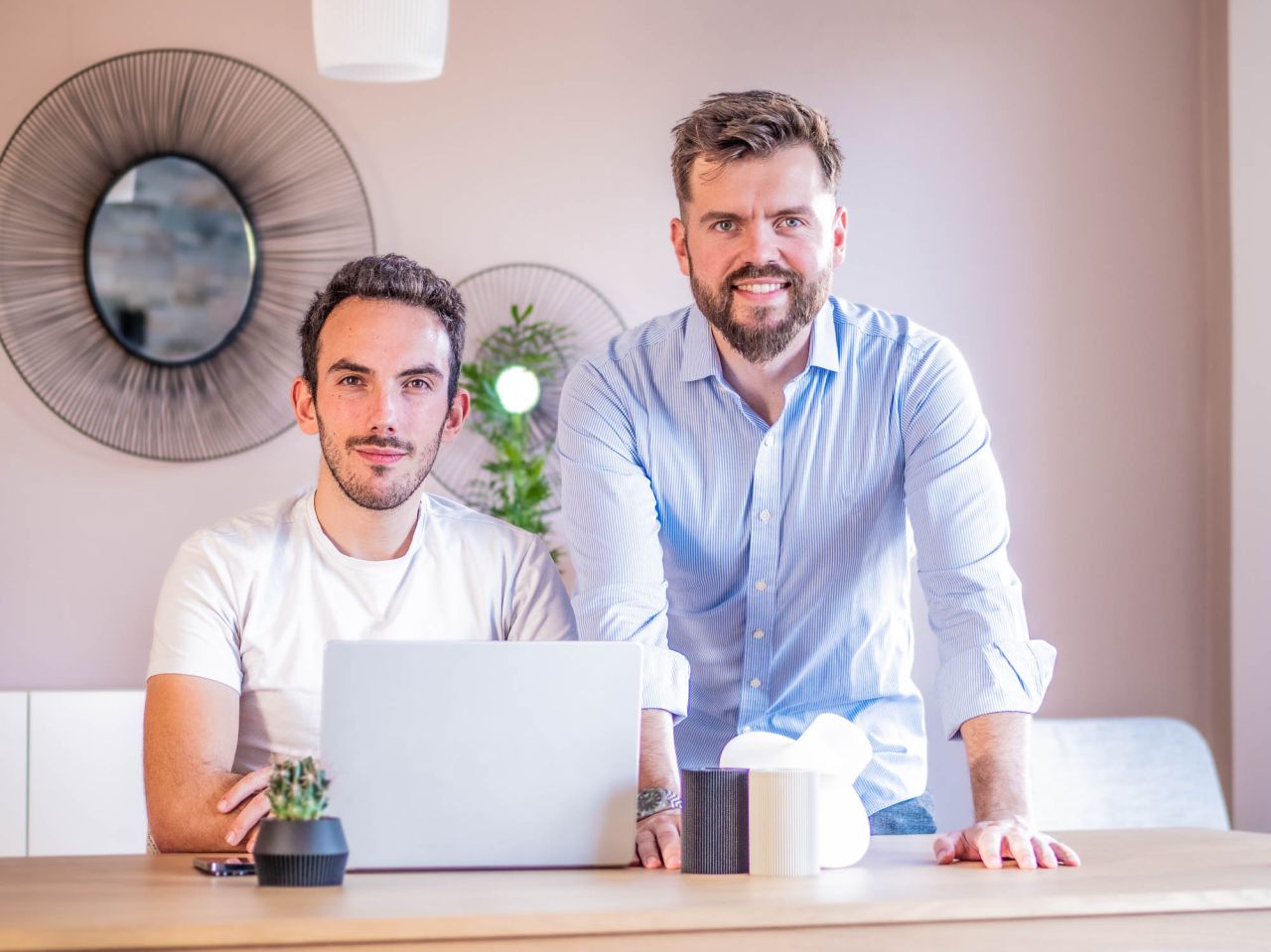
Another exhibitor brand taking a nature-first approach is France’s very own brand, Filament. “Our display embodies Past Reveals Future through forms inspired by nature’s structures and crafted with biobased, locally transformed materials,” say Fabien and Cyril, co-founders of Filament. The duo that showcased the Oasis Vase at the fair claims their object demonstrates this ethos perfectly. “It expresses metamorphosis: organic geometries, warm light, and sustainable innovation shaping contemporary living. Nothing is discarded, matter evolves,” the co-founders inform. In Filament’s world, mutation isn’t corruption; it’s evolution. “Materials don’t end; they transform, proving that design’s future lies not in extraction but in intelligent reinterpretation of what already exists.”
While Filament works with biobased materials, Italian artisans go even deeper, into the earth itself. “At the heart of our work lies a rare fusion of nature’s power and human artistry. Each of our lava stone creations begins deep within the earth, raw volcanic stone, shaped by fire and time,” Italian brand CeramicArte Deruta explains.
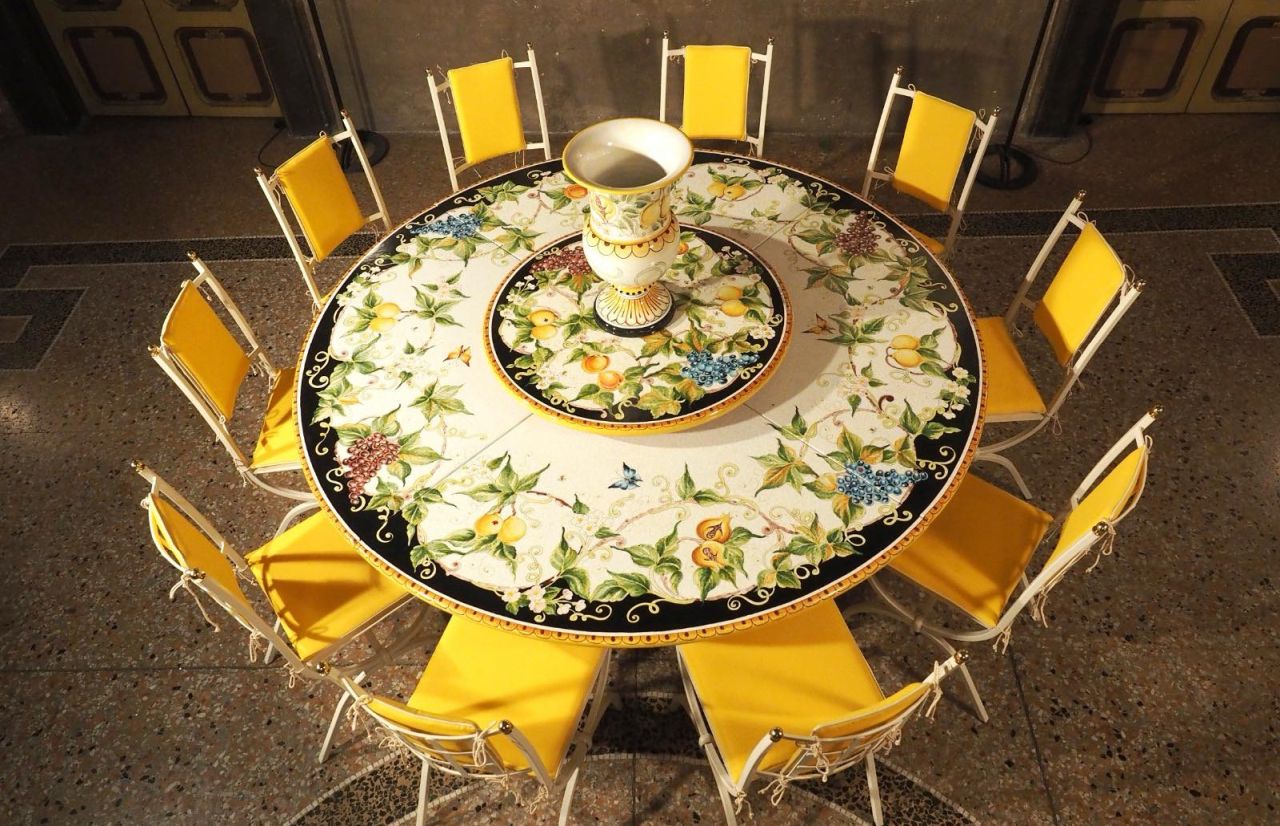
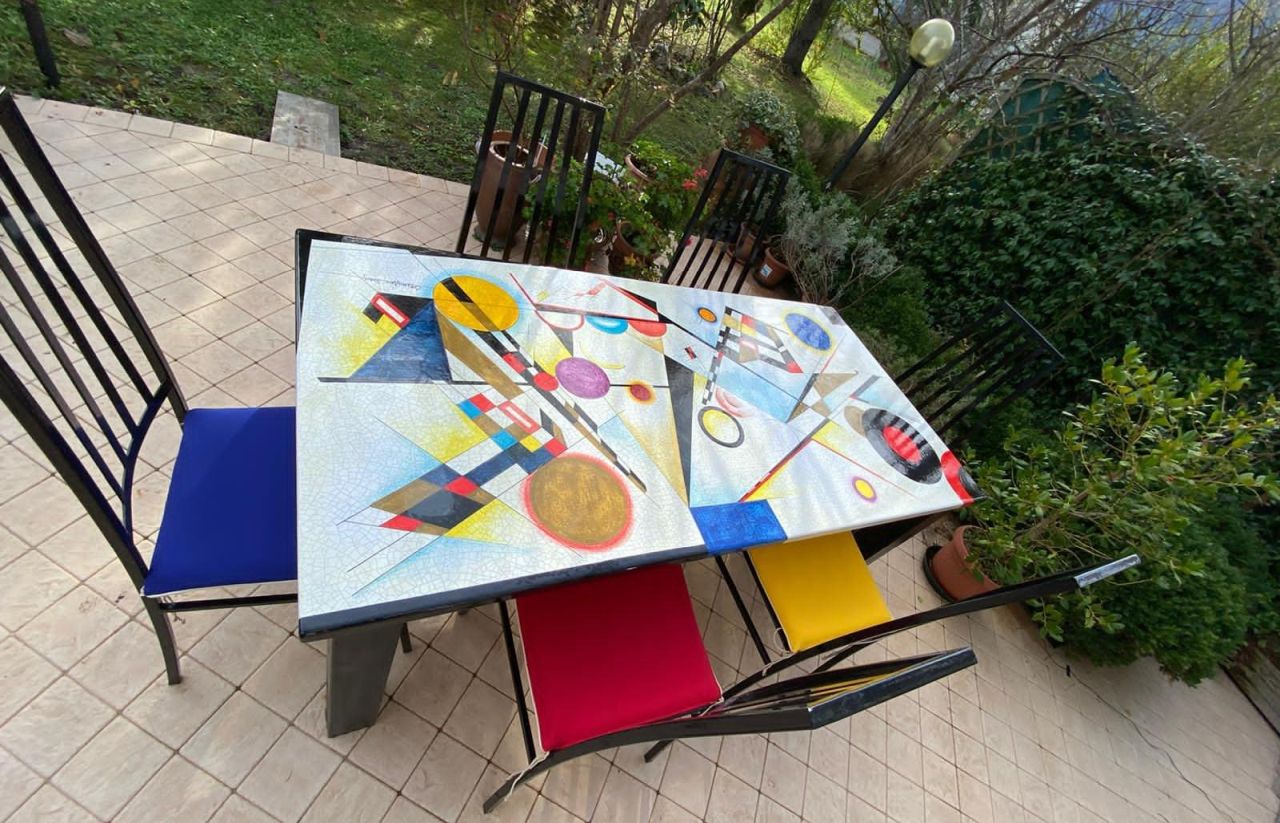
The Italian brand is done exhibiting ceramic-glazed lava stone work surfaces at the event. Through meticulous craftsmanship and innovative design, this elemental material is transformed into decorated tables, which, according to the maker, “represent timeless sophistication.” Every piece carries what the brand calls the “Midas touch: the power to turn simplicity into brilliance and natural strength into lasting beauty.” Glancing at the design, no one could argue that these are breakfast tables that once flowed as molten rock.
Where CeramicArte Deruta transforms volcanic material into surfaces, Ango Lighting channels transformation through light itself. “At Maison&Objet 2026, Ango reflected Past Reveals Future through metamorphosis and mutation: traditional craft reshaped by time, heat, and experimentation,” Angus Hutcheson, CEO of Ango Lighting, told Homecrux. “Nothing is discarded, natural and reclaimed materials are transformed into sculptural light, where winter’s heat becomes energy, memory becomes form, and heritage evolves into contemporary design,” the Hutcheson states.
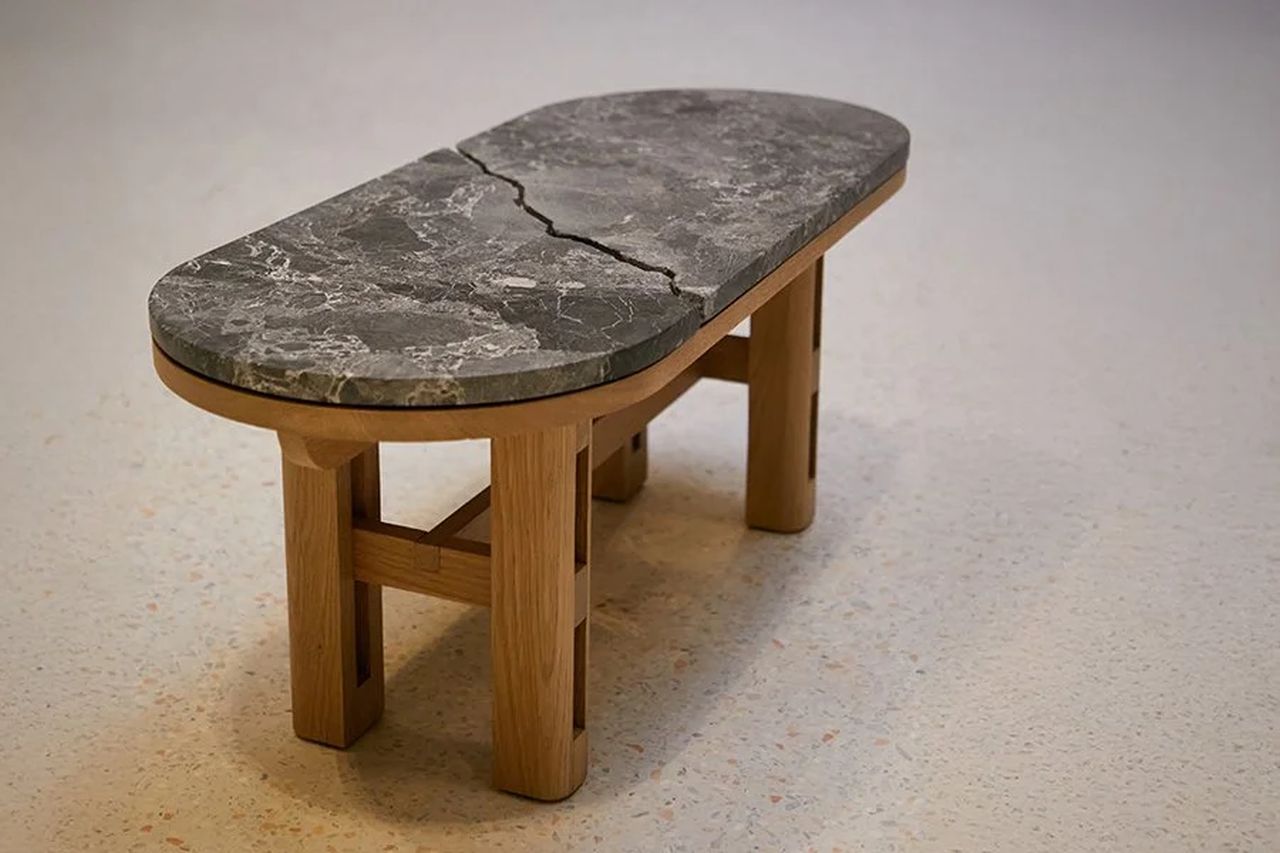
Shifting focus from light to structure, Belgian designer Ariane van Dievoet‘s furniture is crafted from reclaimed stone and local Belgian wood. As per the designer, “this approach embodies the circular design principle that nothing is waste, only materials waiting to be reinvented.” Her creations highlight the beauty of imperfection and transformation, blending technology, craftsmanship, and eco-conscious innovation. Where others see abandoned materials, van Dievoet sees “potential for metamorphosis, luxury born from resurrection rather than extraction, sustainability meeting sophistication in forms that honour their origins while embracing new purpose.”
All in all, if this edition of Maison&Objet has conveyed anything, it is the idea that true luxury is longevity, not newness. True innovation is evolution, not disruption. True sustainability is metamorphosis, not minimalism. In Paris this January, while the city freezes, design is melting, mutating, and being reborn, and so are its philosophies.
The exhibitors have proven that metamorphosis and mutation aren’t mere trends that drove this year’s edition; they are philosophies that will shape the future of Maison&Objet, home décor, and the design world as a whole.
Special thanks to Vaishali Sharma, Outreach Manager, Homecrux, for helping me gather insights for this story!
Follow Homecrux on Google News!