You can swing by the CES floors every year, and it will never cease to amaze you. In the last couple of years, the event in Vegas has been about TVs and AI-integration; this time, the trend is undeniably in favour of robots getting bodies and human-like dexterity. Amid the humanoids from LG and the wheeled robots from SwitchBot, ROBOTERA bots are going to have a unique advantage.
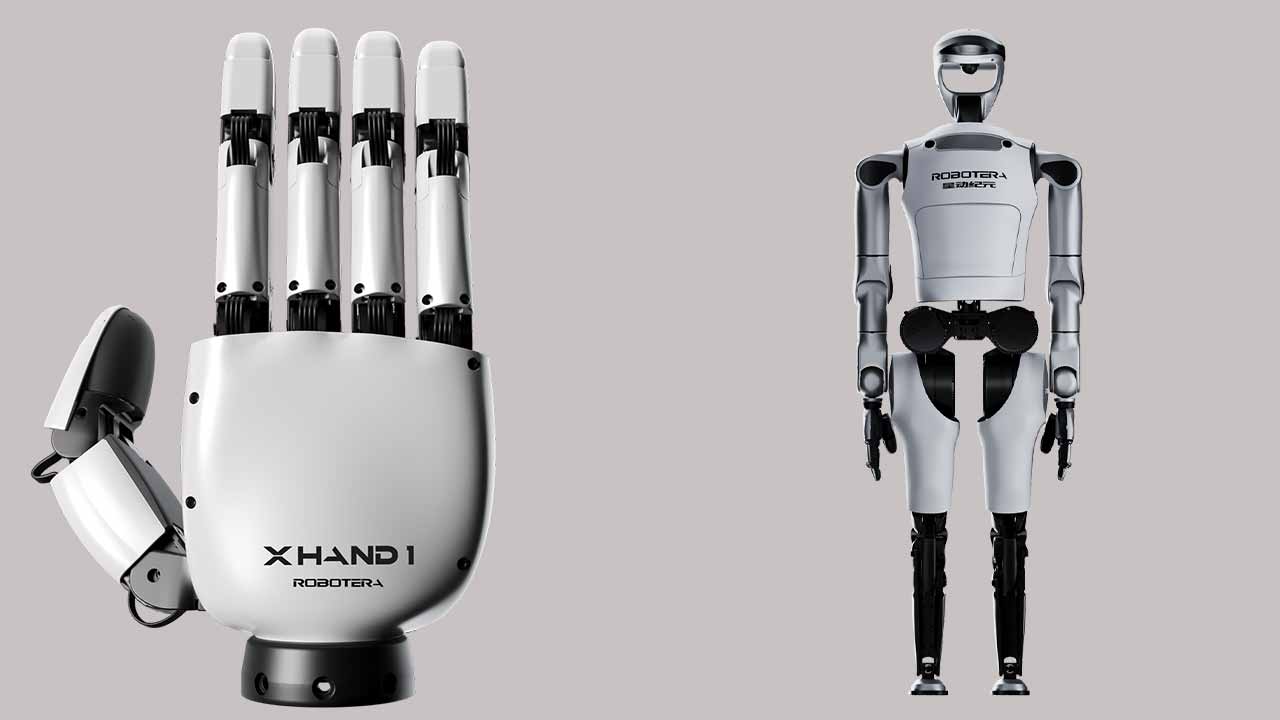
ROBOTERA’s robots and dexterous hand unveiled at CES 2026, the company notes, “are equipped with direct-drive joints, designed with ‘AI algorithm friendliness’ in mind, making them ideal for research and high-intensity industrial applications.” So, the difference begins there. But the convenience and the basic idea of innovation in robotics remain aligned.
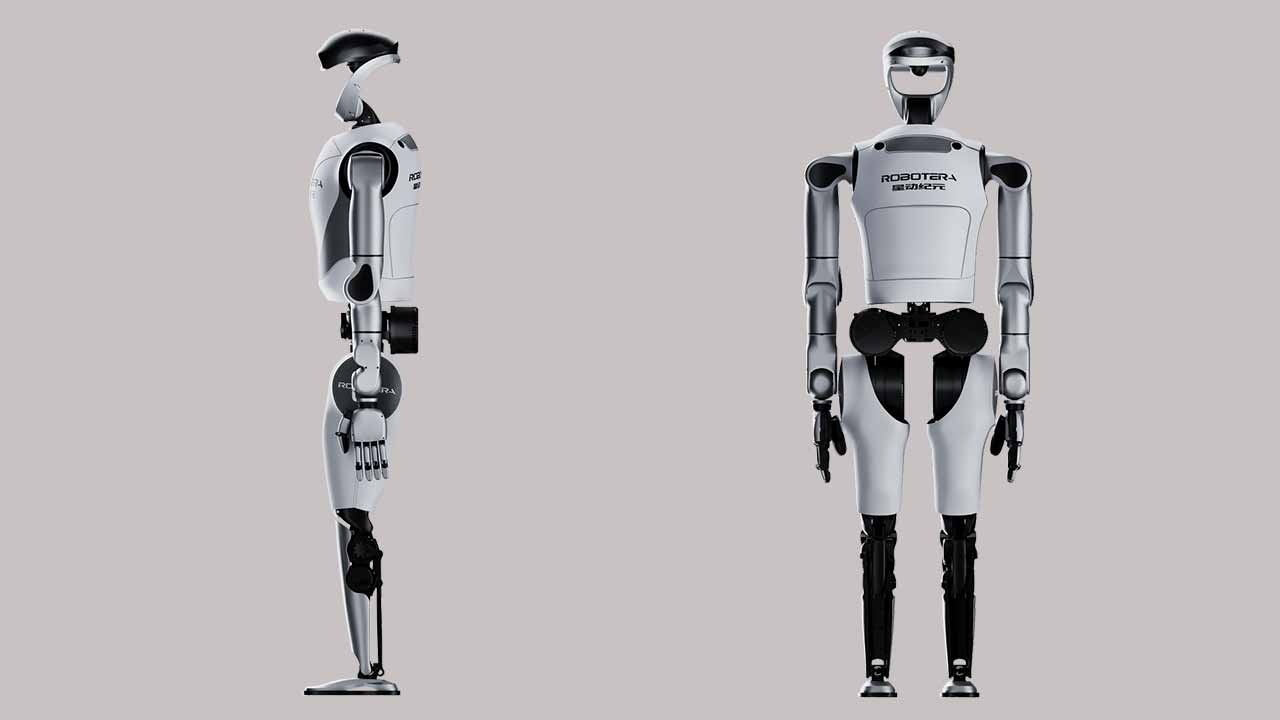
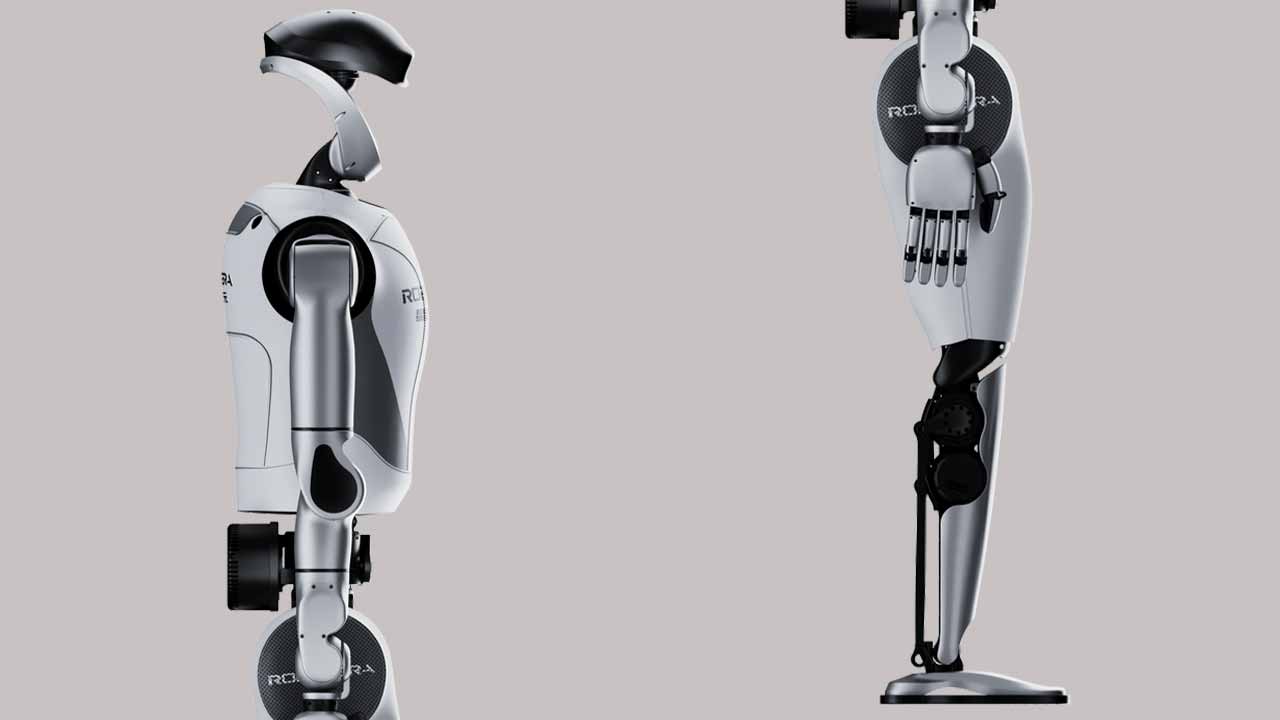
CES is going to be full of robots that look impressive but face huge challenges in the real world. ROBOTERA is aiming to change that with the new L7. This is a full-grown humanoid roughly as tall as a human, measuring 171 cm. The bipedal robot walks like us and has two arms, making it apt for real-world chores in logistics environments and warehouses, where moving and lifting objects is an everyday job that requires manual labor.
ROBOTERA L7 can carry up to 20 kg with both arms, and this ability is enhanced by 12 points of movement that let it bend, twist, and mimic humans. L7 may not be ready to replace humans just yet, but the 70kg robot can run faster than many of us. ROBOTERA says L7 can reach speeds of up to 4 m/s in outdoor environments, substantiating its stability and agility.
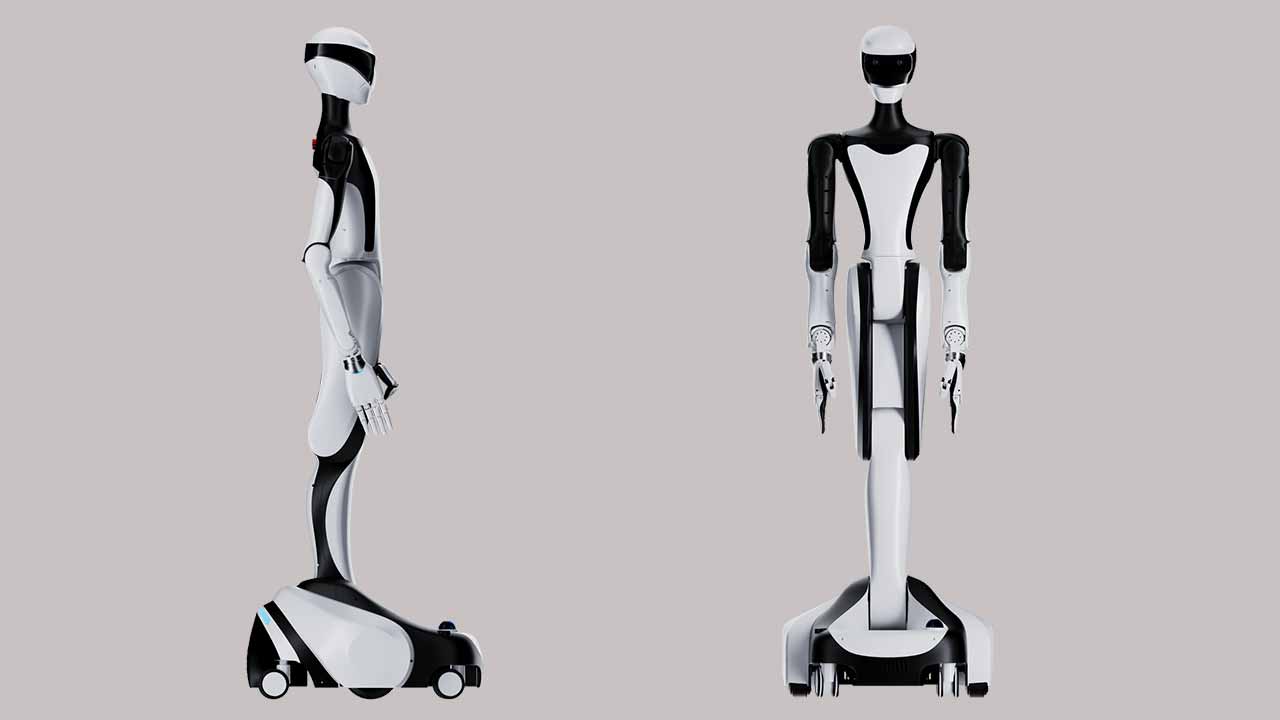
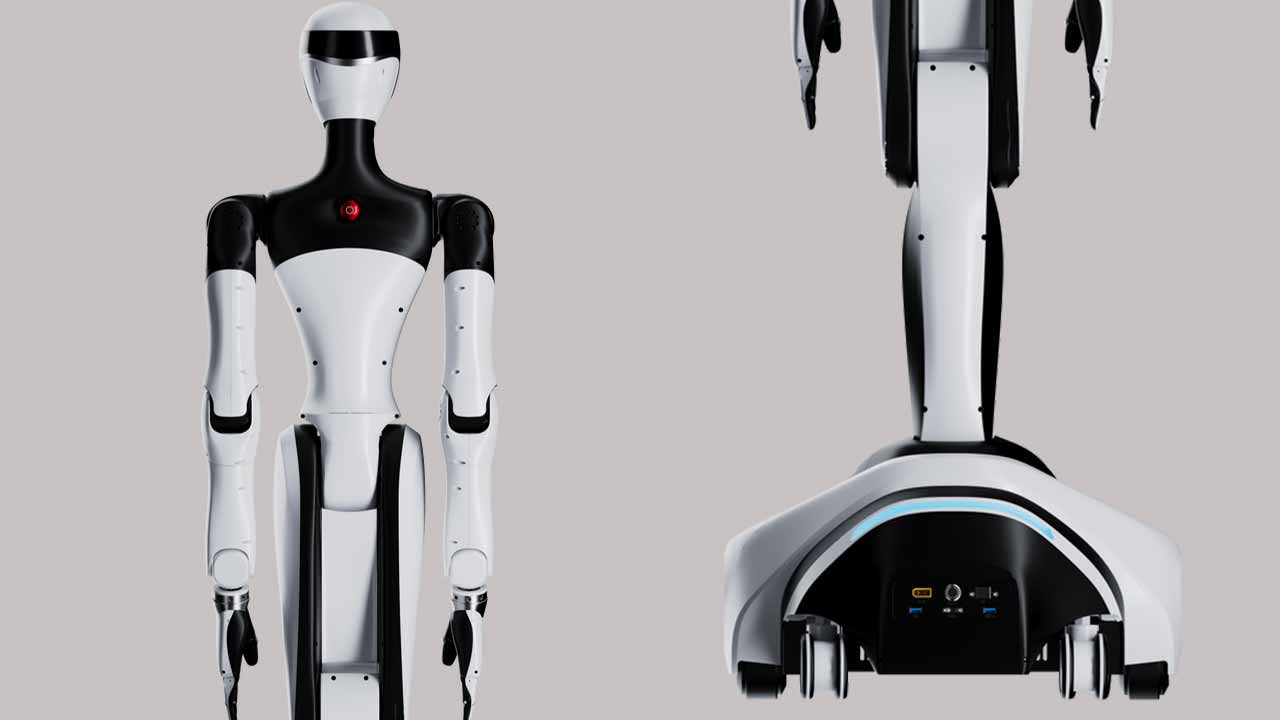
On show alongside the L7 is the Q5. This bot doesn’t have legs; instead is a smaller-sized wheeled humanoid that can move around independently and use gestures to interact socially. ROBOTERA Q5 features 44 DoF across the body, and is positioned by the company to fit roles like a receptionist or service assistant. Interestingly, it can squat to pick up things, twist its waist, shake hands, and lift objects up to 10 kg with its 7-axis bionic arms, which opens it up for a lot of other applications, including educational companionship, home assistance, and more.
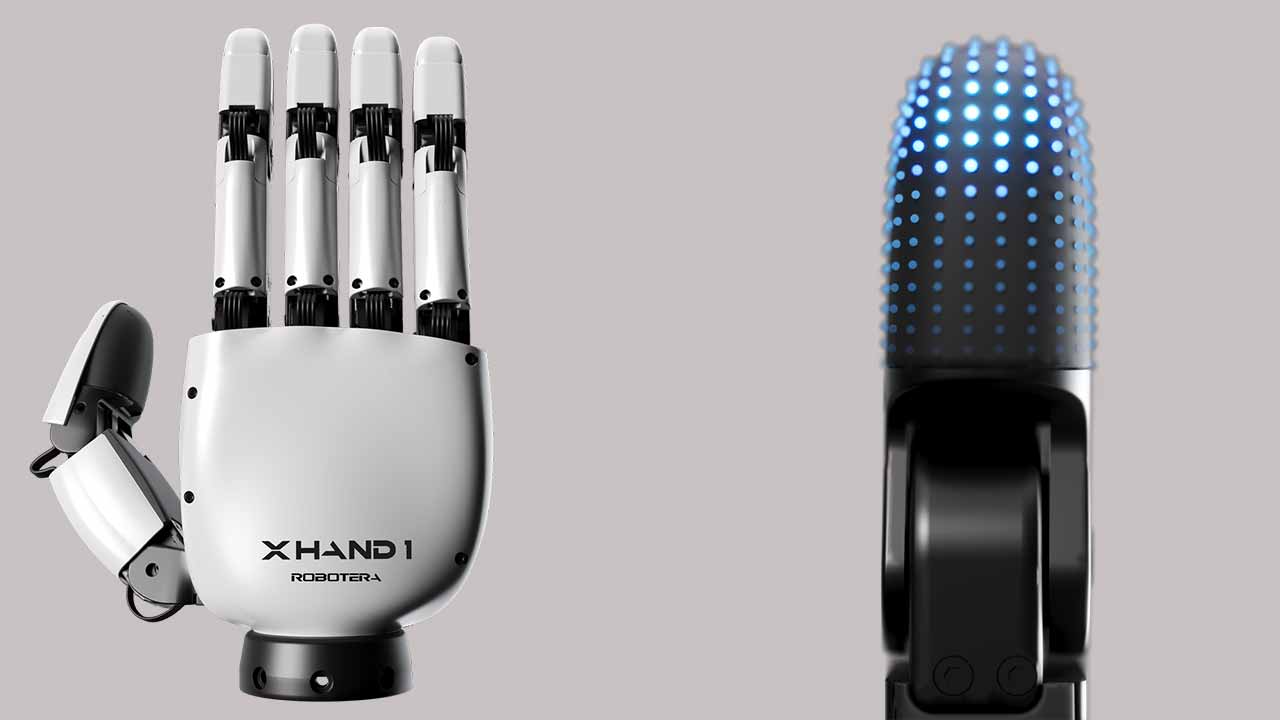
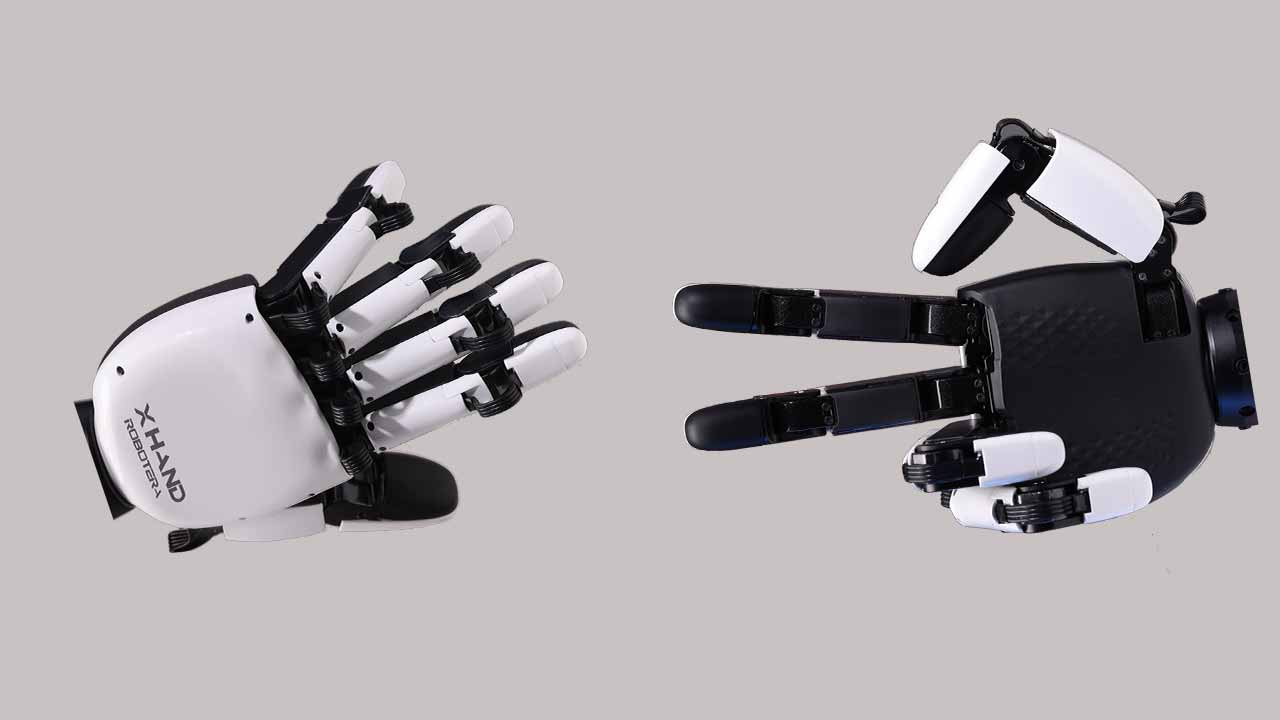
Wheeled humanoids and bipedal robots are going to be flooding CES floors, so ROBOTERA has some competition there, but its XHAND1 is going to be downright different. The standalone human-size robotic hand with five fingers is built with direct-drive joints for precise control. This allows the hand to grip and lift up to 25 kg, and react and manipulate objects quickly. It’s already being used by research labs and other robotics companies, which gives it more credibility than many CES newcomers.
The released ROBOTERA robots aren’t friendly home assistants yet. But if robots are ever going to load dishwashers, fold laundry, or help homeowners with their daily chores, their dexterity will be more important than speed or power, and these robots are definitely aligned with that future.
Follow Homecrux on Google News!