No product in the history of mankind has seen as many design iterations as a chair has. The conversation harks back to the medieval period, when a chair was more associated with nobility and royalty before gradually becoming a common man’s furnishing. The Greeks nudged it toward something more democratic with the klismos. The Renaissance dressed it in ornate upholstery. Michael Thonet mass-produced it for the ordinary person. IKEA made it modern and accessible. Each era left its mark, with its own reiteration of a simple piece of furniture meant for seating.
Over the years, there has been a desire for chairs to be more than functional. Tracing the history of ergonomic chairs, we found that it was in the 1970s and 1980s, when office work was on the rise, that the whole debate about what’s ergonomic and not commenced. A result of this was the Ergon chair, designed by Bill Stumpf for Herman Miller. But as the world progressed, a chair became woven into our societal fabric, and that is apparently when things changed to a greater degree.
As society grew and expanded, so did the need and desire for better chairs. A chair that is not a bane to one’s back, places less burden on the environment, and offers emotional durability. A chair that is more than a chair! But what wrong did the chairs of the past do that the demand for them to be replaced with new designs and materials emerged? More specifically, what problems are modern chairs solving that older ones didn’t?
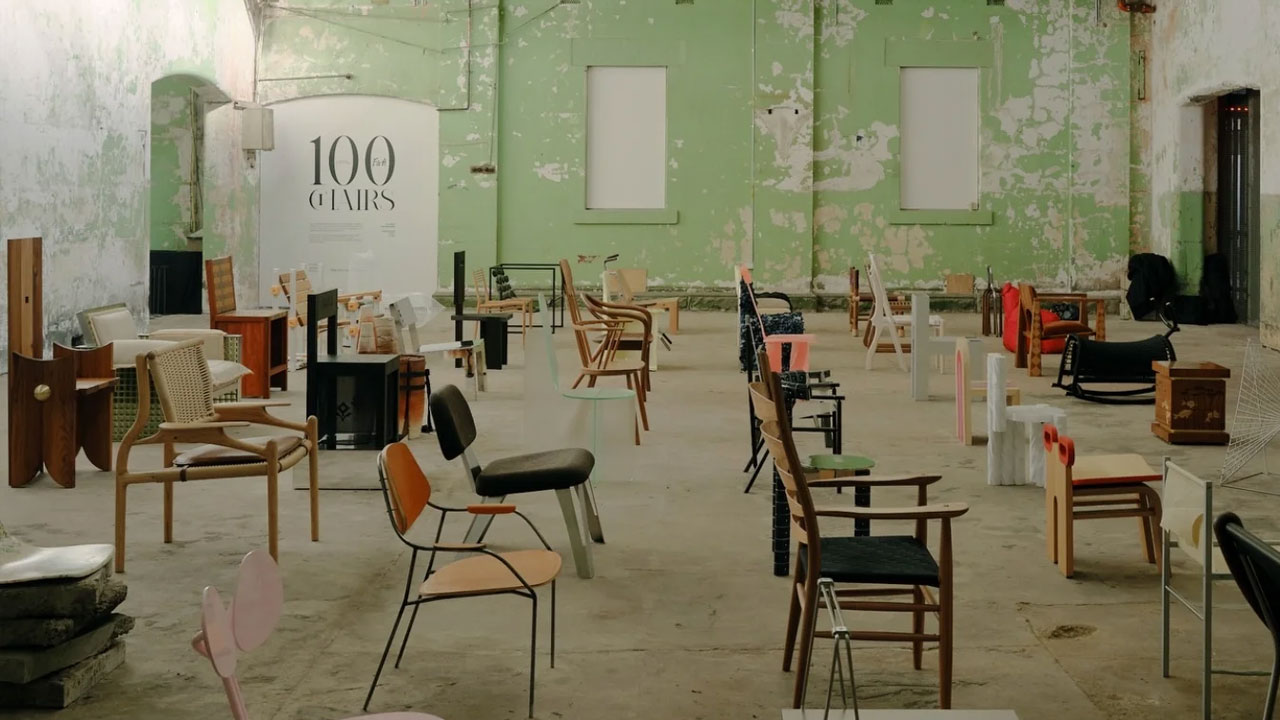
We try to decipher answers to these questions at the recently concluded Melbourne Design Week, where 100 designers came together to showcase the “100 Chairs” exhibition, a premium event of the MDW every year, as part of the “100” chronology.
Australian designer Patrick Adeney, who exhibited at MDW, starts the conversation around how we actually live today. “A chair today should solve the problem of being different things to different people in the home at different times,” he tells Homecrux. “Especially as we are living in smaller homes and apartments than we did 20 years ago. That compression of space changes the demands we put on furniture,” he states.
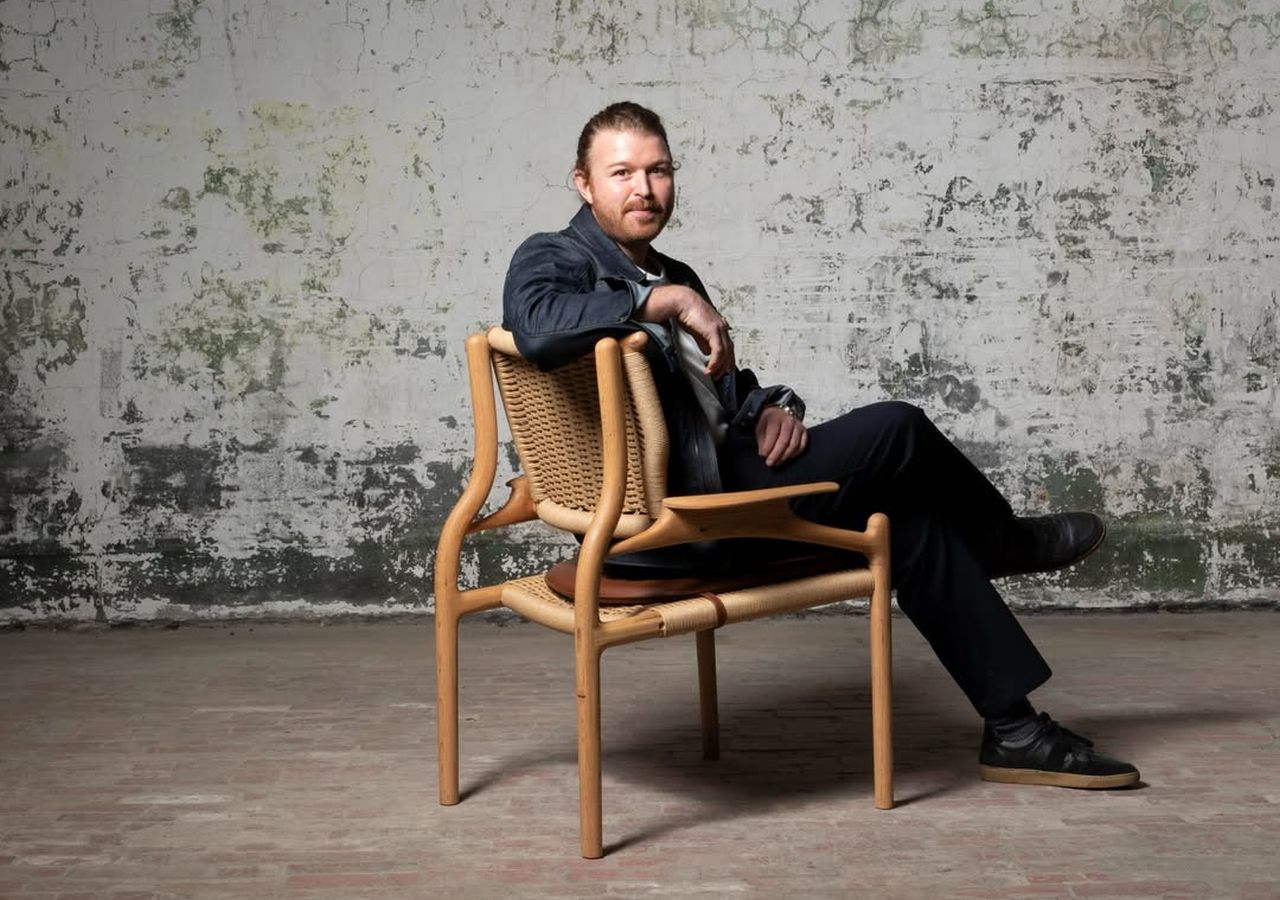
Adeney sees sustainability, local manufacturing, emotional durability, and shifting living habits as other factors driving the change. “All four factors exist in a kind of loop that marries good design and execution with consumer adoration and care, which drives this loop forward, carrying the furniture into future generations. The ambition isn’t just to make something that lasts. It’s to make something people actually want to keep,” he adds.
Several designers convey the idea of emotional attachment at the exhibition. Anne-Claire Petre, who exhibited the Sedis Reimagined chair at the event, states, “Fundamentally, our use of chairs has changed little in the last 20 years, but awareness around them has evolved. Comfort and durability remain essential, yet there is growing consideration of how and where furniture is made.” Petre further stresses that “Equally important is creating pieces people value enough to keep and look after.” If Petre’s word makes any sense, it is that the shift isn’t in how we sit. It’s in what we think about while we’re sitting.
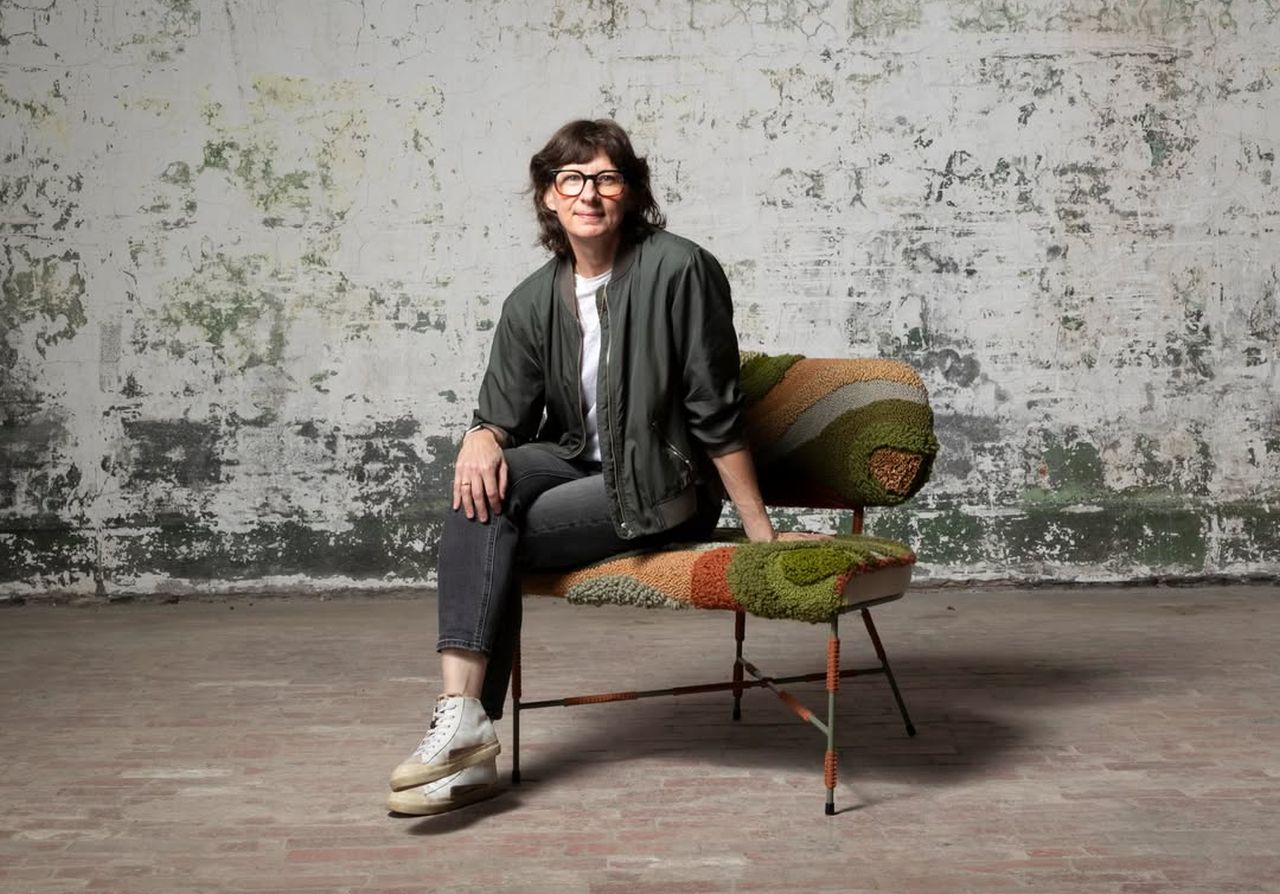
Another Australian designer at the 100 Chairs exhibition, Douglas Powell, makes a similar observation. Powell tells Homecrux, “Chairs today don’t solve a different physical problem than they did 20 years ago. They still support the body. What’s changed is the expectation around the object.” Powell further explains this, stating, “People now care more about where something was made, who made it, how long it will last, and whether it holds emotional value beyond function.”
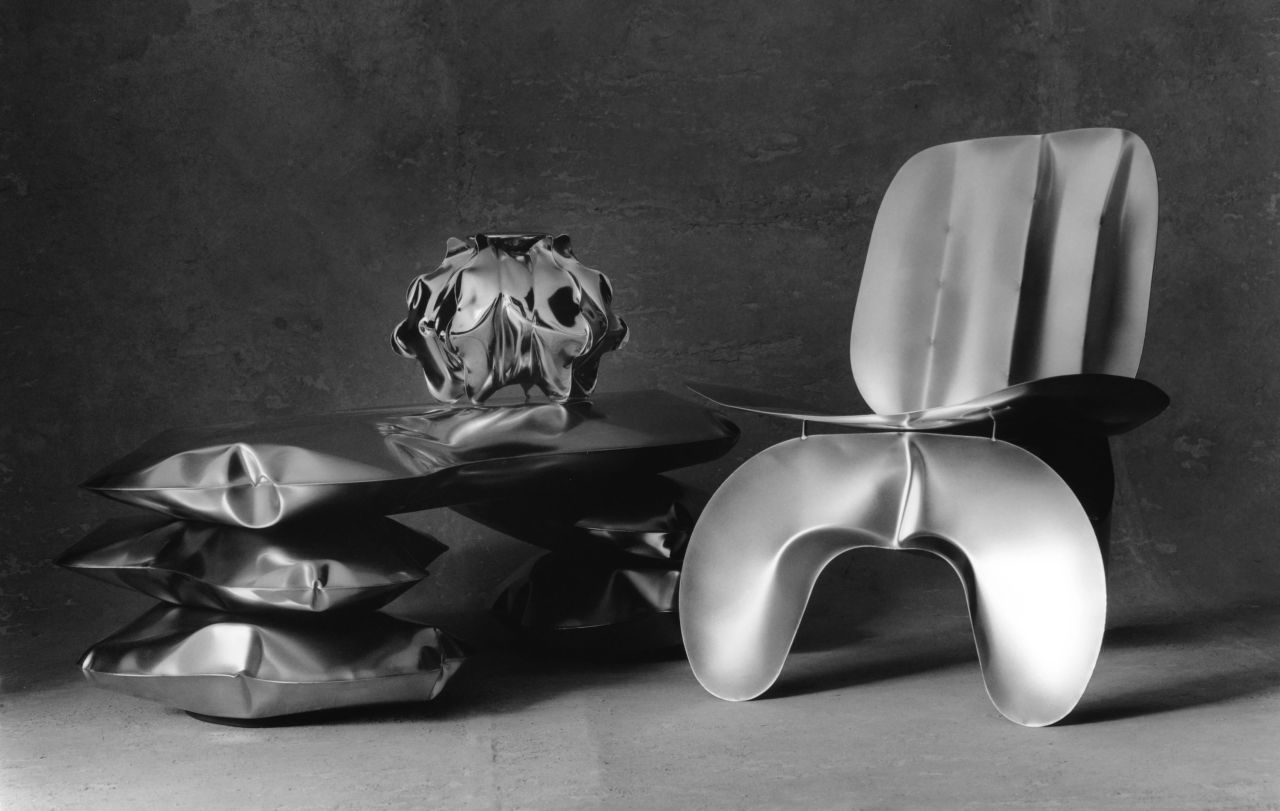
For Powell, that leads directly back to craft. “Making something properly is the most sustainable approach. Objects that are well-made, repairable, and emotionally valued stay in people’s lives longer,” he adds. He goes further on local manufacturing, stressing, “It changes the nature of the relationship between people and their furniture.” When something is made by a remembered hand, people care about it differently. Furniture shouldn’t behave like fast fashion,” he adds.
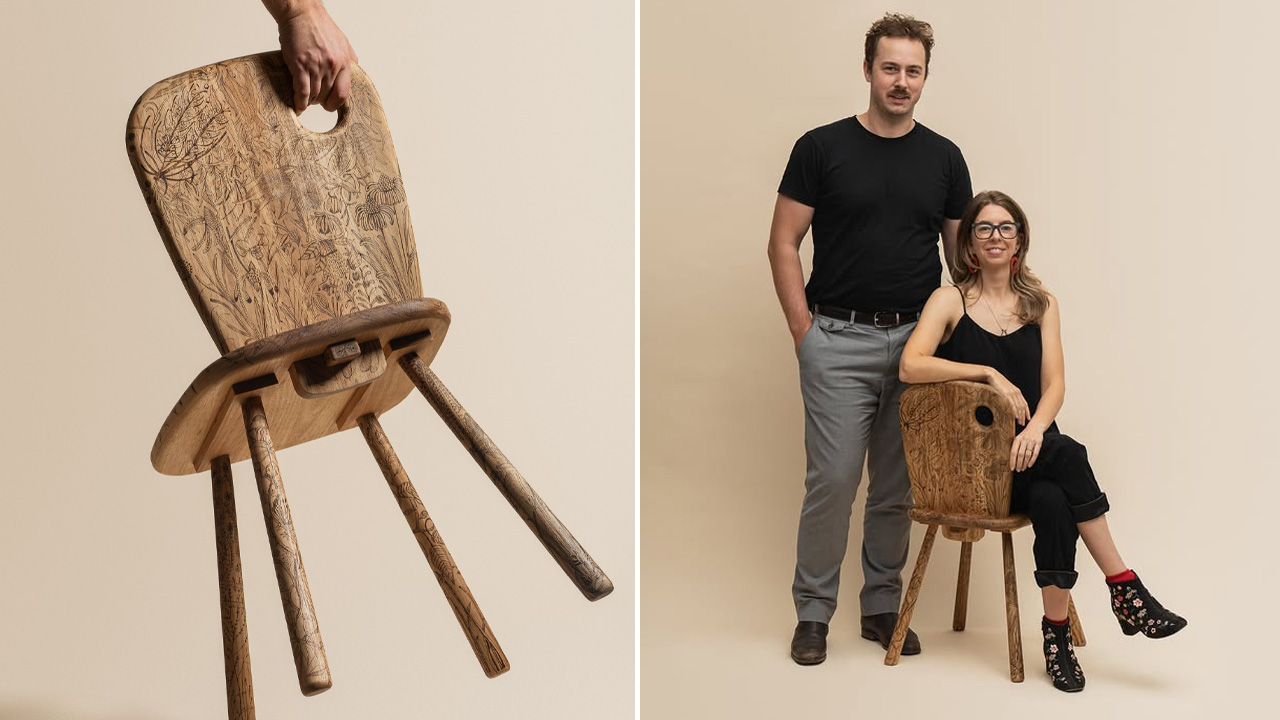
Not every chair at the exhibition is trying to solve a contemporary problem, though. Alexandra Hirst’s Elsewhere chair takes a different route, one rooted in revisiting rather than reinventing.
“Elsewhere, chair was to build on a chair typology that has been around for hundreds of years, the Tyrolean folk chair or brettstuhl, and repurpose it in our own context, place, and practices in Australia,” she explains. The design is small, lightweight, and fitted with a grab handle, making it easy to carry from room to room. Hirst is clear that none of these features is unique in isolation, but together they speak to something true about how we form attachments to objects. The things we carry with us make a home.
Melbourne-based outdoor furniture brand Tait has been asking the durability question for over three decades. Founded in 1992 by Gordon and Susan Tait after they identified a gap in well-designed outdoor furniture that could actually stand up to Australia’s harsh climate, the brand has held its ground on local production and longevity ever since. “Decades on, the challenge of producing locally and sustainably is even more important. Tait proudly continues to design pieces that can be refurbished, are made in Melbourne, and offer a timeless quality.”
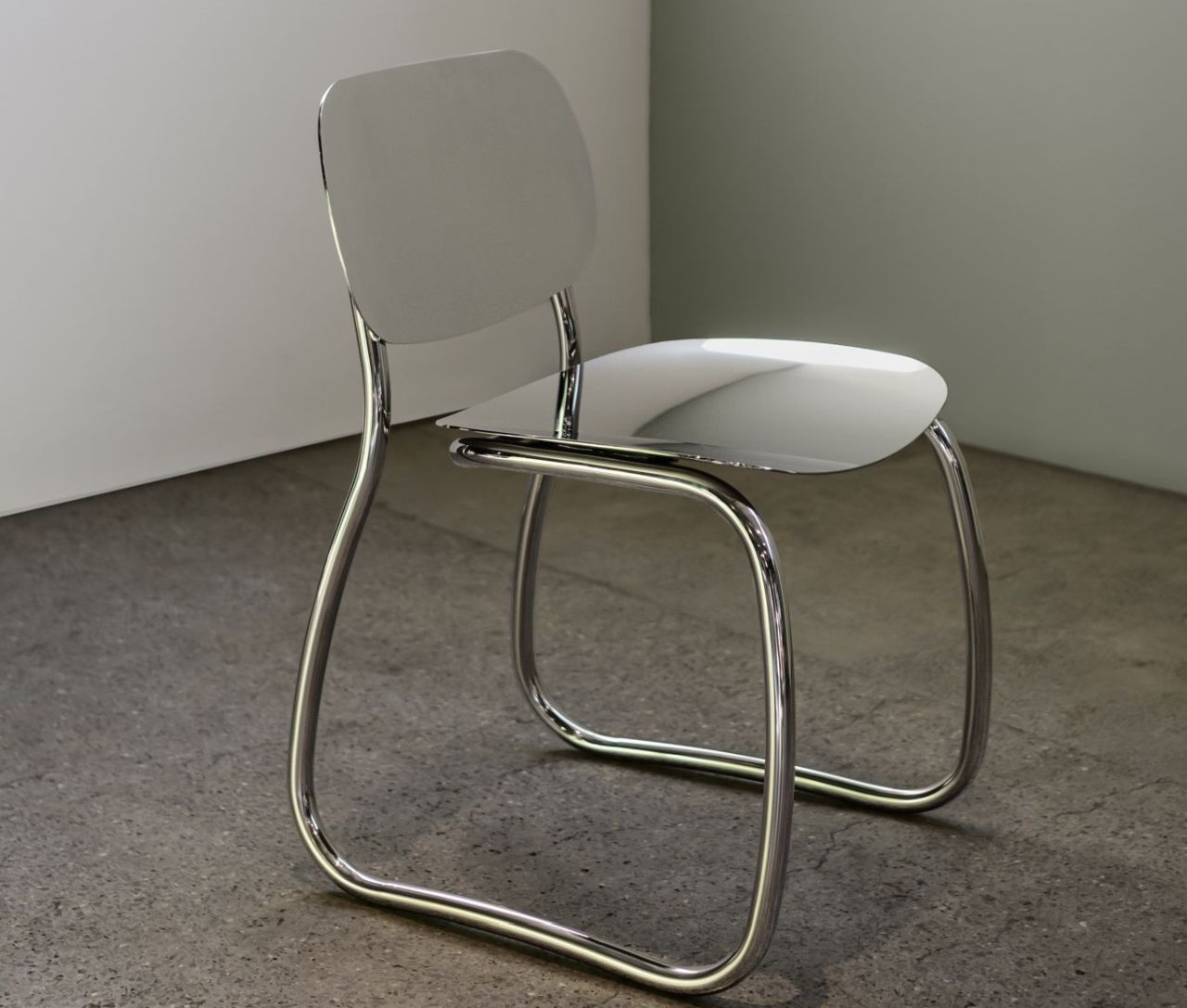
What the 100 Chairs exhibition ultimately surfaces is something the 5,000-year history of the chair has always been telling us. It is the philosophy that this object has never just been about sitting. In ancient Egypt, it announced your rank. In medieval courts, it gave you authority. In the hands of the Eameses, it said modern design could be beautiful and accessible at once. And now, in Melbourne Design Week 2026, a hundred designers made the case that a chair can hold memory, express care, carry culture, and outlast the people who made it. That is, if we let it.
Follow Homecrux on Google News!