Most of the camper trailers we’ve covered on Homecrux have come from RV companies based in Australia and the US. However, one nation not only challenging the manufacturing prowess of the US and Down Under but surpassing their levels of quality and build is South Africa. With models like the Ingane, Naledi, and Invader Duo X, South African trailer manufacturers are giving US and Australian-made trailers a real run for their money.
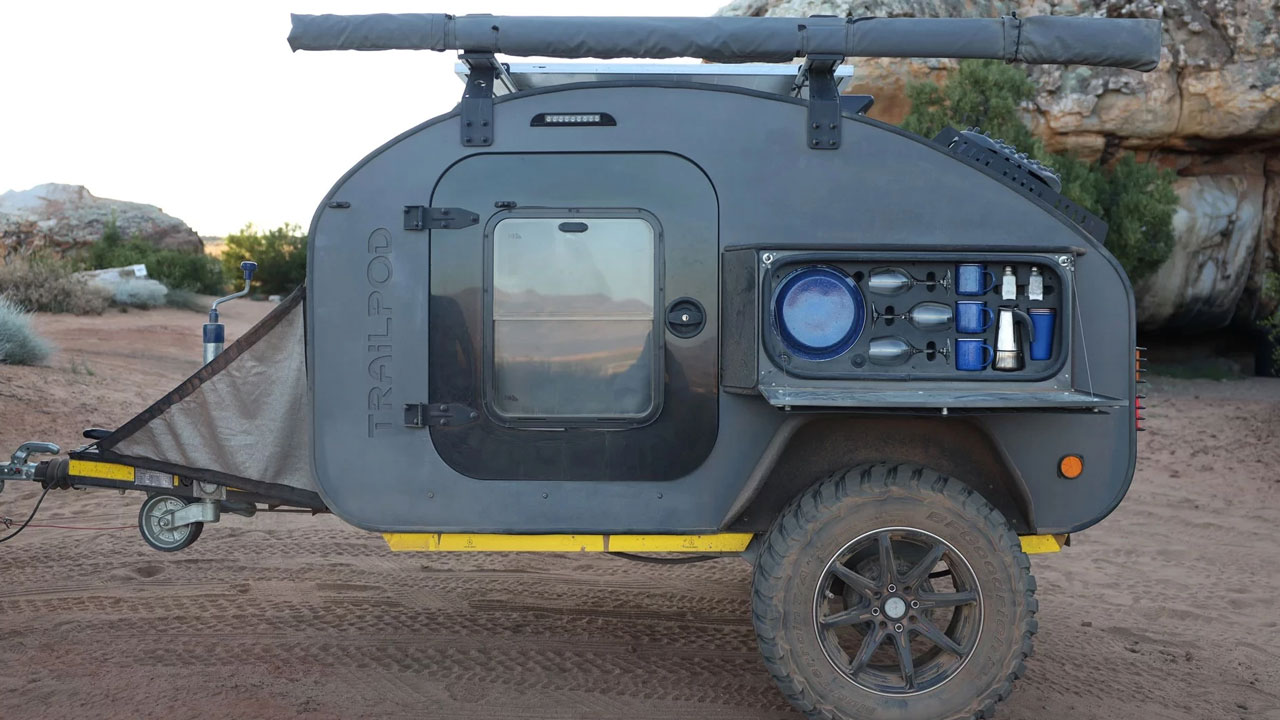
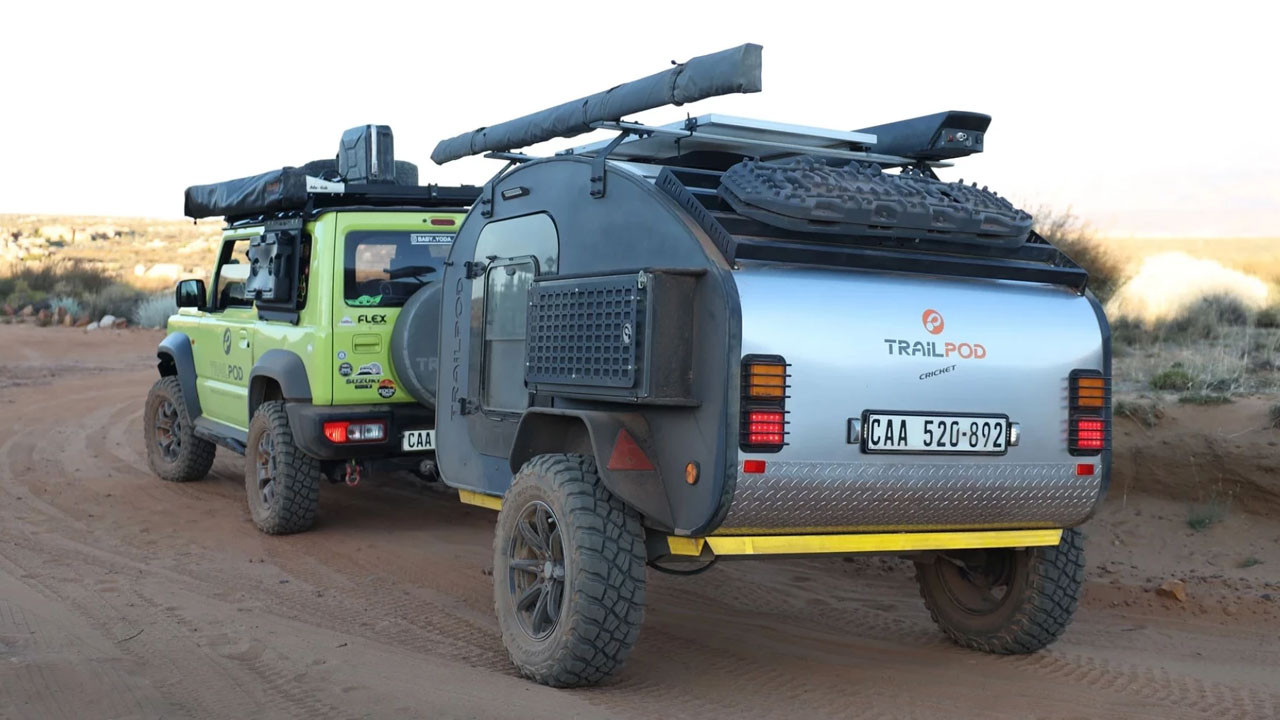
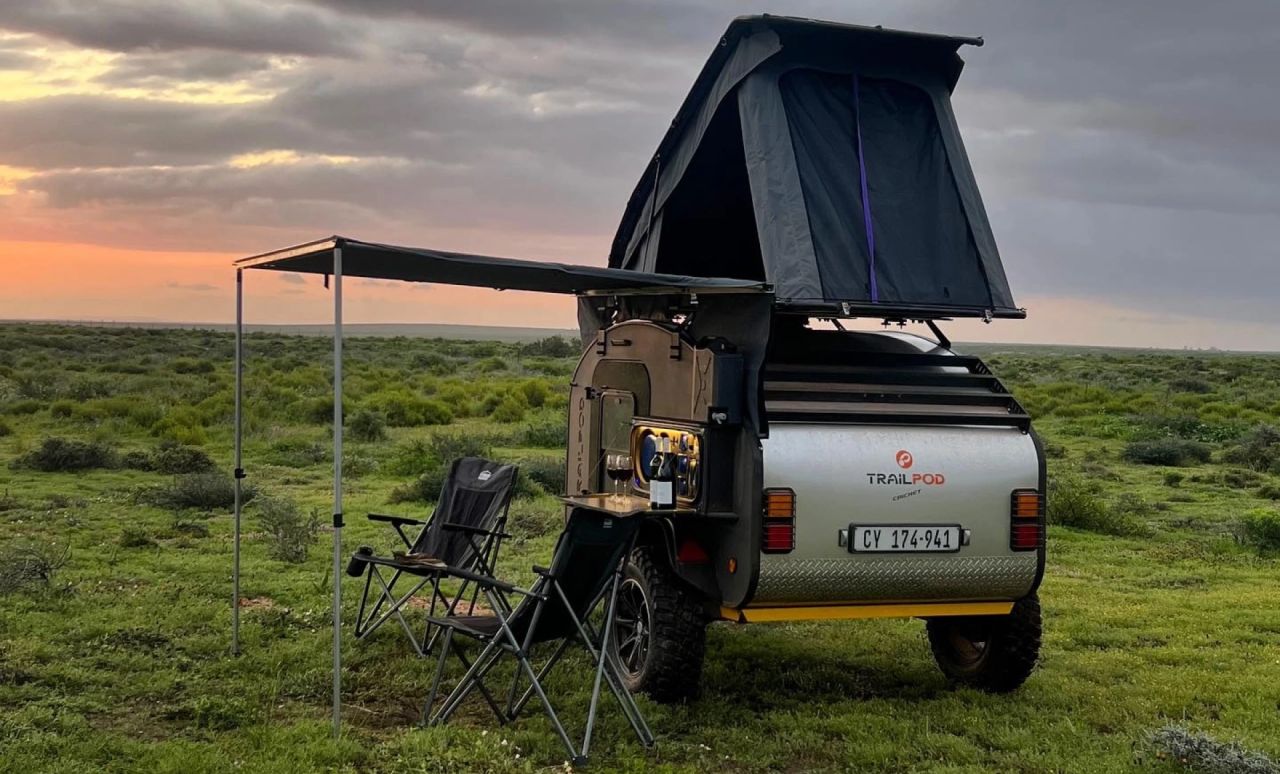
One such example is Cape Town-based RV manufacturer Trailpod. The company has been garnering attention lately thanks to its latest camper trailer, also called the Trailpod, which it describes as “an off-road-ready teardrop camping trailer that combines classic design with modern durability.”
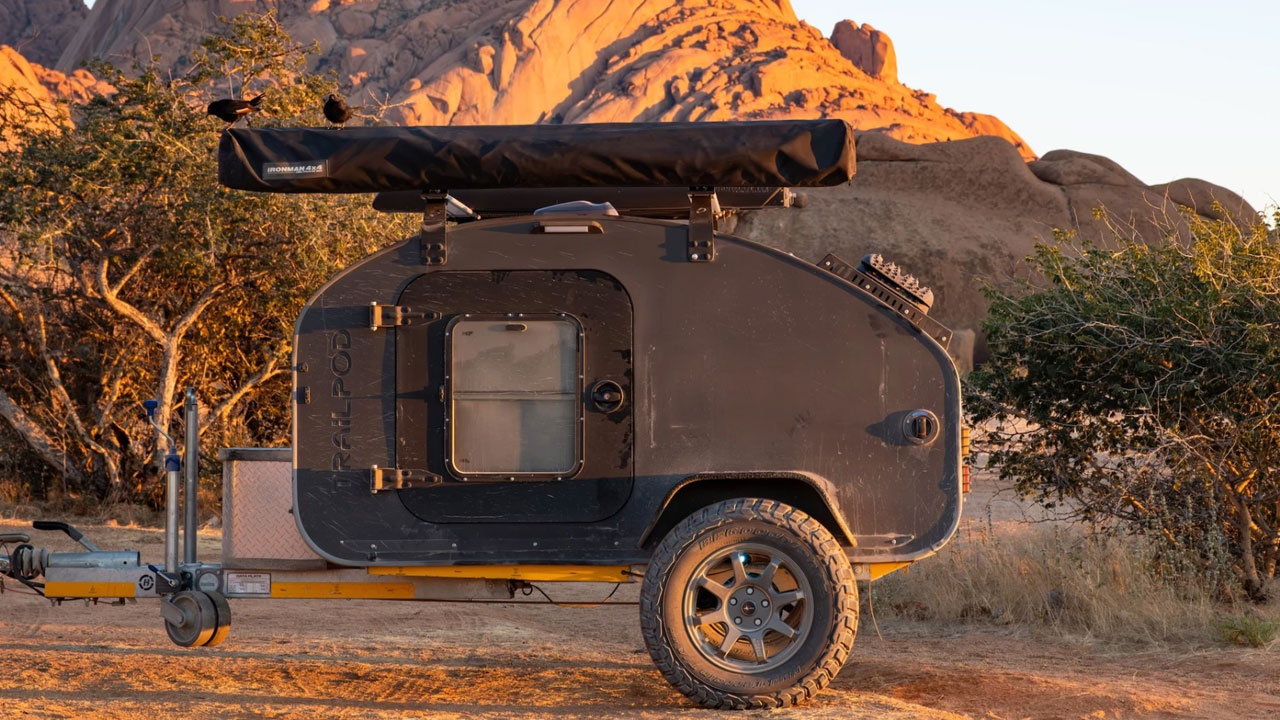
First spotted by New Atlas, this teardrop trailer boasts a classic teardrop shape, reminiscent of the old-school trailers popular in the last decade before they got overshadowed by squaredrop versions and high-end RVs. Nevertheless, the Trailpod Cricket revives the simplicity of early 2010s teardrop trailers while addressing common issues such as rot, mold, and weight creep found in many contemporary models.
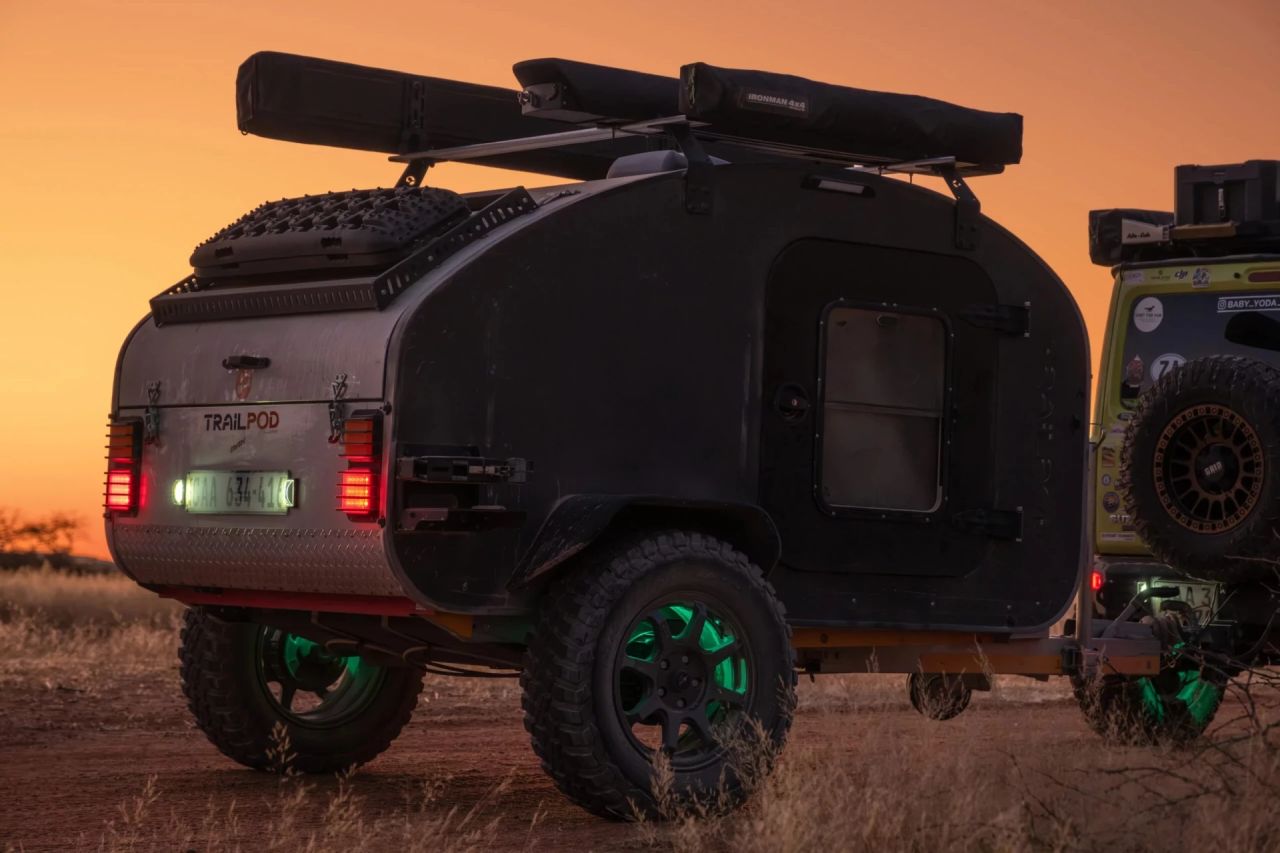
The trailer measures 11.5 feet long, making it one of the shorter options available and easy to tow behind smaller vehicles. “We have used rigid recyclable foam composite panels with a tough laminate finish on the inside and thin aluminium cladding on the outside,” the manufacturer explains. Notably, no wood or fiberglass is used in the body structure, though the makers have opted for “top-quality Baltic plywood for interior cupboards to create a warm, homely feeling.”
The Trailpod lineup includes three main variants: Lite, Cricket, and Max. We’ll discuss all three together here. The base Lite model weighs as little as 925 lbs in its narrow-body, non-braked configuration, with the wide-body option adding about 55 lbs. Higher-spec models range up to over 1,213 lbs. “All versions feature a galvanized off-road chassis, all-terrain 195/80 R15 tires, and customizable suspension,” the maker notes.
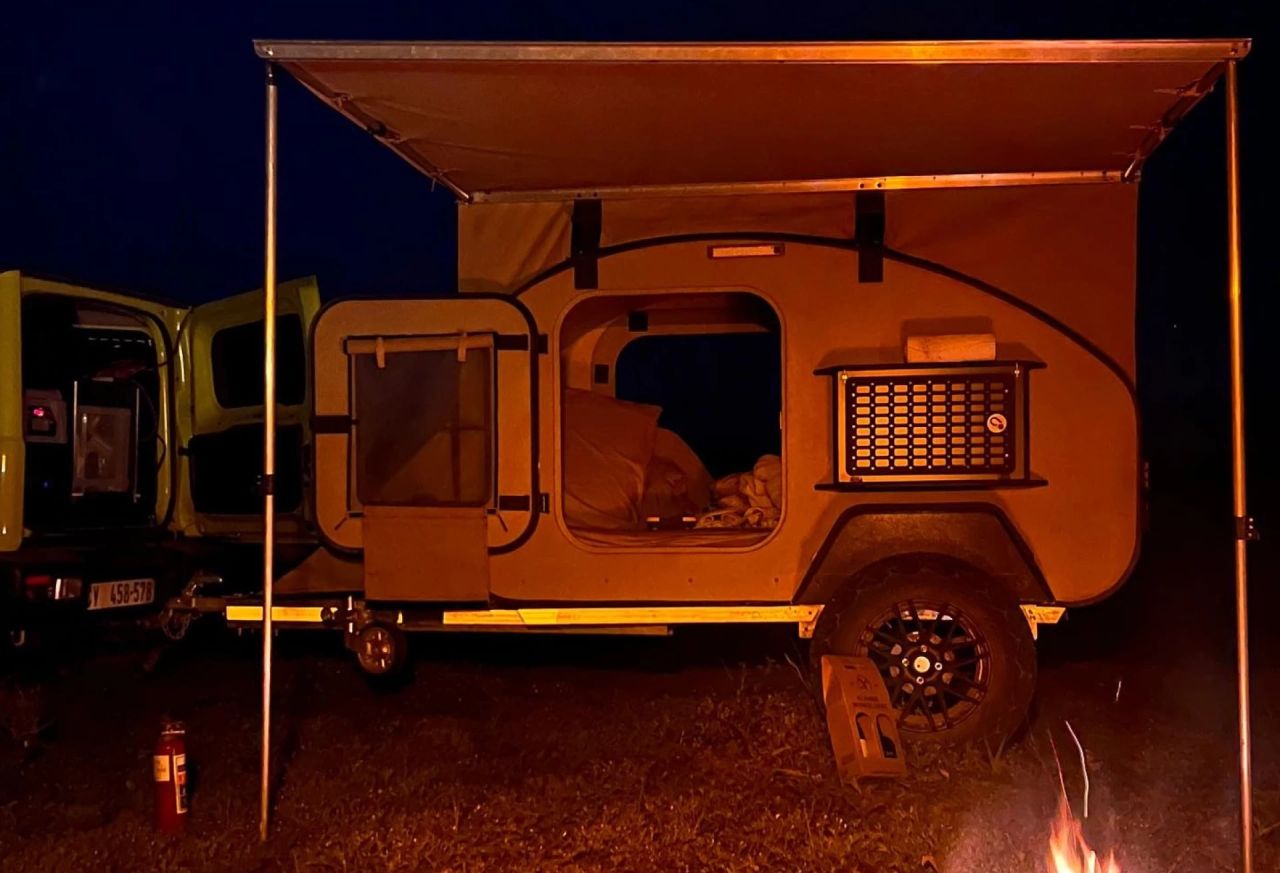
As mentioned earlier, one of the trailer’s biggest selling points is its zero-wood construction. This results in an aluminium-skinned composite body built from foam-core panels that eliminate traditional wood-related deterioration. This brings us to entry points and interior amenities. The Lite version features a single door, along with a window that includes a mosquito screen and blackout shade. Not to mention a roof vent, double mattress, suitcase shelf, two rechargeable lights, and roof rails.
Also Read: Solar-Powered Honda Trailer With Pop-Up Roof Promises to be the Next Big Thing in RVs
The upgraded versions (Cricket and Max) include two doors and an array of additional features, such as a 100-Ah lithium battery, side-mounted mini-kitchen box, solar charger, internal cupboards, and more interior/exterior lighting. As is standard with customizable trailers, the more you pay, the better the options you get.
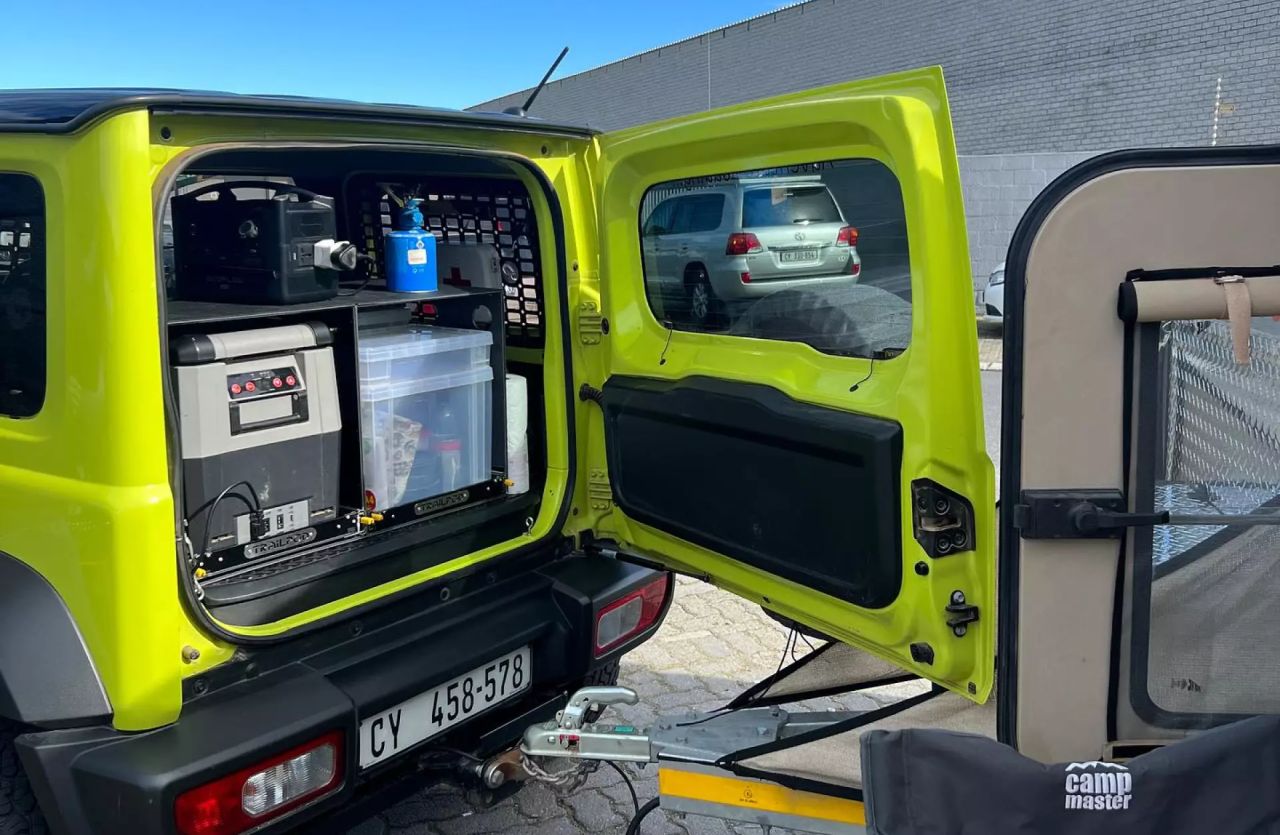
Each variant sleeps a couple, though the upgraded models offer an optional child bunk. The trailer also includes an optional exterior galley on premium models (such as fold-down counters and storage on the Max). Cooking and refrigeration gear is typically stored in the tow vehicle rather than the trailer itself. The three versions, Lite, Cricket, and Max, range from $11,650 to $15,825 for the Max, positioning it as an accessible entry point into serious off-road camping compared to pricier, feature-heavy alternatives that can exceed $30,000.
Follow Homecrux on Google News!