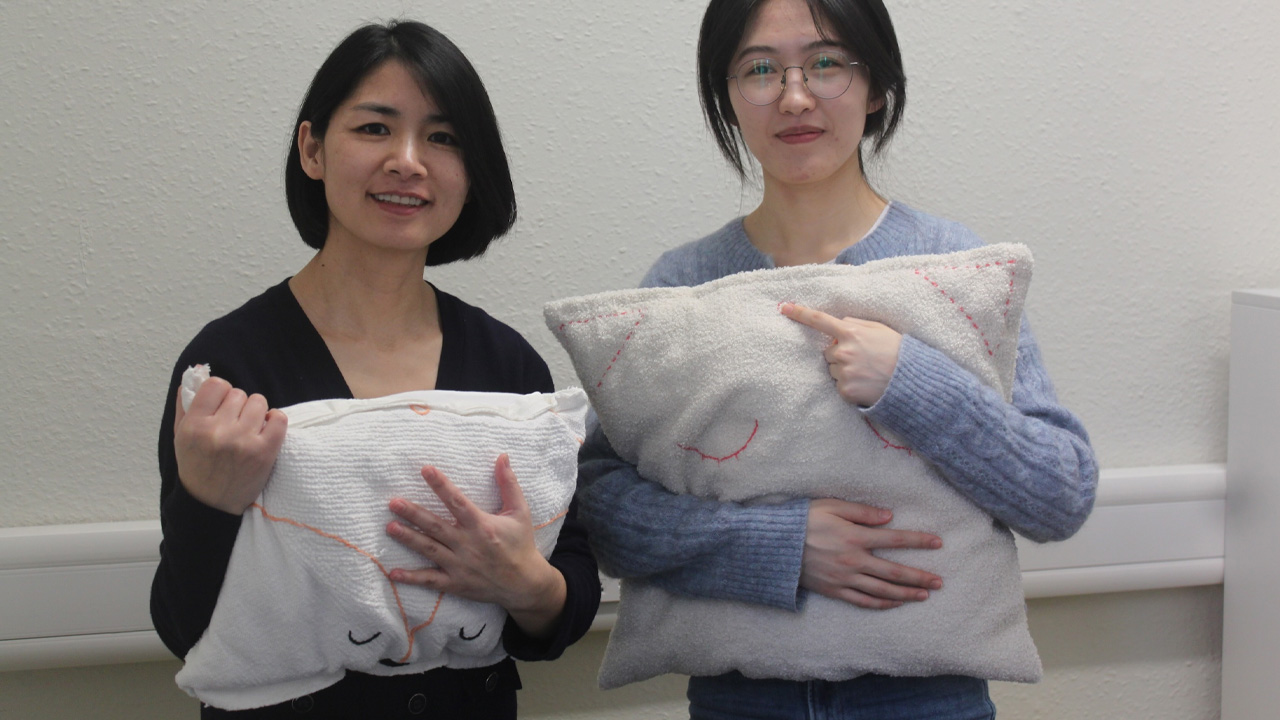
Squeeze toys that make sounds are popular among kids thanks to their tactile stimulation, and even adults find them to be stress relievers. Building on a similar idea, a team of computing scientists at the University of Glasgow has applied the same concept to eliminate doomscrolling on smartphones before bed. They have built a smart pillow that lets you access digital music at bedtime without looking at your phone screen. You only have to touch, press, and even hug the pillow to control the music playback.
Its inventors have creatively integrated a speaker and tactile sensors into a standard pillow. When you want to listen to calming music, a podcast, or an audiobook, you do not have to open your eyes. This pillow lets you control music with simple presses. It helps you drift to sleep more easily while still enjoying the benefits of late-night smartphone use.
The team led by Dr. Xianghua ‘Sharon’ Ding, of the University of Glasgow’s School of Computing Science, has developed the prototype device. Dr. Ding sees smartphone use as important for emotional support, while acknowledging its negative impacts on sleep quality. They wanted to explore whether the “familiar and comforting form of a pillow can be used to harness the positive benefits of night-time smartphone use while cutting out the potential harms.”
The project started with building the pillow’s companion app, which is used to choose what you want to listen to at bedtime from the likes of music, news, and audiobooks. Initially, the pillow had just two basic functions based on the hugging motion. It included a tactile sensor that lets you turn the speaker on with a hug, and turn it off again with the same motion.
Also Read: LumiSleep Brings Cutting-Edge Sleep Science to Your Bedroom
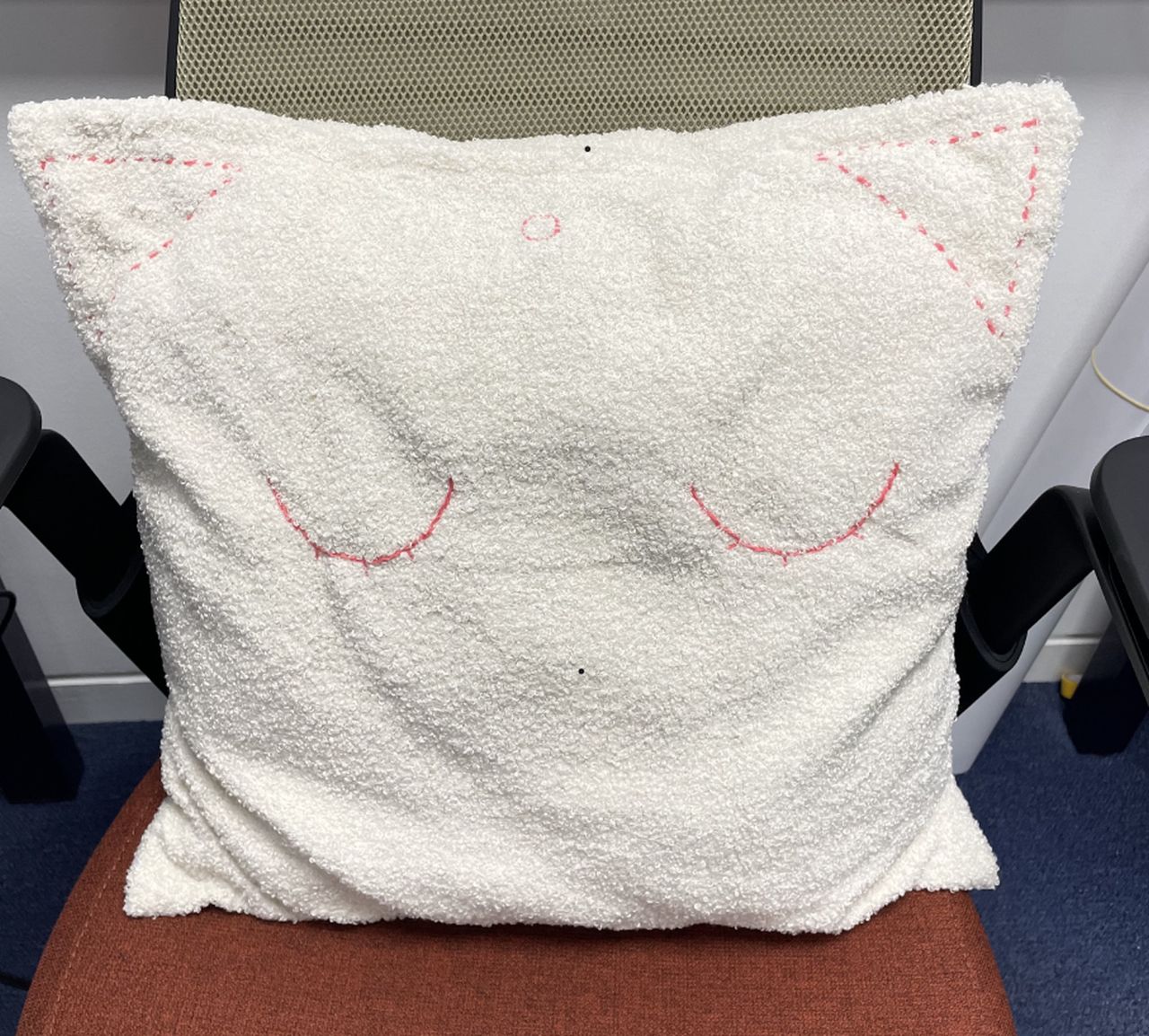
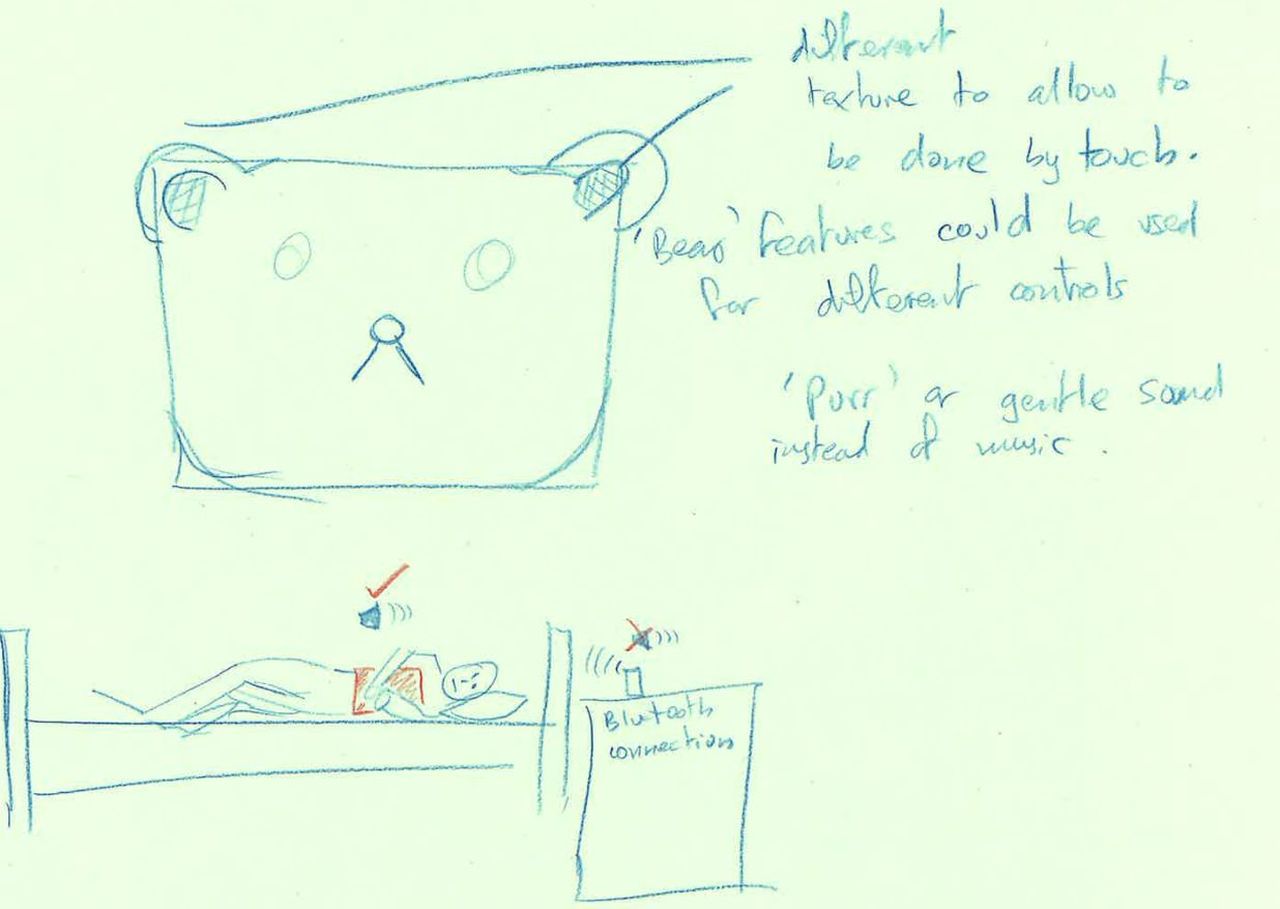
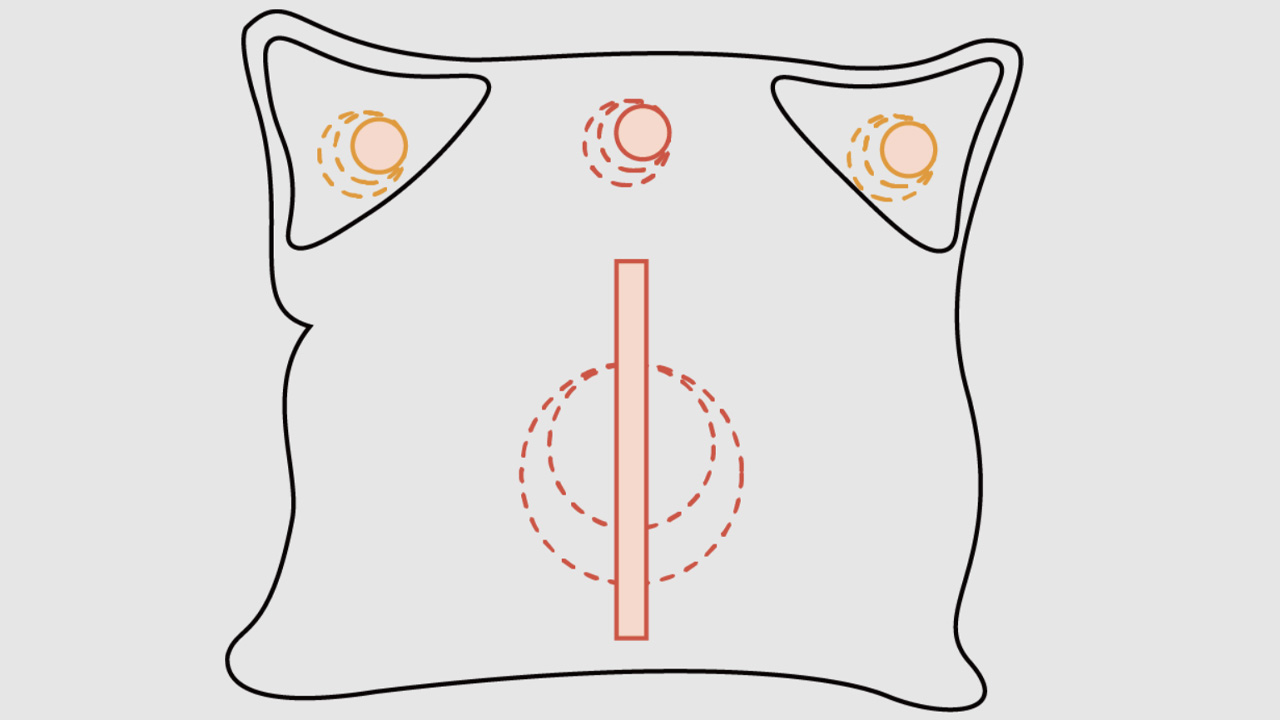
Later, the initial design was improved based on the team’s own feedback. The researchers stitched a simple cat face pattern on the front of the pillow so users can recognize different areas of the pillow without opening their eyes, simply by touch. They also added two additional sensors into the fabric’s ears to enable track skipping, and another sensor in the cat’s forehead for pause and play options. Finally, pressure sensitivity was added to the controls to prevent accidental use during sleep.
The final prototype was evaluated by 16 volunteers, who were impressed by its tactile nature. Some participants recalled childhood toys or pets, while others found it helpful to relieve bedtime stress and increase comfort through hugging. The participants suggested a range of potential tweaks to the pillow design, including animal-shaped variants, gradual audio fade-out, haptic feedback instead of lights, and long-format body pillows for back sleepers.
While the study did not directly measure sleep outcomes, participants felt the smart sleep-aid pillow design could reduce distractions and better support their natural sleep routines. For now, it is an experimental research project, but the team wants to turn it into a buyable sleep-aid device.
Via: Digital Trends
Follow Homecrux on Google News!