Water damage in homes has become a frequent issue that acts as the second most common property damage claim in the U.S. You will be shocked to know that approximately 1 in 60 insured homes files a water damage claim annually, with roughly 14,000 people experiencing a water damage emergency every day, according to an III study. Whether the damage is caused by leaking pipes, heavy rainfall, appliance failures, or flooding, you should take immediate action to minimize structural damage, reduce repair costs, and prevent long-term issues. But always remember what is possible for you.
When water damage occurs, taking the right steps early can help homeowners minimize destruction and choose the most effective solution. It is important to understand when a DIY approach is suitable and when professional restoration services are necessary. This guide explains the difference between DIY and professional repair while walking you through the proper steps to handle water damage.
Understanding Water Damage
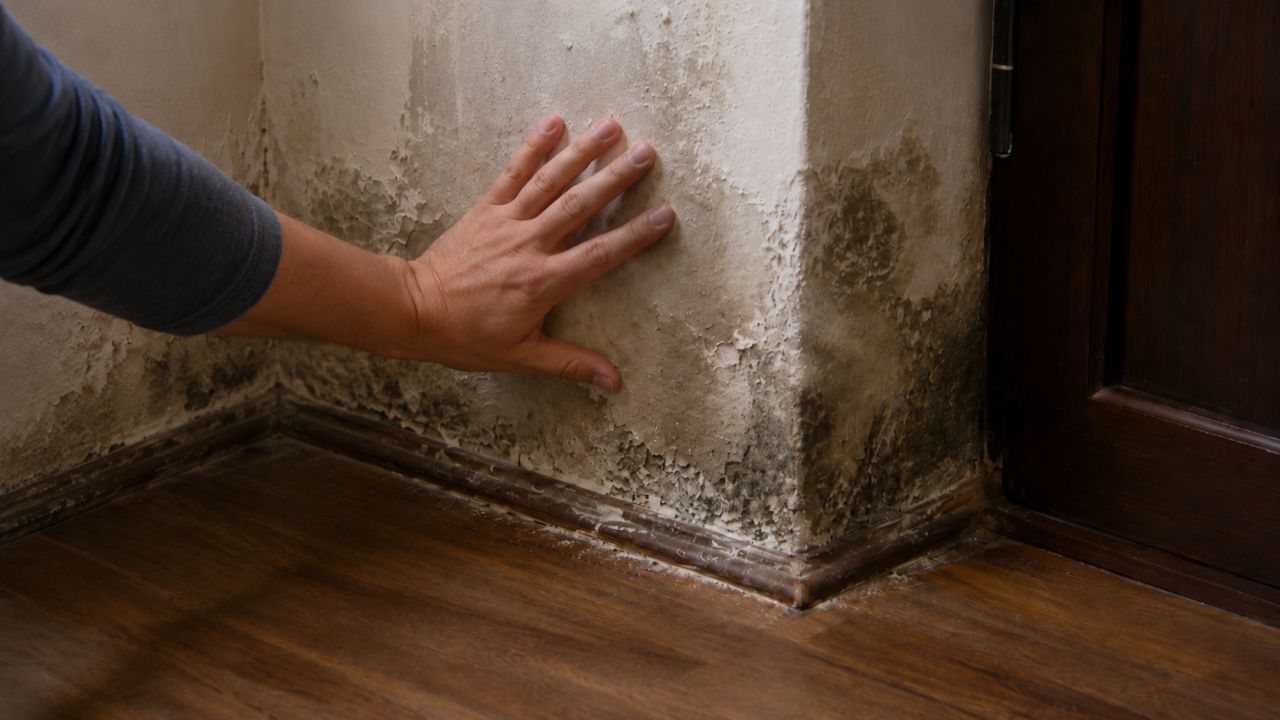
Water damage is simply the destruction or deterioration of the structures of your home due to the intrusion of water into materials like wood, concrete, drywall, or plaster. Water damage can result from leaks, burst pipes, overflowing appliances, or heavy rainfall, and even a small issue can quickly become serious if ignored. For example, a leaking pipe under the sink may seem minor at first, but it can eventually damage cabinets, flooring, and walls while also causing mold growth. Locating the primary source of the water damage early helps prevent costly repairs, complete restoration, and long-term structural problems.
Types of Water Damage
Water damage is commonly divided into three categories based on the level of contamination.
Clean Water Damage: When water damage comes from safe sources like broken pipes, faucet leaks, or rainwater, it is termed as clean water damage. Although it is the least harmful type, it can still cause serious damage if not cleaned quickly.
Gray Water Damage: This type of water damage involves mildly contaminated water from sources such as washing machines, dishwashers, or bathroom sinks. It may contain chemicals or bacteria and should be handled carefully.
Black Water Damage: This water damage is the most dangerous type and comes from sewage, flooding, or stagnant water. It contains harmful pathogens and requires immediate professional cleanup due to serious health risks.
Assessing the Severity of Water Damage
First, identify the severity of water damage. Minor damage may affect small areas, such as a corner of a room or a single appliance, while moderate to severe damage can spread into walls, floors, and structural elements. For example, a small ceiling stain caused by a leak may need simple drying and patching, whereas widespread flooding may require professional restoration. You can also enlist the affected materials to prevent hidden damage and future problems, such as mold growth.
If left untreated, excess moisture can weaken walls, ceilings, flooring, and even the foundation of a property. Beyond structural damage, standing water and damp conditions can quickly lead to mold and mildew growth, posing health risks to homeowners.
Immediate Actions to Take
When water damage occurs, you should act quickly to minimize the overall damage. Start by stopping the water source, such as turning off the main supply. The main shut-off valve is usually located in areas like the basement, garage, crawl space, or outside near the foundation.
You also need to switch off electricity in the damaged area for safety. Remove standing water, move valuables to a dry place, and improve ventilation using fans or open windows to do your part before professionals take on the job. For example, after a pipe leak, drying the area quickly can prevent water from spreading into walls or flooring.
How to Take Care of Water Damage Yourself
When it comes to DIY water damage restoration, you should be aware of what is possible for you. We recommend that you handle only small water damage issues, such as minor leaks or small spills. You should start by quickly shutting off the water source and removing any standing water with mops, towels, or a wet vacuum.
Once the area is dry, improve ventilation by opening windows and using fans or a dehumidifier to prevent moisture buildup and mold growth. The affected furniture and belongings should be moved to a dry space while you clean and disinfect surfaces to avoid contamination.
Also Read: How to Detect Hidden Water Leaks at Home: Quick and Easy DIY Guide
When is it Appropriate to Opt for DIY Methods
DIY methods are suitable only when the water damage is minor, such as small leaks, light spills, or limited surface wetness that has not reached walls, flooring, or electrical systems. In these cases, you can handle drying, cleaning, and ventilation without professional help. However, if the damage involves contaminated water or structural areas, it is better to call experts to avoid hidden issues and safety risks.
Pros and Cons of DIY Water Damage Restoration
DIY water damage restoration can be great, but it all depends on the severity of the damage. It helps save time and money in simple cases, but may not fully address hidden or long-term problems.
Pros:
- Quick response for small leaks or spills
- Saves money on professional services
- Easy handling of minor cleanup
Cons:
- May miss hidden moisture or damage
- Risk of mold growth if not dried properly
- Not suitable for large or contaminated water damage
Potential Risks and Challenges of DIY Approach
Taking a DIY approach to water damage can seem convenient, but it carries risks if the damage is more than minor. Hidden moisture can remain trapped in walls or floors, leading to mold growth and structural issues over time. There is also a risk of electrical hazards if water reaches wiring or outlets, and incomplete drying can worsen the damage.
Key Risks:
- Hidden moisture leading to mold growth
- Structural damage if not fully dried
- Electrical safety hazards
- Incomplete cleanup without proper equipment
- Higher repair costs later due to overlooked damage
Professional Water Damage Restoration
Professional water damage restoration services are worth it because they address the root cause and prevent long-term consequences. They have the expertise to conduct a thorough evaluation for identifying hidden moisture and potential risks that can be identified with the naked eye. The most important thing is that they are well-equipped with equipment and advanced techniques to handle the task more efficiently.
When to Call in Professional Help
Calling in professionals for water damage is the best option when you are dealing with safety risks, hidden structural damage, or extensive cleanup. The first thing you should notice is that if damage is from contaminated water from sewage or floods, it contains hazardous pathogens, which will require specialized sanitization that can only be done by professional services. Additionally, if it is near electrical outlets, you should not attempt DIY fixes there. You should call professional help if the water has been standing for more than 24 hours.
In case you are dealing with insurance companies, you should also seek professional help. They often have experience working with insurance companies. They can assist in documenting the extent of the damage, providing detailed reports, and coordinating with your insurance provider.
What to Expect From Professional Services
When you hire professional water damage restoration services, expect a systematic process that involves inspection and classification. The task starts with extracting the water through heavy-duty equipment. Expect industrial air movers and LGR dehumidifiers running in your home for several days.
Technicians will visit daily to check moisture readings and adjust equipment to ensure the environment is drying effectively. They also apply antimicrobial treatments to kill bacteria and prevent mold growth. Dealing with insurance claims can be a complex and time-consuming process, and professional water damage restoration services can be helpful here.
Pros and Cons of Professional Water Damage Restoration
Professional restoration provides expert moisture detection and mold prevention, though it is costly. While technicians use advanced tools to safeguard your home’s structure and assist with insurance claims, the process often involves loud equipment and minor demolition.
Pros:
- Deep drying is done to find hidden water to prevent rot and mold
- Provides the proof needed for insurance claims
- Handles electrical risks and contaminated water safely
Cons:
- Expensive compared to doing it yourself
- Loud fans will make a massive noise
- You may require removing drywall or flooring
Cost Comparison of DIY vs Professional Water Damage Restoration
Both home water damage restoration methods have their own costs. You may opt for a DIY approach for minor “clean water” spills, which may involve renting industrial fans and vacs that can cost you about $500. However, professional services using high-grade equipment cost an average of $3,800. While more expensive, hiring pros often prevents $5,000+ in future mold remediation or structural rot.
Aftermath of Water Damage at Home
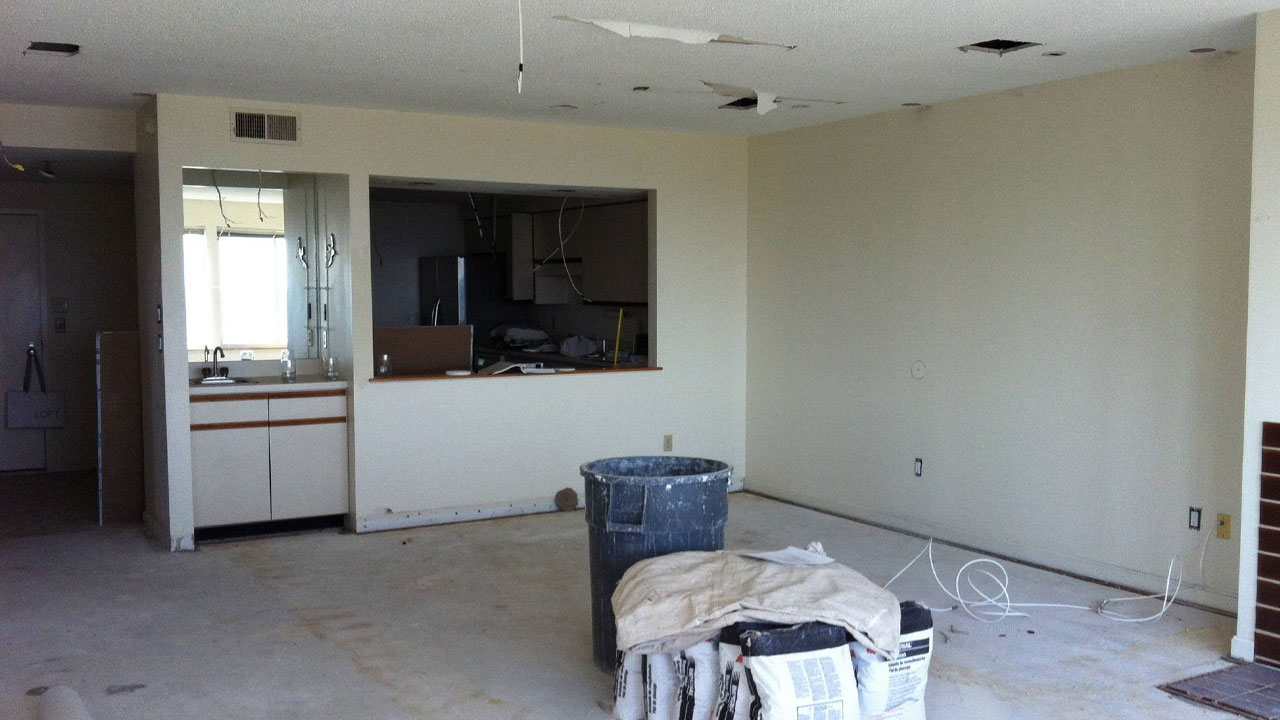
After water damage has been treated, you need to do immediate mold prevention and air quality testing to stop hidden contamination. If the damage is severe, homeowners may also need to plan for the complete reconstruction of affected areas. It is also important to contact your insurance company while restoration work begins to speed up claims and coverage.
The final step is to restore and repair damaged walls, flooring, furniture, and electrical systems. To future-proof your home, you can also take preventive measures like regularly checking for leaks, cleaning gutters, sealing cracks, maintaining the roof, and installing sump pumps or water leak detectors.
Conclusion
Dealing with water damage at home depends on the severity of the issue and the tools available. While minor leaks and small spills can often be managed with DIY methods, major flooding, hidden moisture, and mold risks usually require professional repair services. Choosing the right approach quickly can help minimize damage, reduce repair costs, and restore your home safely and efficiently.
FAQs on Home Water Damage Restoration
A. The restoration process can take anywhere from a few days to several weeks, depending on the severity of the damage, drying time, and repair requirements.
A. Yes, mold can start growing within 24-48 hours after water exposure if moisture is not removed properly.
A. Most insurance policies cover sudden and accidental water damage, but coverage may vary depending on the cause of the damage.
A. Turn off the electricity, stop the water source, and move valuables to a dry area.
A. It depends on the extent of the damage. Minor issues may allow you to stay, while severe damage or mold contamination may require temporary relocation.
A. Regular plumbing inspections, roof maintenance, proper drainage, and quick leak repairs can help prevent future water damage problems.
Follow Homecrux on Google News!