iRobot has had quite a story. In 2022, the company came close to signing an acquisition agreement with Amazon, until formal objections from Brussels regulators over competition concerns derailed the deal, compounded by widespread media speculation accusing Amazon of potentially compromising user privacy. Just when iRobot thought it could weather the storm with a significant upgrade, its stock tumbled 30 percent. The company ultimately filed for voluntary bankruptcy in mid-December. It was acquired by Picea, a Chinese manufacturer, ironically, the very kind of competitor it had spent years trying to fend off.
But just when everyone assumed Roomba was done and dusted, iRobot’s new owners shocked the industry by launching the Roomba Mini in March, that too under the same brand name, iRobot. And they haven’t slowed down since. Hot on the heels of the Roomba Mini’s success, the company has now released a full army of Roombas, eight models, all at once. This includes: Roomba 115, 415 Combo Robot, 515 Combo Robot, Roomba Plus 575 Combo Robot, Roomba Plus 615 Combo Robot, Roomba Plus 675 Combo Robot, Roomba Max 715 Vac Robot, Roomba Max 775 Combo Robot.
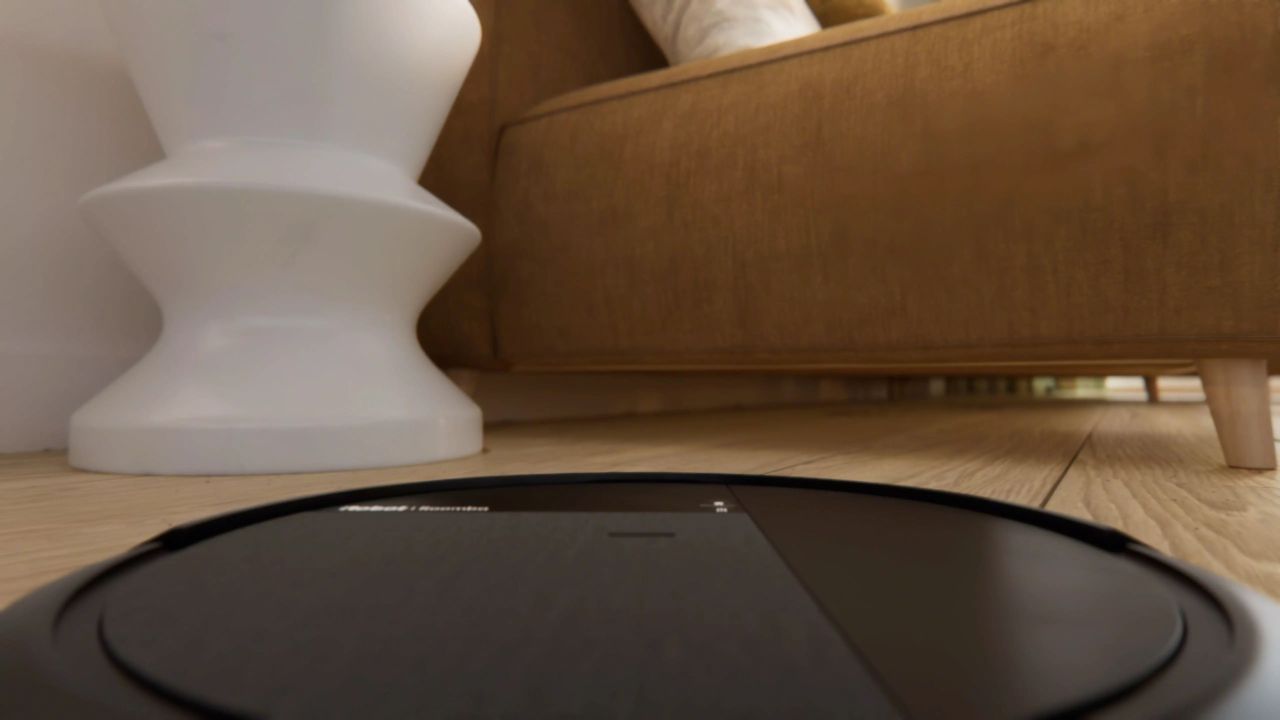
What binds all eight robots together is a smaller footprint paired with a meaningful jump in cleaning power. As reported by Tom’s Guide, several models are now up to 25 percent smaller in overall volume than their predecessors, with iRobot claiming some can reach spaces with as little as 3.5 inches of clearance. It is to be noted that most homes have sofas, beds, and cabinet bases that standard-sized bots just can’t fit under, and that’s exactly the problem iRobot is solving with this new range.
The first model of the lineup is the Roomba 115. As reported by The Verge, it is priced at £229 and packs 15,000 Pa of suction into a compact frame with smart navigation suited to apartments and smaller homes. The Roomba Plus lineup occupies the middle of the range. This includes five combo robots spanning the 415, 515, 575, 615, and 675 models, all capable of vacuuming and mopping simultaneously, with suction power ranging from 20,000 Pa to 30,000 Pa depending on the model.
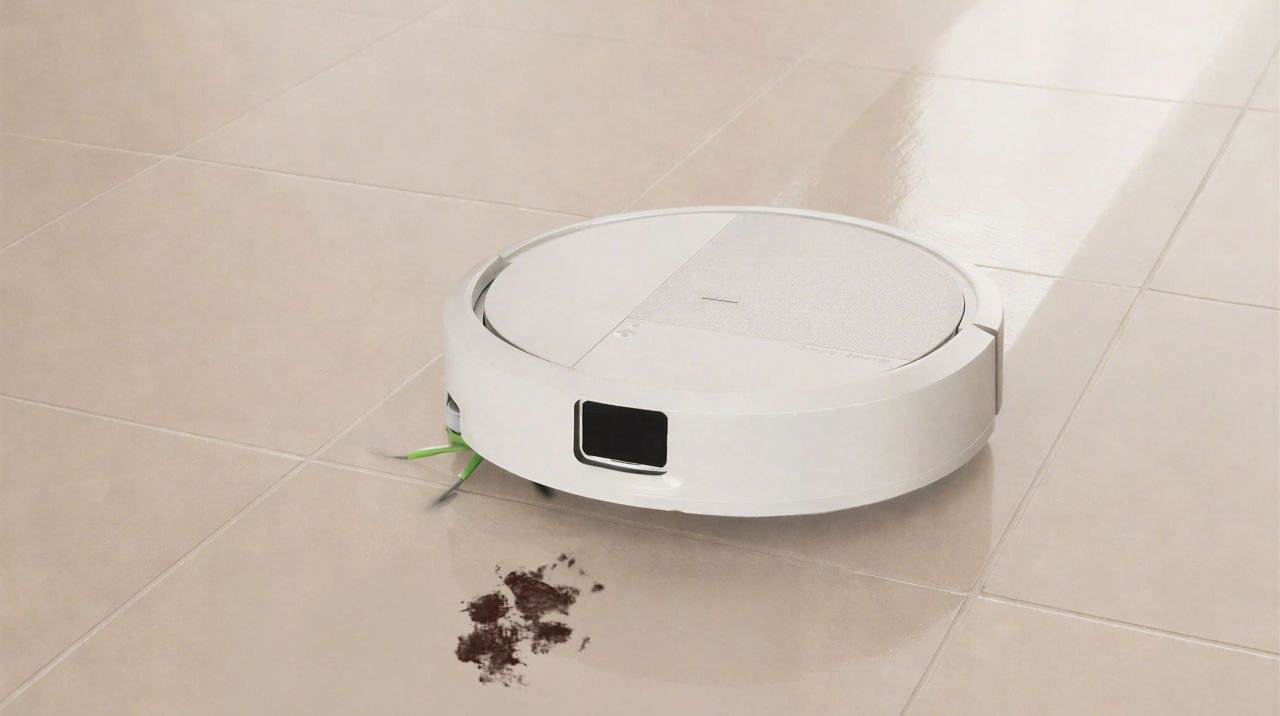
Among the five, it is the 615 and 675 models where things get particularly interesting. Both feature a roller mopping system with heated-water scrubbing, hot-spray pre-treatment for dried-on messes, and the ability to heat water to 60 degrees Celsius. Not to mention, a tangle-free brush setup that comes included to reduce maintenance headaches. Notably, the 575, 615, and 675 all step up to iRobot’s ClearView Pro LiDAR with AI visual recognition, a tier above the standard ClearView LiDAR found in the lower Plus models.
Also Read: Are Robot Vacuum Cleaners Suitable for All Floor Types?
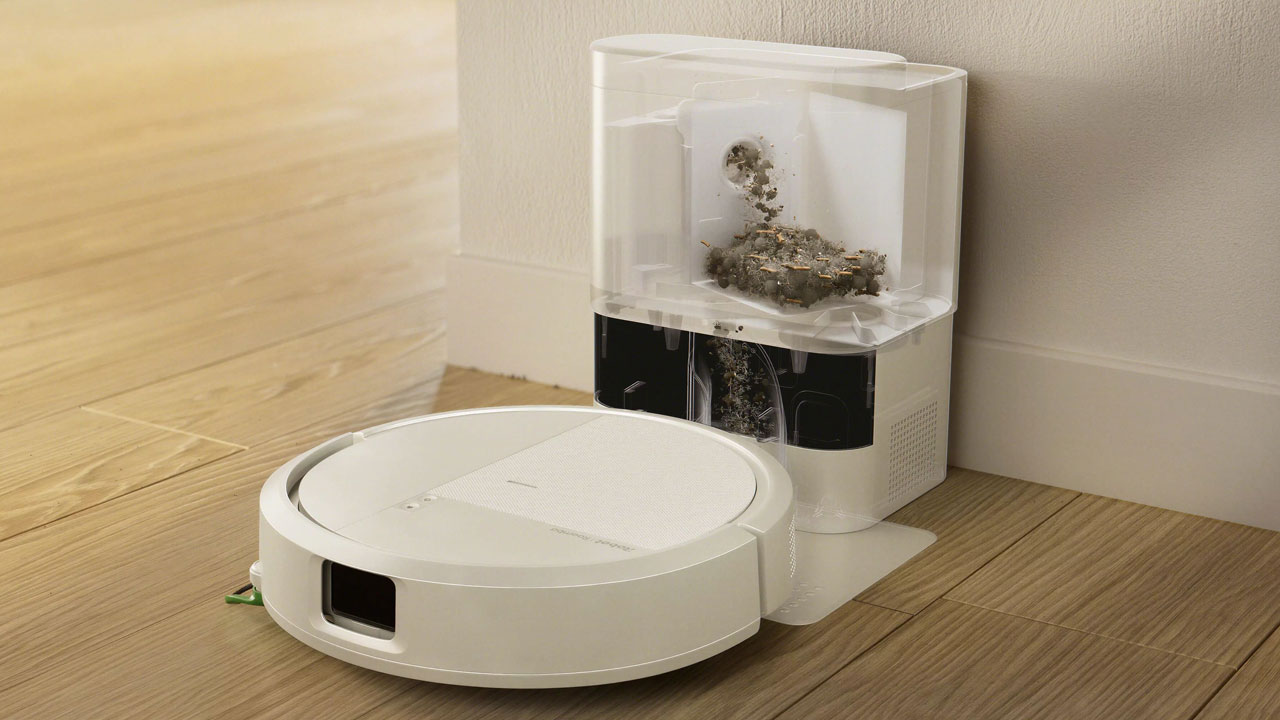
The Roomba Max 775 tops the range at £799, nearly doubling its predecessor’s suction power from 16,000 Pa to 30,000 Pa. It adds pressurized hot-spray pre-treatment, a hotspot mopping feature, and the AutoWash dock, which empties the bin, washes the mop, and dries it with hot air. A vacuum-only version, the Max 715, comes in at £549. Both are notably cheaper than the previous generation’s £999 ceiling, putting iRobot in stronger competition against the likes of Roborock and Shark.
The new lineup will be available across the UK and North America from mid-2026, with US pricing yet to be confirmed. For a brand that spent much of the last two years in financial and operational freefall, the sheer volume and ambition of this launch make one thing clear: iRobot’s new owners are not here to play it safe. Whether the hardware and the hype live up to the specs on paper is a question reviewers will soon answer, but as a statement of intent, dropping eight robots at once is hard to ignore.
Follow Homecrux on Google News!